Learn from the past to build better for the future
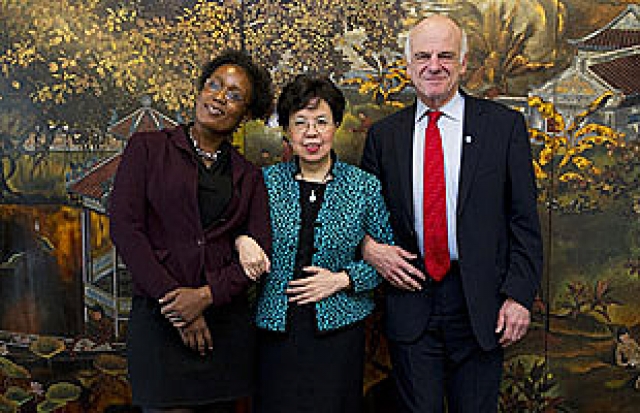 25 January 2015 -- Today, WHO Director-General opened the Executive Board's Special Session on Ebola. Dr Chan emphasized the need to maintain the momentum and guard against complacency and donor fatigue. UN Special Envoy for Ebola, Dr Nabarro, conveyed a message from the UN Secretary-General reinforcing the call to draw lessons from this outbreak for the future.
Cuban medical team concludes a successful Ebola response support mission to Liberia
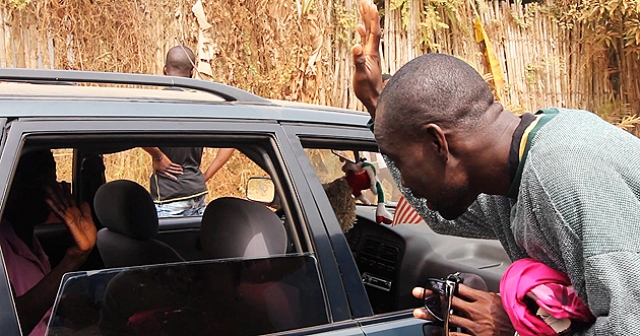
The Ebola outbreak in West Africa has produced increasing circles of victims beyond the infected and the dead. Survivors, families, children, and health workers are dealing with the stress and trauma left behind by the disease. Read how a psychosocial worker supports Ebola patients, and serves as a liaison between Ebola patients and their families and communities.
Fighting Ebola from day one
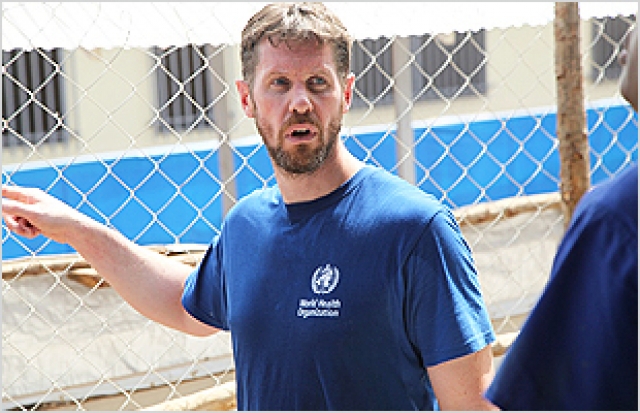
Interview with Rob Fowler, a critical care physician from Canada, who worked in West Africa since the first confirmed cases of Ebola.
Getting the epidemiology right, contact tracing, social mobilization, infection prevention and control are what will play the biggest role in stopping the Ebola outbreak.
Meningitis A vaccine now recommended in routine immunization schedules
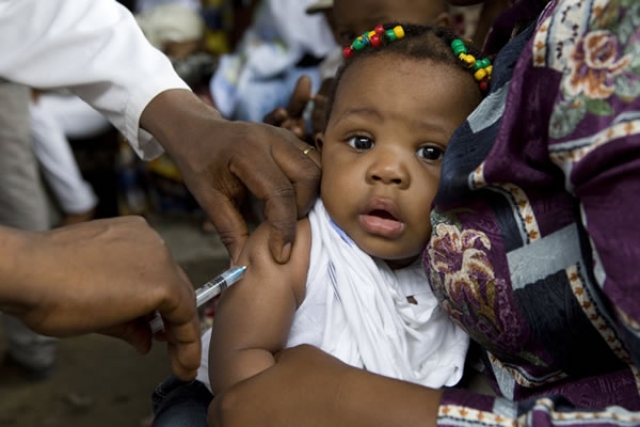
Brazzaville, 20 January 2015 – The World Health Organization (WHO) now recommends the conjugate meningitis A vaccine MenAfriVac® to be introduced in routine immunization schedules in sub-Saharan Africa. This recommendation ensures that infants are protected against meningitis and population-wide immunity is maintained.
29th ERC: Nigeria well positioned to interrupt transmission of WPV
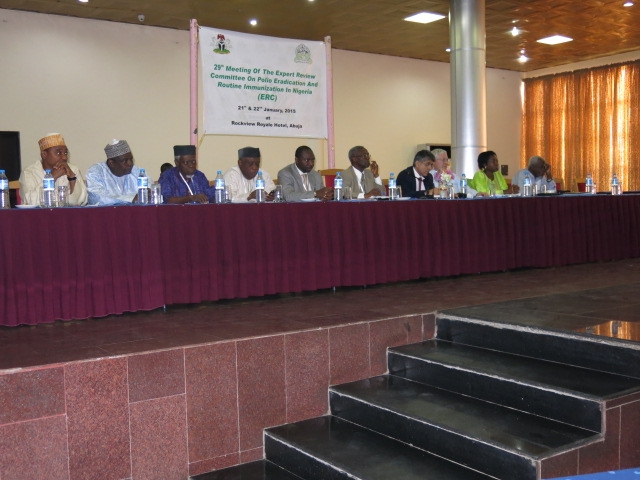
Abuja, Nigeria 23 January 2015 - The 29th Expert Review Committee (ERC) is convinced that Nigeria can get out of WHO’s list of endemic countries with active wild polio virus (WPV) transmission if no WPV is detected for a period of 12 months with adequate surveillance, since the last case was reported on 24th July, 2014.
More than 2.5 million people reached in emergency response campaign with anti-malarial medicines in Sierra Leone
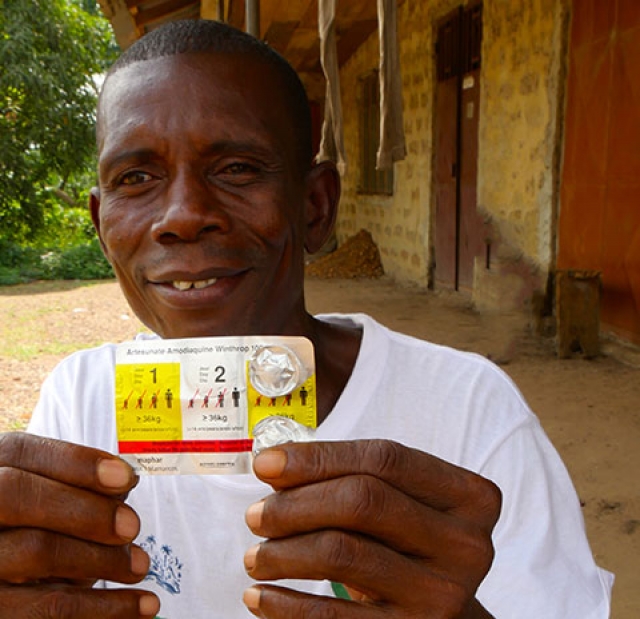
Two successive emergency response campaigns in Sierra Leone to distribute anti-malarial drugs to people living in areas affected by the Ebola virus disease outbreak have successfully reached more than 2.5 million people, and significantly reduced the number of people with fever that might be mistaken for Ebola virus disease (EVD).
Government of Mali and WHO announce the end of the Ebola outbreak in Mali
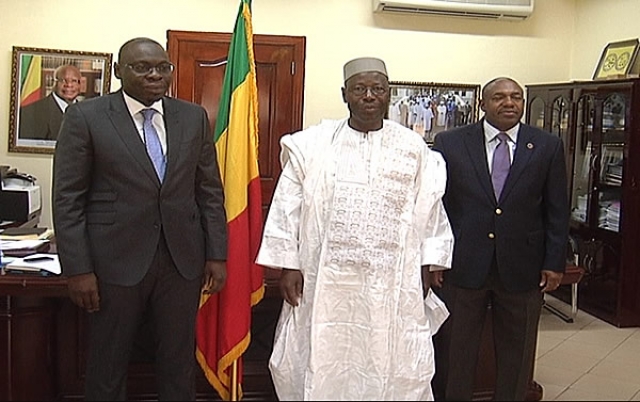 Bamako, 18 January 2015 - Malian authorities and the World Health Organization (WHO) today announced the end of the outbreak of Ebola virus disease in Mali since 42 days had elapsed after the last Ebola case tested negative in laboratory tests on the 6 December 2014.
Zimbabwe hosts SADC Malaria Day
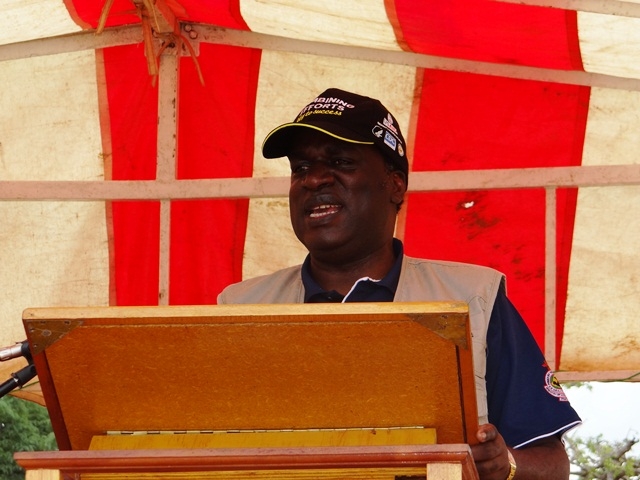
Vic. Falls, 16 Jan. 2015 Zimbabwe, which is the Chairperson for Ministers of Health in the SADC Region played host to the belated regional commemoration of SADC Malaria Day in Victoria Falls. The commemoration which brought together SADC Ministers of Health, Roll Back Malaria (RBM) partners, and the Victoria Falls community, was held under the theme “Strong partnerships sustain gains in malaria prevention and control” and the slogan, “Combining efforts—key to success”.
The United Republic of Tanzania hosts a high level sensitization meeting on Ebola Virus Disease country preparedness
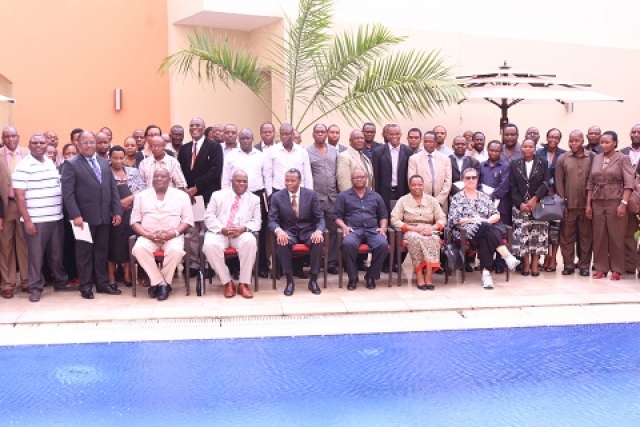
Dar es Salaam, Tanzania - 16th January 2015 - The Ministry of Health and Social Welfare (MOHSW) in collaboration with the Prime Ministers’ Office, Department of Disaster Management (PMO-DMD) for the first time held the high level sensitization meeting to discuss Ebola Virus Disease country preparedness. The meeting which took place in Dar es Salaam was officiated by the Permanent Secretary, Ministry of Health and Social Welfare, Dr. Donan Mmbando and Representative of the Permanent Secretary, Prime Minister’s Office, Mr. Harrison Chinyuka.
No Woman Should Die while Giving Life: Safe motherhood month calls for zero home deliveries
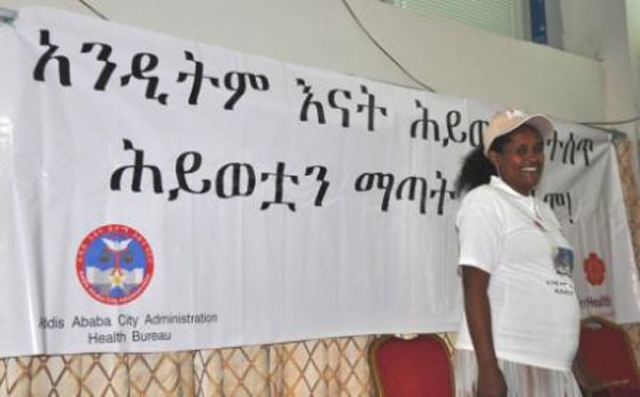
Every year, the month January, is marked as safe motherhood month to advocate and mobilize resources for increasing access to quality maternal health services. This year’s theme “No woman should die while giving life” raises awareness on preventable maternal and infant mortality in Ethiopia and advocates for increased deliveries at health facilities. A number of events are taking place throughout January to draw the attention of all Ethiopians to the importance of healthy pregnancy and motherhood.