Kenya hosts commemoration to accelerate comprehensive implementation of WHO FCTC in the African Region
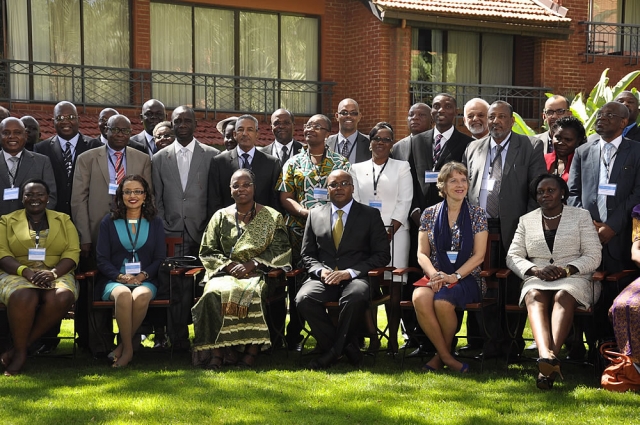
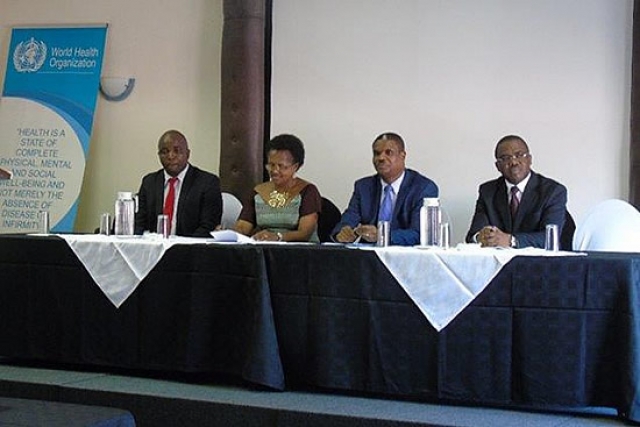
Nairobi, 25 February 2015 -- The WHO meeting to commemorate the implementation of the Framework Convention on Tobacco Control (FCTC) started in Nairobi today with members and participants commending great milestones but cautioning that a lot is still needing to be done to save lives from the tobacco epidemic.
The meeting attended by Member States outlines the implementation status for each state and what still remains to be done to protect African citizens from tobacco use and tobacco-related deaths.
Swaziland embarks on neglected tropical disease mapping survey
The Kingdom of Swaziland through the Bilharzia and Worms Control Programme under the Ministry of Health is embarking on a national integrated mapping survey for schistosomiasis and soil-transmitted helminthiasis. Following several months of detailed planning the beginning of the survey was marked by a five day national training workshop for the survey teams. The survey, to run from the 16 February to the 6 March will cover all the 55 tinkhundla(districts), 275 primary schools, and 13 750 learners between 10 and 14 years of age.
WHO Regional Director for Africa concludes first leg of visits to Ebola affected countries
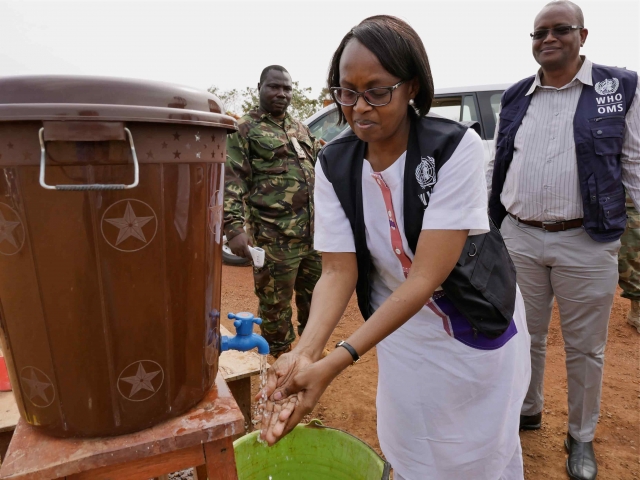
24 February 2015, Freetown - Today, the World Health Organization's Regional Director for Africa, Dr Matshidiso Moeti, wraps up her visit to Sierra Leone, her first to an Ebola affected country.
WHO Regional Director for Africa, Dr Matshidiso Moeti visits Sierra Leone
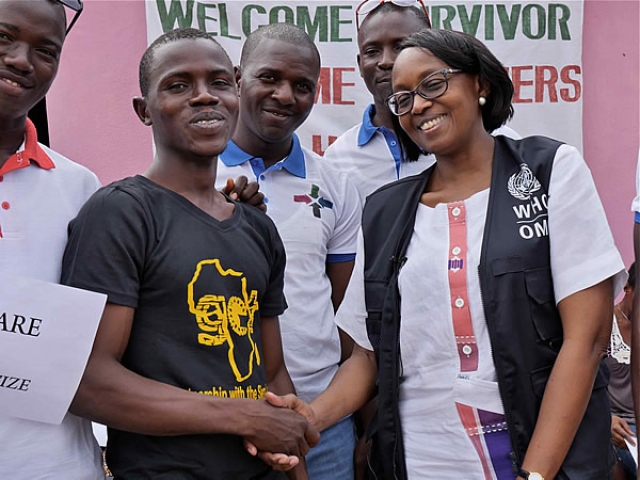
Freetown, 22 February 2015 -- Today, Dr Matshidiso Moeti, the newly elected WHO Regional Director for Africa, starts her four-day visit to Sierra Leone to get a better understanding of the Ebola response activities on the ground and reconfirm her commitment to the on-going Ebola outbreak. As of 20 February, Sierra Leone has reported 8244 confirmed Ebola cases, including 3066 deaths. While the number of new cases appears to be declining over the past weeks, a mixed picture emerges in different districts.
Health partners appeal for funds to meet South Sudan’s priority needs in 2015
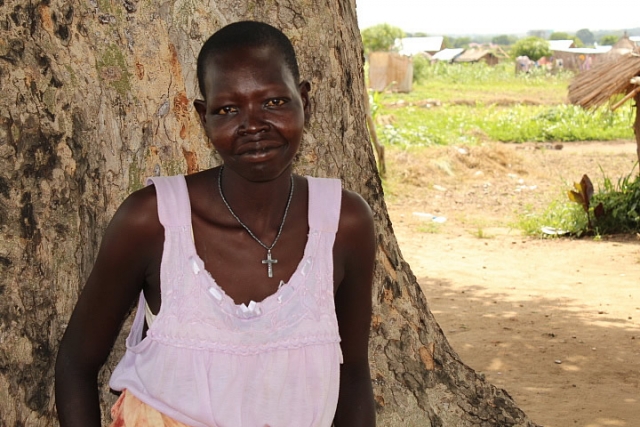
When Margaret Dudu, a 30-year old mother of two, visited her mother in Gumbo on the outskirts of Juba, she intended to stay for a few days then return home and resume her life.
WHO provides equipment for Ebola and Pandemic Influenza preparedness in Tanzania
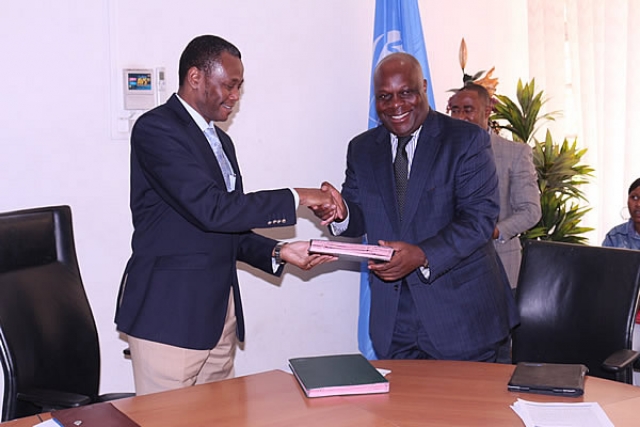
Dar es Salaam, 20 February 2015 - The WHO Tanzania country office provided the Ministry of Health and Social Welfare equipment to strengthen Ebola and pandemic influenza preparedness in the country. Items handed over included: heavy duty personal protective equipment (PPEs ) for Ebola such as gumboots, heavy duty gloves and aprons, protective goggles, sprayers and cadaver bags, laboratory incubator, 10 computers, 10 UPS and 12 printers, all worth a total of US$ 46 070 equivalent to Tanzania Shillings 83 617 100.
WHO continues to support flood victims in Malawi
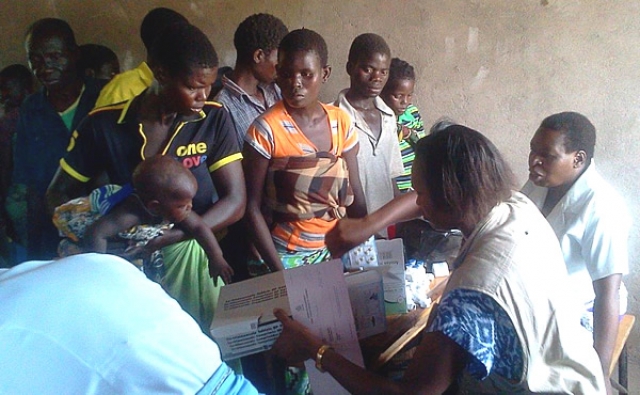
After intense flooding, WHO Malawi Country Office has been in the field supporting health care delivery to flood disaster victims. This flooding has made 230 000 displaced persons live in temporary shelters, schools, churches and tents and presents complex challenges for many Malawians.
Plague in Madagascar: need for heightened vigilance
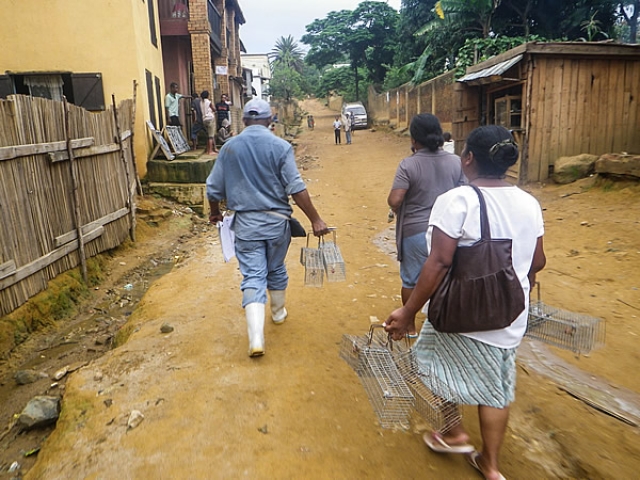 Since September 2014, 283 suspected, probable or confirmed cases, including 74 deaths have been reported for all affected areas in Madagascar. The outbreak peaked in November and December but has slowed for the time being. Health officials are keeping a close watch over the situation as the plague season on the island continues until April.
Nigeria introduces inactivated polio vaccine into routine immunization schedule
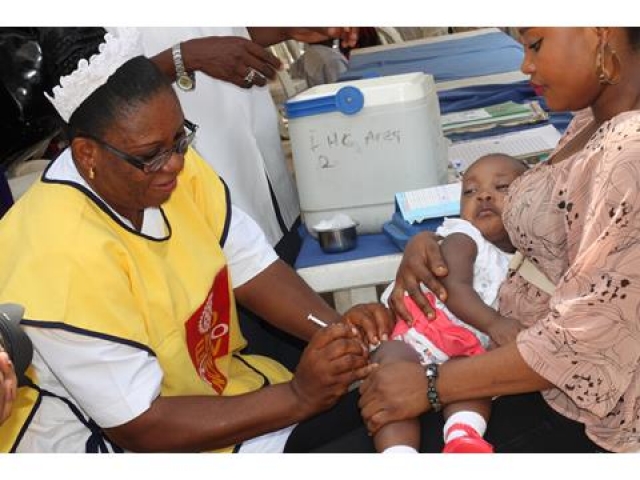
Abuja, 20 February 2015 -- Nigeria has introduced the inactivated polio vaccine (IPV) into the nation’s routine immunization schedule at a ceremony presided over by the supervising Minister of Health, Dr Alhassan Khaliru which was attended by the WHO Country Representative (WR), Dr Rui Gama Vaz and other development partners such as UNICEF, USAID, CDC, DFATD – Canada among others, in Abuja on 20 February 2015. IPV is very safe and highly effective in preventing paralytic disease caused by all three types of polio viruses.
Newly elected WHO Regional Director for Africa presents her letters of credence to the Congolese Minister of Foreign Affairs
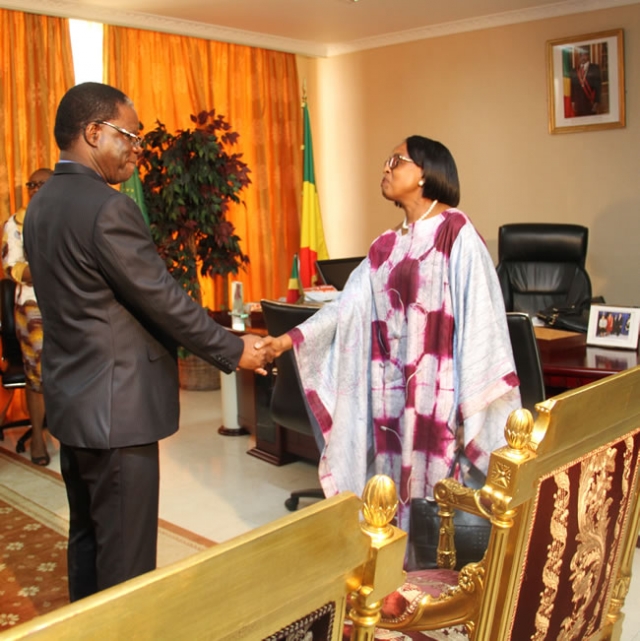 Brazzaville, 19 February 2015 – Newly elected WHO Regional Director for Africa, Dr Matshidiso Moeti, was received in audience by Congolese Minister of Foreign Affairs, Mr Basile Ikouebe. The audience was devoted to the presentation of Dr Moeti’s letters of credence, after taking office at the WHO Regional Office for Africa in Brazzaville (Congo).