External team begins assessment of surveillance system in Nigeria.
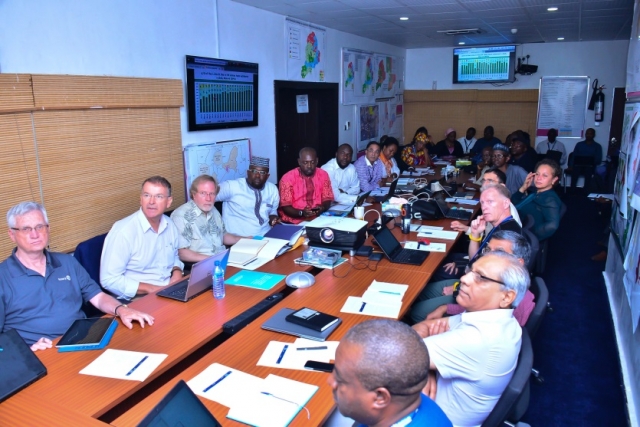
Abuja, 16 August, 2016 - An external surveillance team is in Nigeria to assess the sensitivity of the acute flaccid paralysis (AFP) surveillance system. The assessment team will work at the national level and selected states of Borno, Kaduna, Kano and Sokoto from 15 to 25 August, 2016. The team further intends to determine the potential source or reservoir of the recently detected wild polio viruses in Nigeria.
A Newly Appointed WHO Representative to Ethiopia Presents Credential
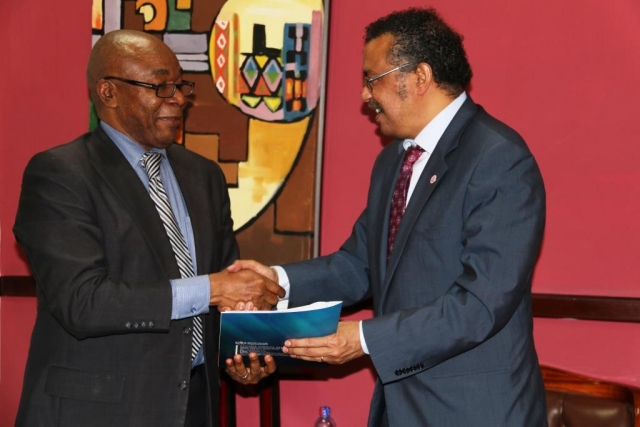
29 July 2016, ADDIS ABABA, ETHIOPIA | Dr. Akpaka Kalu, the newly appointed WHO Representative to Ethiopia, presented his credentials to H.E. Dr Tedros Adhanom, Minister of Foreign Affairs of the Federal Democratic Republic of Ethiopia on 29 July 2016.
H.E. Dr Tedros Adhanom gave Dr. Kalu a warm welcome and assured him of the Government's continued support as he accepted Dr. Kalu’s credential. “I wish you all the best and we will support you in any way possible to make your stay successful,” he said.
Preparing to vaccinate millions against yellow fever
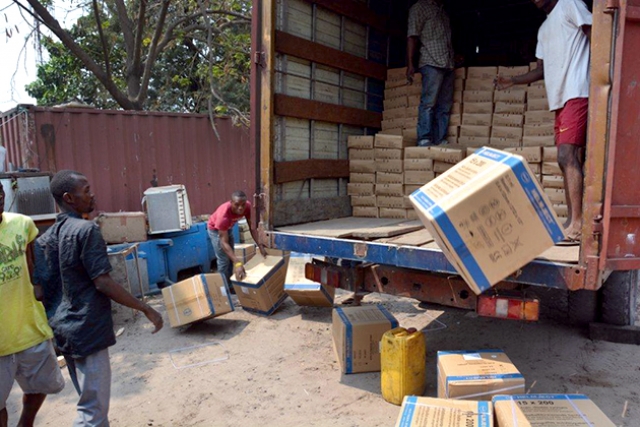 15 August 2016 - One of Africa's biggest-ever emergency vaccination campaigns starts this week in Democratic Republic of the Congo with the aim to protect millions of people against yellow fever before the rainy season begins in late September.
Community mobilization and engagement accelerating ahead of yellow fever prevention campaign in Kinshasa
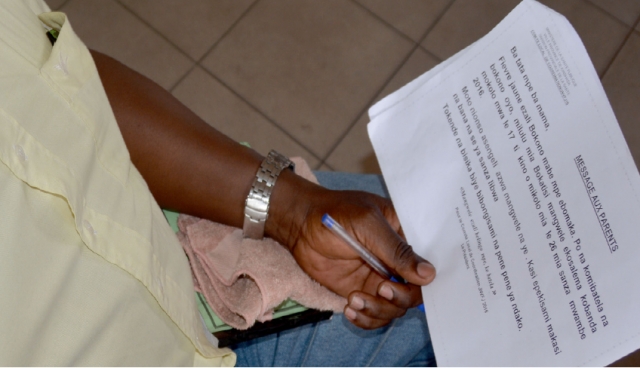 KINSHASA, 14 August 2016 -- Capacity-building and community engagement by district chief medical officers and community organizers in Kinshasa’s 32 health districts gathered pace on Friday 12 and Saturday 13 August in the city and province of Kinshasa, ahead of the planned launch of the mass yellow fever preventive immunization campaign in Kinshasa on Tuesd
Nigeria detects wild poliovirus in recently accessible areas of Borno State
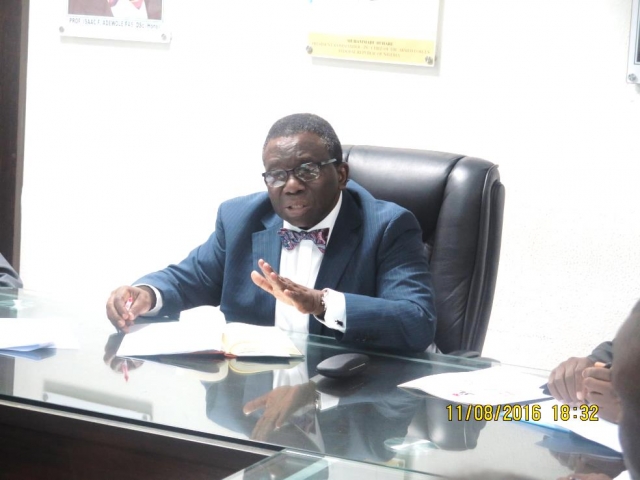
Abuja, 12 August, 2016 - With improved surveillance among recently accessible populations of Borno State, Nigeria has identified two (2) wild poliovirus (WPV) cases, the first to be detected since July 2014.
Addressing partners and stakeholders on 11 August, 2016, the Minister of Health, Professor Isaac Adewole, confirmed that two children have been paralyzed in Gwoza and Jere local government areas (LGAs) of Borno State. The isolated viruses are linked to a virus last detected in Borno in 2011.
WHO heightens health response to cholera outbreak in CAR
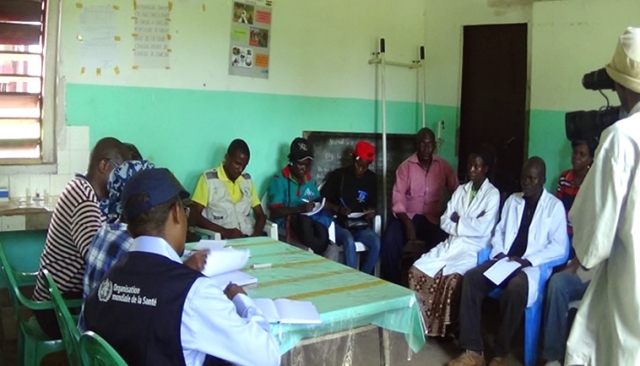
Bangui/Brazzaville, 11 August 2016 – Amid an ongoing complex humanitarian crisis in the Central African Republic (CAR), the World Health Organization (WHO) and partners are working with the country’s Ministry of Health respond to a cholera outbreak declared on 10 August 2016 with 46 confirmed cases and 13 deaths from Djoujou, Damara and Bangui cities.
Government of Nigeria reports two wild poliovirus cases, first since July 2014
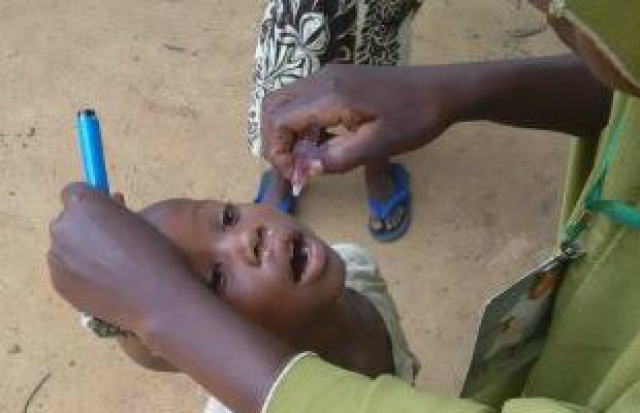 11 August 2016 – After more than 2 years without wild poliovirus in Nigeria, the Government reported today that 2 children have been paralyzed. As an immediate priority, the Government of Nigeria is collaborating with WHO and other partners of the Global Polio Eradication Initiative to respond urgently and prevent more children from being paralyzed.
Gains in fight to control yellow fever outbreak: but response must continue
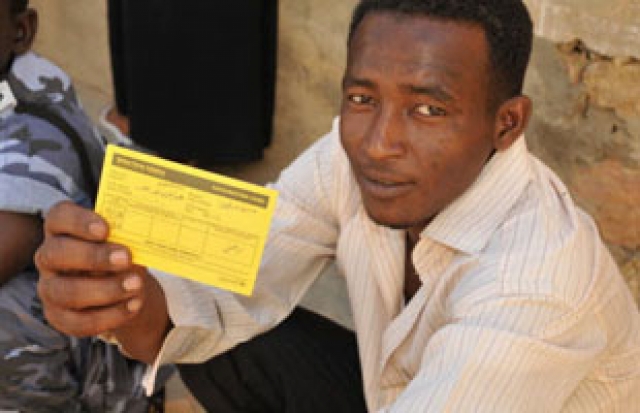 6 August 2016 - The yellow fever epidemic in Angola, first reported in late January 2016, appears to be declining, with no new cases confirmed in the last 6 weeks. However, WHO and partners continue to provide support to Angola as well as to Democratic Republic of the Congo to control the outbreak there.
mDiabetes, an innovative programme to improve the health of people with diabetes in Senegal
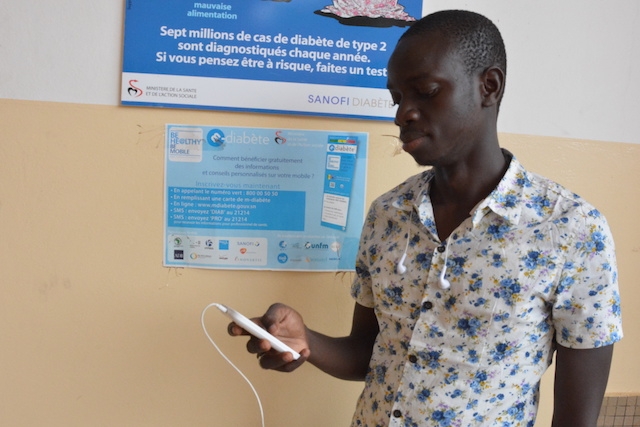 It is estimated that 422 million people in the world live with diabetes. WHO forecasts that this number will reach 622 million by 2040. The majority of people with diabetes live in developing countries. The number of people with diabetes is increasing, notably in Africa, from 3 adults among 100 people in 1980 to 7 adults among 100 people in 2014.
Supporting the delivery of healthcare in the Democratic Republic of the Congo
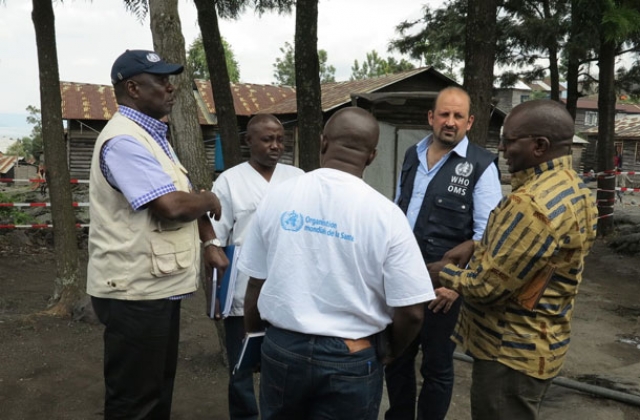 The Democratic Republic of the Congo is a country perpetually in crisis due to a mix of conflict, disease outbreaks, natural disasters and nutritional crises. Some 7.5 million people need humanitarian assistance and protection in one of the world’s most challenging places to operate.