Mobile labs deliver faster yellow fever test results
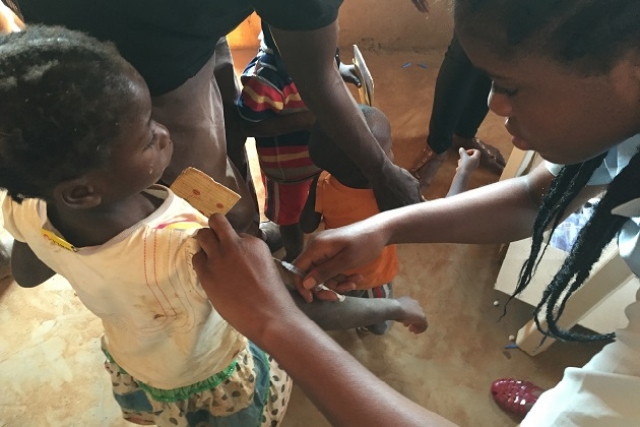 “Treating a yellow fever patient is reliant on having the right diagnosis. This is dependent on having the necessary laboratory capacity to quickly identify the disease,” says Dr Pierre Formenty, an expert in haemorrhagic fevers at WHO and Manager of the Emerging Dangerous Pathogens Laboratory Network.
“My untold story” – A hepatitis patient in Ghana shares his experience
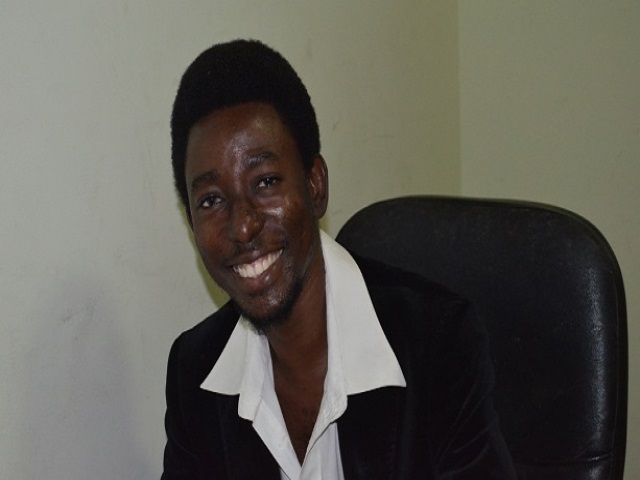
“Being infected with Hepatitis B is just like having a fatal disease. Once you are diagnosed with the disease, it is like a death sentence,” says 34-years-old Robert P. Idan. About 9 years ago, Robert, a music student at the University of Education in Winneba, Ghana, dropped out of school. He fell seriously ill, and the doctors initially diagnosed him with an auto immune disease.
Few years passed and Robert still did not feel well. One day, he decided to get tested, during one of the free screening and testing activities organized by the Hepatitis Foundation of Ghana.
Sierra Leone health sector better prepared against seasonal flooding
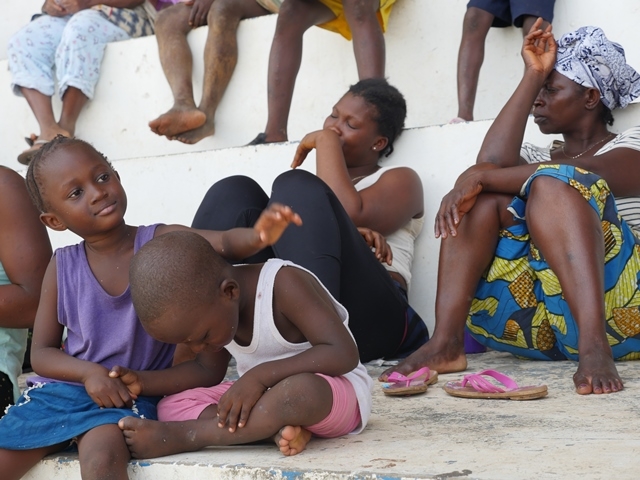
Flooding from torrential rainfall is the most common form of natural disaster in Sierra Leone and regularly causes significant damage and harms people's health, especially in poor communities and settlements. A new national flood emergency and response plan is now under development to help ensure the country is better prepared to prevent and manage floods.
Third Annual Pharmacy Research Conference held in Zambia
Global Laboratory Initiative to build capacity in Africa
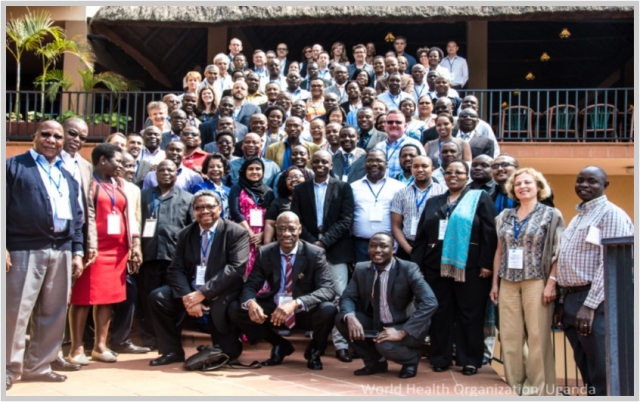
Kampala, 25th July 2016 - The Global Laboratory Initiative Africa (GLI-Africa) has introduced a framework to coordinate partners and activities basing on the Tuberculosis laboratory diagnostic network in the African region. This was at a three day meeting held recently at Speke Resort Munyonyo in Kampala.
WHO and Ministry of Health expand cholera response to minimize future risk
Juba, 25 July 2016 - In a move to prevent a cholera outbreak from spreading, the Ministry of Health of South Sudan with support from the World Health Organization (WHO) and health partners are ramping up disease surveillance and treatment efforts. Across the country, 271 cholera cases have been reported, including 14 deaths since 12 July 2016.
Botswana successfully launches the measles rubella campaign
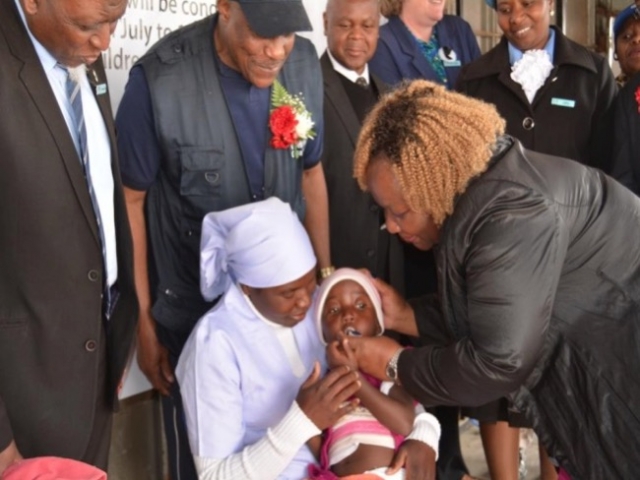
Botswana has successfully launched the introduction of the Measles Rubella vaccine introduction and Supplementary Immunization Activity (SIA) in the capital city Gaborone on Monday July 25th 2016 at a ground breaking ceremony.
WHO supports the conduct of two days symposium on Person-Centred Care
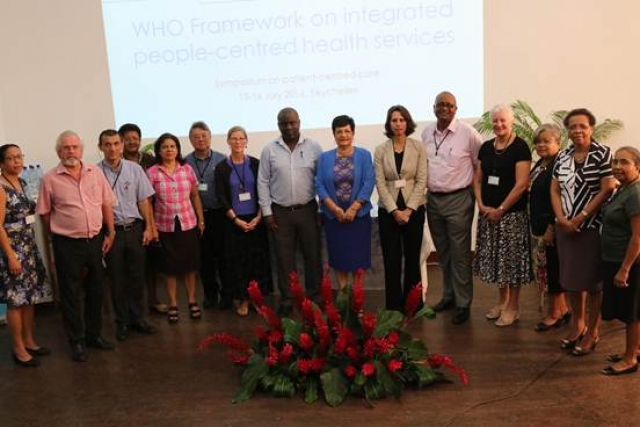
Seychelles has placed the improvement in the quality of services its population receives as one of the key policy thrusts that will consolidate the achievements of Universal Health Coverage that it has so far attained. To this end, an increased focus on person centred care is one of the strategic thrusts the country is pursuing to facilitate achievement of this goal. Person centred care calls for a complete rethink of the way health and related services are designed, provided and monitored.
Malawi launches the National Health Communication strategy
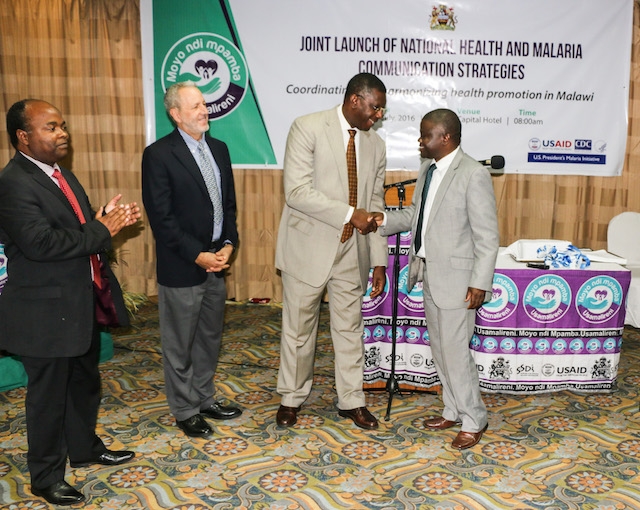
Lilongwe: On 21 July 2016 the Ministry of Health in collaboration with USAID Malawi, the World Health Organization and partners launched the national Health Communication Strategy and the Malaria Communication Strategy at the Sunbird Hotel in Lilongwe. At the colorful occasion the Guest of Honour was the Minister of Health, Dr Peter Kumpalume, MP. Among the distinguished guests were the WHO Representative, Dr Eugene Appiah Nyarko, the Chief of Health Services, Dr Charles Mwansambo and the Director for Health at USAID Mr Peter Halpert.
Closing Statement by the Principal Secretary of the Ministry of Health, Dr Bernard Valentin, at the end of the 2-day Seminar
“We have done a lot of work during the past few days. More than you would even imagine!
Dr. Delanyo Dovlo, the Director for Health Systems and Services at the WHO Regional Office for Africa, arrived in Seychelles in the middle of the week and, immediately after, he held three meetings with us. First he met with the Minister of Health, then he met with the technical and management team of the Ministry and subsequently, with the management team of the Health Care Agency.