New report on public financing for health in Africa
 23 August 2016 – Fifteen years ago, African leaders pledged to increase health spending to 15% of total government expenditure. Since then health spending has reached an average of 10%. Still, as economies have grown, a number of challenges are hampering progress towards universal health coverage.
Ministry of Health conducts a training workshop on the National District Information System (DHIS2) for WHO Country Office staff
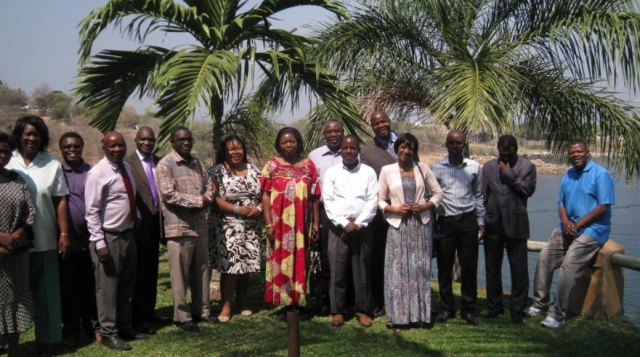
Lusaka, 24th August 2016 - WHO Country Office staff are undergoing a training course on the National District Health Information System from 22-27 August 2016. The training which is facilitated by trainers from the Directorate of Policy and Planning at the Ministry of Health is intended to equip the WHO staff with skills on how to use the web-based health facility database called District Health Information System (DHIS2) and to provide access rights for using the facility.
Hukumar Lafiya Ta Duniya ta fada aikin jinkai a yankunan da a ke fama da masu tayar da kayar baya a yankin arewa masu gabas na Najeriya
Kananan hukumomi 15 daga cikin wadanda a ka kwato daga hannun ‘yan tada kayar baya na cikin mawuyacin hali na bukatar kulawa da lafiya
Sanarwar manema labarai
22 ga Agusta 2016 | GENEVA – A
Nigerian Crisis Situation Report, 22 August 2016
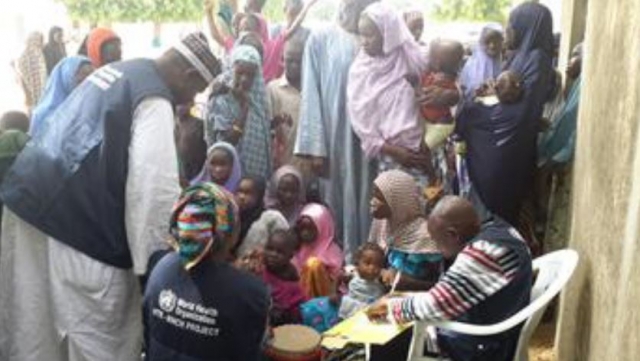
Emergency team met key health sector partners on the ground; OCHA, MSF, ICRC and UNFPA to review health response and coordination.
Estimated 750,000 - 800,000 persons in dire need of health sector interventions in the newly liberated areas of Borno state.
Access constraints continue to hamper delivery of health care in many parts of the Northeast.
Dr Moeti proposes actions to address fake medical products
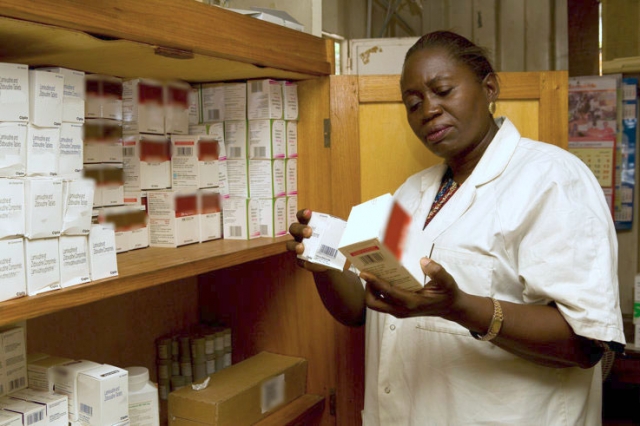
Regional strategy on regulation of medical products adopted
WHO scales up response to humanitarian crisis in Nigeria
22 August 2016 – A WHO emergency health team has arrived in Maiduguri city, north-eastern Nigeria, to assess and respond to the health needs of 800 000 people in the area. WHO and partners will work with local officials to urgently reduce the rates of death and disease caused by malnutrition, disease outbreaks, and a long-term lack of access to basic health services.
SSI trains WHO Uganda staff in scientific writing
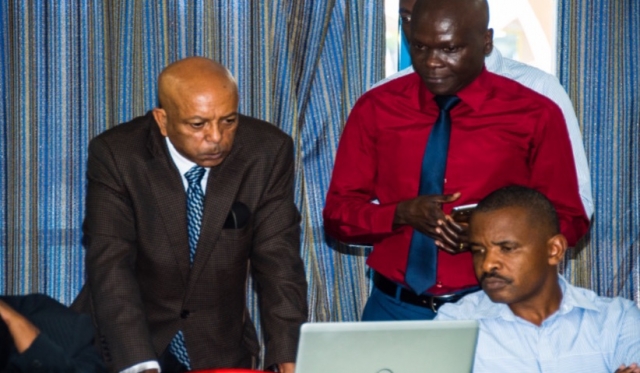
Kampala 22 August 2016 - The World Health Organization (WHO) country office in Uganda organized a 5-day training workshop to build capacity of staff in Scientific writing at Hotel Africana in Kampala, in collaboration with Sustainable Sciences Institute (SSI) which trained the staff.
By 2030, viral hepatitis to be eliminated from the African Region
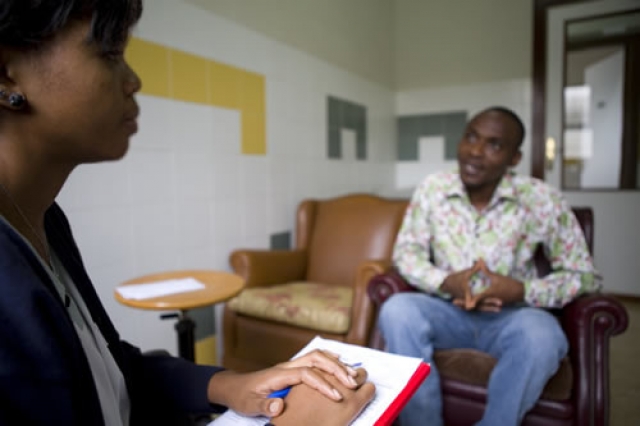
Addis Ababa, Ethiopia, 21 August 2016 – By 2030, the African Region wants to eliminate viral hepatitis as a major public health threat. With the launch of the document “Prevention, Care and Treatment of viral hepatitis in the African Region: Framework for action 2016–2020”, WHO provides guidance to Member States in the Region on how to implement the first-ever Global Health Sector Strategy on viral hepatitis, which was adopted last May at the World Health Assembly.
Malaria is no longer leading cause of death among children in sub-Saharan Africa
21 August 2016, Addis Ababa, Ethiopia – Today, all forty-seven WHO Member States in the African Region adopted unanimously a new malaria framework for Africa. This framework aims to guide African countries on how to implement the Global Technical Strategy for malaria in the Region. It proposes specific priority interventions and actions to be implemented by Member States to reach “an African Region free of malaria”.
African health ministers to endorse regional oral health strategy for 2016-2025
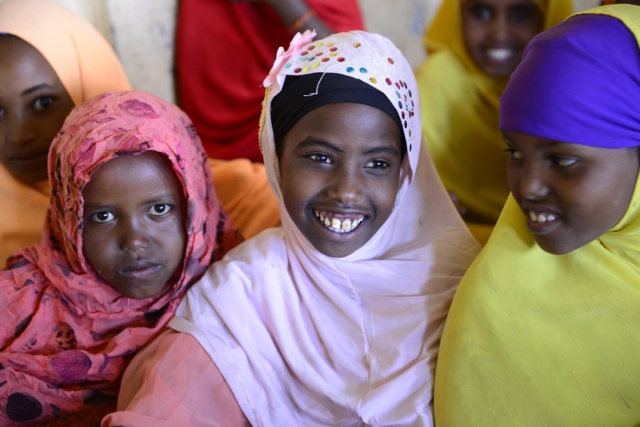 Addis Ababa, 20 August 2016 – Today, health ministers of the WHO African Region will endorse a strategy for Member States to improve oral health and enhance control of non-communicable diseases in general.