WHO supports implementation of Global Leprosy Program at national level
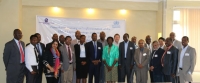
Addis Ababa, 22 February 2017 - The World Health Organization Country Office in Ethiopia in collaboration with the Global Leprosy Programme (GLP) organized a training of consultants on the Global Leprosy Strategy 2016-2020 to support Global Leprosy Program implementation at country level. The training took place in Addis Ababa, from 13-17 February 2017, and brought together Leprosy, Case Management NTD and Public Health Experts from WHO African Region as well as NTD/NPOs from 7 WHO country Offices (Ethiopia, DRC, Sudan, Mozambique, Madagascar, Bangladesh and Indonesia).
WHO teams assist people in hard-to-reach areas of Nigeria
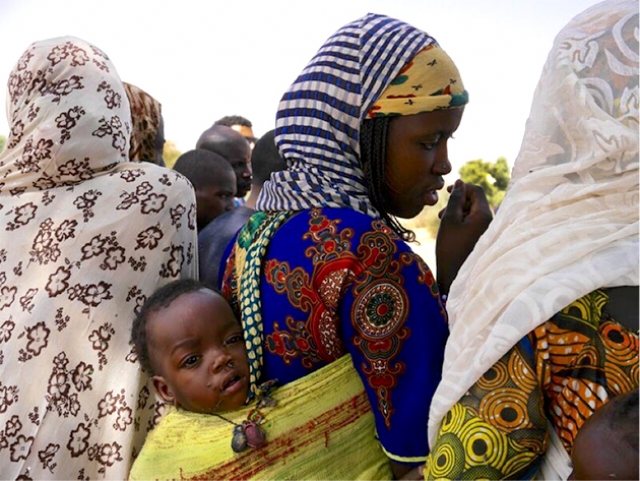
Medical teams supported by WHO set up mobile clinics in hard to access areas of north-eastern Nigeria. The teams are called “hard-to-reach” teams (HTR) because their mission is to reach remote and insecure areas to provide urgently needed care to populations deprived of essential health services. The 8-year conflict has caused widespread forced displacement and acute food and nutrition insecurity. Large areas of Borno state, the most-affected state, remain inaccessible to humanitarian assistance.
European Union, WHO and UNICEF partner with Government of Nigeria to strengthen health systems and eradicate polio
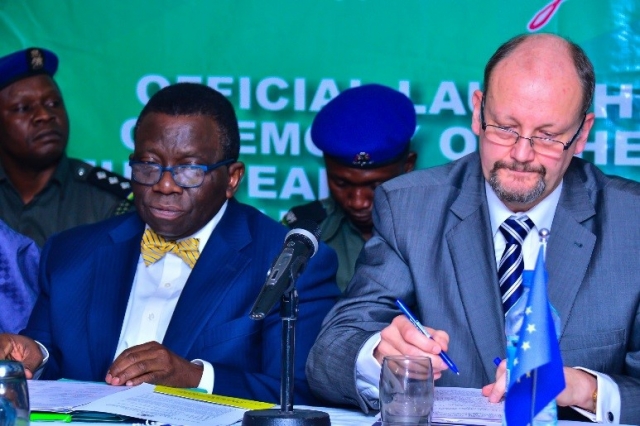
Abuja, 16 February 2017 - Today, the Executive Governors of Adamawa, Anambra, Bauchi, Kebbi and Sokoto joined the Honorable Minister of Health, Professor Isaac Adewole in signing a 70 million Euro European Union grant to support the health sector in Nigeria.
WHO and the African Union Commission map the way forward for stronger partnership
Brazzaville, 17 February 2017 - The World Health Organization (WHO) and the African Union Commission (AUC) held a bilateral meeting at the WHO Regional Office for Africa (WHO AFRO) Secretariat in Brazzaville on 16-17 February 2017 to take stock of progress in implementing their partnership agreement, discuss lessons learnt and map out the way forward. The meeting was attended by Senior Management from the African Union Commission, WHO AFRO and the WHO Regional Office for the Eastern and Mediterranean Region (WHO EMRO).
Malawi commits to halve maternal and neonatal deaths over next five years as the country hosts a global conference on improving quality of care for maternal, new-born and child health
The Governments of Malawi and eight other countries from Africa and South East Asia have committed to halve maternal, new-born and stillborn births. The commitment comes at a time Malawi and eight other countries launch the Network on the improvement of quality of care for maternal, neonatal and child health.
Malawi aims to improve quality of care for mothers and new babies
No-one is more vulnerable than a new born baby, and more in need of quality care. They are totally dependent on their mothers, who in turn rely on skilled doctors and nurses with working equipment in decent buildings. In Malawi, as in other countries in this region, we urgently need to improve the quality of this care, or place these fragile lives in danger.
Amidst insecurity, WHO in collaboration with the Ministry of Health and partners intensifies the health response to the cholera outbreak in South Sudan
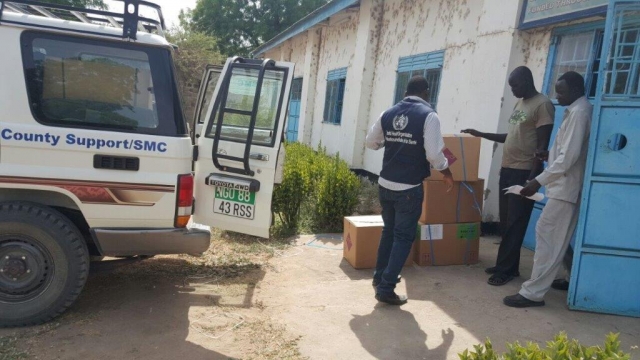
14 February 2017, Juba, South Sudan - Despite the ongoing complex humanitarian crises in South Sudan, the World Health Organization (WHO) in partnership with the Ministry of Health and partners are responding to the latest cholera outbreak in the former Jonglei and Lakes States. The outbreak of cholera was first detected in June 2016 and since then 5 006 cholera cases and 99 deaths (CFR 1.98%) have been reported from 12 Counties in nine states countrywide.
Nine countries commit to halve maternal and newborn deaths in health facilities
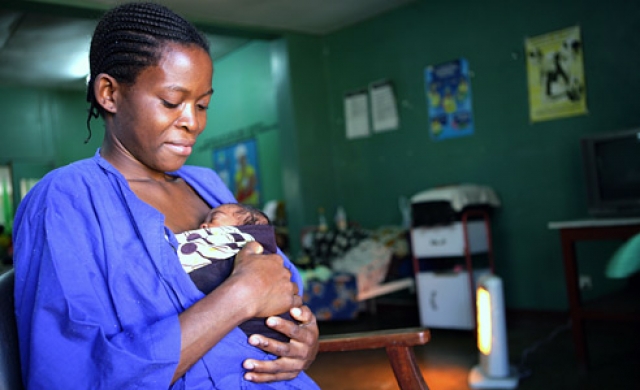 Today, 9 countries – Bangladesh, Cote d’Ivoire, Ethiopia, Ghana, India, Malawi, Nigeria, Tanzania and Uganda – committed to halving preventable deaths of pregnant women and newborns in their health facilities within the next 5 years.
WHO health worker killed in an attack in Torit County, former Eastern Equatoria State, South Sudan
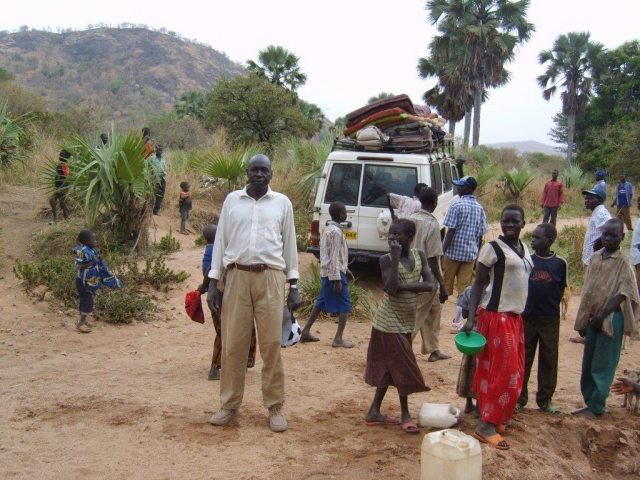
10 February 2017, Juba, South Sudan – It is with sadness that WHO received the shocking news of one more of its employees Mr Louise Mokiri Avito, in Torit, former Eastern Equatoria State. This brings to three the number of WHO employees killed in less than one year as a result of the ongoing conflict in South Sudan.
WHO in partnership with the Ministry of Health scaling up antiretroviral treatment (ART) in the Greater Upper Nile Region, South Sudan
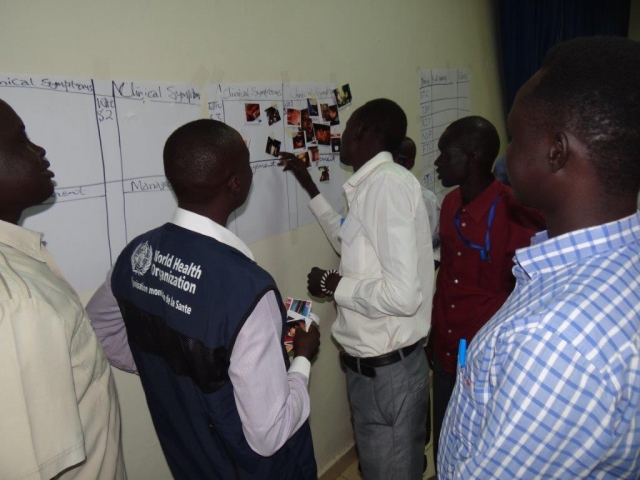
09 February 2017, Juba, South Sudan – WHO in partnership with Ministry of Health are strengthening capacity to provide comprehensive HIV prevention, care and treatment services to populations of humanitarian concern in the Greater Upper Nile region, that is heavily affected by the current crisis. Health workers including medical doctors/ clinical officers, nurses, counselors, pharmacist and data clerk are equipped with the necessary skills and supplies on HIV treatment and prevention.