WHO donates E650 000 worth of NCDs equipment to government
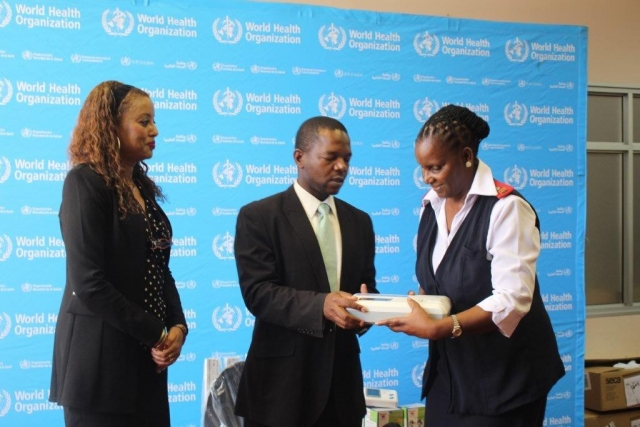
16 March, Mbabane, Swaziland - AS the country battles with an increasing burden of Non-Communicable Diseases (NCDs), the World Health Organization has donated E650 000 worth of equipment and consumables for the diagnosis and treatment of NCDs.
Ministry of Health of Liberia Endorses the 2nd Edition of the National Standard Therapeutic Guidelines and Essential Medicines List.
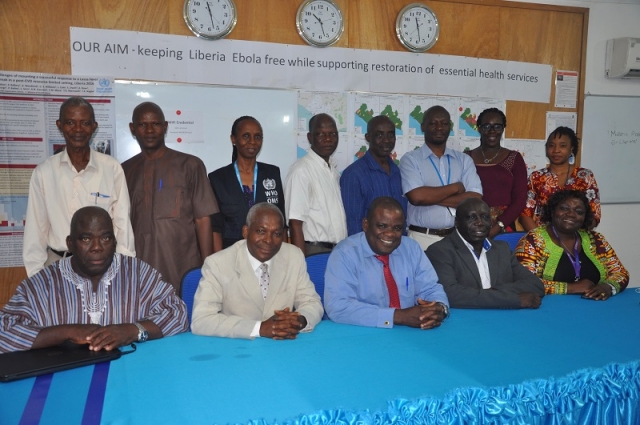
Monrovia 17th March, 2017 - The Ministry of Health of Liberia, with support from the World Health Organization has endorsed the new version (2nd Edition) of the National Standard Therapeutic Guidelines and Essential Medicines List for the country.
Severely Malnourished Children in Borno State Benefit From WHO-Supported Stabilization Centre
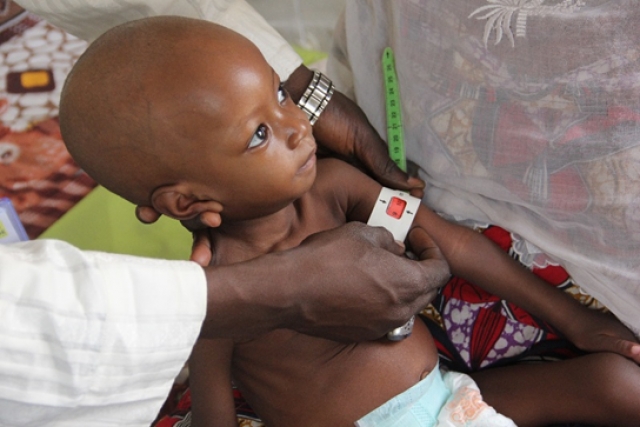
Maiduguri, 15 March 2017 - An estimated 400,000 children in the northeast, Nigeria are currently suffering from Severe Acute Malnutrition (SAM) because of the ongoing humanitarian crisis. Severe acute malnutrition is a life threatening condition requiring urgent treatment. Without proper treatment, one in every five of those children -75, 000 could die.
WHO/AFRO supports advocacy and orientation meetings on implementation of the WHO Framework Convention on Tobacco Control in Zambia
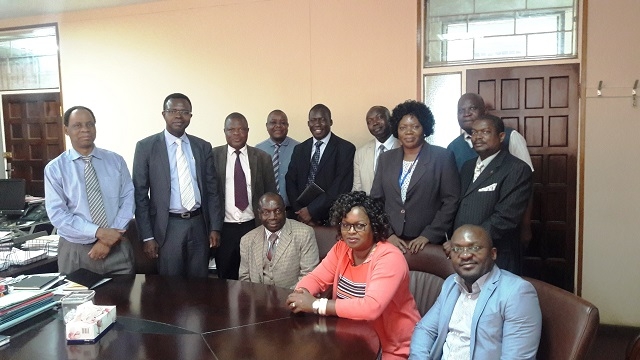
Lusaka, 14 March 2017 - Zambia acceded to the WHO Framework Convention on Tobacco Control (WHO FCTC) on 23rd May 2008. The Public Health Act of 1992 provides the legal framework for tobacco control in the country. It bans sales of tobacco to minors, prohibits smoking in public places, and bans advertisements in the mass media. Subsequent improvements to this law have been made including the Statutory Instrument 39 of 2008 which bans smoking in public places. However, challenges have been faced in the enforcement of tobacco control laws.
Strengthening adaptation and resilience to climate change in Tanzania
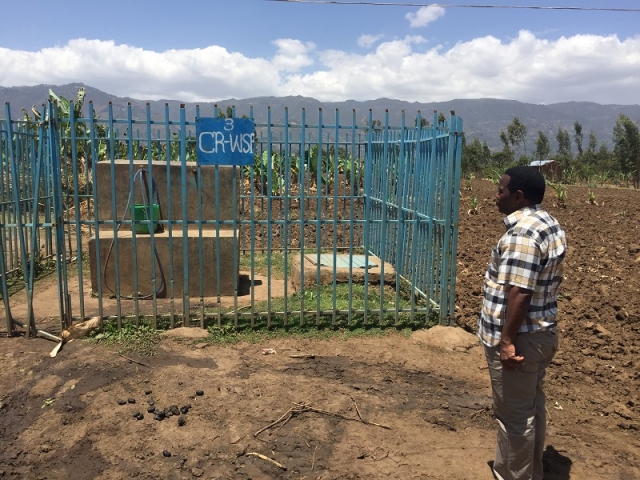
Dar es Salaam, 7-9 March 2017 : Climate change has been recognized as a major global health threat of the 21st century. Its effects are already happening and are expected to have complex, long term consequences to the livelihood, environment and the health sector including in Tanzania. In recognizing the devastating impact of climate change, the Government of Tanzania has put in place a number of initiatives to address the challenges of climate change.
Liberia Launches 5 Year Mental Health Policy and Strategic Plan
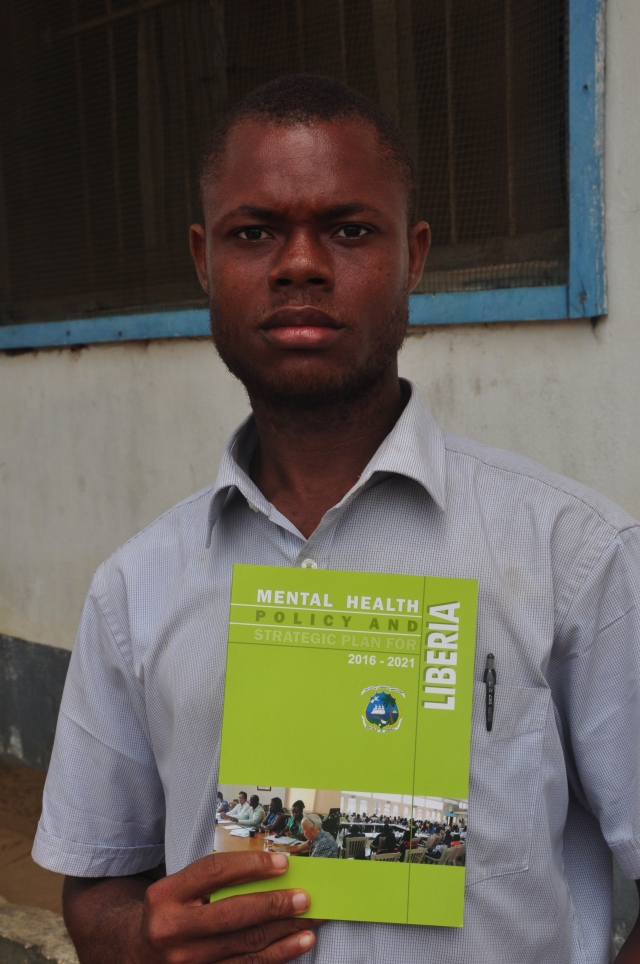
Monrovia 9th March 2017: The Ministry of Health of Liberia is making progress in mental health care in the face of considerable challenges. To address the severe shortage of mental health clinicians and social workers, the Ministry of Health with support from the Carter Center, International Rescue Committee (IRC), Partners in Health (PIH), United Nations Agency for International Development (USAID), and the World Health Organization (WHO), undertook training of front-line health workers to care for people with mental illness.
Liberia Achieves 95% Coverage During Polio Campaigns
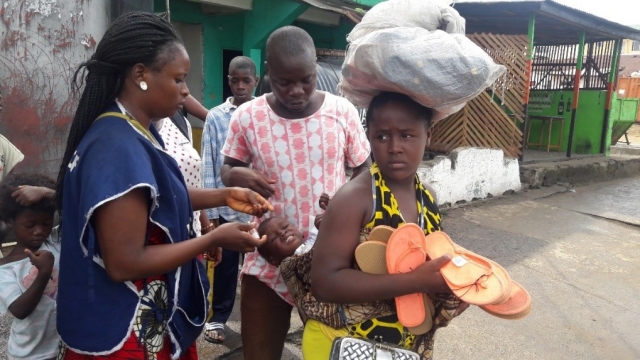
Monrovia, 7th March, 2017 - The Ministry of Health with support from the US Centers for Disease Control and Prevention (CDC), United Nations Children’s Fund (UNICEF), World Health Organization and other partners has concluded a four- day polio immunization campaign from February 24th – 27th targeting a total of 945,464 children 0 – 59 months. The post- campaign independent monitoring data indicates that Liberia has achieved over 95 percent national coverage in each of the last five consecutive polio campaigns.
WHO Conducts assessment of Blood and Blood Products Regulation at the Zambia Medicines Regulatory Authority and Zambia National Blood Transfusion Services
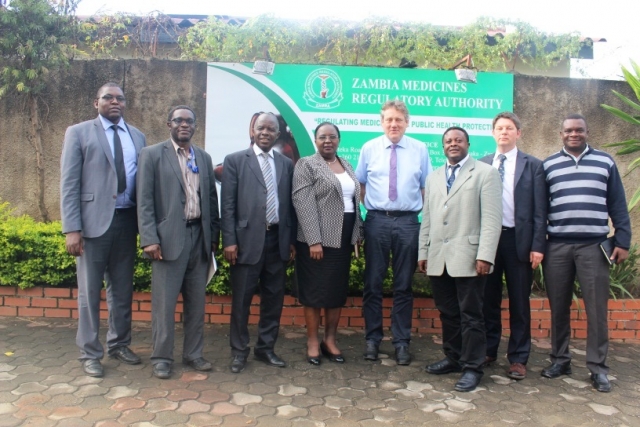
Lusaka, 8 March 2017 - Blood transfusion is a potentially life-saving medical intervention. Blood products such as clotting factors and immunoglobulins are designated by WHO as essential medicines. The World Health Assembly (WHA) 63.12 resolution of 2010 highlighted concerns about the unequal access to blood products, especially plasma-derived products, which may result in needy patients, including those with severe congenital and acquired disorders, failing to have access to quality and safe transfusion services.
Building the skills of health workers to save women's lives
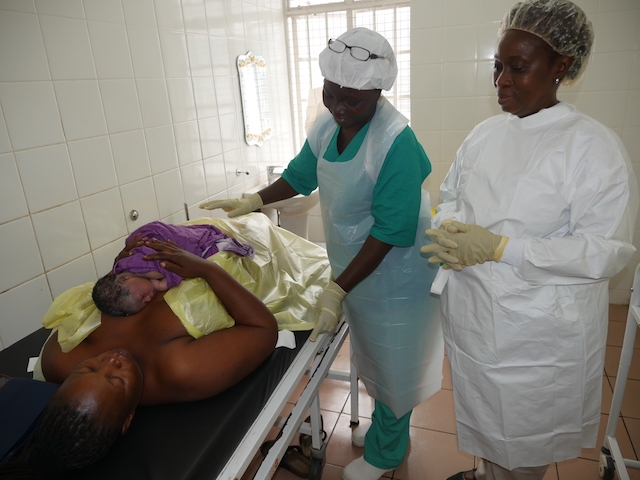
Tackling maternal mortality is among the most critical priorities for Sierra Leone. Today, much is being done to improve the quality of healthcare before, during and after women give birth.
Taking data from 2015, it is estimated that every day, the equivalent of eight women lose their lives during pregnancy and childbirth. This is an immense tragedy for families, for communities, and for the nation as a whole.
Vaccination campaigns changing lives of Nigerian women
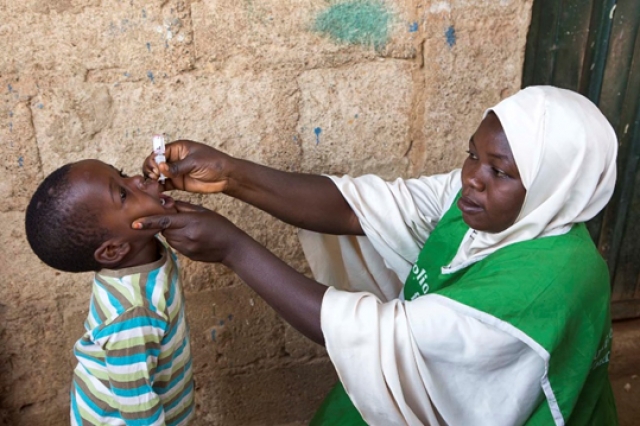
Abuja, 08 March 2017 - Over the years, the Polio Eradication Initiative has been a vehicle for the empowerment of Nigerian women economically and socially. In recent times, this positive development has gained more impact with the timely and direct disbursement of funds for payment of vaccination personnel allowances down to grassroots level.