WHO welcomes and orientates 16 members of the Stop Transmission of Polio (STOP) 49 to South Sudan
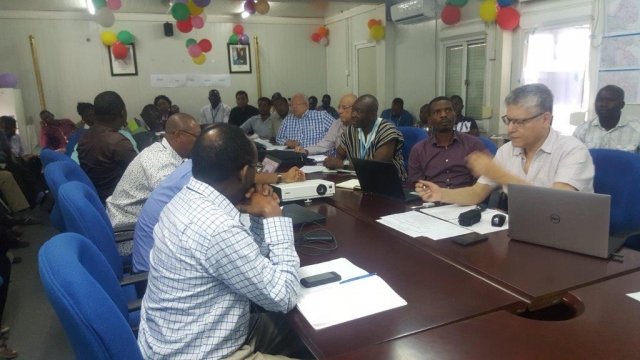
09 February 2017, Juba, South Sudan – In South Sudan, polio eradication continues to be a national priority with renewed commitment at all levels to sustain the interruption of the wild polio virus within the country.
WHO Regional Director for Africa commends the work of OAFLA
Dr Matshidiso Moeti, WHO Regional Director for Africa, attended the 18th General Assembly of the Organization of African First Ladies Against HIV/AIDS (OAFLA) on the sidelines of the 28th African Union Summit in Addis Ababa, Ethiopia, on 31 January 2017.
This year’s OAFLA General Assembly coincided with the commemoration of its anniversary, and was marked under the theme, “Building on 15 years of engagement to harness the demographic dividend of Africa through promoting the needs of adolescents and their access to youth-friendly health services.”
WHO Ethiopia Convenes 1st Quarter Meeting for 2017
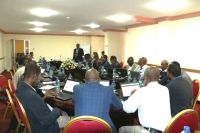
“A good planning is the road to success” said Dr. Kalu, WHO Representative to Ethiopia on his opening remark in the first quarter meeting of WCO held from 9-10 February 2017 in Addis Ababa, in the presence of programs and regional coordinators and program managers.
The objective of the meeting was to look back at 2016 annual performance of WCO and look forth for the 2017 first quarter planning as well as to receive updates from the management.
WHO Representative meets SADC Executive Secretary
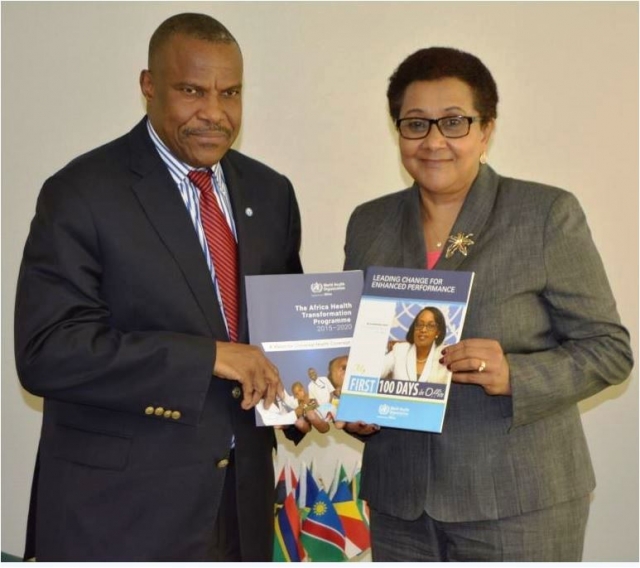
Gaborone, Botswana - 7 February 2017: World Health Organization (WHO) Representative in Botswana, Dr. Martins Ovberedjo visited the SADC Secretariat to meet with the SADC Executive Secretary, Dr. Stergomena Lawrence Tax.
Action towards Elimination: Regional Partnership Striving to Eliminate Neglected Tropical Diseases
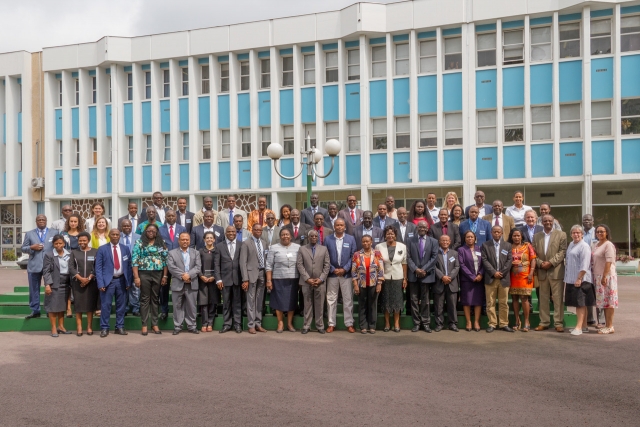
Brazzaville, 8 February 2017 - Fourteen countries set to finalize their Neglected Tropical Diseases (NTD) Annual Plans of Action with guidance from the World Health Organization’s Expanded Special Project on the Elimination of Neglected Tropical Diseases (ESPEN).
Northeast Nigeria Response Borno Health Sector Bulletin # 16, 29 January 2017
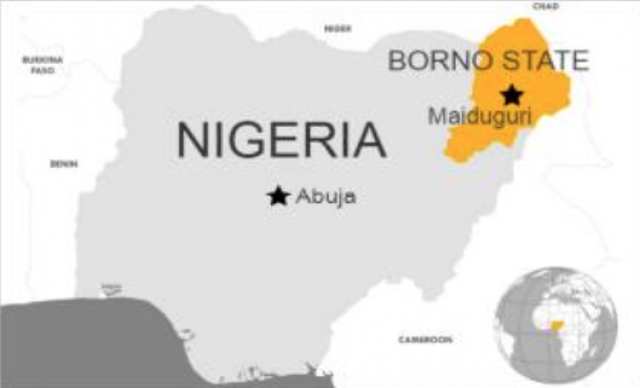
In 2016, there were approximately 25,000 cases of measles among children in Nigeria, 97% of the cases were in children under the age of ten and at least a hundred children died.
WHO in South Sudan: Build, Equip and Deploy to Save the Lives of Mothers
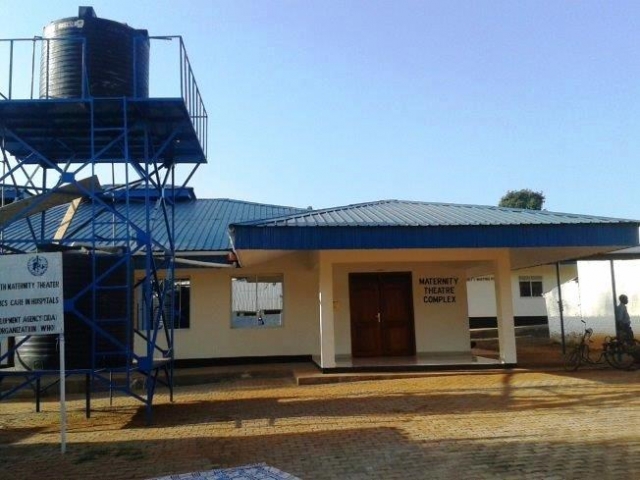 With 789 deaths per 100 000 live births, South Sudan is among 40 countries with the highest maternal mortality (death) rates in the world.
WHO partners with South Sudan’s Government to strengthen disease surveillance and outbreak response to save lives
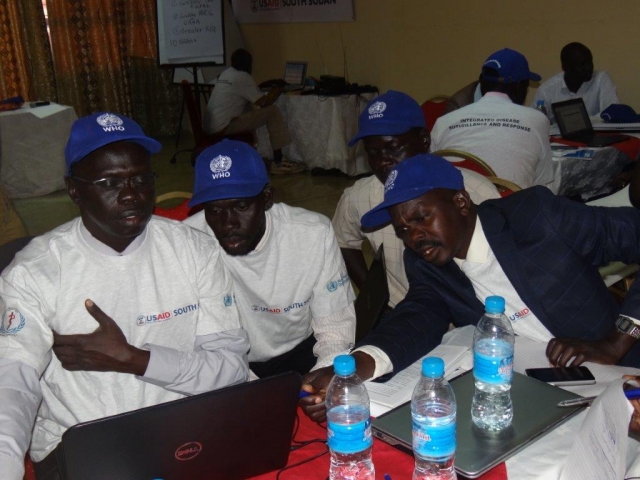
03 February 2017, Juba, South Sudan – The deteriorating security situation in South Sudan, along with disruption of health services, increased population displacement, overcrowding and poor environmental conditions, led to more frequent disease outbreaks.
WHO capitalizes on comparative advantage to deepen support for Nigeria’s health agenda
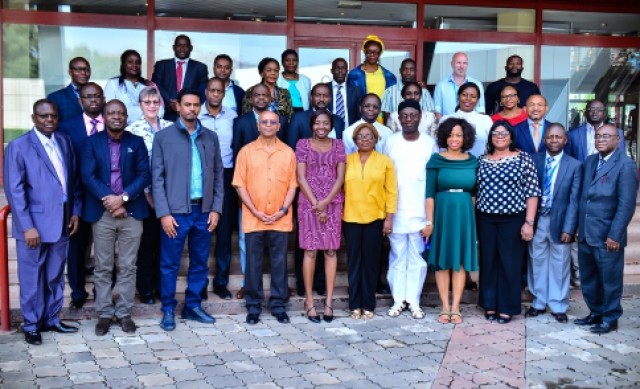
Abuja, 03 February 2017-In 2016 - Nigeria recorded disease outbreaks such as Lassa fever, poliomyelitis, cholera and measles. Equally, the scale of humanitarian crisis in the northeast was uniquely different due to the nature of insurgency in the region with 6.9 million people in dire need of humanitarian assistance.
WHO supports proposed sugar-sweetened beverages tax in South Africa
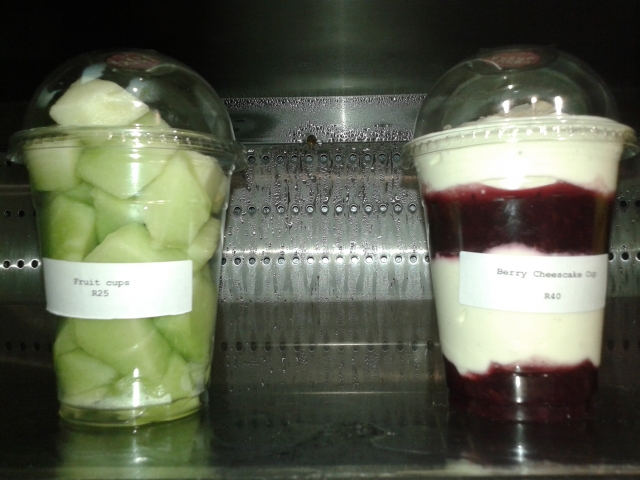
The World Health Organization supports the consideration of Government of South Africa of introduction of a tax on sugar-sweetened beverages (SSB) to help reduce excessive sugar intake. This is one of interventions proposed in the Strategy for the prevention and control of obesity in South Africa 2015-2020. WHO has supported introduction of such taxes since it was proposed by the National Treasury in August 2016.