Reaching key populations to prevent the spread of disease in Ethiopia

 Reaching key populations to prevent the spread of disease in Ethiopia
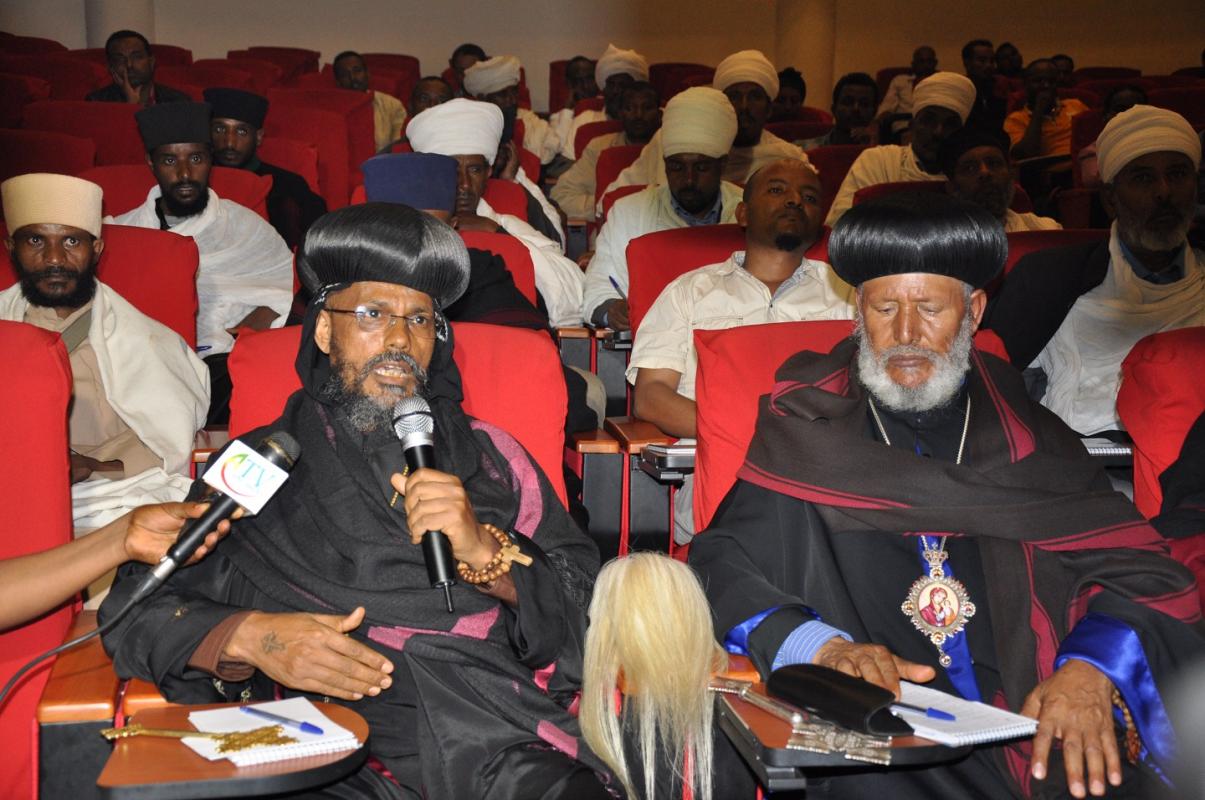
In Ethiopia, thousands of pilgrims flock to holy water sites for spiritual cleansing and physical healing. People often drink the holy water and perform ceremonial cleansing for their bodies or those of their loved ones. But there is a risk that these sites can be contaminated with bacteria that cause acute watery diarrhea (AWD) or other waterborne diseases as open defecation is a common practice in open fields close to holy water sites. To protect the pilgrims, WHO is working with the Ethiopian Orthodox Church, Ministry of Health, UNICEF, OCHA and other partners to ensure that water safety and latrine access is improved around holy water sites.

Cross River sets agenda with first state health summit
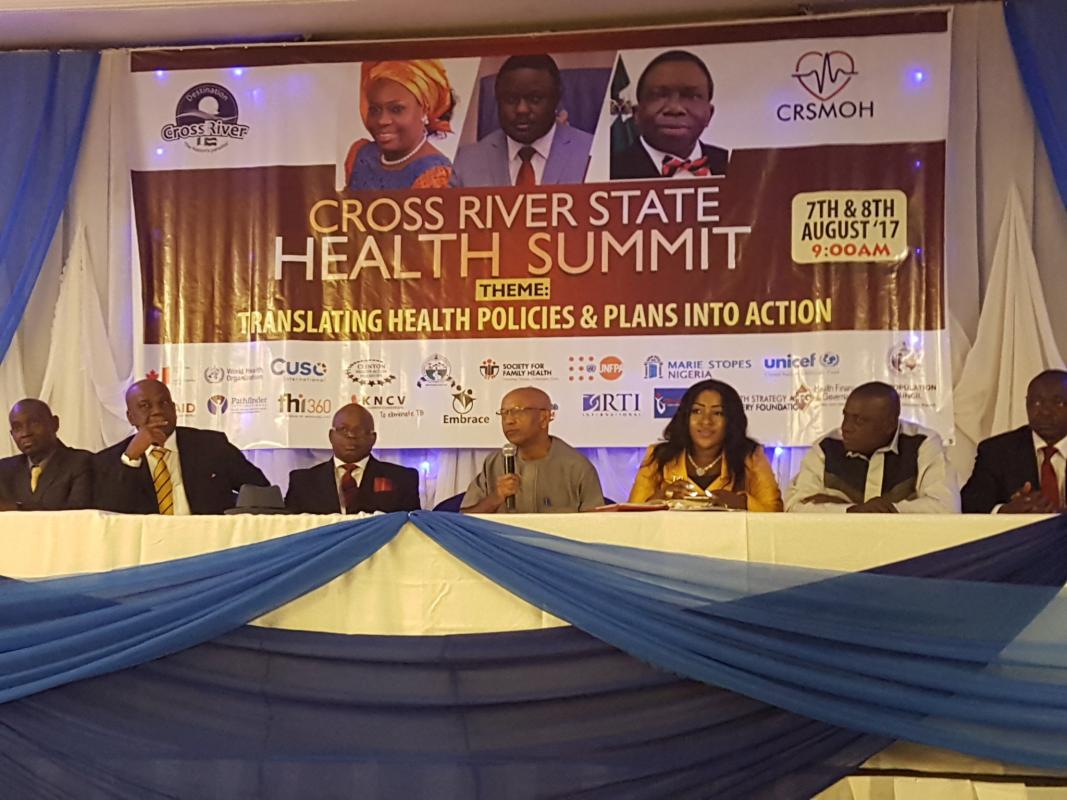
Dr Alemu (with microphone) addressing participants at the Summit
The first Cross River Summit anchored on Human Resource for Health (HRH) on Primary Health Care (PHC) revitalization with the theme ‘Translating Health Policies and Plans into Action” was conducted in Calabar, the state capital on 7-8 August, 2017.

World Breastfeeding Week launched in Harare
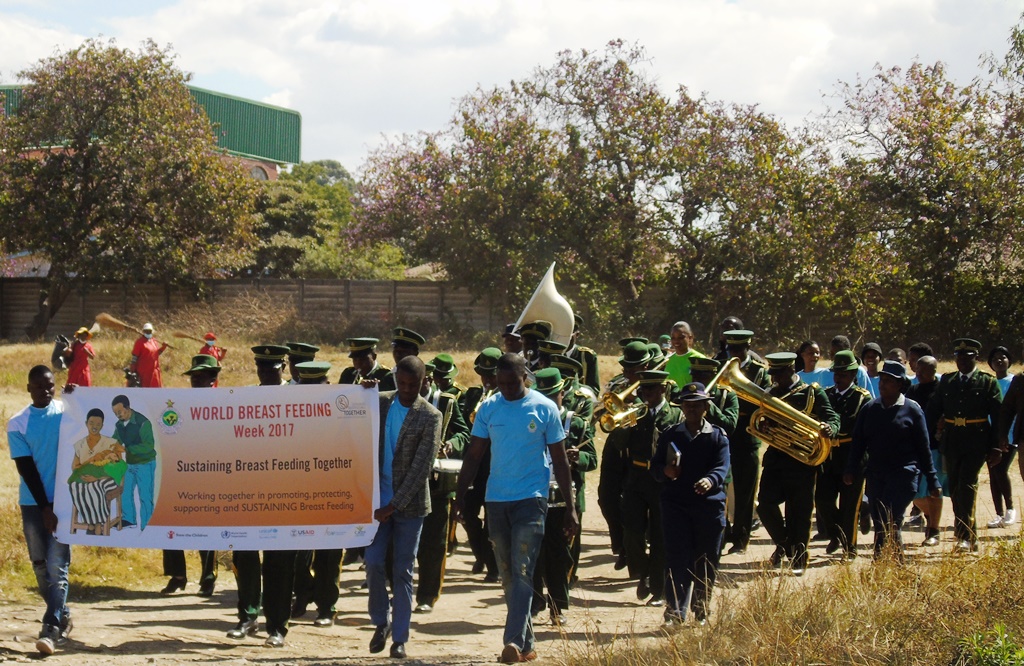
March through Highfield to raise awareness

Harare: 3 Aug. 2017 - World Breastfeeding week was launched in Highfield, Harare under the theme Sustaining Breastfeeding Together. The event, which was attended by the Highfield community of nursing mothers, UN agencies, and other players in child health and nutrition, aimed to mobilise stakeholders to work together to strengthen existing partnerships and forge new ways to invest in, and support breastfeeding for a more sustainable future. The launch comes amid calls by stakeholders to improve the exclusive breastfeeding rates in Zimbabwe.

Building a results-driven WHO workplan in Tanzania
_

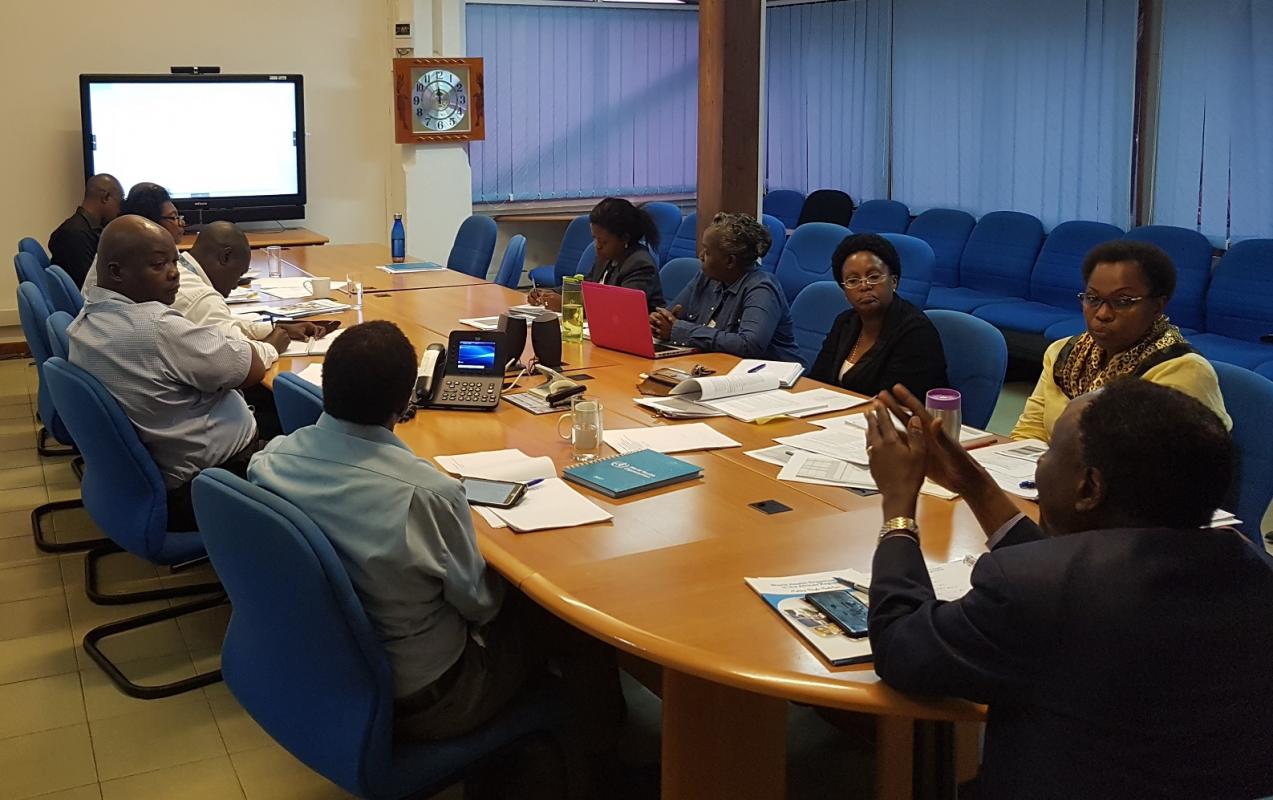
Dar es Salaam, 7- 8 August 2017: In WHO, accountability for results and resources are reflected in the workplans. A “good” workplan must be robust, results-driven and meaningful for the country and the organization. Results-driven planning reflects the vision articulated in the Transformation Agenda which aims at facilitating the emergence of “the WHO that the staff and stakeholders want”.

WHO supports the development of the Seychelles’ Introduction Plan for Rotavirus and Pneumococcal Vaccines
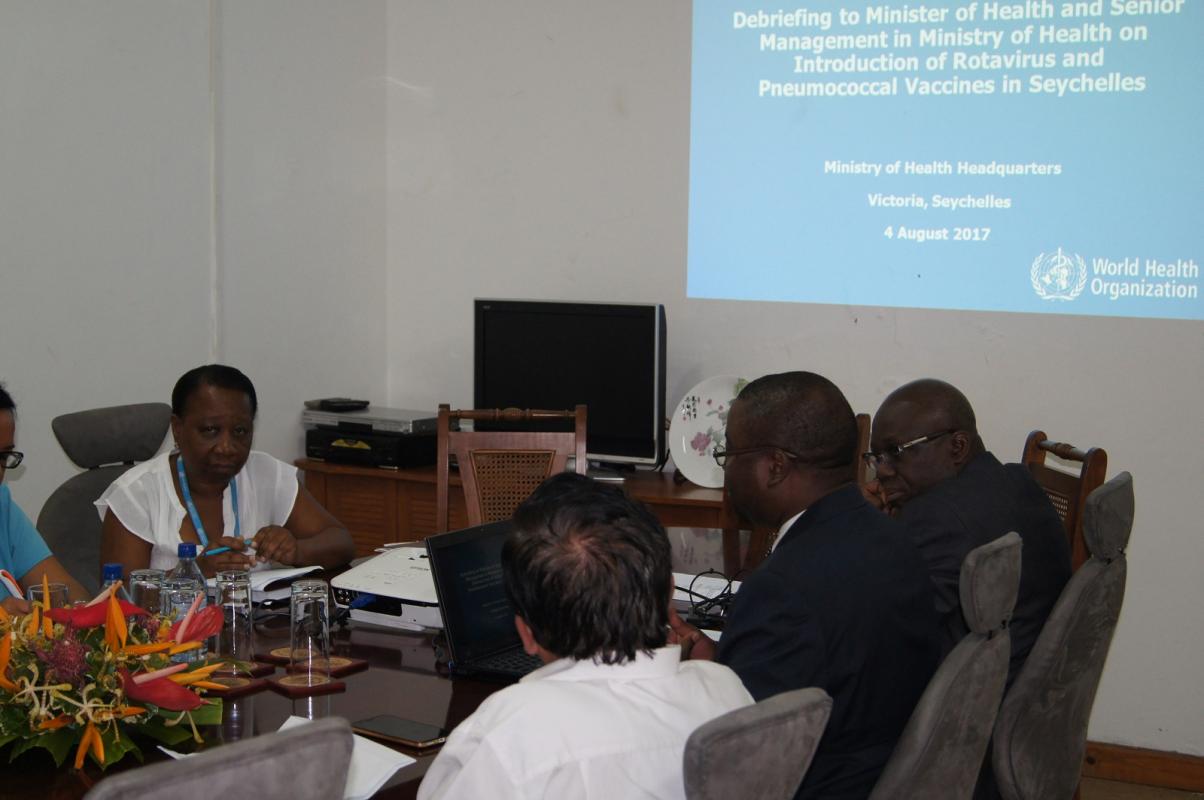
WHO Consultants discussing country’s readiness to introduce the Rotavirus vaccine and PCV
The Seychelles is well on track with the preparation to introduce two new vaccines into its routine immunisation programme. This was confirmed by the two WHO Consultants who were in the country between the 24th July and 4th August 2017 to assess the country’s readiness to introduce the Rotavirus vaccine and the Pneumococcal Conjugate vaccine (PCV). WHO Consultants Dr. Mumba Mutale and Dr. Amos Petu presented their findings of their assessment at a debriefing session with the Minister of Health Jean-Paul Adam, other high level officials of the Ministry of Health and the WHO Liaison Officer for Seychelles Dr. Bhupinder Aulakh.

“Scoping Mission” on Sustainable Development Goals presents initial report to Minister of Health.
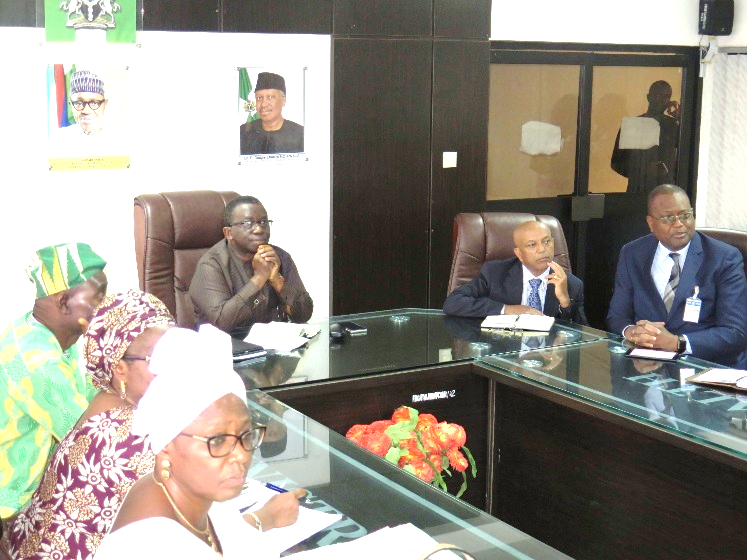
R-L Dr Dovlo, Dr Alemu, Professor Adewole and Directors of Federal Ministry of Health listeninf to presentation by 'Scoping Mission'.

Abuja, 07 August 2017-The World Health Organization’s (WHO) first “Scoping Mission” to Nigeria on Universal Health Coverage (UHC) & Sustainable Development Goals (SDGs) has concluded its assignment and presented findings to the Honorable Minister of Health, Professor Isaac Adewole in Abuja on 04 August 2017. During the 5-day mission, experts, government functionaries and stakeholders   explored areas for health system improvement to enable Nigeria expedite progress towards the attainment of UHC and the SDGs.

Gambia commemorates World Hepatitis Day 2017
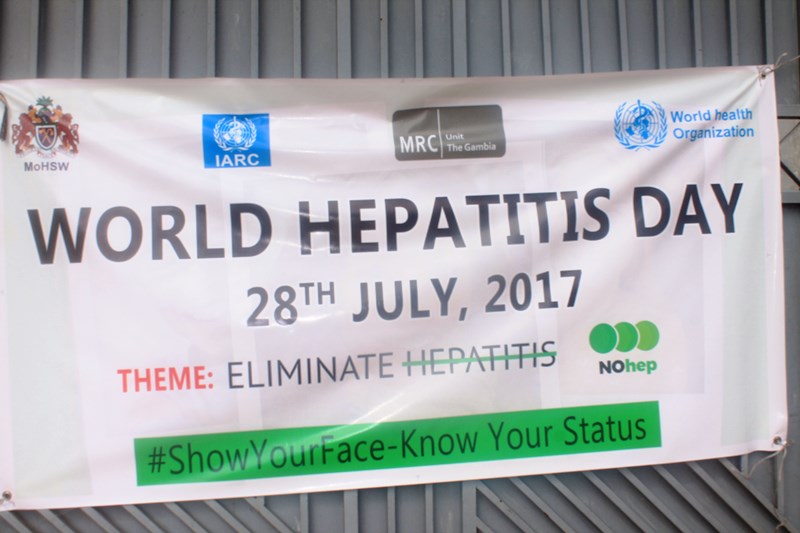
Commemoration of World Hepatitis Day
On 28 July 2017, the Ministry of Health and Social Welfare in collaboration with the World Health Organization (WHO), Medical Research Council (MRC) and other partners commemorated World Hepatitis Day under the theme: “Eliminate Hepatitis". To mark this important event a press briefing was organized for both the print and electronic media to raise awareness on this important but growing public health problem in the Gambia.

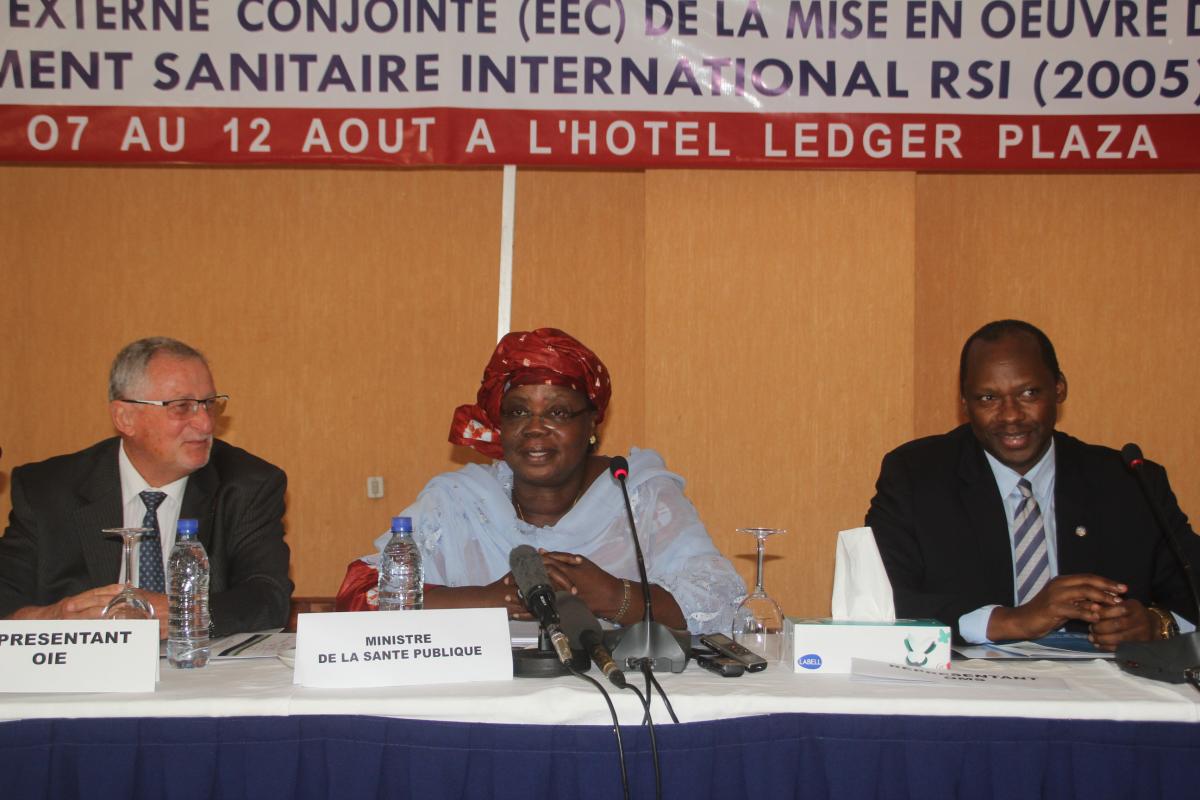
Zambia commences the second phase of the Joint External Evaluation of the core capacities for implementation of the International Health Regulations (IHR 2005)
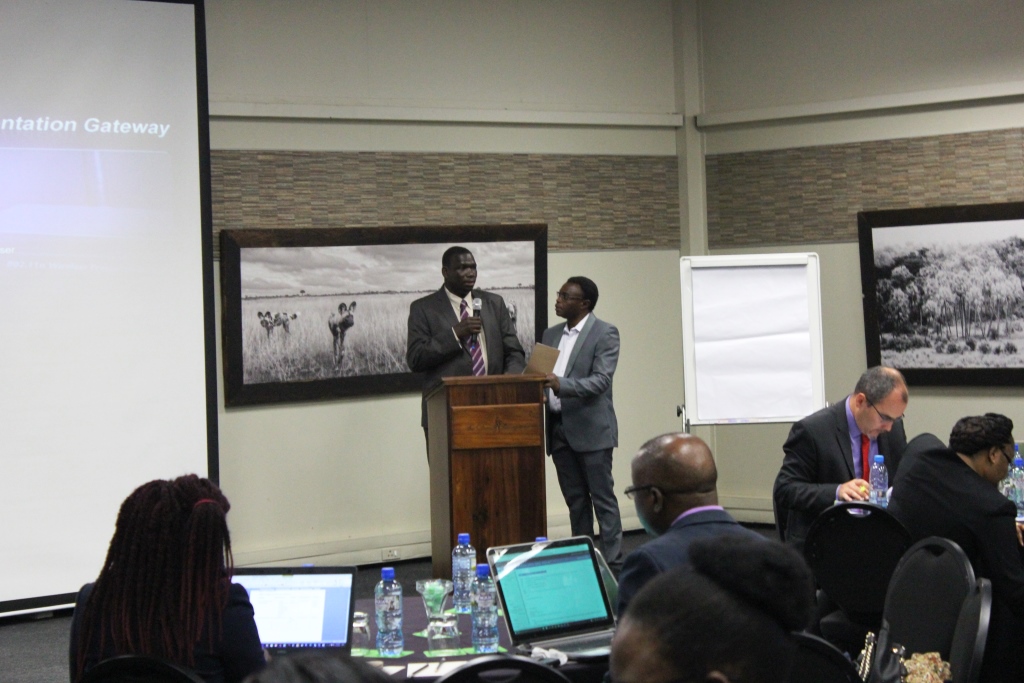
Assistant Director, environmental health at MOH, Mr. Mulonda Mate and Dr. Peter Songolo, Disease Prevention and Control Officer, WHO welcoming the participants.

Livingstone, 8 August 2017 - Experts from the World Health Organisation Regional Office for Africa, Organization for Animal Health, JICA, PH Sweden and WHO Country Office in Ghana, Ministry of Health inTanzania, Ministry of Agriculture in Kenya and NICDC in Nigeria are gathered in Livingstone to support the second phase of the Joint External Evaluation (JEE) of the implementation of the International Health Regulations (IHR 2005) in Zambia.

WHO donates vehicles, boats and computers to the ministry of health to strengthen national capacities to detect, report and respond to public health emergencies
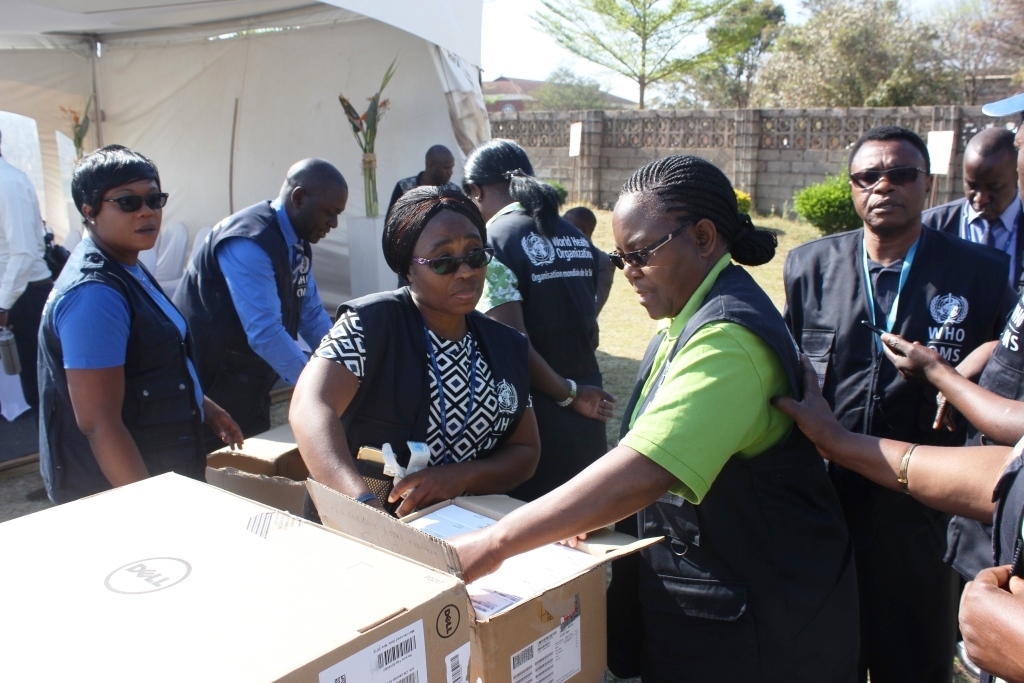
WHO staff in action at the hand over ceremony
The WHO Country Office yesterday made a donation of vehicles, boats and computers valued at six million Zambia Kwacha to the Ministry of health as part of its continued support for strengthening national capacities to detect, report and respond to public health emergencies. The acting WHO Representative, Dr. Custodia Mandlhate handed over to the Health Minister, Honourable Chitalu Chilufya thirteen (13) 4x4 Land cruisers (hard top), 2 Land cruiser Prado, two banana boats and 15 Dell Laptops which will be utilized in the health emergencies program in the country’s ten (10) provinces and ports of entry. This donation has been made possible through the WHO Emergency Preparedness, Integrated Disease Surveillance and Outbreak response project which is funded by the United Kingdom Department for International Development (DFID) for the period September 2016 to August 2021. Dr. Mandlhate also handed over to the minister a total of 5 Land cruisers (hard top), 10 Dell desk top computers, 10 Samsung Galaxy tablets and I scanjet through the WHO Influenza Preparedness (PIP) Framework. The Influenza programme is operating in 9 sentinel sites in Lusaka, Monze, Nakonde, Ndola and Samfya districts. The 5 vehicles donated will go to the Virology laboratory at the University Teaching Hospital in Lusaka and the influenza preparedness sentinel sites in Monze, Nakonde and Samfya.