An African consensus for addressing environment impact on health
Environmental determinants

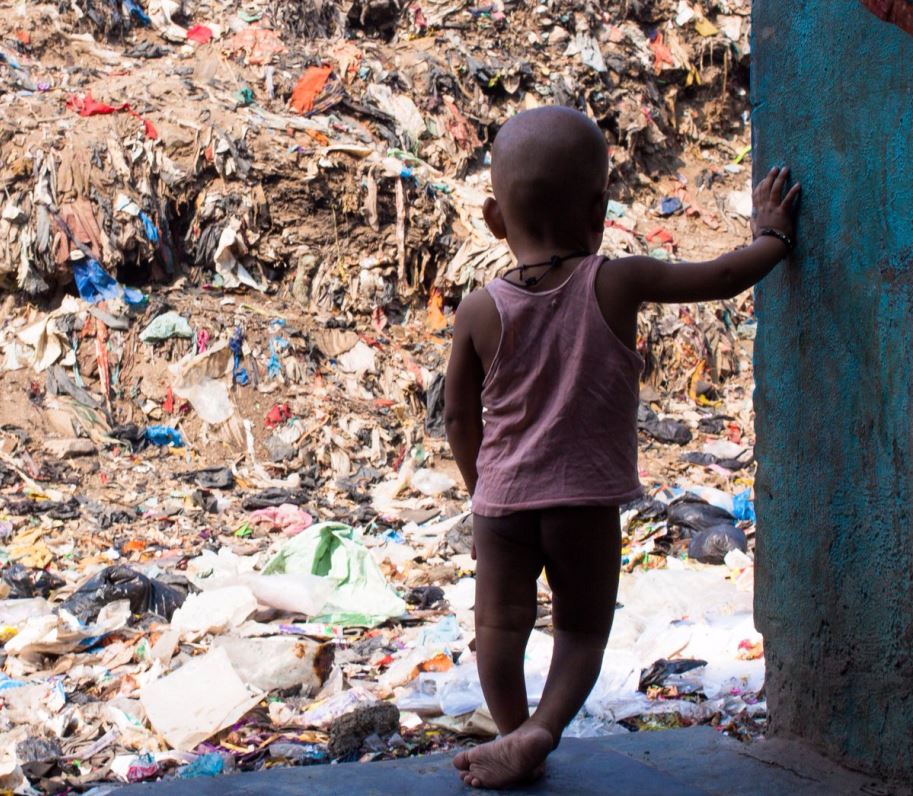
Brazzaville, Congo/Victoria Falls, Zimbabwe, 25 August 2017 - Did you know that in the African Region, 23% of premature deaths are attributable to unhealthy environments, at the same time as the Region is facing a double burden of communicable and noncommunicable diseases. 20% of cancers, 31% of cardiovascular diseases, 31% of chronic obstructive pulmonary diseases, and 44% of asthma cases are associated with air pollution, tobacco smoke and chemicals. In fact, as said by Dr.

WHO South Sudan Country Office undertakes a functional review 24-29 August, 2017
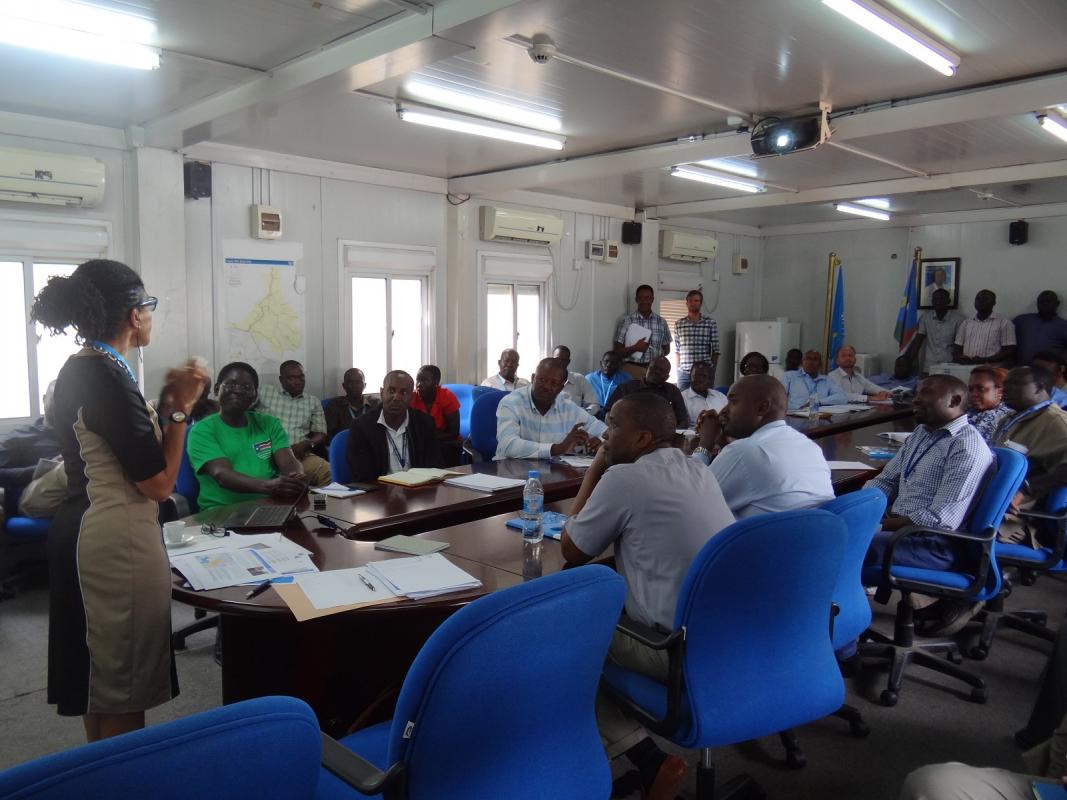
Ingrid the HR member on the team addressing the WCO staff
The functional review exercise for WHO South Sudan Country office successfully commenced on 24 August, 2017. This six-day exercise is part of the WHO transformation agenda (2015-2020), which the WHO Africa Region has embarked on for all the 47 WHO Country Offices in the Region. South Sudan WHO country office is the 5th to be reviewed among the 18 countries scheduled for this year.

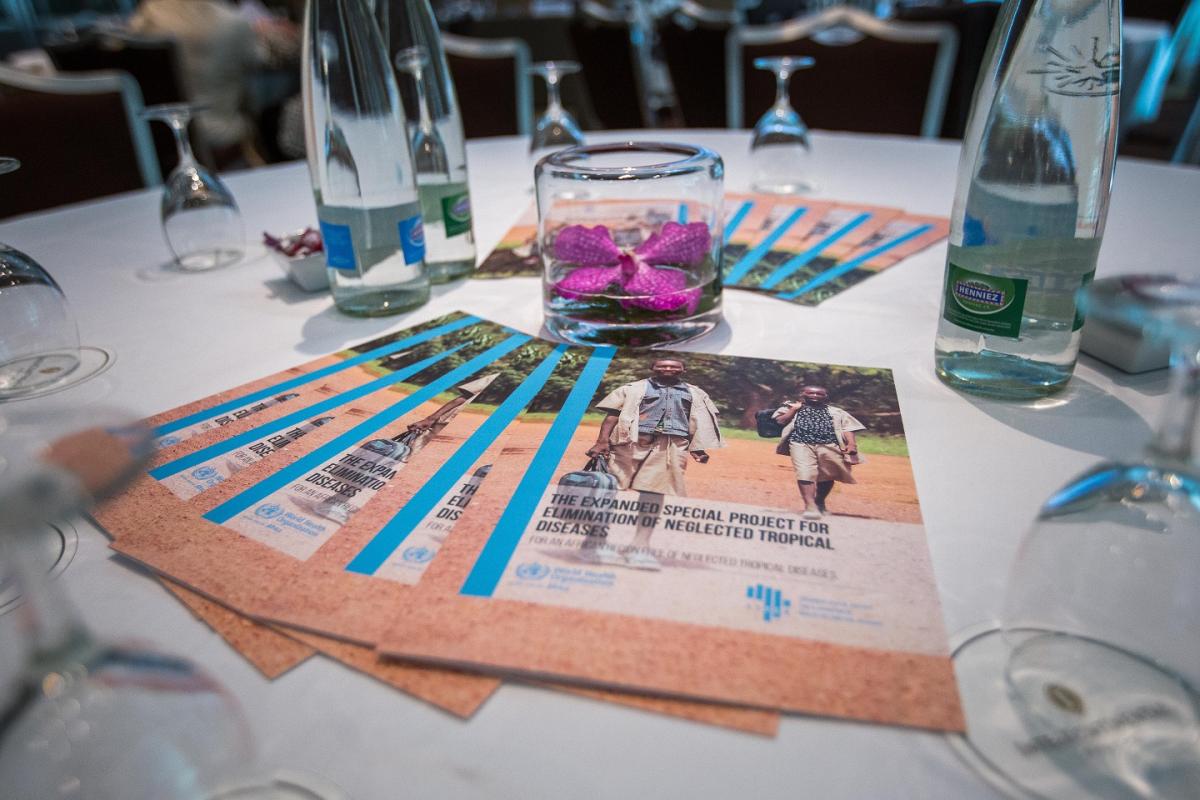
Africa on the verge of winning the fight against Neglected Tropical Diseases

For more than 40 years, the World Health Organization (WHO) has worked to control river blindness (onchocerciasis), the second major infectious cause of blindness in Africa. Today, 30 years after a major donation of medication by Merck & Co, a pharmaceutical company, and after 20 years of the success of the African Program for Onchocerciasis Control (APOC) the reduction of the disease intensity has allowed WHO to shift the goal from control to elimination – a really ambitious achievement.

Acting on the call (AOTC) 2017 Summit kicks off in Addis Ababa: “Let’s make the world a better place for mothers and children”
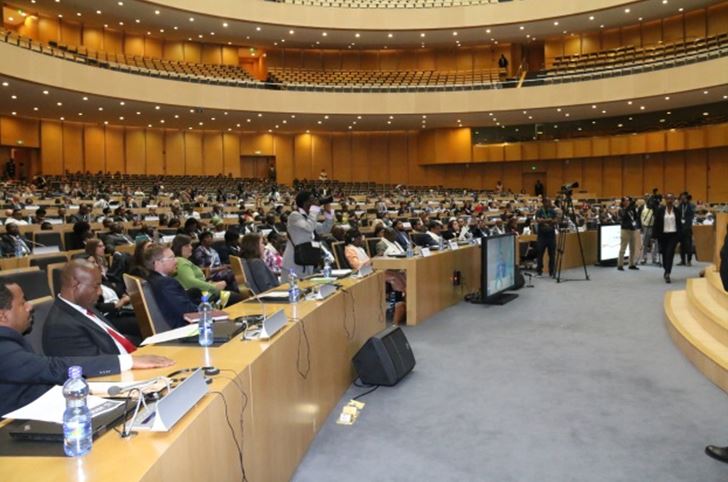
Participants of the AOTC 2017 summit at AU Nelson Mandela Hall, Addis Ababa, Ethiopia
The 4th Acting On The Call (AOTC) conference started on the 24th August 2017 at the African Union, Addis Ababa Ethiopia with a theme “Overcoming Critical Barriers to Maternal and Child Survival”. The AOTC conference which is hosted by the governments of Ethiopia and India gathered more than 500 participants from 24 countries and held in the presence of the President of the Federal Republic of Ethiopia, Ministers and high level policymakers from the public and private sectors, NGOs and UN agencies including UN Women, UNICEF, UNFPA and WHO.

What needs to be done to solve the shortage of health workers in the African Region
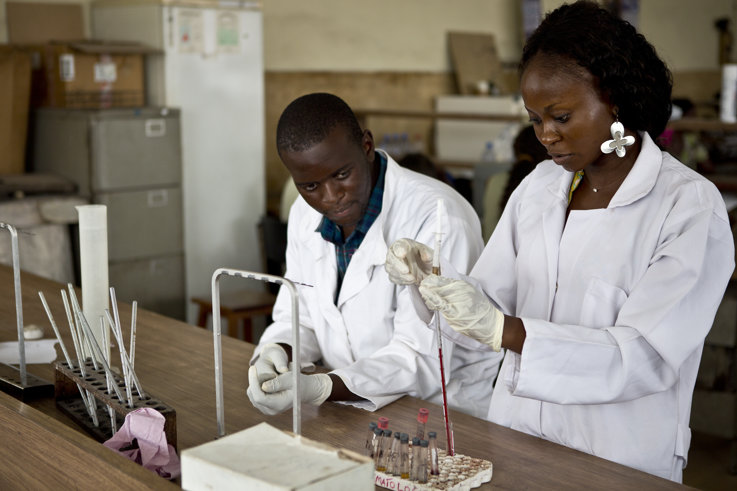
Health workers
The sight of a long queue of patients waiting for their names to be called to see the doctor or nurse at a hospital or health centre is a familiar spectacle that drives home the message that the shortage of skilled health workforce is an issue that warrants urgent attention. There is no doubt that hospitals or health centres are busy places. The shortage of skilled health workforce means that a limited number of doctors and nurses have to attend to hundreds of patients daily and quality health care can’t be rushed.

Preventing spread of disease in wake of mudslides is vital, says WHO
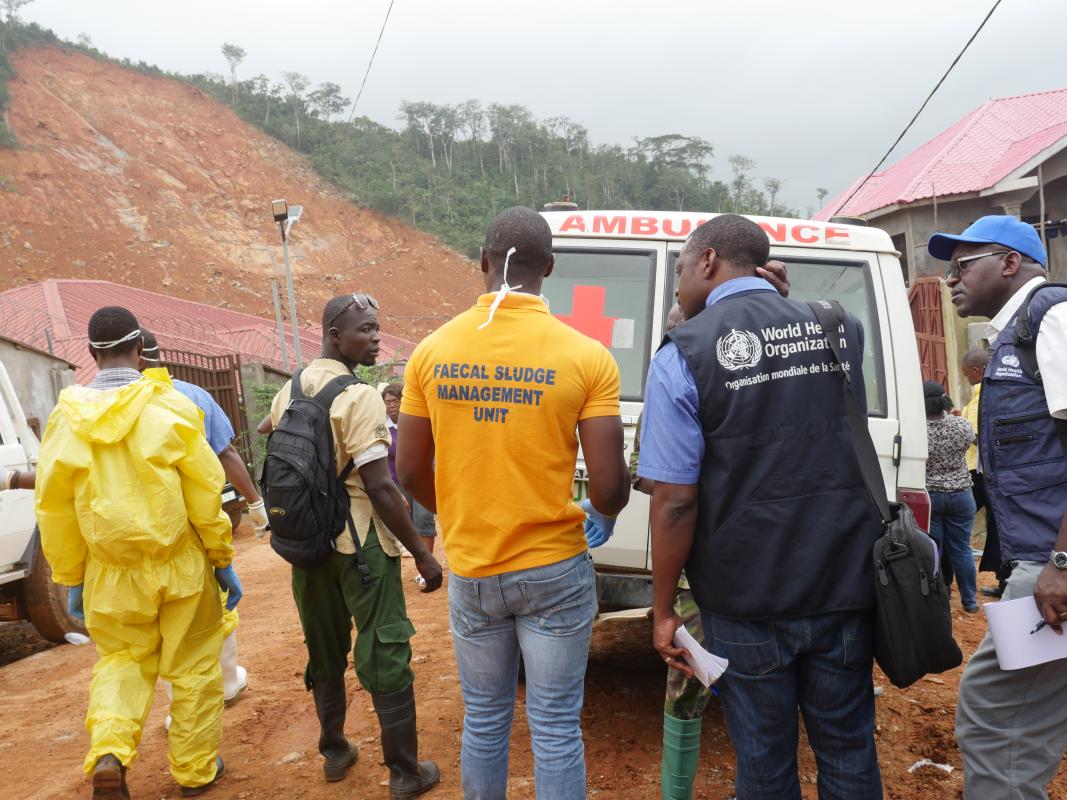
Teams of responding partners at the disaster site

Freetown, Sierra Leone, 21 August 2017 – The World Health Organization (WHO) is working closely with the Government of Sierra Leone to prevent the spread of infectious diseases such as malaria and cholera in the wake of last week’s mudslides and flooding in Freetown. The Organization is also working with partners to ensure ongoing health care for the injured and displaced, and to provide psychological aid to those coping with trauma.

African Health Ministers to discuss ways to improve the health and well-being of people
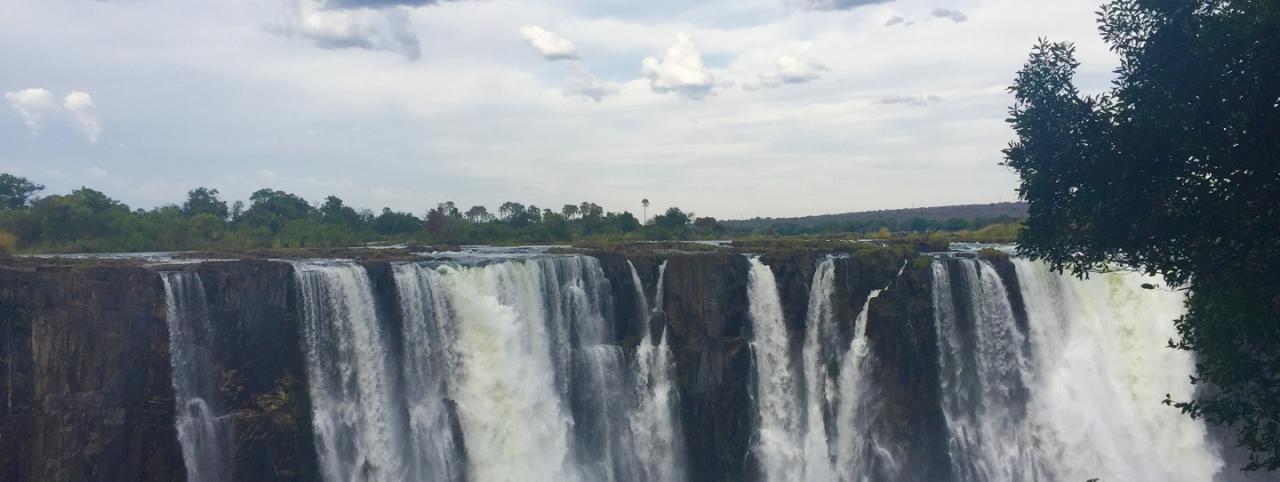
Victoria Falls
Health Ministers from the World Health Organization’s (WHO) African Region will be gathering in Victoria Falls, Zimbabwe from 20 August – 1 September for the annual WHO Regional Committee for Africa to discuss a range of strategies and actions aimed at improving the health and well-being of people in the Region. The Regional Committee is the Organization’s highest decision-making body on health in the Region and its decisions have over the years contributed immensely in the region’s health development.

Preventing spread of disease in wake of mudslides is vital, says WHO
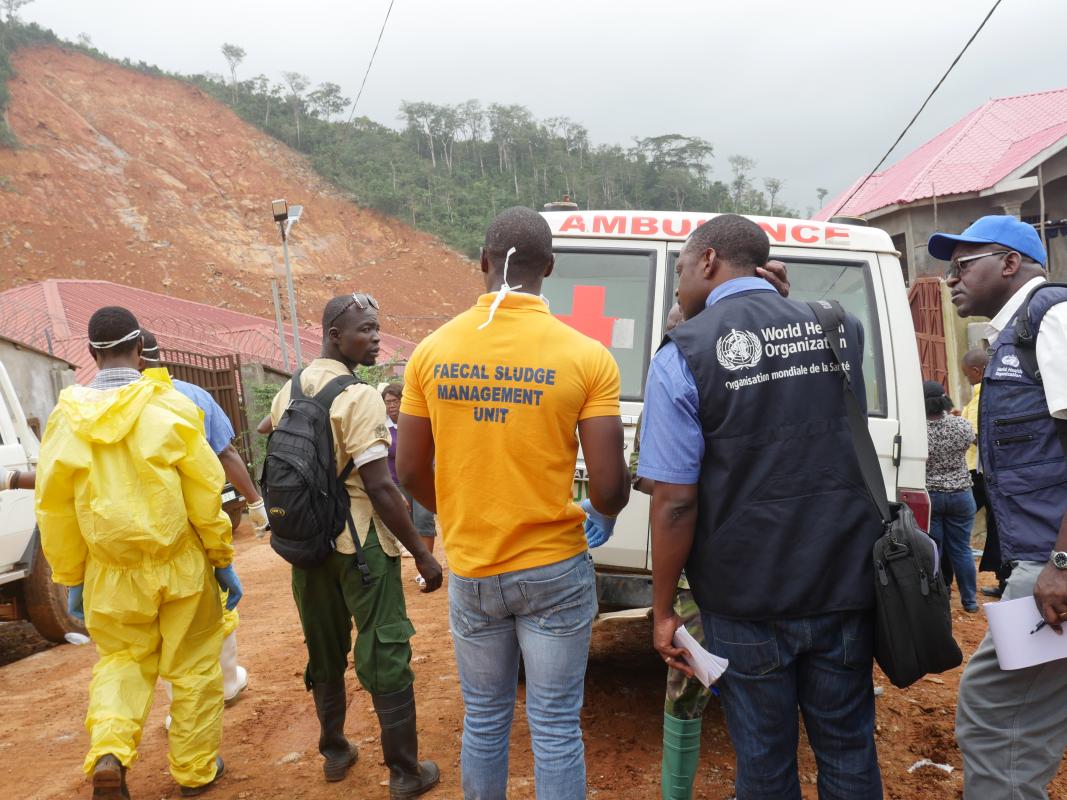
SL Mudeslides responde
The World Health Organization (WHO) is working closely with the Government of Sierra Leone to prevent the spread of infectious diseases such as malaria and cholera in the wake of last week’s mudslides and flooding in Freetown. The Organization is also working with partners to ensure ongoing health care for the injured and displaced, and to provide psychological aid to those coping with trauma.