Nigeria’s Polio Laboratory Passes WHO Accreditation
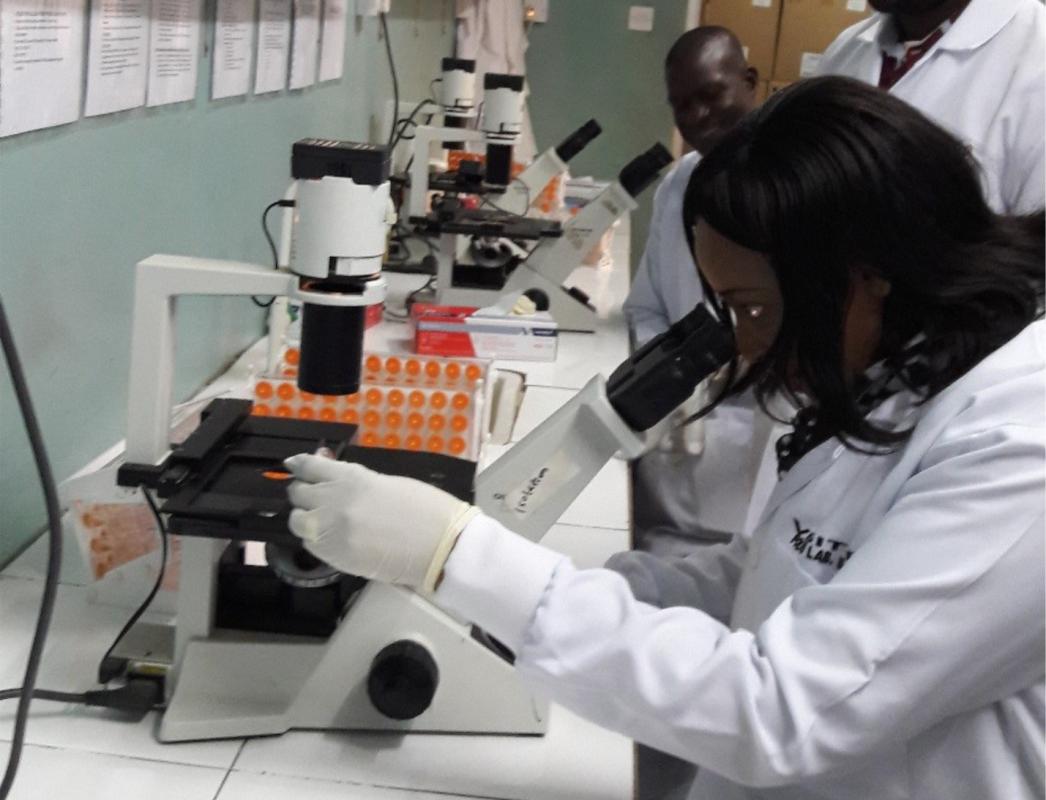
Dr Gumede-Moeletsi at the Ibadan Lab.

Ibadan, 31 July 2017-The World Health Organization (WHO) Regional Office for Africa (AFRO) has declared the Ibadan Polio Laboratory fully accredited to continue performing its duties as a National Polio Laboratory for Nigeria.

WHO supports a Multi-sectorial call for ‘Non-Communicable Diseases Action’ in South Sudan
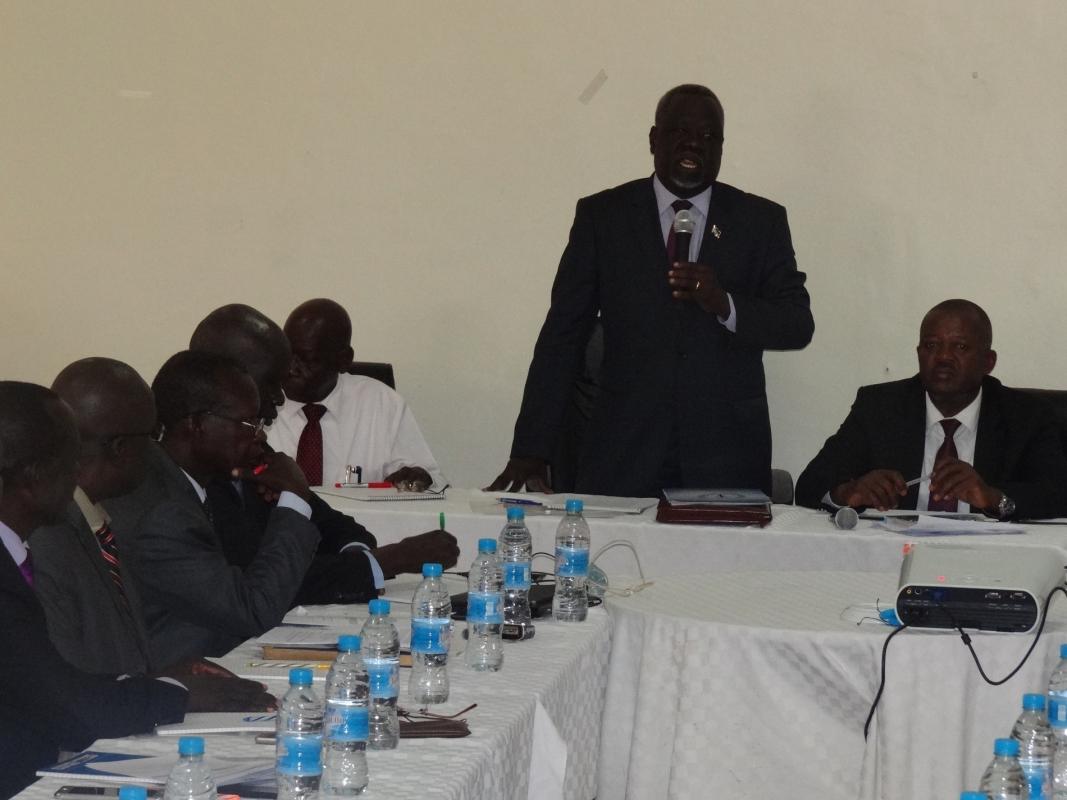
Dr Riek Gai Kok Hon Minister of Health addressing the participants

31 July 2017, Juba South Sudan - The World Health Organization in collaboration with the Ministry of Health recently convened the first high level multi-sectorial Non-Communicable Diseases (NCDs) meeting for South Sudan attended by about 65 senior representatives from line government ministries, Civil Society, Non-governmental Organizations, academia, UN organizations and the private sector. An urgent ’Call for Action on NCDs Prevention and Control’ was endorsed in Juba, South Sudan by those representatives attending this meeting.

WHO in collaboration with partners strengthens Expanded Program on Immunization (EPI) to protect children from vaccine preventable diseases in South Sudan
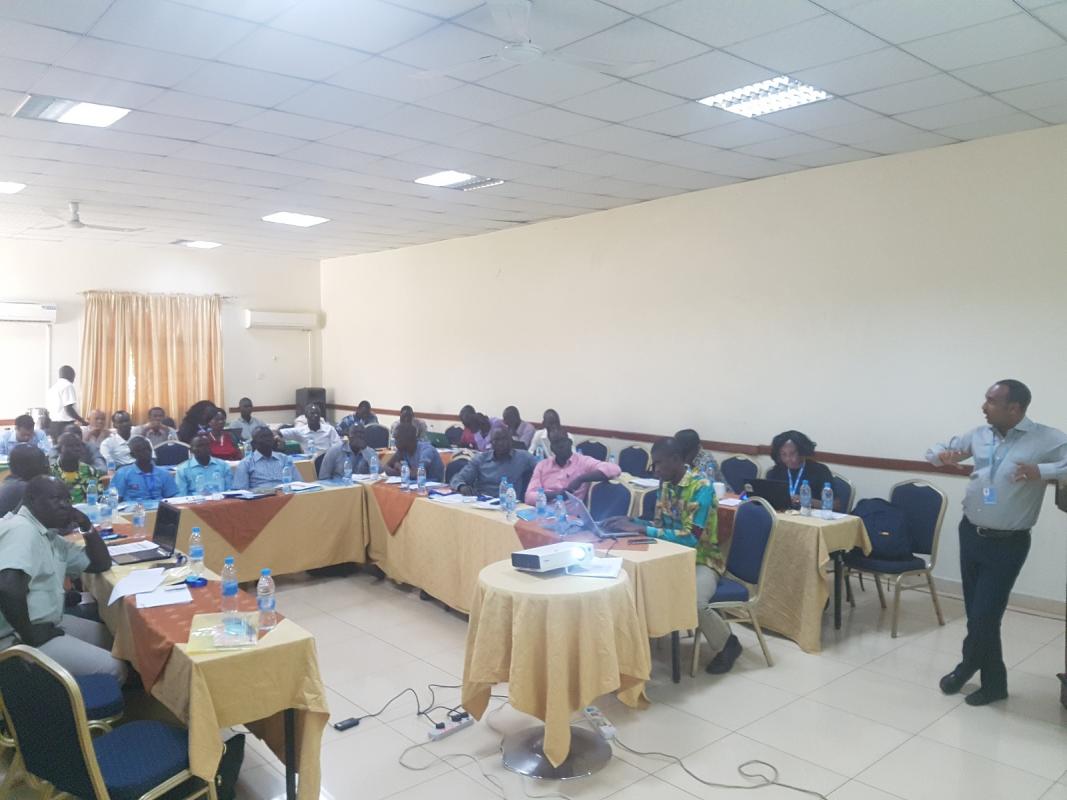
Melisachew Adane WHO Consultant making a presentation
Despite the ongoing crisis in the country, the World Health Organization (WHO) continues to support the Ministry of Health of South Sudan and implementing partners to deliver immunization services and conduct disease surveillance activities across the country. Routine immunization and disease surveillance are key health interventions highly affected by the ever changing country context as they demand more logistics and human resource.

South Sudan marks World Hepatitis Day 2017
-
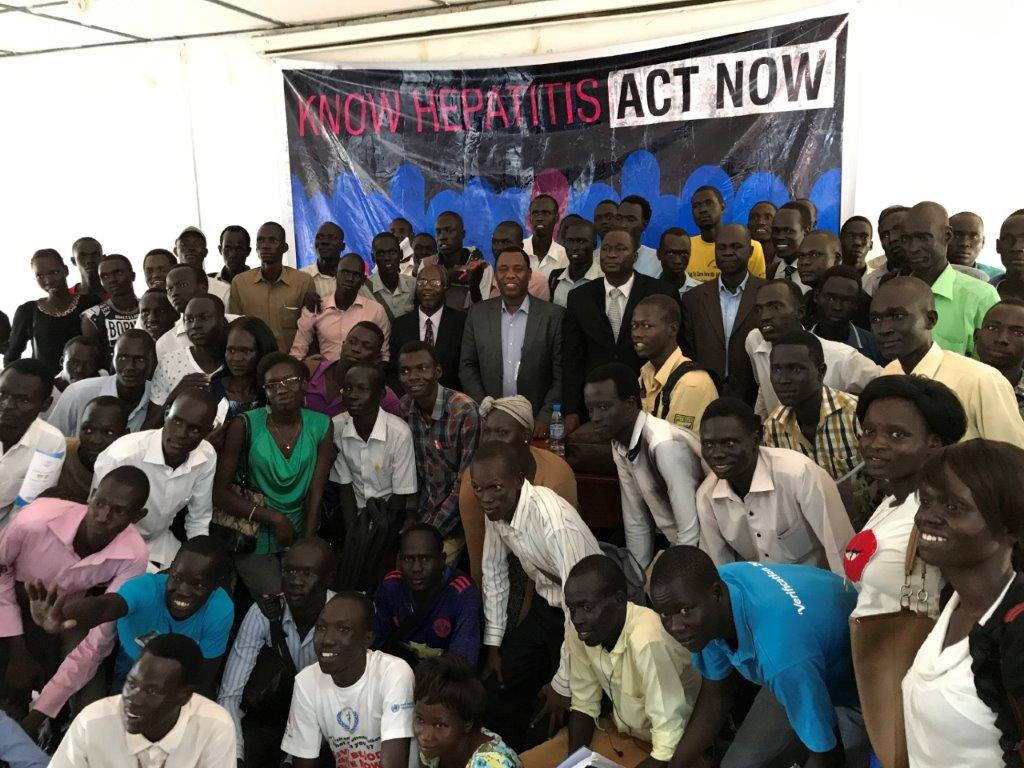
South Sudan has joined the rest of the world in commemorating World Hepatitis Day under the theme “Eliminate Hepatitis” on 28 July 2017, at the University of Juba, college of medicine.

Best Practice: Tanzania ramps up surveillance to tackle threat of polio
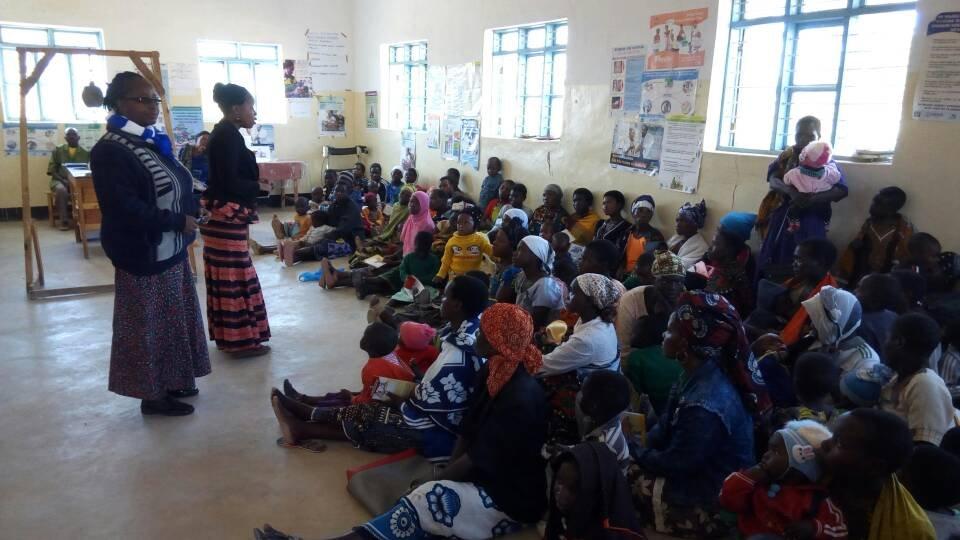
Sensitization of community members on the signs and symptoms of AFP
Poliomyelitis (polio) is a highly infectious viral disease, which mainly affects young children. The virus is transmitted by person-to-person spread mainly through the faecal-oral route and multiplies in the intestine, from where it can invade the nervous system and can cause paralysis. In the event of a polio outbreak, it is important that all countries, in particular those with frequent travel and contacts with the affected countries and areas, strengthen surveillance for Acute Flaccid Paralysis (AFP) cases in order to rapidly detect any new virus importation and to facilitate a rapid response.

WHO participates in a forum on effective interventions to reduce harmful use of alcohol
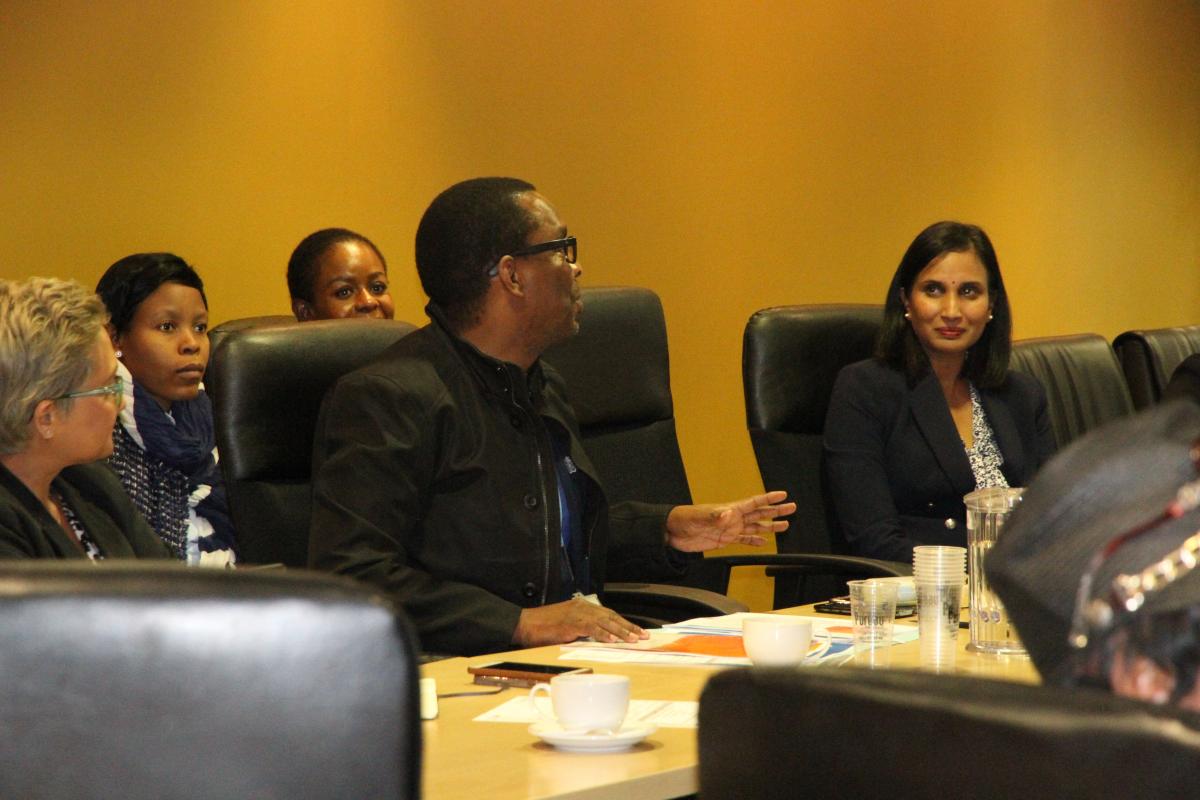
WHO National Health Promotion Officer, Eugene Mahlehla, presenting on effective interventions to reduce harmful use of alcohol

South Africa’s alcohol consumption rate is very high, with the country ranked as one of the top 10 most drinking nations in the world. Most education and awareness campaigns have been initiated to curb liquor abuse but have not had the kind of impact required. This, according to the Department of Trade and Industry (DTI), highlighted a need to debate and exchange knowledge and experiences on effective and impactful education and awareness campaigns to address the problem of liquor abuse in South Africa.

WHO provides lifesaving treatment for severely malnourished children with medical complication in South Sudan
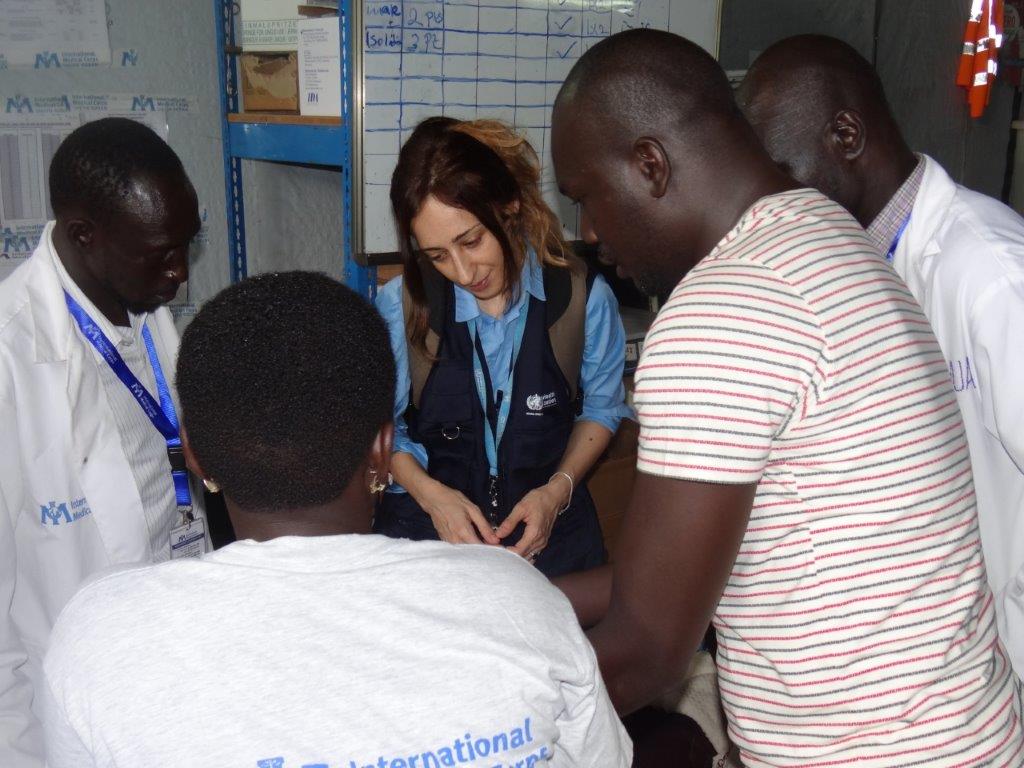
Ms Marina Adrianopoli, Technical Officer for Nutrition, monitoring the utilization of the WHO SAM kits at the IMC clinic in Juba POC
To respond to the grave food security and address the alarming nutritional emergency in children, WHO has intensified its response focusing on inpatient therapeutic nutrition programs, through the distribution of essential medicines. In June 2017, WHO distributed 50 sever acute malnutrition (SAM) kits, to treat over 2 500 children suffering from SAM with medical complications. The SAM kits were dispatched to 13 hospitals, 25 primary health care centers and 2 health facillities in the Protection of Civilians (PoCs) supporting Inpatient Therapeutic Programs (ITP) in the Greater Equatoria Regions, Northern Bahr el Ghazal, Unity, Upper Nile and Jonglei and Counties with high prevalence of Global Acute Malnutrition (GAM) to provide sustainable lifesaving interventions.

WCO Tanzania takes the Transformation Agenda forwards
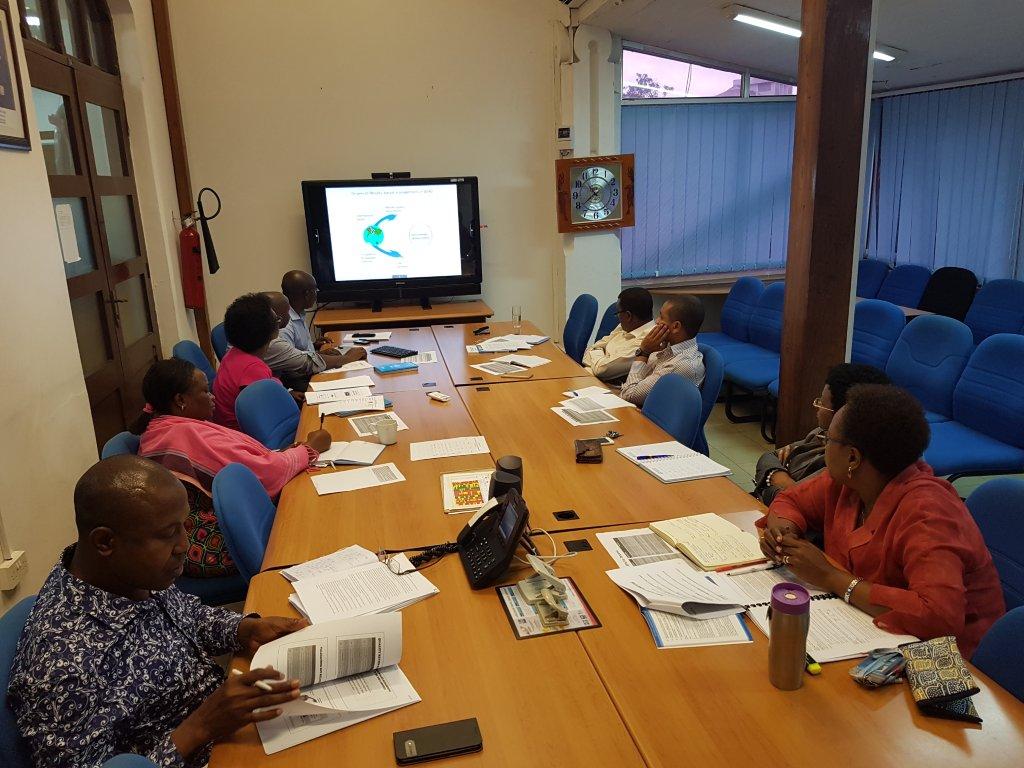
Peer learning WCO Staff, Mr. Maximillian Mapunda and Mr. Yusuph Mwemtsi, cascading training on Results Based Management to colleagues
The Transformation Agenda is a programme for accelerating the implementation of WHO reform within the WHO African Region. It is a vision and a strategy for change aimed at facilitating the emergence of “the WHO that the staff and stakeholders want”. Its objective is to improve delivery of results with clearer links to better health outcomes in countries, focusing on countries’ health priorities in alignment with the Sustainable Development Goals.

The Regional Expert Meeting on Medicine Regulatory Harmonization Initiative is being convened by IGAD
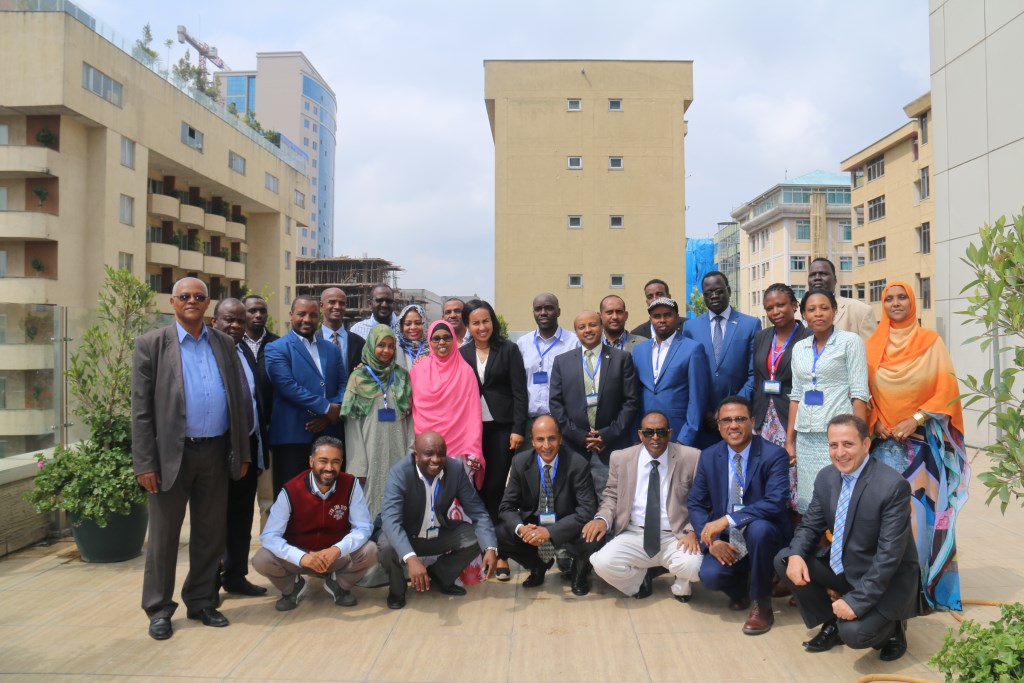
01	Group picture of participants of the “Regional Expert Meeting on Medicine Regulatory Harmonization Initiative”
The Intergovernmental Authority on Development (IGAD) convened the regional expert meeting on Medicine Regulatory Harmonization (MRH), on 17 July, 2017 which was conducted at the Intercontinental Addis Hotel, in Addis Ababa. The aim of the IGAD MRH initiative is to improve access to safe, effective and quality medicines by the population of the region. IGAD is one of the regional Economic Community (REC) of the Africa region established in 1996 with eight member states, and among these six have established the National Medicine Regulatory Authority.