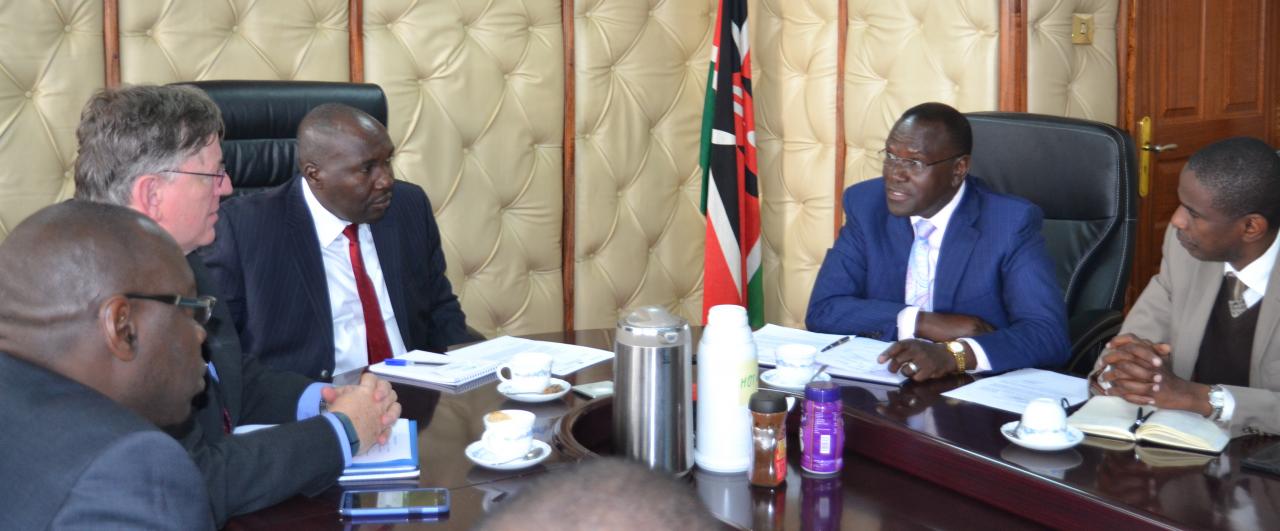
Zambia hosts the Eastern and Southern Africa (ESA) review meetings on the status of implementation of immunisation and surveillance plans and the WHO performance accountability framework

Mobile teams deliver healthcare to more than 400 000 in remote areas of north-eastern Nigeria
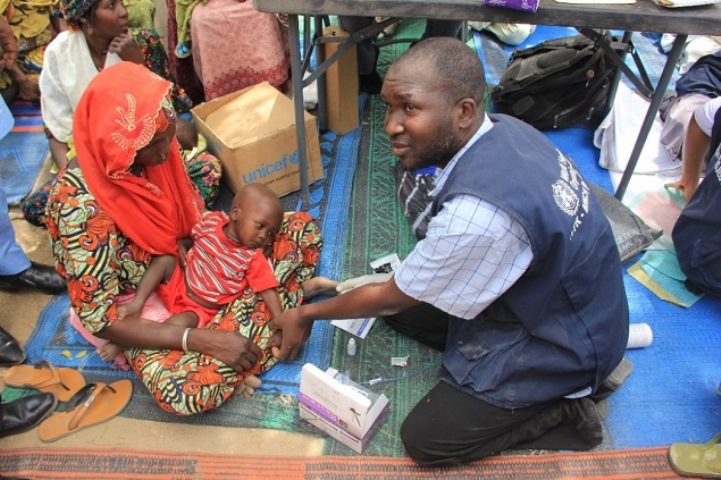
Among many women who brought their children to the WHO-supported mobile team for free healthcare services was Aisha, a 29-year-old mother of 6. Keeping her children healthy is a top priority. However, she lives in Ngandu, a remote village located in Kaga, Borno state, Nigeria, which for several years was cut off from regular health services due to conflict.
5 places where WHO needs more emergencies funding to help people now
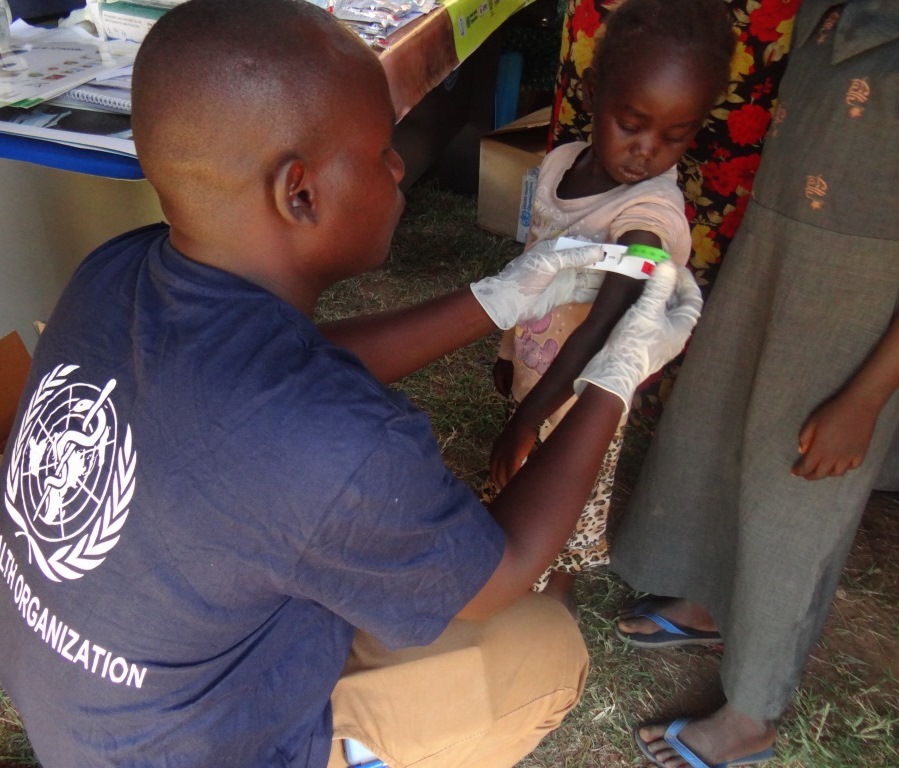
To help people living in some of the world’s most dire emergency situations, WHO relies on funding from Member States. In 2017, WHO has asked for US$ 547 million to deliver health services to more than 66 million people in 28 countries. However, to date, WHO has received less than a quarter of the funds required. Without a significant increase in funding, the health of millions of people will be neglected and many will die needlessly.
Stakeholders Flag-off critical campaign in final onslaught against polio.
Sokoto, 08 July 2017 - Governors, Legislators, the Sultan of Sokoto, Government functionaries and Development partners on 8th July 2017 converged in Sokoto state to flag-off the July 2017 round of Sub-National Immunization Days (IPDs) campaign. The symbolic occasion was a unique opportunity to demonstrate collective commitment in the final battle against the poliovirus in Nigeria.
WHO in collaboration with the Ministry of Health and health partners strategizes efforts to combat cholera in South Sudan
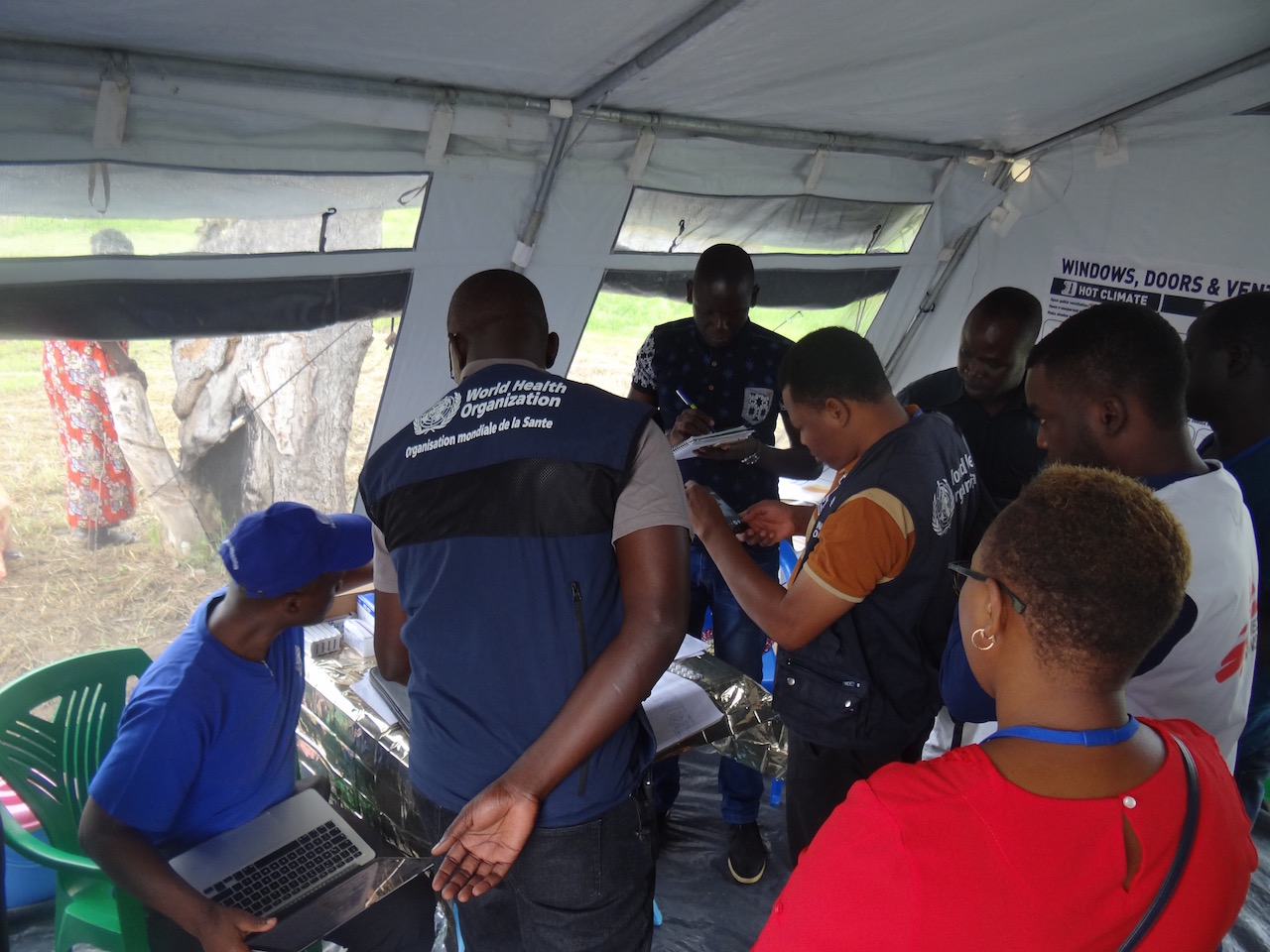
Cholera contributes substantially to the disease burden in South Sudan, where outbreaks have been confirmed every year since 2014. Thus, cholera is endemic in South Sudan and requires an integrated and comprehensive approach that entails surveillance, patient care, optimal access to safe drinking water, sanitation, and hygiene (WASH); social mobilization and complementary use of oral cholera vaccines.
Paramount rulers in the Northern Nigeria recommit to improving health indicators in the region.
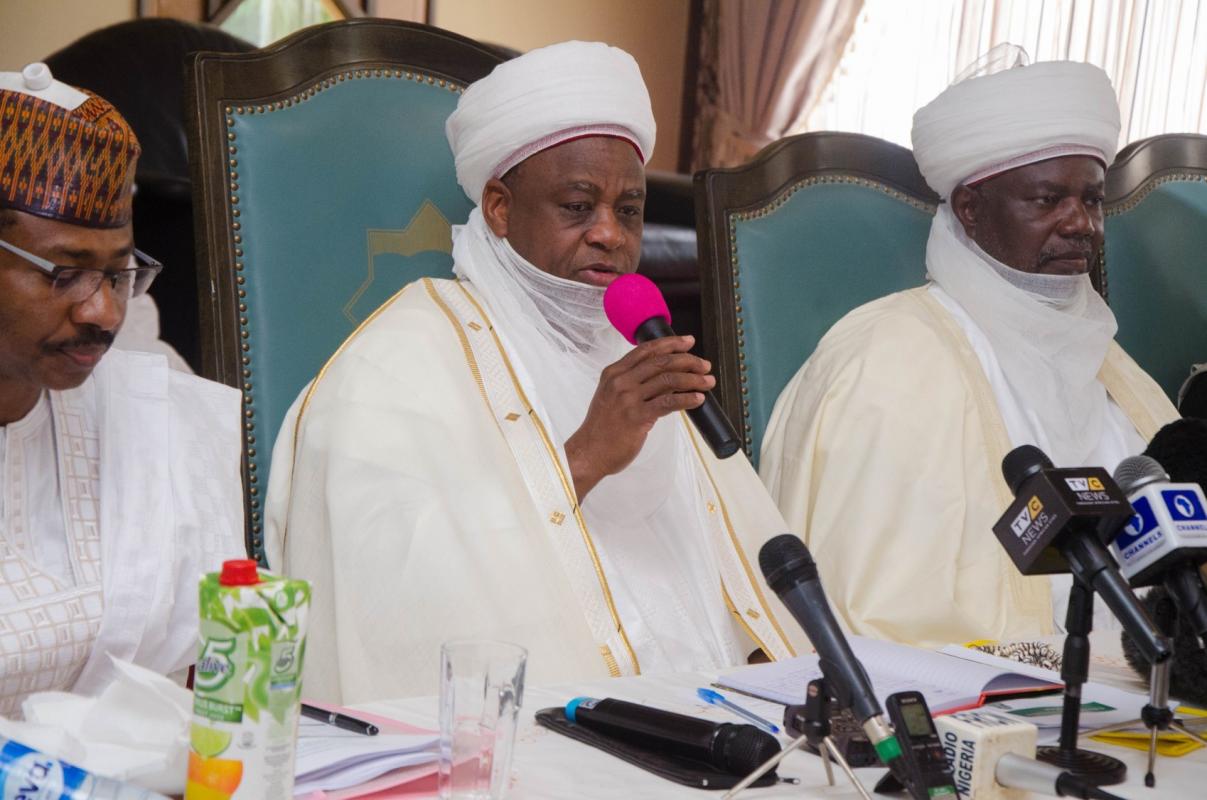
Sokoto, 10 July 2017 - Paramount rulers under the umbrella body, Northern Traditional Leaders Committee on Primary Health Care (NTLC), are determined to continue with their role of mass mobilization and community engagement to boost population immunity and improve health indicators in the region.
WHO responds to new acute watery diarrhea outbreak rumour in a remote zone in Somali region of Ethiopia
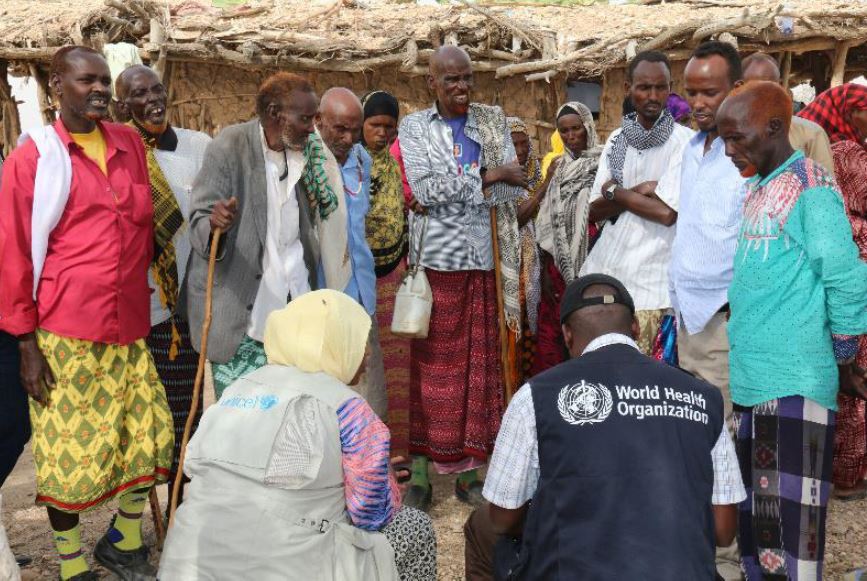
Jjiga City, Somali Region - In disease outbreak situations, rumours are as valuable as actual surveillance data. In fact, disease response teams particularly surveillance officers, attach a lot of importance on rumours and investigates them until proven wrong or right.
WHO, Ministry of Health and Social Services conclude workshop on Suicide Prevention
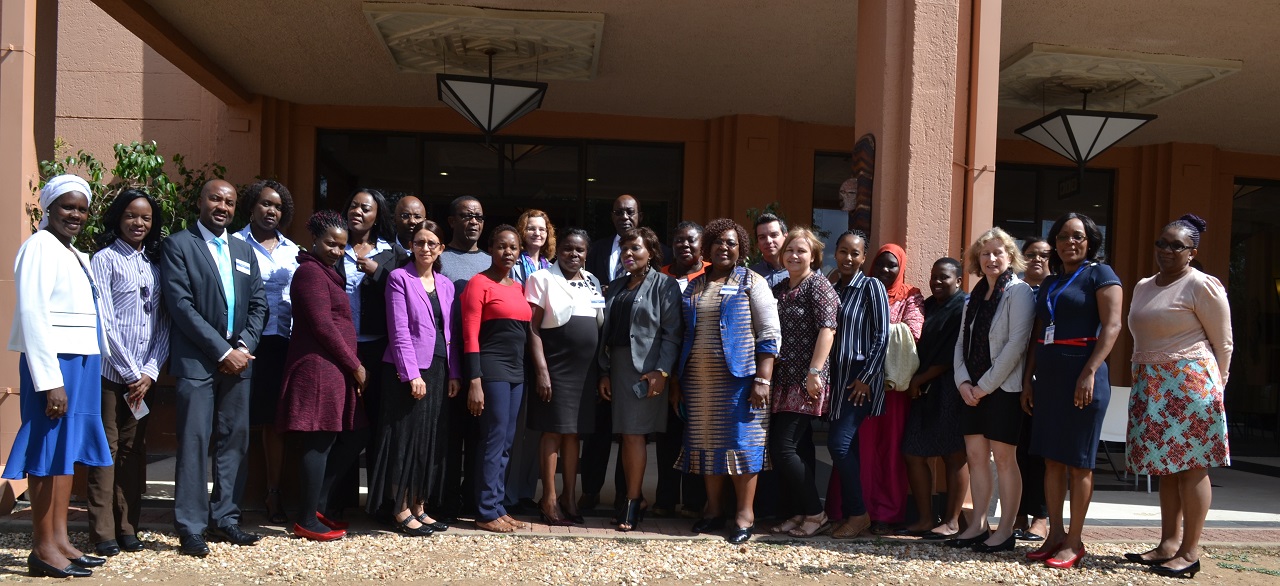
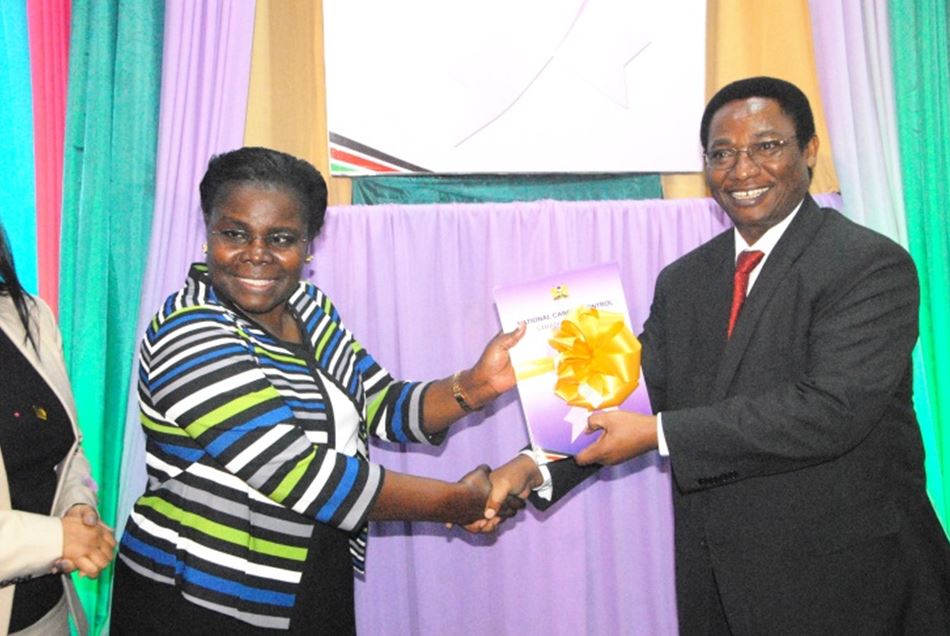
Kenya Launches National Cancer Control Strategy 2017-2022
WHO establishes an Emergency Hub in Nairobi