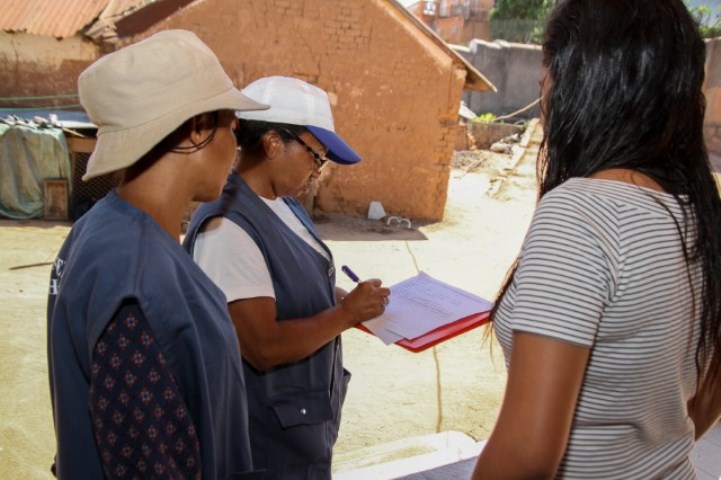
Madagascar’s plague epidemic is slowing, but we must sustain the response
Call for behaviour change in antibiotic use and prescription

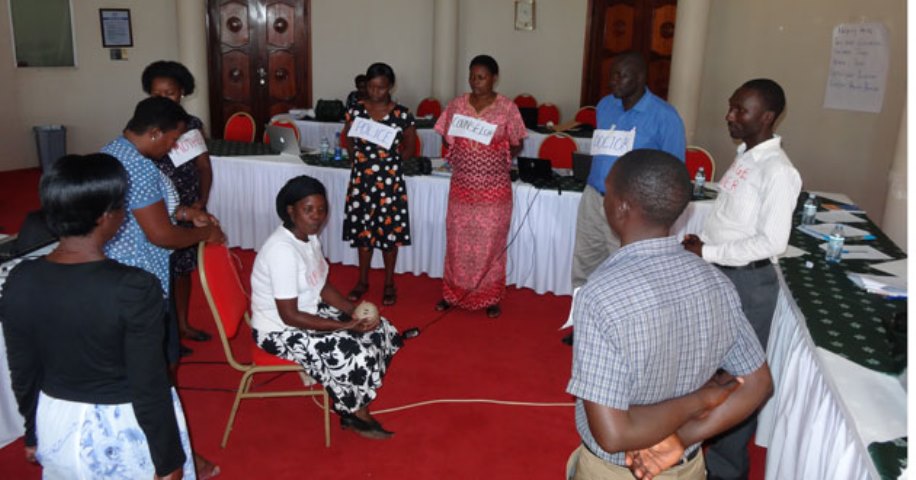
Making health services a safe place for women: Uganda steps up to support women subjected to violence
Visiting Ghana delegation impressed by a Health Promoting School!
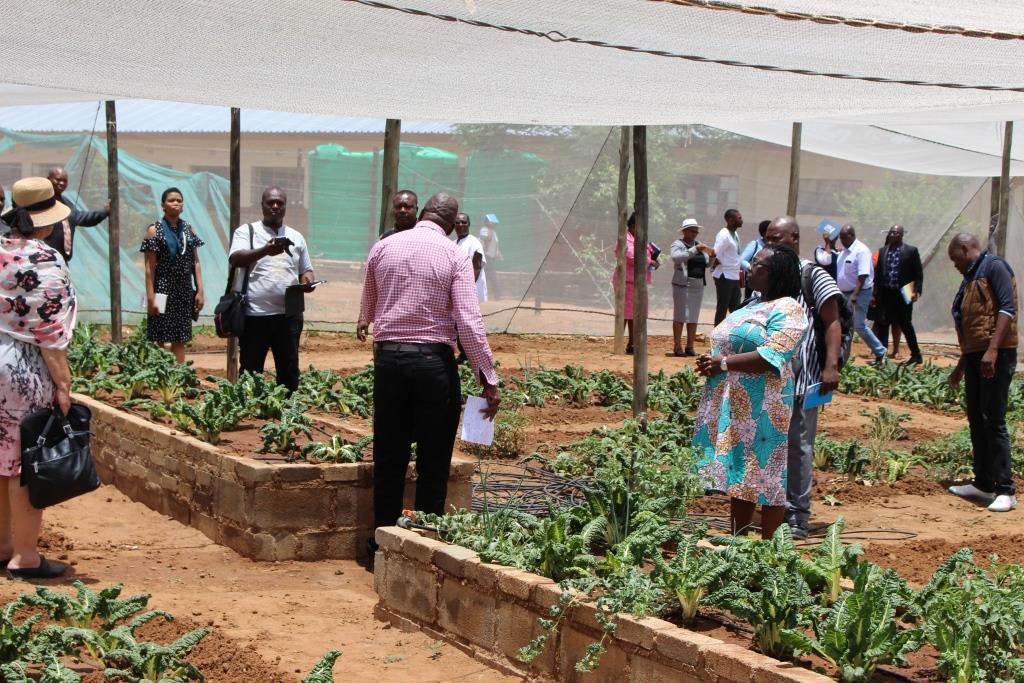
Gaborone, BOTSWANA - 24 November 2017: A seven person delegation from Ghana is in Botswana to benchmark on Health Promotion and Health in All Policies. The weeklong visit has seen them engage with the Ministry of Health and Wellness where they learnt about the structure and functions of the Health Promotion and Education Division within the context of the Ministry and in collaboration with other sectors. They also toured a national exhibition of Poverty Eradication projects under the Office of the President.
Statement on the Second Ministry of Health Directors’ meeting on Taking Forward the Regional Framework for Strengthening Health Systems for UHC and SDGs
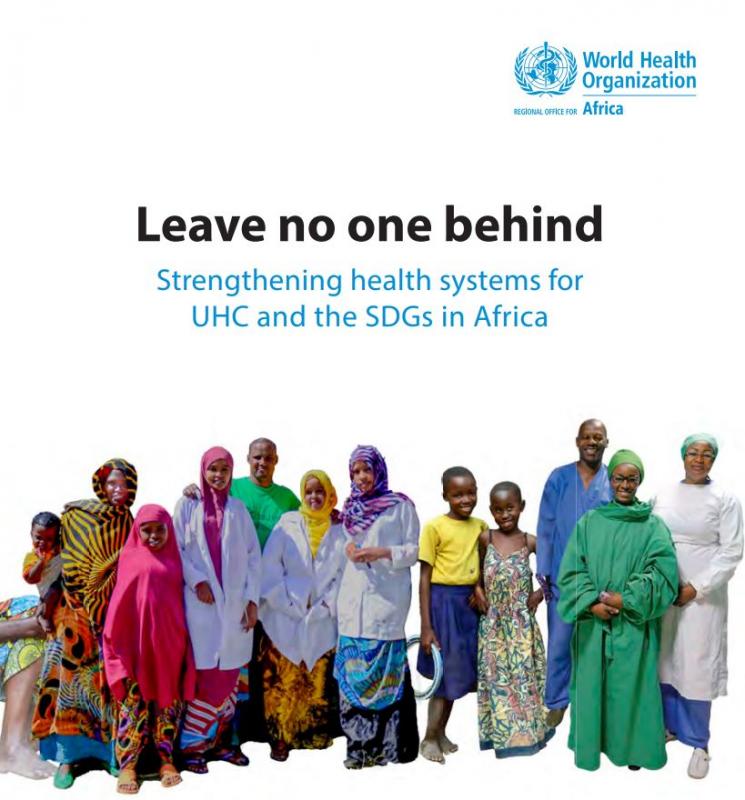
Experts ramp up efforts to leave no one behind
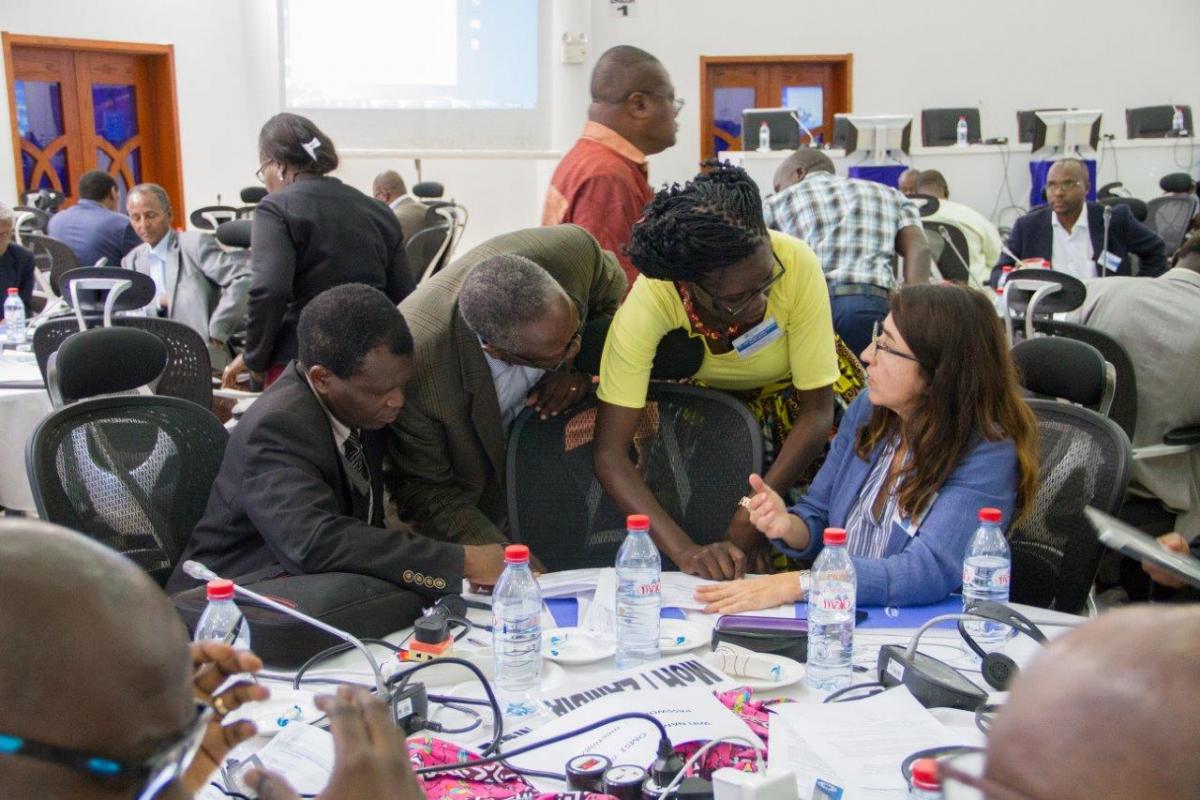
Brazzaville, 24 November 2017 - With growing momentum to ensure that everyone has access to good quality health, planning experts from 27 countries of the Region met in Brazzaville to agree on how to implement a Framework of Action adopted by African Ministers of Health at their annual meeting in August 2017.
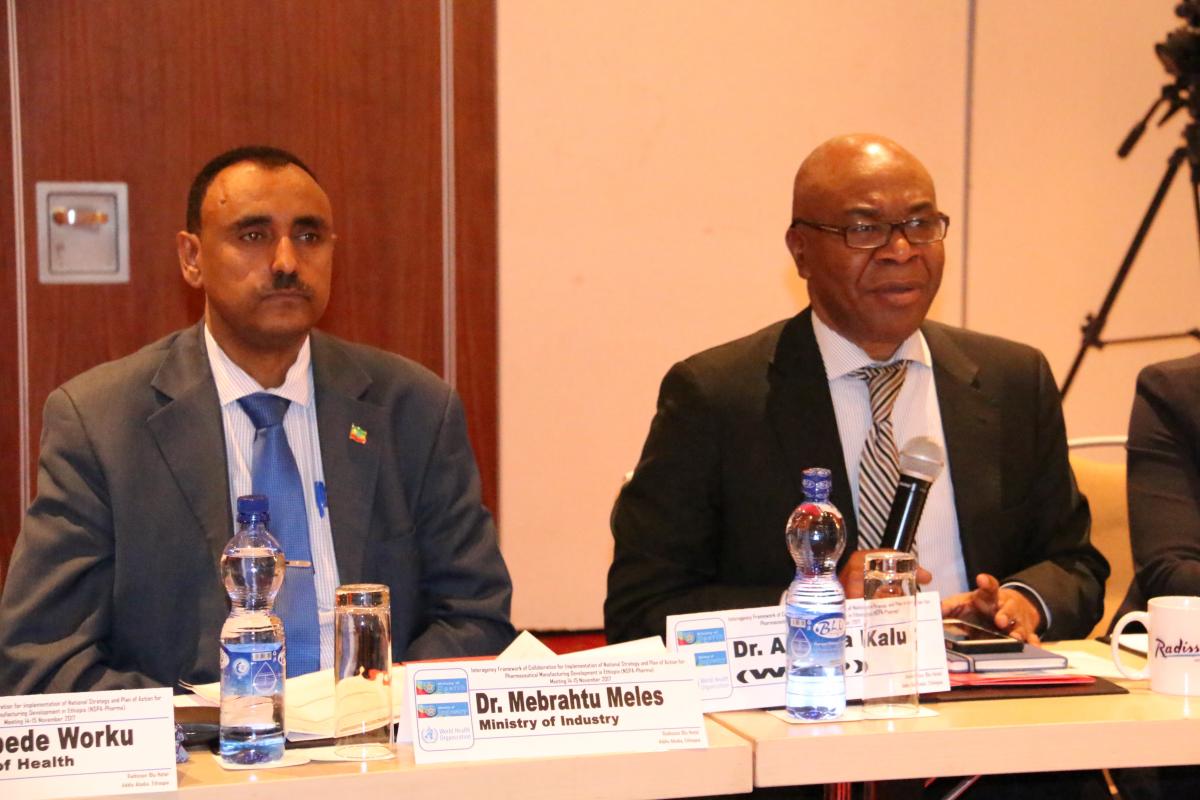
Promoting Interagency Collaboration to Ensure Pharmaceutical Manufacturing Development in Ethiopia
Political will and evidence-based action to end TB in the African Region a must – WHO Regional Director for Africa
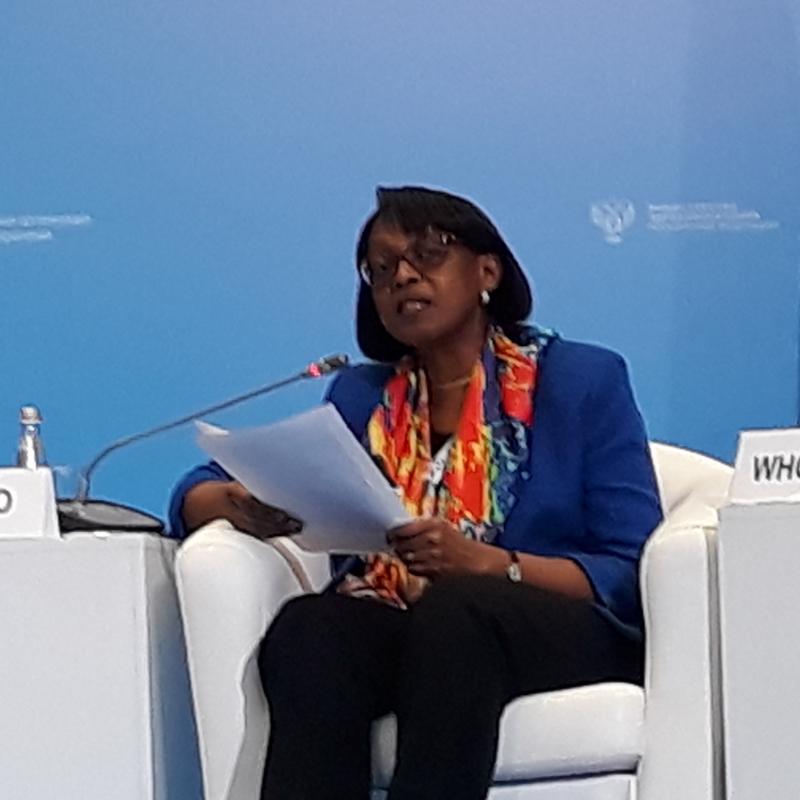
23 November 2017 - World Health Organization (WHO) Africa Regional Director, Dr. Matshidiso Moeti recently attended the first WHO Global Ministerial Conference on ending TB in the sustainable development era – November 16 to 17, in Moscow, Russian Federation the Conference was aimed at accelerating the implementation of the “End TB strategy” by ensuing national and global commitments, deliverables and accountability. It was jointly organized by Russia’s Ministry of Health and WHO.
Monitoring the efficacy of antimalarial medicines in Tanzania
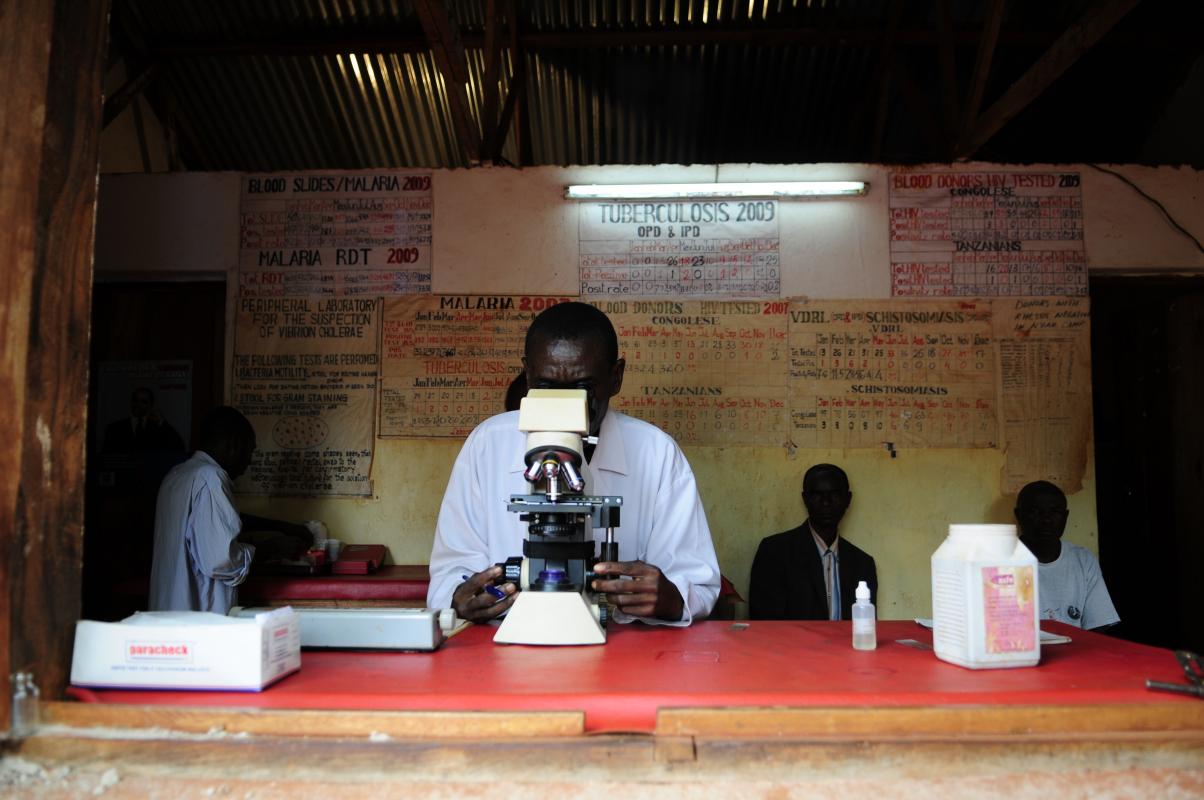
Tanga, 17-22 November 2017: The advent of Artemisinin Based Combination Therapies (ACTs) since 2001 as first-line treatment for uncomplicated Plasmodium falciparum malaria has had a major impact in the steady reduction of the disease in endemic countries where it has been adopted alongside other interventions such as the use of Long Lasting Insecticide Treated Nets (LLINs), Indoor Residual Spraying (IRS) and Rapid Diagnos
WHO in collaboration with the Ministry of Health established water quality control testing hub within the National Public Health Laboratory to guide water safety management and prevent water-borne diseases in South Sudan
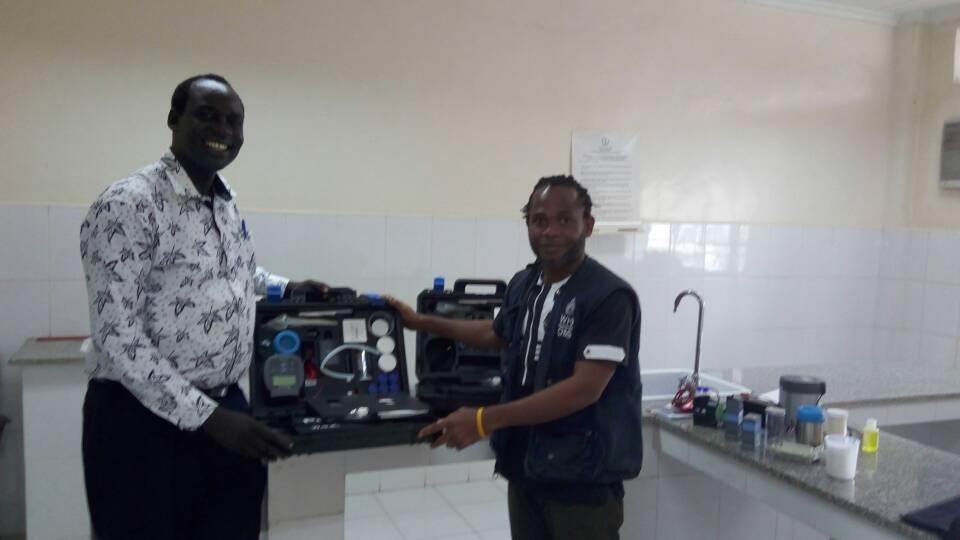
Juba, 21 November 2017: The conflict coupled with the country's worsening economic crisis have more than doubled the cost of delivering water, sanitation and hygiene services. Lack of access to clean water and sanitation is a public health concern in South Sudan.