Botswana successfully concludes the IDSR national Training of Trainers (TOT) Workshop
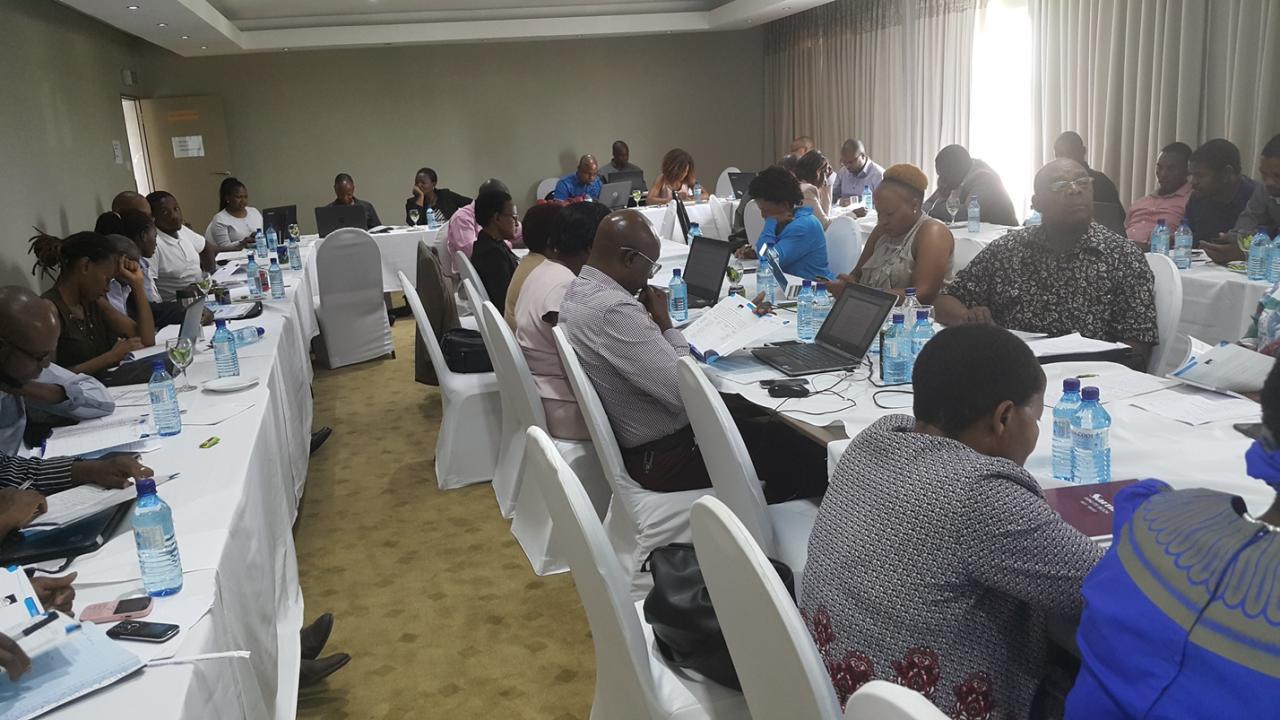
GABOR0NE, Botswana - 28th October 2017: A comprehensive training of trainers on integrated disease surveillance and response (IDSR) was conducted over a four-day period. Participants included surveillance officers, laboratory staff, clinicians and public health specialists from both the National and District level in Botswana. This workshop follows the adaptation and development of the National IDSR training manual. Both activities were coordinated and implemented by the Ministry of Health with technical and financial support from the WHO Country office.
Mental health in the workplace: Commemoration of the World Mental Health Day in Swaziland
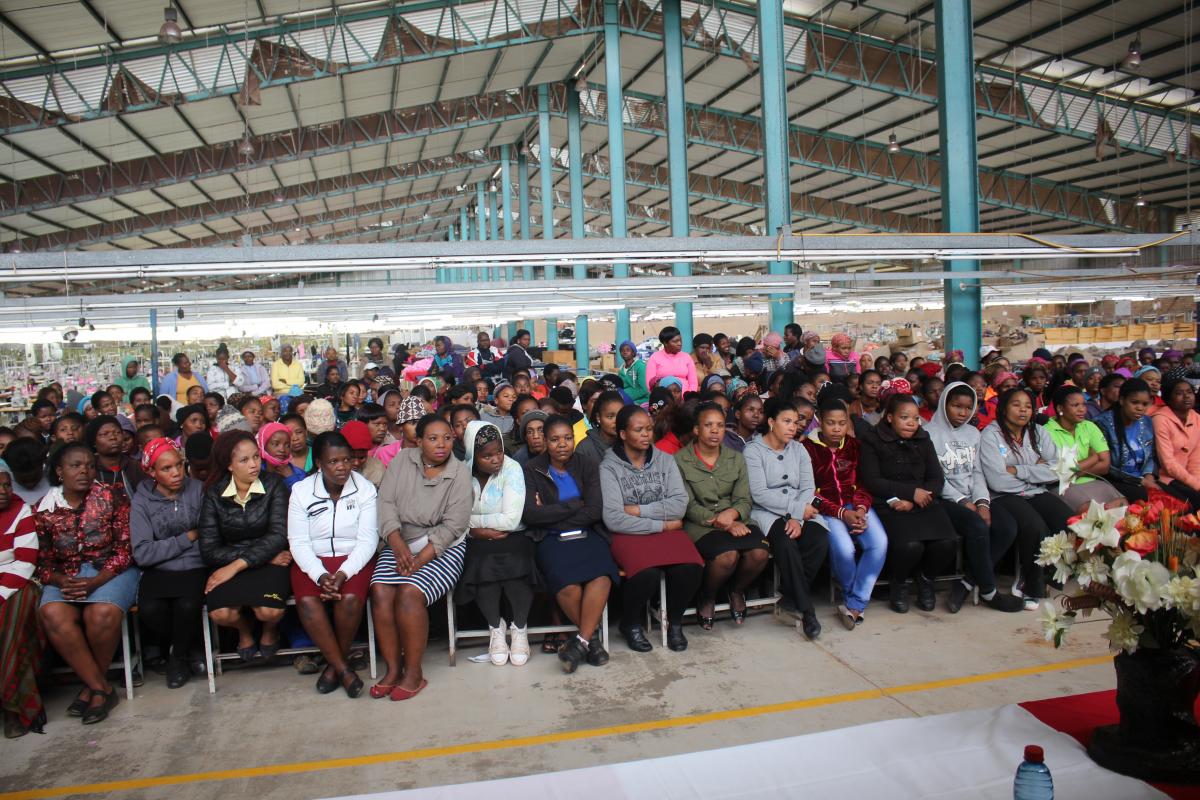
09 November, Mbabane: More than 300 textile workers in Siteki in the Lubombo region of Swaziland were sensitised on the importance of maintaining a state of good mental health especially at the workplace. This was marking the commemoration of the World Mental Health Day under the theme “Mental Health in the Workplace”. The Kingdom of Swaziland joins the rest of the world every year in commemorating this important day aimed at raising awareness of mental health issues across the globe and mobilising efforts in support of mental health.
As Nigerian government Flags-off 2017/2018 Measles Vaccination Campaign, Kaduna state Governor's children get vaccinated against measles disease.
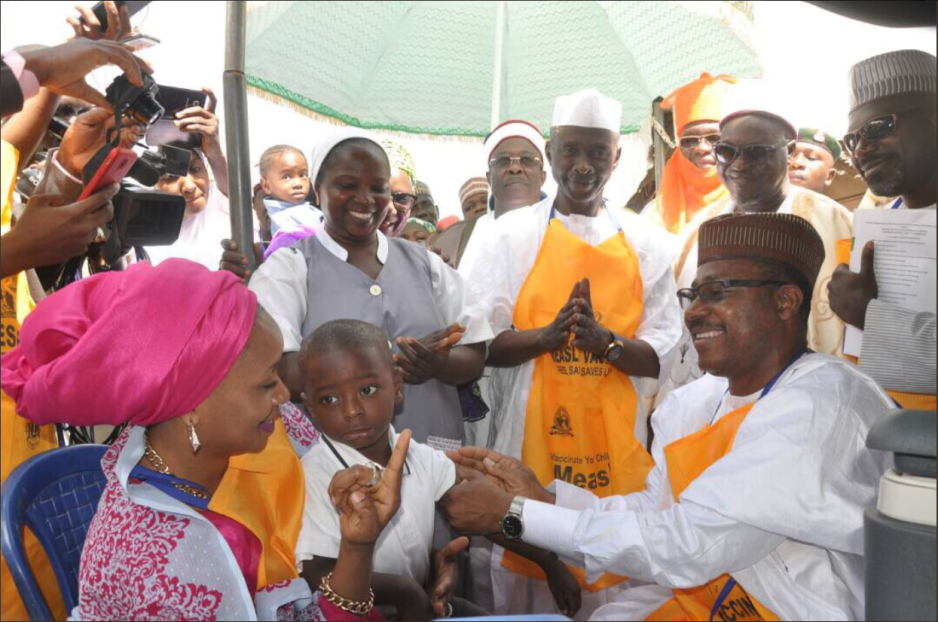
Kaduna, 08 November 2017 – In a ceremony attended by stakeholders in the health sector to kick start the 2017 / 2018 Measles vaccination campaign, the Executive Director of the National Primary Healthcare Development Agency (NPHCDA) Dr Faisal Shuaib vaccinated the children Kaduna state Governor, Nasiru El Rufai. The ceremony which took place at Miyetti-Allah Primary Healthcare Centre in Rigasa ward of Igabi Local Government area of Ka
Stakeholders in the health sector express satisfaction with European Union supported health system project
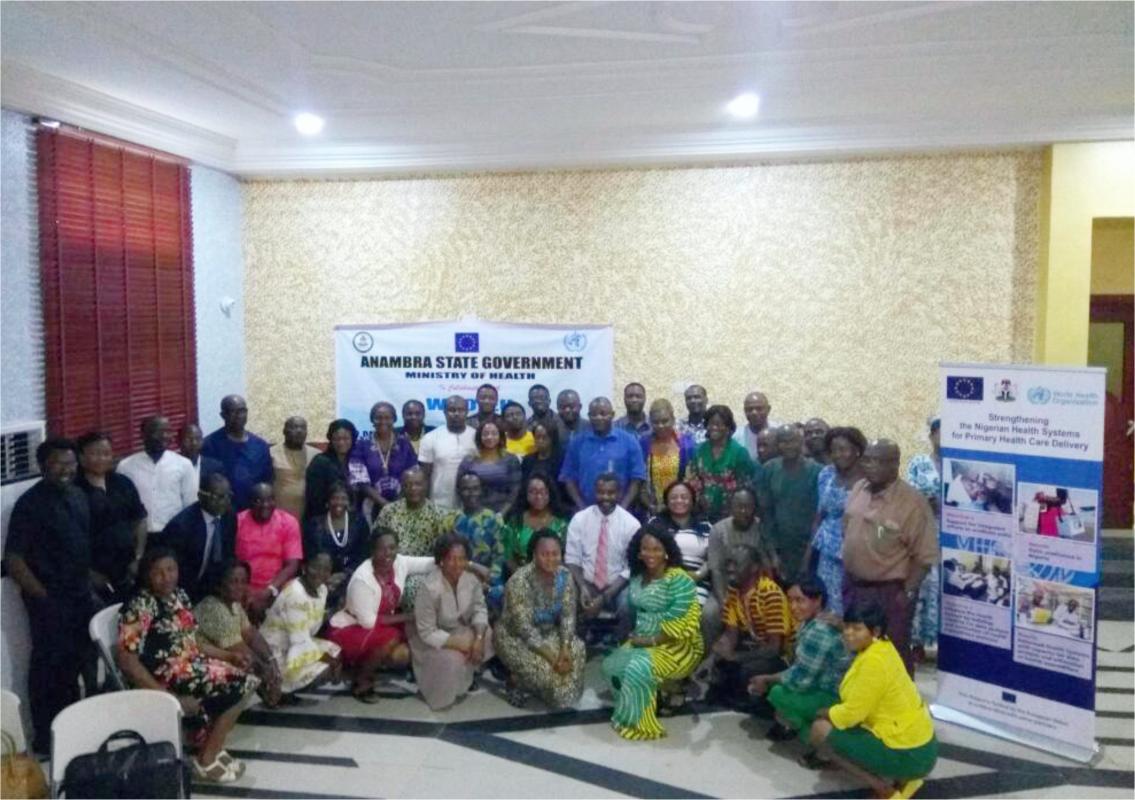
Awka 5th November 2017 - In a two days’ workshop to develop a multiyear plan for 2018 for a European Union (EU) supported project which is implemented by the World Health Organization (WHO), stakeholders in the health sector expressed satisfaction with the benefits of the project.
Namibia’s ban on antibiotics in healthy animals drives meat exports
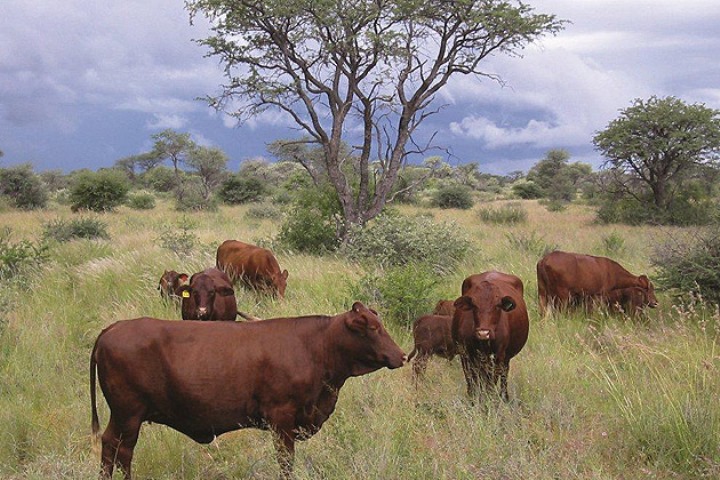
November 2017
Namibia was the first African nation to ban the routine use of antibiotics in its beef industry, when it passed a law 26 years ago. The thriving industry is proof that large-scale meat production can succeed without squandering one of the most precious resources of modern medicine.
Engaging media for effective risk communication in Seychelles
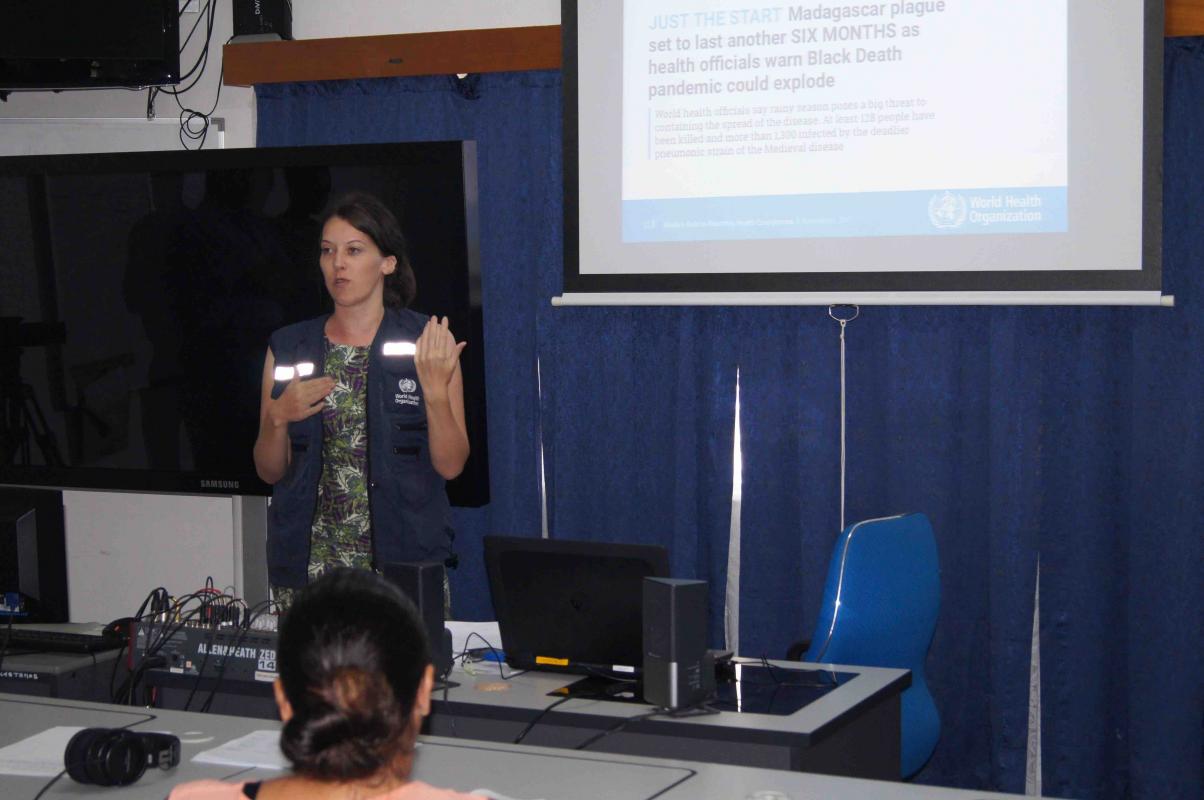
VICTORIA, November 8 2017 - Whilst their roles are different, journalists together with health workers are often on the frontline of disease outbreaks. It is therefore essential that the media is engaged in preparedness and response efforts, using their voice to share credible information towards reducing public health risks. This is the key message that was put forward during recent trainings conducted for journalists and editors of local media houses in Victoria, Seychelles.
WHO and partners engage stakeholders for implementation of the tobacco control act 2016
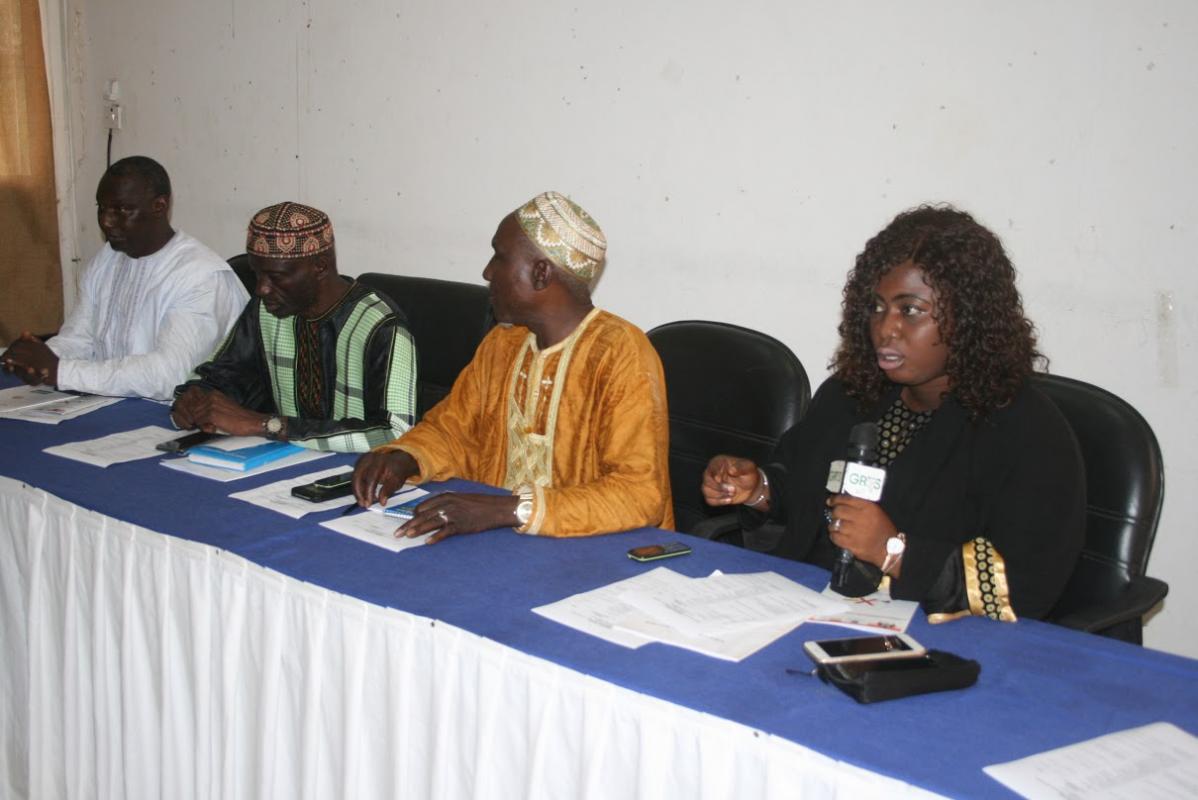
The national multi-sectoral platform for tobacco control is not resting on its laurels since enactment and official launch of Gambia’s first ever comprehensive Tobacco Control Act 2016. It has just launched an aggressive nationwide stakeholder sensitization and engagement to smoothen the way to implementation. Funds for this activity have been mobilized through a local NGO, which is an active member of the multi-sectoral platform.
Local Communities in Kween District Embrace Marburg Virus Disease Control Interventions
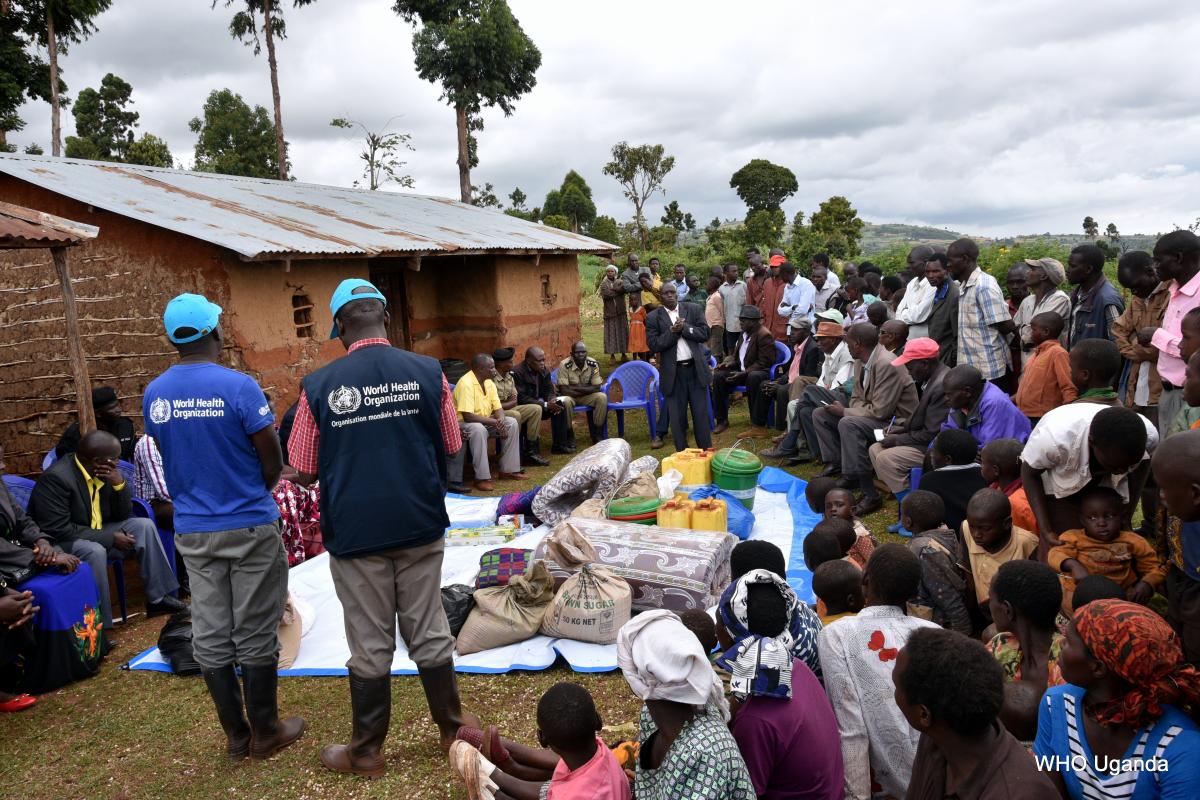
Kween, 8th November, 2017:- The Marburg Virus Disease (MVD) response activities in Kween district eastern Uganda are now in full throttle despite initial scepticism from sections of the community. Association of the disease with witchcraft, poor information flow from the treatment centre to the community, inadequate logistics, terrain of the area and presence of few partners on ground were major challenges in the initial stages of the response.
Building capacity for reducing health inequalities: The Regional GER & SD Workshop kicks off in Tanzania
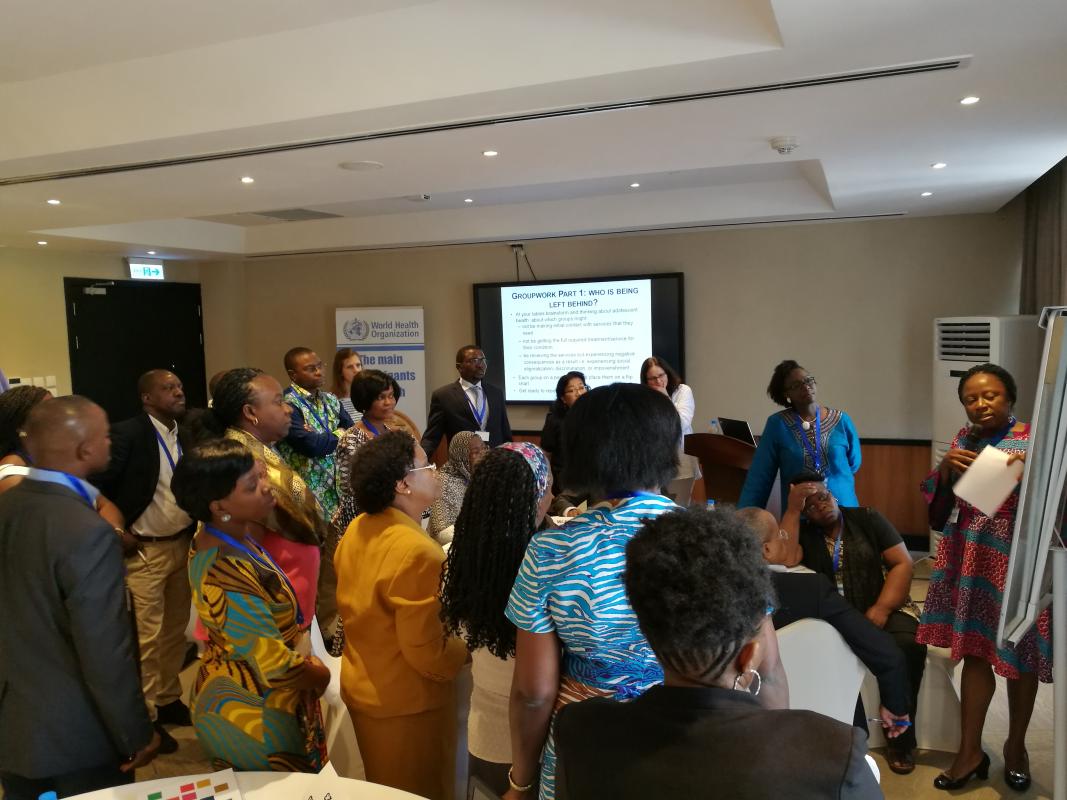
Dar es Salaam, 6-9 November 2016: Health outcomes are not equal for people throughout the world, both across and within countries. The underlying reasons are complex but many of these disparities are avoidable and unacceptable. The Sustainable Development Goals (SDGs) mark an unprecedented commitment to “leaving no one behind” (LNB) and the articulation of the importance of addressing vulnerabilities and discrimination on a global scale.
US Ambassador pays courtesy call on Dr Moeti