WHO implements Emergency Response Plan
10 November 2017
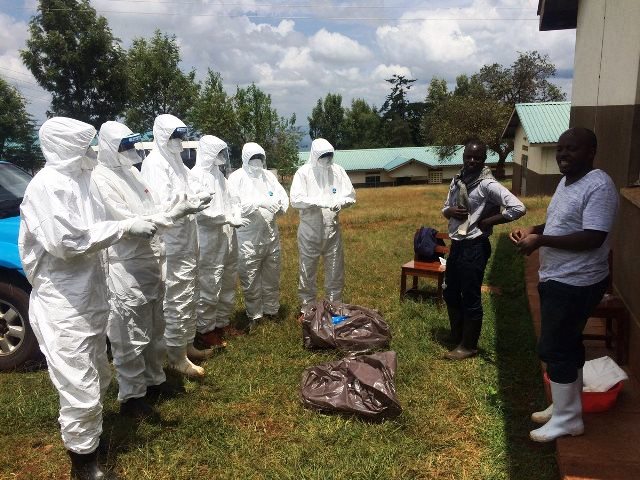
WHO has been implementing the Emergency Response Plan since 20 October 2017 when the Ministry of Health officially declared the outbreak. WHO released US$ 624 000 from the Contingency Fund for Emergencies (CFE) to rapidly respond which has proven to help contain the outbreak.
Disease outbreak news update – Marburg virus disease – Uganda and Kenya
International Health Emergency Response plan on Marburg virus disease
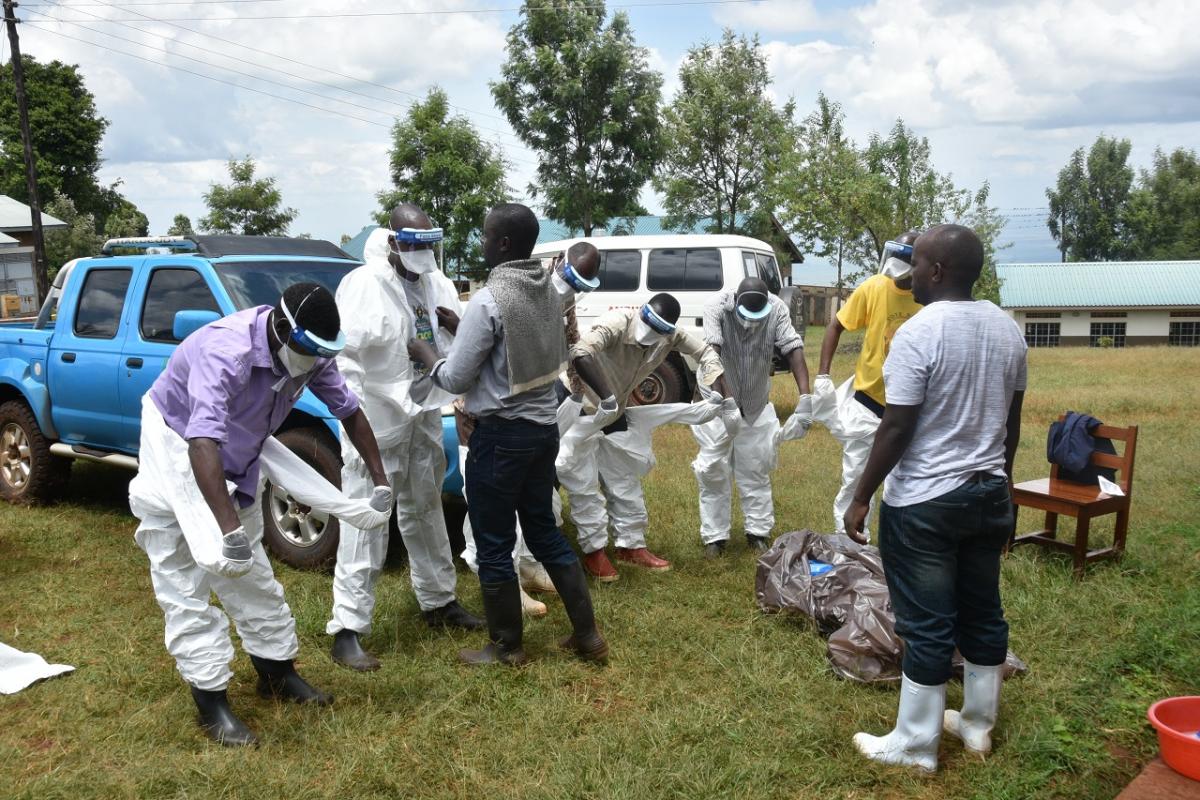
15 November 2017:- WHO has been implementing the Emergency Response Plan since 20 October 2017 when the Ministry of Health officially declared the outbreak. WHO released US$ 624 000 from the Contingency Fund for Emergencies (CFE) to rapidly respond which has proven to help contain the outbreak.
Treating diabetes takes more than insulin: Senegal mobile phone project promoting public health
November 2017
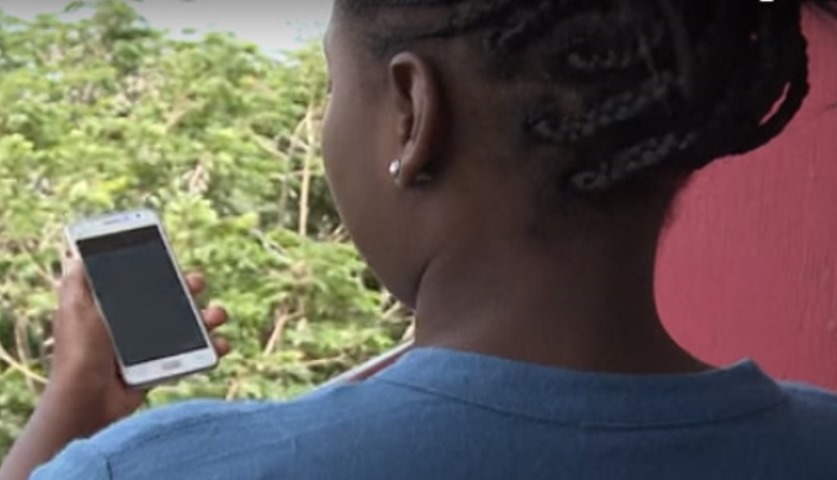
Information and communications technology, or ICTs, especially the mobile phone, are changing expectations around access to health information. Mobile phones can support diabetes prevention by providing simple tips on good management or prevention, usually around diet, exercise and checking for signs of complications such as diabetic foot complications.
South Sudan conducts Polio Outbreak Simulation Exercise to strengthen Polio outbreak preparedness and response
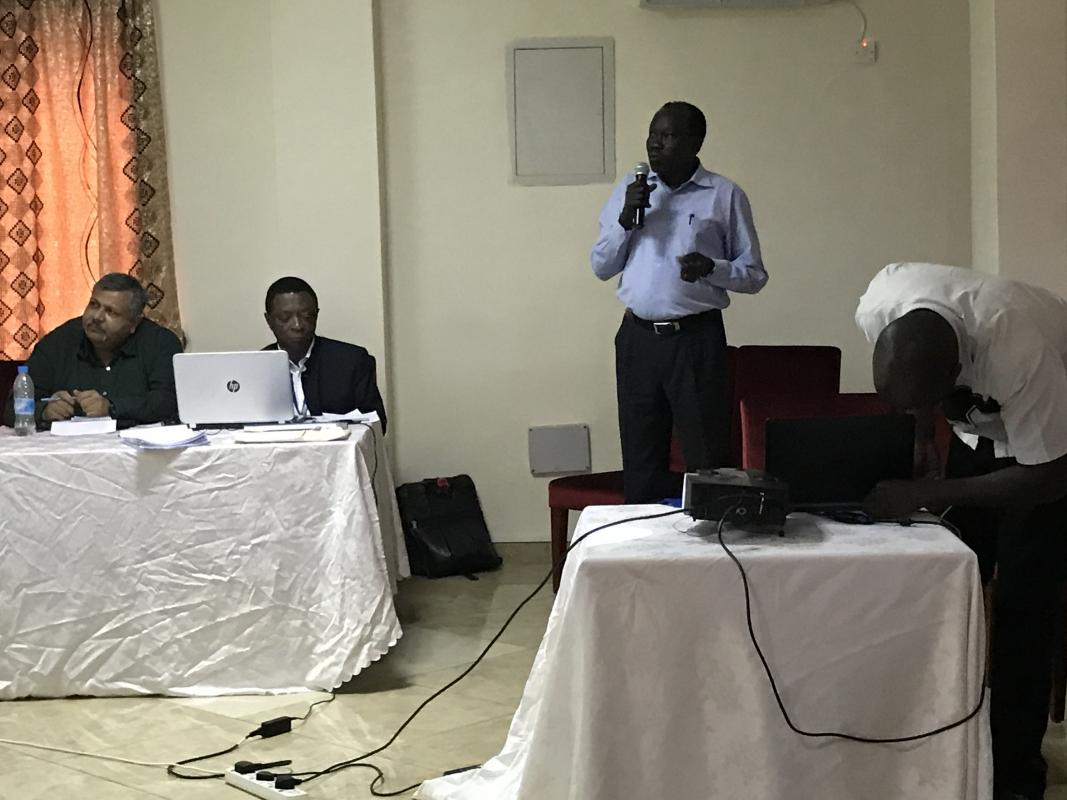
Juba, 08 November 2017: WHO South Sudan in partnership with the Ministry of Health (MoH), UNICEF and other partners, conducted a Polio Outbreak Simulation Exercise (POSE) from 7 to 8 November 2017 at Juba Landmark Hotel to renew the commitment and evaluate South Sudan’s preparedness and capacity to respond to potential Polio event /and outbreak, outline strategies/guidelines and establish standards and timeline for response.
WHO strengthening the capacity of frontline healthcare workers in Yei River State, Central Equatoria hub to improve the management of cases of priority diseases in South Sudan
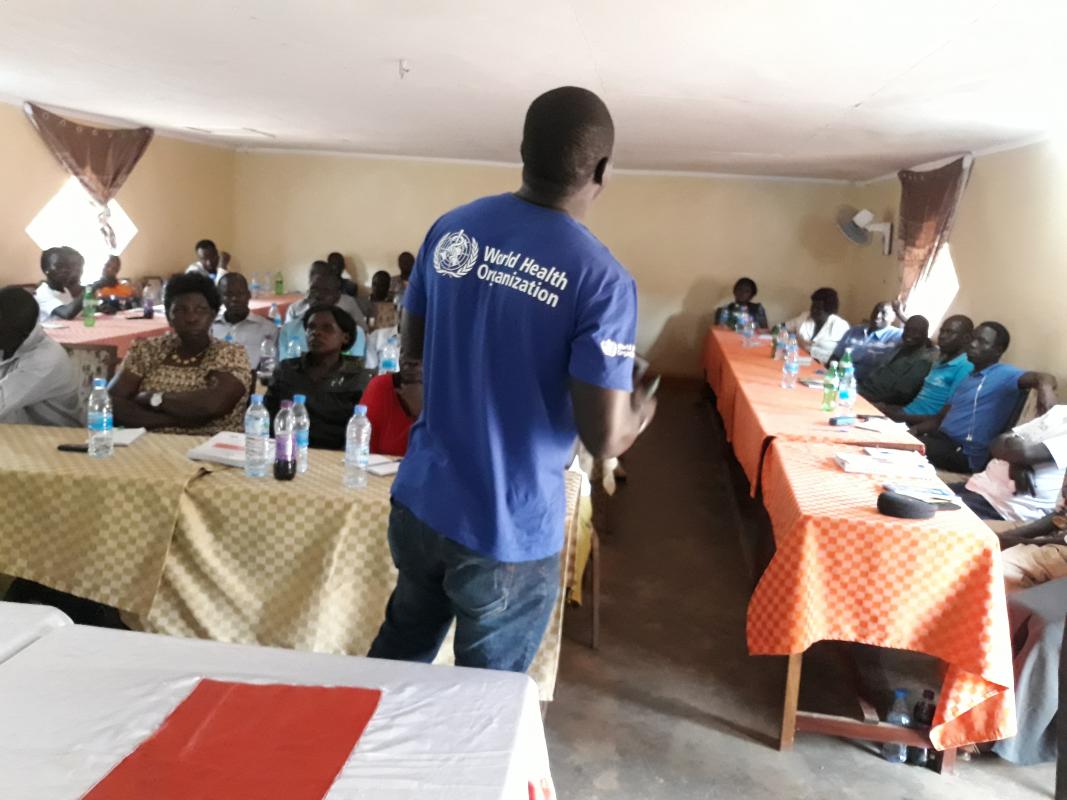
Juba, 13 November 2017: The worsening security situation in South Sudan, along with increased population movement, reduced health system functionality, disruption of health services, surveillance, outbreak response systems, and other disease control measures, led to an increased risk and vulnerability to more frequent disease outbreaks.
WHO Namibia supports the Development of a National Action Plan on Health Security
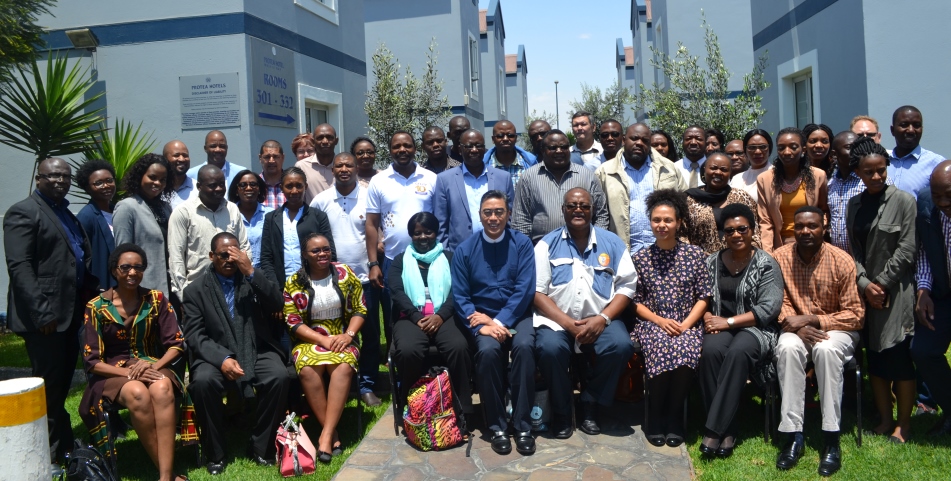
A team of experts from the World Health Organization visited Namibia in August 2017 to assist in the development of a National Action Plan on Health Security. This was a follow-up to a Joint External Evaluation which was undertaken by a team of 11 experts held in December 2016. The December Evaluation was to determine Namibia’s readiness to prevent, detect, and rapidly respond to public health threats, whether they are naturally occurring, deliberate, or accidental.
Ghana hosts Regional Training of Trainers on Public Health Events Management in Air Transport in AFRO Region
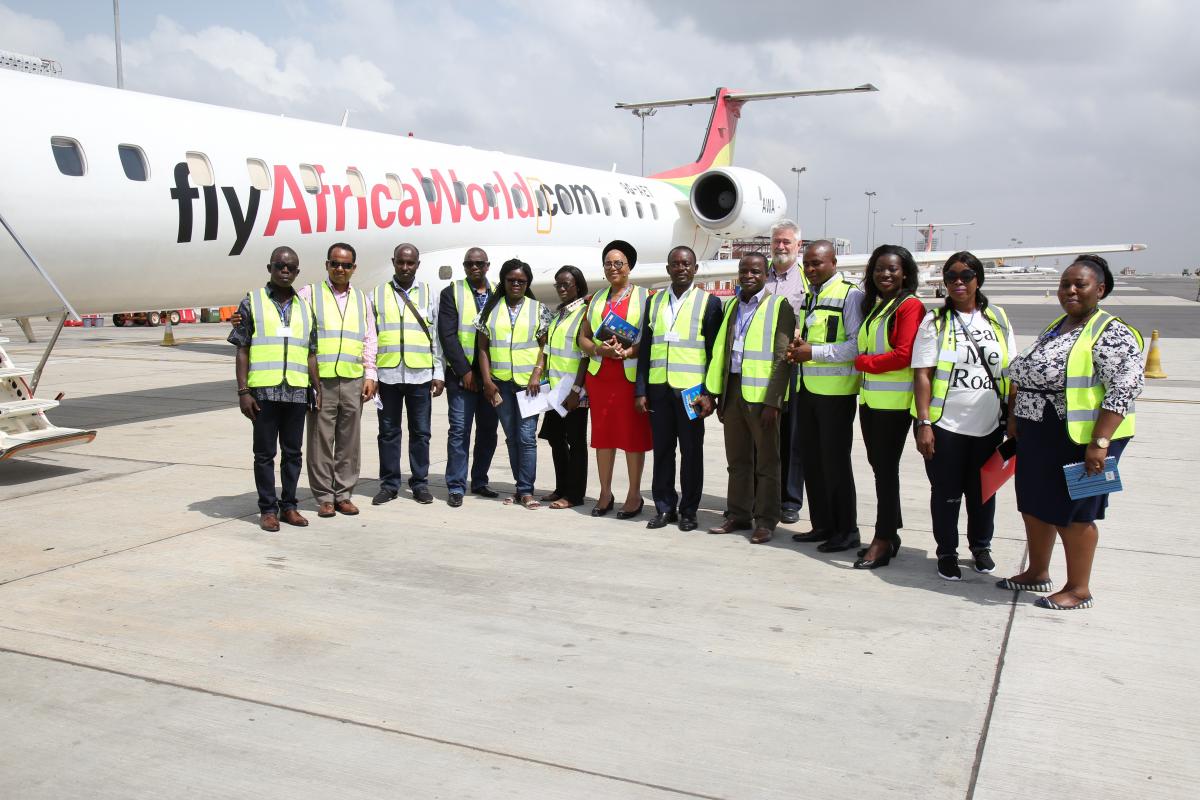
A four day regional training of trainers on Public Health Events Management in Air Transport in WHO African Region was held at the Forest Hotel, Dodowa in the Greater Accra Region of Ghana, from 6-10 November, 2017.
Ghana celebrates World Mental Health Day
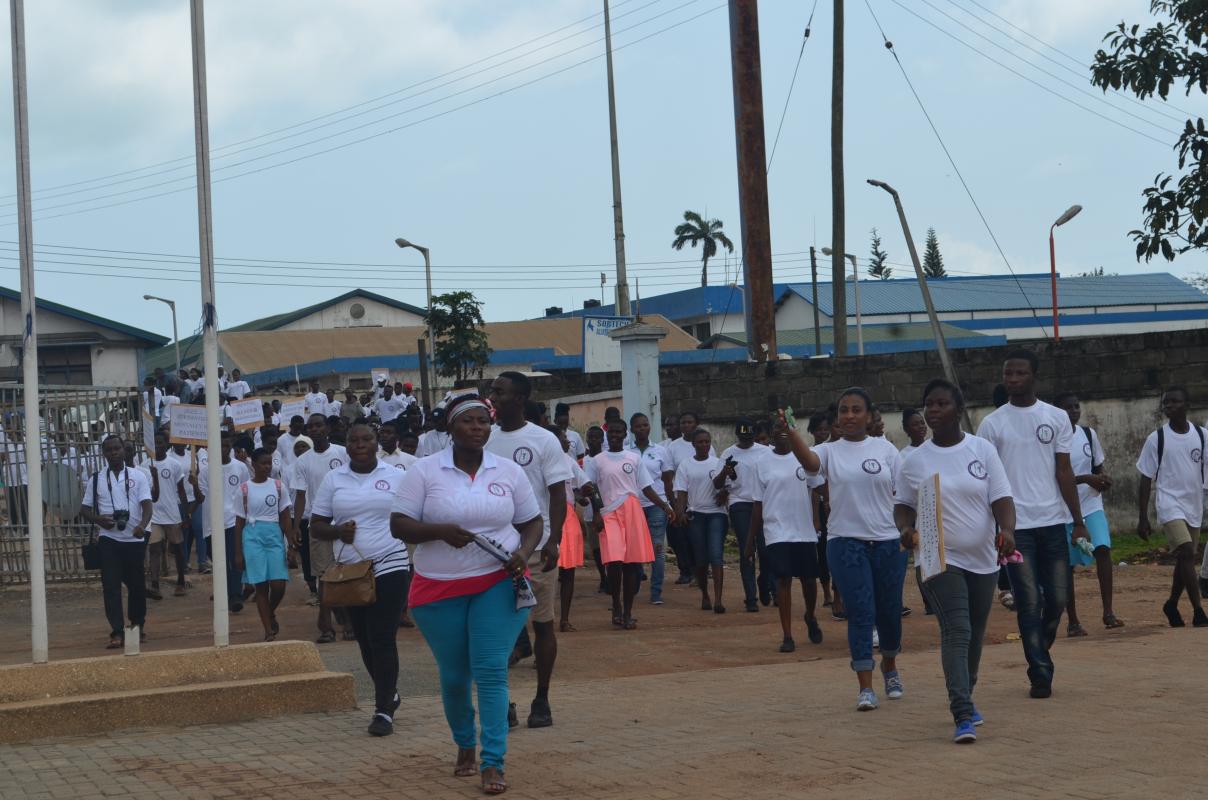
The government of Ghana joined the rest of the world in commemorating this year’s World Mental Health Day under the theme: “Mental Health in the Workplace”
A grand durbar was organised to crown the dual programs World Mental Health Day and Mental Health Week at Jubilee Park on Saturday 12th October 2017. The durbar was preceded by a float on the principal streets in the Takoradi town-ship by students from Tertiary and Senior High Schools.
Botswana successfully concludes the IDSR national Training of Trainers (TOT) Workshop
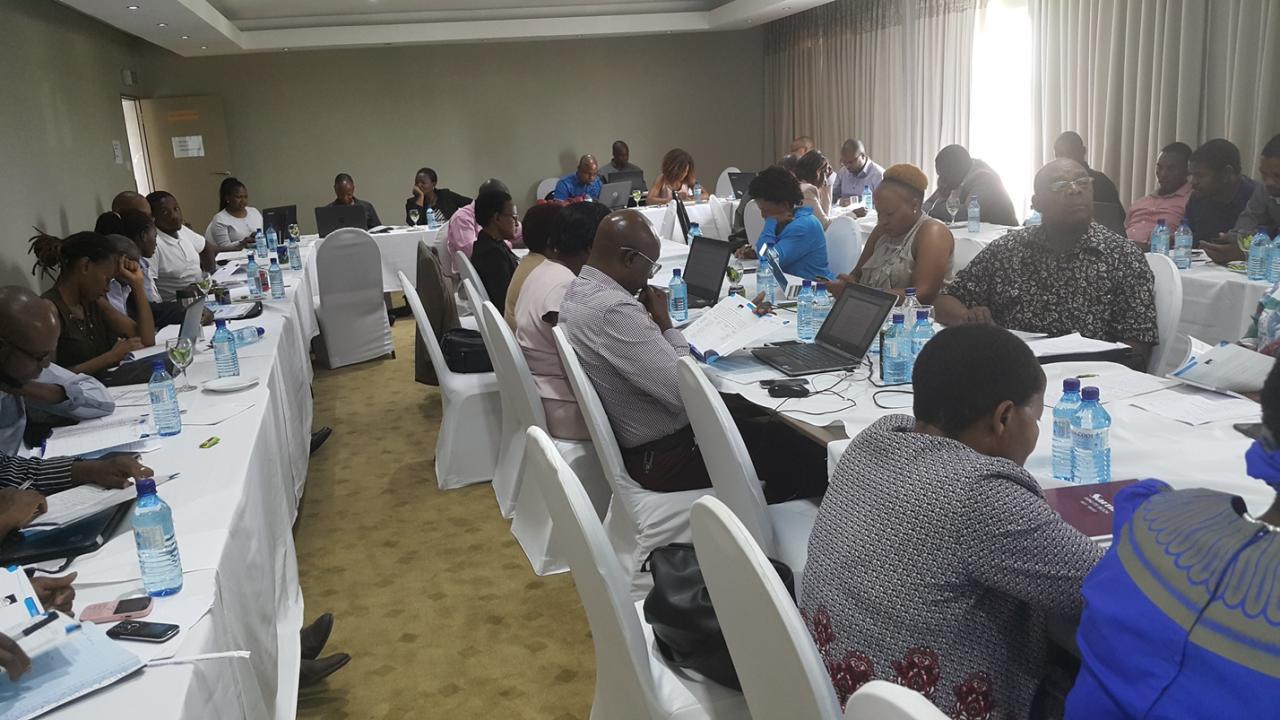
GABOR0NE, Botswana - 28th October 2017: A comprehensive training of trainers on integrated disease surveillance and response (IDSR) was conducted over a four-day period. Participants included surveillance officers, laboratory staff, clinicians and public health specialists from both the National and District level in Botswana. This workshop follows the adaptation and development of the National IDSR training manual. Both activities were coordinated and implemented by the Ministry of Health with technical and financial support from the WHO Country office.