HIV experts take stock of progress and challenges in tackling HIV among children and young adults, ahead of ICASA
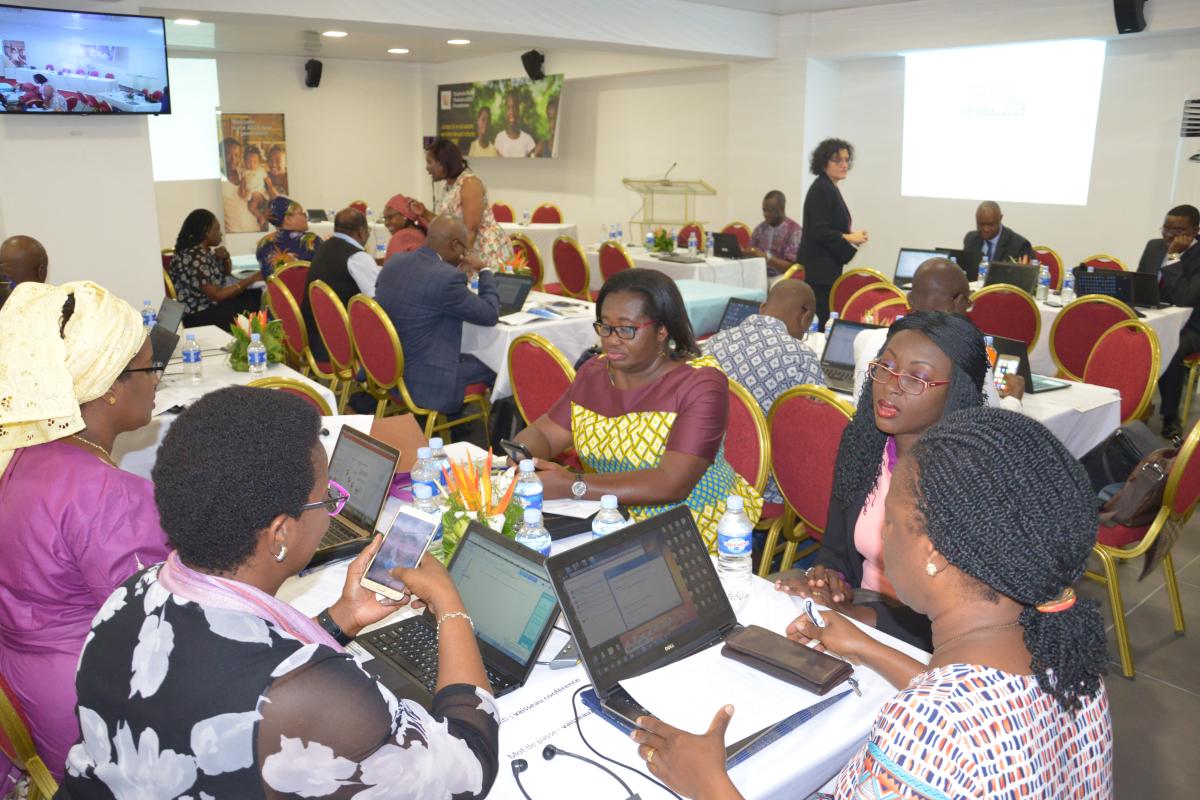
The biggest AIDS Conference in Africa, opens in Abidjan, Cote d'Ivoire
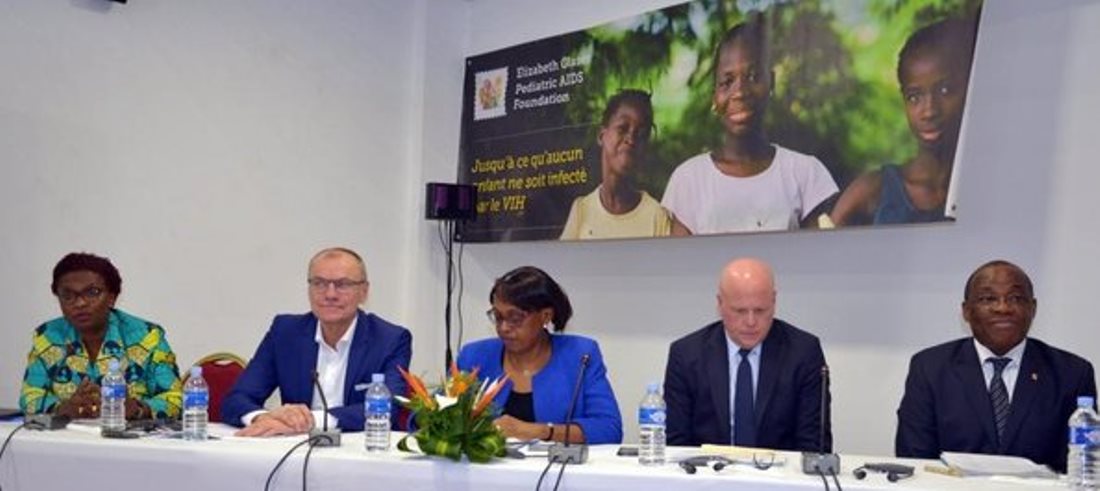
04 December 2017 - The 19th ICASA International Conference for Africa opens today in Abidjan, Cote d'Ivoire on the theme “Africa: Ending AIDS-delivering differently”. The conference will be opened by his Excellency Mr Alassane Ouattara, President of the Republic of Côte d’Ivoire.
Dr Moeti calls for greater commitment to access, diagnosis and treatment for children and adolescents living with HIV/AIDS
WHO deploys mobile laboratory to support Marburg outbreak response
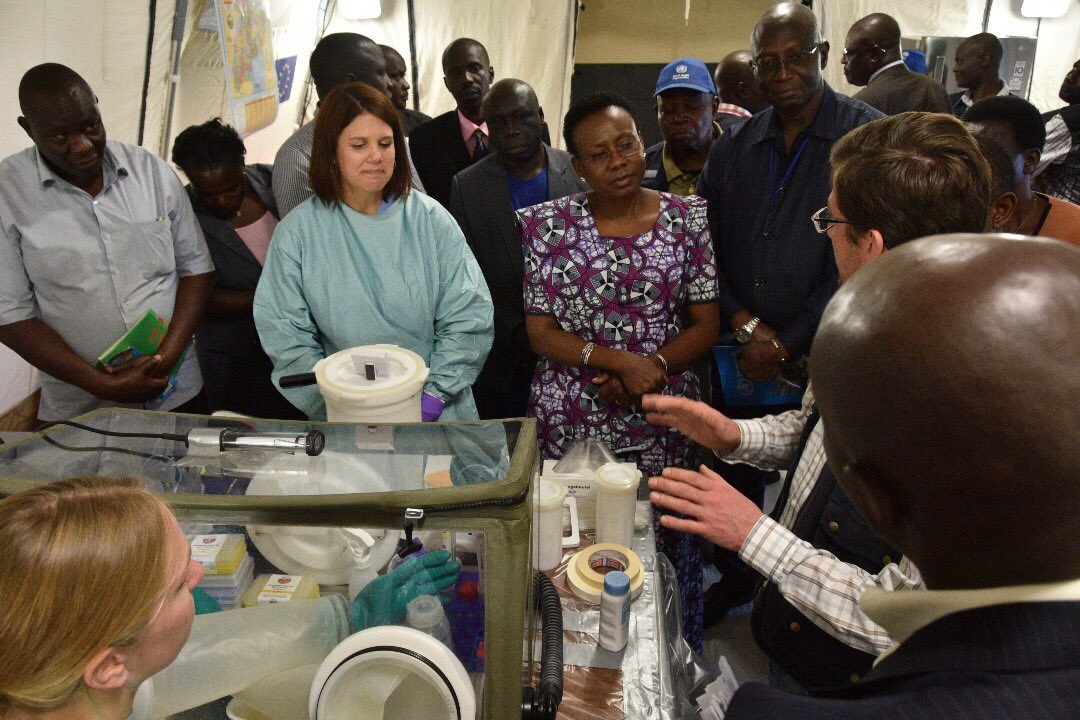
Kapchorwa 2 December 2017:- The World Health Organization (WHO) in collaboration with the European Union and the US Center for Disease Control deployed the EU mobile laboratory bringing together experts from Marburg University and Berharndt Nocht Institute for Tropical Medicine at Kapchorwa District hospital to improve sample testing and enable real-time reporting of results during the Marburg outbreak.
Village Health Teams Contribute Tremendously to the Marburg Response in Eastern Uganda
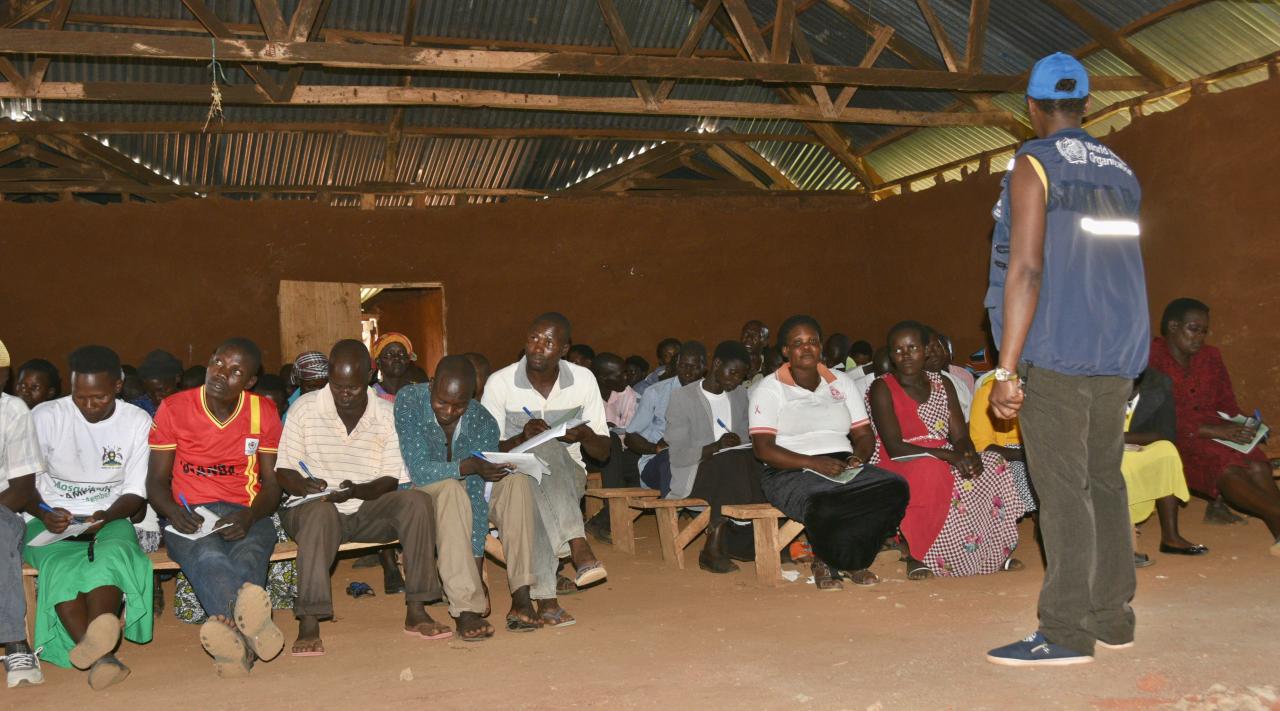
Moses (not real name) is a resident of Kaproron, in Kween district, which has been experiencing the Marburg Virus Disease (MV) outbreak. Like many residents of the district, Moses had never heard of MVD before.
Message of the Regional Director for Africa, Dr Matshidiso Moeti, on World AIDS Day 2017
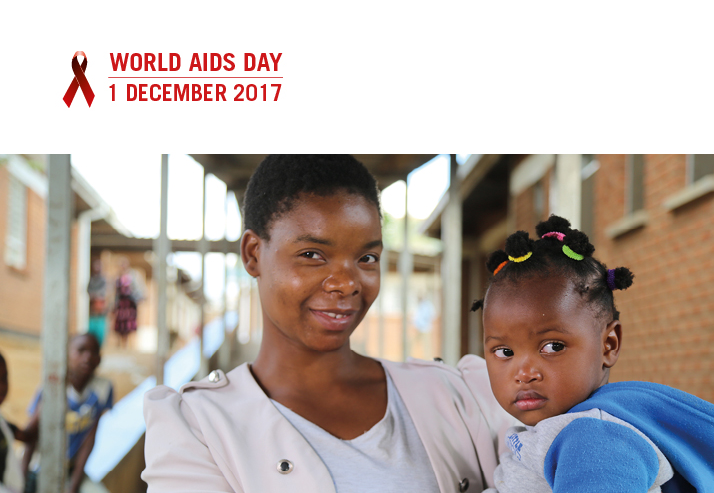
As we mark World AIDS Day on 1 December, whose theme this year is “Right to Health”, I would like to share the story of Alex, a 14 year old high school student who lives with his grandmother in Douala, Cameroon. He was diagnosed with HIV in 2016, a year after his mother died of tuberculosis. “My family gave me support, love and care and the doctors gave me medicines. The medicine will make me live a normal life and strengthen my body. I love going to school and studying and I hope to become a doctor one day so that I can look after other HIV positive people.”
Kenya’s chance for Guinea Worm FREE status
December 1, 2017
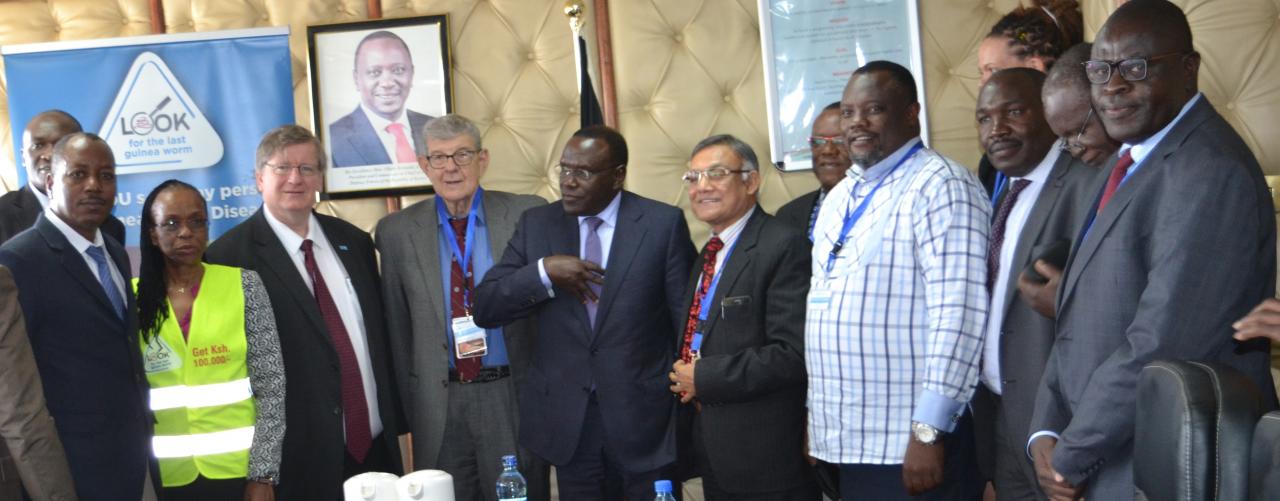
Kenya may be certified Guinea Worm free if the country meets the requirements set by the International Commission for the Certification of Dracunculiasis (Guinea Worm) Eradication (ICCDE).
Canada and WHO strides to improve maternal and child health in South Sudan
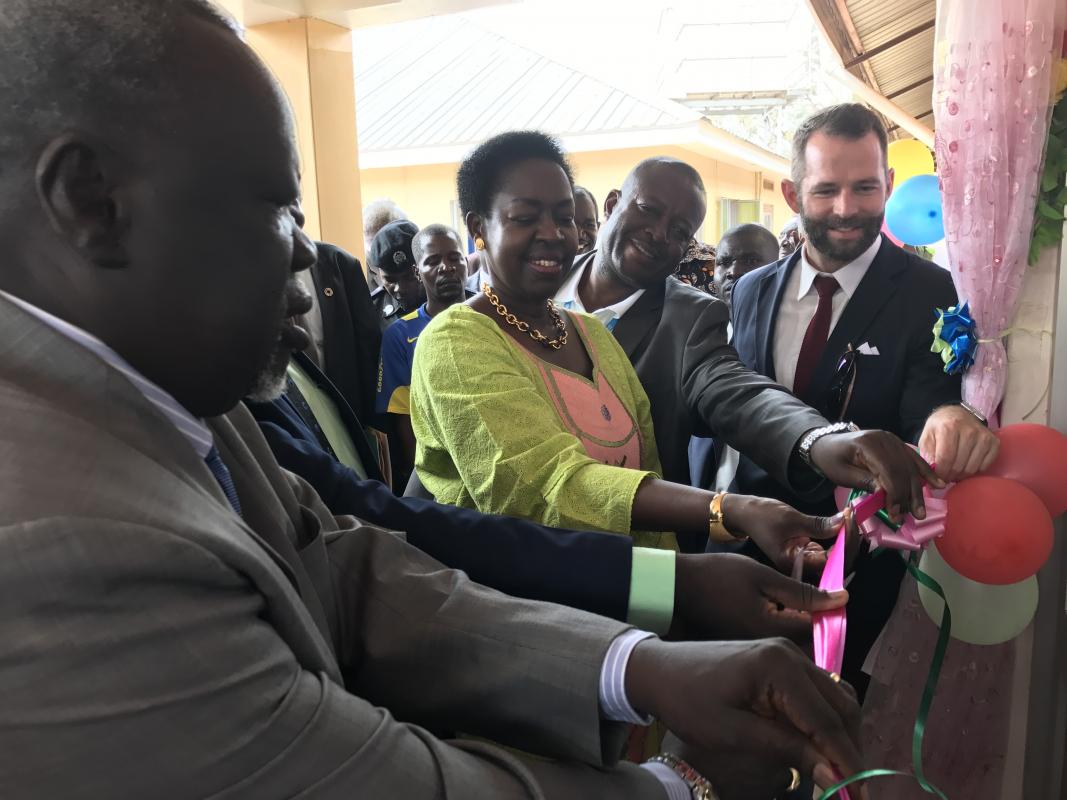
Juba, 29 November 2017: “I believe I gave birth successfully because I came to the hospital and followed all the advice given to me,” said Nyangouk Dot a thirty-four-year-old mother who came to the Kuajok maternity complex in early labour.
Fully aware of her previous losses at birth, the midwives at the maternity complex immediately admitted and managed her condition. The seven months’ pregnant mother gave birth to a healthy baby boy and smiled to the doctors and midwives who have been attending to her regularly during her admission at the hospital.
Government of Sweden and four UN agencies announce new Joint Programme to boost efforts to achieve universal access to sexual and reproductive health and to end AIDS
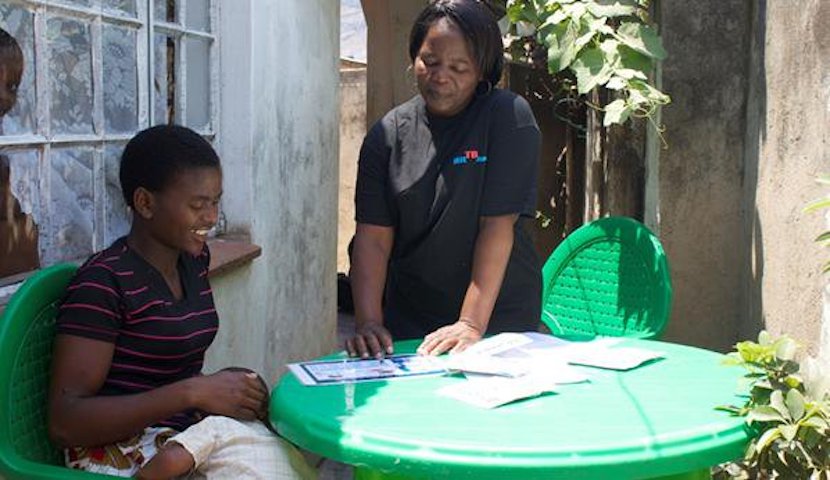
The World Health Organization supports the Ministry of Health to strengthen efforts to eliminate Viral Hepatitis in South Sudan
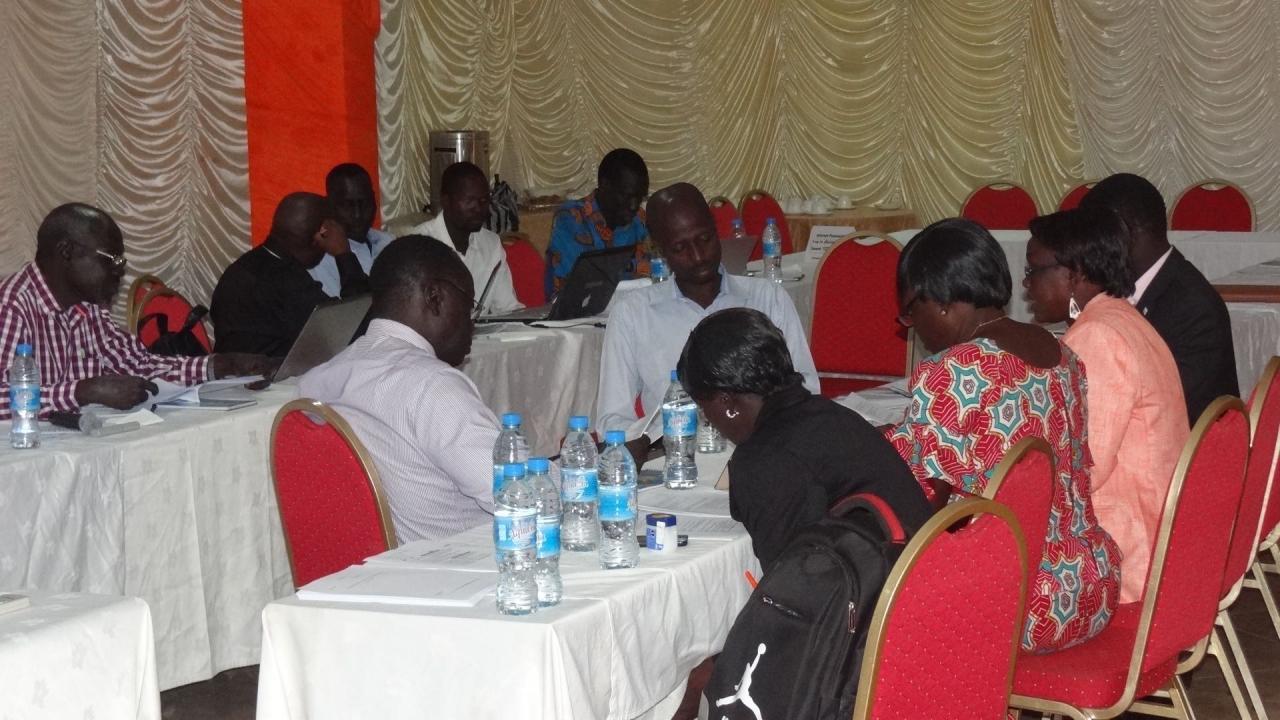
Juba 23 November: The fight against viral hepatitis is gaining momentum in South Sudan. The government with technical support from WHO, has embarked on a long and treacherous journey to eliminate viral hepatitis in the country. WHO in collaboration with the Ministry of Health and experts from Universities, medical specialists, public health professionals from MoH, and partners validated the draft practice guidelines for health professionals as well as the draft National plan to combat viral hepatitis.