WHO spearheads provision of mental health services in primary healthcare facilities
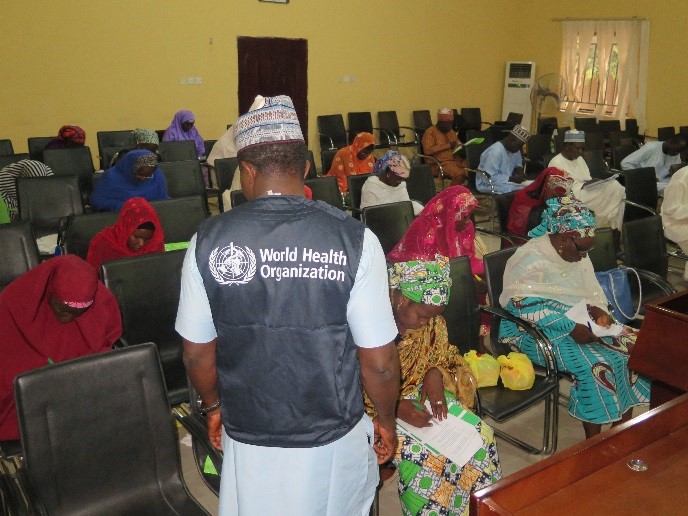
Maiduguri, 15 December 2017 - For the first time since insurgency stymied healthcare services in the North-east, the affected population now have access to mental health services at primary health care (PHC) facilities in Borno state. To date, more than 2000 clients have been referred to the Federal Neuro-Psychiatric Hospital in Maiduguri, the state capital for further care, while 19 were admitted for in-patient management.
The Stop Transmission of Polio (STOP) program contributes to sustain Polio eradication in South Sudan
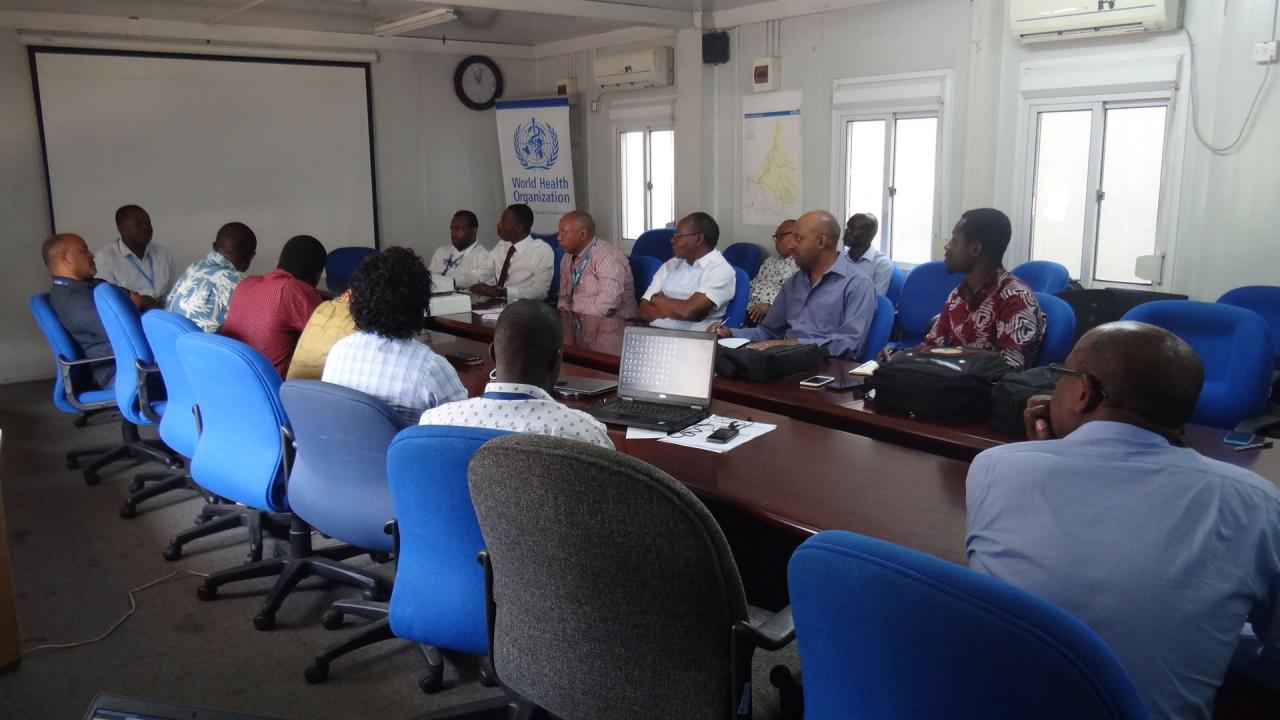
14 December, 2017, Juba: South Sudan has been polio-free since June 2009. However, it is still considered at risk for polio outbreak due to insecurity, population movements, along with recent polio outbreaks in the neighbouring countries.
In order to sustain the polio free status, reaching every child with life-saving polio vaccines, and strengthening acute flaccid paralysis surveillance remain core interventions.
WHO Ethiopia donated six vehicles to Ministry of Health

South Sudan adopts a new strategy to reduce deaths from cholera by 90 percent by 2030
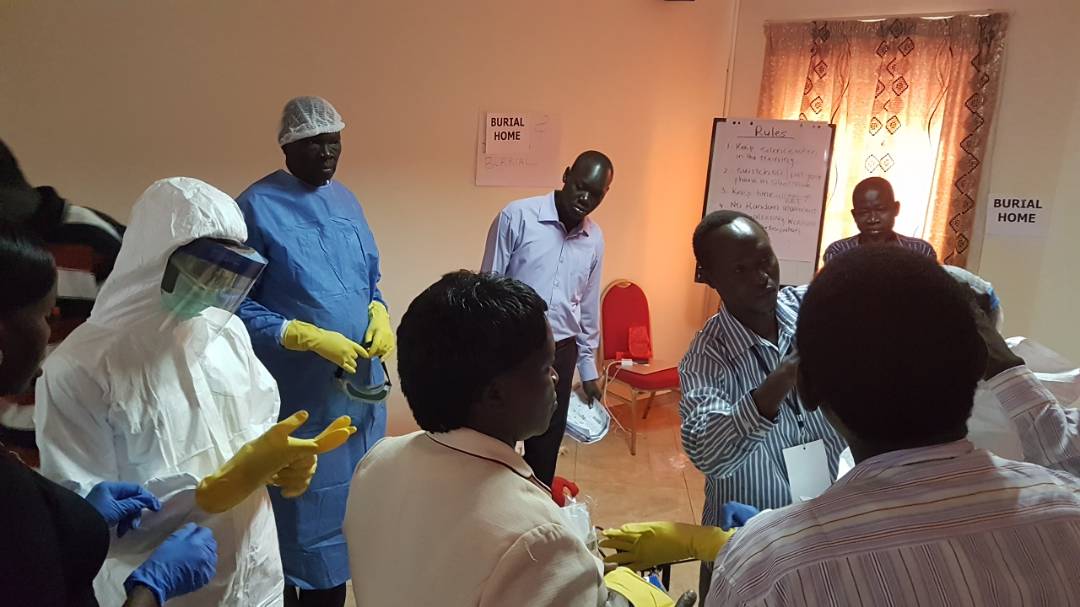
Juba 11 December 2017: In South Sudan, cholera continues to hit communities already made vulnerable by disasters such as conflict and hunger catastrophe.
In 2017, South Sudan braced the most protracted and biggest cholera outbreak. The outbreak was first detected in July 2016 and since then over 21 000 cholera cases and 462 deaths (CFR 2.14%) have been reported from 27 Counties countrywide.
South Sudan is getting closer to becoming free from Guinea-worm disease
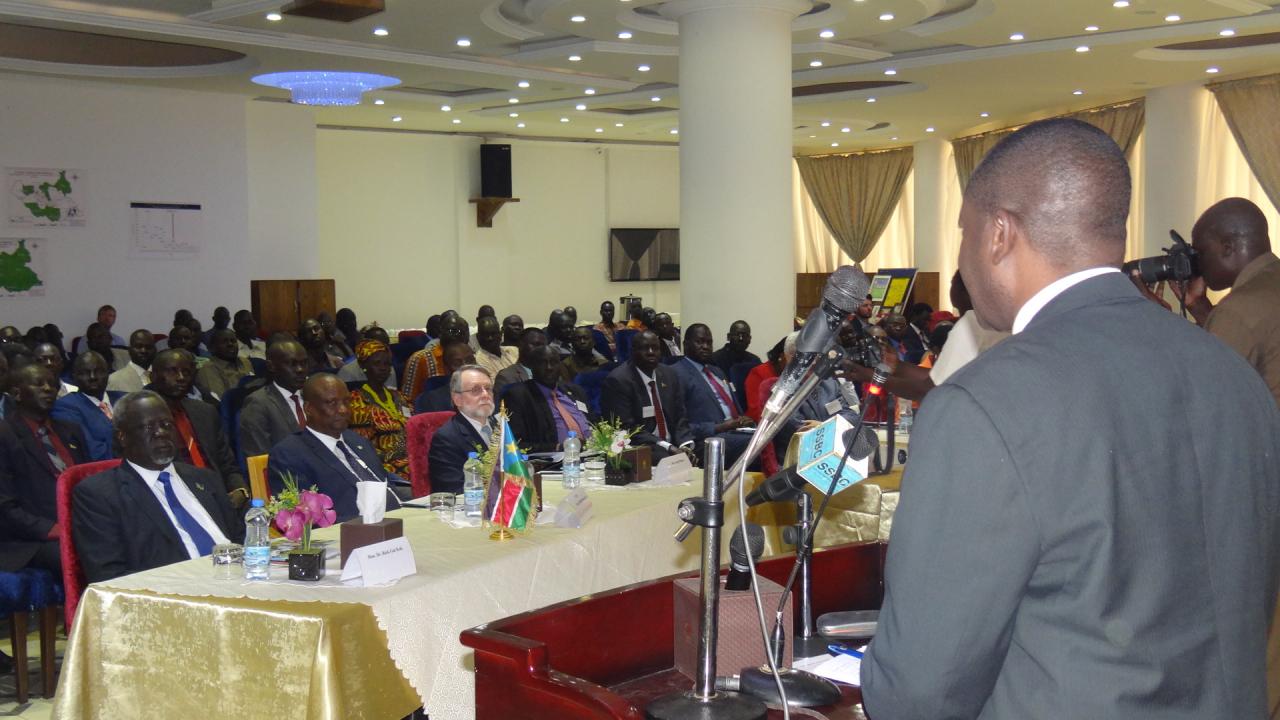
Juba, 11 December 2017: With the aim to achieve the target of zero transmission, the South Sudan Guinea Worm Eradication Programme (SSGWEP) was established in 2006 with 20 581 cases reported from 3 320 endemic villages. In November 2017, the country celebrated its first full year with no indigenous cases of the disease.
‘A terrible itching, blister formation and emergence of a long worm are the first signs and symptom of Guinea worm disease,’ says Mr Evans Liyosi, WHO Representative a.i. for South Sudan.
World Antibiotics Awareness week commemorated in Ethiopia

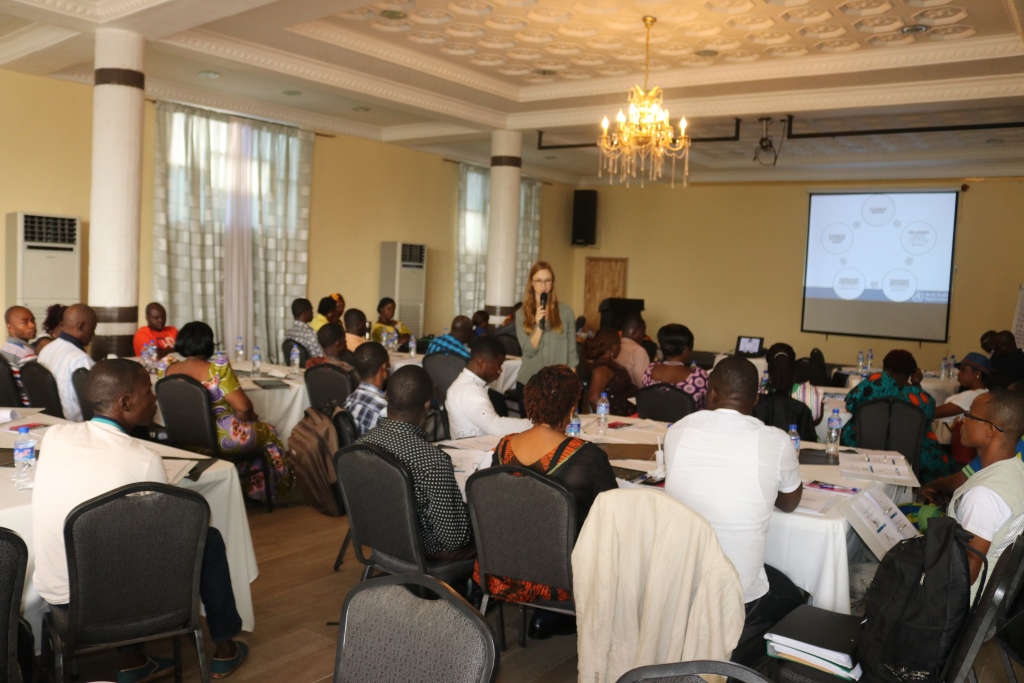
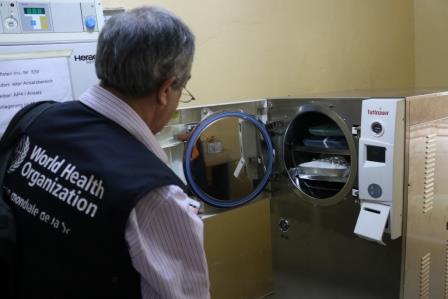
13 December 2017, Addis Ababa - Ethiopia commemorated the World Antibiotics awareness week recently from 23rd - 29th of November 2017. The theme for this year was “Seek advice from a qualified healthcare professional before taking antibiotics”. The awareness week commenced by a panel discussion which was held at Ethiopian Public Health Institute in Addis Ababa on 23rd November 2017 and various activities were held throughout the week including press conference, short spot message through ETV and Radio.
WHO donates cholera kits to support the cholera outbreak response in the country
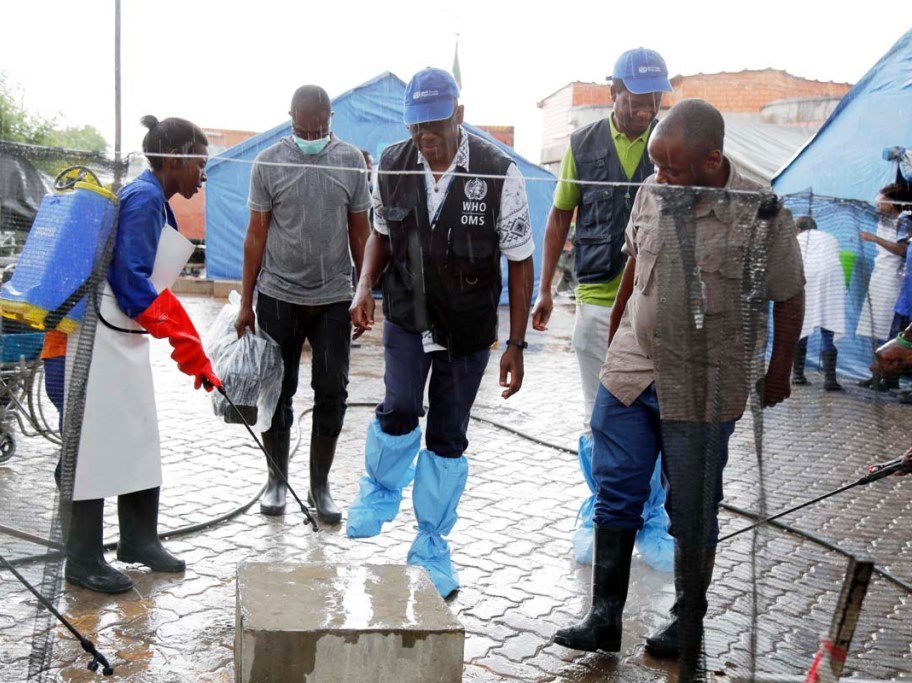
Zambia declared a cholera outbreak on 6th October, 2017 after two laboratory confirmed cases were recorded from Mazyopa area in Chipata sub-district in Lusaka district. The outbreak has since spread to other sub-districts within Lusaka and to Chongwe and Shibuyunji districts in Lusaka province including the Copperbelt and Central provinces. The outbreak is affecting people of different age groups including children under the age of five with more than 650 cases and 20 deaths recorded.
WHO reaffirms its support for initiatives and networks for harmonization and convergence of regulatory practices for Medicines in Africa
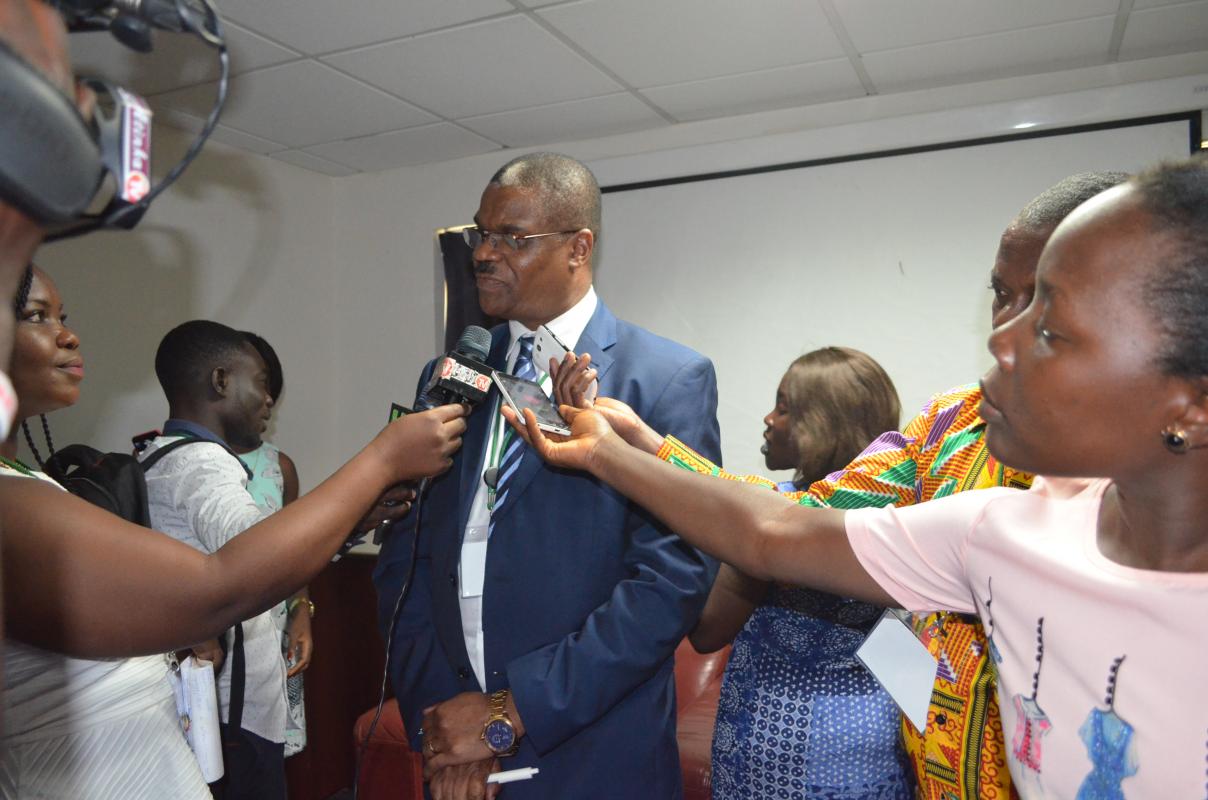
WHO has reaffirmed its support for initiatives and networks for harmonization and convergence of regulatory practices including establishment of the African Medicines Agency; as well as provide training through the WHO Global Learning Opportunities, WHO Collaborating Centres and Regional Centres of Regulatory Excellence.
Borno conducts second round of cholera vaccination campaign to contain outbreak
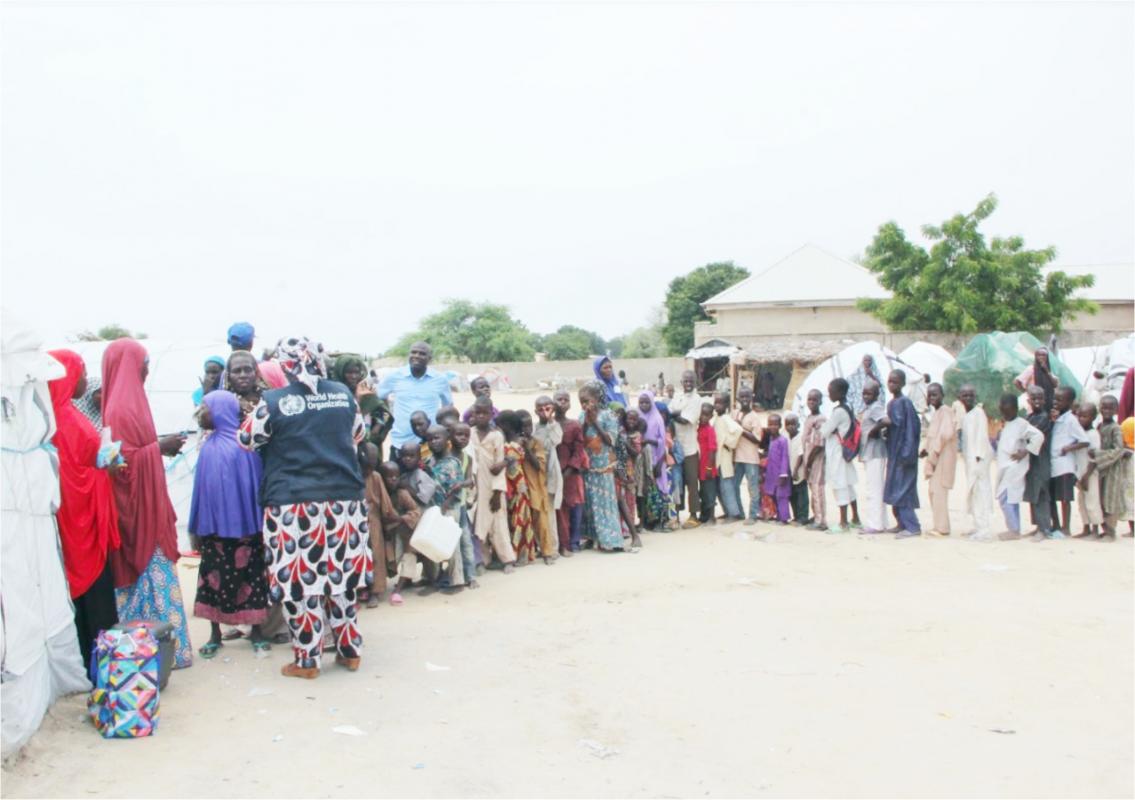
Maiduguri,11 December 2017 - Following the successful implementation of the first oral cholera vaccination campaign (OCV) in Nigeria, more than 3500 team members, 80 independent monitors and 50 ward focal persons are currently administering a second dose of OCV in six high risk local government areas (LGAs) of Borno state. The exercise aims to ensure that the ongoing cholera outbreak, which has affected more than 5000 persons including 61 deaths, is swiftly brought under control.