Eritrea Marked World Diabetes Day 2017

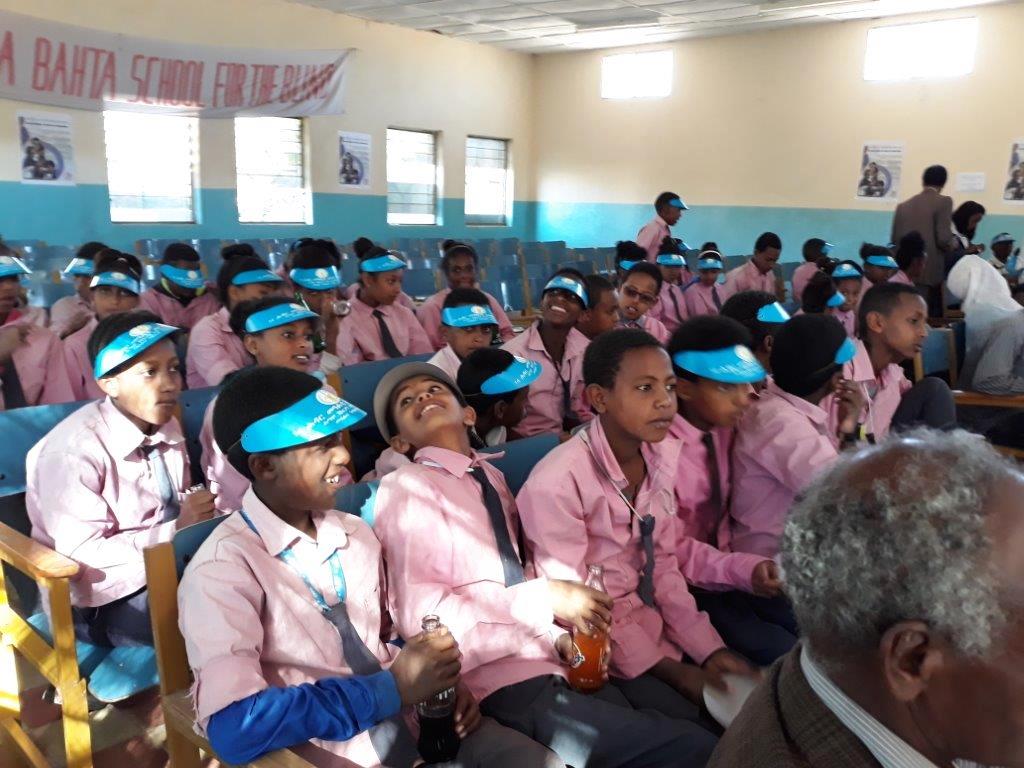
Students taking part at the event

World Diabetes Day 2017 was observed in Eritrea on 14 November 2017 nationally in the port city of Assab and in all zobas with the theme entitled: "Our right to a healthy future" as a diabetic week.  In this very important commemoration day the officials from the MOH Southern Red Sea, Administrator of Southern Red Sea, Directors of health services of the MOH and Chairperson of Diabetic Association, WHO staff and faith based organizations were present. The commemoration was officially opened by the Eritrean National Diabetes Association (ENDA).

Rwanda banned totally Shisha
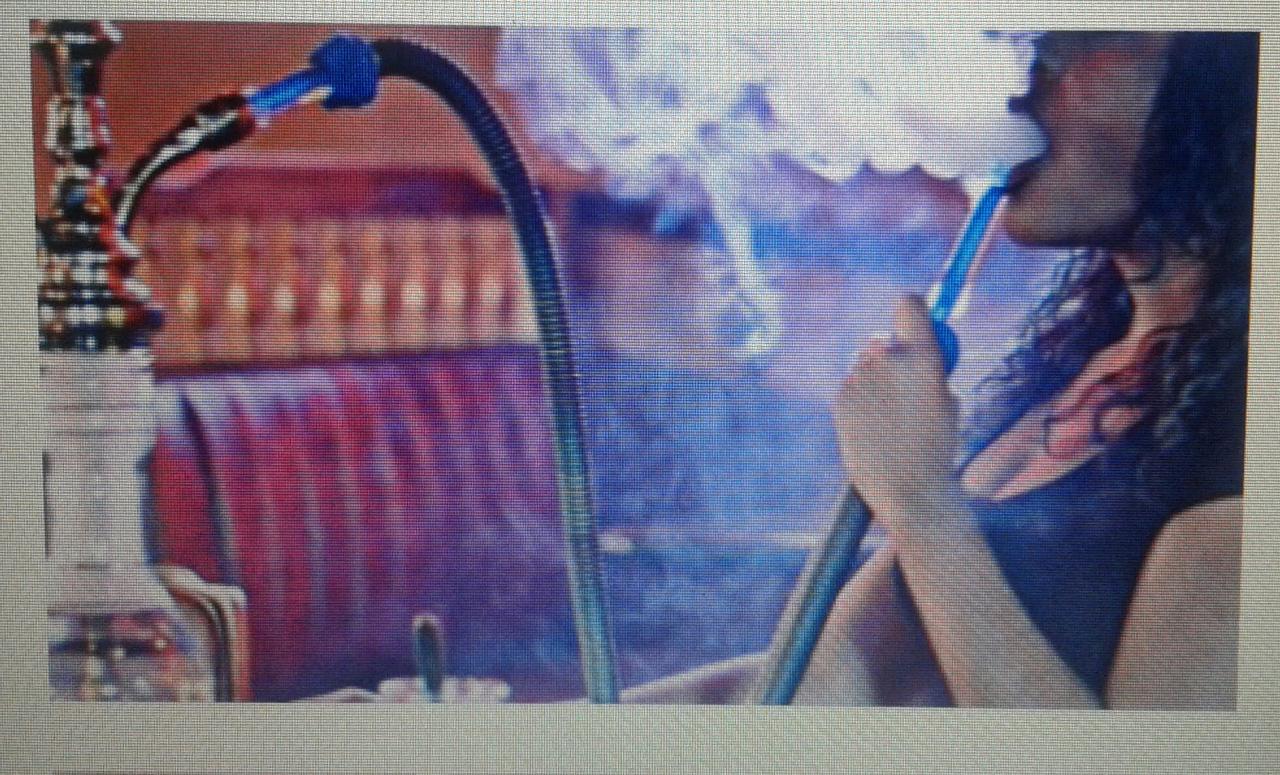
Shisha smoking is not a better alternative to cigarettes. It harms your health

Starting Friday 15th of December 2017, Rwanda banned the smoking of water-pipe tobacco popularly known as shisha countrywide.

The Minister of Health, Dr Diane Gashumba issued a ministerial order banning shisha use in country based on WHO’s concerns about the harmful effects of Shisha tobacco on human health and recommendations to all Countries, Parties to the WHO Framework Convention on Tobacco Control(FCTC Parties).

Public Health Association of South Africa urged to promote country's National Health Insurrance
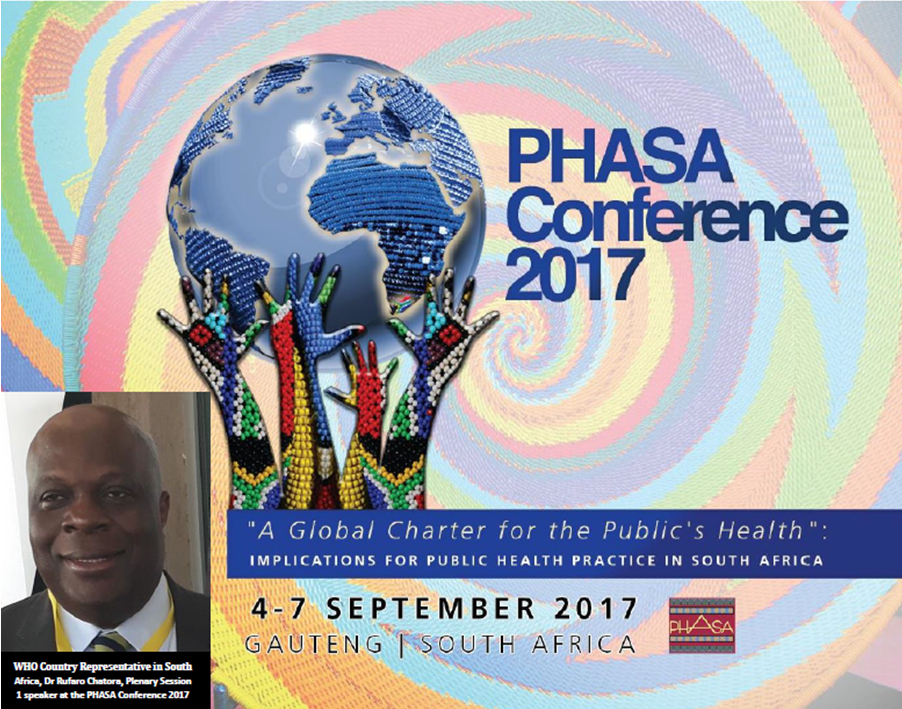
WHO Country Representative in South Africa, Dr Rufaro Chatora, called on the Public Health Association of South Africa (PHASA) to voice its support of and promote the Country’s proposed National Health Insurance (NHI)
The WHO Country Representative in South Africa, Dr Rufaro Chatora, called on the Public Health Association of South Africa (PHASA) to voice its support of and promote the Country’s proposed National Health Insurance (NHI). Dr Chatora was addressing the opening plenary of the PHASA’s 13th Annual Conference that took place in Johannesburg, South Africa. “I scan media every day and I hear Minister of Health, Dr Aaron Motsoaledi, lone voice promoting NHI. However, there is almost nothing from PHASA”.

System-wide assessment of efficiencies across HIV, TB and MNCH Programmes in KwaZulu Natal, South Africa

Many health systems rely on health programmes to target interventions for specific diseases or populations. These programs can be effective while operating largely autonomously from one another in seeking to optimize the achievement of one or more specific objectives. This organizational approach, however, can also constrain the evolution of the health system in its ability to adapt to changing morbidity patterns, technological advances, among other issues. Many countries are now moving away from this vertical organizational approach towards more coordinated and integrated systems.

Communication Strategy for National Health Insurance

South Africa is moving towards universal health coverage (UHC) through the implementation of National Health Insurance (NHI) and establishment of a unified health system. The move is based on the principle of the Constitutional right of citizens to have access to quality healthcare services that are delivered equitably, affordably, efficiently, effectively and appropriately based on social solidarity, progressive universalism, equity and health as a public good and a social investment. Key to the implementation of NHI is a communication strategy to help stakeholders familiarize themselves with NHI. In order to understand the perceptions of various social groups on the National Health Insurance (NHI), the National Department of Health commissioned the Institute of Social and Economic Research (ISER), Rhodes University to undertake focus group research as a specialized entity on communication and media engagement

Comparison of Private Hospital Prices in SADC countries with Hospital Prices in OECD Countries

Recent study by OECD concluded that private hospital prices in South Africa are expensive for South Africans. The study showed that price levels for private hospital services in South Africa are comparable to the levels observed across OECD countries and that they (price levels) are around the levels observed in countries with much higher GDP levels, such as France, Germany or the United Kingdom. The Board of Healthcare Funders (BHF) of Southern Africa has expressed interest in collaborating with WHO to replicate the study among the SADC countries. Experts on health financing have been consulted and they have agreed with WHO South Africa and BHF that the study is necessary in the SADC region.

South Africa conducts its first National TB Prevalence Survey 2017-2018
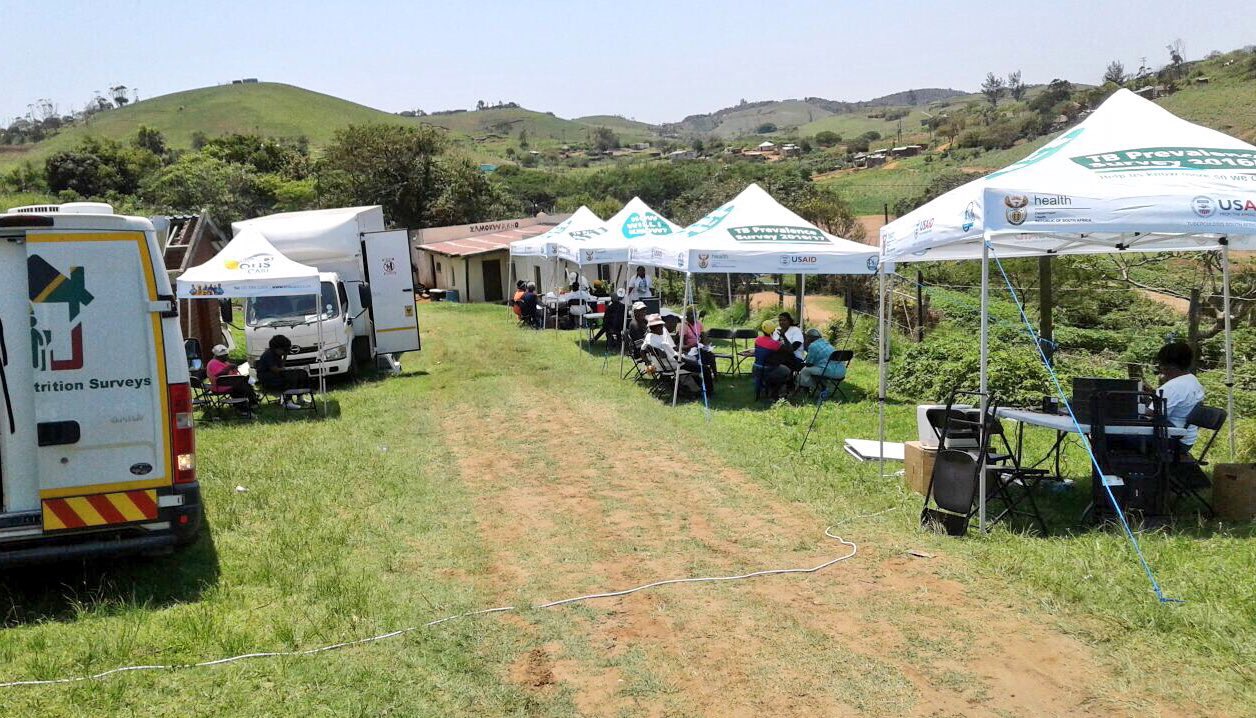
South Africa conducts its first National TB Prevalence Survey 2017-2018
For several years South Africa’s National Department of Health (NDoH), has been planning to conduct its first National TB Prevalence Survey. The Survey aims to determine the true burden of TB disease through bacteriological assessment among the population aged 15 years and older. It will be implemented in 110 randomly selected clusters across the country and will consist of a sample size of 55 000 subjects. In partnership with the NDOH, the survey is being implemented by the South African Medical Research Council (SAMRC), the Human Sciences Research Council (HSRC) and the National Institute for Communicable Diseases (NICD) over a period of 24 months. The WHO country office (WCO), in collaboration with WHO Headquarters (WHO HQ) has played a key role in the preparatory stages and implementation of the survey. This includes protocol and SOP development, resource mobilization, training and mentorship, as well as the coordination of partners.

Peer review of WCO-South Africa end of biennium monitoring and reporting
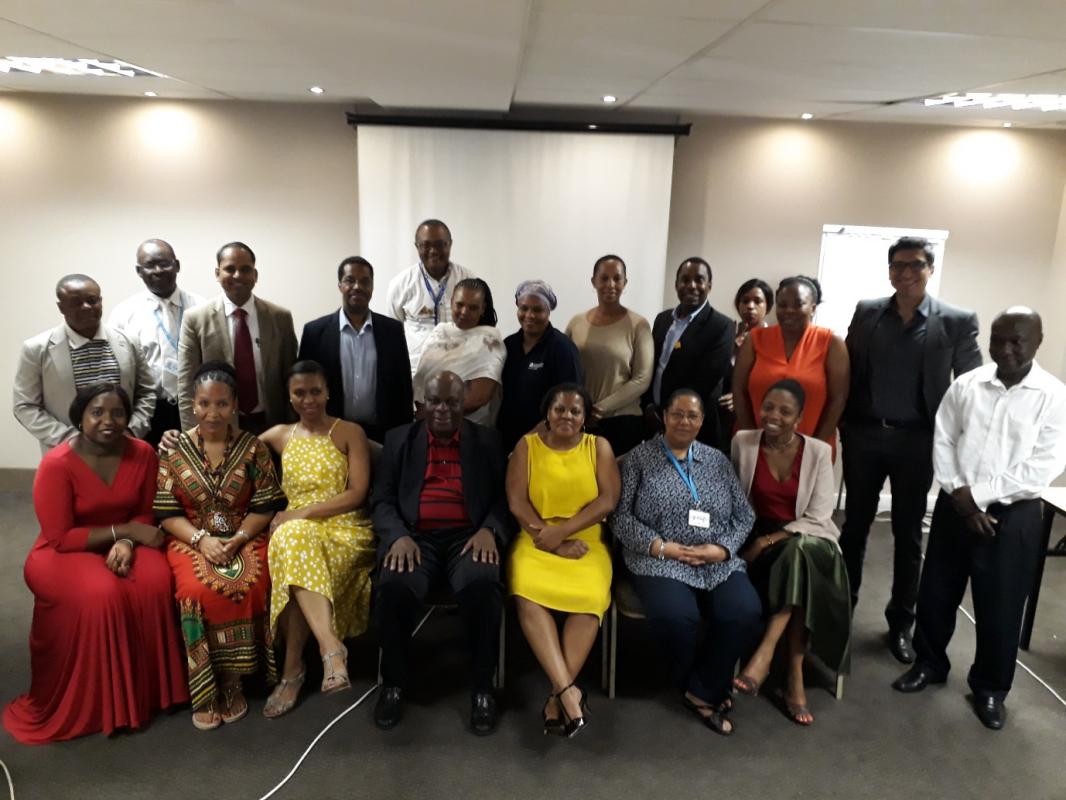
Peer review of WCO-South Africa end of biennium monitoring and reporting
The World Health Organization Country Office in South Africa organized the all staff peer review meeting on 14 December 2017 to cherish accomplishments of 2016-17 workplans, draw lessons from the challenges encountered and better execute the 2018-19 plans. After reviewing the output performance assessment the team revisited outputs which were partially achieved or not achieved. The office stands at 94% of the outputs achieved at the end of the biennium.

Training on Malaria Elimination Surveillance
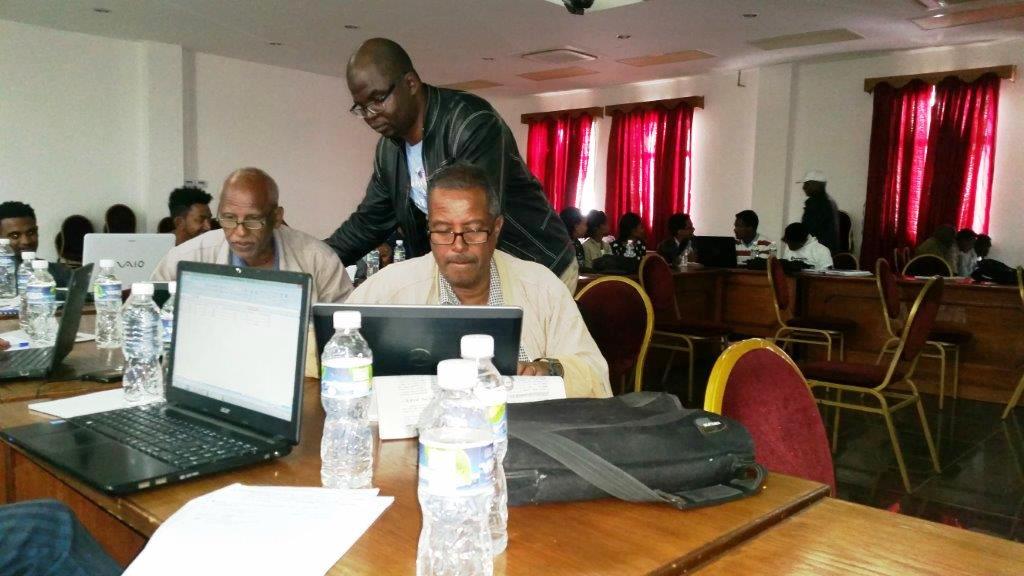
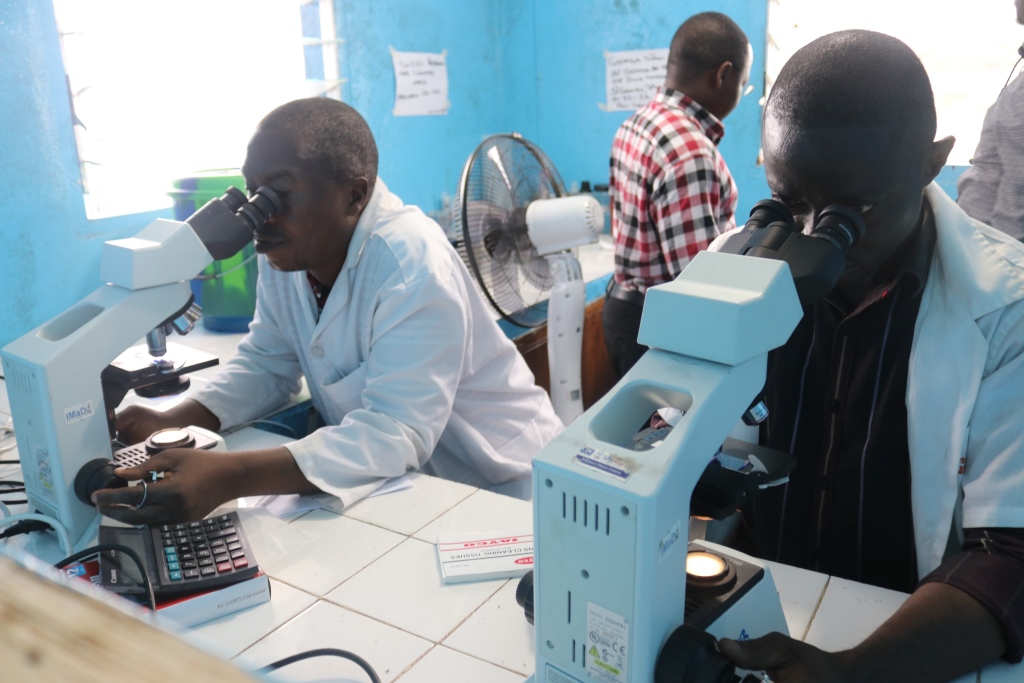
Practical training sessions going on

WHO in collaboration with the Ministry of Health conducted training at Orotta Hospital conference Hall in October 2017 for participants from all districts (zobas), head offices, Malaria programme staffs, Health Management Information System (HMIS) and WHO staff.