Sierra Leone maximizes protection against polio with new vaccine launch
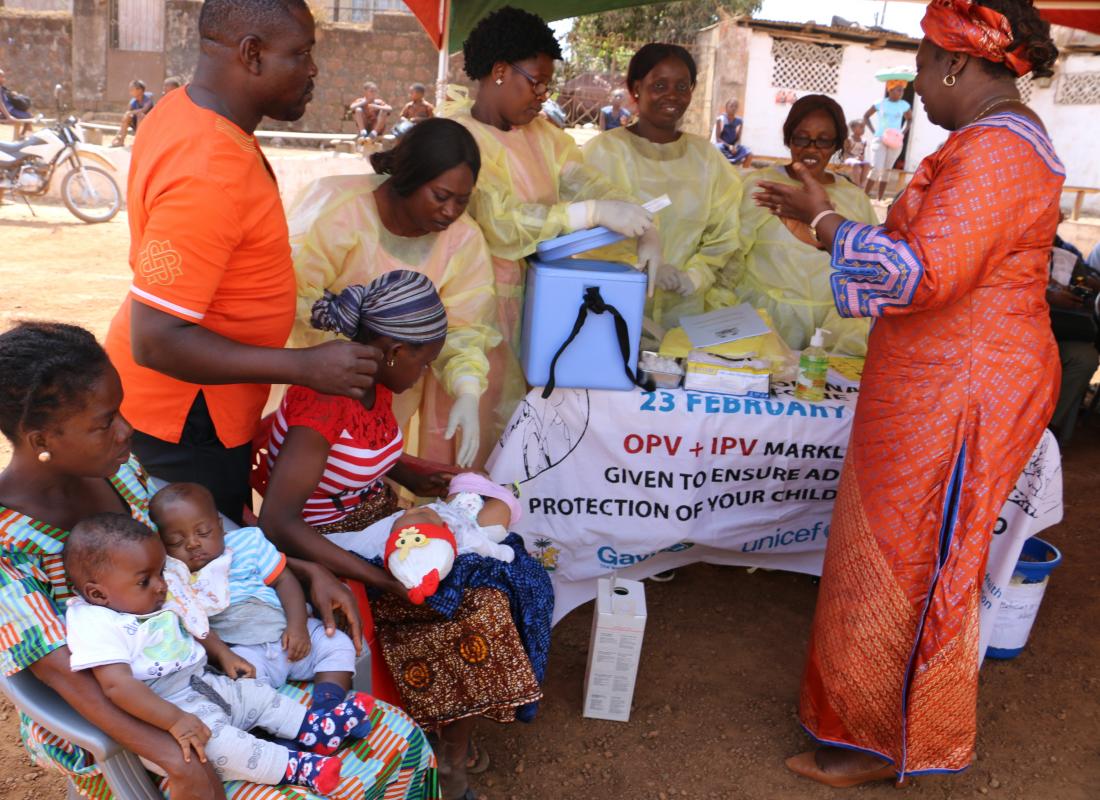
FREETOWN, February 23 2018 --- Today Sierra Leone officially introduced injectable polio vaccine (or IPV) into its routine immunization programme to maximize protection against polio. IPV is used in many countries around the world to prevent the debilitating disease, and will now be available free of cost alongside the oral vaccine at health facilities across Sierra Leone.
Health Systems Strengthening for Universal Health Coverage Scoping mission in Eritrea
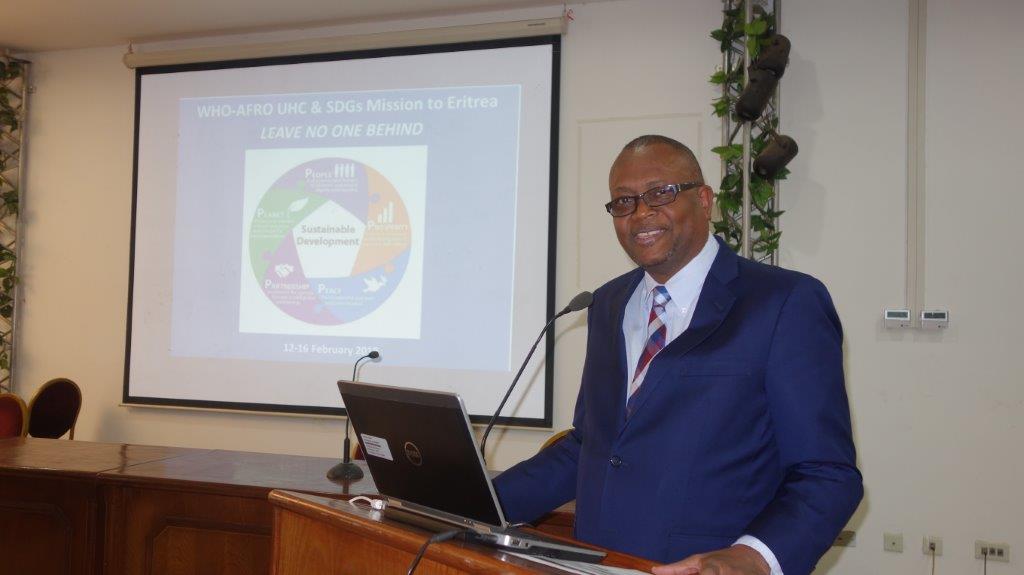
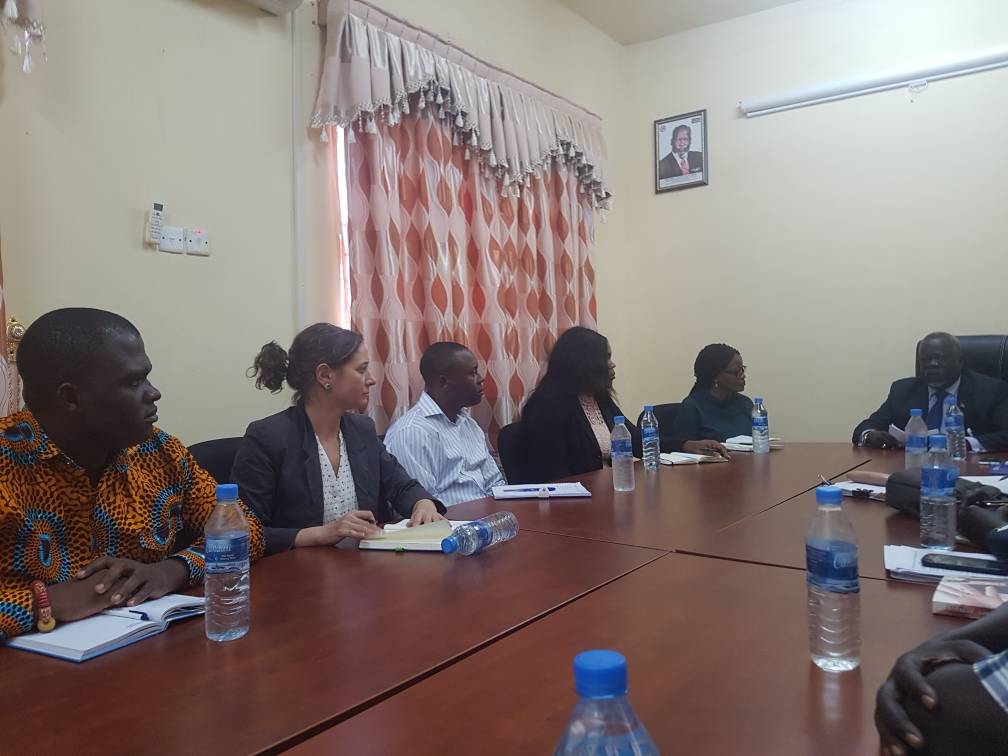
This important workshop was officially opened by the Director General of Medical Services, Mr Berhane Gebretensae on behalf of Hon. Minister of Health. In his remarks, he underlined the SDGs and UHC’s unique perspective and approach that requires a serious multi- and inter-sectoral engagement. He underscored the efforts of Eritrea in developing the five-year health sector strategic development plan focusing on health security and conceptualization Universal Health Coverage.
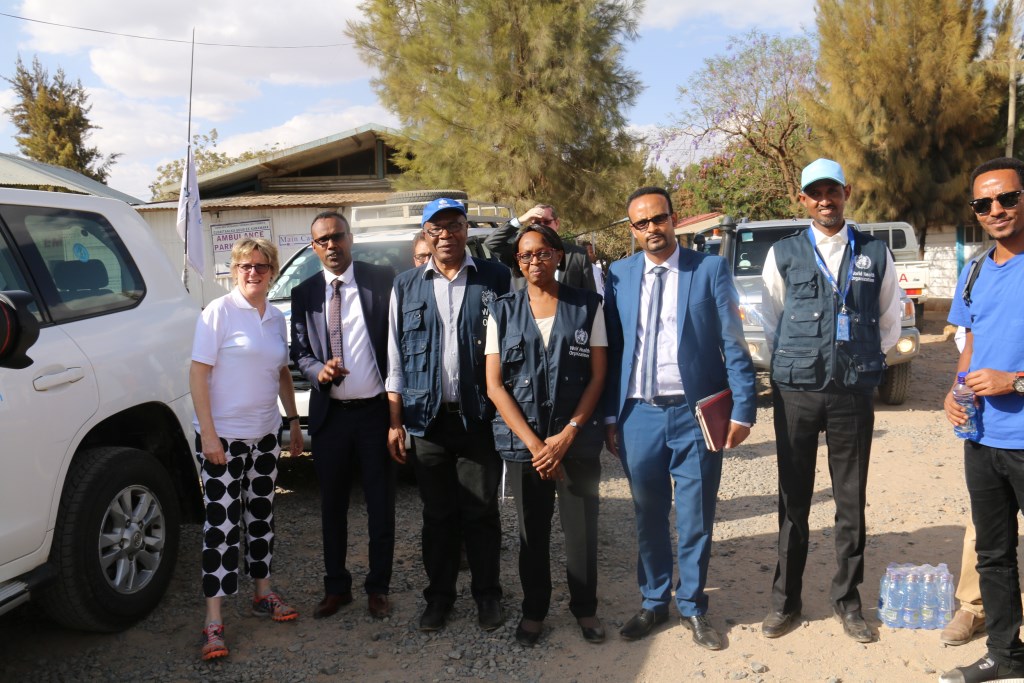
WHO/AFRO-UK high-level delegation starts visit to Ethiopia
WHO and GAVI Alliance Partners along with the Ministry of Health strategizes to vaccinate over 485 000 children under one year of age in 2018
Despite widespread conflict and insecurity, South Sudan has witnessed a remarkable improvement in routine vaccination coverage in 2017. Since the introduction of the pentavalent – or five-in-one vaccine for infants that combines five antigens, namely: Diphtheria; Pertussis; Tetanus; Hepatitis B (HB) and Haemophilus influenza type b, the country raised pentavalent vaccine coverage from 45% in 2016 to 57% in 2017.
Amid insecurity, WHO scaling up routine immunization coverage in South Sudan
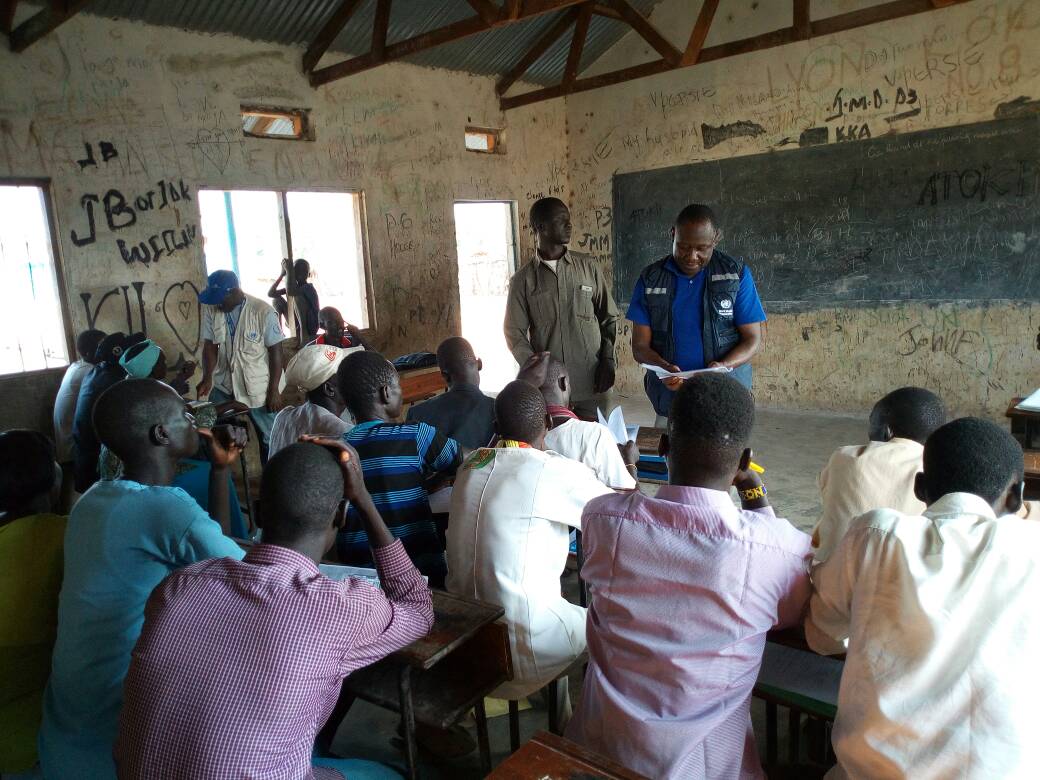
Amid widespread conflict where over 1.9 million people displaced due to insecurity, ensuring all children receive life-saving vaccines can be a challenge.
To strengthen and increase routine immunization coverage in conflict affected areas, WHO conducted multiple service delivery activities including accelerated outreach, measles follow-up campaign and phase II of the meningitis campaign in the conflict affected states of Unity, Jonglei and Upper Nile to reduce the risk of vaccine preventable diseases including measles and meningitis outbreaks.
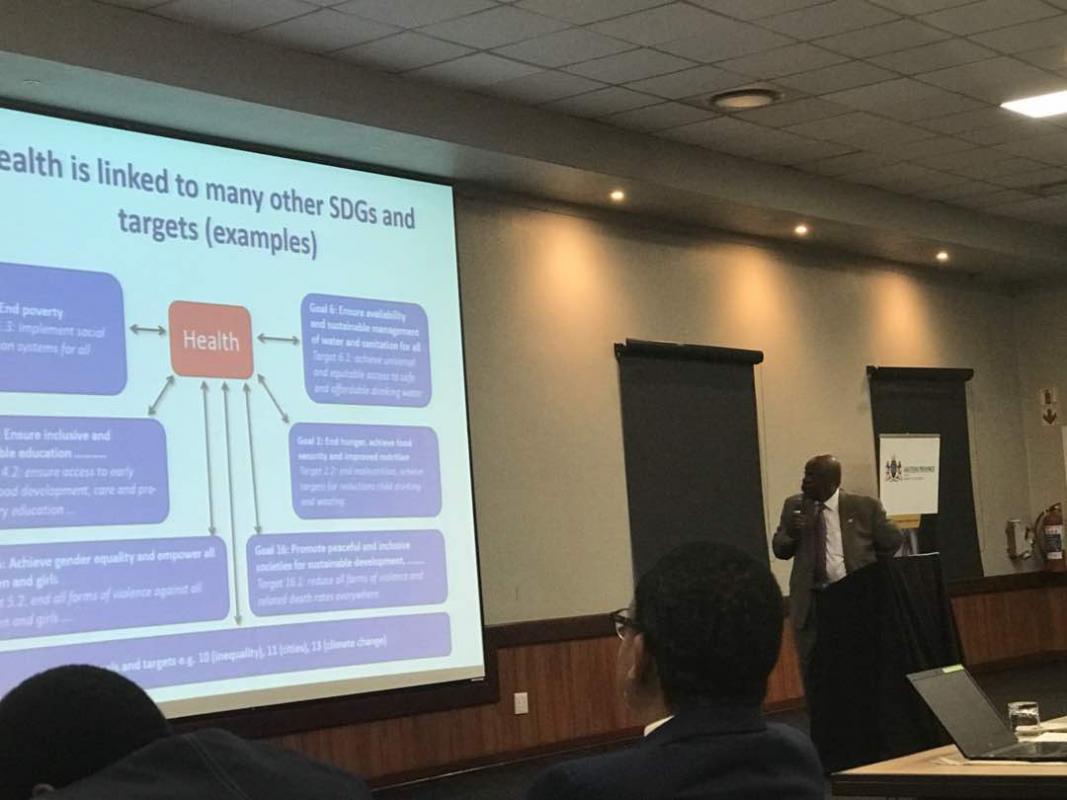
WHO leads and conducts “Health in All Policies” workshop in Gauteng Province Research and Innovation Summit
Government commends WHO for swift response to contain Lassa fever in Edo state
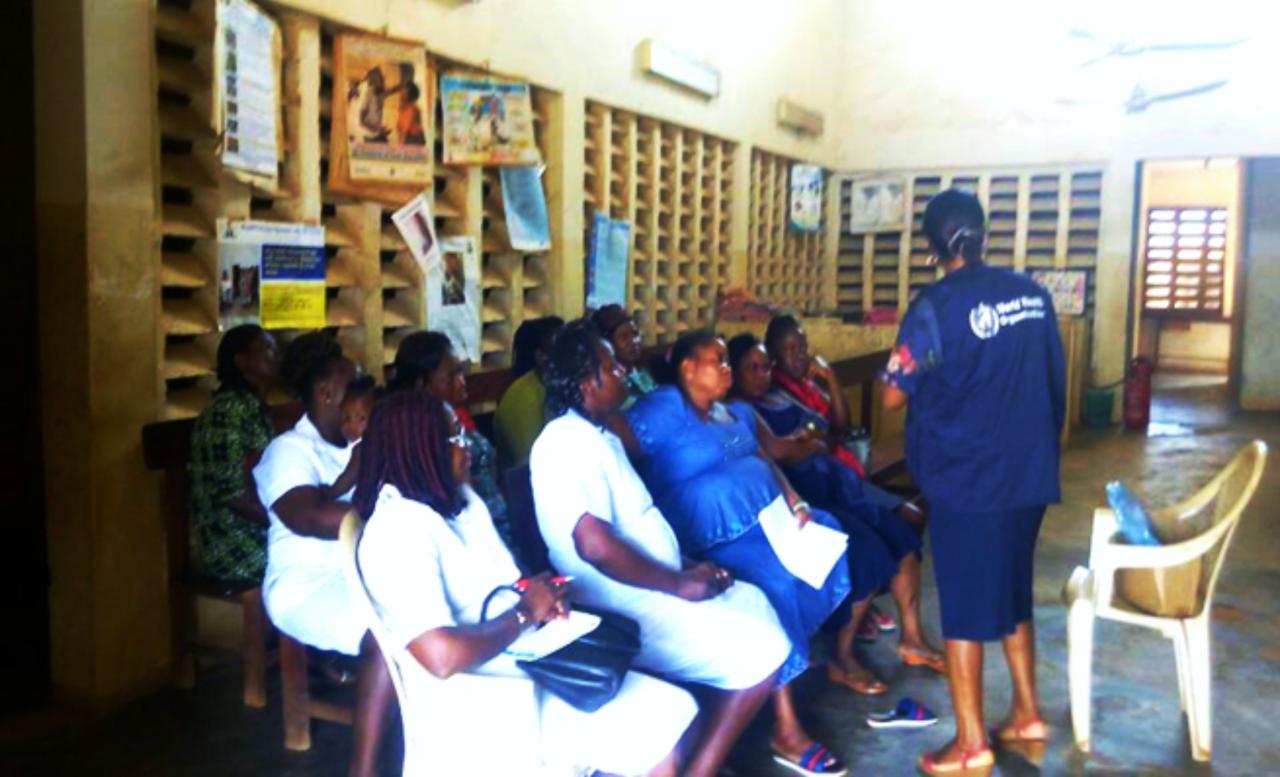
Benin, 20 February 2018 - As the Lassa fever outbreak continues in Edo, one of the three most affected states (others are Ondo and Ebonyi) in 2018; the Commissioner for Health Dr David Osifo, has applauded World Health Organization’s (WHO) response to contain the outbreak.
WHO moves to contain Nigeria’s Lassa fever outbreak
Experts agree on guidelines to boost vaccine uptake through improved communication
Rwanda Immunization success story
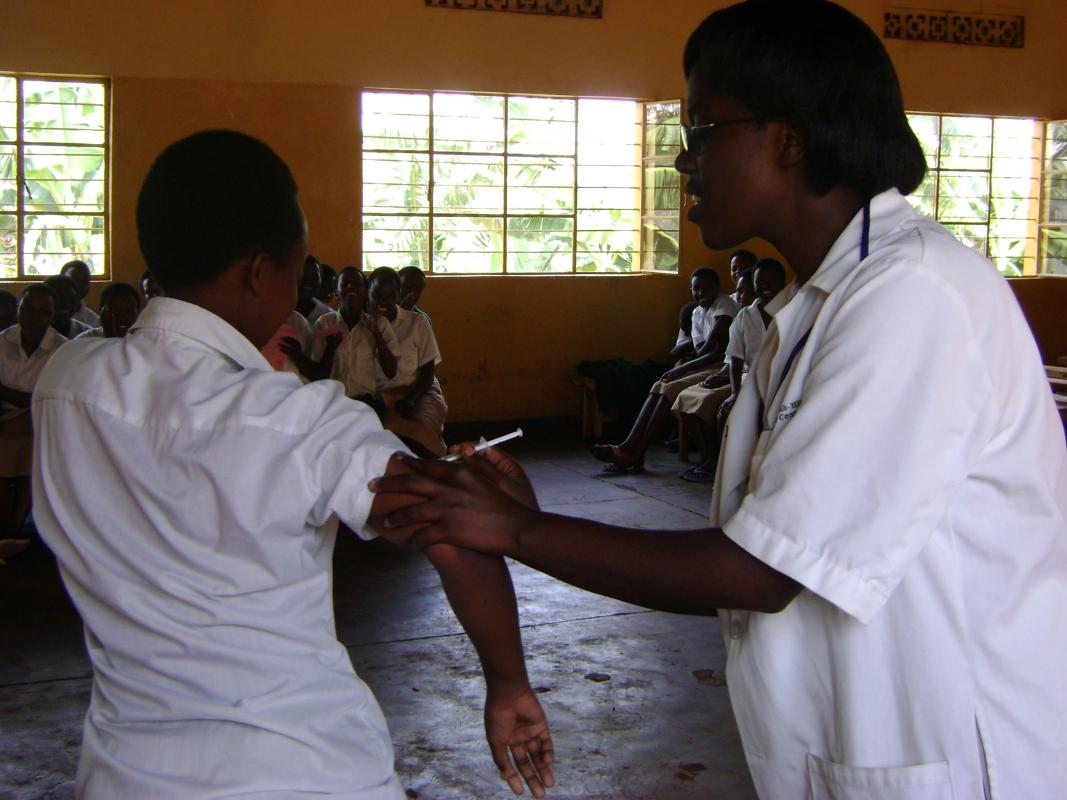
Context and Issue
• Rwanda suffered a catastrophic genocide against the Tutsis in 1994
• This disaster and the ensuing war resulted in total disruption of the country’s health system including immunization service delivery.
• Following this incident, the national immunization coverage was very low (less than 30% in 1995) and incidence of vaccine preventable diseases (VPD) was high (e.g 28,000 measles cases in 1995);
• Only 6 traditional vaccines were provided in routine immunization programme in 1994.
WHO contribution