On the frontlines of the fight against Lassa fever in Nigeria
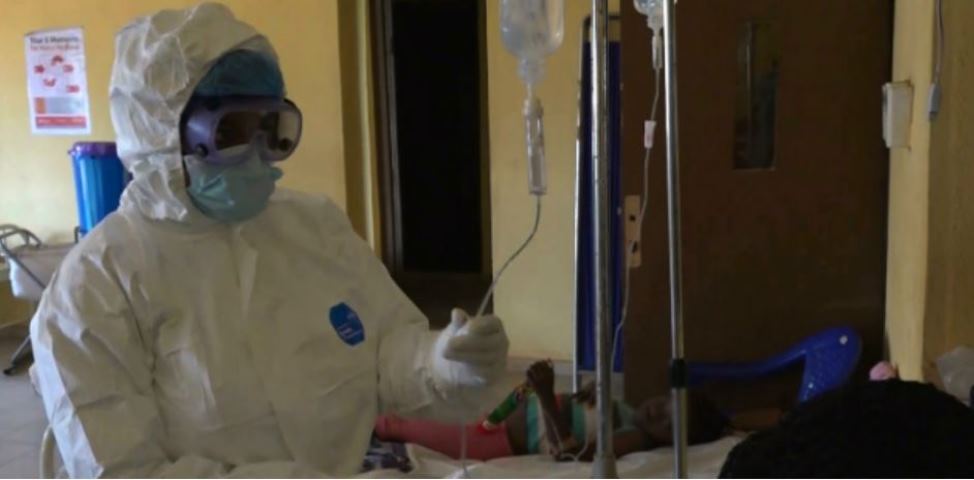
In early January, John had one of the most terrifying experiences of his life. The mechanic from a rural community in Edo state in southern Nigeria came down with Lassa fever.
“I was scared the illness would kill me,” says John, who prefers to go by a pseudonym.
Initially, he went to a hospital near his home and was discharged a few days later. But he was still feeling unwell, so he consulted another doctor who suspected Lassa fever.
Zanzibar develops the National Action Plan for Health Security (NAPHS)
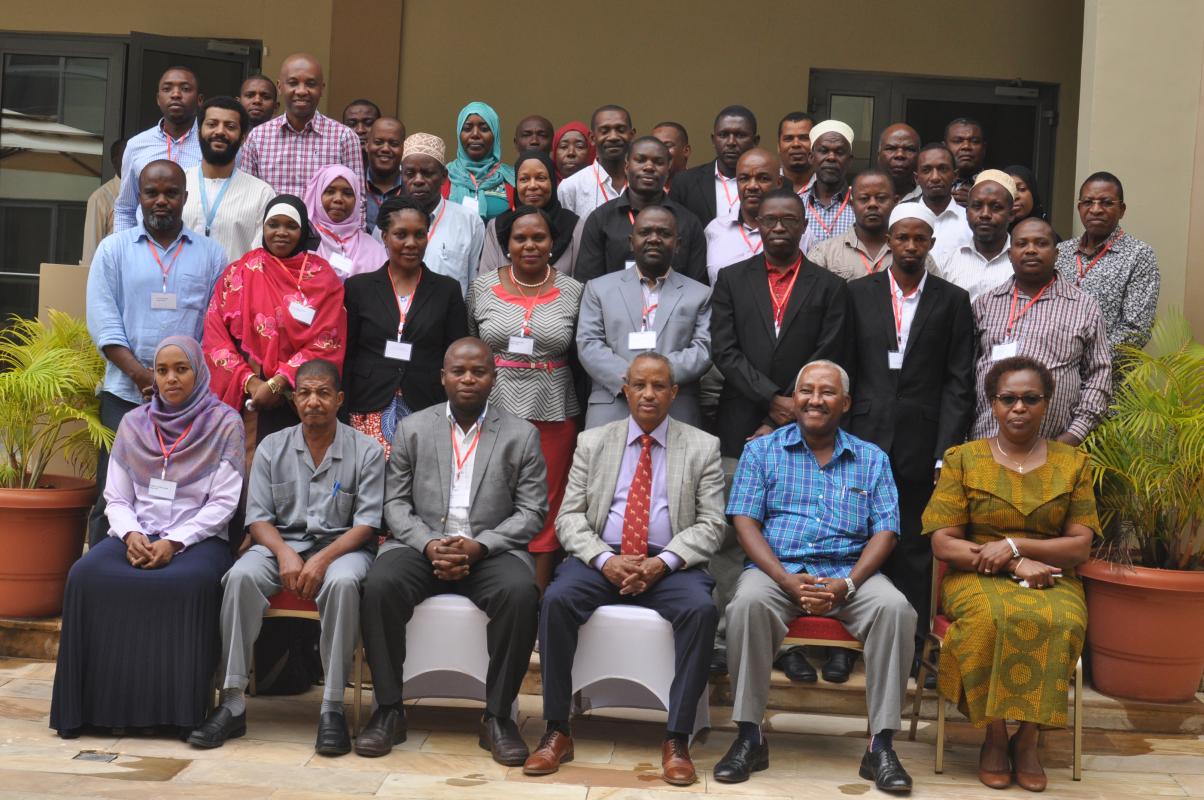
Zanzibar, 13-15 March 2018: Today, we are challenged by a variety of epidemics and health emergencies. A robust health system that is effective, inclusive and a well-coordinated multisectoral approach is essential to protect human and animal health; and ensure national development goals are not adversely affected by public health threats.
Tanzania convenes experts to chart a roadmap for Malaria control
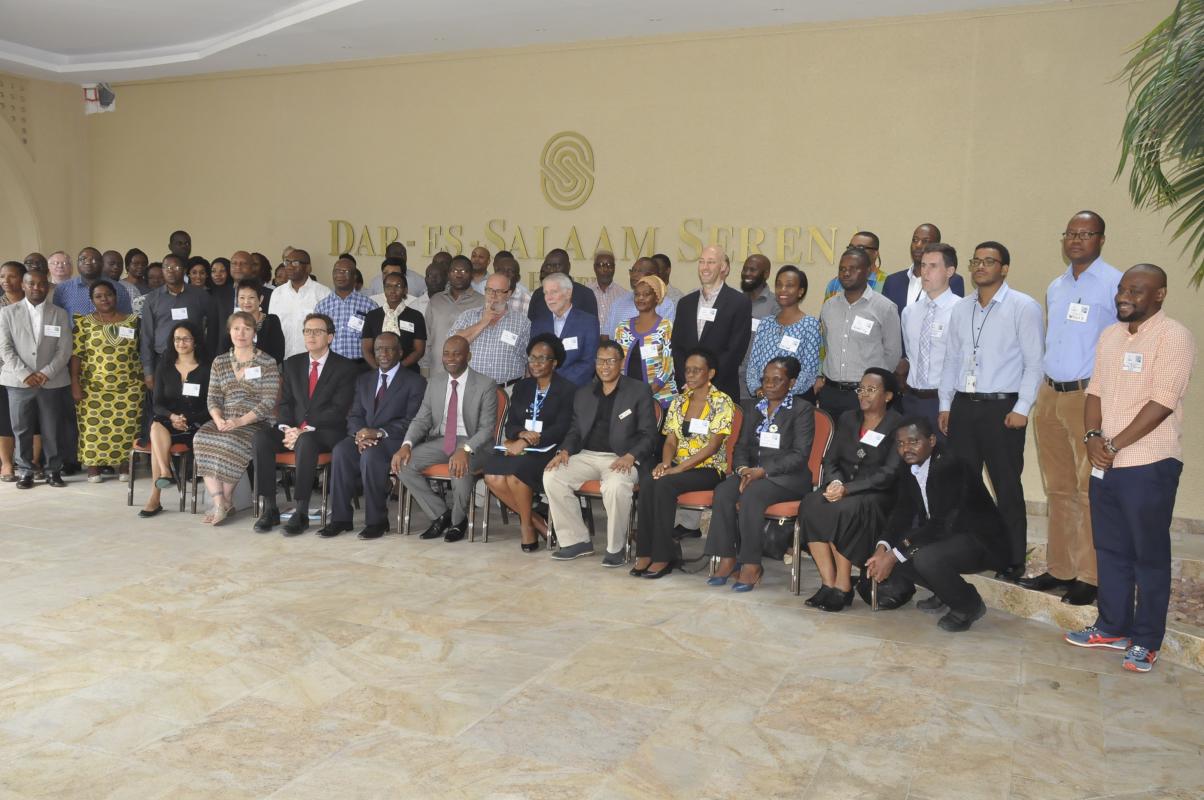
Dar-es-Salaam, 12-13 March 2018: The National Malaria Control Programme (NMCP) in collaboration with WHO and the US President’s Malaria Initiative (PMI) convened a consultative meeting of experts to develop the Malaria Operational Plan (MOP) for the year 2018/19. The MOPs are developed on an annual basis to review the progress made in the implementation of the previous years’ activities, identify gaps in malaria implementation and prioritize for the subsequent years’ interventions.
Polio personnel support Lassa fever response in Nigeria for rapid containment of an unprecedented outbreak.

Abuja, 15 March 2018 - “When I received the confirmation of the first case of Lassa fever and request by Nigeria Center for Disease Control to coordinate the contact tracing pillar of the outbreak, nothing prepared me for the tasks ahead other than my work in polio eradication, knowing that another responsibility beckons,” said Mrs Faith Ireye, WHO State Coordinator in Edo state.
Kenya Certified Free of Guinea worm disease
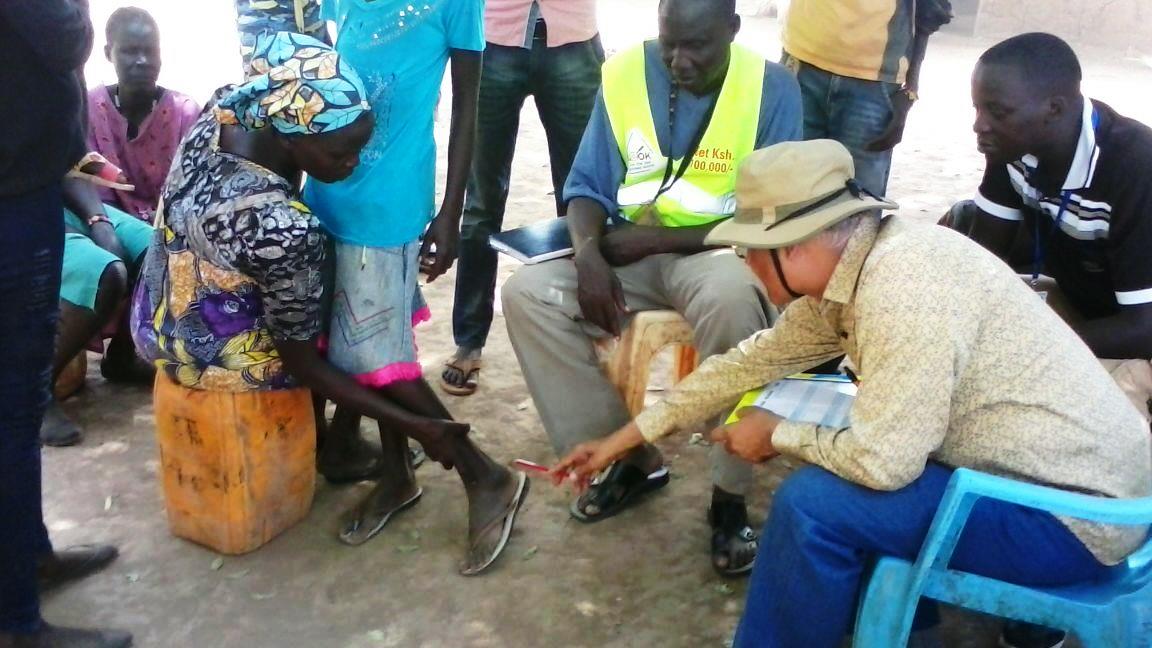
WHO to roll out integrated disease surveillance training in districts hosting refugees.
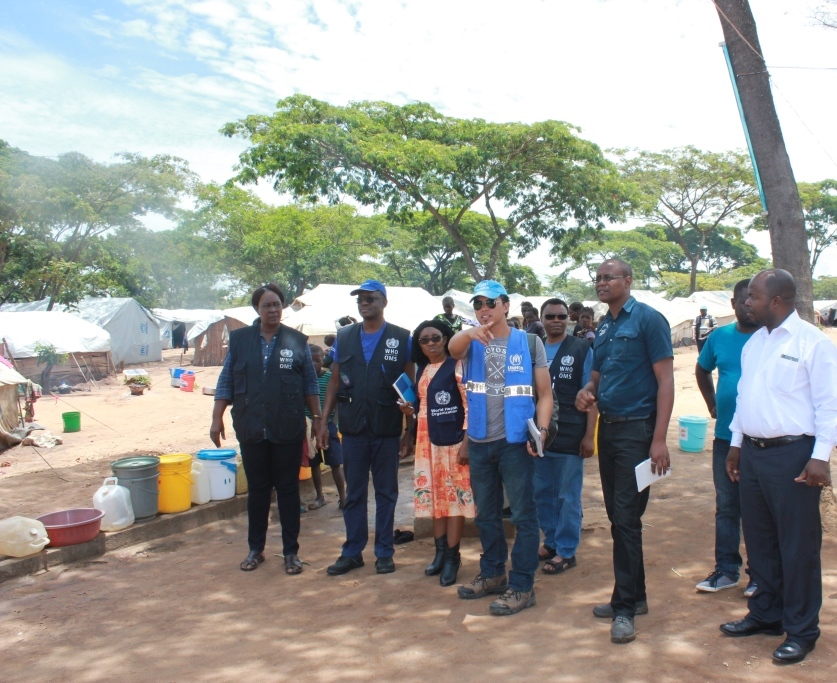
In response to the influx of refugees from the Democratic Republic of Congo (DRC) into Luapula province, the WHO Country Office is working in collaboration with the Ministry of Health to strengthen disease surveillance in order to reduce the risk of spread of communicable diseases. The WHO Representative, Dr.
WHO supports Nigeria to respond to new cholera outbreak in Borno State
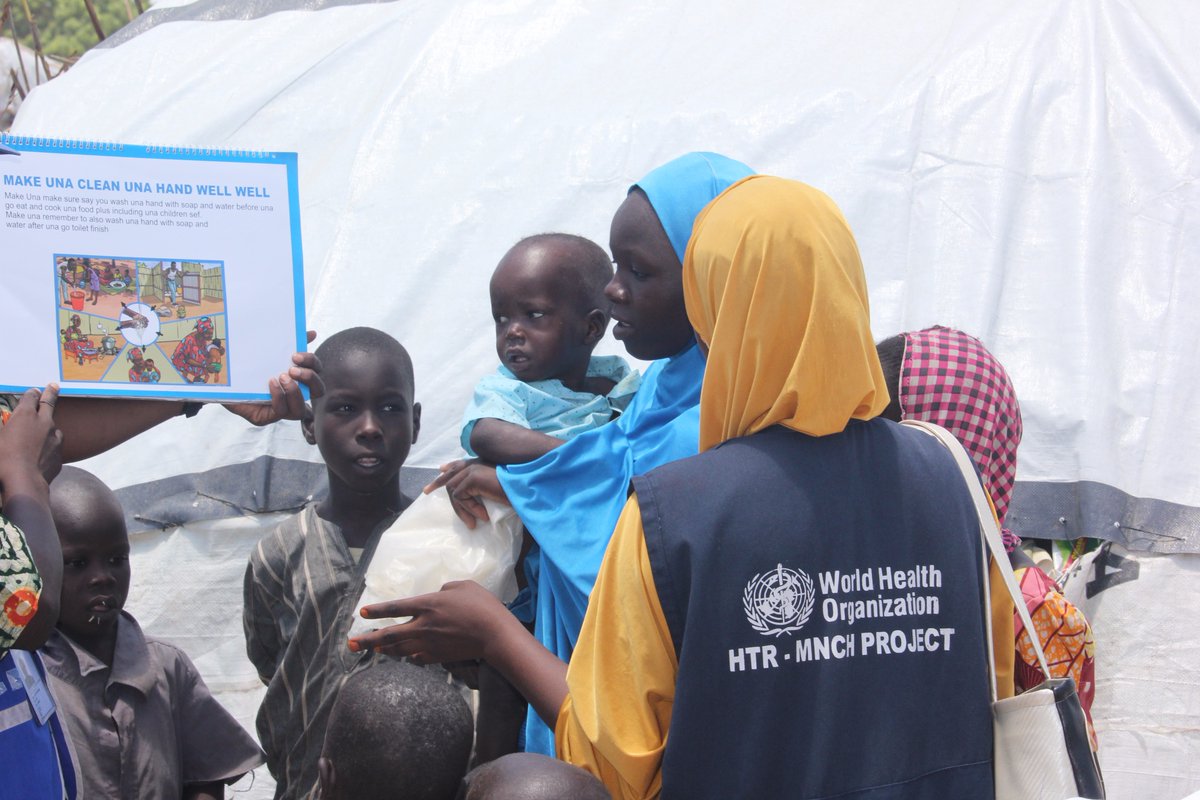
Maiduguri, Nigeria, 13 March 2018—The World Health Organization (WHO) and partners are supporting health authorities to respond to a new cholera outbreak in Borno State. Borno State Ministry of Health has detected more than 500 suspected cases, 23 of which are confirmed by laboratory culture testing including 3 deaths. Authorities declared the outbreak on 8 March.
The Opening of Lady Pohamba Maternity Waiting Home marks the end of the four year EU funded programme on Maternal and Child Health.
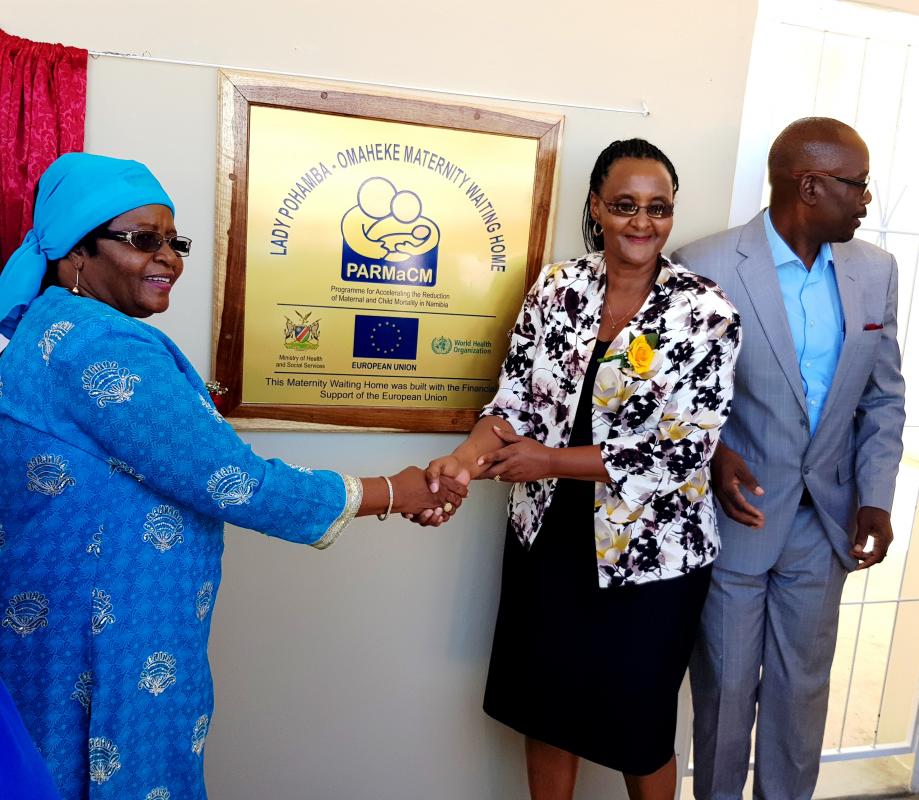
Every year globally, 180-200 million women become pregnant with 287,000 of these resulting in maternal deaths. More than 99% of maternal deaths occur in developing countries and 56% of these deaths are in Sub-Saharan Africa, affecting women living in rural areas and among poorer communities. In Namibia the current estimate of maternal mortality ratio is from the World Health Statistics indicating 265/100,000 per live births. These deaths could be avoided if pregnancy and delivery are attended by skilled health workers at all levels of the health care delivery system.
South Sudan declares Rift Valley fever outbreak in parts of Eastern Lakes State
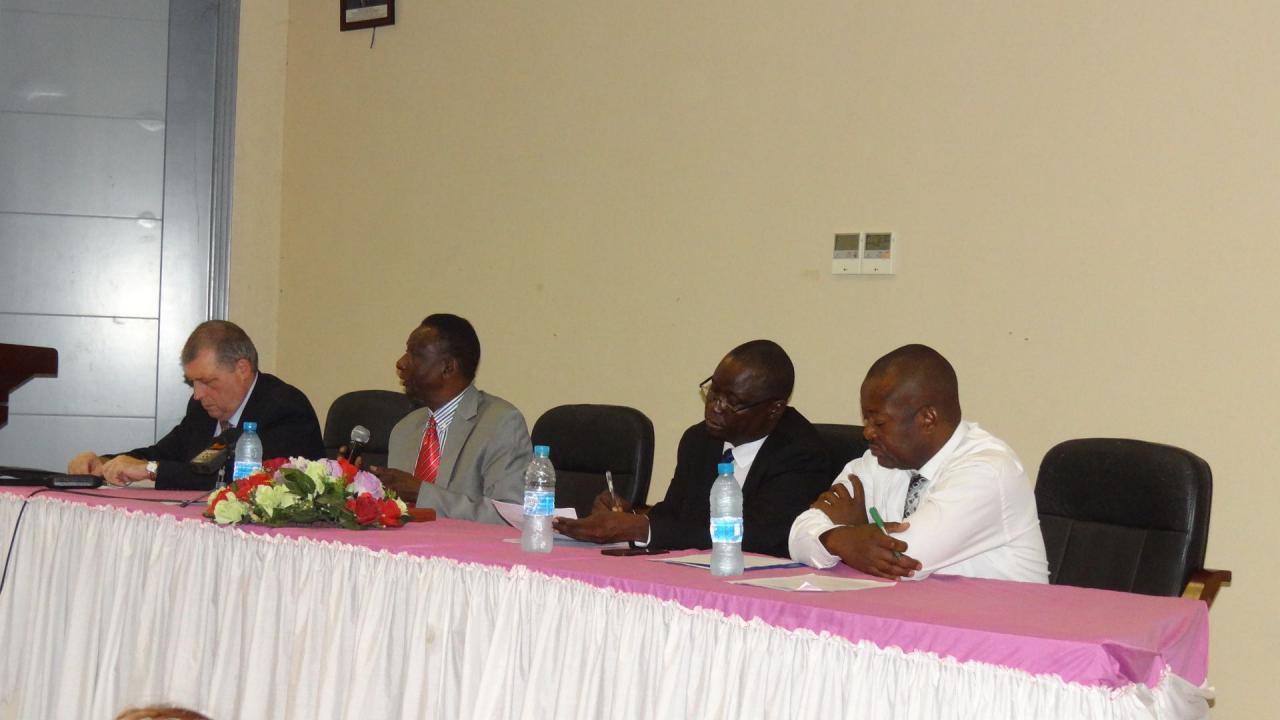
Juba, 12 March 2018 – The Ministry of Health and the Ministry of Livestock and Fisheries have declared a Rift Valley fever (RVF) outbreak today (12 March) in Yirol East, Yirol West and Awerial Counties of Eastern Lakes State.
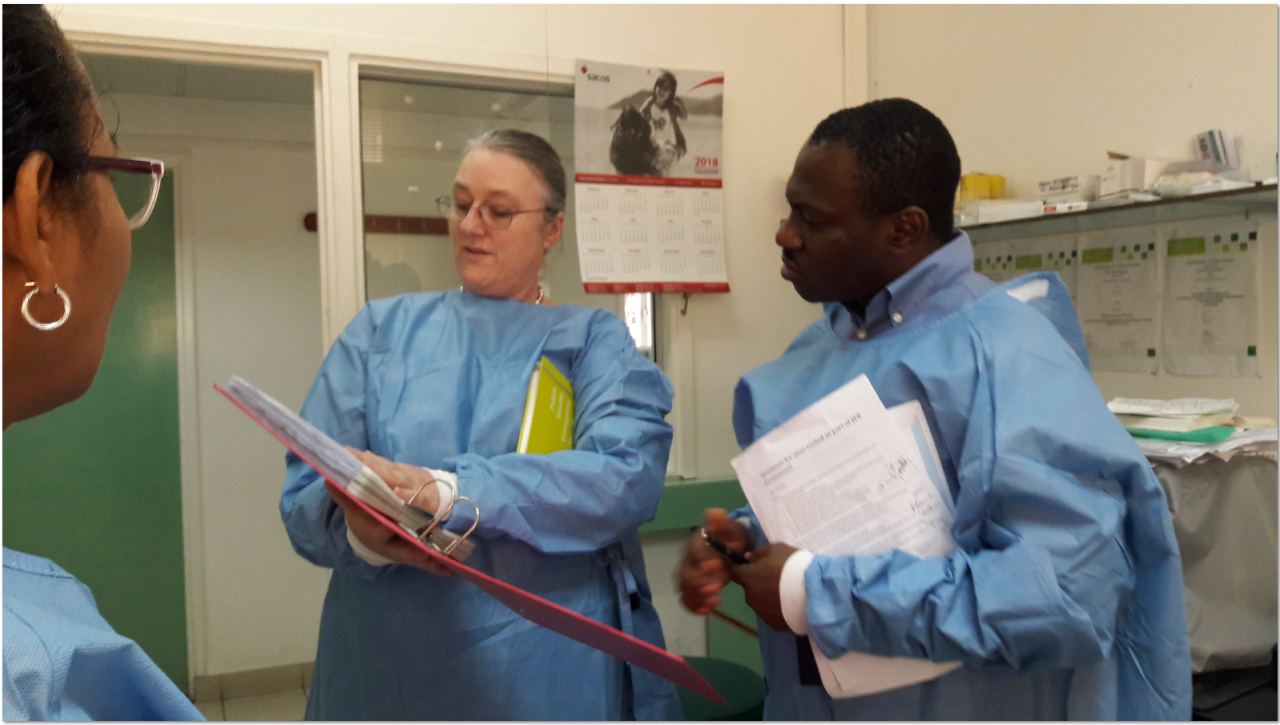
Seychelles conducts first ever Joint External Evaluation on implementation of IHR (2005) capacities