WHO: Nigeria’s Lassa fever outbreak is slowing, but remains a concern
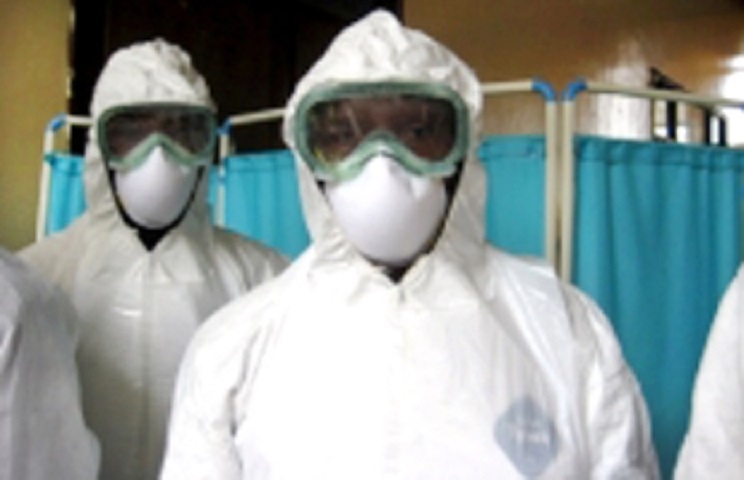
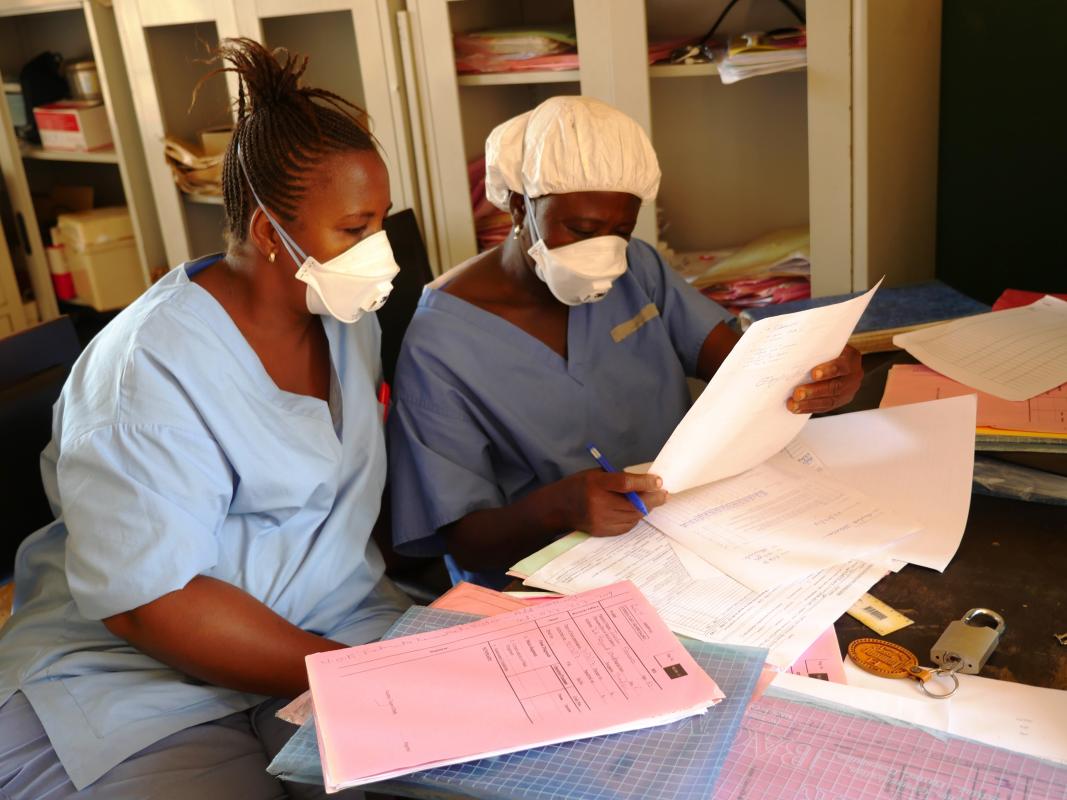
People wearing personal protective equipment
WHO: Nigeria’s Lassa fever outbreak is slowing, but remains a concern.After nearly 400 confirmed infections and 100 deaths, the spread of Lassa fever in Nigeria is beginning to slow but the epidemic is far from contained, the World Health Organization and the Nigeria Centre for Disease Control (NCDC) have warned. NCDC’s latest data shows that the number of new confirmed and probable cases has been falling for five consecutive weeks, indicating that public health measures are proving effective, but more infections are expected until the end of the dry season, as the viral haemorrhagic fever is endemic to the area. Between 1 January and 25 March 2018, the NCDC reported 394 laboratory confirmed cases. There were 18 new confirmed cases in the last reporting week (19-25 March 2018), compared to 54 confirmed cases a month earlier (19-25 February 2018). 

Annual peer review and planning workshop for Anglophone national malaria programmes in Africa takes place in Harare
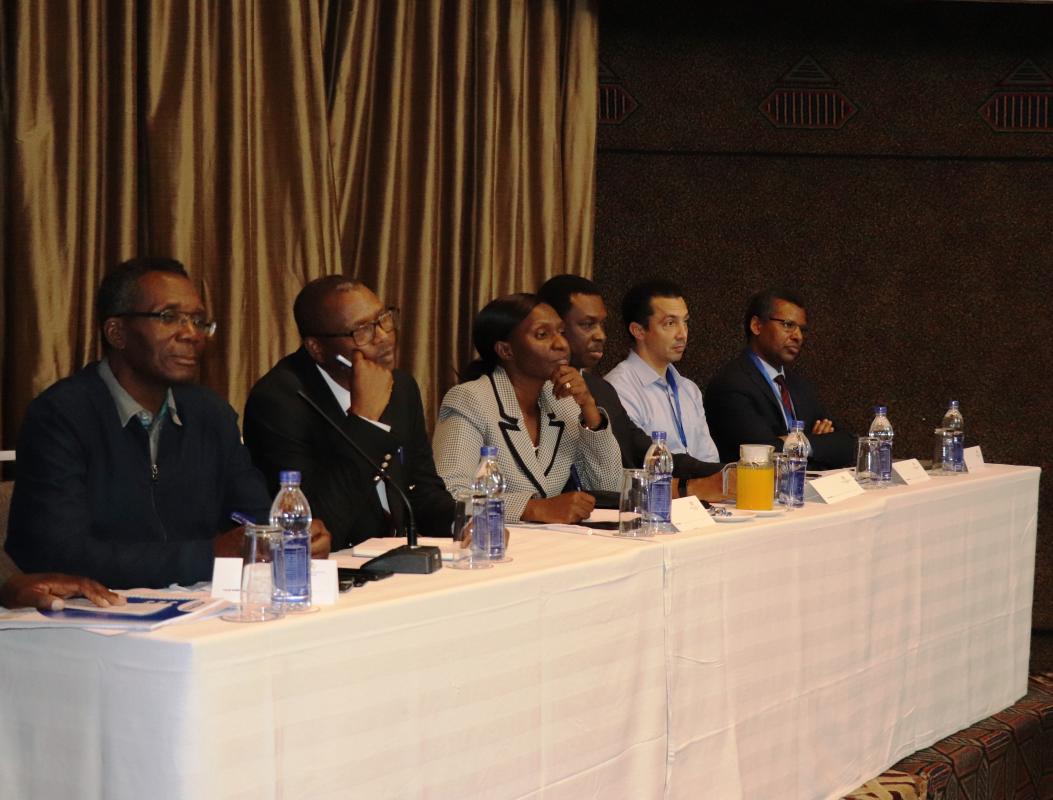
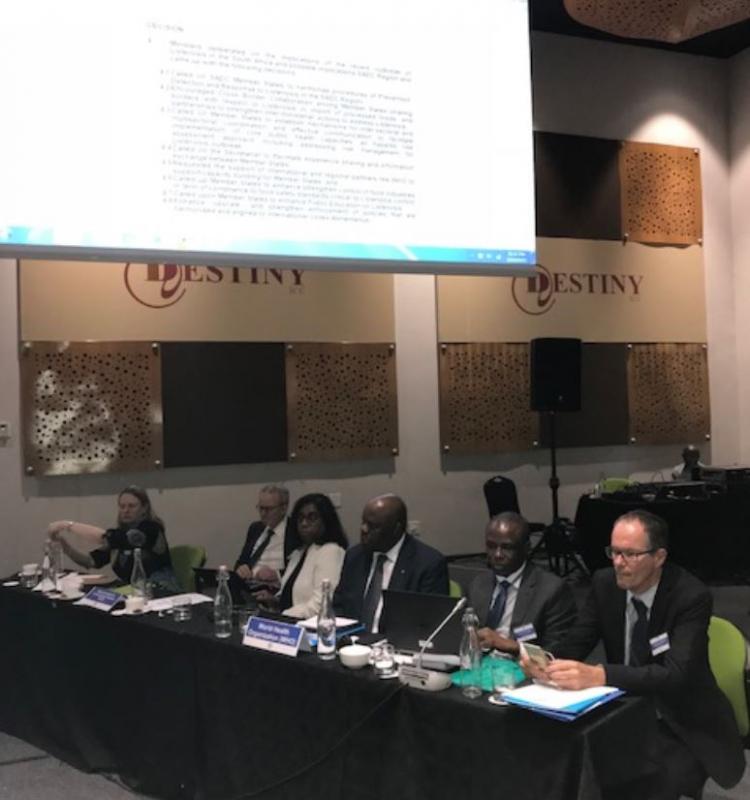
The top table following proceedings during the opening

A workshop on annual peer review of progress and planning for Anglophone countries is taking place in Harare from 22nd to 23rd March at The Monomotapa Hotel. The meeting has brought together participants from Botswana, Eritrea, Ethiopia, The Gambia, Ghana, Kenya, Liberia, Malawi, Mozambique, Namibia, Nigeria, Sierra Leone, South Africa, South Sudan, Swaziland, Uganda, URT Mainland, URT Zanzibar, Zambia, and Zimbabwe, partners in malaria control and facilitators from HQ, AFRO and IST/ESA.

Building Resilient Health Systems to Climate Change Among SIDS
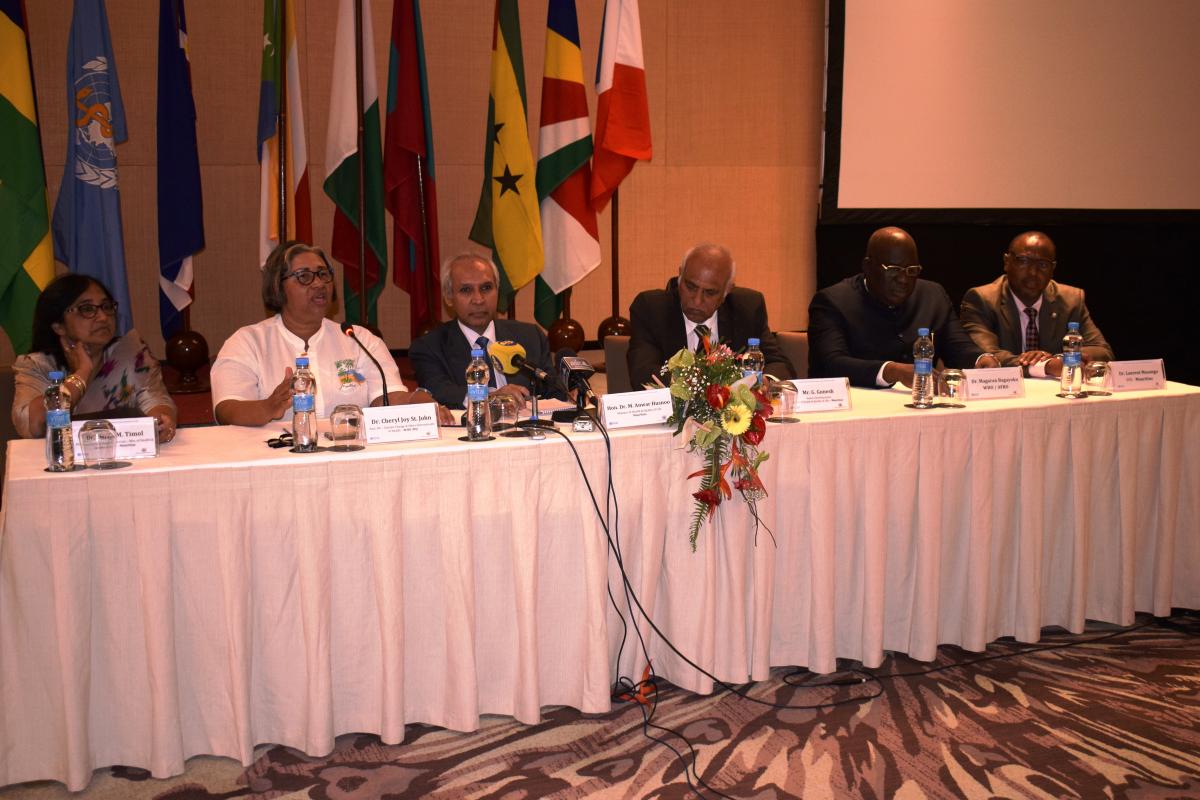
From right to left, Dr (Mrs) T. Director General Health Services, Dr Joy St John, Assistant Director-General Climate and Other Determinants of Health , WHO Geneva, Dr Hon. A. Husnoo, Health Minister, Mauritius, Mr Guness, Senior Chief Executive, Dr M. Bagayoko from WHO AFRO and Dr L. Musango, WHO Representative in Mauritius, during a press conference following the closure of the WHO Global Conference  on  21-22 March 2018 in Mauritius
Health Ministers and Environment Ministers, Experts, Officials and other key stakeholders from Small Island Development States (SIDS) of Africa and South East Asian regions, namely Cabo Verde, Comoros, Madagascar, Maldives, Mauritius, Reunion Island, Sao Tome and Principes and Seychelles participated in the World Health Organization (WHO) Third Global Conference on Climate Change and Health on 21-22 March 2018 in Mauritius. This special Initiative was launched by the WHO in view of supporting SIDS countries in the adoption of a streamlined and concerted approach to climate change and health. During the conference, the participants focused on climate change and health, with a vision that by 2030 all health systems in SIDS will be resilient to climate variability and change. The importance of a collaborative approach towards having a regional and national institutional mechanism for mitigating the impacts of climate change has been stressed upon by the WHO. Dr Joy St John, Assistant Director-General Climate and Other Determinants of Health in WHO Head Quarters, Geneva, Dr Magaran Bagayoko, delegated by Dr Moeti, Regional Director of the WHO Regional Office for Africa, and representatives from various international institutions, including United Nations Environment Programme (UNEP) and the Indian Ocean Commission participated in the conference. Dr St John addressed the representatives from the different SIDS countries at the opening of the conference and said that ‘SIDS should speak in one strong voice to make them heard by the whole world as SIDS countries contribute little to climate change and yet, they suffer most of the adverse effects of climate change.’ She reiterated her full support and commitment in supporting SIDS countries in mitigating the impacts of climate change. She pointed out that ‘the outcome of deliberations once finalized will be submitted in the form of a Regional Action Plan at the forthcoming World Health Assembly in May 2018 in view of obtaining support and assistance to enable SIDS to cope with health and climate challenges’. During the two day conference, the SIDS countries recognise that climate change cannot be dissociated from health as it affects, in profoundly adverse ways, some of the most fundamental determinants of health, including clean air, safe drinking water, sufficient food and secure shelter.

On the trail of Lassa fever in southern Nigeria
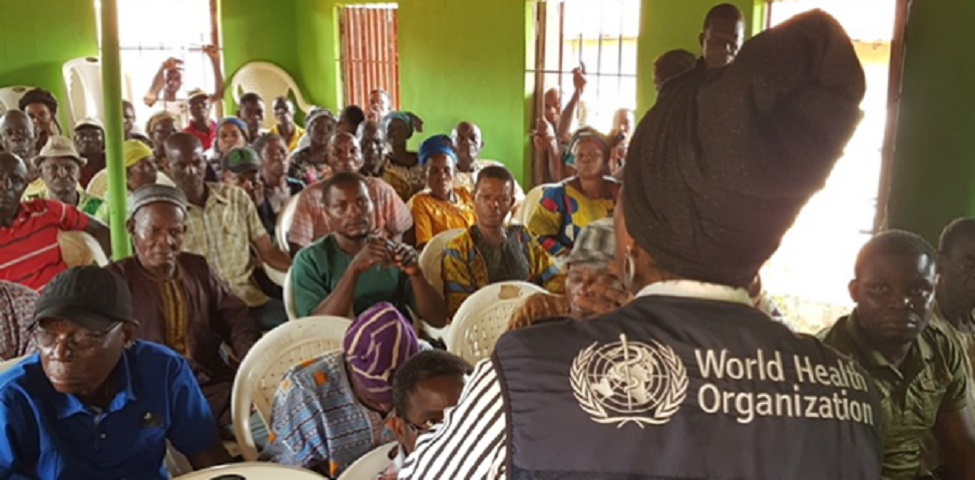
On the trail of Lassa fever in southern Nigeria
Nafissa Ikerodah is both a detective and diplomat of sorts. On a Saturday morning in early March, the Disease Surveillance Officer in Edo State area rushes to a household where a man has just died of Lassa fever.

WHO continues to Support Response to Cholera Outbreak in Refugee Settlement
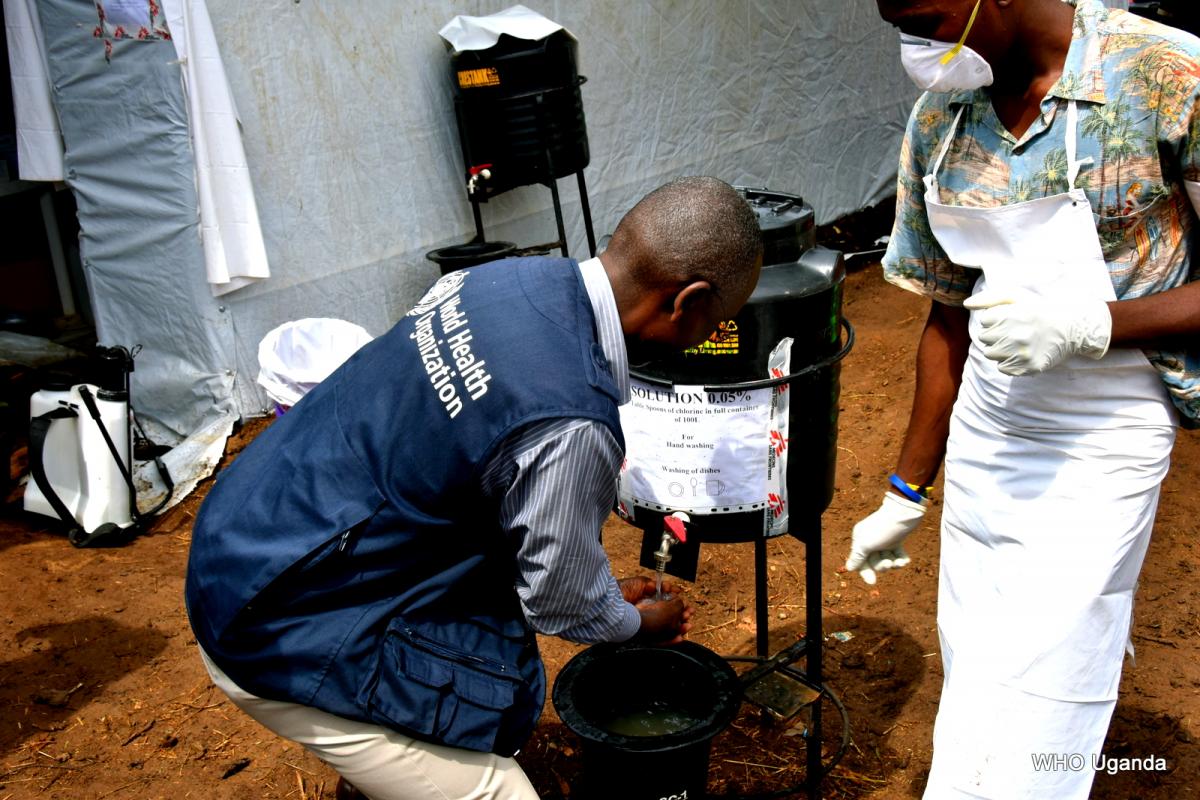
WHO official demonstrates proper hand-washing at Kasango Cholera treatment center in Kyangwali refugee camp

Hoima, 22 March 2018:- On 19th March 2018, twenty (20) new patients were admitted to the Cholera Treatment Centers (CTCs), most of whom (77%) were new arrivals from the Democratic Republic of Congo. As of that date, the cumulative number of cases reported was 1,747 with 36 deaths (CFR 2.06%). No deaths were recorded in all CTCs or in the isolation units. The cases are from Kyangwali, Kabwoya and Buseruka sub-counties. There are no cases in Hoima municipality. 

ESA EPI Managers and partners meet in Kigali to deliberate on immunization
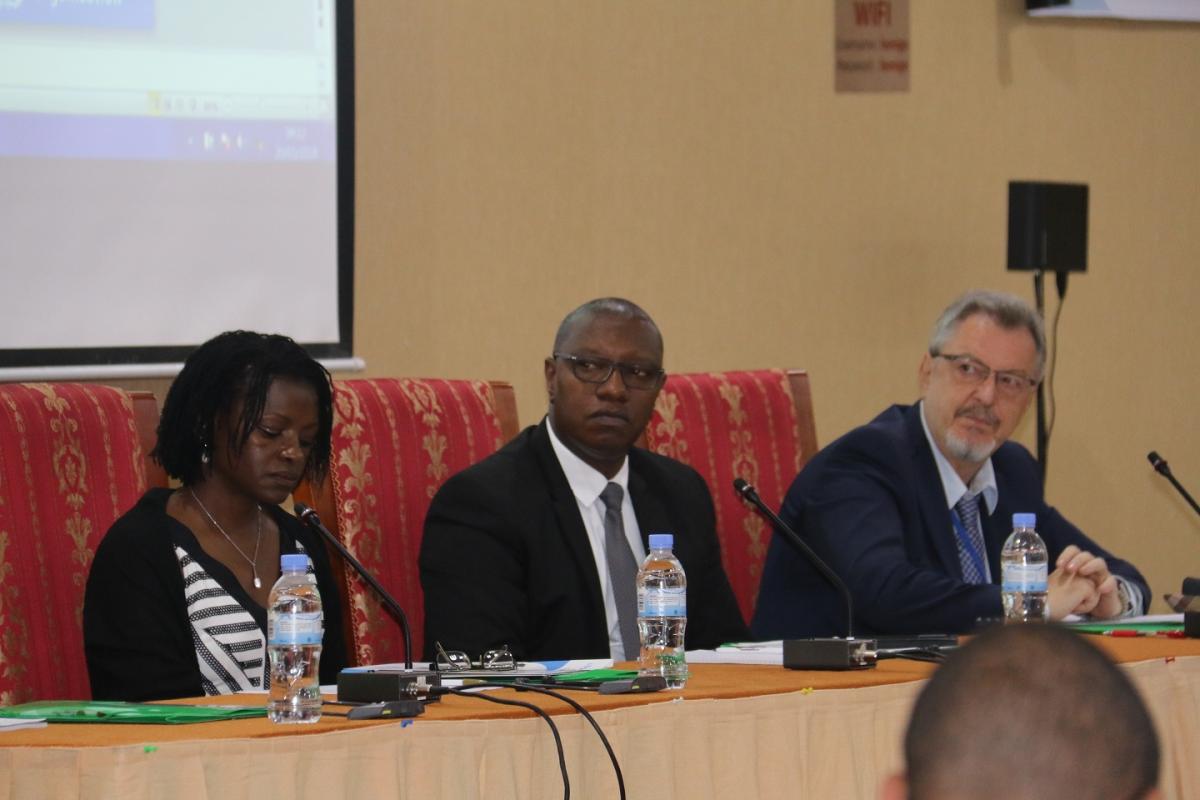
Rwanda’s Minister of State for Public and Primary Health care, Dr. Patrick Ndimubanzi flanked by WHO Rwanda OIC Dr Dr Juliet Bataringaya and UNICEF Representative to Rwanda Mr Ted Maly at the official opening of the 2018 IST/ESA EPI Managers’ Meeting
Nearly two hundred participants from East and Southern African (ESA) countries including EPI managers and partners are attending a three day annual EPI Managers’ Meeting for ESA in Kigali, Rwanda, to deliberate on the progress and remaining challenges in immunization  in the sub region, in order to reduce morbidity, mortality and disabilities due to vaccine preventable diseases.

WHO establishes emergency water, sanitation and hygiene (WASH) services in health facilities to mitigate public health risks in South Sudan
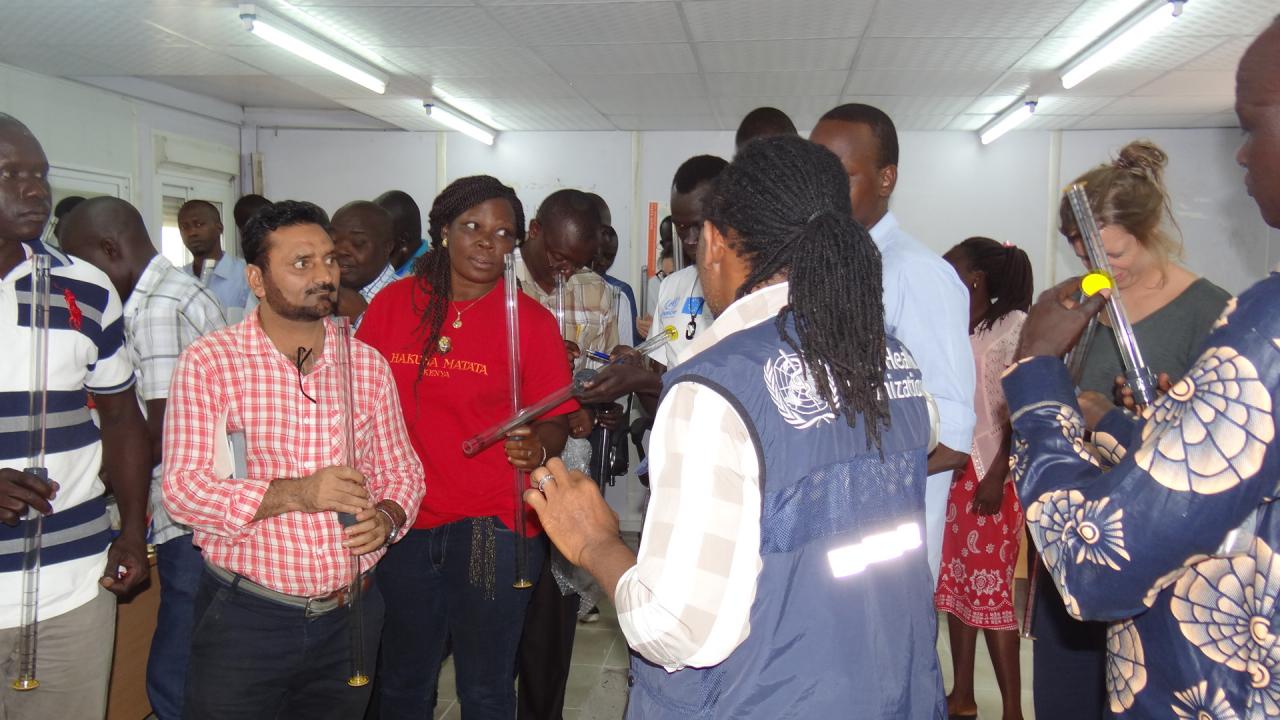
Mr Freeman showing the participants on how to use water turbidity tube for measuring the clarity of water

Juba, 15 March 2018 – Access to adequate water, sanitation, and hygiene (WASH) services in health care facilities (HCFs) is essential for the provision of quality care.

In South Sudan, WASH in HCFs is one of the neglected areas within the health systems. Thus, establishing WASH in HCFs is crucial to prevent the risks of health care acquired infection among health care facility staff, patients, caregivers and the wider community.