Sierra Leone strengthens readiness for vaccine-preventable disease outbreaks through tabletop simulation exercise
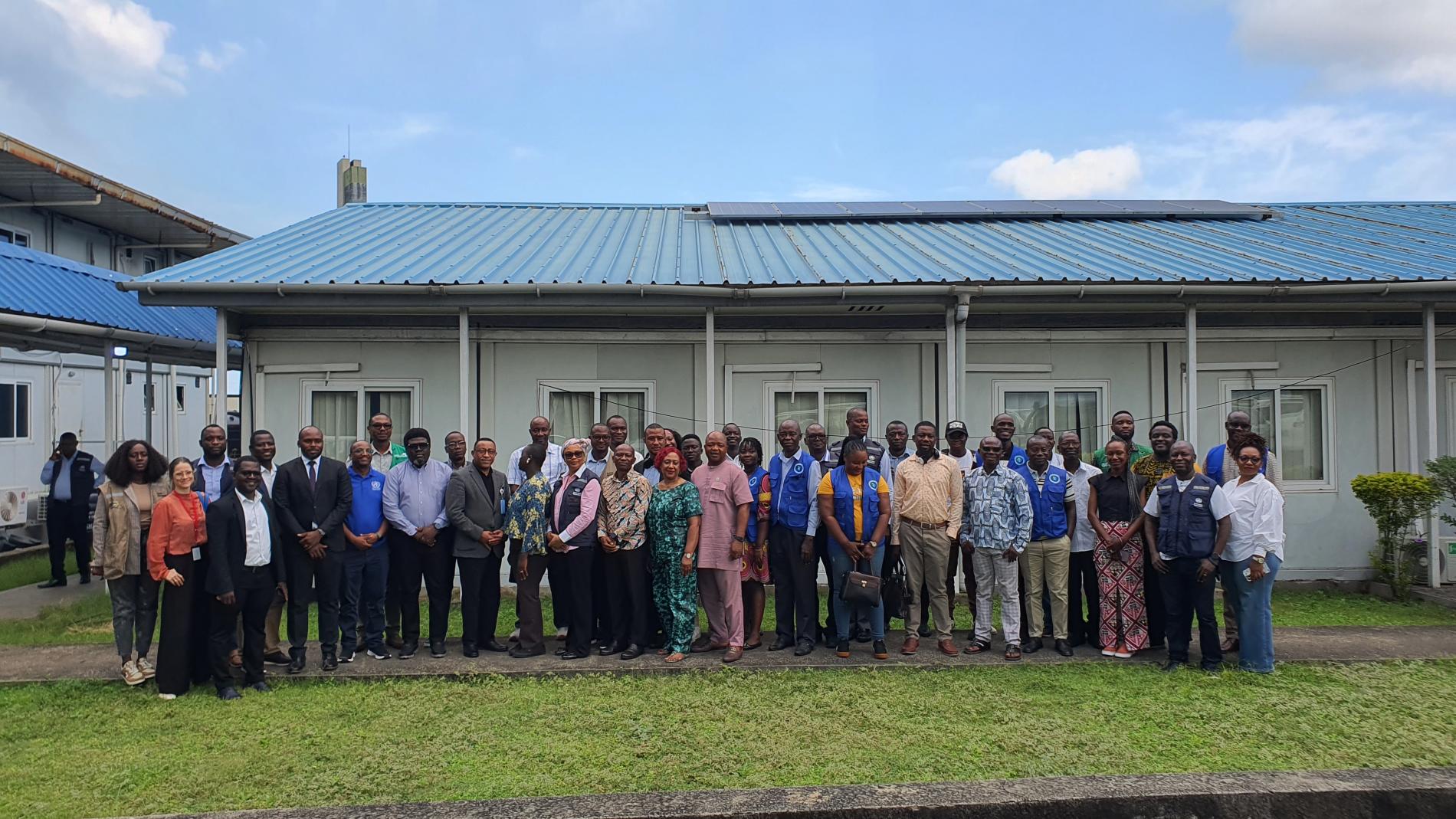
Freetown—Sierra Leone has completed a two-day tabletop simulation exercise, held from 5–6 November 2025 at the Public Health Emergency Operations Centre (PHEOC) in Freetown. The exercise was led by the Ministry of Health through the National Public Health Agency, with technical support from the World Health Organization (WHO). Funding was provided by Gavi, the Vaccine Alliance, under the Joint Emergency Action Plan (JEAP), and the Foreign, Commonwealth & Development Office (FCDO).
Strengthening fight against cervical cancer through community screening campaign
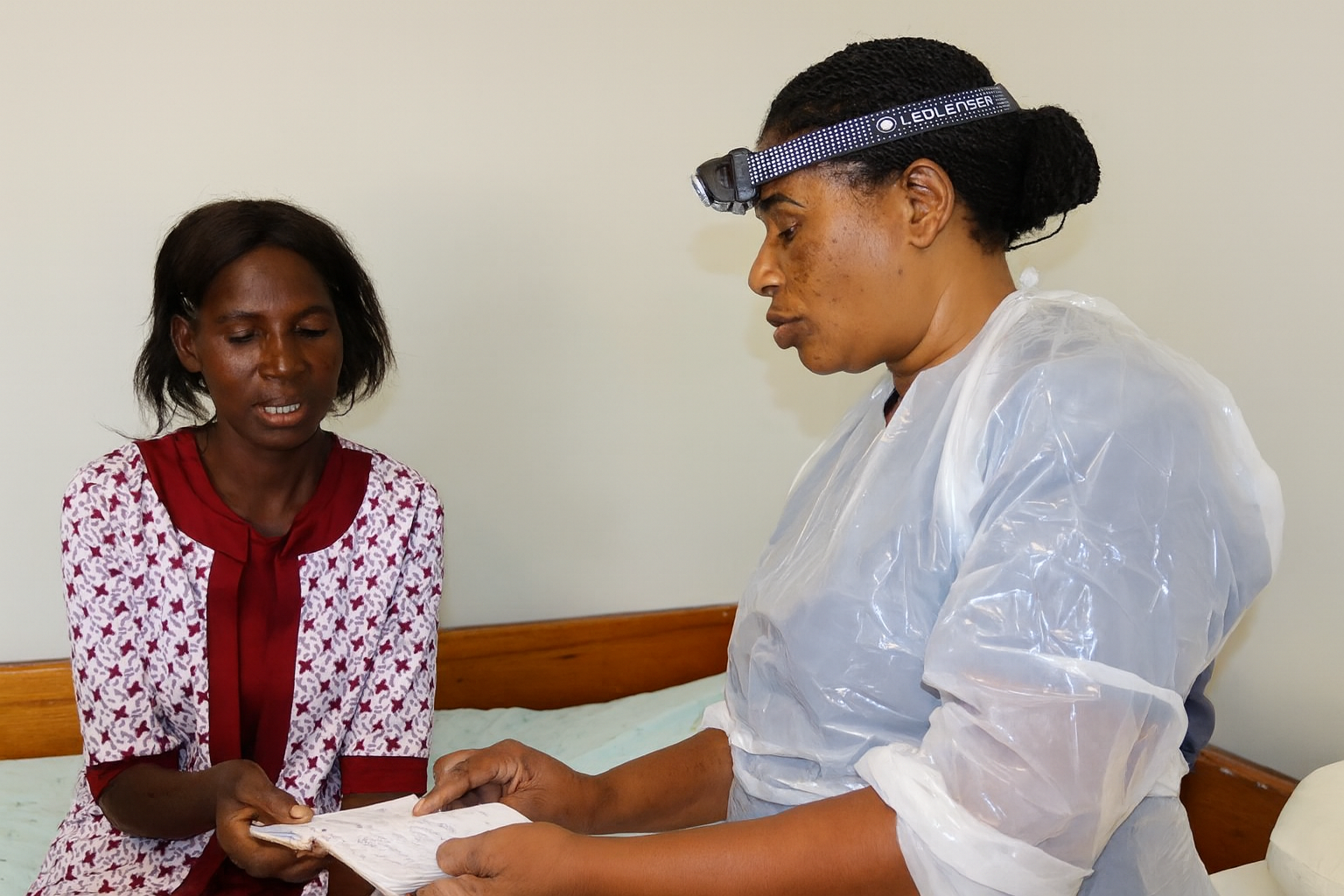
Windhoek—“In 2020, I underwent screening and was told that I had lesions, so I was put on treatment,” said Wendy Kalima, a 43-year-old woman from Sibbinda village in Namibia’s Zambezi region. After completing her treatment course, Kalima was scheduled for a follow-up in 2023, but due to unforeseen circumstances, she could not attend. “Today, I decided to come for follow up screening, and I was told that I am fully treated. I no longer have lesions,” she said with excitement. “I am going to encourage my fellow community members to go for screening.
Nigeria, WHO and Partners Reaffirm Commitment to End All Forms of Polio by 2030
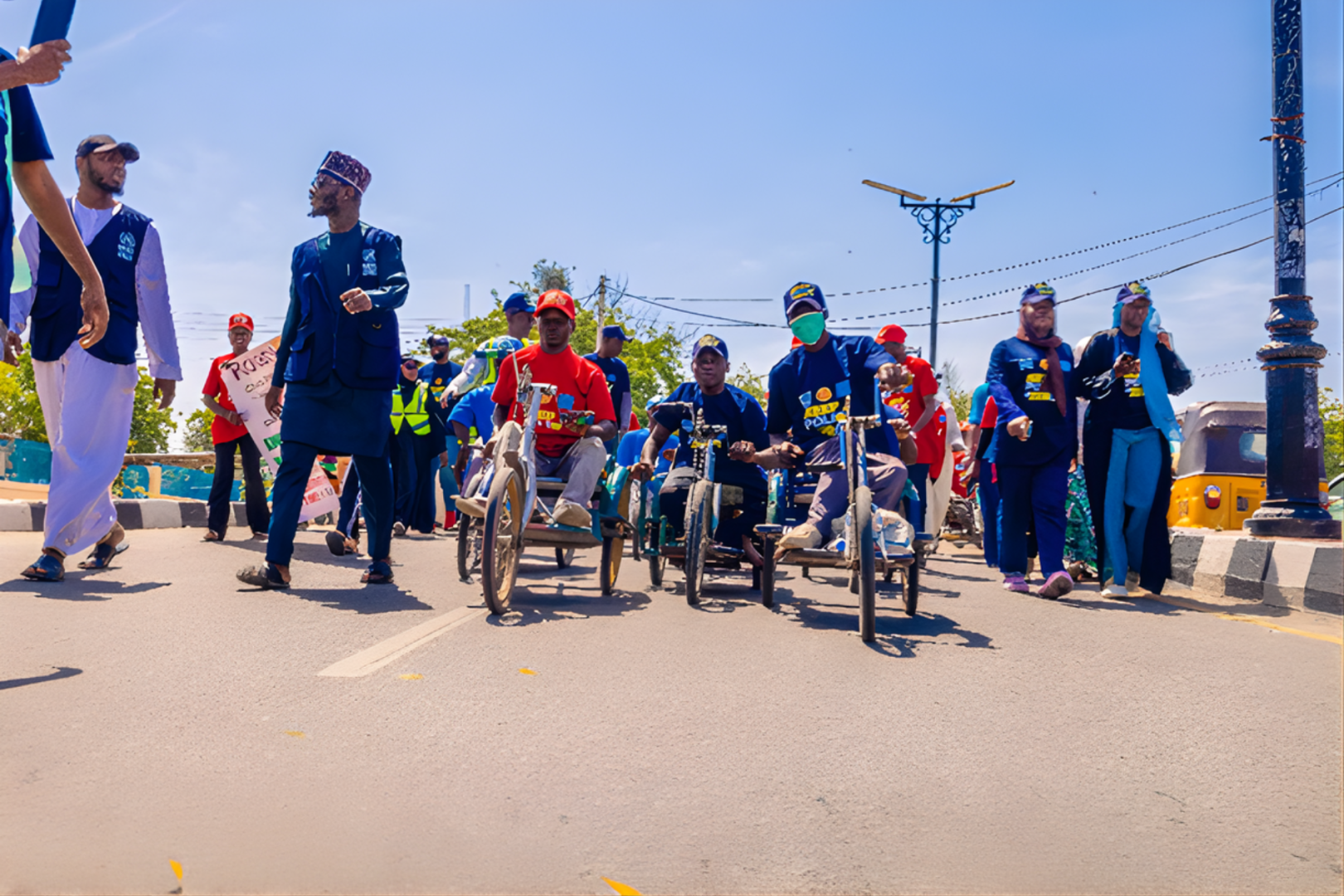
Abuja, Nigeria, in collaboration with WHO and other partners, is intensifying efforts to eradicate all forms of polio by 2030 through government leadership, community engagement, and targeted vaccination campaigns.
Renewed Commitment on World Polio Day
Every year on 24 October, the global community reaffirms its commitment to eradicating poliomyelitis—a disease that can cause paralysis and, in some cases, death.
Uganda Moves to Integrate Communicable and Non-Communicable Disease Services
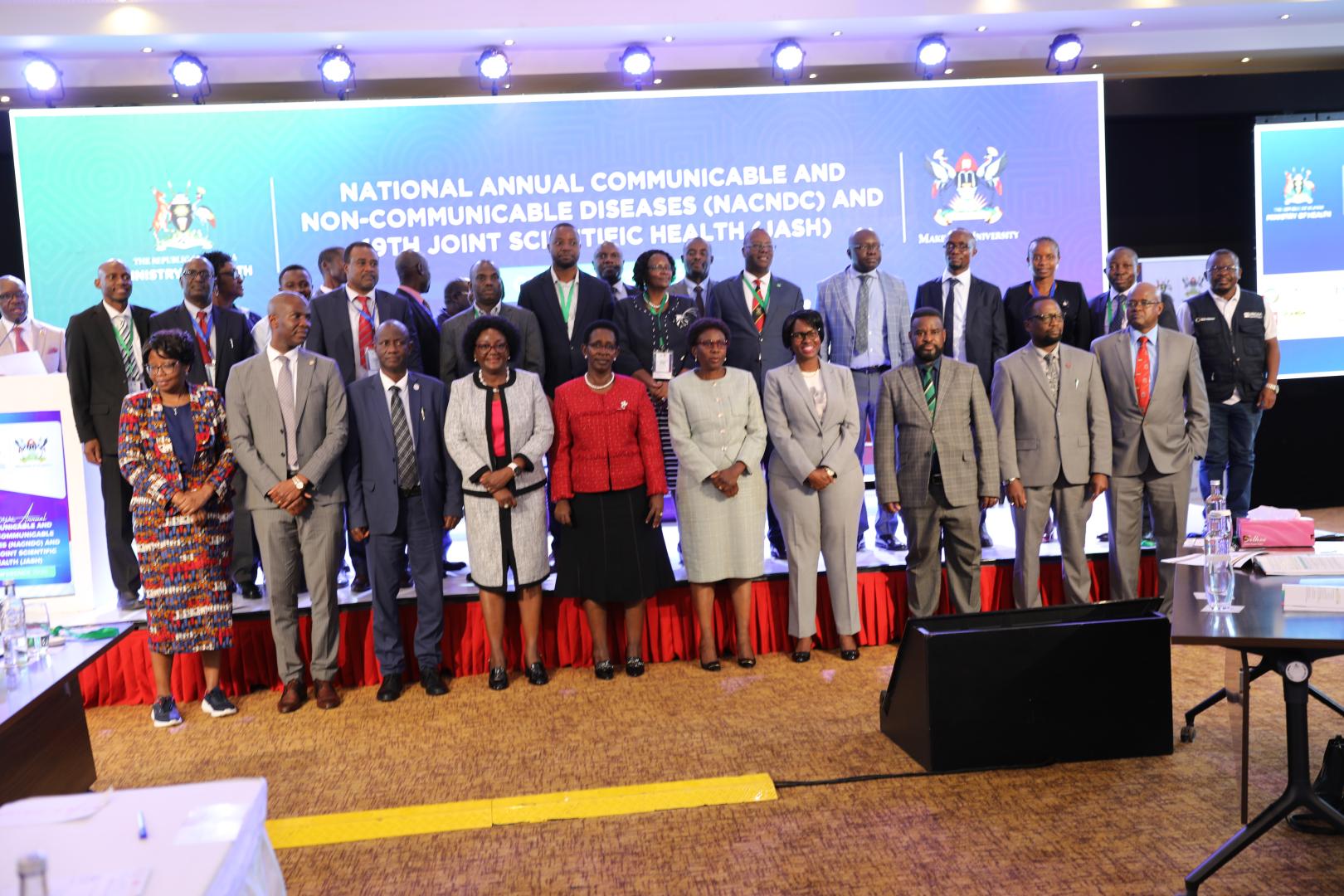
Uganda is taking bold steps to integrate health service delivery for communicable diseases (CDs) and non-communicable diseases (NCDs), addressing the growing double burden of disease in the country.
Nigeria’s Commitment to Measles and Rubella Elimination by 2030

Abuja, Nigeria remains committed to the global goal of eliminating measles and rubella by 2030. As Africa’s most populous nation, its progress is vital for both regional and global efforts. The comprehensive Integrated Measles–Rubella and Polio Vaccination Campaign demonstrates strong government leadership and collaboration with local and international partners to ensure every eligible child receives essential vaccines.
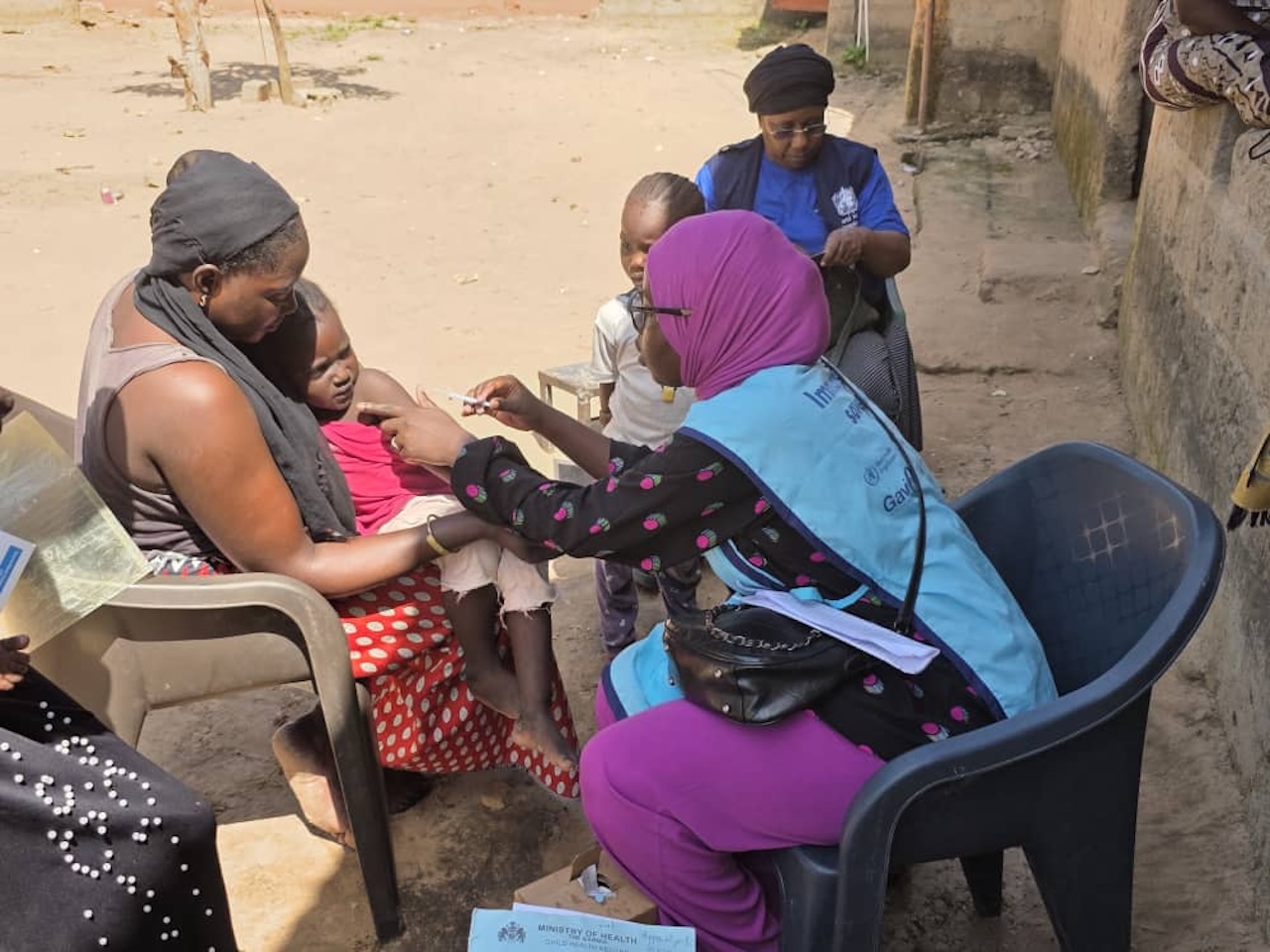
A Healthier Future for Every Child: The Government of The Gambia Achieves Remarkable Success in the 2025 Measles-Rubella Vaccination, Vitamin A & Deworming Campaign
Building Resilient Communities: Zambia’s Drive to Strengthen Pandemic Preparedness at the Frontline through Pandemic Preparedness for Community Health Workers
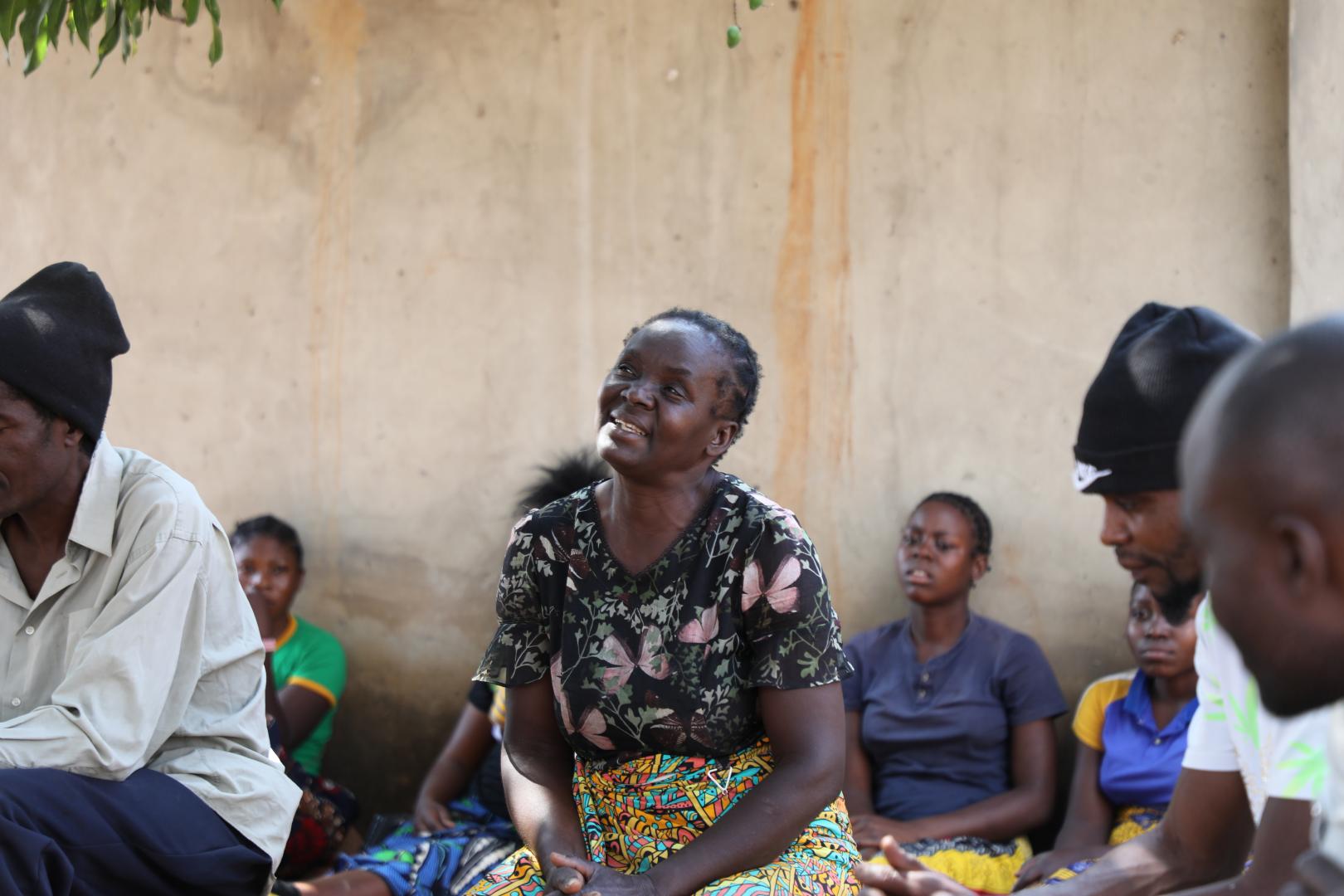
In today’s interconnected world, outbreaks can spread faster than ever before, crossing borders, overwhelming systems, and disrupting lives. But as Zambia’s experience has shown time and again, the strongest defense against epidemics and pandemics begins not in boardrooms or laboratories, but in the community.
Angola launches vaccination campaign to protect girls against cervical cancer
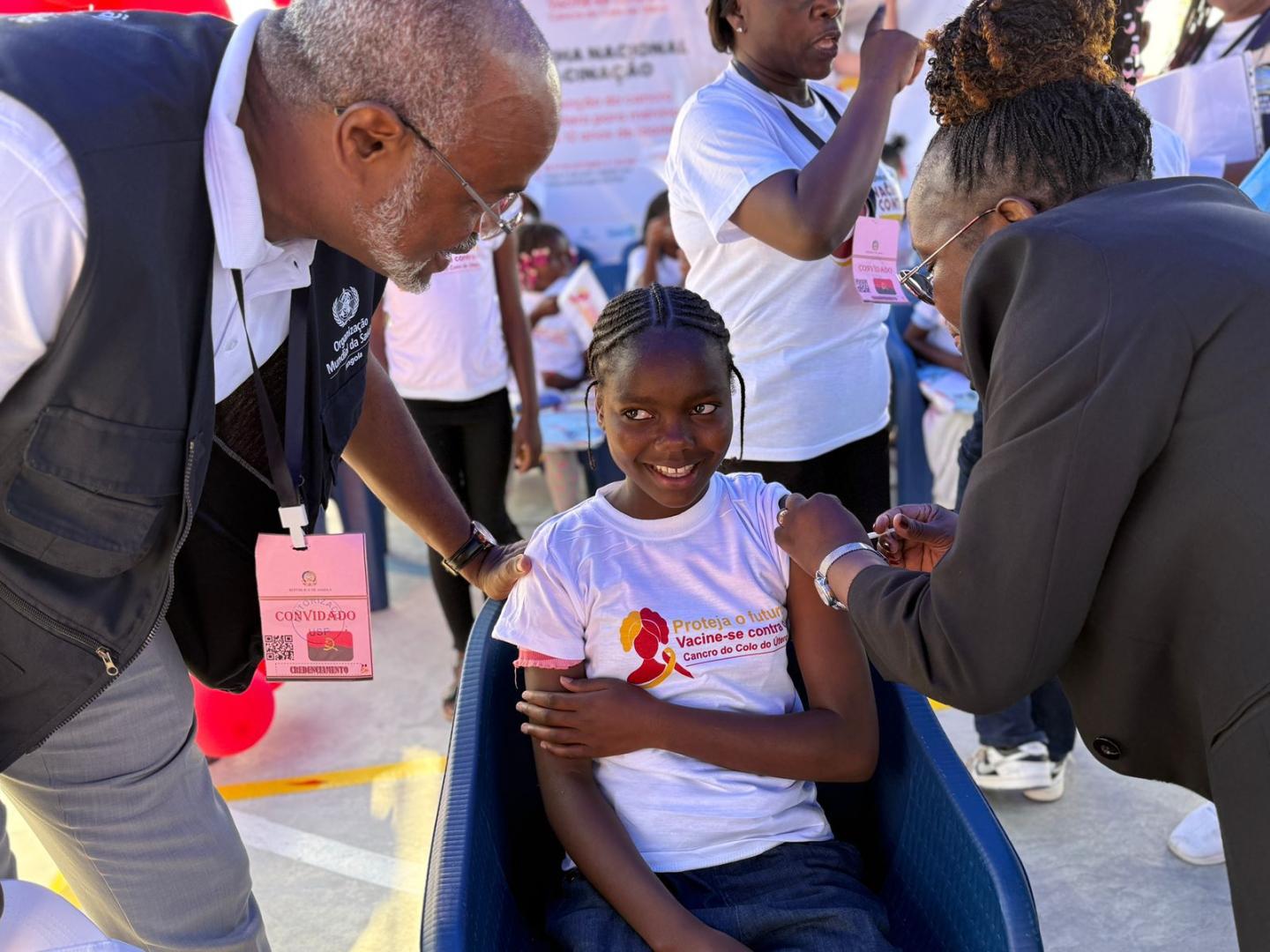
Angola has launched one of the largest public health campaigns in its history: vaccination against Human Papillomavirus (HPV), the main cause of cervical cancer. The goal is clear and urgent: to protect more than two million girls aged between 9 and 12 across the country between October 27 and November 7.
Tobacco Cessation: key to national tobacco control measures
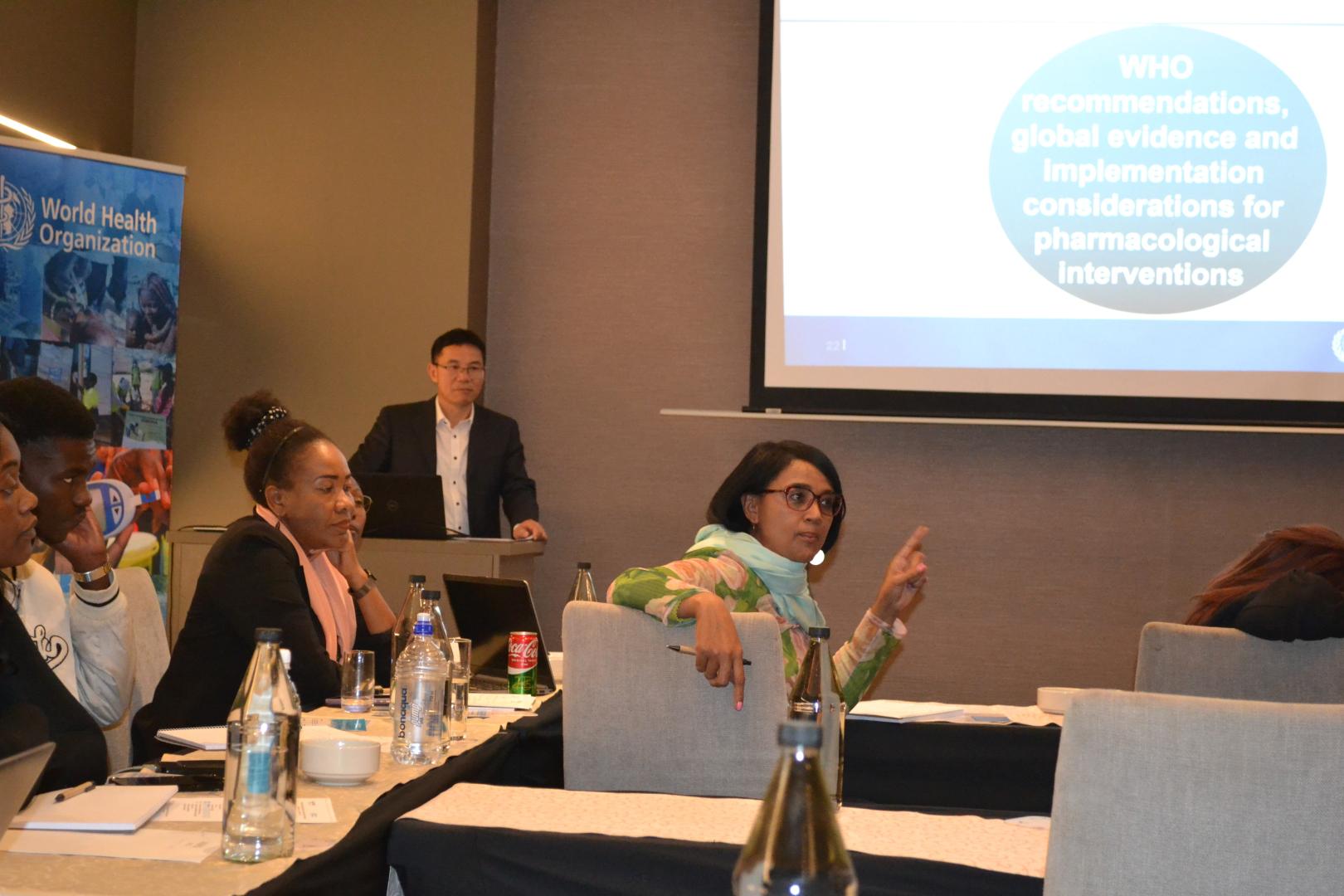
Tobacco use remains the single most preventable cause of death globally, claiming millions of lives each year and burdening health systems with avoidable disease.
In 2022, 11.2% of Namibians aged 15 and over were smokers, with a significantly higher prevalence among men (19.2%) compared to women (4.0%). Youth tobacco use remains a significant concern, with 31.1% of those aged 13-15 using tobacco products. Namibia loses approximately 1,700 lives each year due to tobacco-related diseases and faces substantial economic costs.
Namibia launches the Child Maltreatment Clinical Guidelines
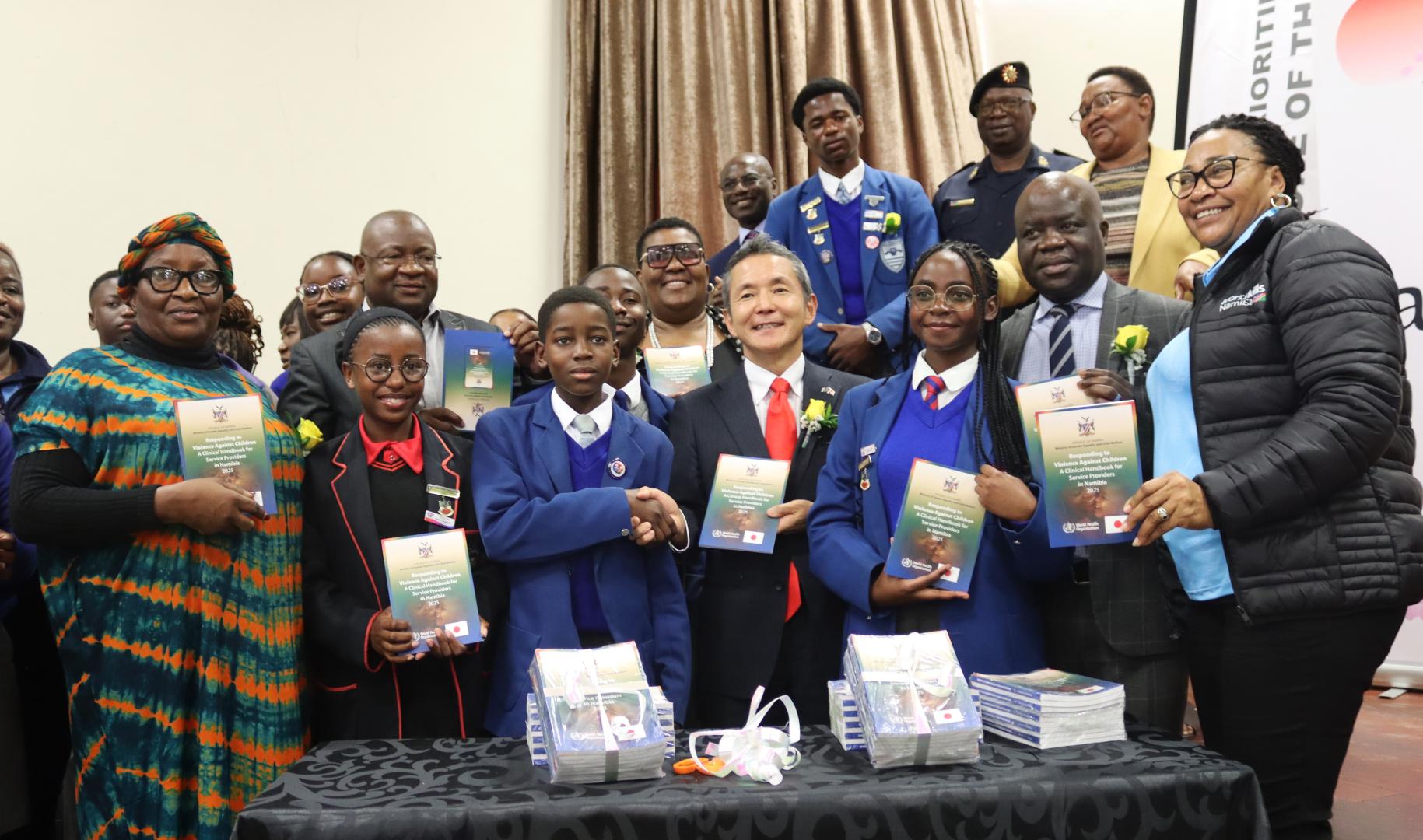
Violence against children in Namibia remains alarmingly high despite the government's commitment to ending it.
The 2019 Namibia Violence Against Children and Youth Survey (VACS) shows that nearly 40% of girls and 45% of boys suffered from physical, sexual, or emotional abuse during childhood. Physical violence is the most widespread, affecting 32.9% of girls and 41.2% of boys before they turn 18.