Angola has begun the process of preparing its National Health Accounts

Angola has begun the process of preparing its National Health Accounts (NHA) for the period 2020 to 2023, a strategic step towards strengthening efficiency and equity in health sector financing. The Ministry of Health (MINSA) leads this process, with technical support from the World Health Organization (WHO) and funding from the United Nations Development Program (UNDP) through the INTEGRA initiative.
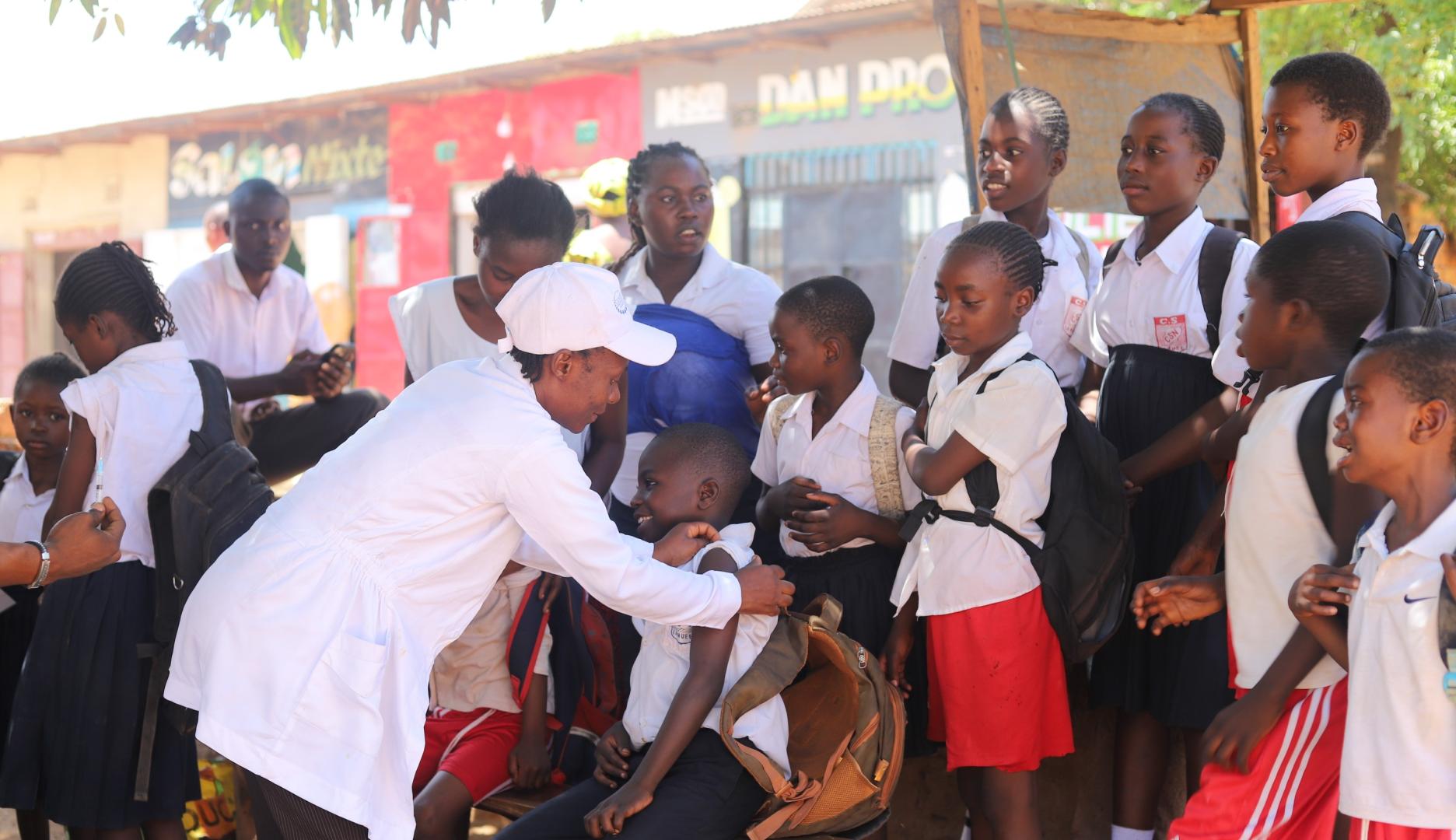
Democratic Republic of the Congo launches drive to vaccinate 62 million children and adolescents against measles and rubella
Ghana Launches First National Quality of Care Report to Strengthen Health Outcomes and Advance UHC
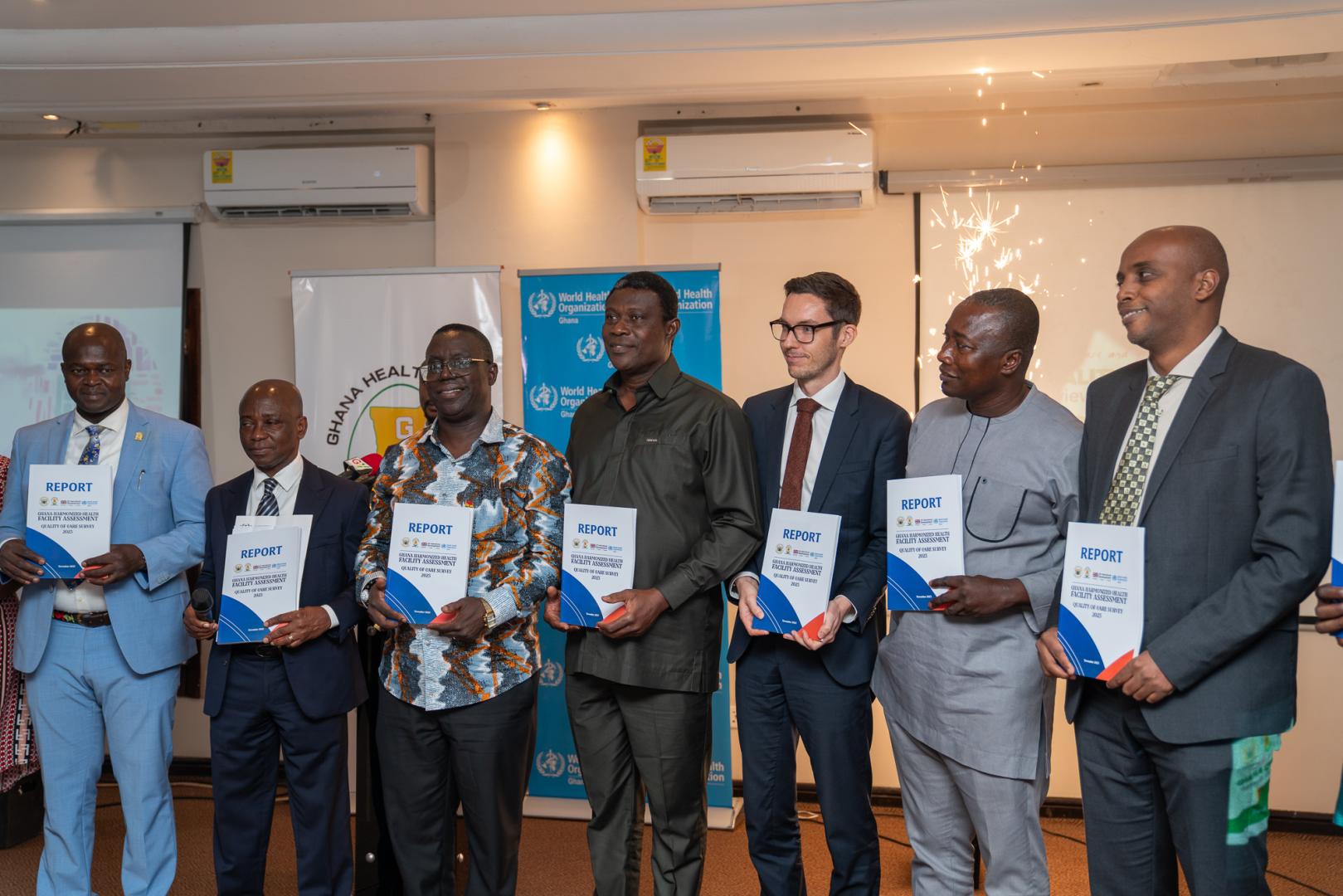
Ghana has taken a major step forward on its journey toward Universal Health Coverage (UHC) with the launch of its National Quality of Care (QoC) Report, a landmark document that provides a comprehensive picture of the quality of health services across the country. Developed by the Ghana Health Service (GHS) with support from the World Health Organization (WHO) and funding from the United Kingdom, the report offers critical evidence to guide policy decisions, strengthen frontline care, and improve health outcomes for all Ghanaians.
Countries, experts agree on 10-year Africa health workforce agenda
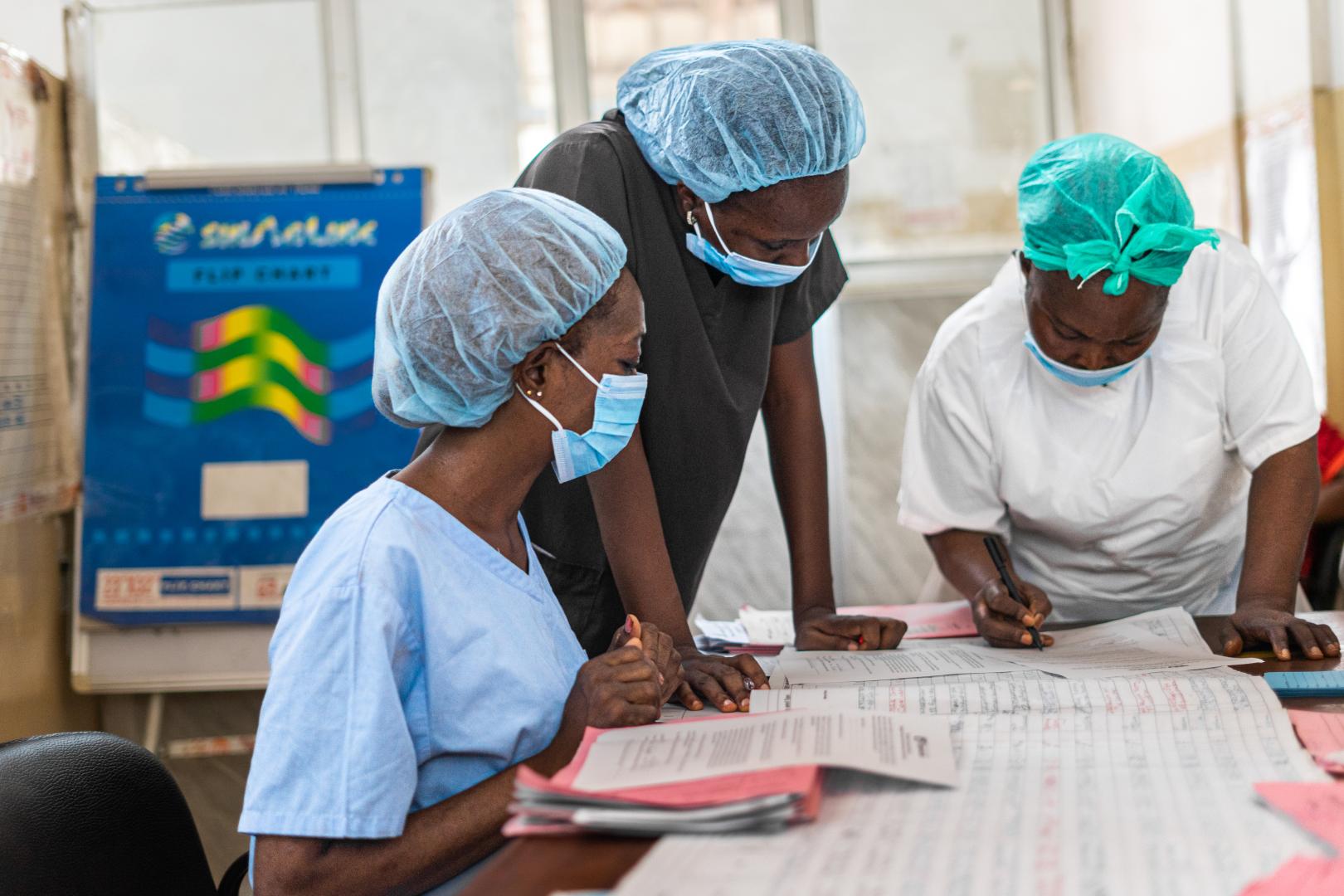
Pretoria—African countries have reached consensus on the priority actions, commitments and milestones that will shape the Africa Health Workforce Agenda 2026–2035 in a major step towards transforming how the continent plans, trains and retains its health workforce.
Ghana Advances School Health Reform with Orientation on WHO Global Standards
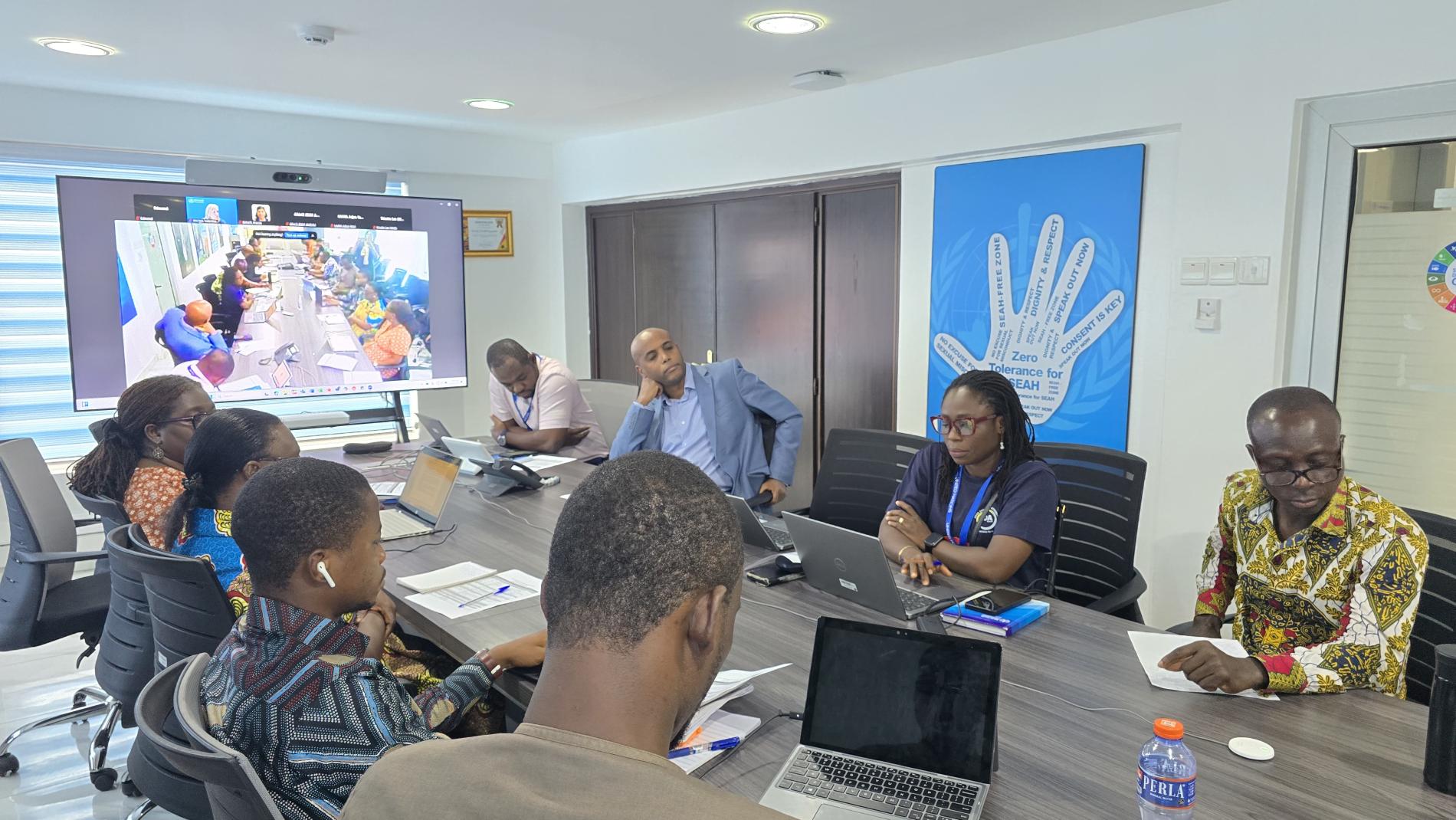
Ghana is making significant progress toward strengthening its school health system through the ongoing revision of its national School Health Policy. Supported by the World Health Organization (WHO) and funded by Fondation Botnar, this initiative seeks to alignthe draft policy with the WHO-UNESCO Global Standards for Health-Promoting Schools (HPS). These standards provide a comprehensive framework for creating safe, inclusive, and supportive school environments that foster both physical and mental well-being, while enhancing academic achievement.
Media Empowered to Tell Ghana’s Quality of Care Story
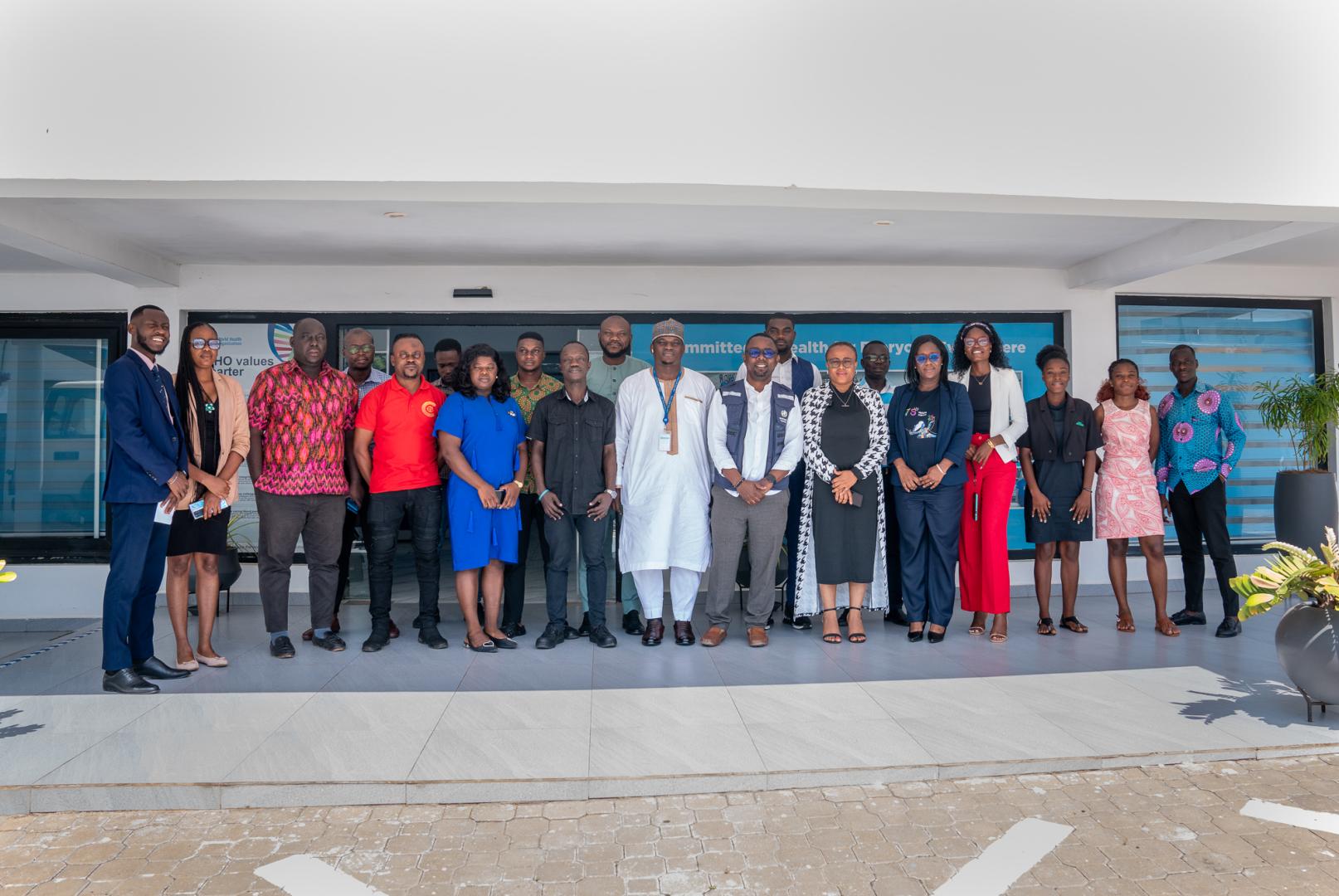
The media holds immense power to shape public opinion and influence how people understand health issues. More than just storytellers, journalists play a crucial role in driving accountability and shaping national health priorities. When done right, their work transforms numbers and reports into meaningful public conversations that can improve health outcomes for all.
WHO Africa endorses roadmap for safeguarding communities in health emergency operations
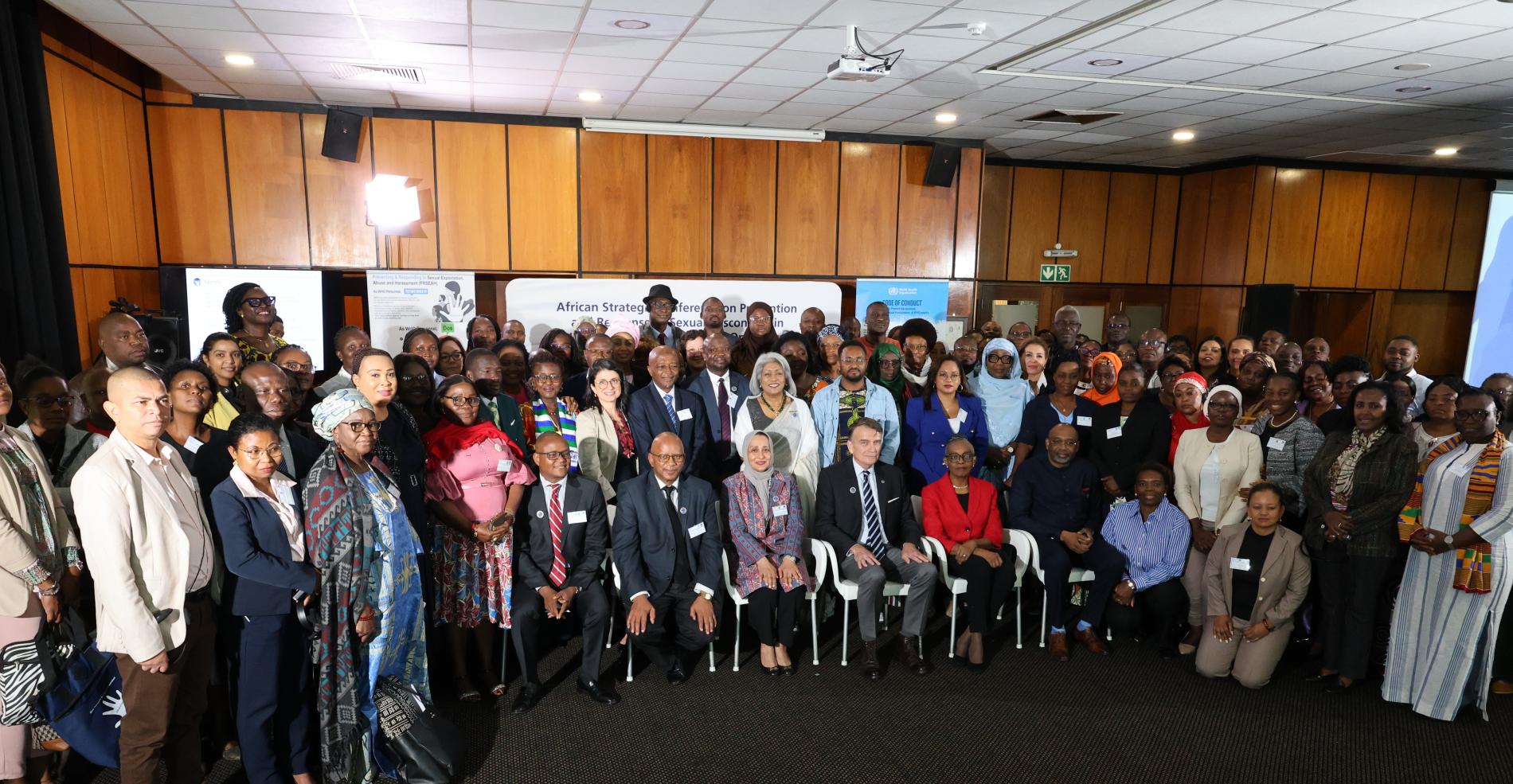
Pretoria—The World Health Organization (WHO) in the African region, Member States and partners have agreed on a roadmap to protect communities during public health emergencies, becoming the first region to formally establish systems that hold both governments and WHO jointly accountable for preventing and addressing sexual misconduct in their shared operations.
Namibia strengthens national preparedness through tabletop simulation Exercise
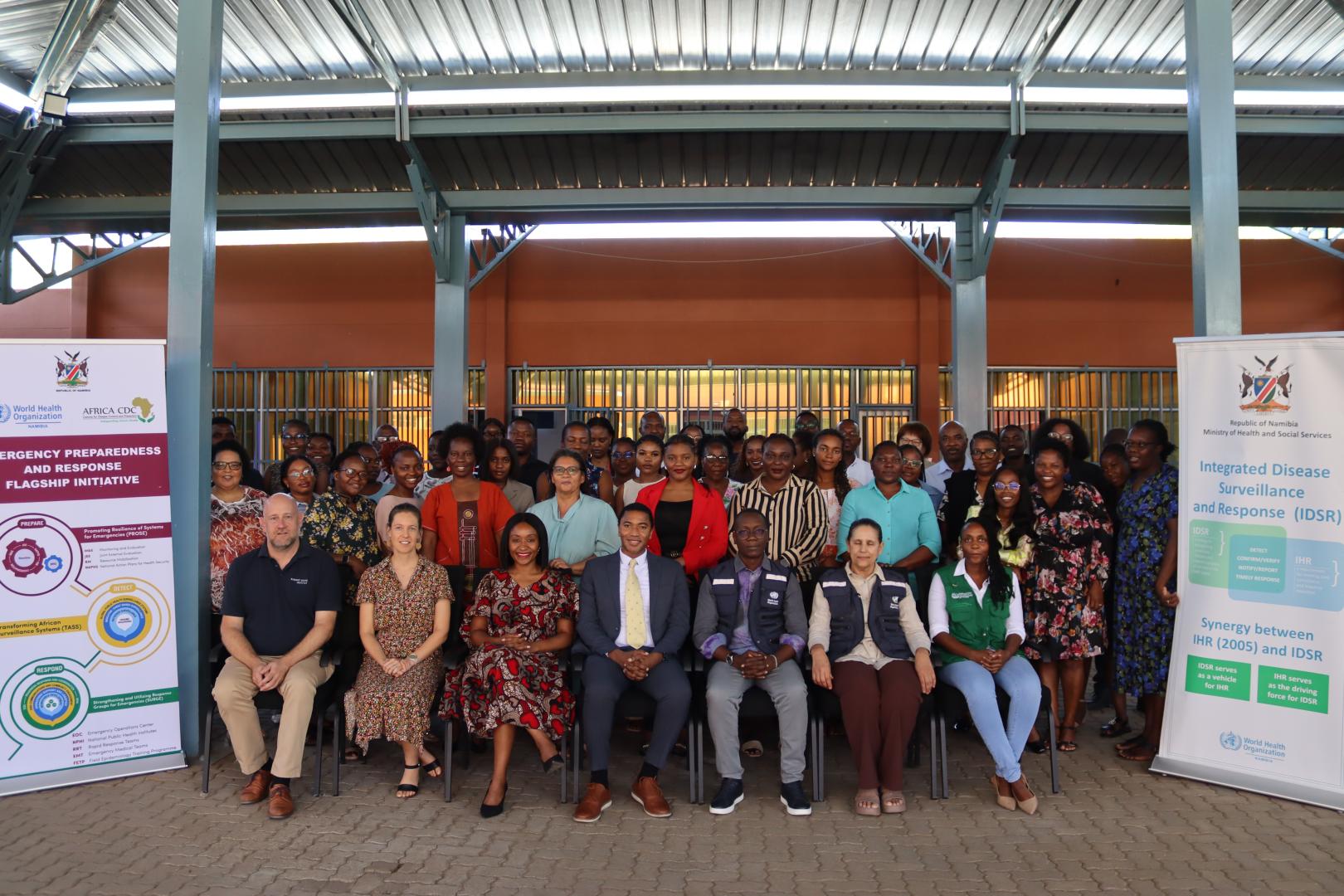
Windhoek—Public Health Emergency Operations Centres (PHEOCs) are essential platforms for managing the full spectrum of the Public Health Emergency Management (PHEM) cycle, from preparedness and detection to response, recovery and post-event evaluation. As centralized hubs for multisectoral and multidisciplinary coordination, PHEOCs enable countries like Namibia to anticipate, monitor and respond to health threats with agility and efficiency.
Ministry of Health, WHO, and World Diabetes Foundation unite to strengthen diabetes and hypertension prevention and care in Uganda

At Maziba Health Centre IV in Kabale district, a clinical officer Jovita Atuheire gently explains to Sarah—a patient presenting with general body weakness—that she has hypertension. Thanks to the integrated screening services supported by the World Health Organization (WHO) and World Diabetes Foundation (WDF), Sarah leaves the facility with a clear understanding of her blood pressure and blood sugar levels, and a plan for managing the hypertension.
WHO Director-General and Regional Director for Africa visit Angola and reinforce commitment to strengthening the health system
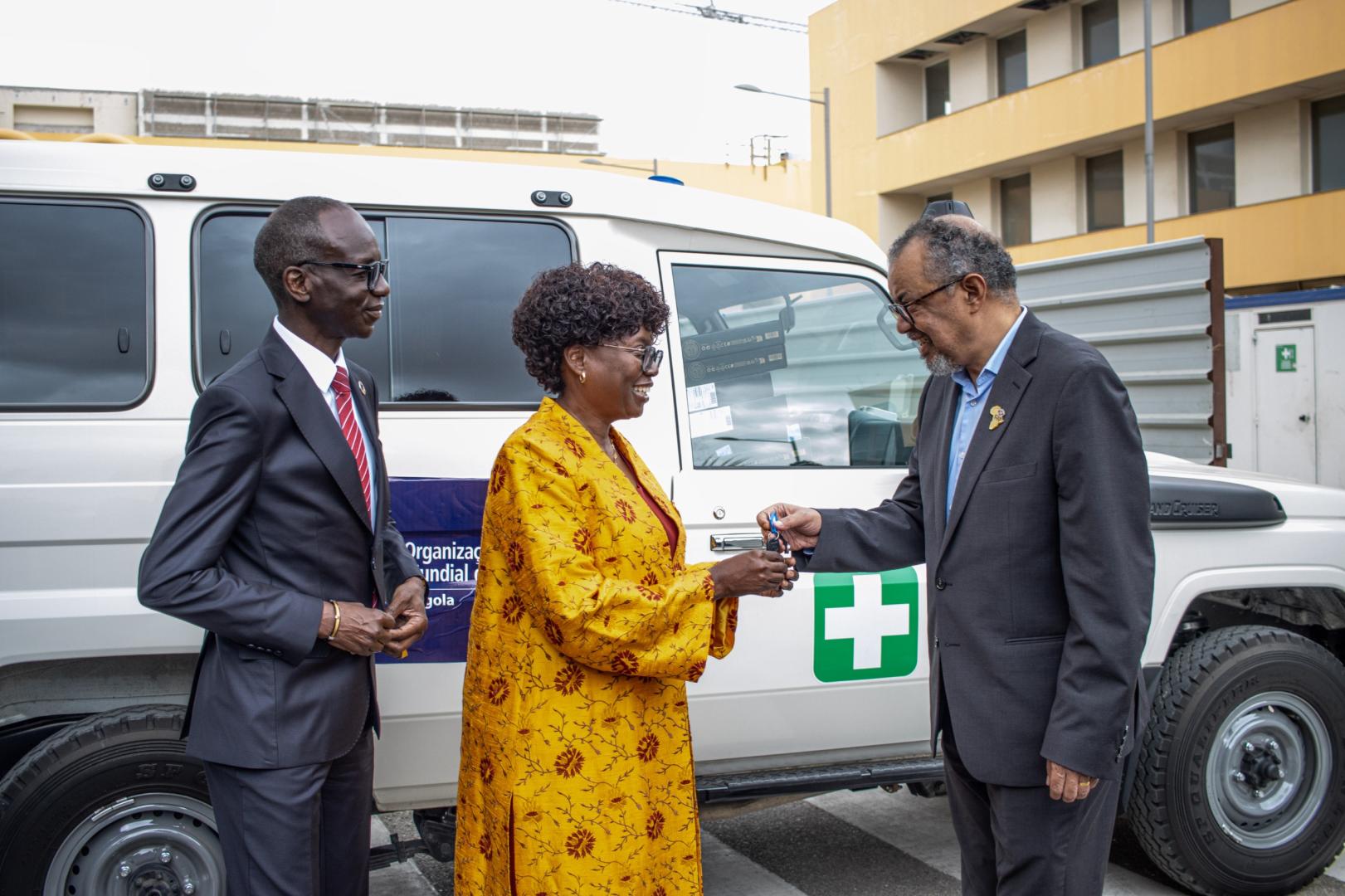
The Director-General of the World Health Organization (WHO), Dr. Tedros Adhanom Ghebreyesus, and the WHO Regional Director for Africa, Dr. Mohamed Yakub Janabi, are paying an official visit to Angola from November 24 to 25, 2025, as part of their participation in the 7th African Union-European Union Summit.