WHO provides 3,360 testing kits to Uganda for screening the COVID-19 Omicron variant of concern
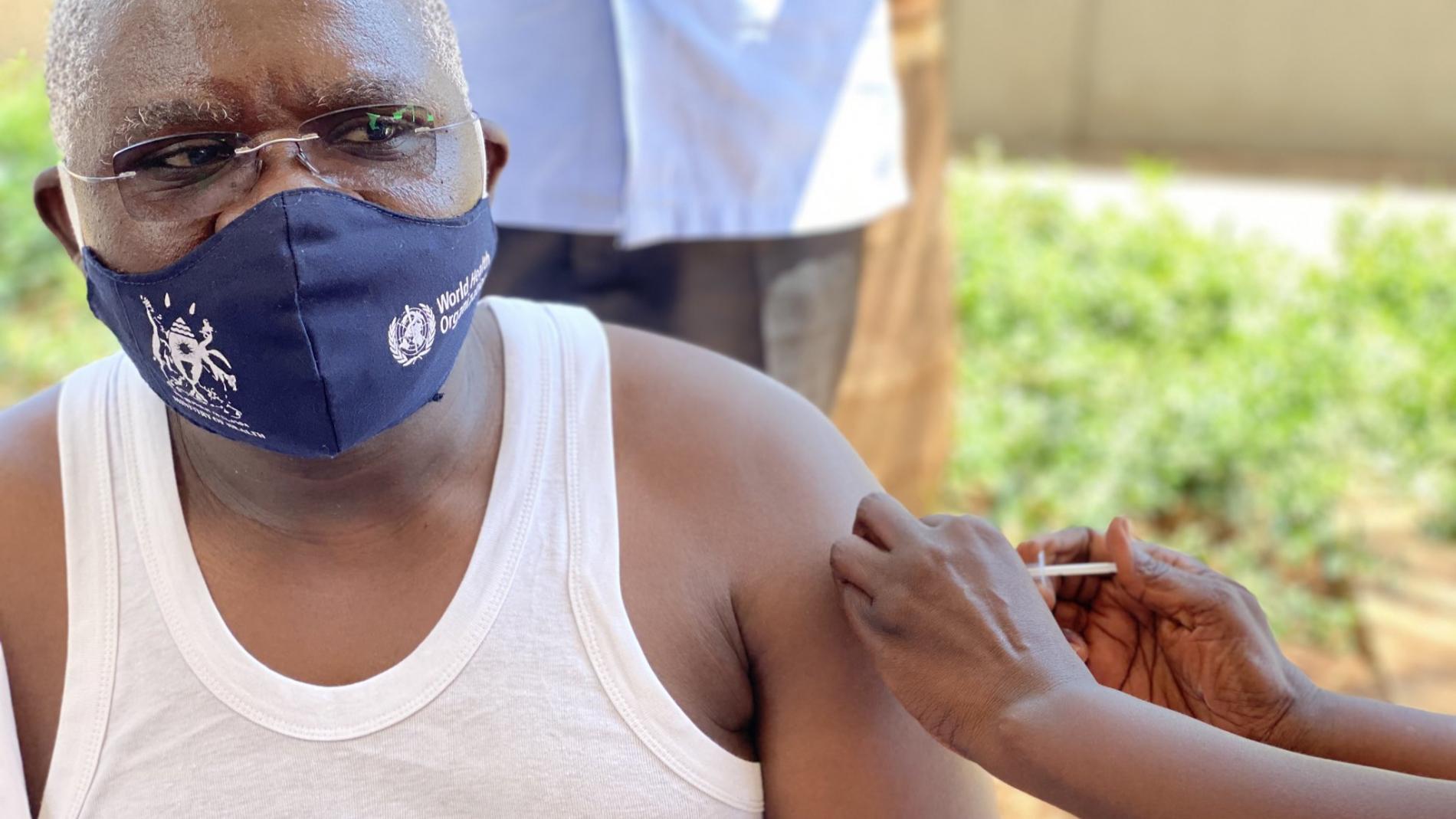
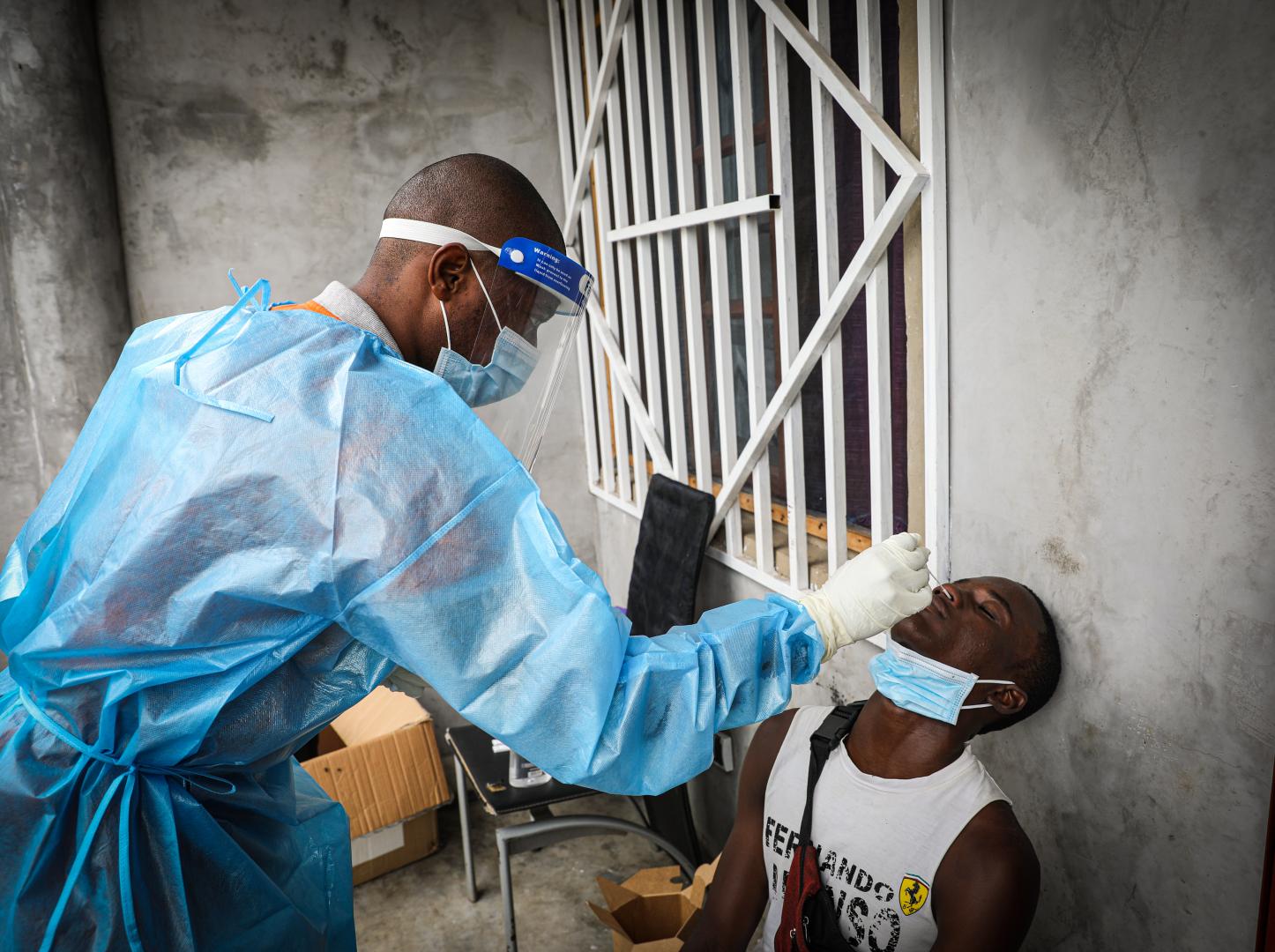
Kampala, December 09, 2021: - As part of the prevention and rapid identification of a new COVID-19 variant in Africa, the World Health Organization (WHO) has provided the Uganda Virus Research Institute (UVRI) with a total of 3,360 test kits for the genotyping of variants of concern.
"These PCR screening assay kits procured by WHO is a boost to the county’s existing capacity to identify the predominant Delta variant and indicate the presence of Omicron, the new COVID-19 variant of concern."- Dr. Jane Ruth Aceng, Uganda's Minister of Health.
Omicron spreads but severe cases remain low in South Africa
Namibia joins “Zero Malaria Starts With Me” campaign
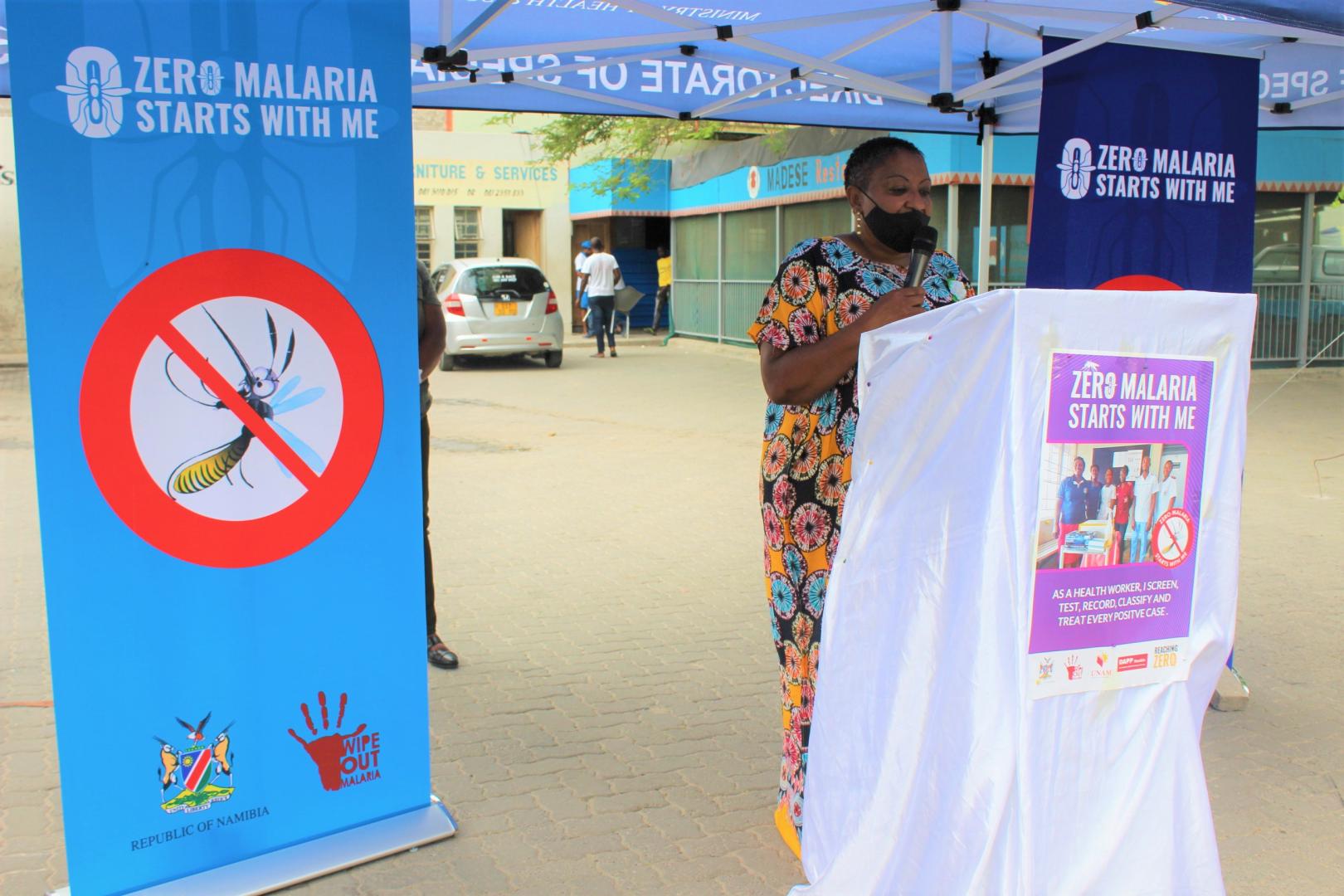
Namibia joins 21 other African Countries with the recent launch of the ‘Zero Malaria Starts with Me’ campaign.
This pan-African movement aims to accelerate prevention efforts against malaria and calls on individuals, communities, political leaders, and private sector to make a personal commitment towards malaria prevention.
COVID-19 pandemic slows progress against tuberculosis
WHO South Sudan conducts a consultation meeting with the Ministry of Health to review the draft 2022-2023 biennium plan.
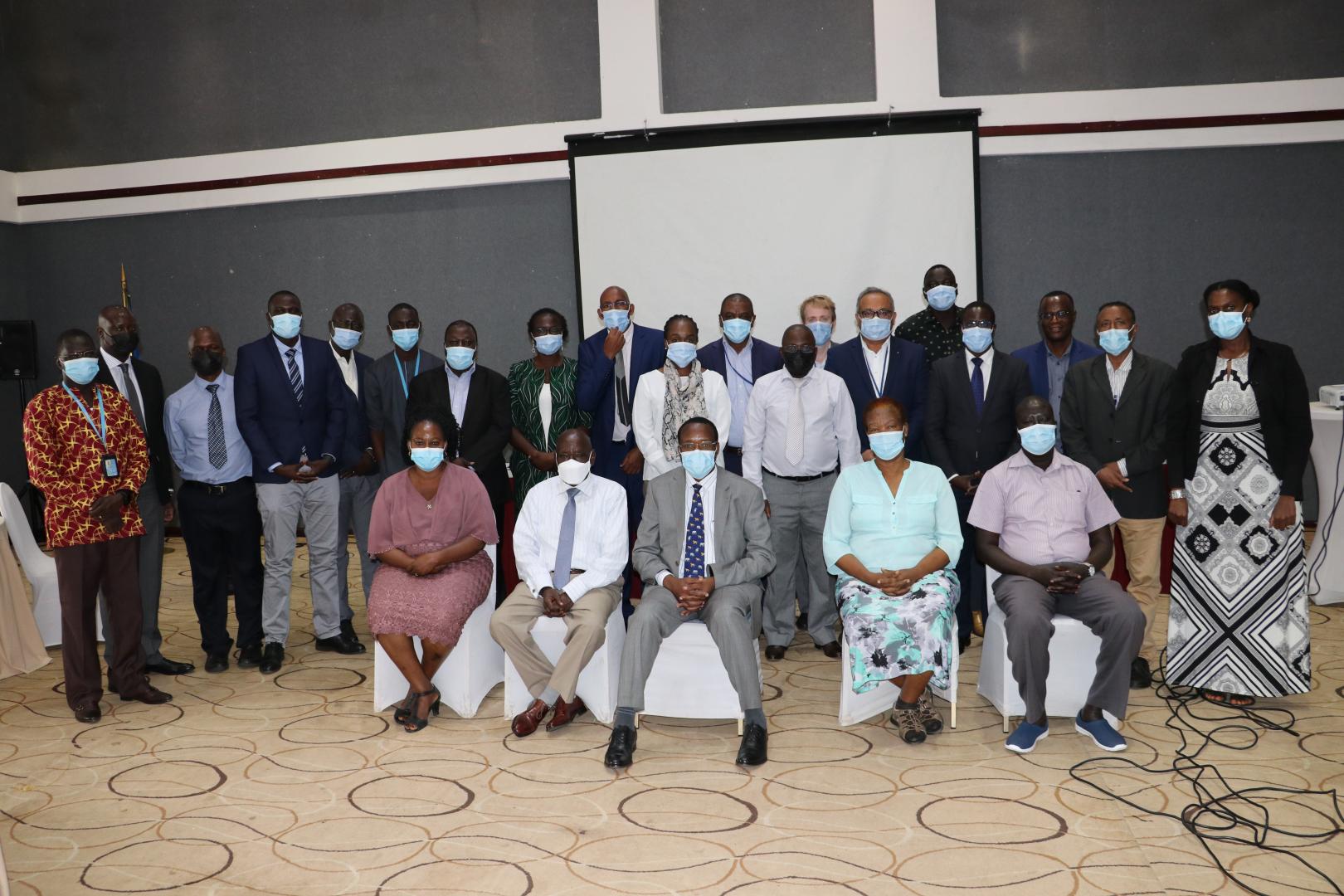
6 December 2021, Juba -The World Health Organization (WHO) South Sudan Country Office held a consultative meeting with the senior management of the Ministry of Health on 6 November 2021. The aim of the meeting was to align WHO workplans for 2022-2023 biennium with country priorities.
WHO plans in two-year cycles (biennium) with the current biennial plan 2020-2021 ending on 31 December 2021.
Minister calls for strengthened health systems to weather the storm of new and future pandemics.
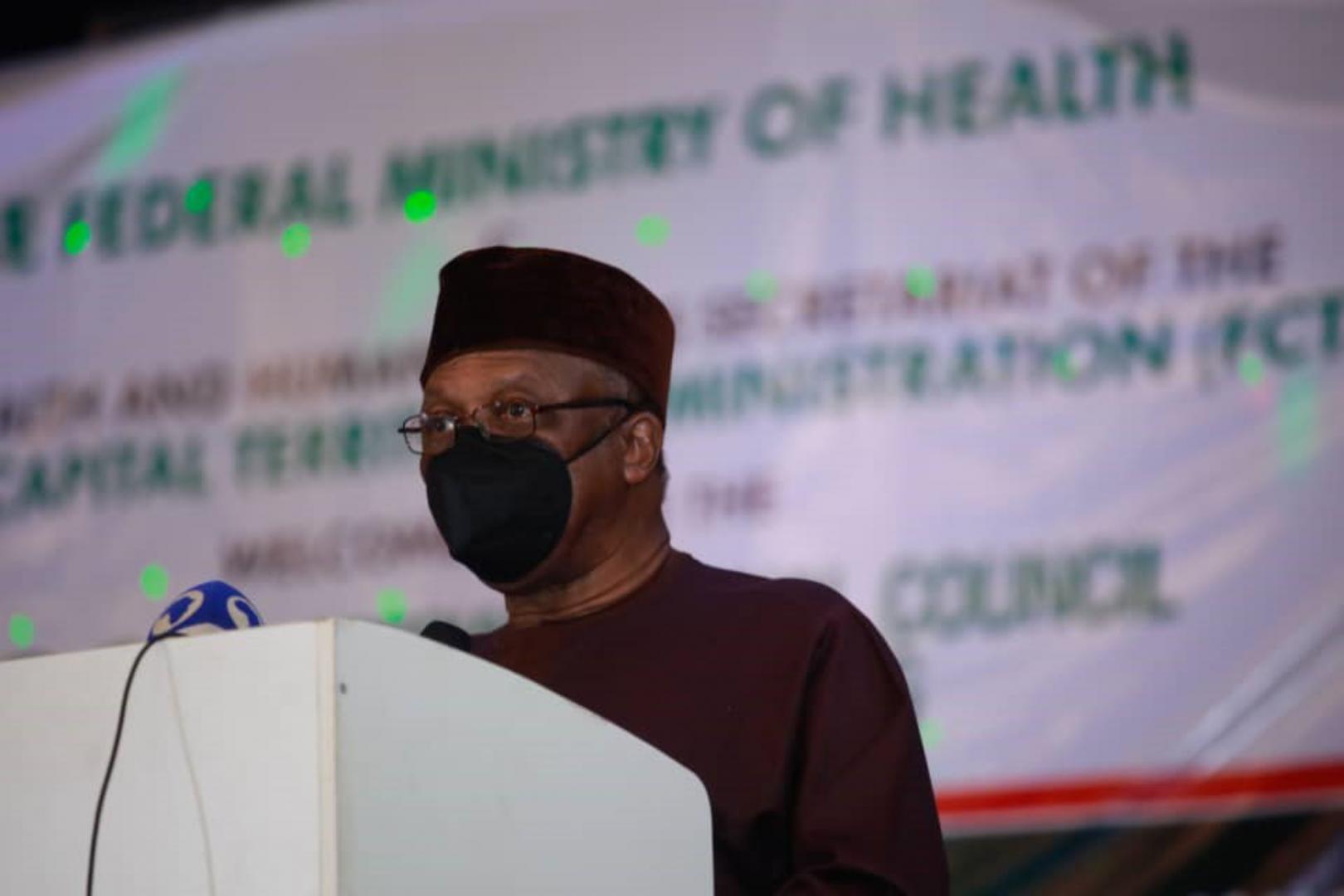
Abuja, 7 December, 2021 - Nigeria’s Minister of Health, Dr Osagie Ehanire has urged delegates to the special National Council on Health (NCH) to embrace the aftermath of COVID-19 pandemic for strengthening the health system.
Africa cuts HIV infections, deaths but key targets still elusive
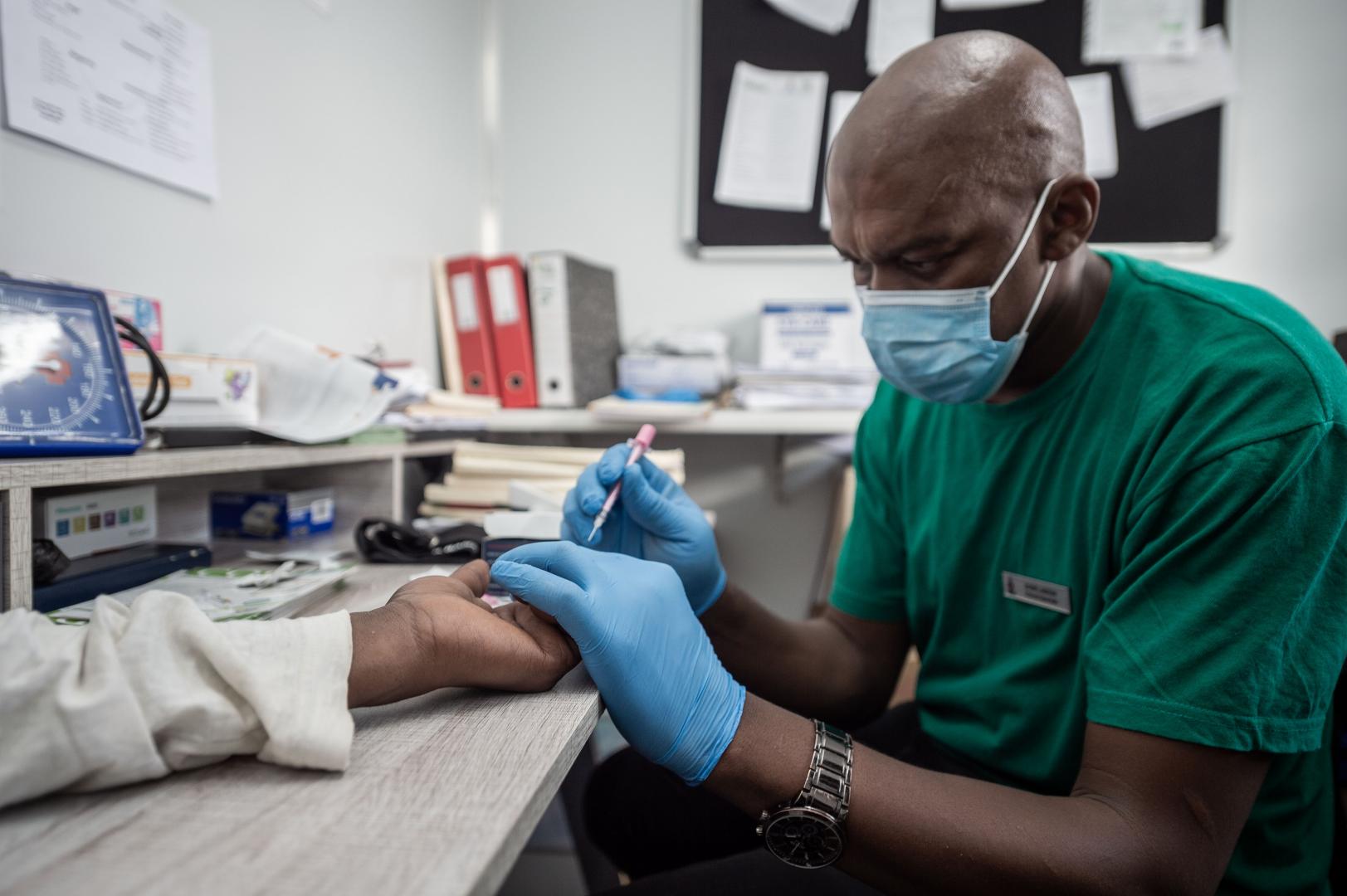
HIV/AID-protection and early detection, promise of health
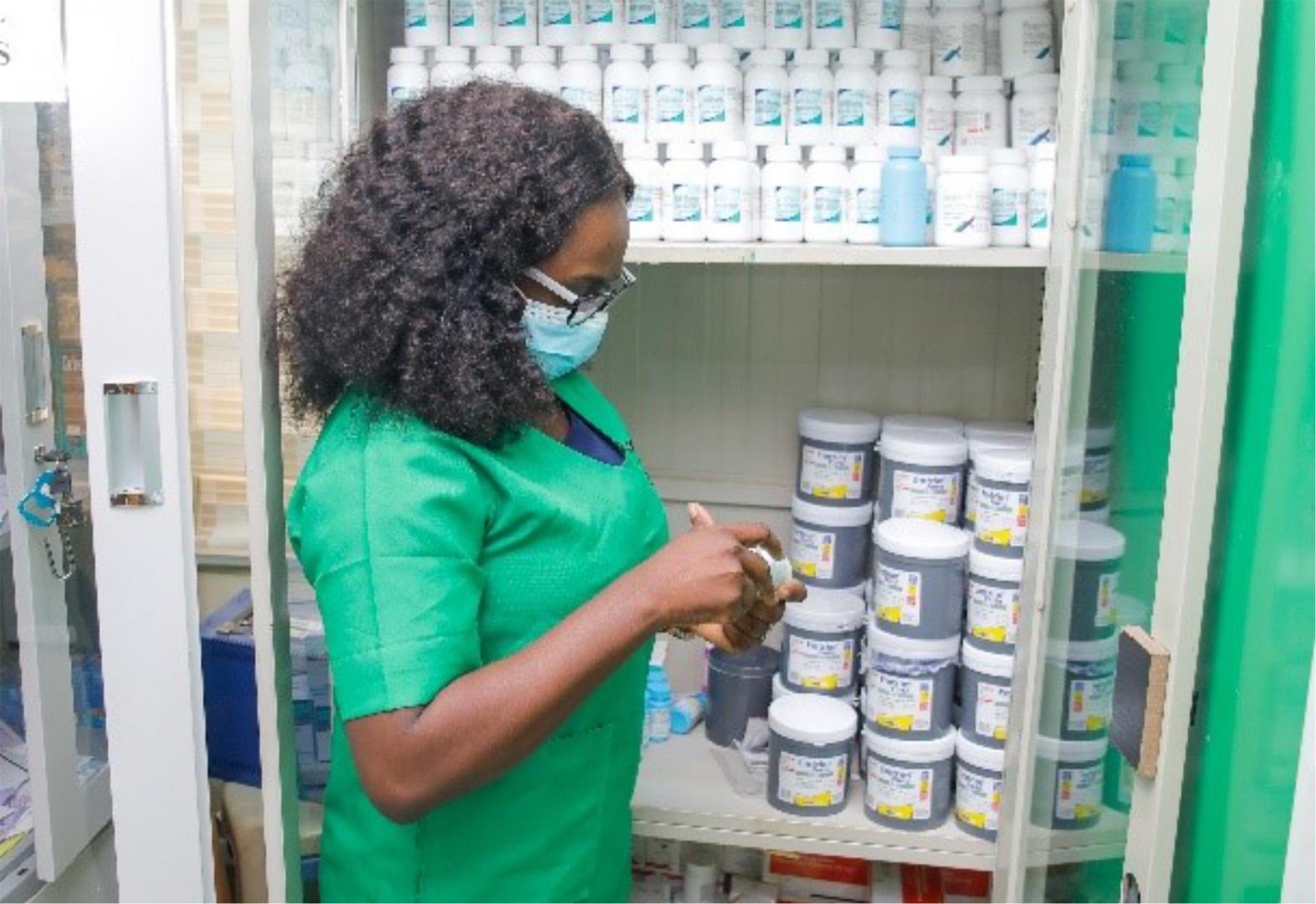
Uyo, 7 December, 2021 - To Ms Emmanuela Ezekiel will never forget the day, 12 years ago, when her life took a painful turn.
The 39-year-old lady was living with her husband in Uyo, Akwa Ibom when she felt sick and decided to visit the hospital. After running series of tests, she was confirmed HIV (Human Immunodeficiency Virus) positive at the age of 28.
Osun state adopts integrated strategies, targets over two million residents for COVID-19 vaccination
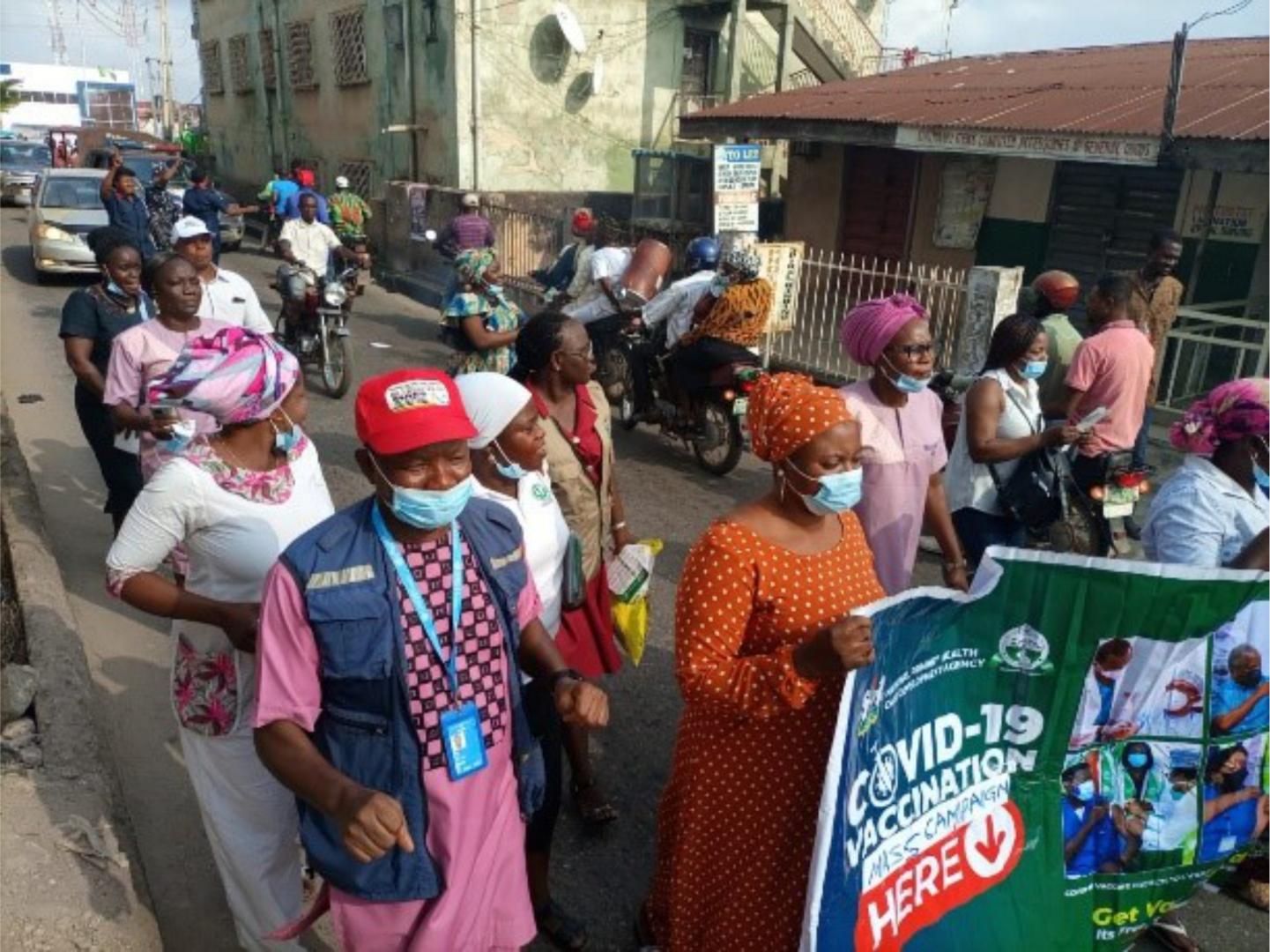
Osun, 3 December, 2021 - As the festive season draws near and less than 2.9 % of Nigerians are vaccinated with the COVID-19 vaccine, the Osun State is implementing innovative integrated strategies to increase the percentage of the residents getting vaccinated against the virus.
Marrying Public Health with Information Communication Technology (ICT)
Imagine a woman in a remote setting needing to return to the nearest health facility for follow-up treatment receiving a reminder on her mobile phone or a patient needing the next prescription of her hypertension medication receiving this by email without the physical contact at a health facility. Although these may seem small, it makes a difference in improving equitable access to health care to remote and underserved communities without the financial ruin or impoverishment.