WHO partners with European Investment Bank to revamp Primary Healthcare in Ethiopia
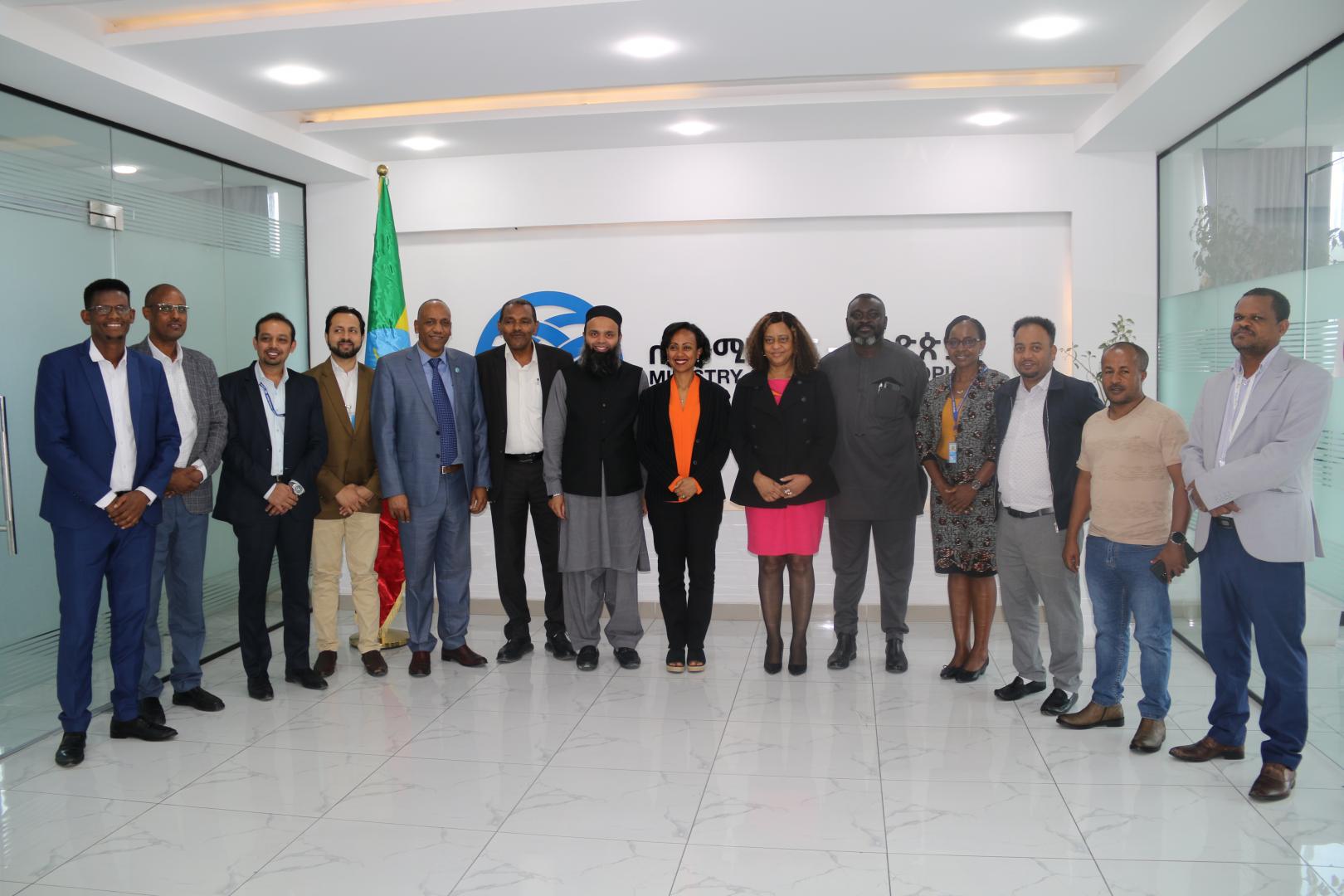
The World Health Organization (WHO) is partnering with the European Investment Bank (EIB) to support the Government of Ethiopia in the development of a Primary Healthcare (PHC) Investment plan and Primary Healthcare infrastructure roadmap.
A team from the three tiers of the World Health Organization (WHO Headquarters, WHO Africa Regional Office, and WHO-Ethiopia Country Office) deliberated with H.E Lia Tadesse, Ethiopian Minister of Health, on ways of fast-tracking the development of the Investment Plan and Healthcare Infrastructure Roadmap.
WHO Uganda Country Office in charity drive
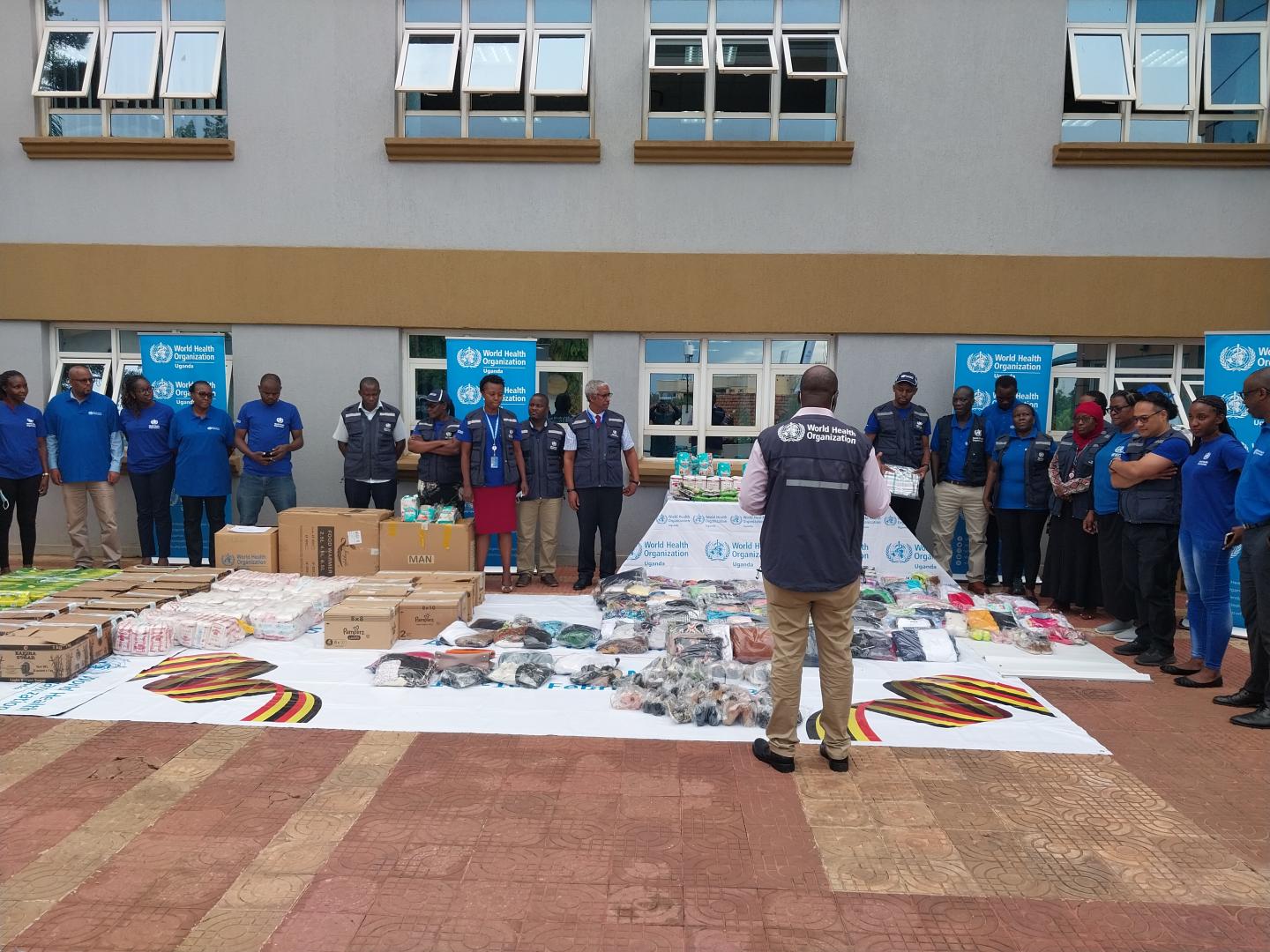
Kampala, Uganda – As part of the yearlong celebrations to mark the 75th anniversary of the World Health Organization (WHO) and commemorate the 2023 World Health Day, staff members at the Uganda Country Office organised a charity drive to support vulnerable children and bring smiles to at least 75 faces.
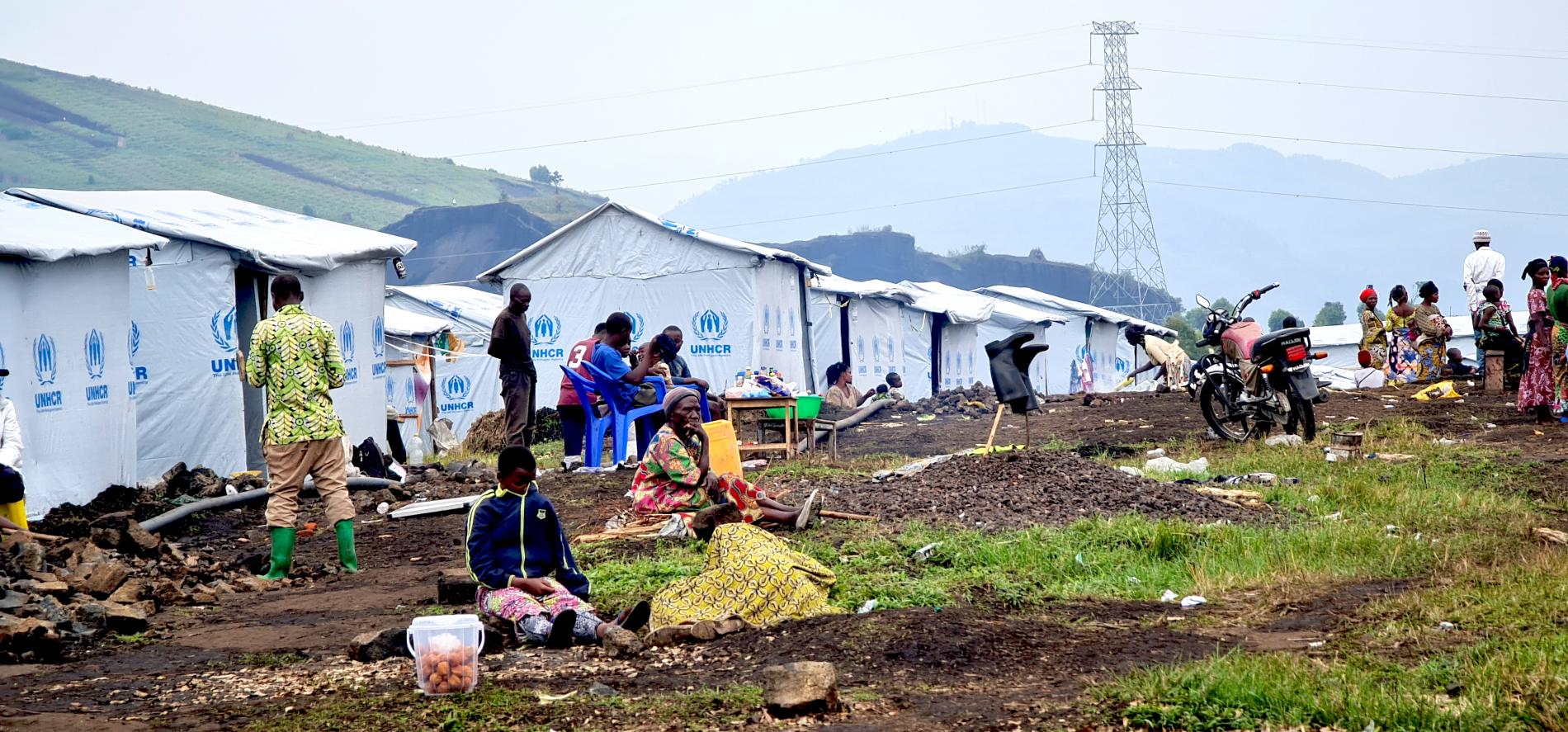
Déclaration L3 de mise à l'échelle du système des Nations Unies pour la République démocratique du Congo - 21 juin 2023
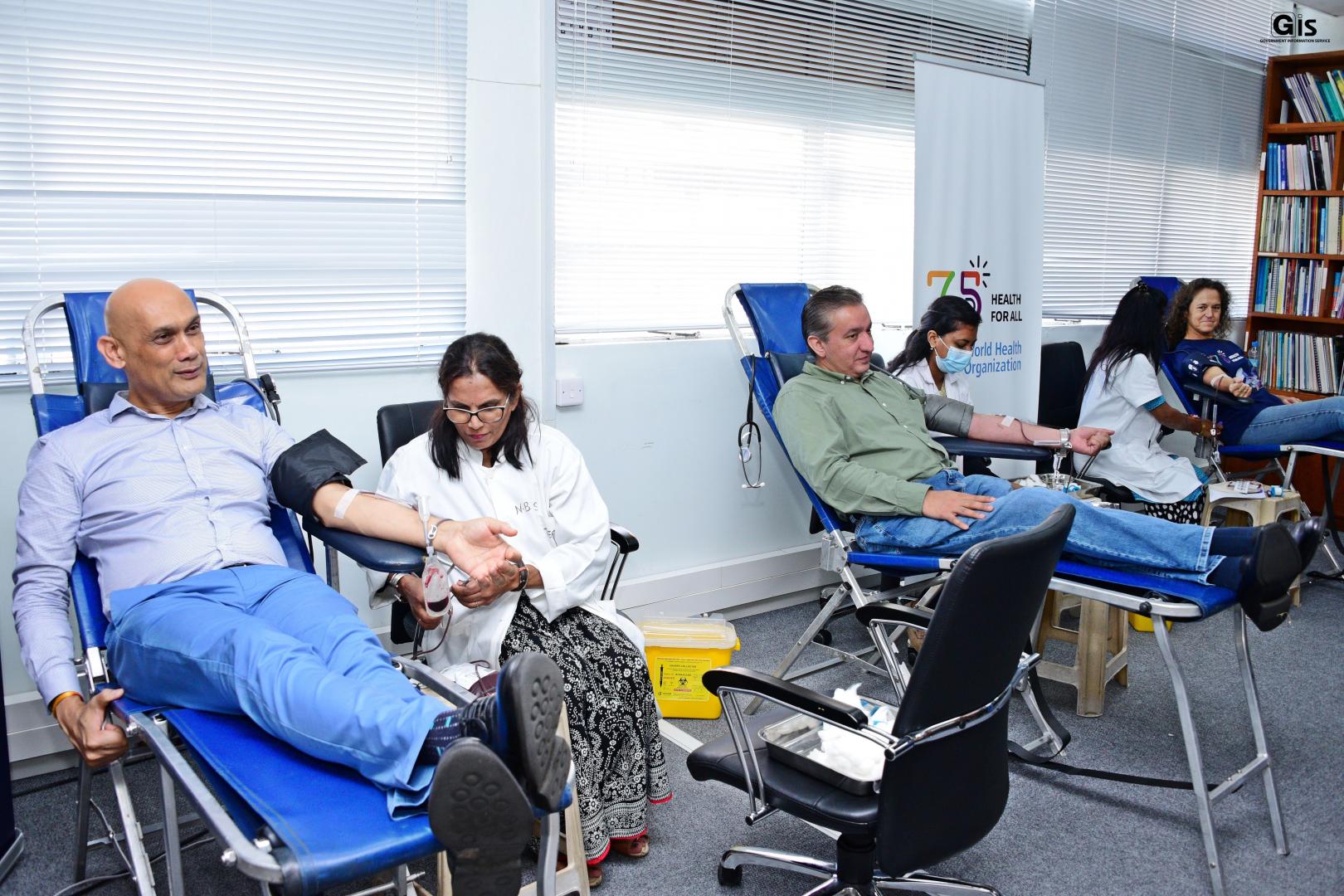
Blood drive at the WHO Mauritius to mark WHO 75th Anniversary
Zimbabwe Welcomes UN Special Envoy Jean Todt: A New Chapter for Road Safety Initiatives
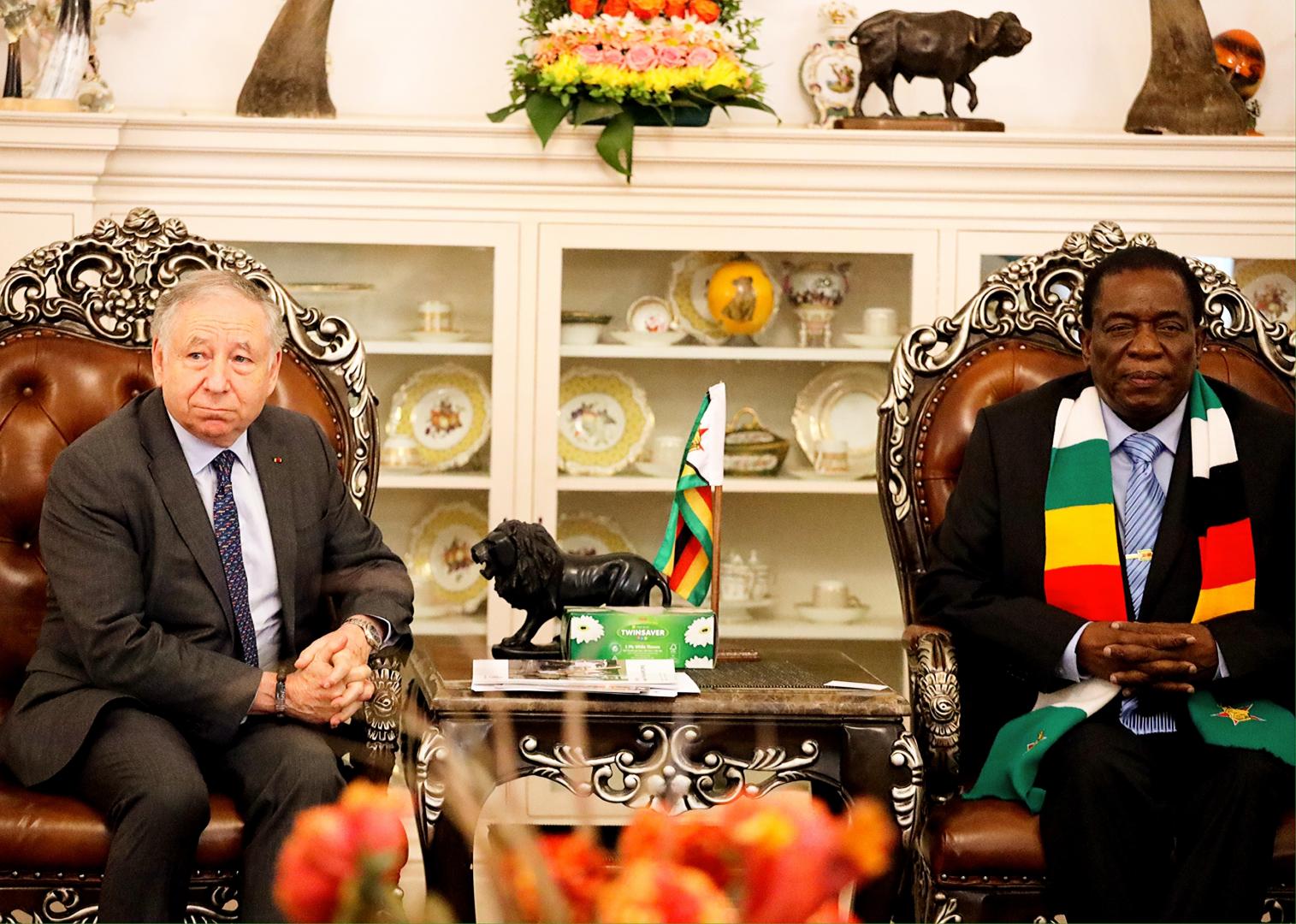
By Tatenda Chimbwanda
Sweden to invest additional $42 million to improve sexual and reproductive health in East and Southern Africa
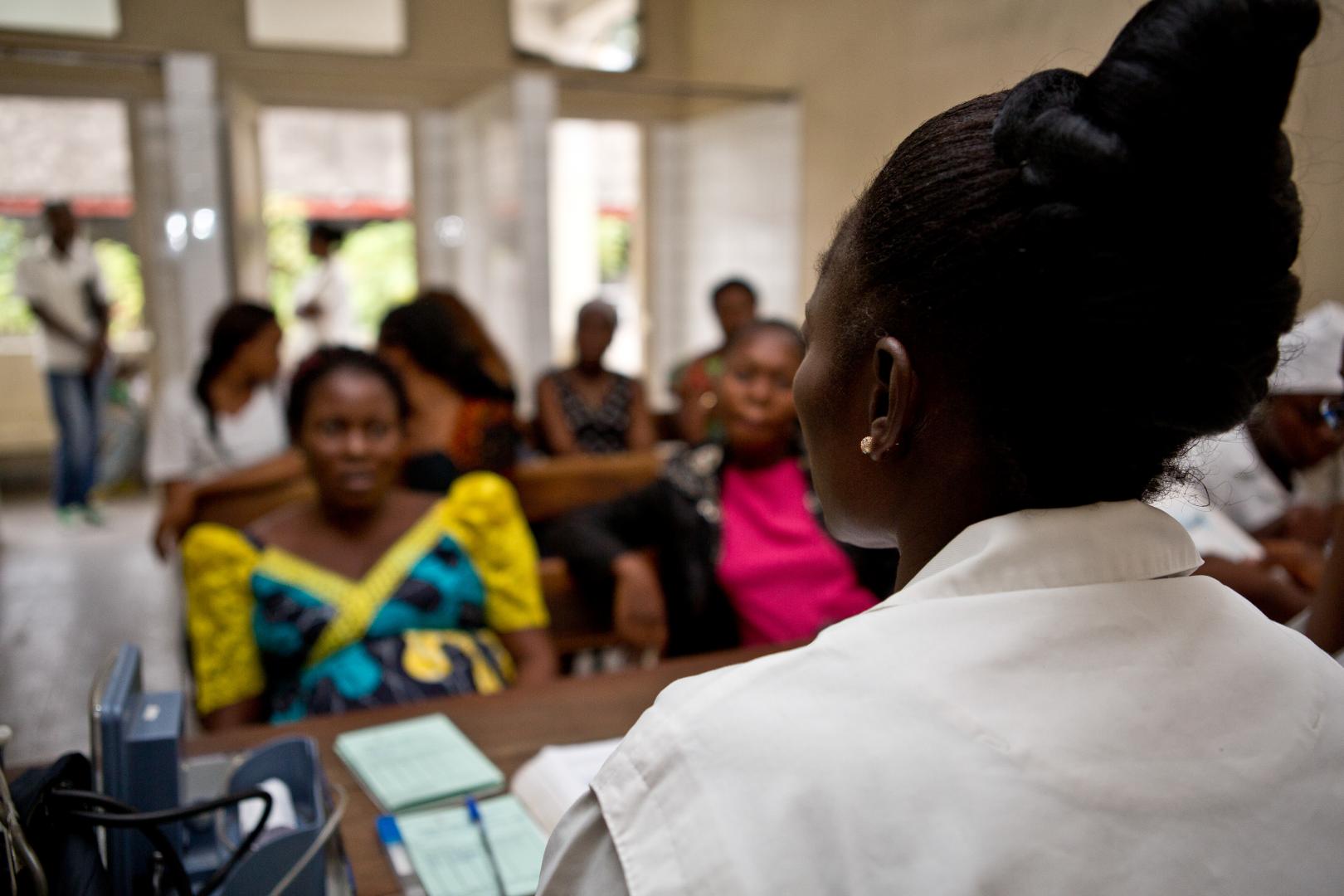
Lead Poisoning in Locally Manufactured Paints: A Threat to Zimbabwean Society
By Tatenda Chimbwanda
Strengthening disaster management and response in Tanzania
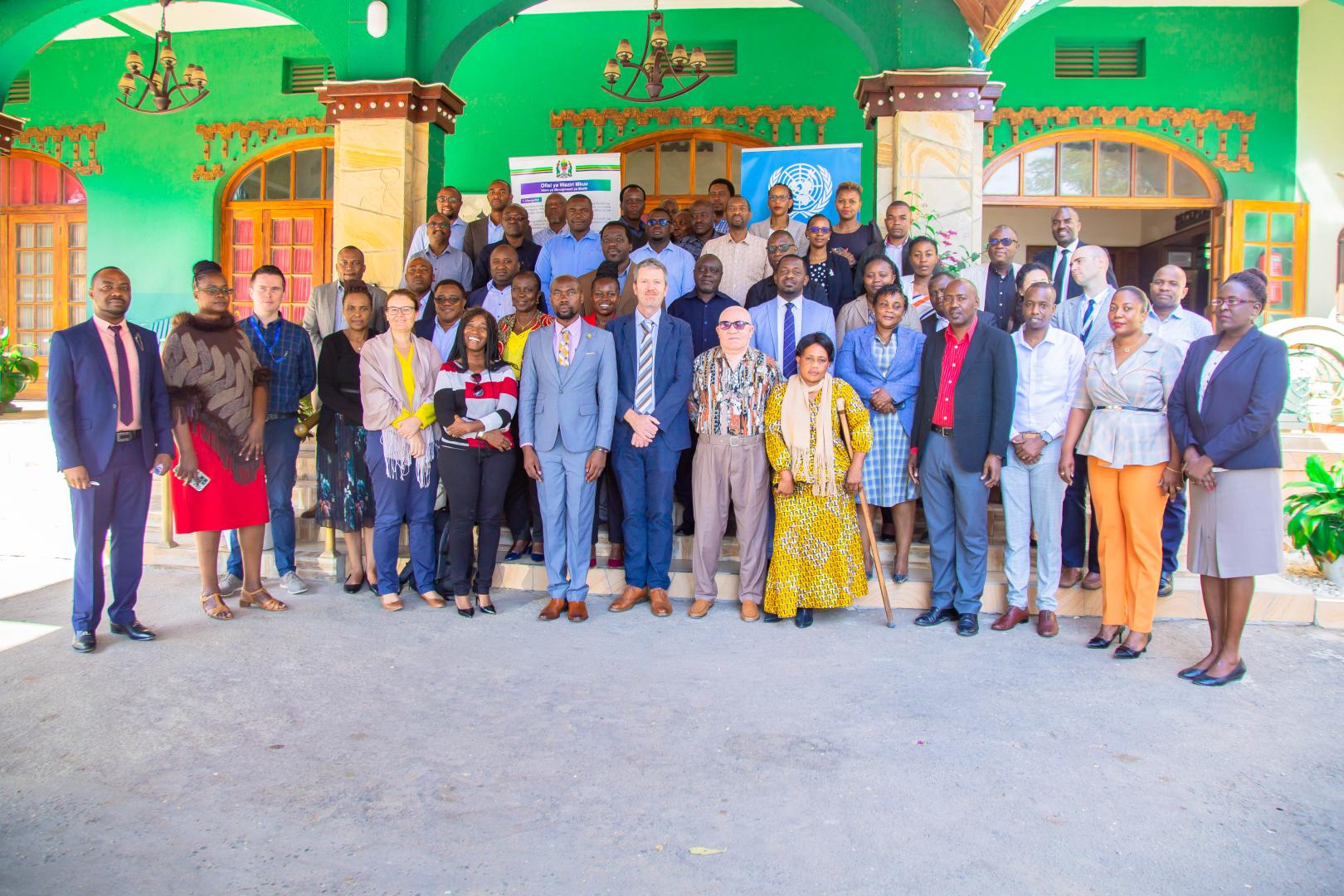
Dar es Salam - Over the recent years, climate change and natural disasters have increased in frequency and severity. They arrest development and disrupt livelihoods.
The management of these risks is vital to protect people’s health from emergencies and disasters, to ensure local, national, and global health security, to attain Universal Health Coverage and to build the resilience of communities, countries, and health systems.
Developing the National Health Research Strategic Framework (NHRSF) in Namibia
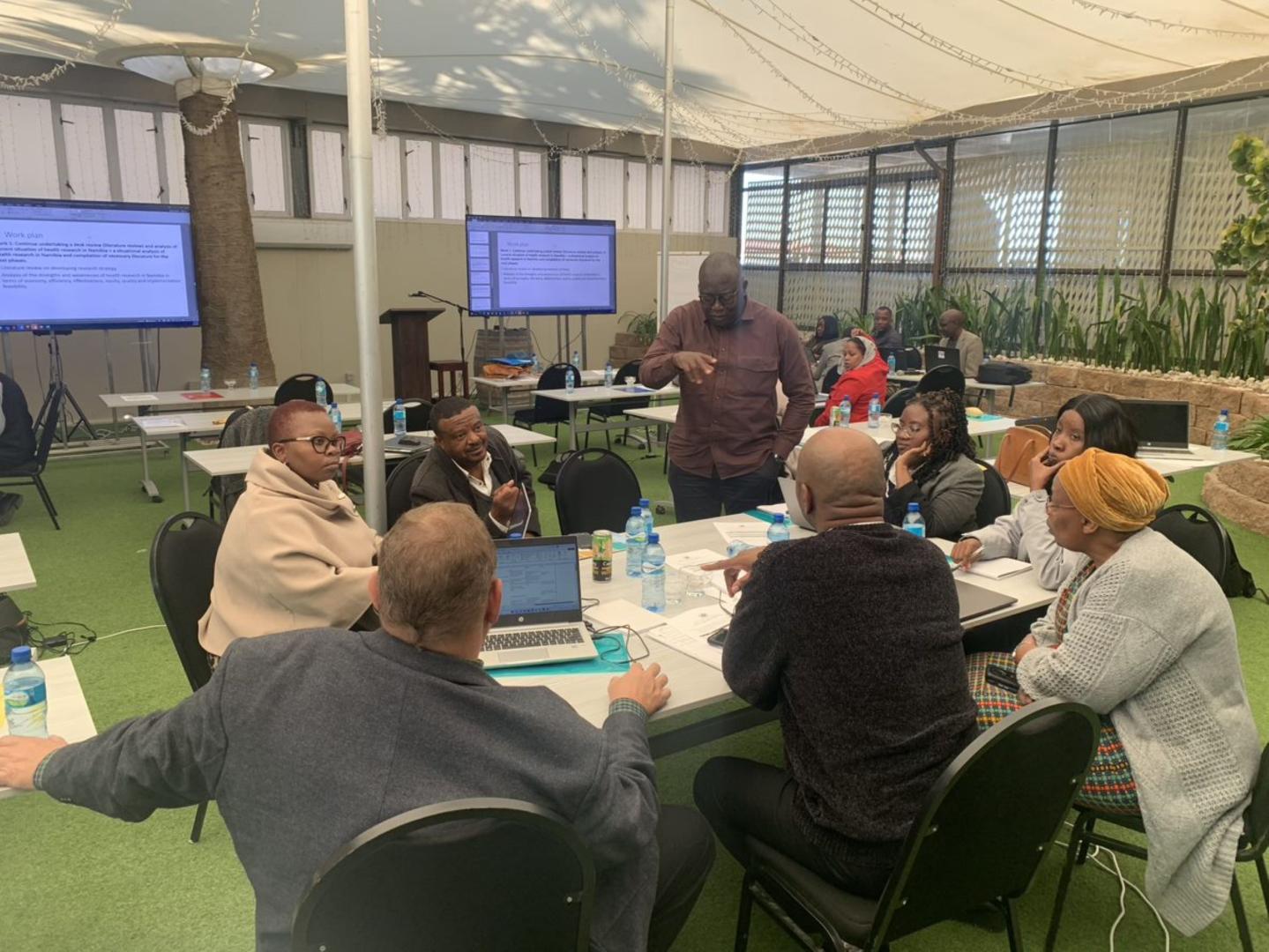
Health research is an essential tool for improving health and health equity. It provides evidence-based policy and decision-making and has the potential to deliver widespread population health changes that respond to critical needs and contribute to sustainable development outcomes in the world's poorest countries.
WHO/KOICA Project saving lives of mothers and babies in Busoga, Uganda
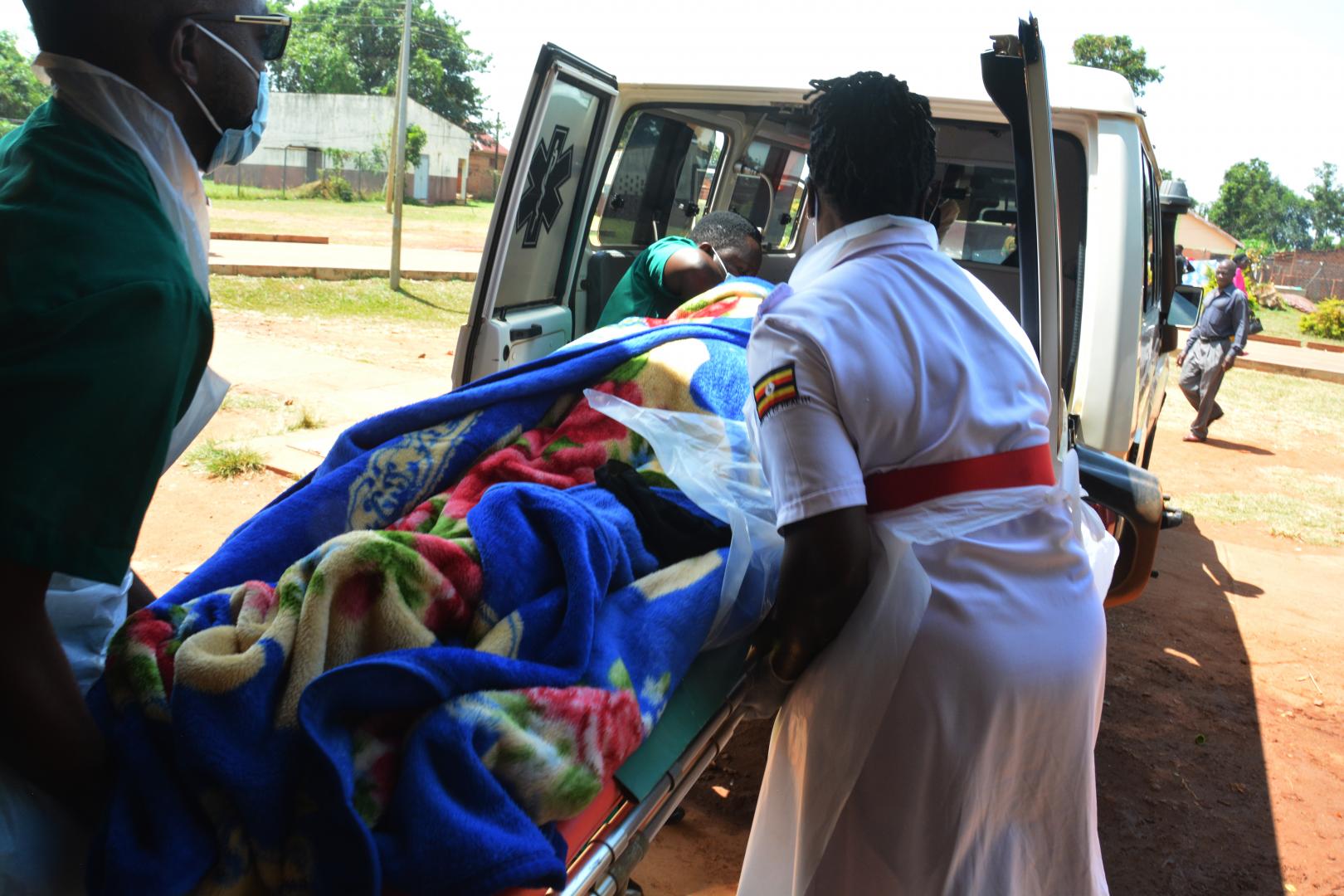
In many parts of the Busoga region in Eastern Uganda which has an estimated population of 8.3million people, it was common for boda bodas (motorcycles) to be used in transporting patients with medical emergencies requiring specialized care. This included pregnant women with pregnancy – related complications requiring emergency specialized care being transported either from their homes to the entry level health centers or from lower-level health facilities to higher ones.