Empowering Liberia's Emergency Care: WHO supports the Ministry of Health to strengthen the Emergency Health Systems and service delivery
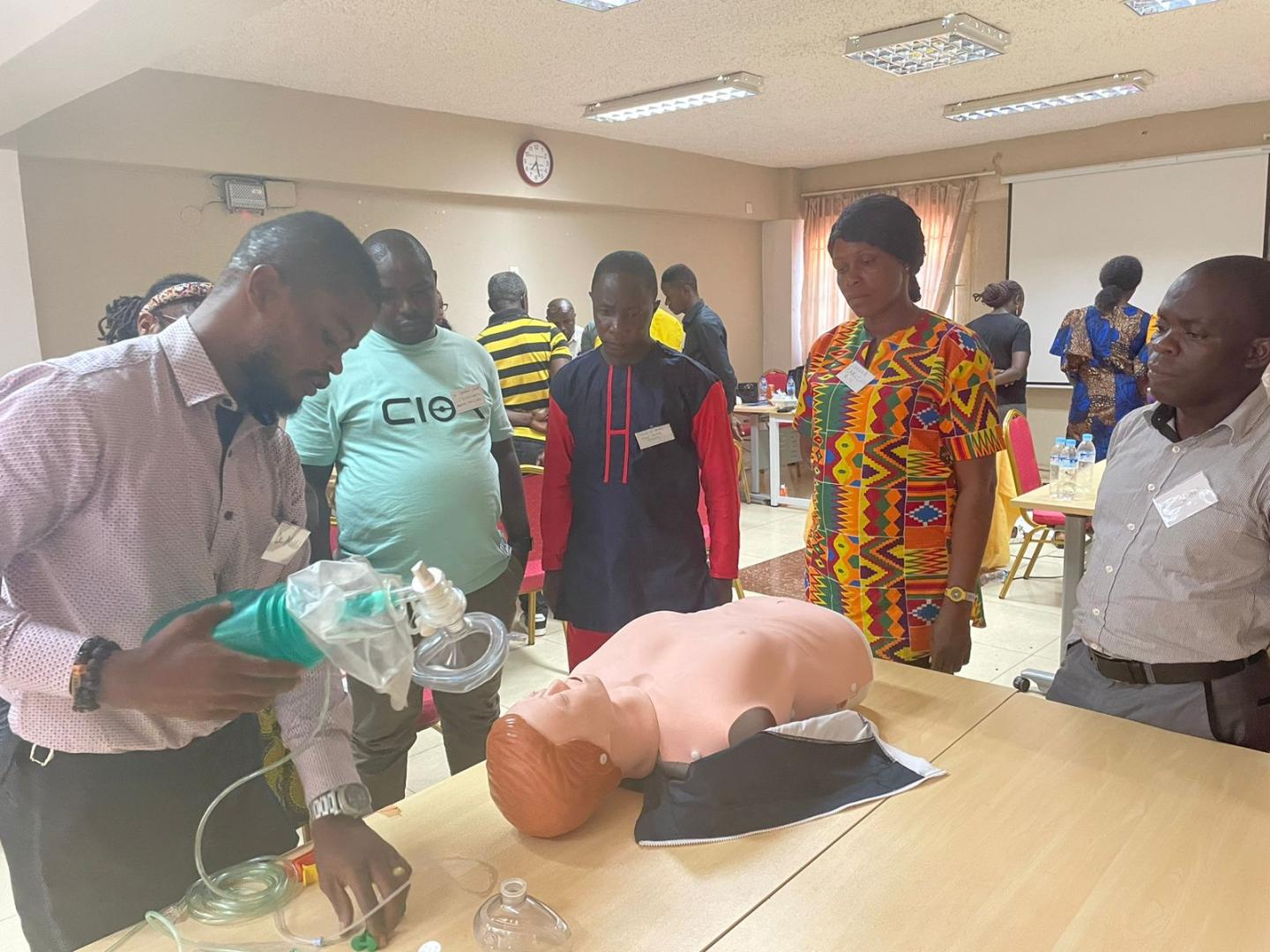
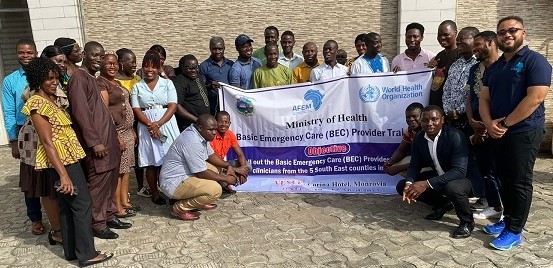
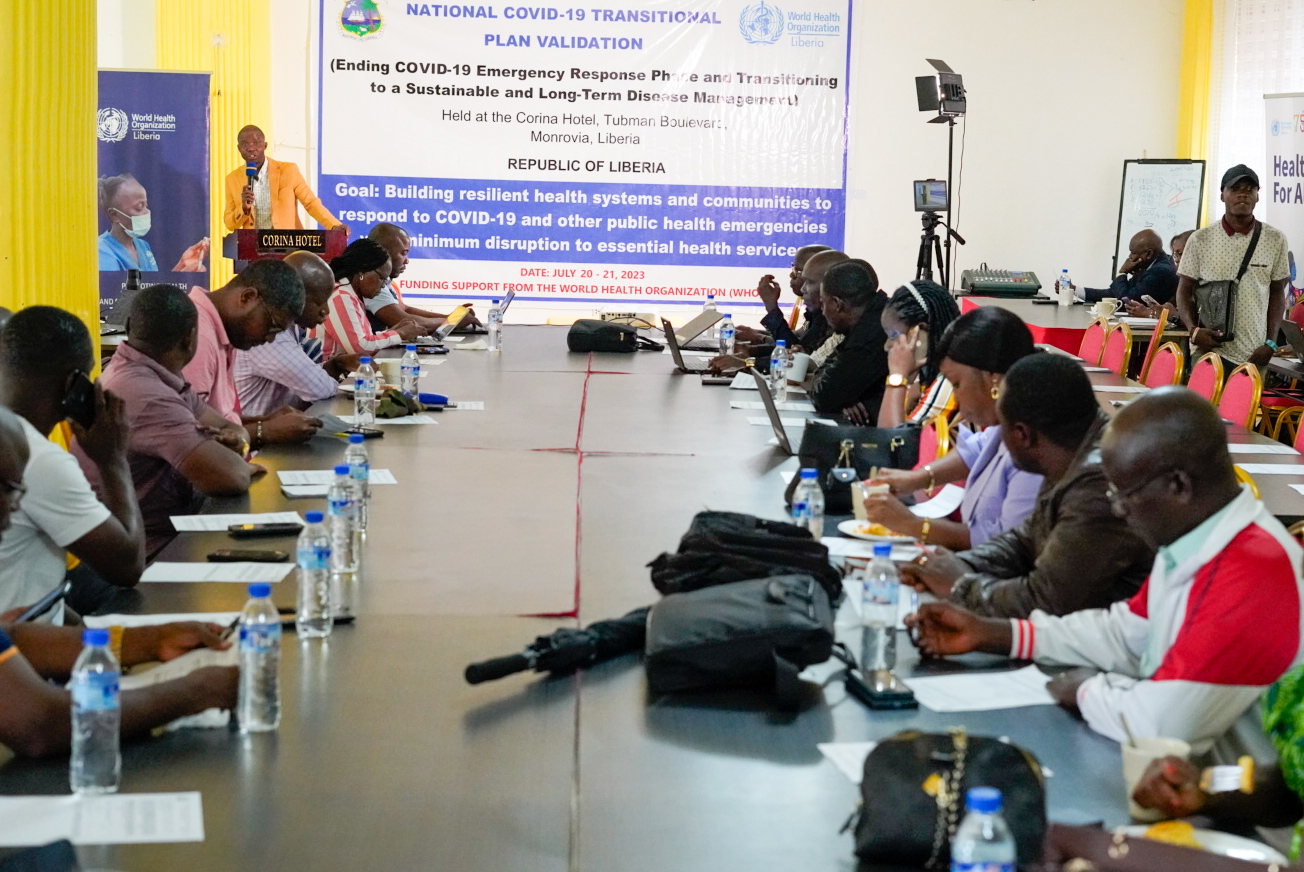
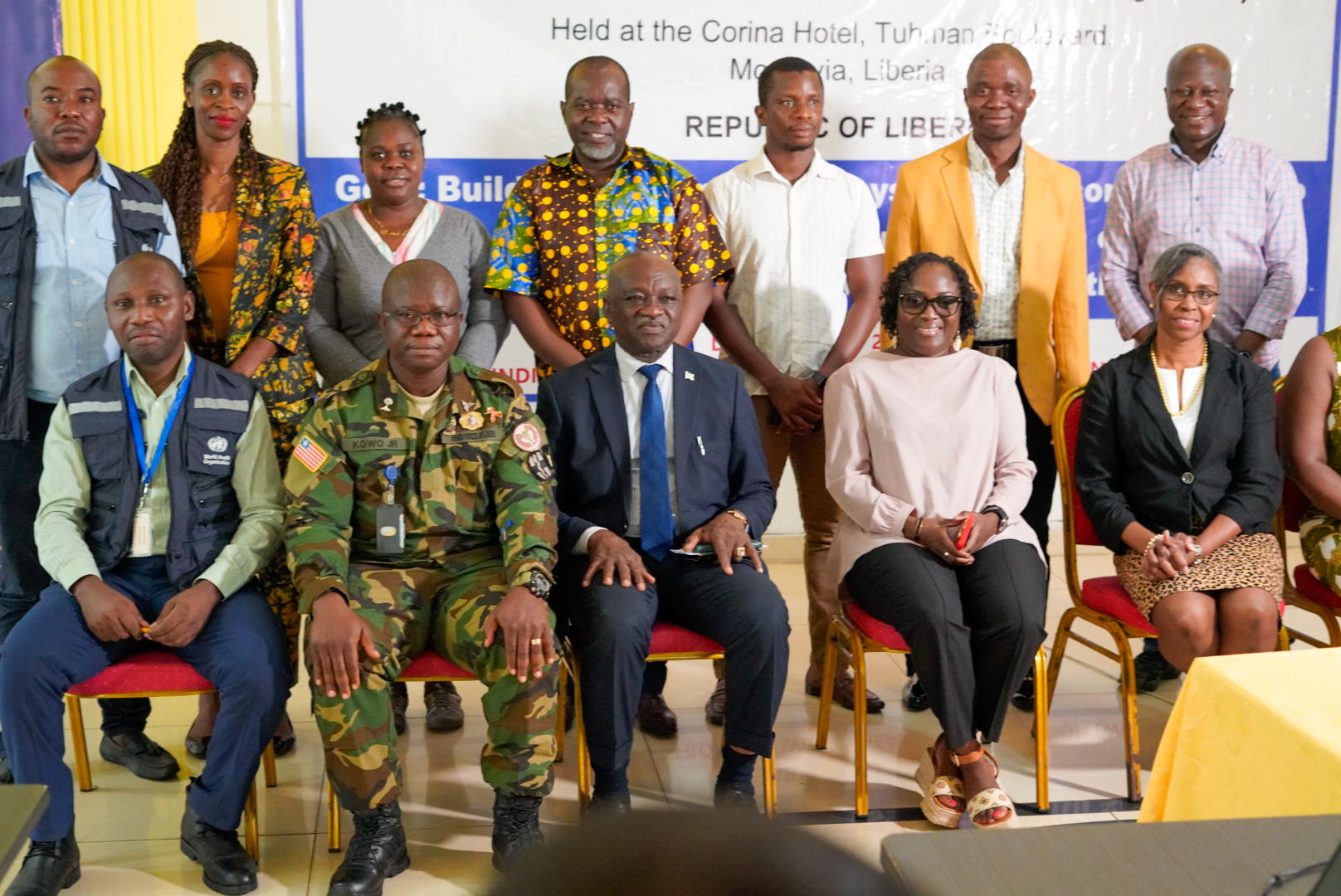
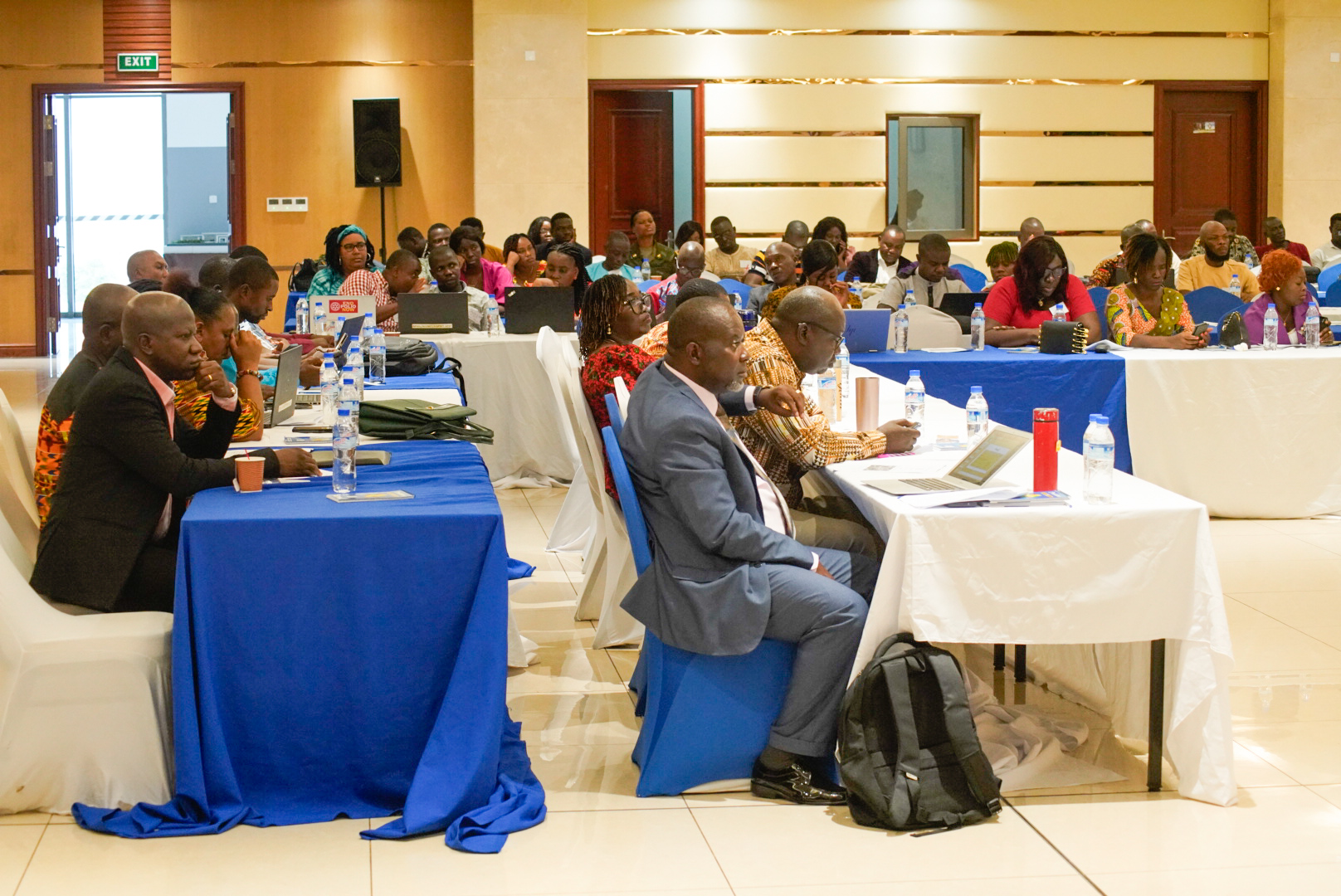
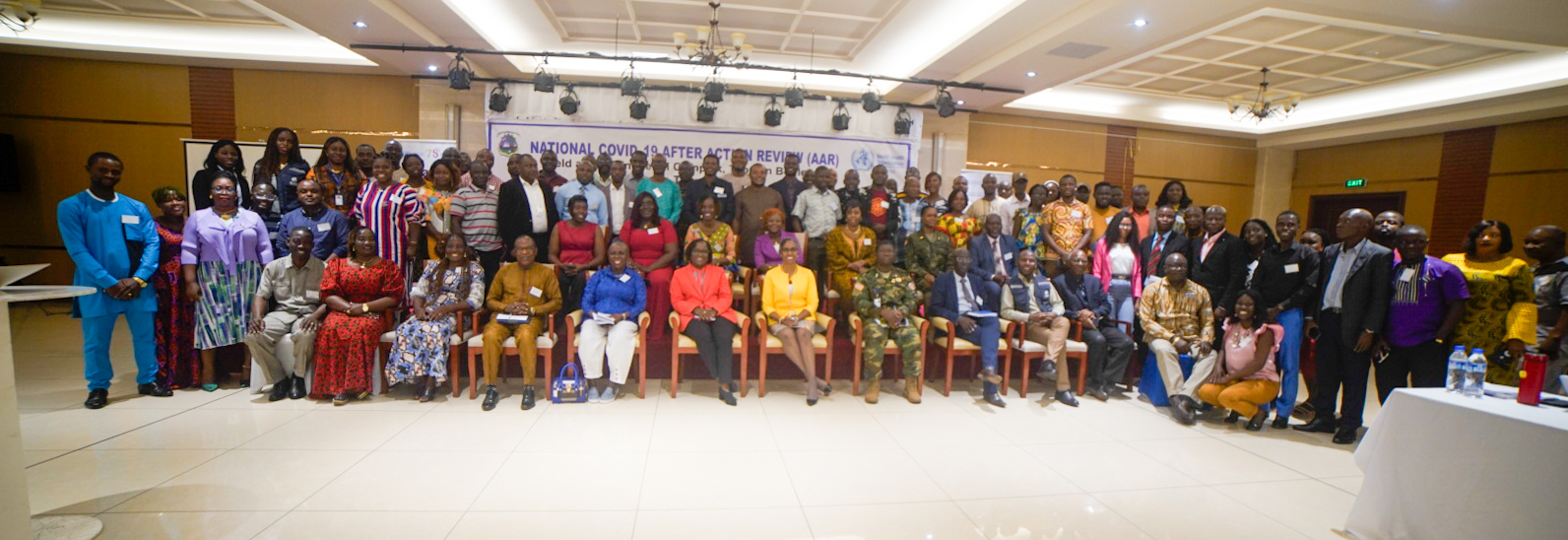
Monrovia, 27 July 2023: The World Health Organization (WHO) and partners continue to support Liberia's Ministry of Health (MoH) to revolutionize the country's emergency health system a
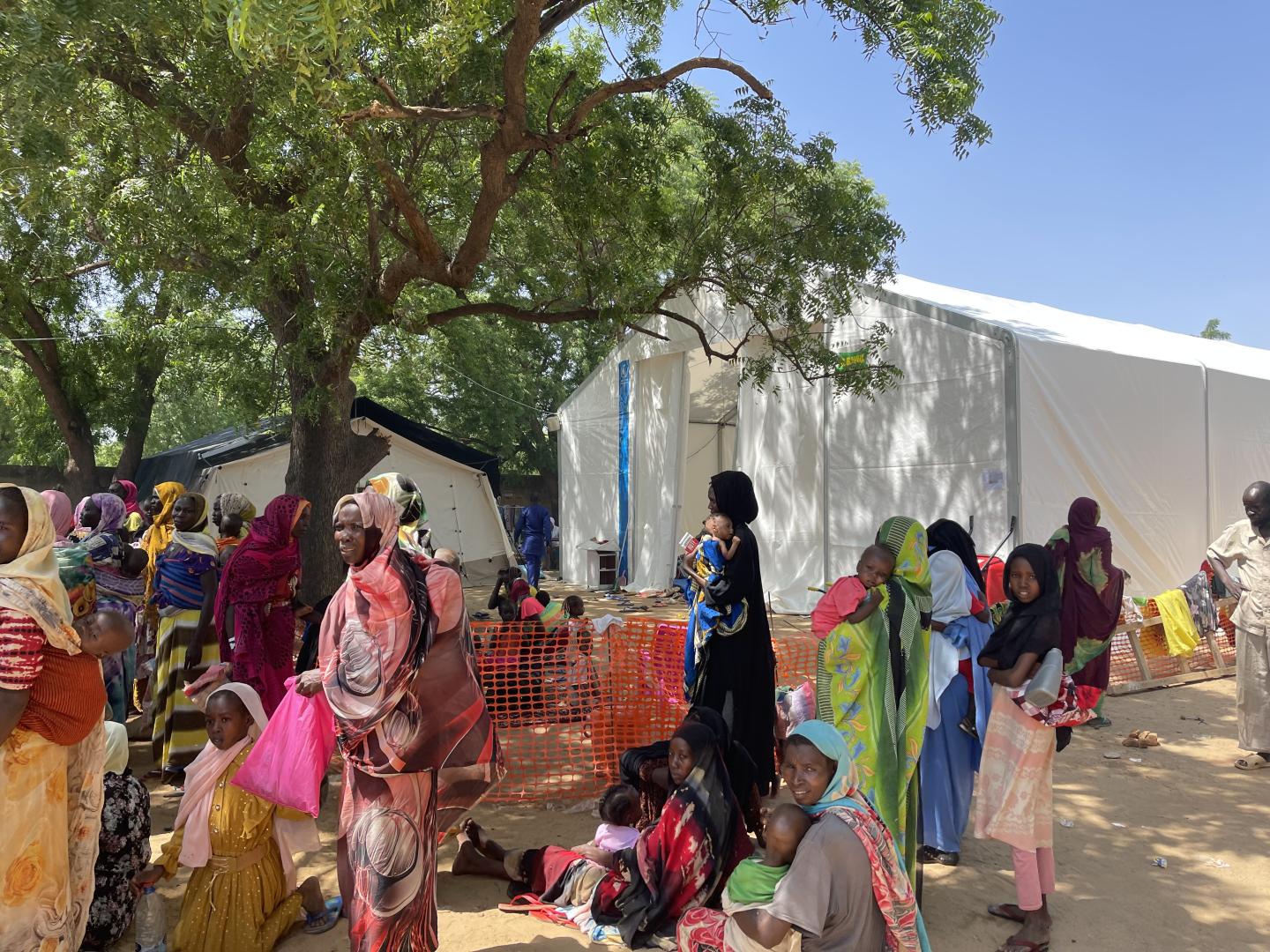
Health needs heighten as Sudan conflicts displaces millions of people
Bringing COVID-19 screening and testing closer to the community: A case for Katima Mulilo District
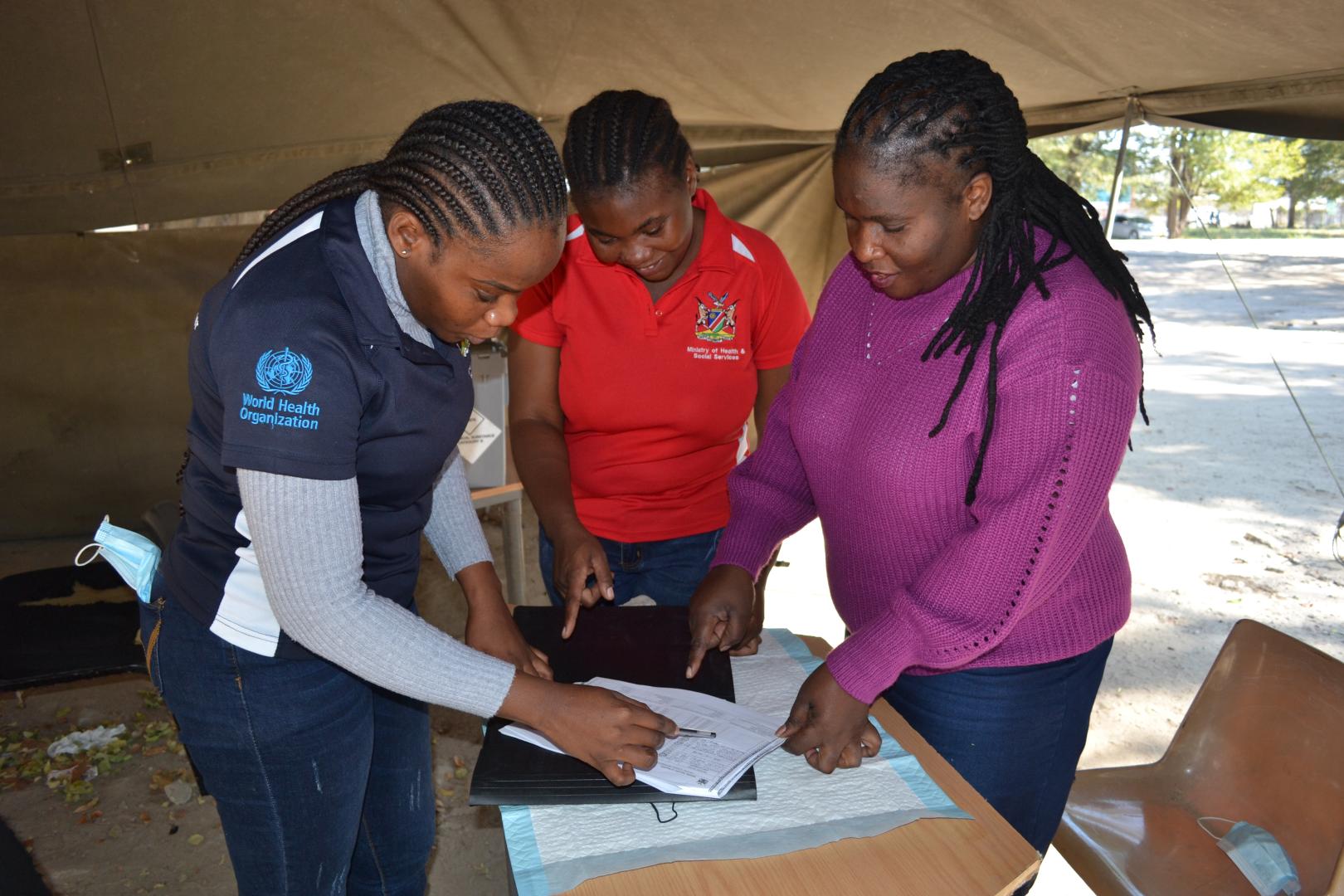
At the entrance of the Katima Mulilo State Hospital is a large tent. There, a 30-year-old Josephine Poniso gracefully interacts with an older male patient seeking medical attention.
She encourages the patient to wear a mask and then explains that he would need to be screened for symptoms of Covid-19 before proceeding to the hospital.
Poniso is a Senior Community Health Worker for the Community Based Response Initiative (CBRI), a project funded by the World Health Organization in collaboration with the Ministry of Health and Social Services.
The brave healthcare workers of WHO are fearlessly delivering medical aid to those in need in hard-to-reach areas of South Sudan
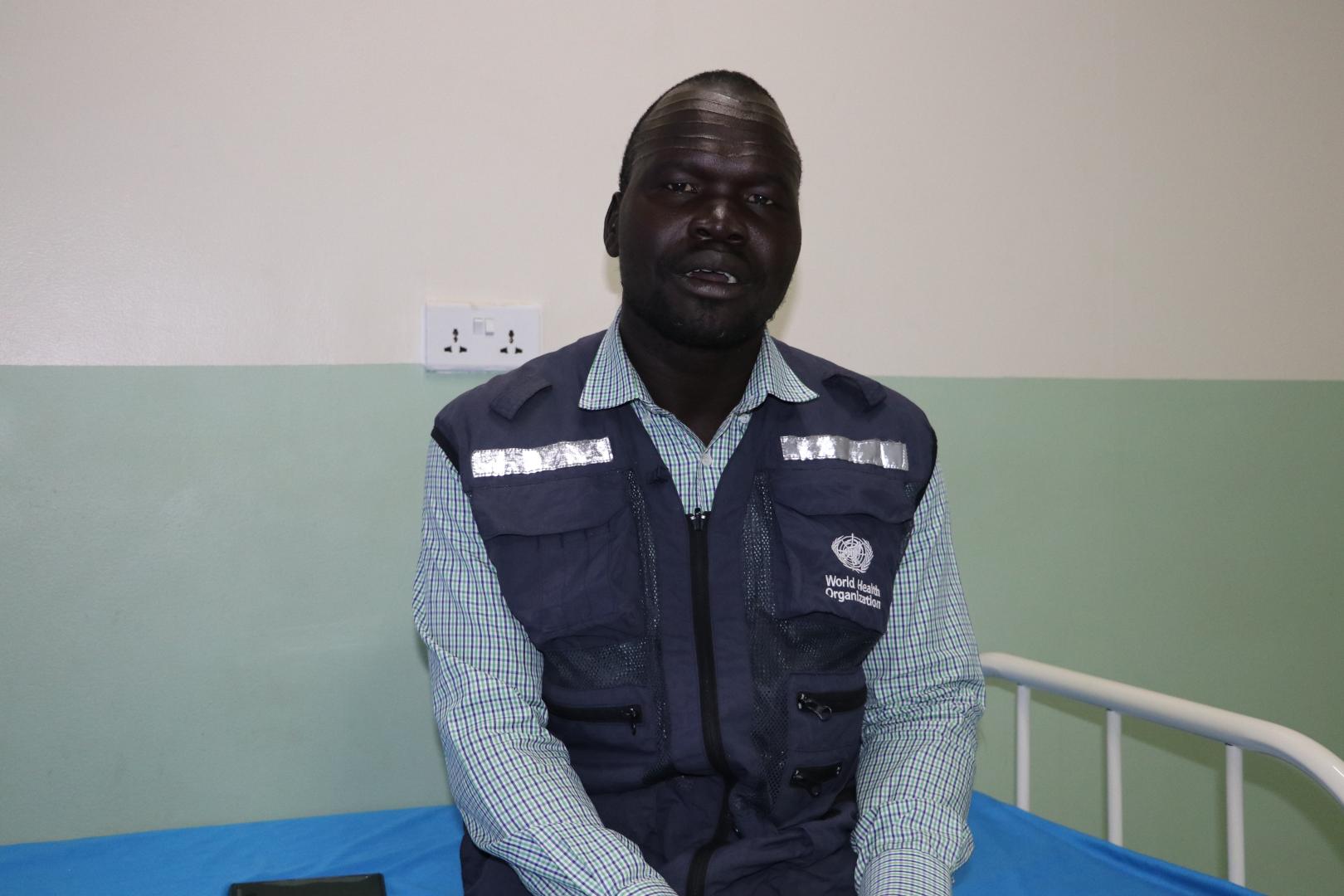
Healthcare workers in South Sudan face immense challenges in providing healthcare services to people living in hard-to-reach areas.
Gabriel Chuang, a WHO staff, and his colleagues embarked on a grueling 20-hour walk through challenging terrain to investigate a disease outbreak in the remote village of Dajo, located in Longochuk County of Upper Nile State near the Ethiopia border.
Despite having no access to clean water or shelter, Chuong and his team endured an arduous journey through unforgiving terrain, driven by their unwavering commitment to healthcare.
Nigerians in situation of vulnerability to benefit from COVID-19 vaccination scale-up and integration through Canadian grant
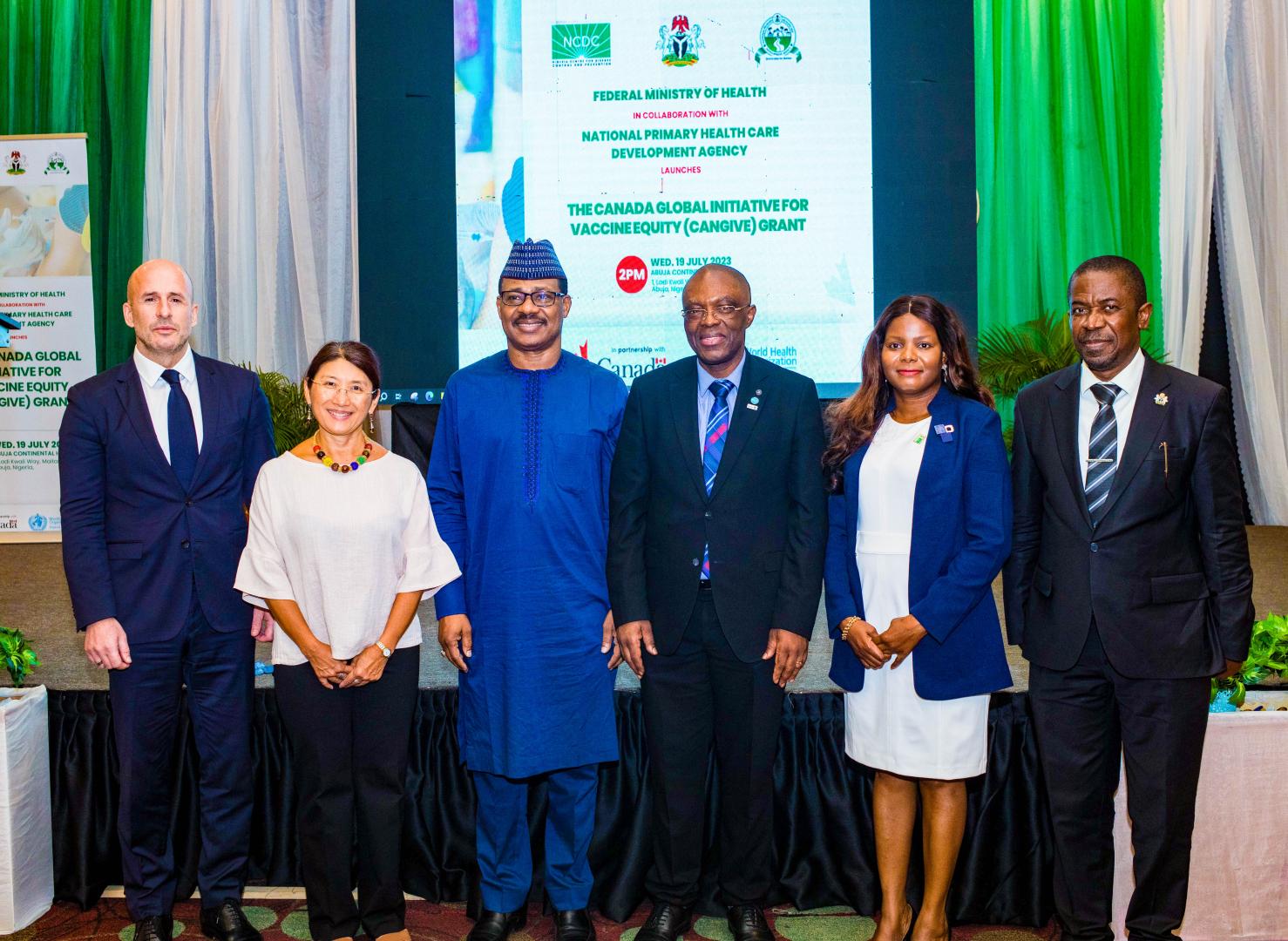
Abuja, 20 July, 2023 - Aimed at scaling up COVID-19 vaccine service delivery amongst higher priority risk groups and strengthening health systems in the country, the Government of Nigeria in collaboration with the World Health Organization (WHO), and partners have launched the Canada Global Initiative for Vaccine Equity (CanGIVE) Grant.
The CanGIVE grant is a two-year grant of $9,261,920 (CAD) from Global Affairs Canada to WHO to improve COVID-19 vaccine delivery and integrate vaccination into routine health services in Nigeria.
A OMS lança a Estratégia de Cooperação com São Tomé e Príncipe para os próximos 5 anos
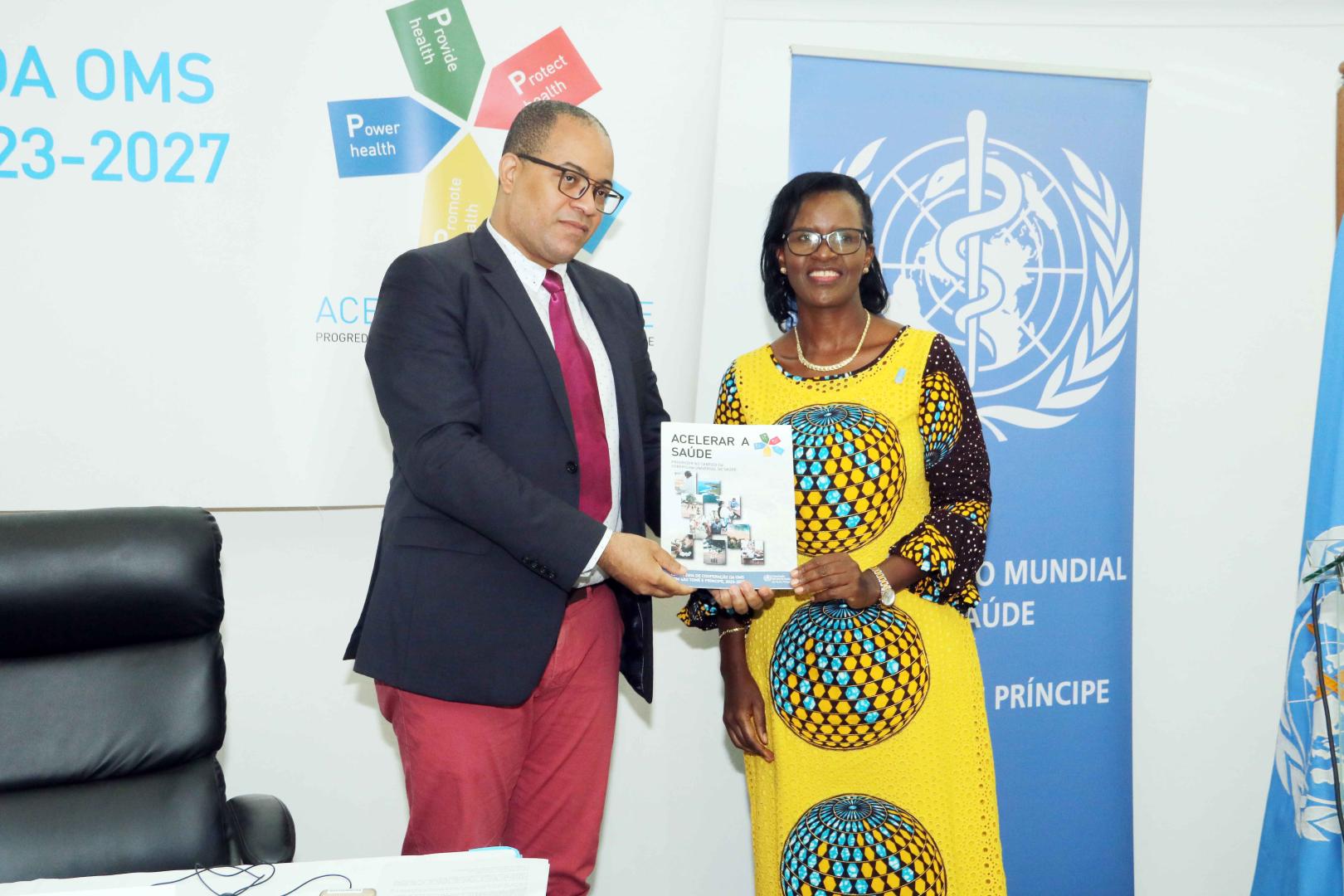
São Tomé - A Organização Mundial da Saúde lançou ontem a sua Estratégia de Cooperação com São Tomé e Príncipe para o período 2023-2027.
O governo, as agências das Nações Unidades, o corpo diplomático, a sociedade civil e altos responsáveis do Ministério da Saúde, do Trabalho e dos Assuntos Sociais tomaram parte no evento.
WHO Ethiopia hosts the polio outbreak response assessment team
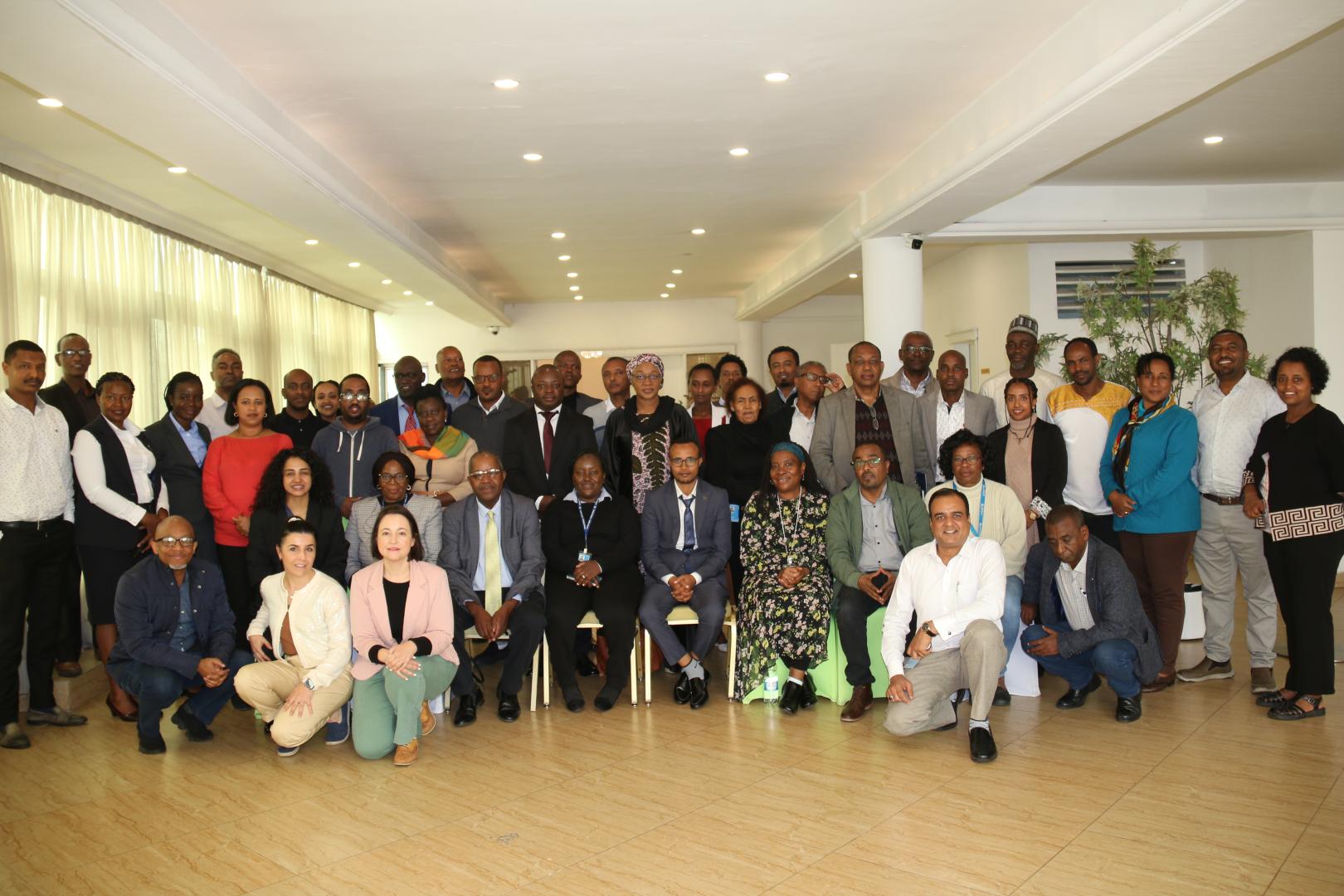
ADDIS ABABA, 17 July 2023 | The polio outbreak response assessment (OBRA) in Ethiopia started with a briefing and orientation meeting on 17 July 2023 where the representatives from MoH, WHO Ethiopia, UNICEF Ethiopia, EPHI and partners were in attendance, and it will continue until 28 July 2023.
Building a Healthier Future: Revitalizing the Primary Health Care Approach in Angola
For the last seven decades, the World Health Organization (WHO), the global authority on health, has served as the nexus connecting nations, partners, and people to promote health, ensure global safety, and aid the vulnerable. Our unwavering mandate is to help everyone, everywhere, achieve the highest standard of health and well-being.