Namibia improves ability to detect and respond effectively to high priority communicable and non-communicable diseases
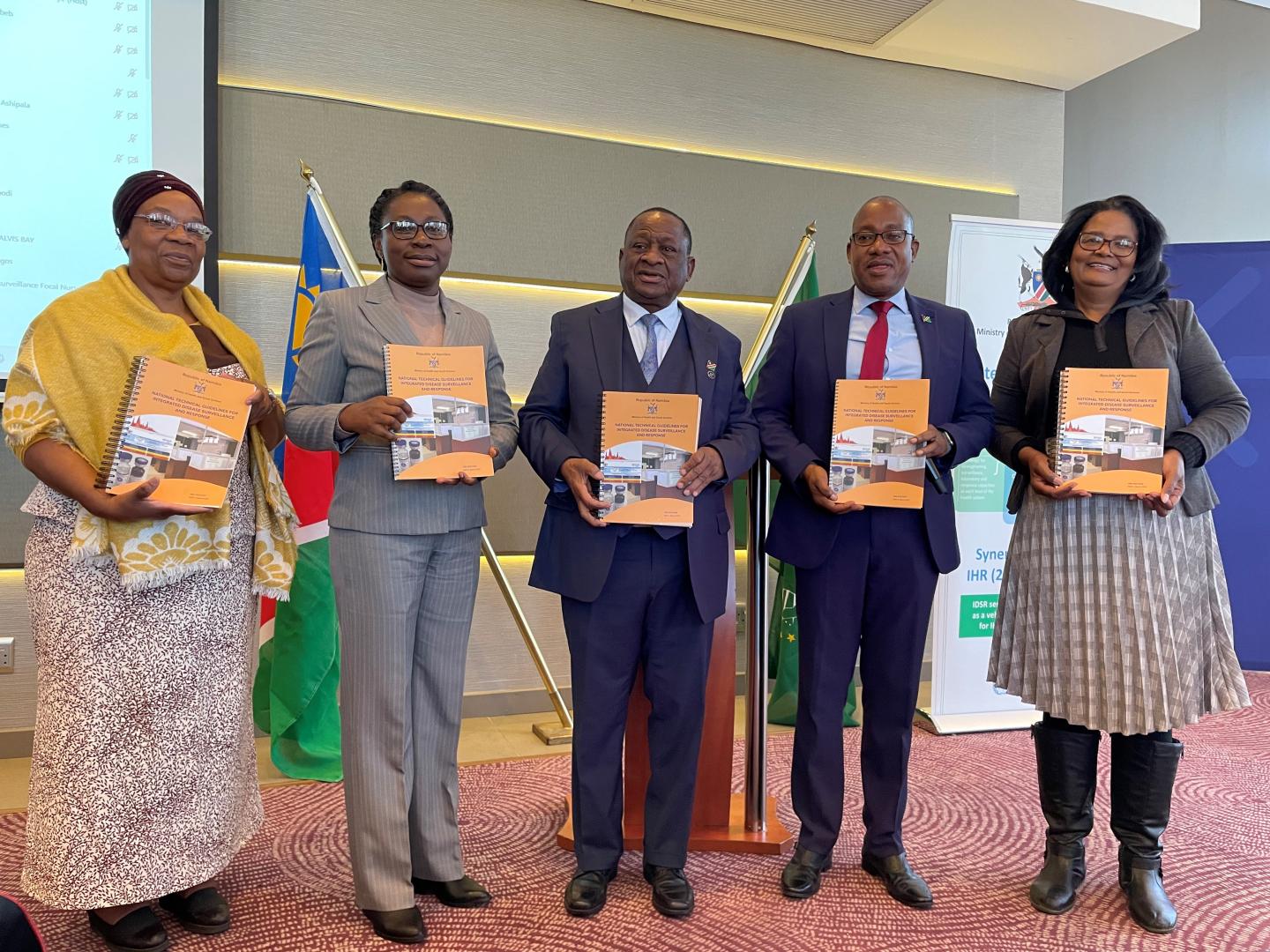
19 June 2023 marked the launch of the Integrated Disease Surveillance and Response (IDSR) 3rd edition Technical Guidelines with the aim of strengthening Namibia’s capacity to detect, report, confirm, and effectively respond to high-priority communicable and non-communicable diseases in line with the International Health Regulations (IHR) 2005.
Integrating COVID-19 Vaccination into routine immunization and primary health care services in Tanzania
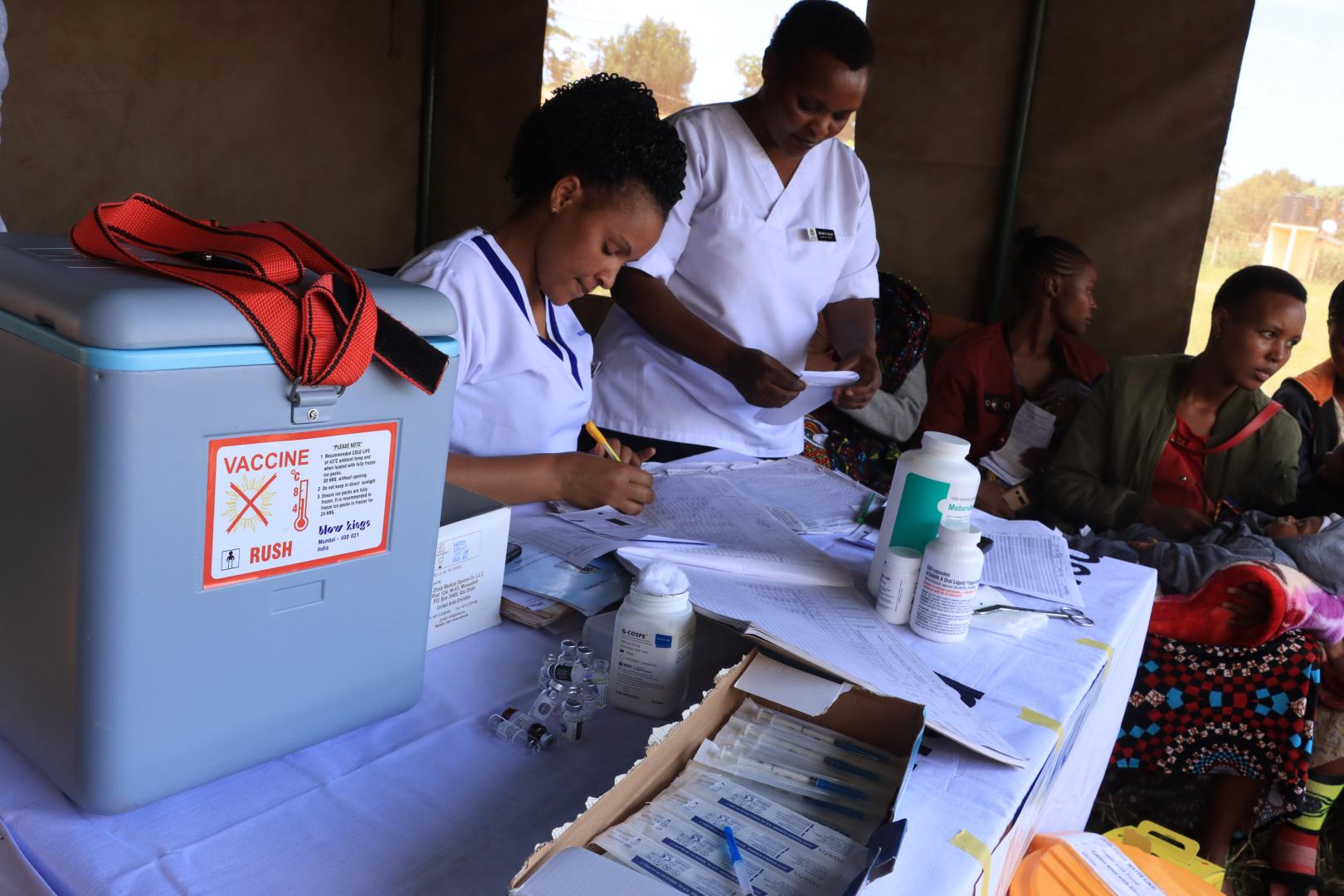
Arusha- The World Health Organization declared an end to COVID-19 pandemic as a public health emergency of international concern (PHEIC) in May 2023 after the pandemic has been on a downward trend with increasing number of vaccinated populations in the world leading to fewer infections and deaths. But the need to reach everyone everywhere with COVID-19 vaccines persists.
WHO Recognizes long serving staff in Uganda
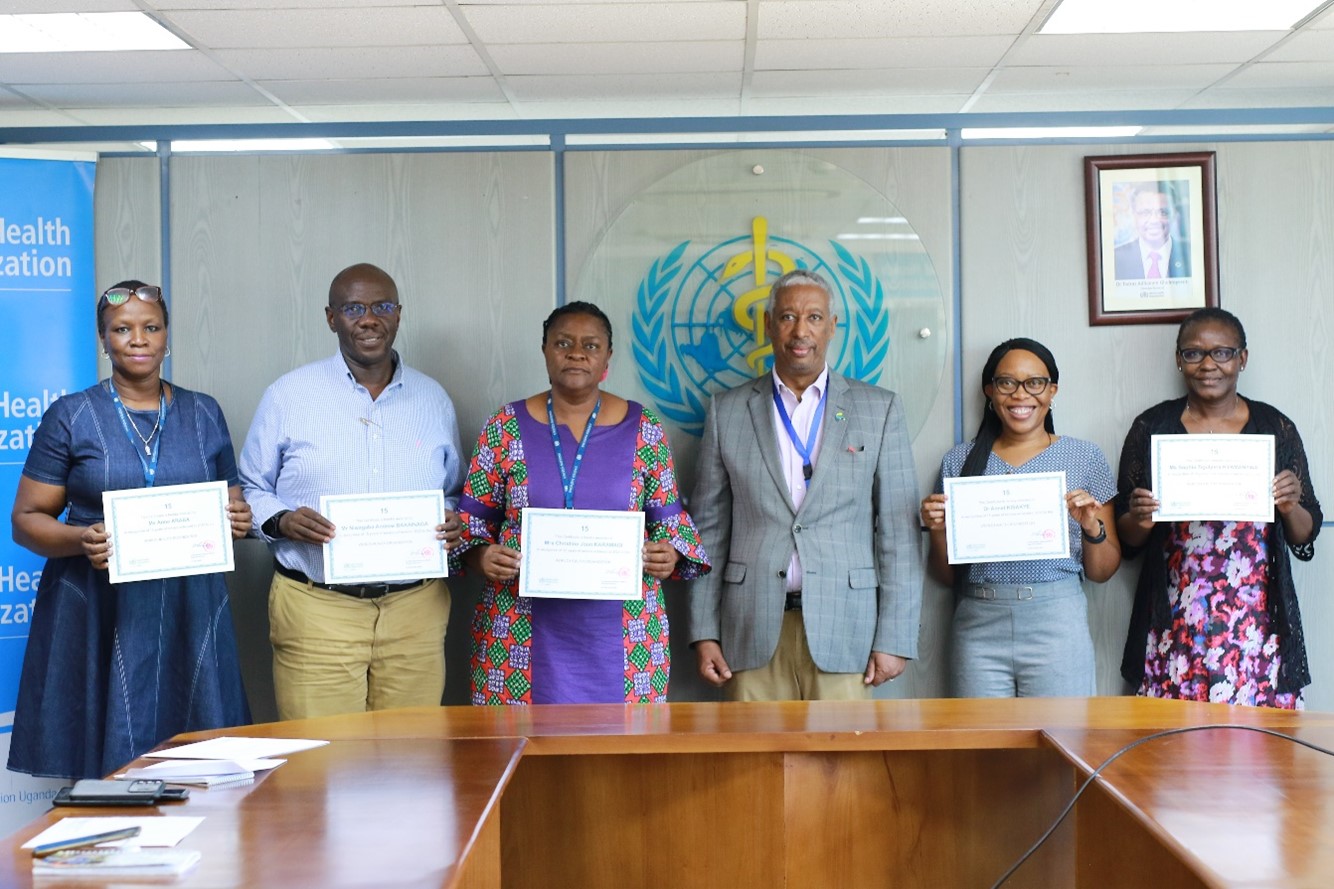
Kampala-World Health Organization (WHO) has recognized seven members of staff in Uganda for dedicated service over the last 15 years. Those recognized include Dr. Annet Kisakye (EPI Officer), Dr. Andrew Bakainaga (Cluster lead/ District Health Management and System Strengthening), Mrs. Christine Karamagi (Programme Assistant), Ms. Ann Araba (Procurement Assistant), Ms. Sophia Kyamanywa (Administrative Assistant, Gregory Habaasa Kabuza (Driver) and David Semabale (Driver).
Declaration of the end of the Crimean Congo Haemorrhagic Fever (CCHF) outbreak in Gobabis District, Omaheke Region
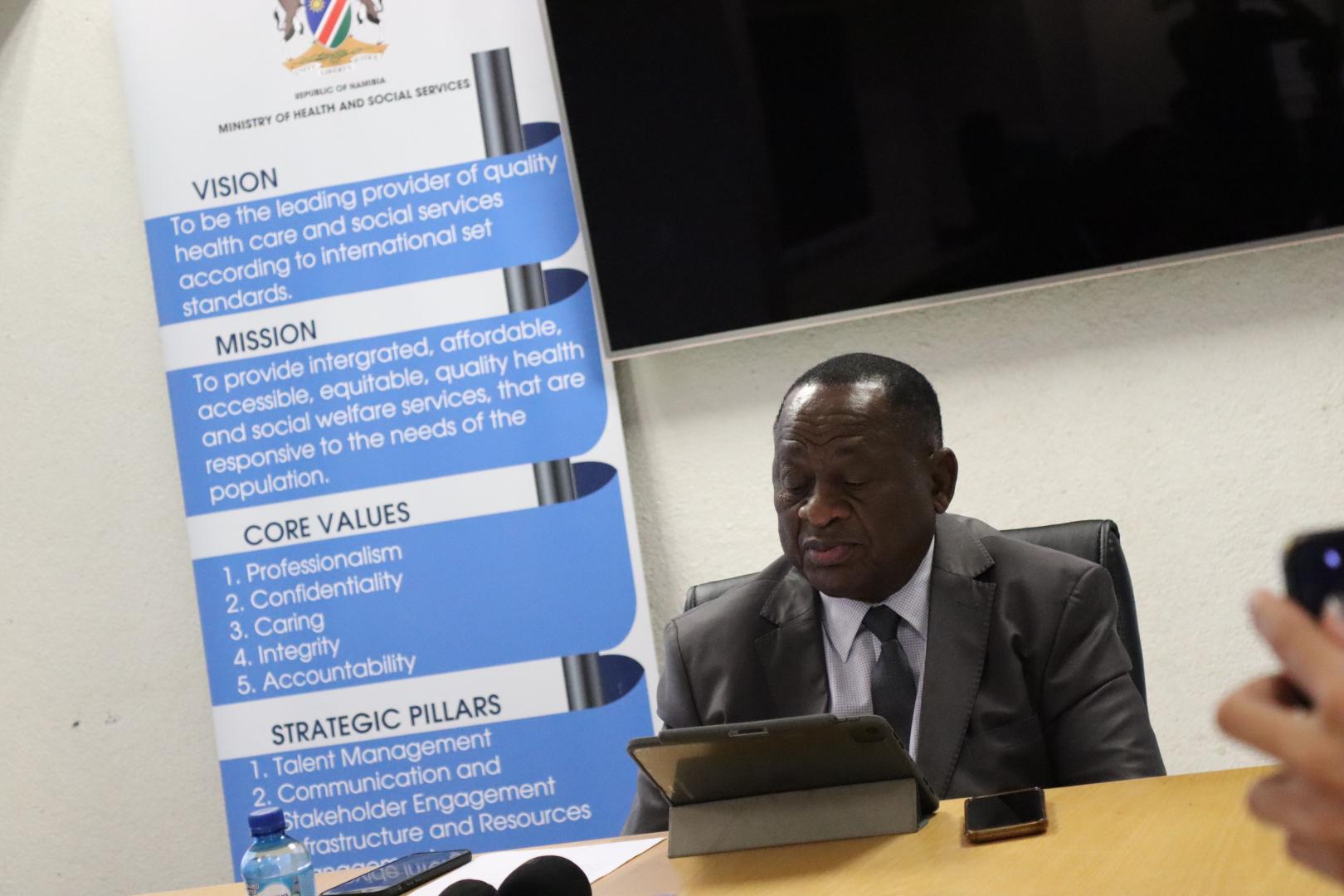
Dr Kalumbi Shangula, The Minister of Health and Social Services (MoHSS), declared the end of the CCHF outbreak on 19 June 2023. The CCHF outbreak was reported in Gobabis District, Omaheke Region. MoHSS notified WHO about the confirmed CCHF outbreak in Gobabis district on 21 May 2023. The confirmed case died on 18 May 2023. The outbreak was declared on 22 May 2023. Only one confirmed case was reported during the CCHF outbreak.
WHO’s SAFER Initiative is a timely intervention to reduce alcohol-related harm in Uganda
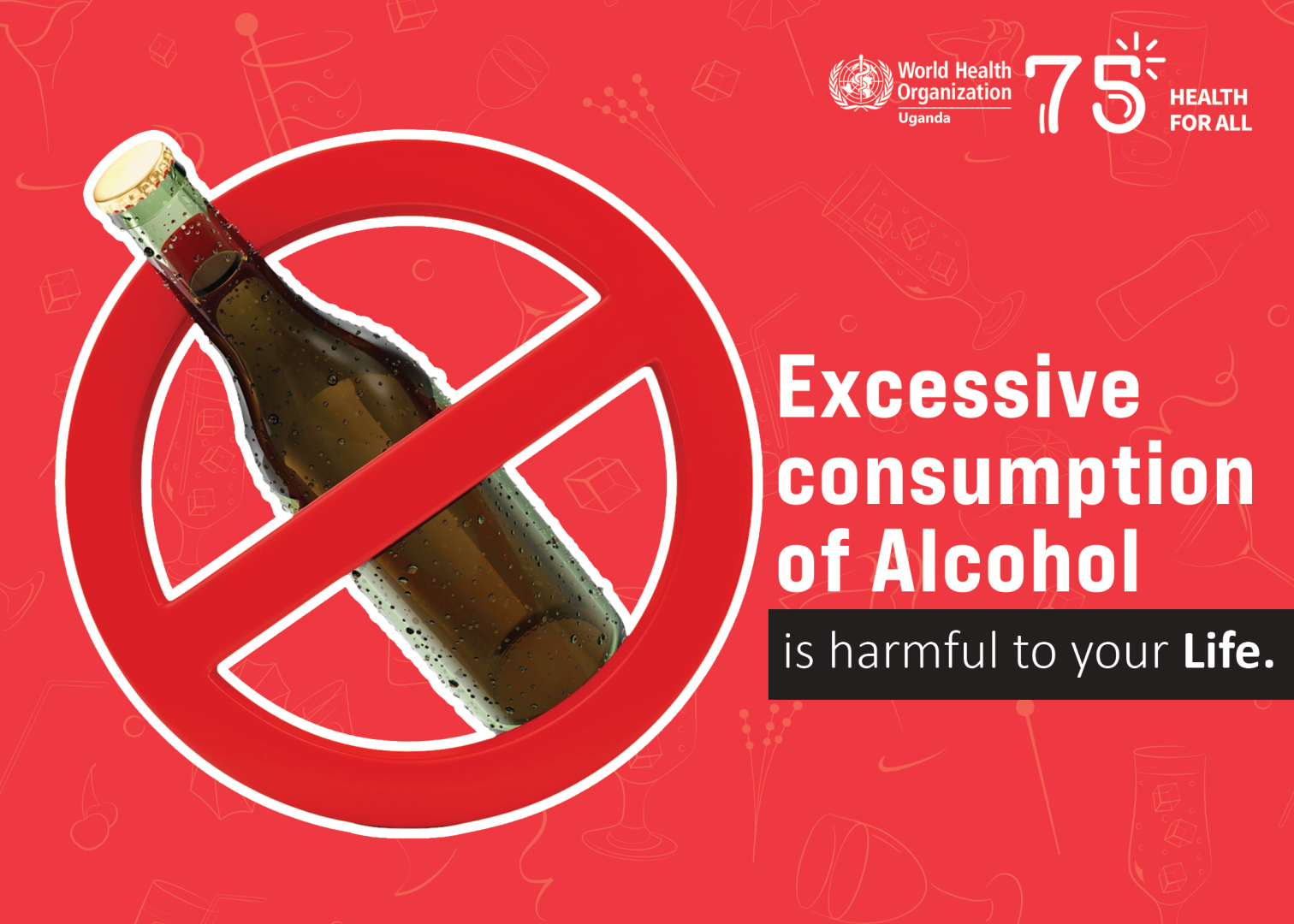
The World Health Statistics 2023 Report ranks Uganda among the leading countries with high alcohol consumption rates. The report comes out at a time when the country is taking giant steps to control alcohol consumption spearheaded by the Ministry of Health with support from WHO based on the SAFER Initiative.
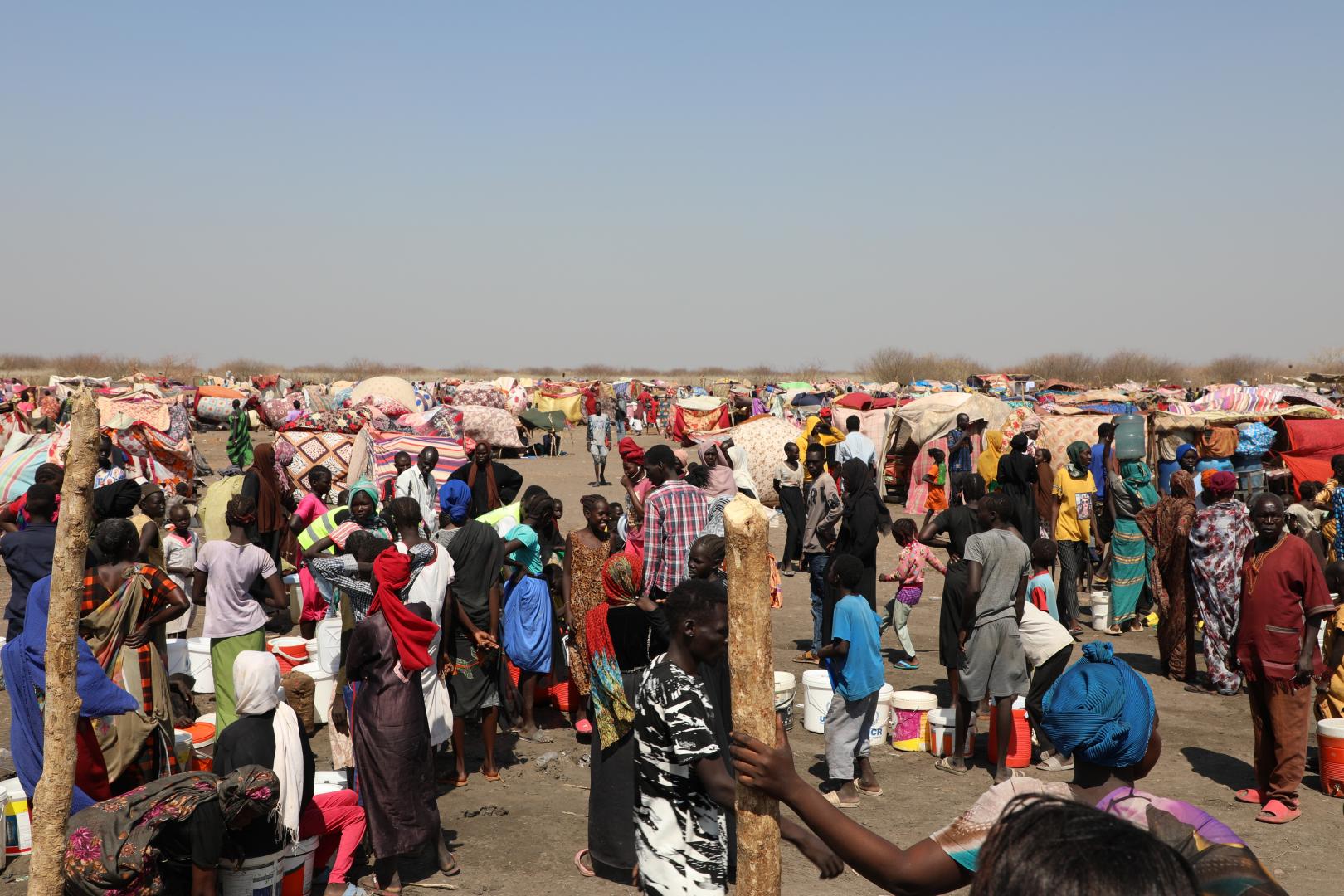
WHO requires US$ 145 million to respond to health emergency in Sudan and neighbouring countries
Malaria deaths fall, but vector resistance to insecticides a worrying trend
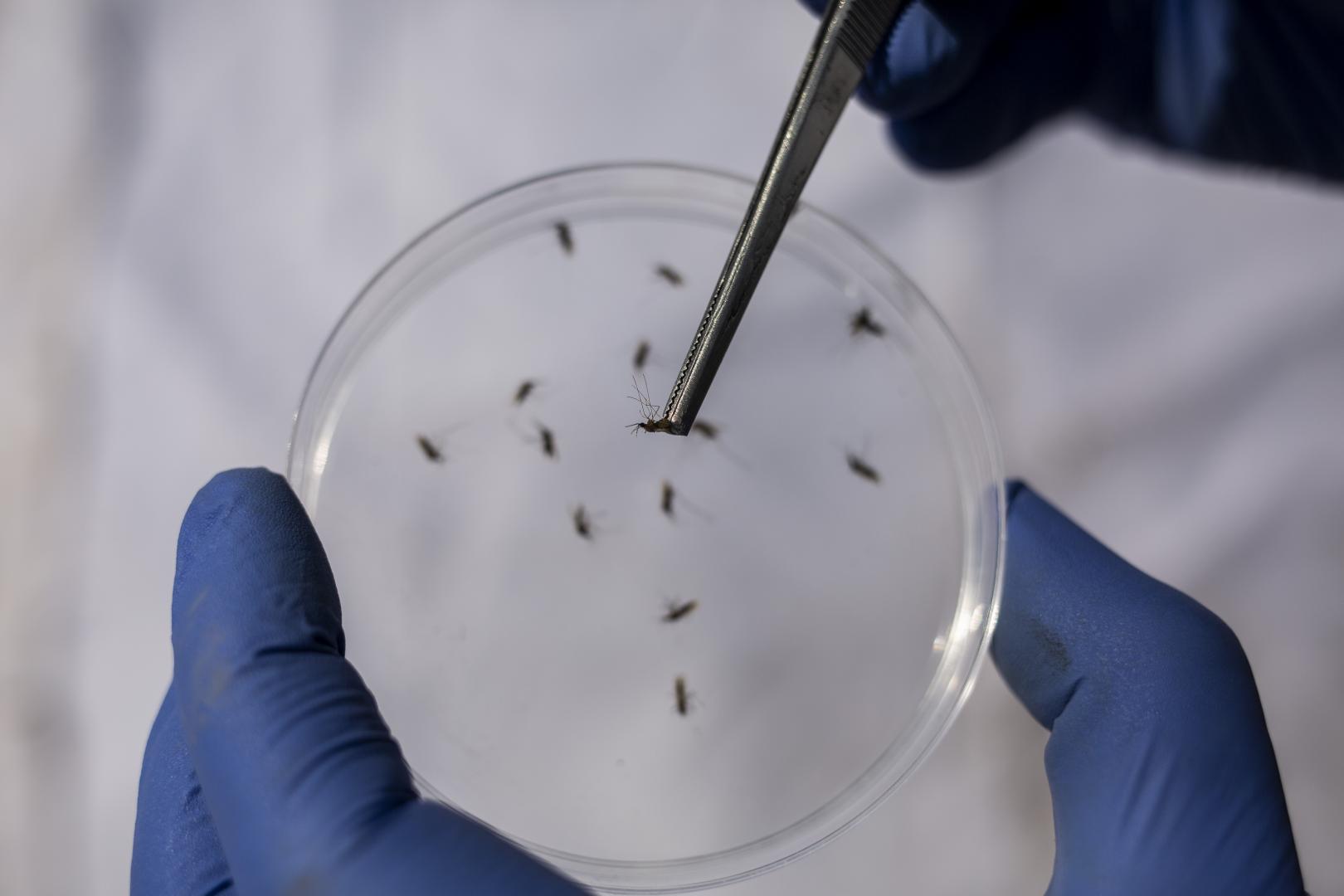
Ethiopia’s malaria response, already disrupted by the impacts of COVID-19, is grappling with the multi-faceted challenges of an ongoing uptick in new cases, complicated by vector resistance to insecticides.
Driven by the continued fallout of pandemic-related programme disruptions, armed conflict, and displacement, Ethiopia recorded a 32,5% increase in confirmed malaria cases between 2021 and 2022, from 1,1m to 1,5m. To date in 2023, reported malaria cases have increased by 150% and 120%, respectively, compared to the same periods in 2021 and 2022.
WHO community sensitisation in Malawi’s Southern Region halts cholera outbreak
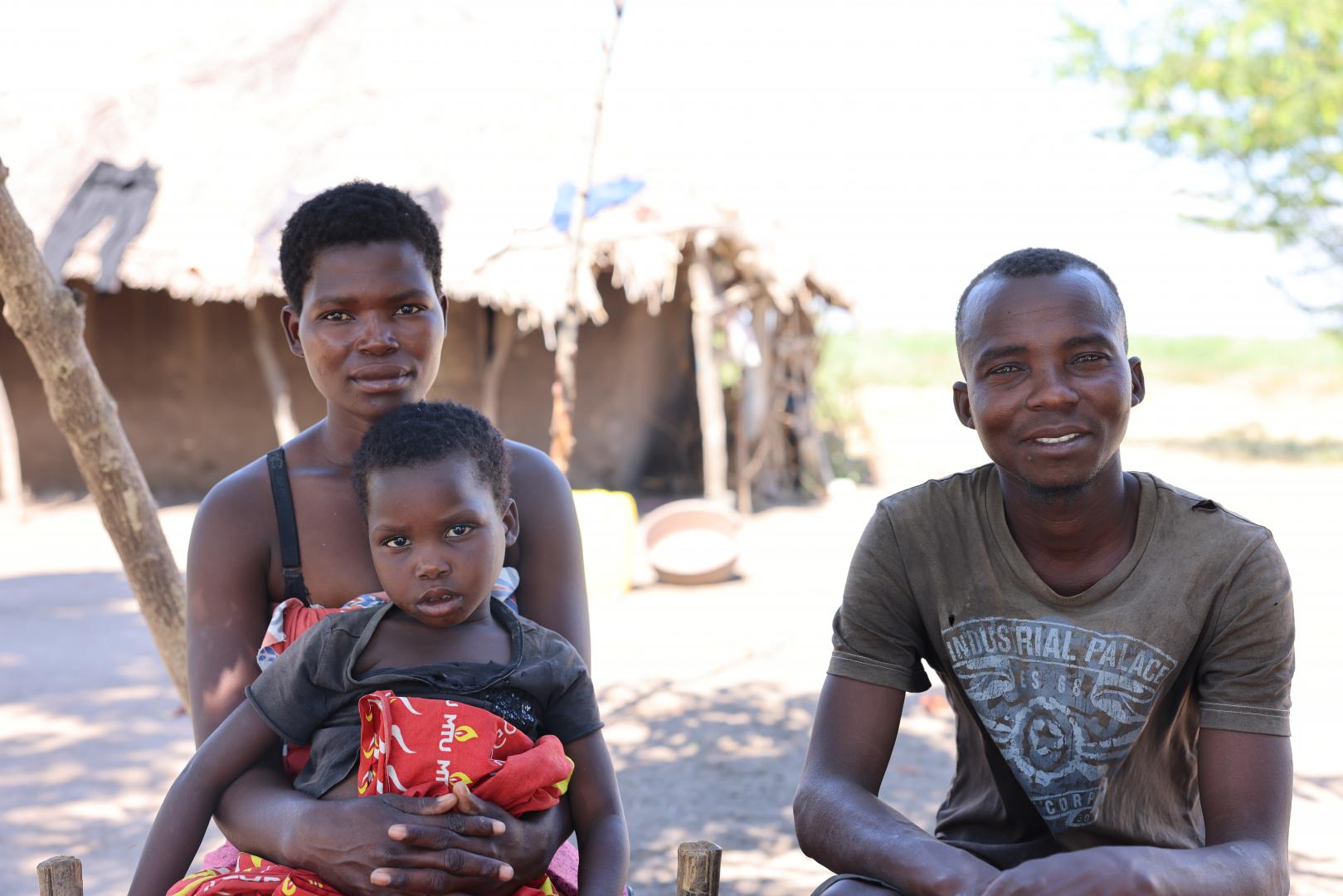
Aubrey Timoti is not willing to take chances when it comes to sanitation issues in his community after witnessing his neighbours lose two children to cholera.
Give blood, give plasma, share life, share often in Botswana and anywhere else!
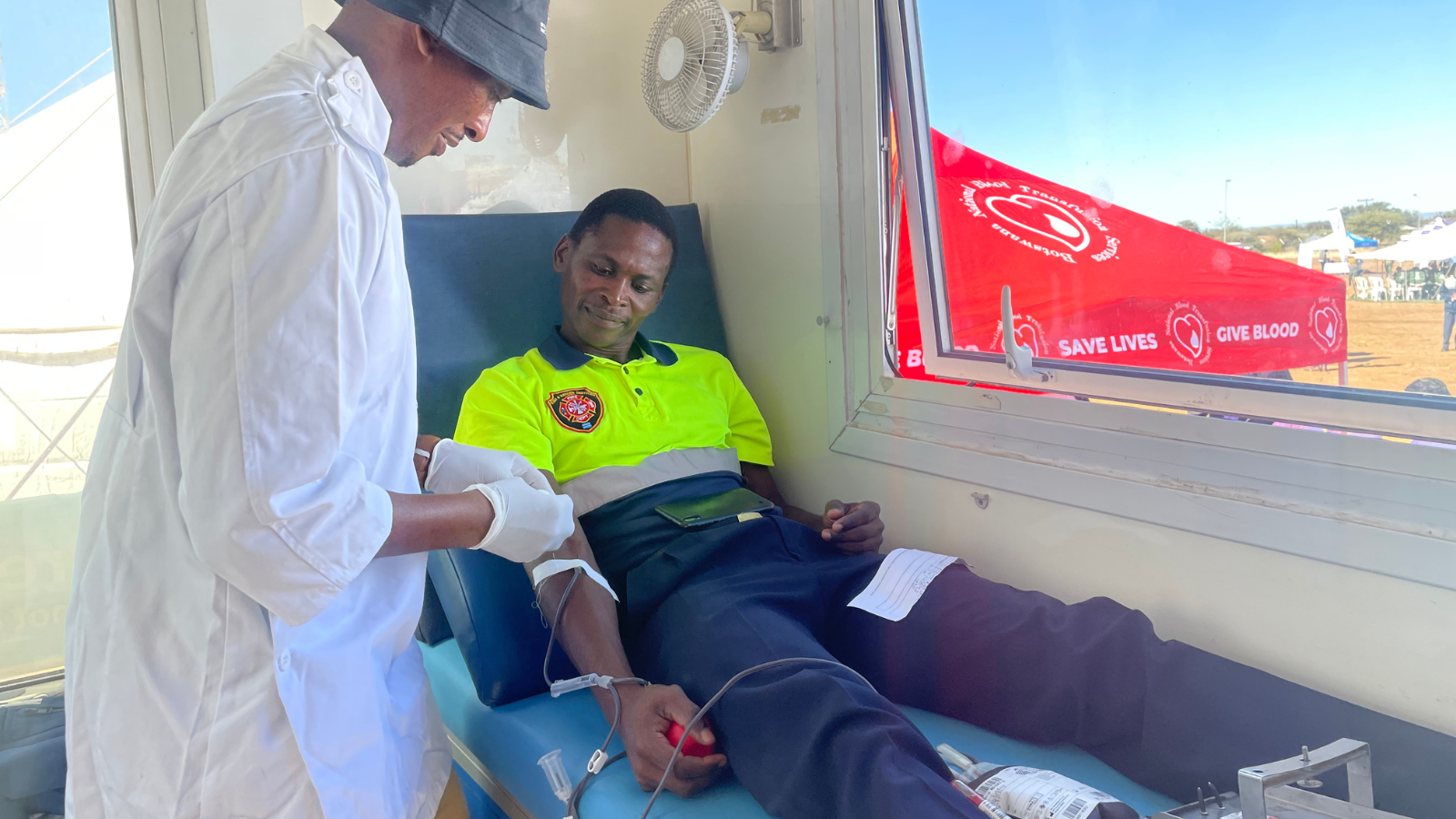
The need for blood transfusions is constant, with thousands of people in Botswana relying on donated blood for various medical conditions, surgeries, and emergencies. However, the supply of blood often falls short of the demand.