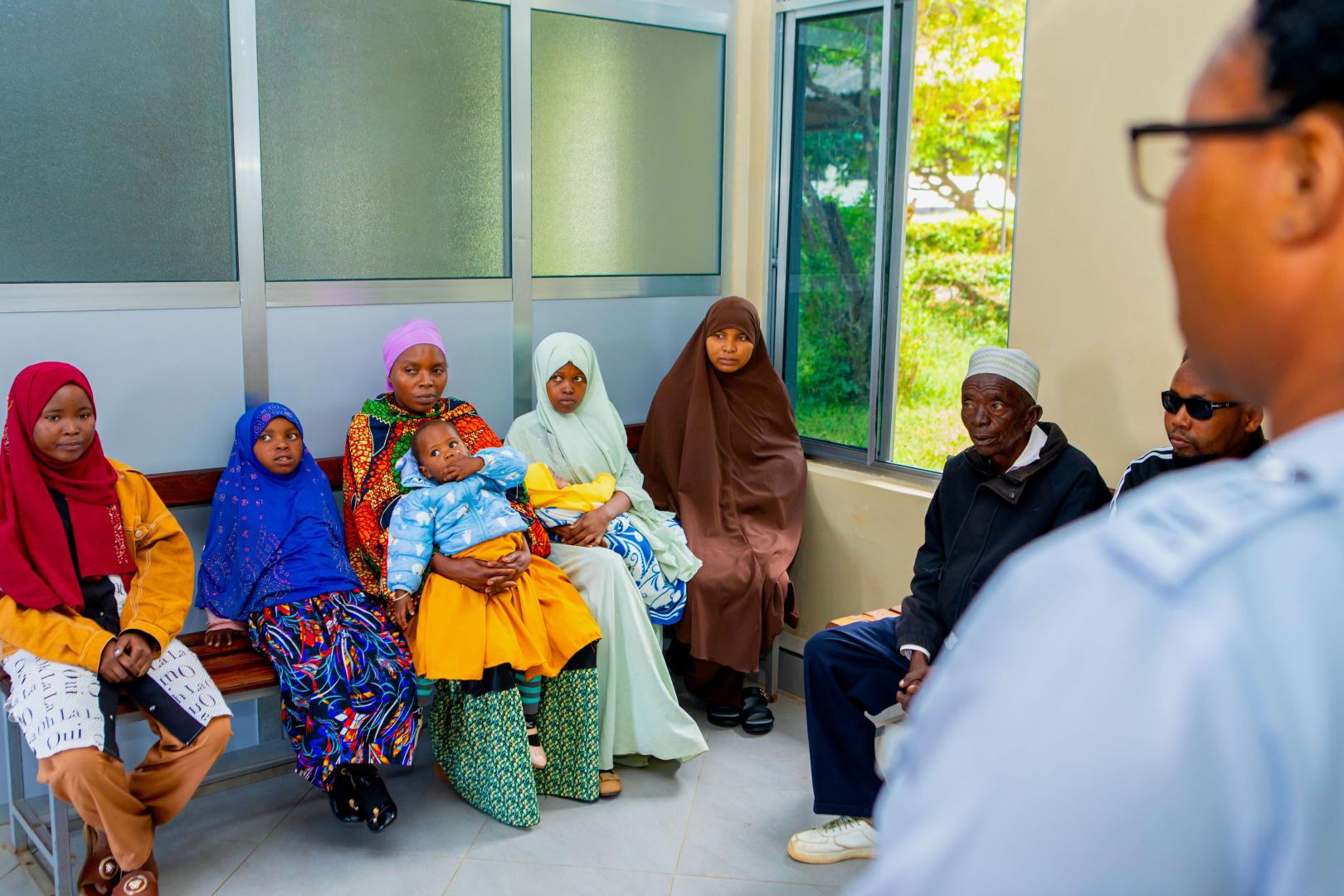
South Sudan receives emergency medical supplies to strengthen cholera response
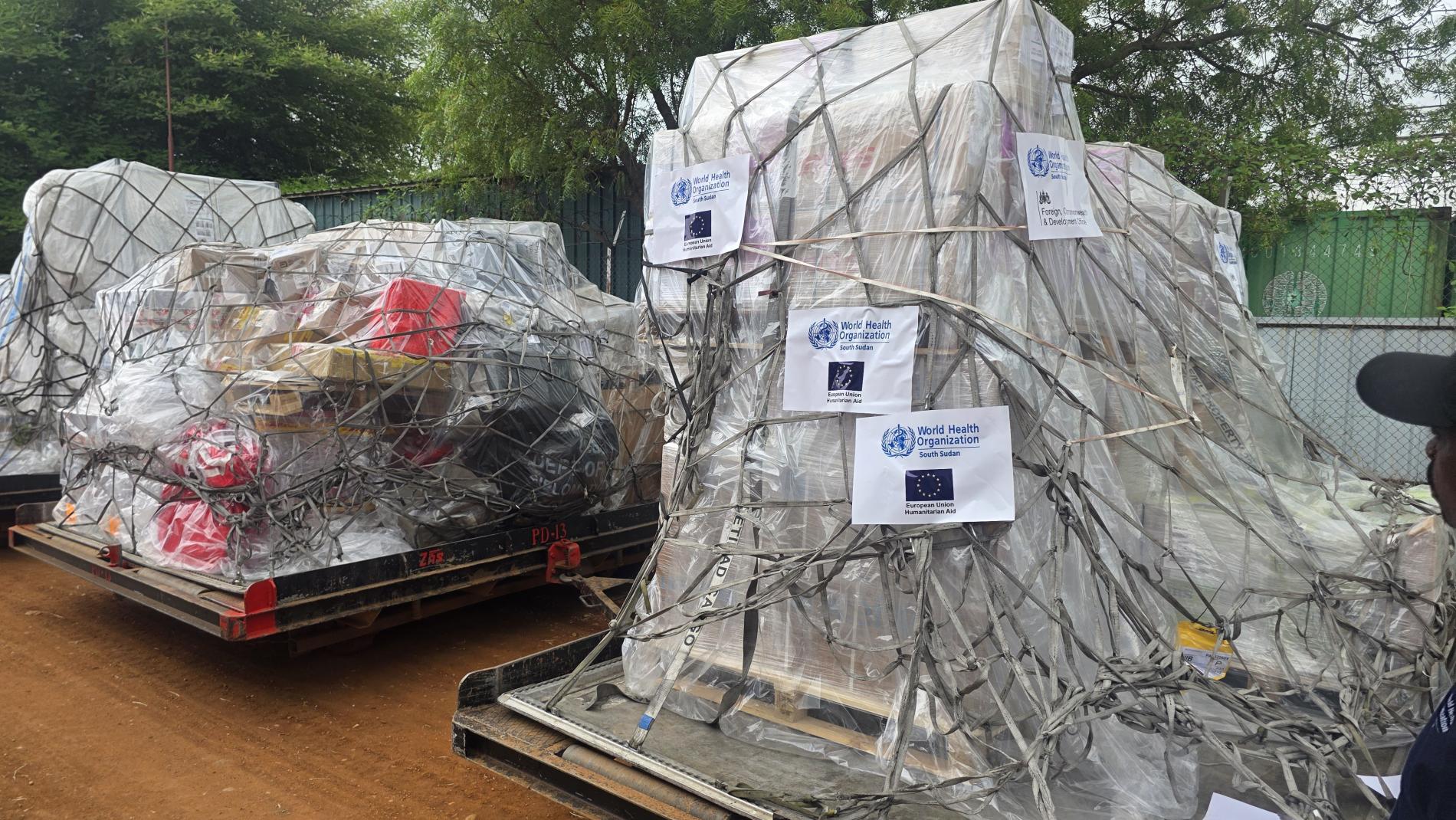
Juba- In response to the emerging needs for the sustained Cholera outbreak in South Sudan, WHO has received 19 metric tons of emergency supplies to replenish the fast-depleting stockpile of medical countermeasures needed in the response. These medical supplies enhance operational readiness and surge capacity. The shipment includes cholera response kits to support early detection and treatment, Inter-Agency Emergency Health Kits, as well as tents to expand temporary isolation capacity.
United against polio: Zimbabwe strengthens regional immunity through synchronized vaccination
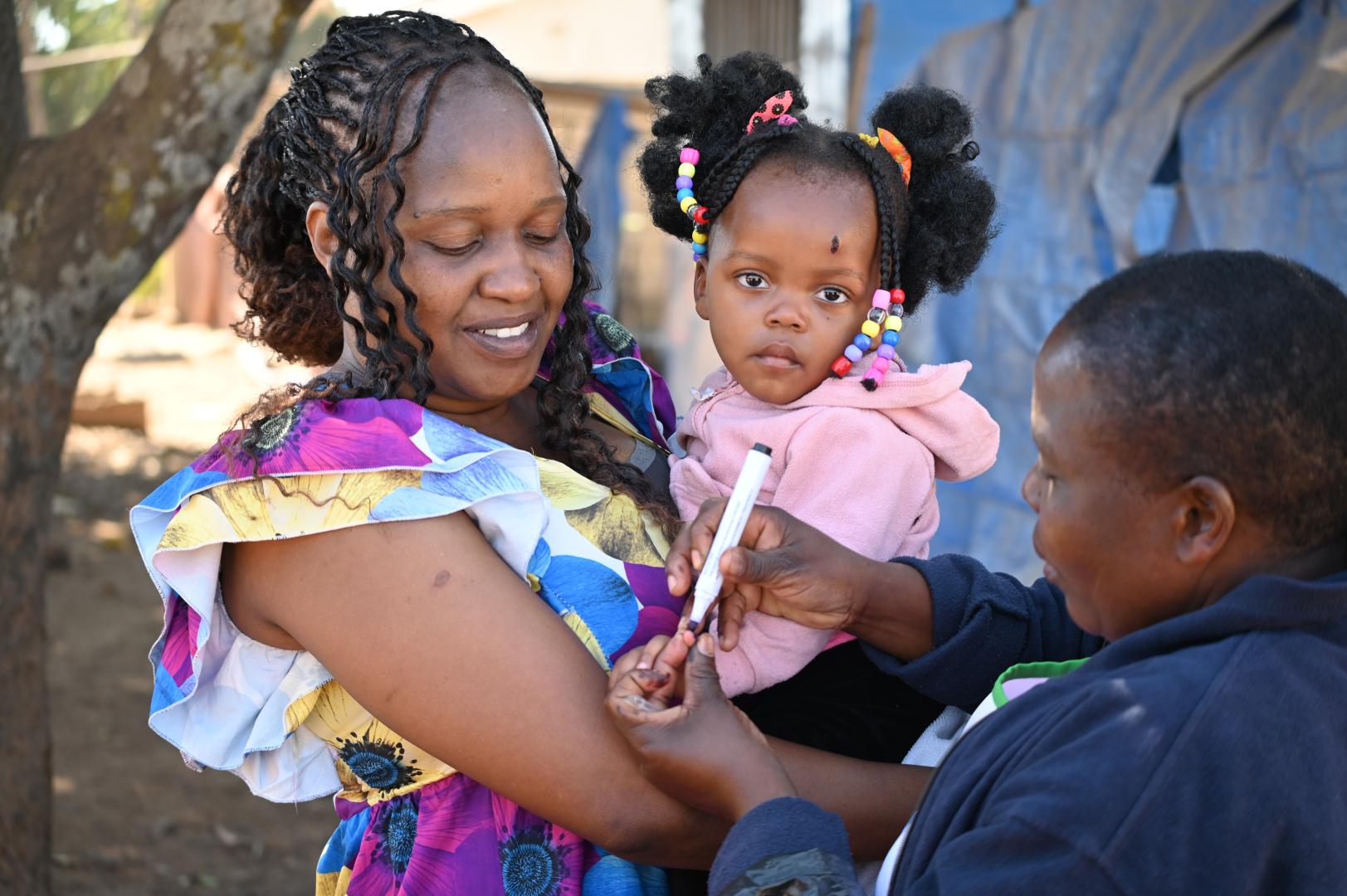
Harare, Zimbabwe – July 2026 – Zimbabwe has successfully completed three rounds of synchronized vaccination campaigns using the novel oral polio vaccine type 2 (nOPV2) as part of a coordinated Southern African response to prevent the re-establishment of circulating vaccine-derived poliovirus type 2 (cVDPV2).
Tanzania convenes Acute Care Transformation and Basic Emergency Care (ACTxBEC) steering committee to drive emergency care transformation

Dar es Salaam — Tanzania has taken another step towards strengthening emergency care services with the inaugural Steering Committee meeting for the Acute Care Transformation through Basic Emergency Care (ACTxBEC) Initiative.
UN partners strengthen behavioural science capacity to improve family planning services in Kigoma
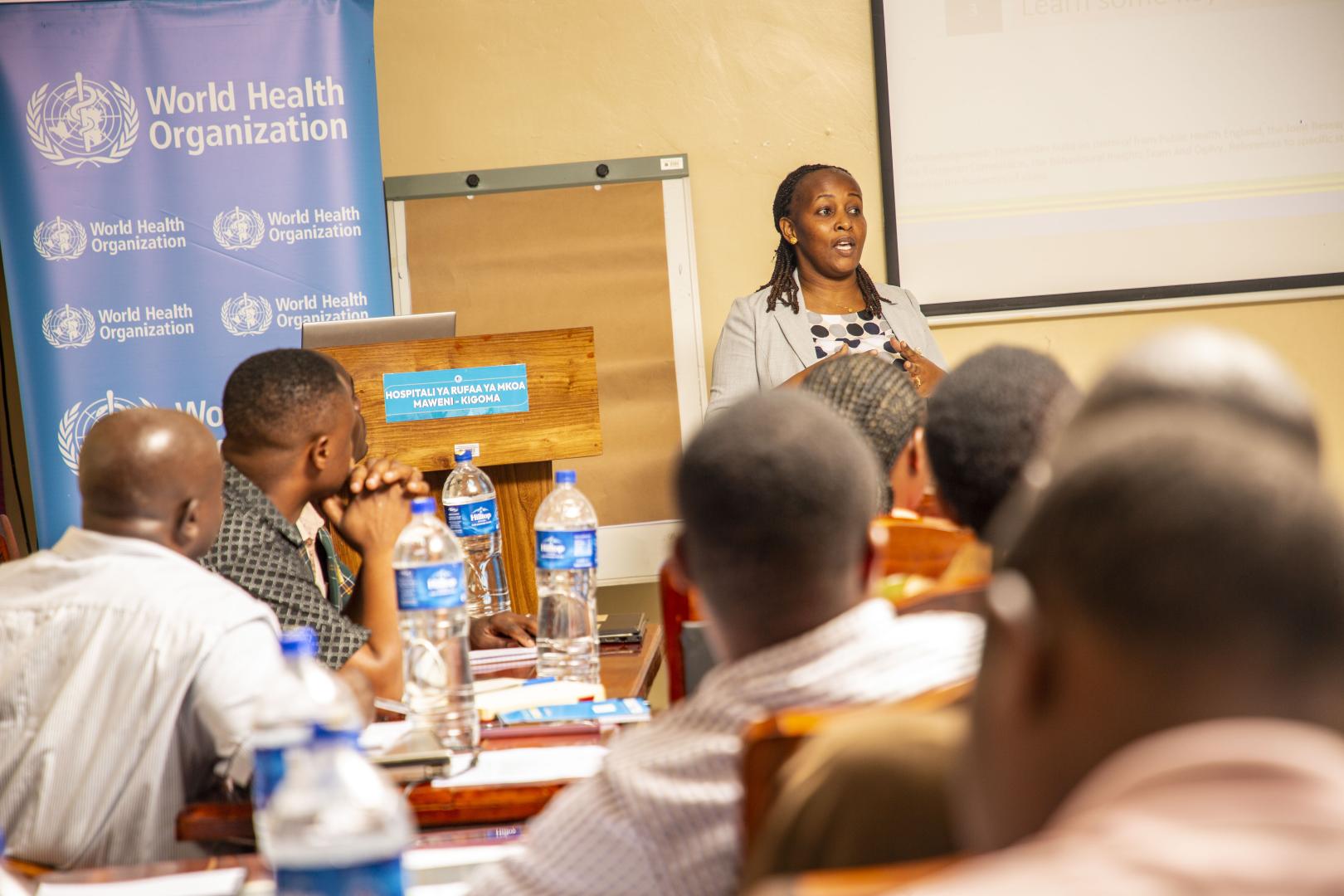
Kigoma – The Ministry of Health, in collaboration with UNAIDS, UNICEF, UNFPA and WHO, has strengthened the capacity of health workers in Kigoma Region to apply behavioural science approaches to improve family planning services and reproductive health outcomes through the Sweden-funded Joint UN Sexual and Reproductive Health and Rights (SRHR) Programme.
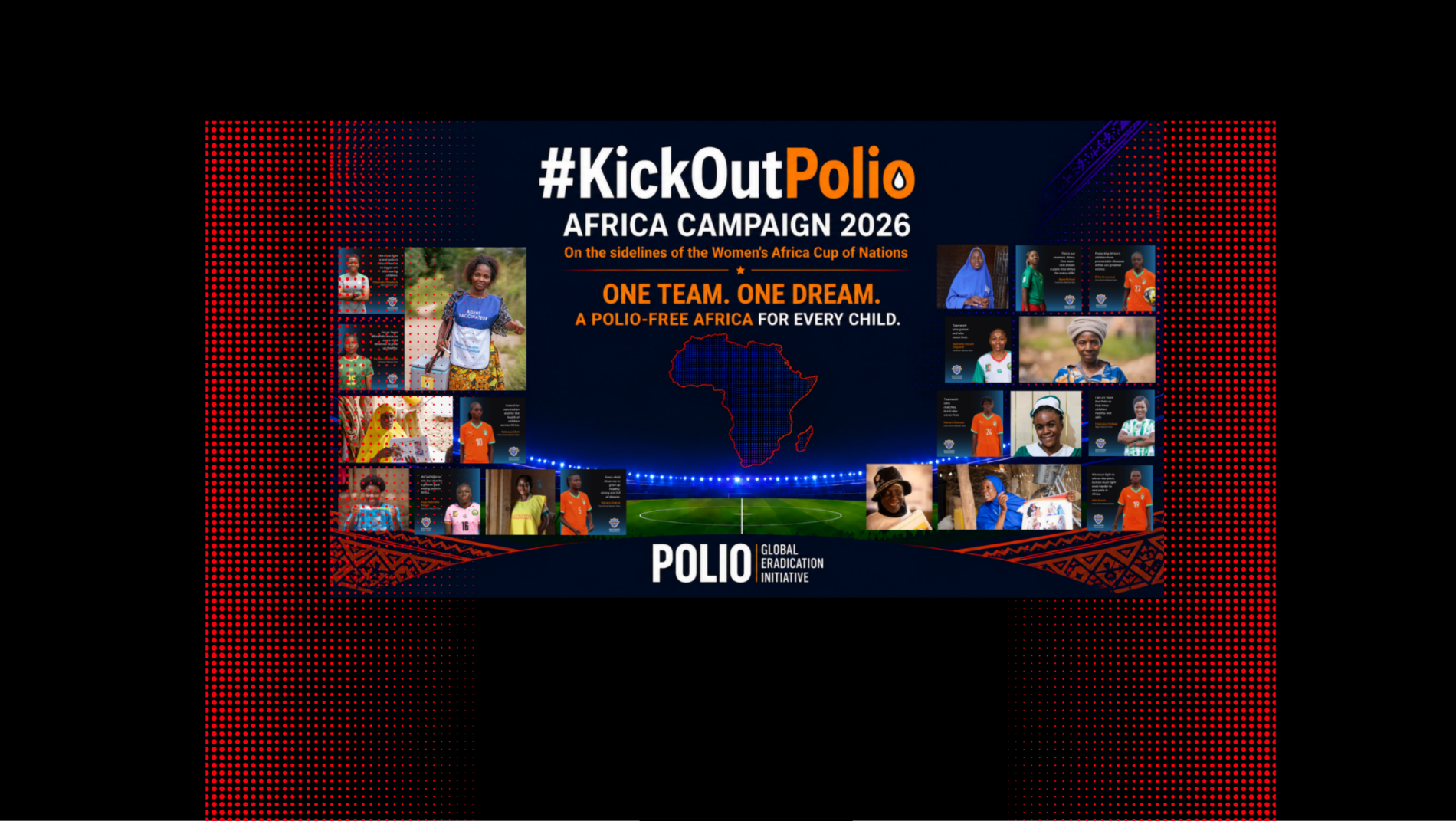
Women football stars team up to kick polio out of Africa
Zanzibar launches first multisectoral programme to give every child the best start in life
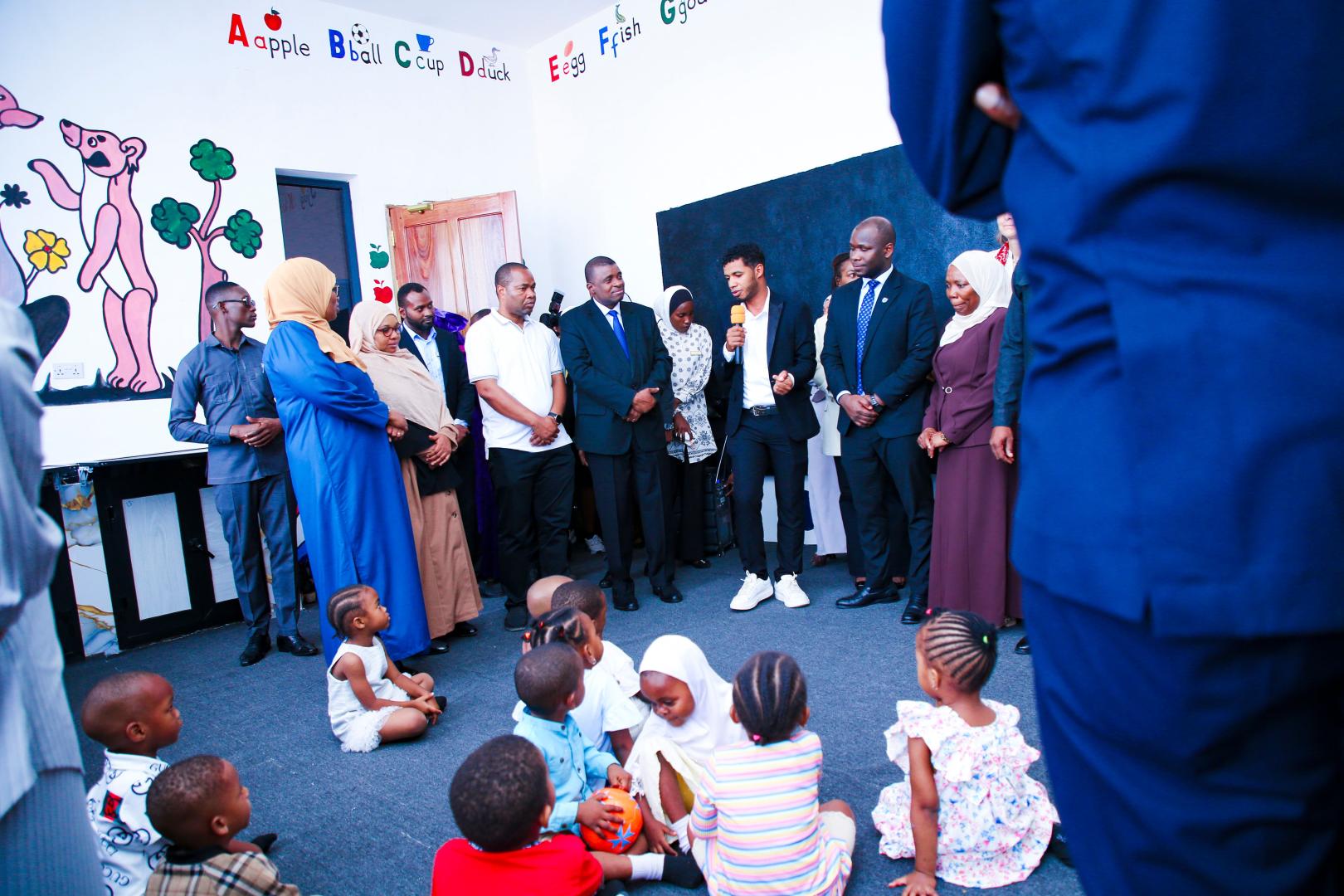
Zanzibar – The Revolutionary Government of Zanzibar has launched the Zanzibar Multisectoral Early Childhood Development Programme 2026/27–2030/31, the islands' first national framework that unites health, nutrition, caregiving, early learning, protection and social development behind a single agenda for children from conception to age eight.
Mozambique launches Action Plan for Child Survival and reaffirms its commitment to reduce child mortality
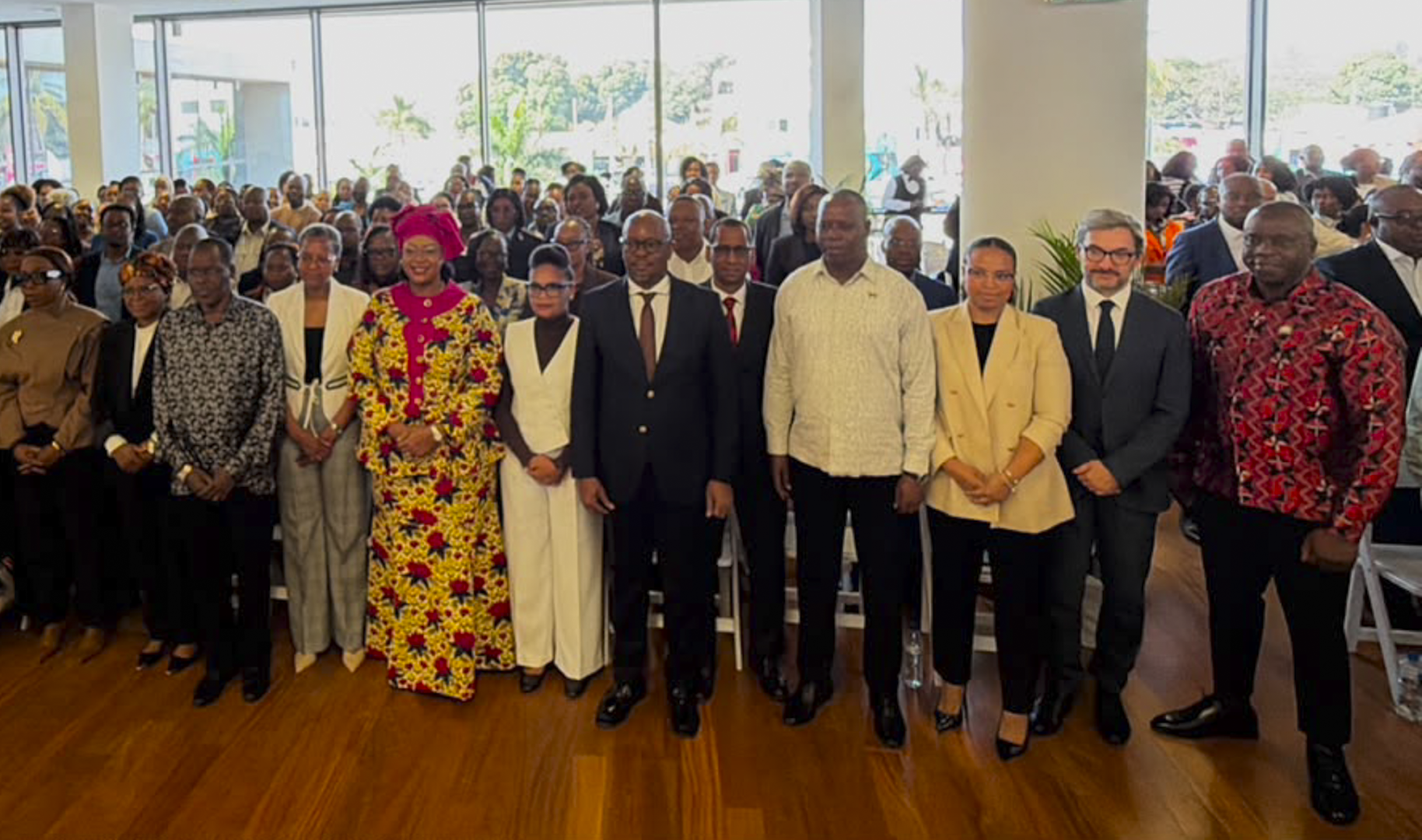
Maputo – The Government of Mozambique, through the Ministry of Health, launched the Action Plan for Child Survival 2026–2030, launched on Monday 20 July 2026, in Maputo Province, a strategic instrument aimed at accelerating the reduction of child mortality and ensuring that all children have the opportunity to survive, grow and develop to their full potential.
Communicating to protect

By: Olívio Gambo, WHO Angola Communication Officer
In a world increasingly affected by outbreaks, epidemics, extreme weather events, and other public health challenges, the question is no longer whether new crises will arise, but rather how well prepared we will be to tackle them. Preparedness for crises does not depend solely on hospitals, medicines, or the availability of healthcare professionals; it also depends on something less visible, yet equally crucial: the trust of communities.
Zanzibar reviews its Health Quality Strategic Plan to shape the next phase of quality of care

Zanzibar — The Ministry of Health Zanzibar, with support from WHO, has completed an end-term review of the Zanzibar Health Quality Strategic Plan 2020/21–2024/25. The five-day workshop, held from 20–24 July 2026 at Maji House in Zanzibar, brought together stakeholders involved in implementing the strategy to assess its achievements, identify lessons learned and agree on priorities that will shape the next phase of quality improvement.
Access to care for severe chronic diseases in Africa growing: new report