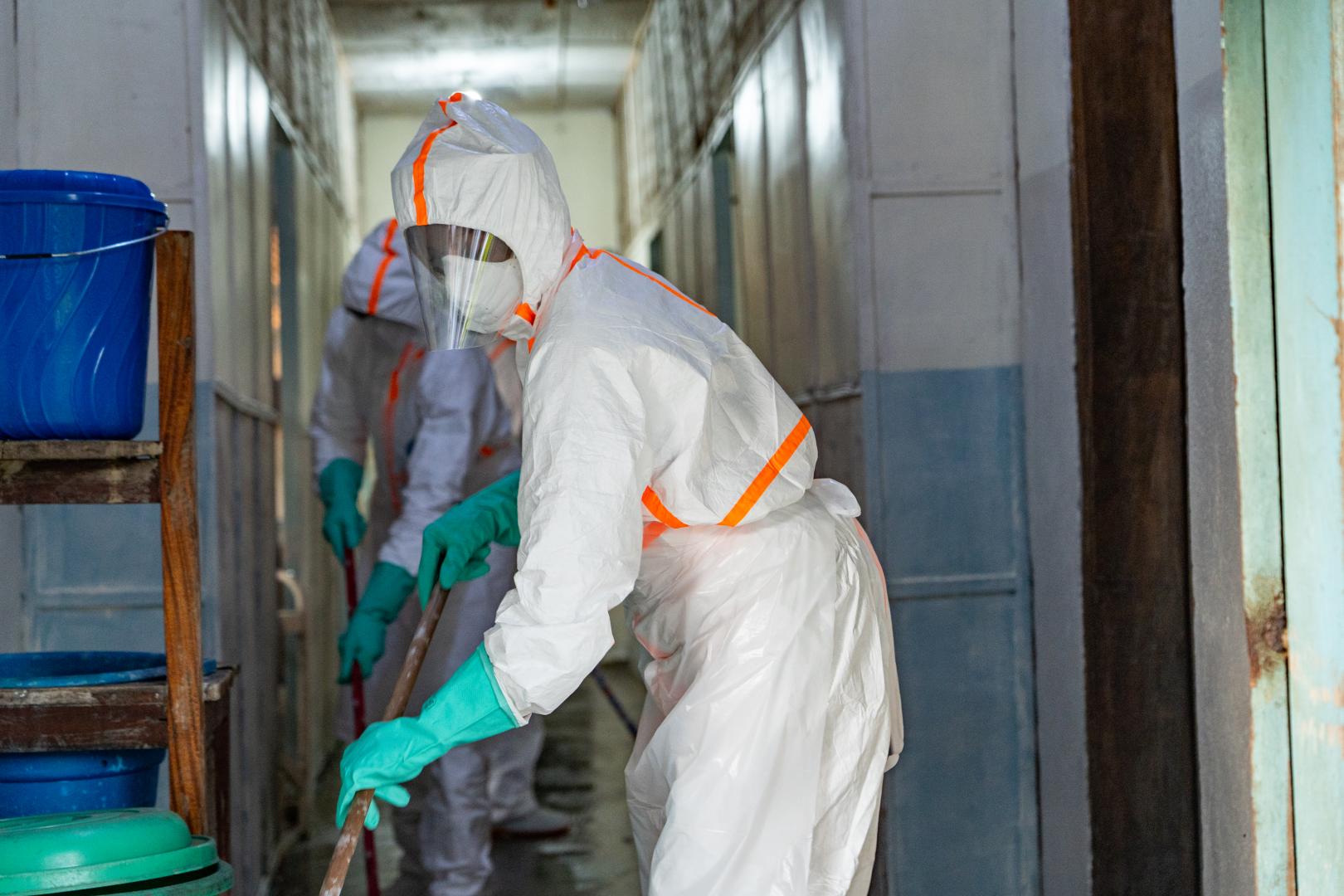
Enhancing infection prevention measures in health facilities to curb Ebola spread
“Hepatitis: Let’s End It”: Angola mobilises to save lives
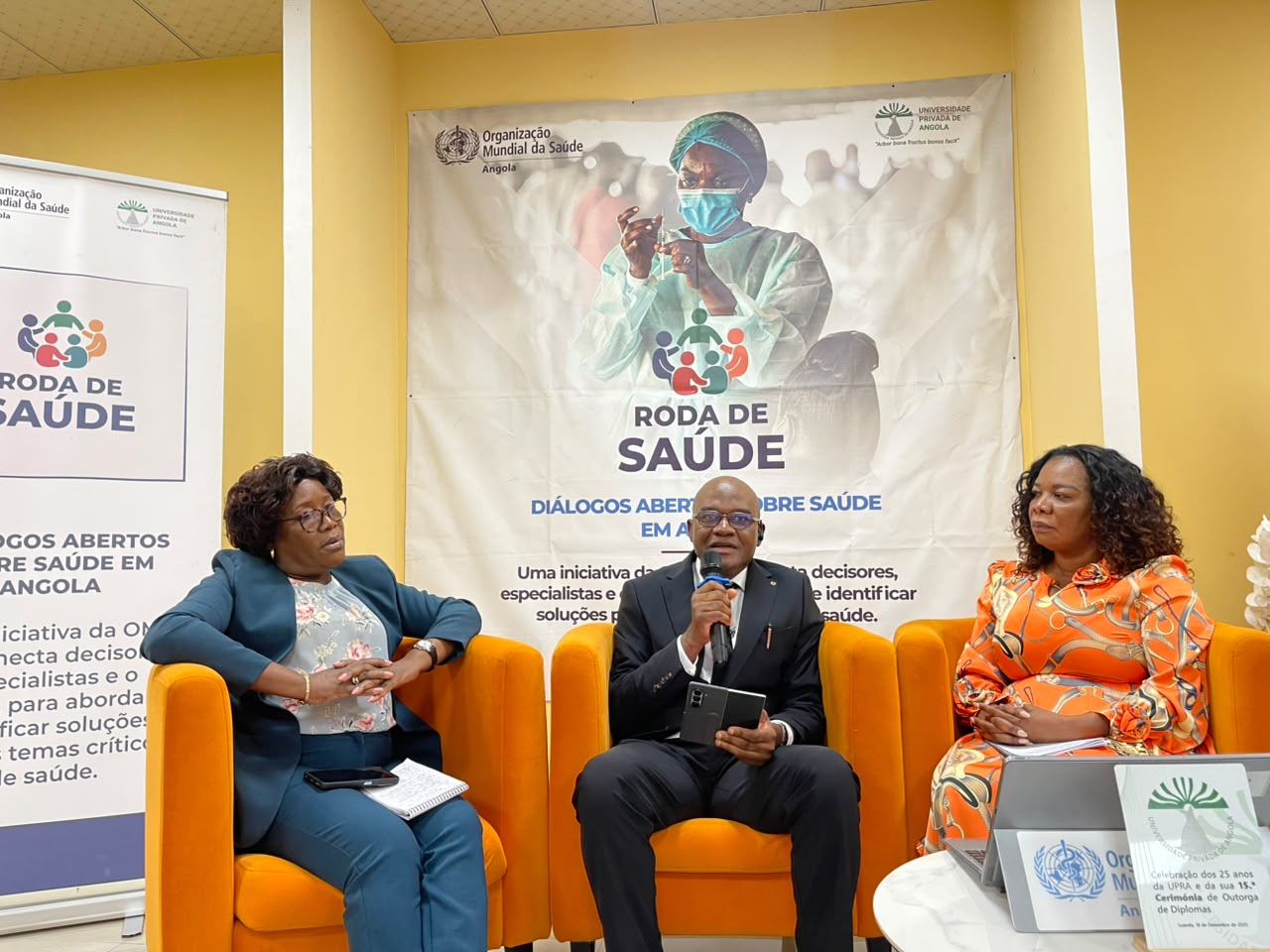
Viral hepatitis continues to pose one of the most serious and silent threats to public health in Angola. With an estimated prevalence of around 20 percent of the population, experts and health authorities in Luanda have emphasized the urgent need to expand vaccination, screening, and access to treatment to reduce the impact of the disease and accelerate progress towards its elimination.
A Century of Advancing Public Health: WHO Ethiopia Congratulates the Ethiopian Public Health Institute on Its 100th Anniversary

Addis Ababa, Ethiopia | 16 July 2026 — The World Health Organization (WHO) Ethiopia congratulates the Ethiopian Public Health Institute (EPHI) on its 100th anniversary and the convening of the Fifth Public Health Scientific Congress, recognizing a century of outstanding contributions to protecting and improving the health of the Ethiopian people.
Tanzania strengthens preparedness for viral hemorrhagic fever outbreaks through review of national case management guidelines

Morogoro – The Government of Tanzania, through the Ministry of Health, is strengthening national preparedness for Viral Haemorrhagic Fever (VHF) outbreaks through a five-day technical workshop to review and update the National VHF Case Management Guidelines.
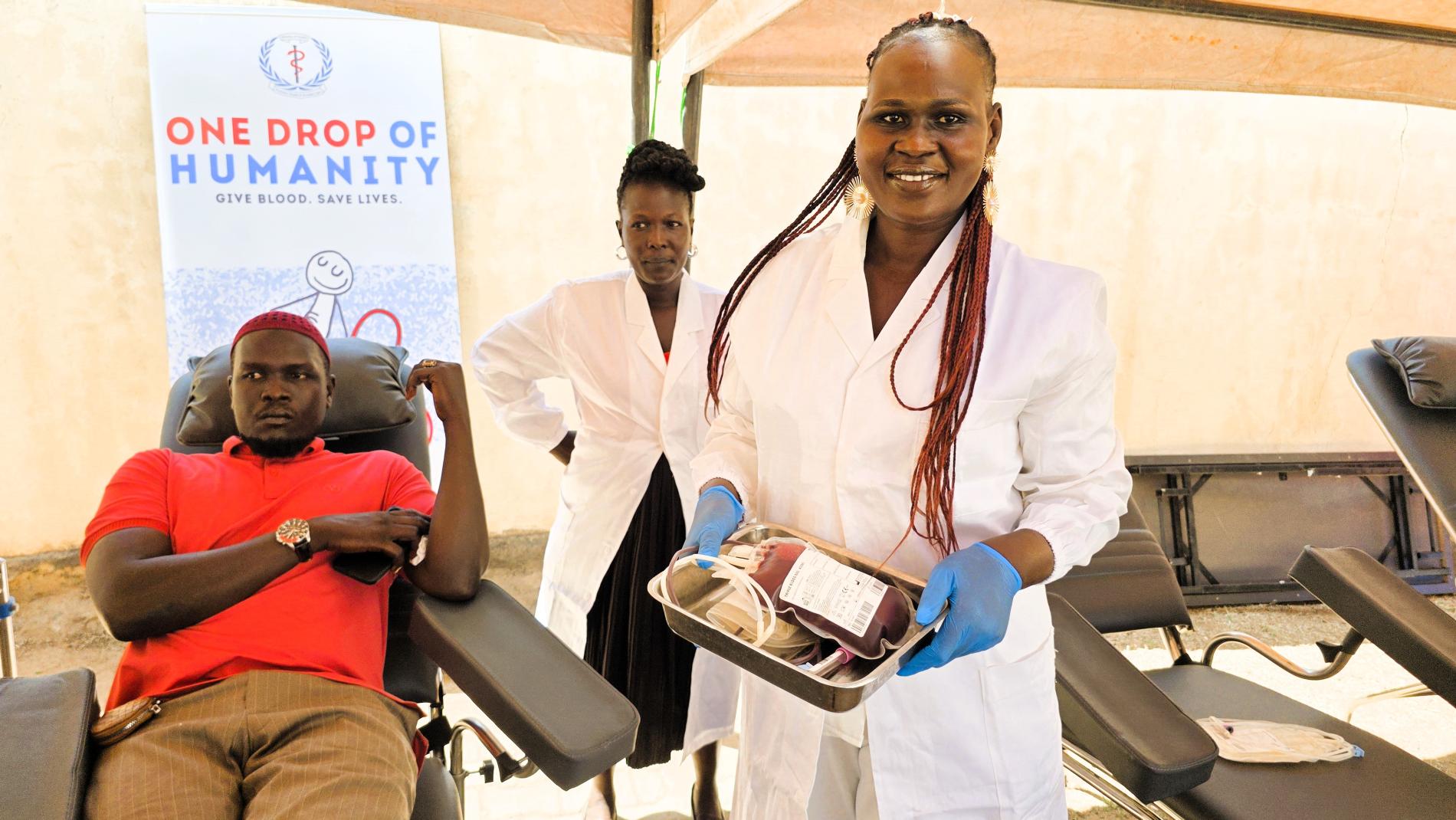
South Sudan’s fight against the triple threat: Advancing action on HIV, Syphilis, and Hepatitis B

Juba - Mrs. Jeba (a pseudonym used to protect her identity), a 24-year-old resident of Gudele suburb in Juba and a first-time mother, received an unexpected diagnosis during her pregnancy. During a routine antenatal care visit, she tested positive for hepatitis B but negative for HIV and syphilis. Despite the diagnosis, her child was successfully protected from all three infections, bringing immense joy to her family.
Zanzibar unites to turn the tide on drowning prevention as World Drowning Prevention Day is commemorated
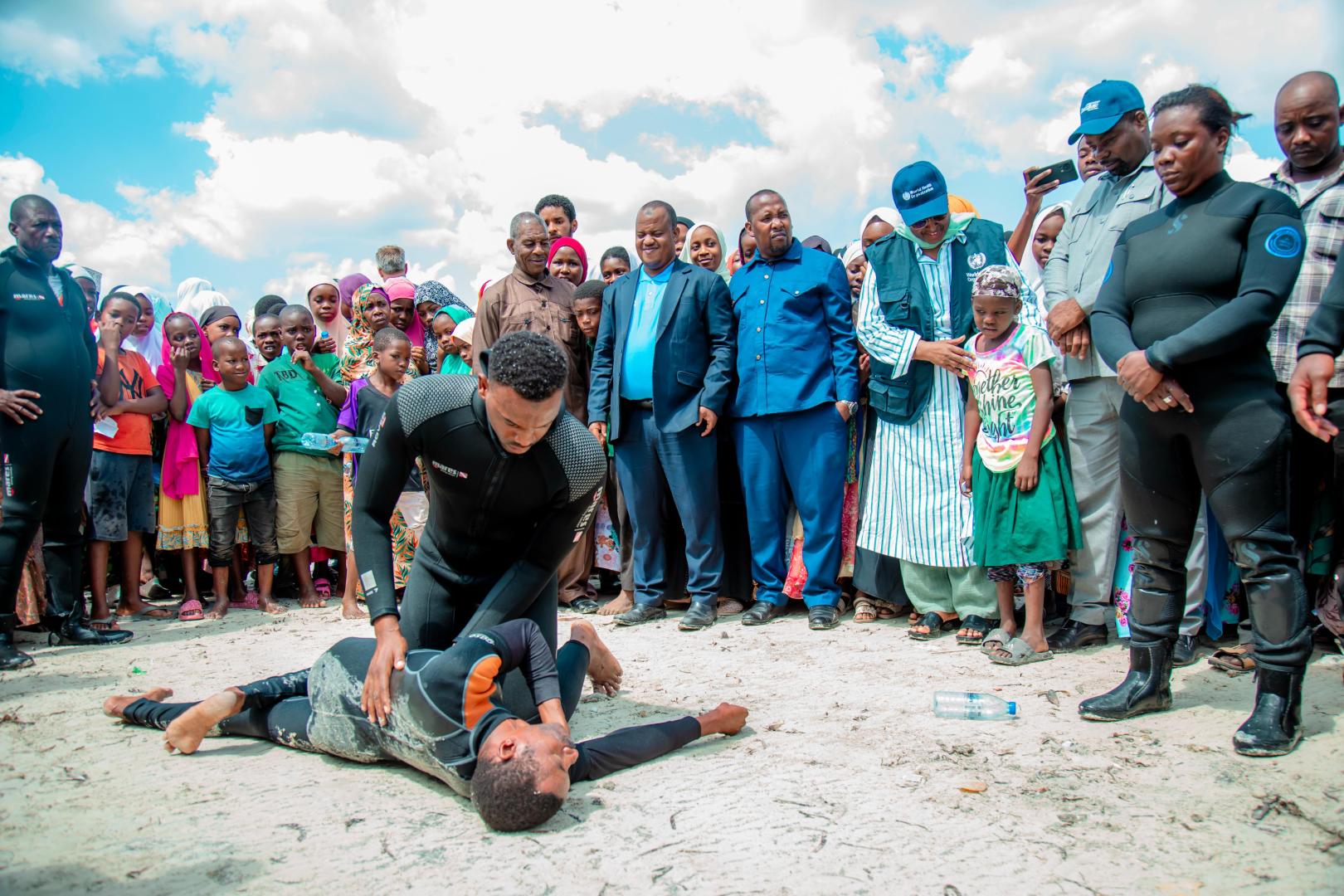
Zanzibar – The Revolutionary Government of Zanzibar, through the Disaster Management Commission under the Office of the Second Vice President, together with communities, development partners and WHO, commemorated World Drowning Prevention Day 2026 in Chwaka, reaffirming its commitment to government-led action on drowning prevention.
South Sudan receives emergency medical supplies to strengthen cholera response
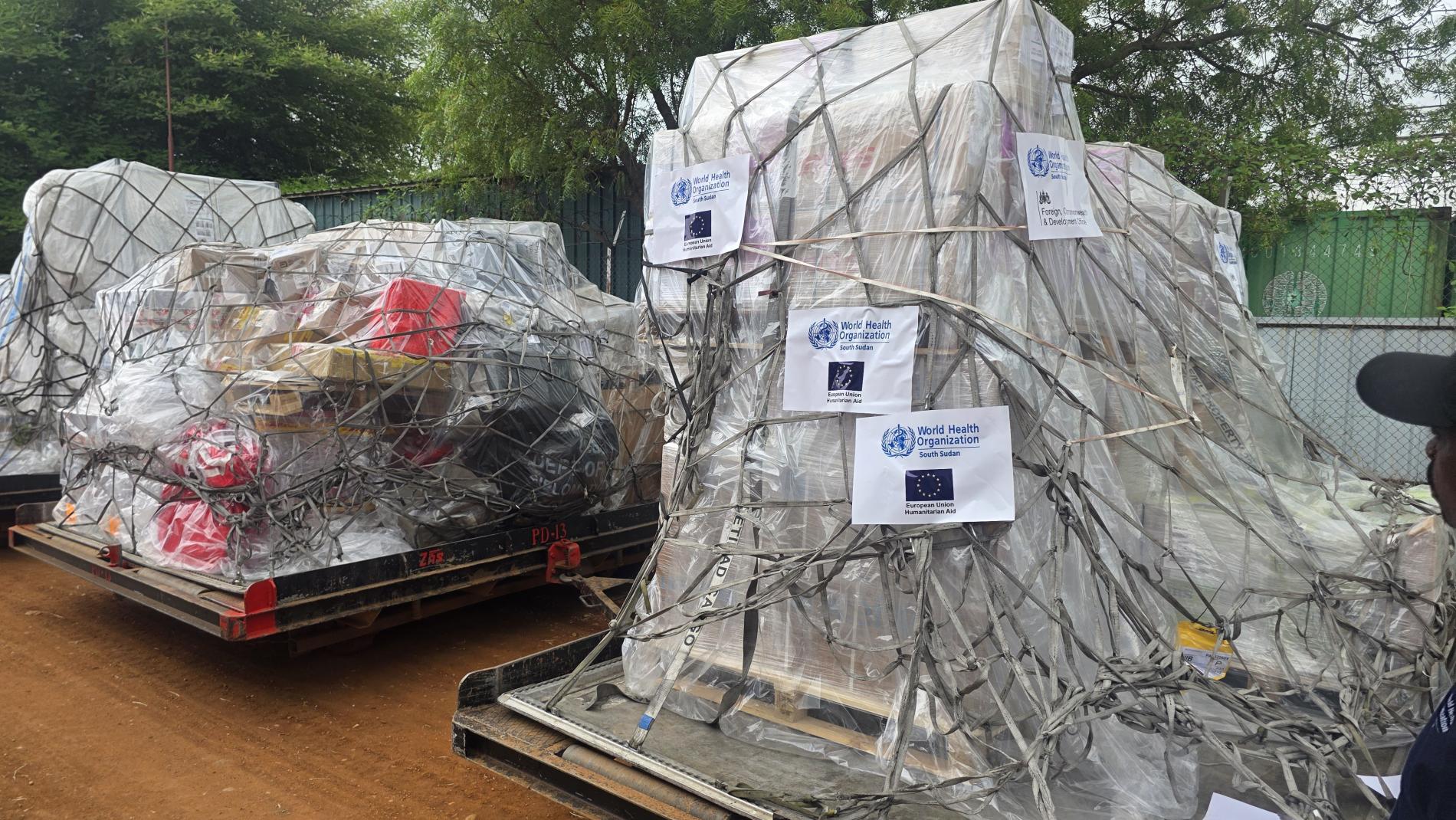
Juba- In response to the emerging needs for the sustained Cholera outbreak in South Sudan, WHO has received 19 metric tons of emergency supplies to replenish the fast-depleting stockpile of medical countermeasures needed in the response. These medical supplies enhance operational readiness and surge capacity. The shipment includes cholera response kits to support early detection and treatment, Inter-Agency Emergency Health Kits, as well as tents to expand temporary isolation capacity.
Namibia's World Population Day commemoration placed young people's health, agency and aspirations at the centre of national development.

"Young people are not only the leaders of tomorrow, they are shaping Namibia today," Hon. Amb. Dr Kaire Mbuende, Director General of the National Planning Commission
Uganda unveils new molecular laboratory to strengthen polio surveillance and health security
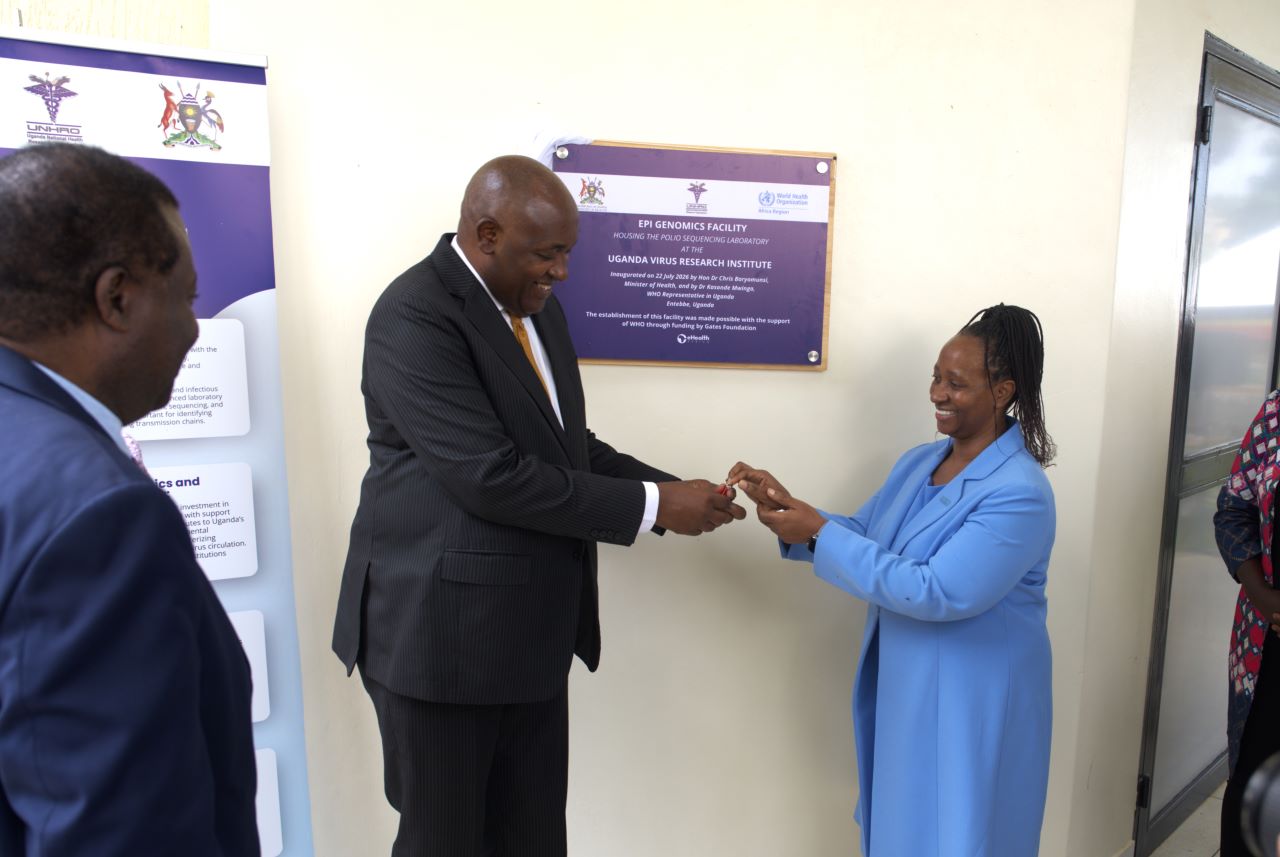
Kampala, Uganda – A new era for disease surveillance has begun in Uganda. The Government of Uganda, with support from the World Health Organization (WHO) and the Gates Foundation, officially handed over a new National Expanded Programme on Immunization (EPI) Molecular Laboratory at the Uganda Virus Research Institute (UVRI).