WHO takes part in the University of Santiago’s Scientific Conference with a conference on technology and humanization in healthcareferência magna sobre tecnologia e humanização na saúde
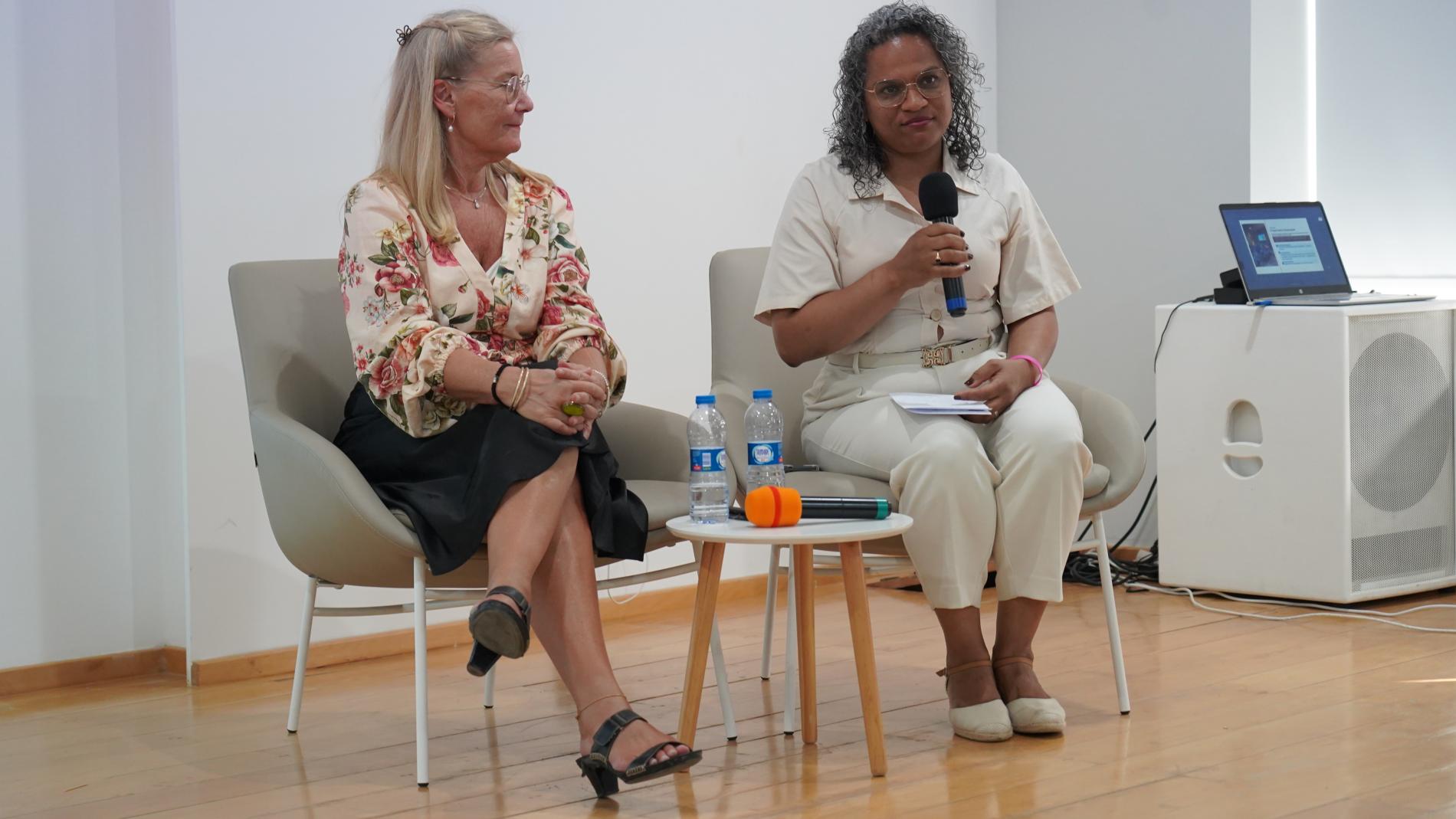
Praia, Cabo Verde. The World Health Organization (WHO) in Cabo Verde took part in the conference organized by the Department of Health Sciences, Environment and Technologies at the University of Santiago, which took place from 16 to 18 June in Praia and Assomada.
Decentralized testing speeds up Ebola response in the Democratic Republic of the Congo

Botswana strengthens One Health collaboration through National Bridging Workshop
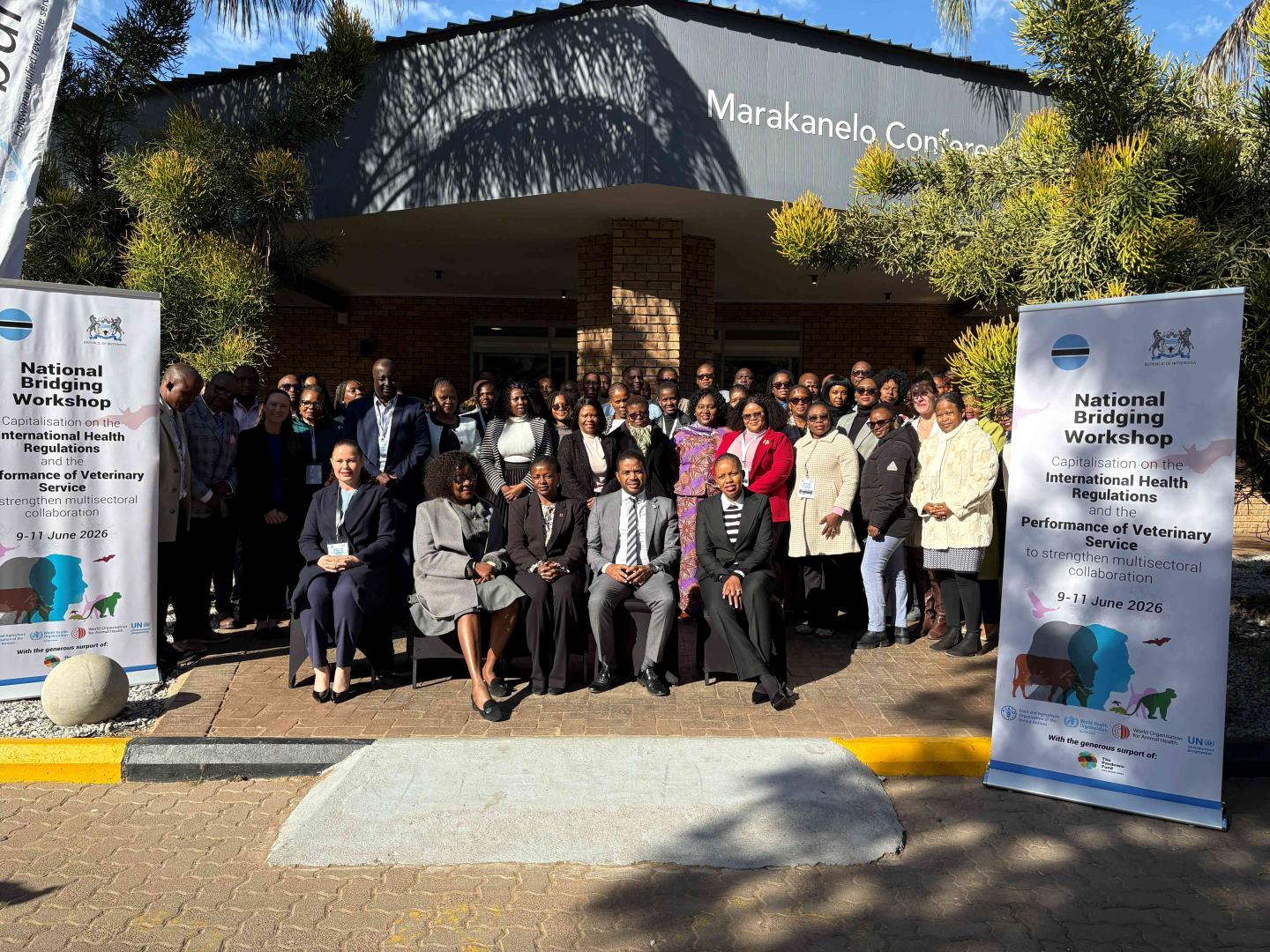
Botswana has strengthened multisectoral collaboration for health security through a National Bridging Workshop that brought together experts from the human, animal and environmental health sectors to develop a joint roadmap for implementing the One Health approach. The workshop was held in Gaborone from 9 to 11 June 2026 and was supported by WHO, WOAH, FAO and the Botswana Public Health Institute (BPHI).
São Tomé and Príncipe launches “Health in Movement” initiative with flashmob to promote healthy lifestyles
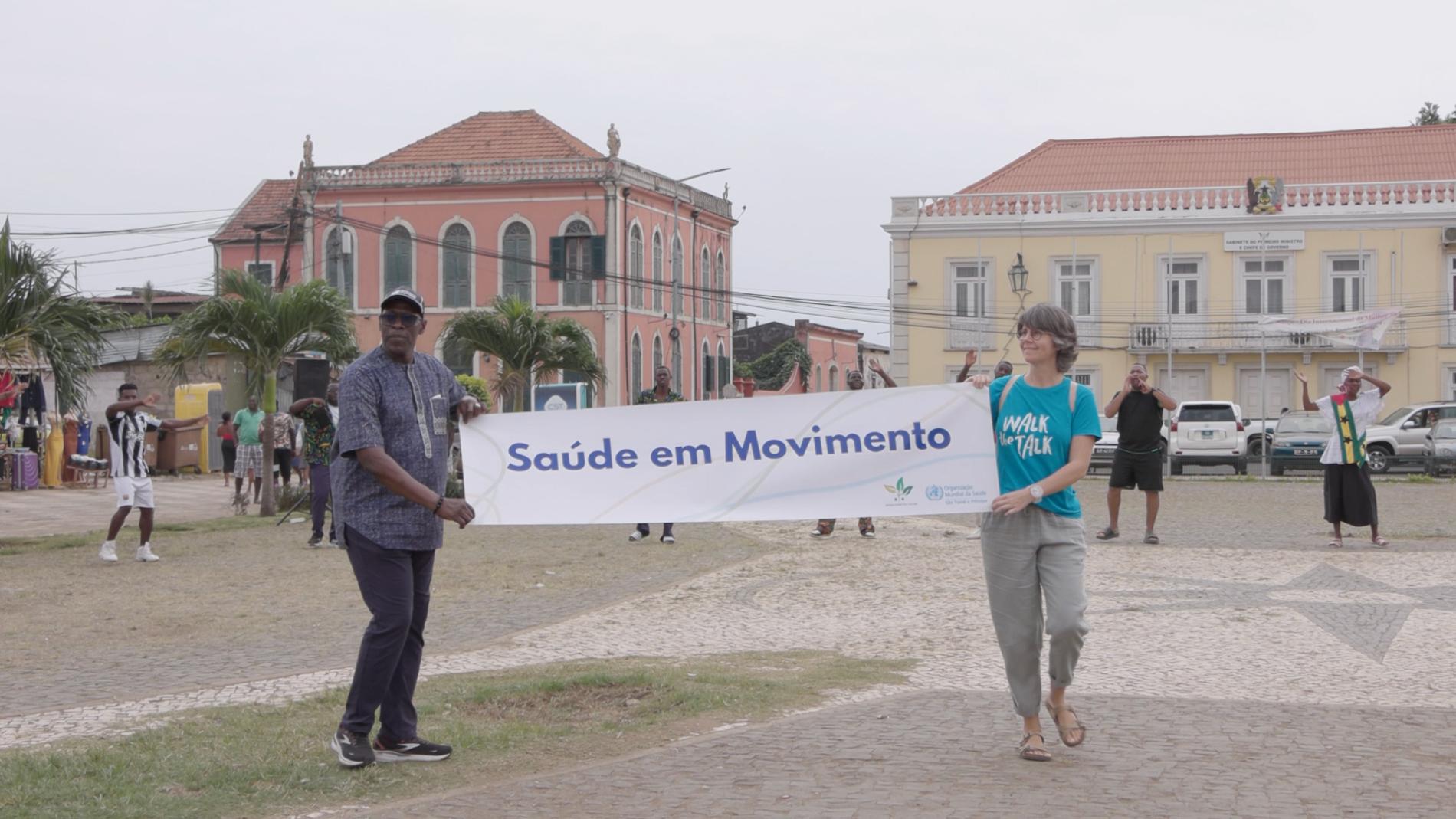
As part of the 50-anniversary celebration, the Ministry of Health, in partnership with the World Health Organization (WHO), launched the “Health in Movement” initiative through a flashmob held at Yon Gato Square, mobilizing the population to promote physical activity and prevent noncommunicable diseases (NCDs).
One Drop of Humanity: Giving Blood, Giving Life

For Dr Richard Banda, WHO Representative to Namibia, donating blood is a simple act with extraordinary meaning.
Each time he sits in a donation chair, he knows that the small bag of blood beside him could help save a mother during childbirth, support a child receiving cancer treatment, help an accident survivor, or give hope to someone living with a lifelong condition. Having donated blood more than 25 times, Dr Banda describes blood donation as one of the most powerful acts of solidarity a person can offer.
Regional cooperation and vigilance will control the Ebola outbreak
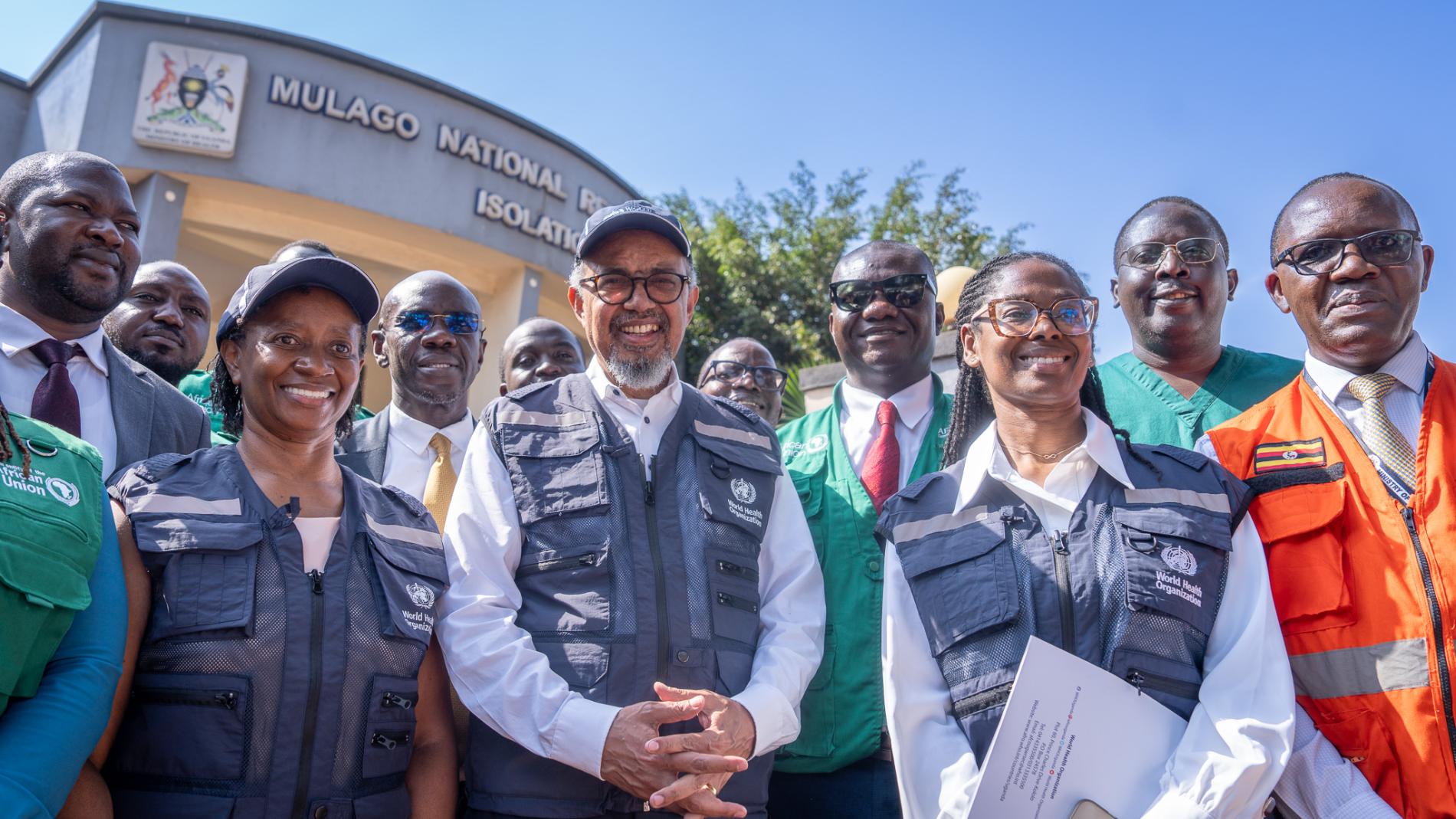
Kampala—World Health Organization (WHO) Director-General Dr Tedros Adhanom Ghebreyesus has commended Uganda’s response to the ongoing Ebola outbreak while urging continued regional cooperation, sustained investment and strong community engagement to prevent further spread of the disease.
Tanzania honours voluntary blood donors on World Blood Donor Day 2026
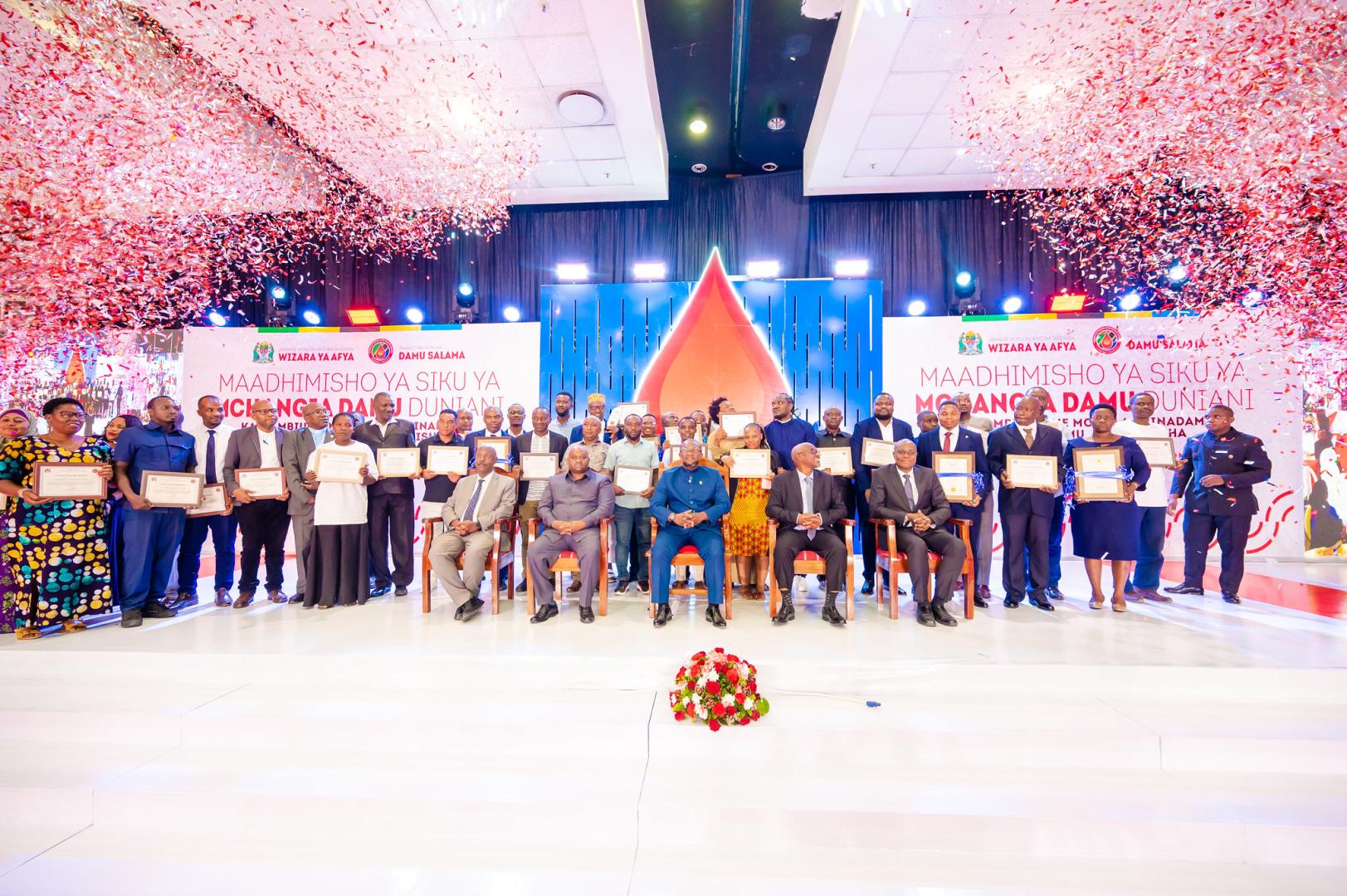
Dar es Salaam — The Ministry of Health, through the National Blood Transfusion Service (NBTS), celebrated Tanzania's voluntary unpaid blood donors at a national gala marking World Blood Donor Day under the theme "One Drop of Humanity. Give Blood. Save Lives."
Safe blood remains essential for saving mothers, accident victims, surgical patients, children with severe anaemia and others requiring urgent care. Because blood cannot be manufactured, voluntary donation remains the only source of lifesaving transfusions.
Tanzania Advances Emergency Medical Team Readiness with EMT 10 Steps and Emergency Medical Team Coordination Cell EMTCC Training
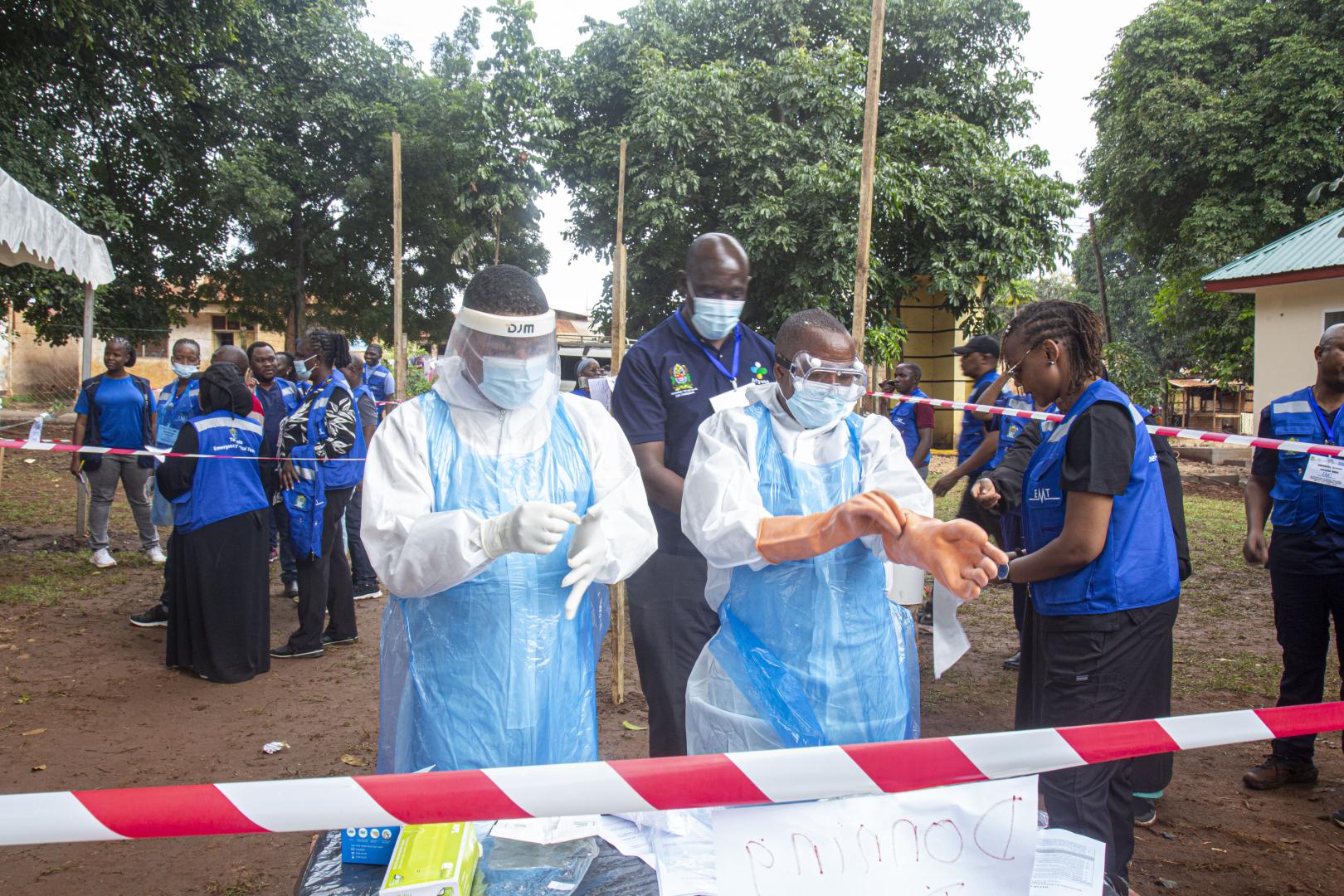
Morogoro — As part of its commitment to strengthening preparedness, early detection, and rapid response to public health emergencies under the National Action Plan for Health Security (NAPHS), the Government of Tanzania is enhancing national emergency response capacity through Emergency Medical Team (EMT) and Emergency Medical Team Coordination Cell (EMTCC) training taking place in Morogoro from 8–12 June 2026.
Uniting Against the Silent Killer: United Nations Staff in Ethiopia Champion Physical Activity and Hypertension Control
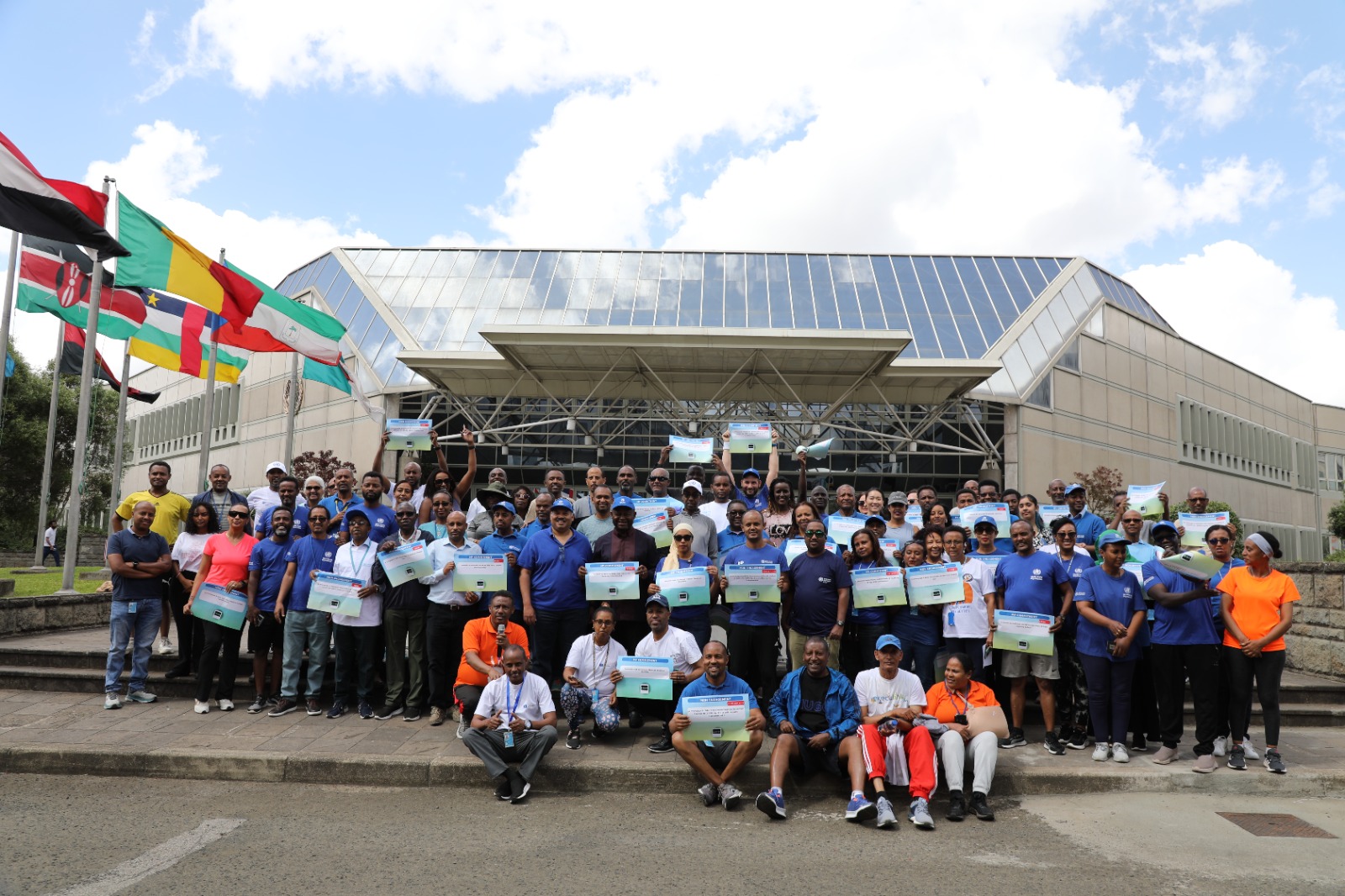
Addis Ababa, Ethiopia, 5 June 2026 – In a powerful demonstration of solidarity and commitment to healthier lifestyles, United Nations staff members and their families gathered at the United Nations Economic Commission for Africa (UNECA) compound in Addis Ababa on Friday, 5 June 2026, to commemorate World Hypertension Day through a mass sports activity and relay race aimed at raising awareness about hypertension and promoting physical activity.
WHO and the BFA Foundation Sign Agreement for Cholera Response in Benguela

The World Health Organization (WHO) and the BFA Foundation (FBFA) signed a funding agreement today worth 30.1 million kwanzas to support the cholera response and mitigate the impact of recent floods in Benguela Province.