
SADC needs regional collaboration to combat daunting health challenges of TB, Malaria and HIV and AIDS
Lilongwe, 29 March 2007 -- Strategic collaboration among health practitioners is pivotal if southern African countries are to make significant headway in combating the region’s most daunting health challenges - Tuberculosis, Malaria and HIV and AIDS. According to World Health Organization’s Regional Director for Africa, Dr. Luís Gomes Sambo, the region must work together to exchange experiences and increase epidemic surveillance and response.
Health Ministers Renew Commitment to Action on Humanitarian Crisis
A meeting of health ministers from southern African counties and senior officials of WHO ended Wednesday in Harare, Zimbabwe, with delegates from participating countries renewing their "political commitment for immediate actions with a view to mitigating the health consequences" of the humanitarian crisis facing the region.
A report issued at the end of the meeting said that the ministers "indicated the importance of a strategic response which recognizes the multi-dimensional nature of the current crisis, and which responds effectively to people's priority needs."
West and Central Africa unite to stop polio outbreak
19 Country Synchronized Polio Campaign
Joint GPEI / IFRC Factsheet – March 2010
Dr Sambo urges countries to address TB resistance to medicines
Malabo (Equatorial Guinea) 31 August 2010 – WHO Regional Director for Africa, Dr Luis Sambo, has urged countries in the Region to take concrete steps to check the emergence and spread of multidrug-resistant tuberculosis (MDR – TB) and extensively resistant TB (XDR-TB), high priority TB complications which continue to pose serious health threats to people in the African Region.
Health Worker Crises Threaten To Undermine Health Improvement In Africa
Speaker after speaker at a World Health Organization-World Bank meeting that concluded today in Addis Ababa, Ethiopia drew attention to an emerging crisis of health manpower in Africa. The situation threatens to defeat the efforts of African governments, private health care providers, NGOs, and donors for health improvement.
Discrimination and negative attitudes about ageing are bad for your health
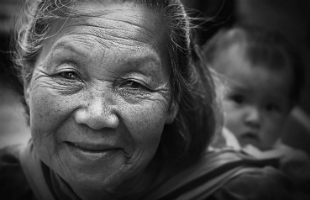
29 SEPTEMBER 2016 | GENEVA - New analysis by WHO shows that negative or ageist attitudes towards older people are widespread. They also negatively affect older people’s physical and mental health.
Fully 60% of respondents in the "World Values Survey" analysed by WHO reported that older people are not respected. More than 83 000 people in 57 countries took part in the survey which assessed attitudes to older people across all age groups.* The lowest levels of respect were reported in high income countries.
Eradicating Polio in the African Region: 2011 Annual Report
Polio eradication remains one of the top priorities for WHO in the African Region. Efforts to eradicate polio began in 1988 with the Global Polio Eradication Initiative (GPEI). At that time, polio paralyzed nearly 1000 children every day. As a result of massive efforts from national governments, coupled with significant technical and financial support of international partners, wild poliovirus (WPV) cases have fallen by 99%. At the end 2011, the total number of reported WPV cases was half of that reported in 2010, with 54% recorded in the African Region.
Health needs from humanitarian emergencies at an all-time high
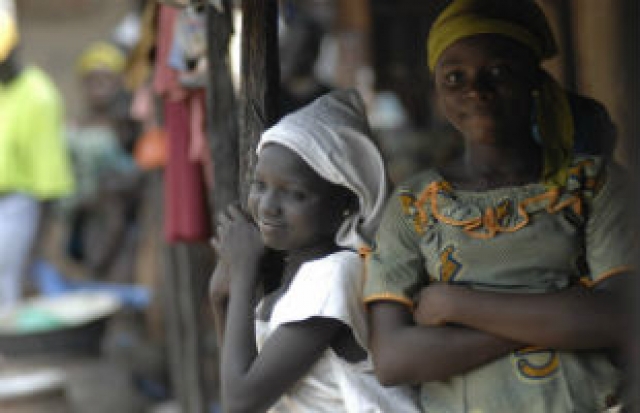 05 April 2016 -WHO and partners need US$ 2.2 billion to provide lifesaving health services to more than 79 million people in more than 30 countries facing protracted emergencies this year, according to WHO’s Humanitarian Response Plans 2016 launched today.
African health research advisory committee meets in Mauritius
The 21st session of the African Advisory Committee for Health Research and Development (AACHRD) is scheduled to take place from 22 to 25 April in Port Louis, capital of the Indian Ocean Island State of Mauritius, organizers of the meeting said in Brazzaville on Friday.
The four-day meeting of the 15-member expert committee is expected to explore practical modalities for addressing bioethiocal challenges in health research in the African Region as well as define mechanisms for enhancing research in traditional medicine.
Meningitis vaccination campaign to reach 300 million by 2016
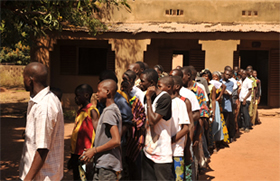
Chad has launched a mass campaign to vaccinate nearly 2 million people against meningitis A, the primary cause of epidemic meningitis in sub-Saharan Africa. This is part of a multi-year immunization campaign covering the 25 countries of the African meningitis belt. Cameroon and Nigeria also began campaigns last week, with Mali and Niger completing the campaigns which they began last year.