A multi-drug resistant TB survivor in Ethiopia shares his story

“Life is a long, often surprising road, with many hurdles to overcome and many opportunities to take advantage of. Back in 2003, I was in the land of opportunity - studying at university to become a pharmacist and dreaming of getting a good job. But after I finished my first year, the symptoms came,” says Endalkachew Fekadu, a multi-drug resistant TB survivor.
3rd Meeting on African Surveillance Informatics Governance Board (ASIGB)
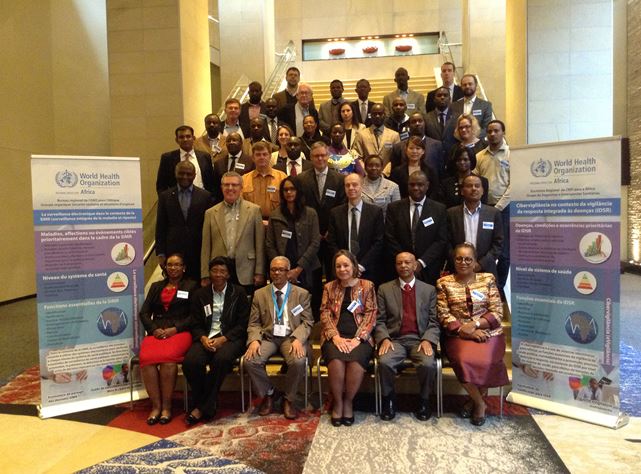
Implementation of eSurveillance in the context of Integrated Disease Surveillance and Response is the foundation for the monitoring of the health situations and assessment of trends for decision making.
16-18 July 2015, Cape Town, South Africa
Integrated Disease Surveillance and Response (IDSR) is a comprehensive, evidence-based strategy for strengthening national public health surveillance and response in the African Region linking community, health facility, district and national levels.
Second African Regional Conference on Immunization(ARCI), Ouagadougou, Burkina Faso, 06 December 2010 - 08 December 2010
Theme: “Reaching every child with immunization.”
The specific objectives of this conference are:
African Govts Urged to prioritize Tuberculosis
Brazzaville, 24 March 2006 -- African countries have been urged to prioritize tuberculosis (TB) by allocating adequate resources for its control and increasing access to TB prevention, treatment and care services.
WHO Director General speaks on GM foods
WHO Director General, Dr Gro Harlem Brundtland, said Tuesday in Harare that currently available evidence showed that genetically modified (GM) foods are "not likely to present human health risk", and that therefore "these foods may be eaten". She said that Southern African countries should consider accepting GM food aid in the face of the humanitarian crisis facing the region.
Integrated Disease Surveillance and Response (IDSR) Epidemiological Report, July 2010
Integrated Disease Surveillance and Response (IDSR) in the WHO African Region now goes beyond the scope of Communicable Diseases. Non-communicable health conditions and events are now a priority in IDSR.
In order to reflect this change of environment, the CDER has been renamed IDSR Epidemiological Report. This July 2010 issue attempts to provide information on the burden of some regional priority diseases such as cholera, cerebrospinal meningitis, dengue fever, influenza, poliomyelitis and yellow fever in the WHO African Region.
Mid-Level Management Course for EPI Managers
The aim of MLM training is to enable immunisation managers at all levels to acquire skills in planning, management, monitoring and evaluation. It will also give them the knowledge to supervise and support immunisation operations such as service delivery, the cold chain and logistics, purchase and quality control of vaccines, communication in support of the programme.
Un Deputy Secretary General Calls On International Community To Support Poverty Reduction In Africa
New York -- United Nations Deputy Secretary General Louise Frechette has called on the international community to help in "addressing the needs of Africa where poverty and health challenges are the most acute."
Launching an international health exhibition organized by the World Health Organization in collaboration with the UN Department of Public Information at the UN headquarters in New York on Monday, Mrs Frechette said: "We (the international community) must provide support to Africa …let this exhibition be an inspiration to us all."
Ebola – a test too far for one little girl
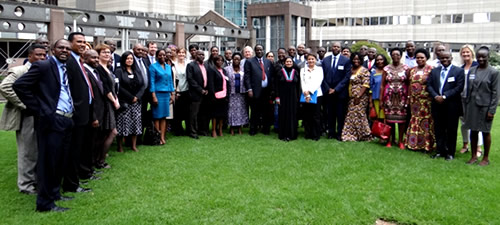
Monrovia, 22 April 2014 - The WHO Regional Director for Africa Dr Matshidiso Moeti has underscored the importance of involving the communities in the fight against Ebola.
WHO calls for early diagnostic tests for Lassa fever
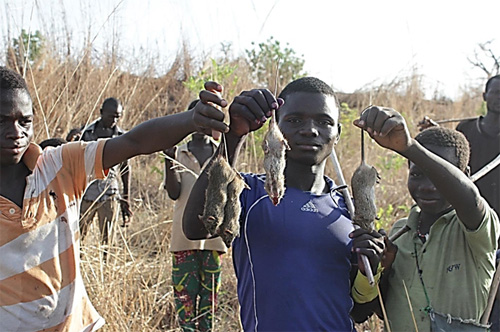
1 APRIL 2016 - Lassa fever has killed more than 160 people in West Africa, most of them in Nigeria, since November 2015. Many of these lives could have been saved if a rapid diagnostic test were available so that people could receive treatment early.