WHO supports Seychelles third national Effective Vaccine Management Assessment
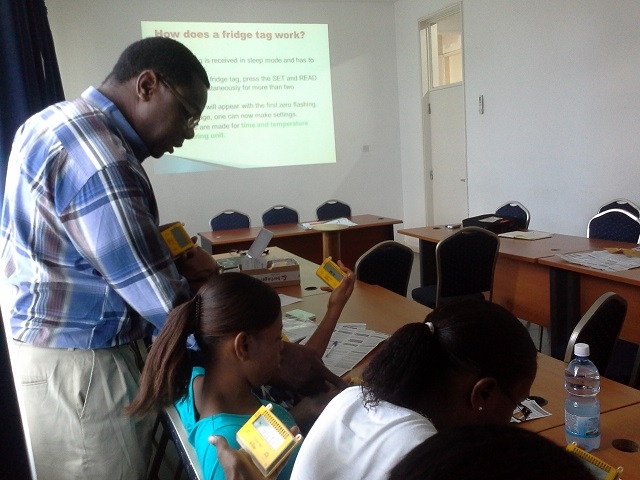
Victoria, Seychelles, 15th April 2015 - “The outcome of the effective vaccine management assessment has indicated marked improvement in the performance of Seychelles’ vaccine management systems and procedures currently in place”.
Meningitis outbreak- WHO intervenes to halt further fatalities.
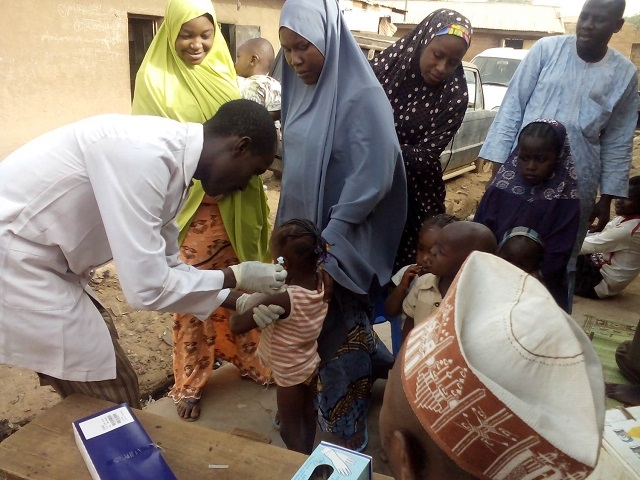
Abuja, 14 April 2015 - The World Health Organization state office in Sokoto has supported government to immunize 81,761 (89%) people aged 2-30yrs against cerebrospinal meningitis (CSM), out of the 91, 857 targeted in Shagari, Tangaza and Gudu; the three affected local government areas (LGAs) in the state.
Implementing cervical cancer interventions key to save African women
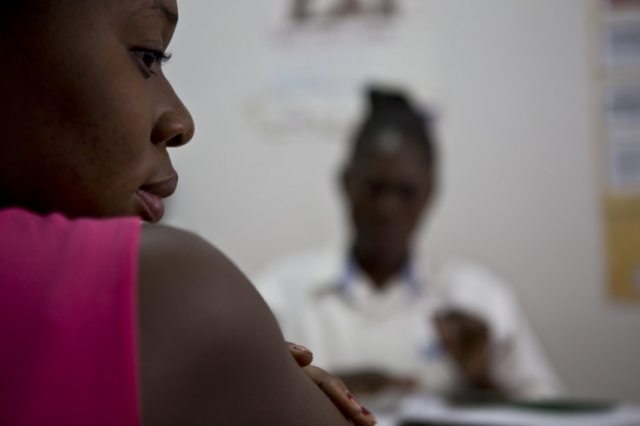 Brazzaville, 13 April 2015 - Cervical cancer continues to be a significant threat and demands urgent attention in the African Region. Cervical cancer is the most common of all cancers in Africa and affects the lower part of a woman’s womb.
Ministry of Health and Partners Validate Investment Plan for Building a Resilient Health System in Liberia
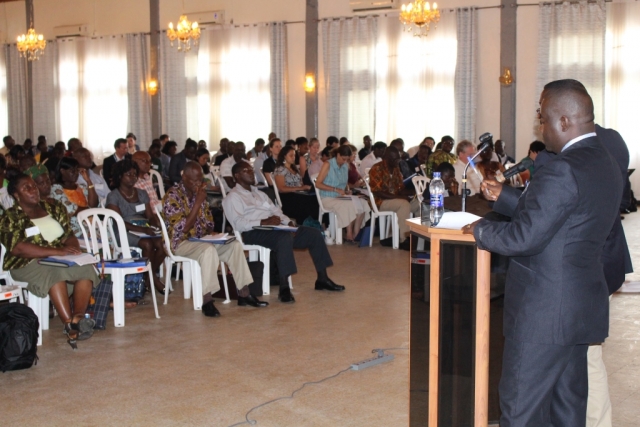
Monrovia, 10 April, 2015 - Following years of a catastrophic civil war, the Government of Liberia, along with partners put in place a number of initiatives for the rehabilitation and reconstruction of the health sector that was completely ravished. Paramount among these efforts was the development of a ten year National Health and Social Welfare Policy and Plan along with an essential package of health services.
Malawi completes round one of the oral cholera vaccination campaign in Nsanje District
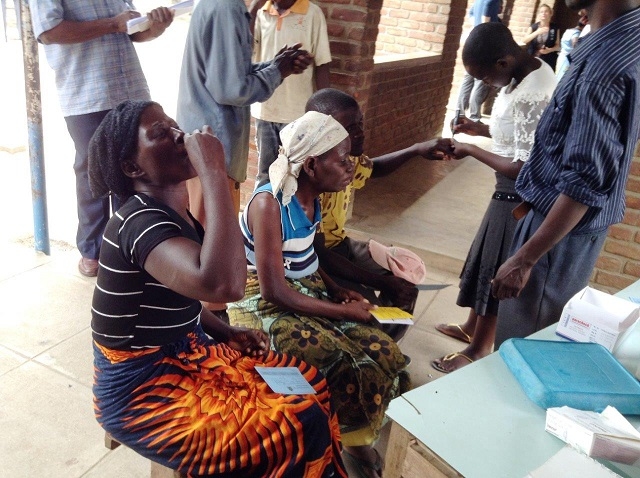
Lilongwe 13 April 2015: From 30 March to 4 April 2015 the Ministry of Health and partners completed the first round of the Oral Cholera Vaccination (OCV) campaign in the southern district of Nsanje which borders with Mozambique.
The campaign has targeted 160,000 people that are living in camps and the surrounding villages as an additional measure to prevent and control the spread of cholera which started on 11 February 2015. The preliminary results of the campaign show that over 143,000 people were vaccinated representing close to 89% coverage.
Liberia commemorates World Health Day on 7 April
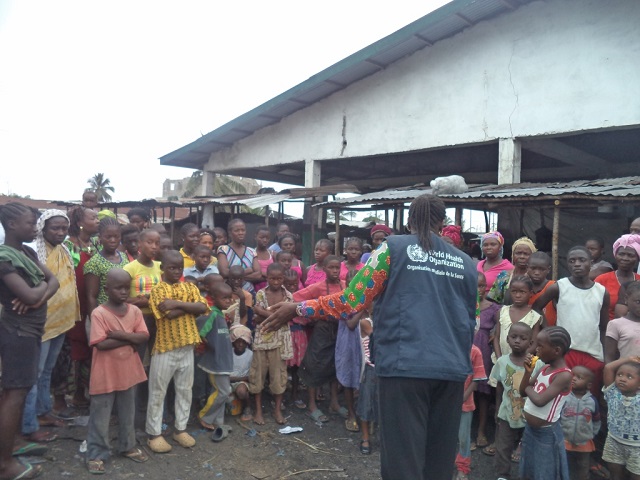
Monrovia, 9 April 2015 - World Health Day was celebrated in Liberia under the theme ‘Food Safety’, keeping food safe from the farm to the plate. A week-long awareness and sensitization campaign on food safety was conducted in market places, schools and various communities. These activities were targeted at creating awareness and educating the public on the importance of keeping food safe and the dangers of consuming unsafe food.
WHO Donates Vehicles to Ministry of Health to Enhance Mobility and Outreach
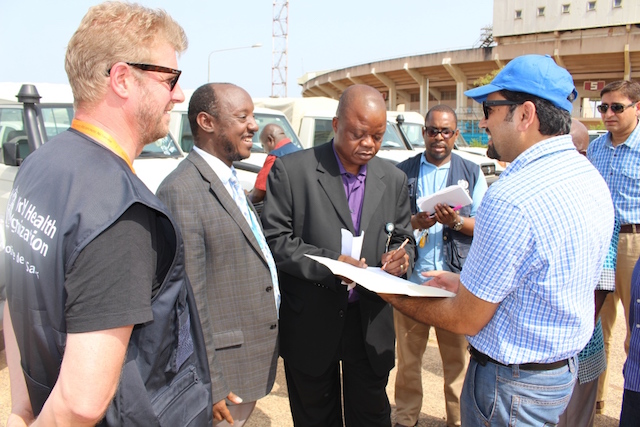
Monrovia, 10 April 2015 - During the past fifteen years, Liberia has gone through three complex emergencies, two civil wars and currently the Ebola Virus Disease outbreak. These emergencies disrupted the country’s economy and caused the near collapse of the health sector. The Government and partners have initiated a number of measures to rehabilitate and reconstruct the country and in particular to restore access to basic health services.
WHO Malawi calls for continued efforts to ‘reach, treat and cure everyone’ on World TB Day
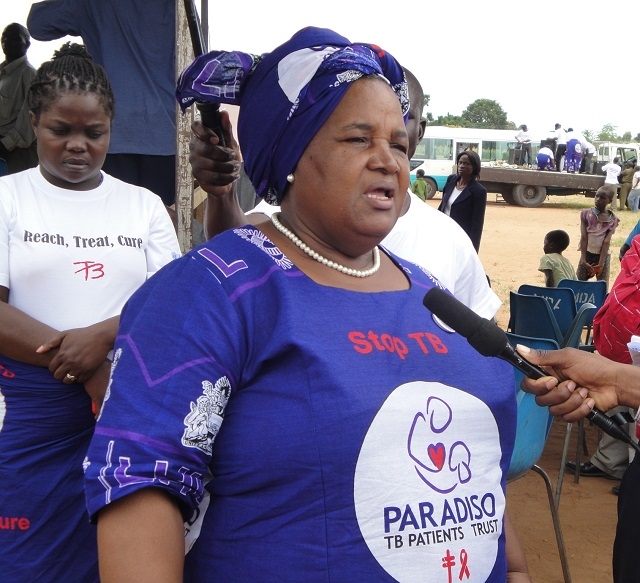
Lilongwe, 8 April 2015: Malawi joined the rest of the world in commemorating World TB Day under the theme 'reach, treat, cure everyone' which is a continuation of last year’s theme of 'reach the 3 million' cases that do not get the care that they need globally. The ceremony took place at Chinkusa ground in Mzimba district on 24 March 2015.
South Sudan marks World Health Day 2015 under the theme: From farm to plate, make food safe
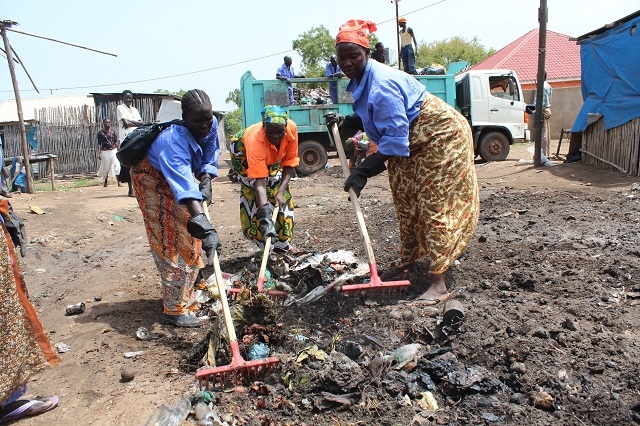
South Sudan on 7 April 2015 joined the rest of the world to mark World Health Day under the theme: 'From farm to plate, make food safe'.
To celebrate the day and translate this year’s theme to the local context, WHO in collaboration with Ministry of Health (MOH) and partners conducted various activities. These included the launch of the African Region Health Report 2014; the donation of 10 ambulances, two vehicles, 288 bicycles and three motorcycles to the MOH; an exhibition on food safety and a public awareness campaign at selected markets in Juba.
Diabetes burden rising sharply in the African Region
 Diabetes is expected to become the seventh global leading cause of death by 2030. In 2012, diabetes was the direct cause of 1.5 million deaths worldwide and statistics indicate that the risk of dying among people with diabetes is at least double that of their peers without diabetes.