Uganda commemorates World Health Day 2015
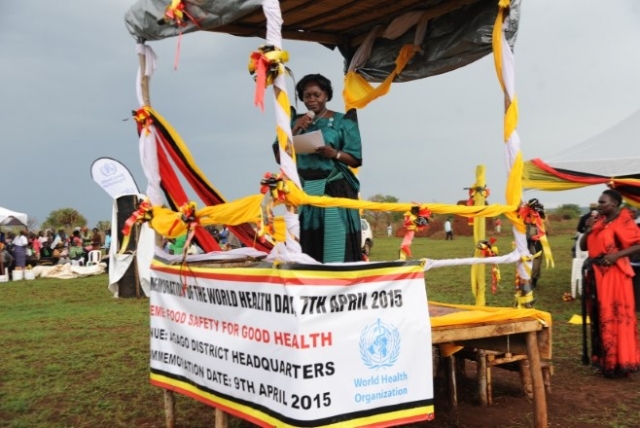
Agago, 18 April 2015:- Uganda Commemorated World Health day at Agago district headquarters under the theme ‘Food safety for good health’. The overarching message to all Ugandans was to always ensure safety of food from the farm to the plate.
Unidentified disease outbreak not infectious - Minister of Health assures Nigerians
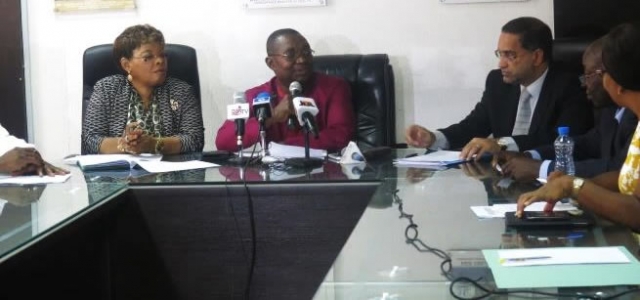
Abuja, 20 April 2015 - The Minister of State for Health, Mr. Fidelis Nwankwo has debunked the rumors of unidentified disease outbreak which is attributed to 19 deaths since 15th April 2015, out of 24 reported cases. He further provided insights on the causes of illness and sudden deaths in two communities of Irele, Local Government Area (LGA) in Ondo State of Nigeria.
Closing the gap on pneumonia through immunization
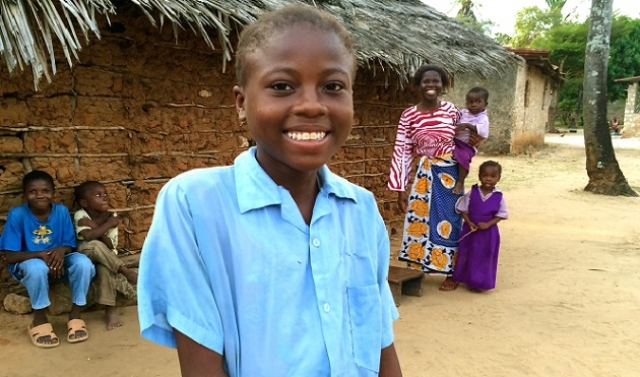
Soon after the birth of her second child, a daughter she named Neema, Tabu Kalama found herself homeless and with no regular income. Ms Kalama had no option but to sleep with her newborn daughter and her 18-month old son in the meagre shelter of palm trees near the beach in Kilifi, in eastern Kenya.
It was June, among the coolest and wettest months there. “I was so worried that the baby would fall sick, and there was nothing that I could do,” Kalama says.
Tobacco control must accelerate to protect innocent children, women and men in Africa
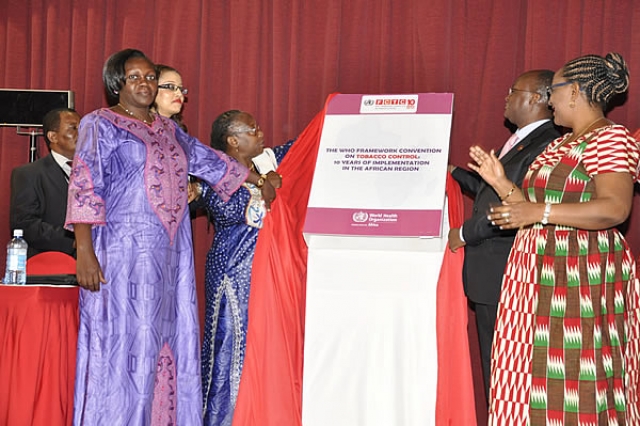
Nairobi, February 27 2015 -- Delegates attending the WHO Framework Convention on Tobacco Control (FCTC) in Nairobi marked the 10-year celebration of the implementation of tobacco control in Africa with jubilation and concerted determination to fight the tobacco epidemic to the end.
The delegates from 39 of the 47 countries in the World Health Organization (WHO) African Region agreed to the Nairobi Declaration on FCTC to accelerate comprehensive measures, which will save the lives of innocent children, youth and adults from tobacco-related diseases.
Kenya: Closing the gap on pneumonia through immunization
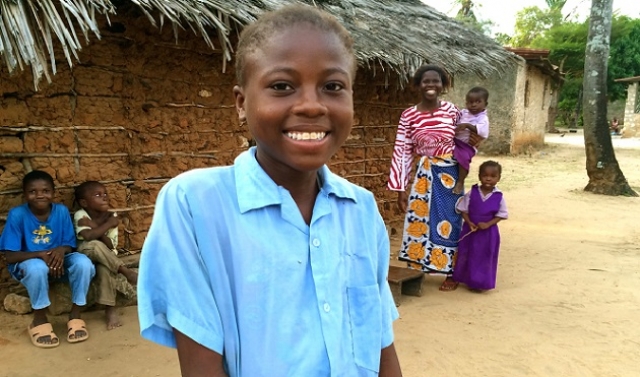 Soon after the birth of her second child, a daughter she named Neema, Tabu Kalama found herself homeless and with no regular income. Ms Kalama had no option but to sleep with her newborn daughter and her 18-month old son in the meagre shelter of palm trees near the beach in Kilifi, in eastern Kenya.
Photo story: Sierra Leone students back to healthier schools with WHO support
Tuesday was a happy day in SierraLeone as children returned to school after many months away due to the Ebola outbreak. Read how the Government of Sierra Leone, WHO and partners made that possible
Seychelles embarks on Neglected Tropical Diseases mapping survey
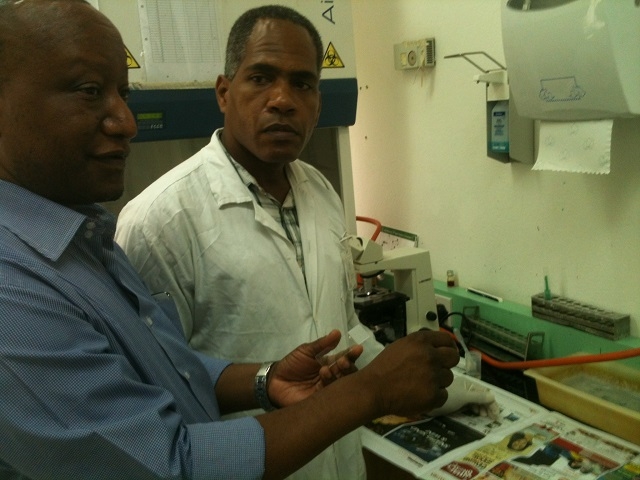
Victoria, Seychelles, 15th April 2015 - The Seychelles has embarked on a national mapping survey for Soil Transmitted Helminthes (STH) or otherwise known as intestinal worm infections. Funded by the World Health Organisation (WHO), this initiative is part of the global 2020 Neglected Tropical Disease Goals aimed at accelerating work in all countries to overcome the global impact of neglected tropical diseases (NTDs).
Cervical cancer common amongst African women
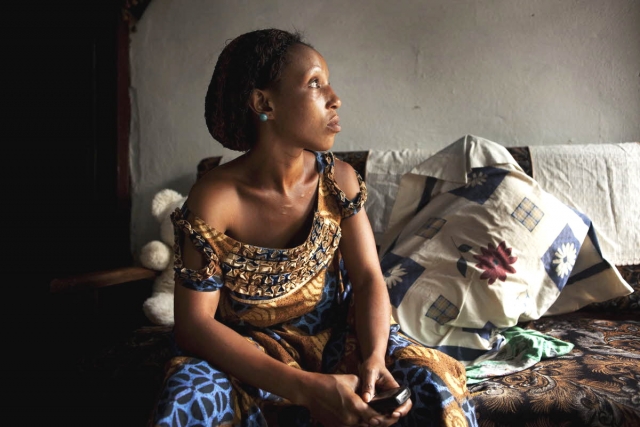 Cervical cancer is caused by the sexually transmitted human papillomavirus (HPV), which is the most common viral infection of the reproductive tract. It affects younger age groups as a result of early sexual activity, multiple sexual partners, and exposure to other sexually transmitted infections such as HIV.
UNESCO’s ‘Young People Today: Time to Act Now’ Initiative supports HIV/AIDS interventions in Seychelles
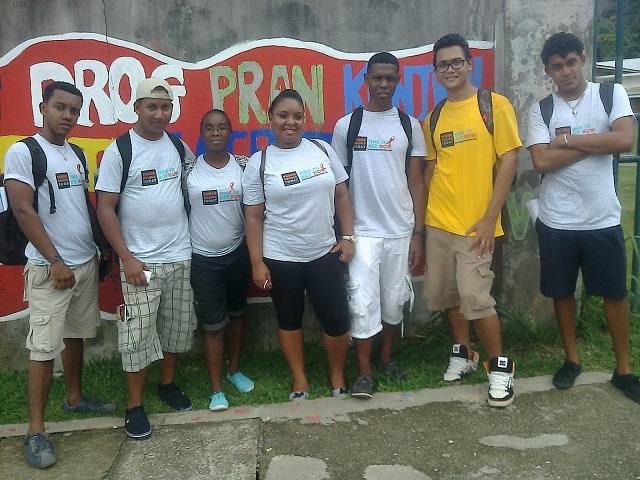
Victoria, Seychelles, 15th April 2015 - Seychelles has a concentrated epidemic of HIV. This means that though the prevalence is less than 1% in the general population, some special population have high incidence rates.
So much is therefore being done to try to prevent and even reduce the cases of HIV and AIDS amongst the whole population as well as targeting high risk groups such as men who have sex with men, sex workers, intravenous drug users, migrant workers and adolescents.
First Lady launches the HPV vaccine project for the prevention of cervical cancer
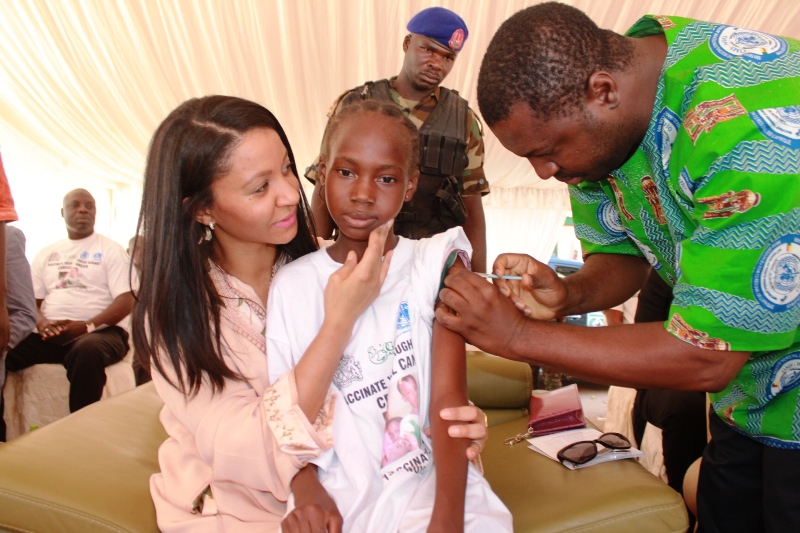
Her Excellency, the first Lady Madame Zeineb Yahya Jammeh last Friday 14th November 2014, launched the Human Papilloma Virus (HPV) for the prevention of cervical cancer.