Ghana Health Service and its Health Partners engage the media during Breastfeeding Week
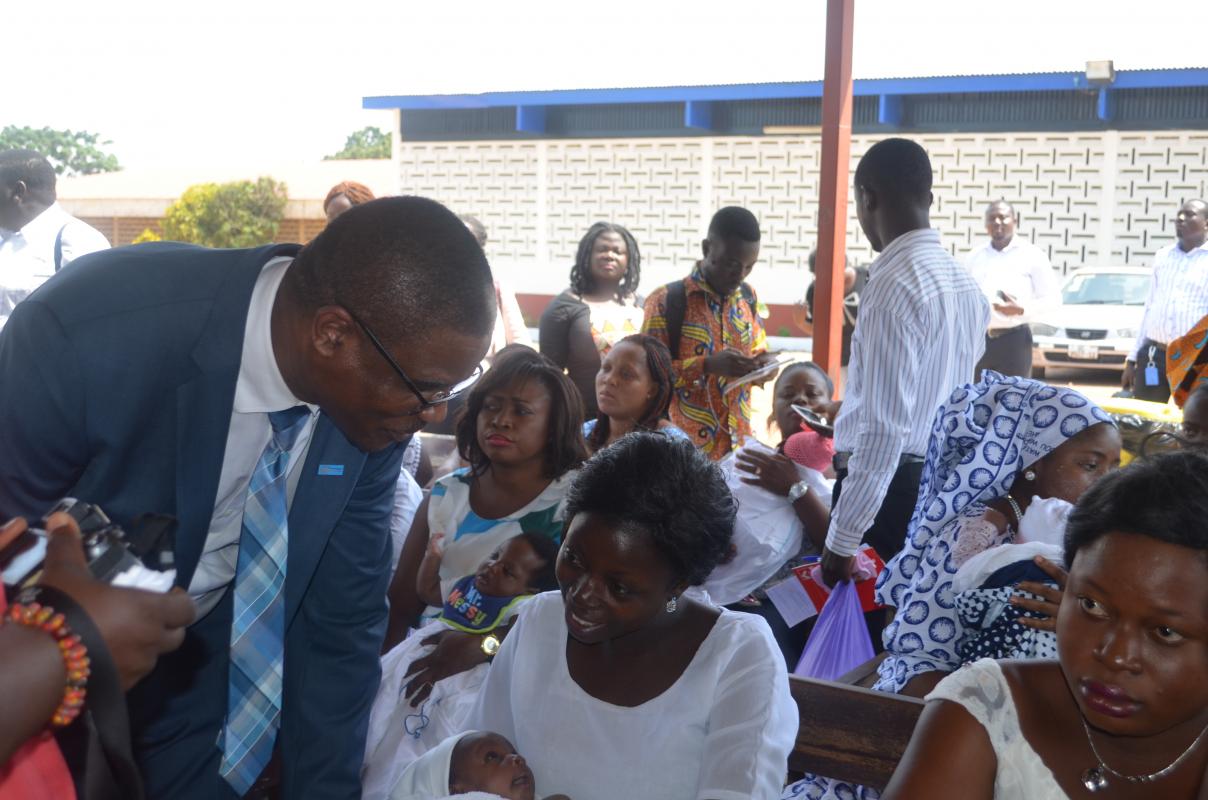
As part activities of the 2018 breastfeeding week celebration in Ghana, the Ghana Health Service and its health partners organized a media briefing and orientation on the importance of breastfeeding at the Greater Accra Regional Hospital.
Speaking at the function, Dr Anthony Nsiah-Asare, the Director General of the Ghana Health Service (GHS), , said although the country has made appreciable strides in promoting Exclusive Breastfeeding (EBF), rates, have stagnated in the recent past.
Ghana launches the Parliamentary TB Caucus
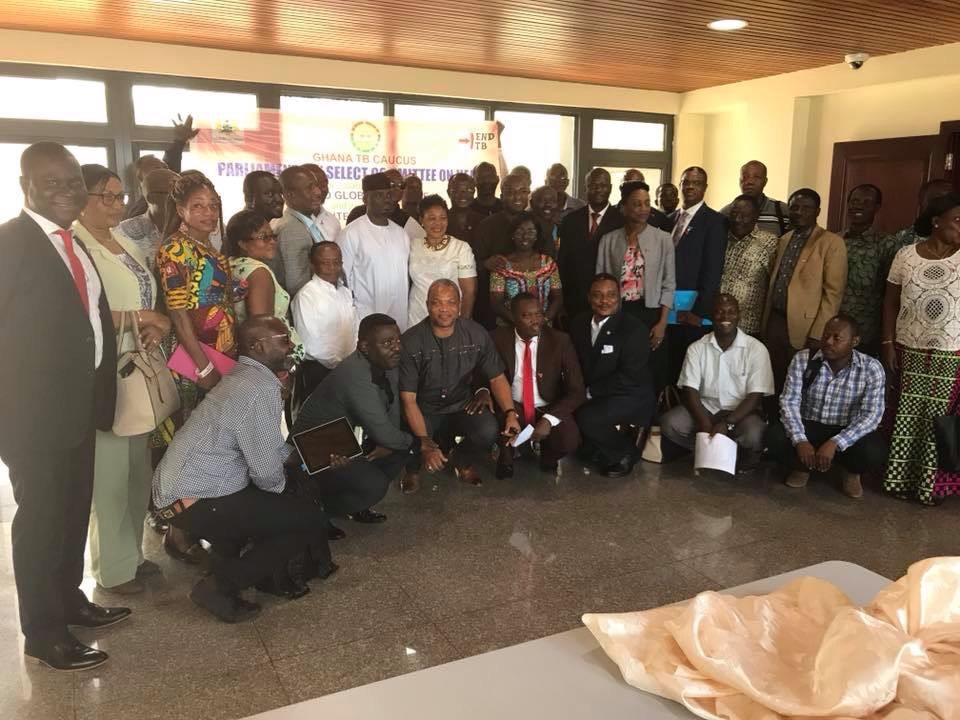
Ghana on 02 August, 2018 made strides when it launched its Parliamentary TB Caucus. The launch of this body was done by the First Deputy Speaker of Parliament, Honorable Joseph Osei-Wusu. This event organized by the Parliamentary Select Committee on Health in collaboration with the Stop TB Partnership and the Aurum Institute took place at the Parliament House.
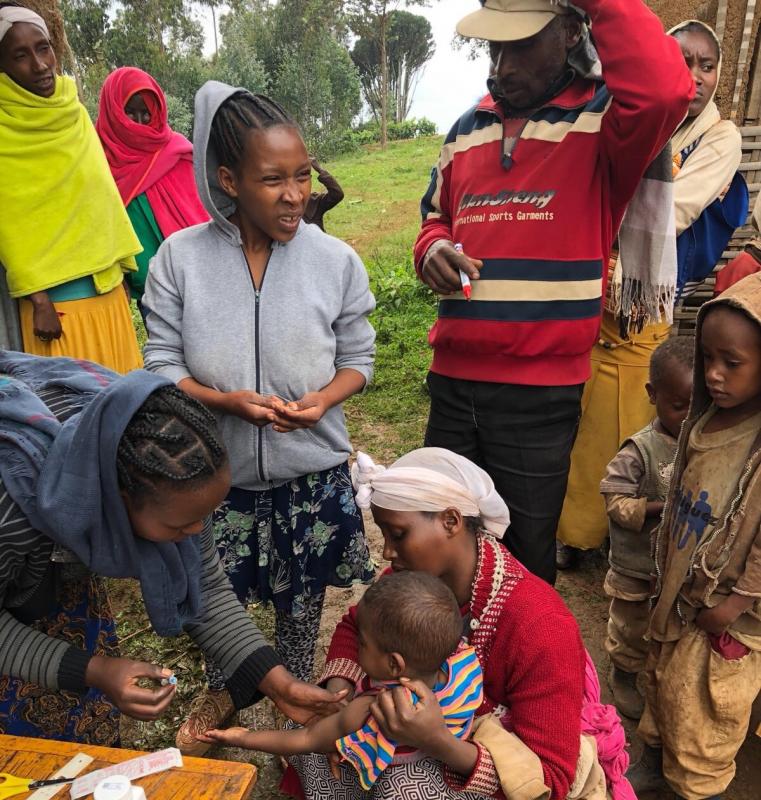
Ethiopia launches an integrated measles, vitamin A, and deworming campaign for displaced people in Gedeo Zone
WHO and partners take first step to develop National Action Plan for Health Security to improve emergency preparedness
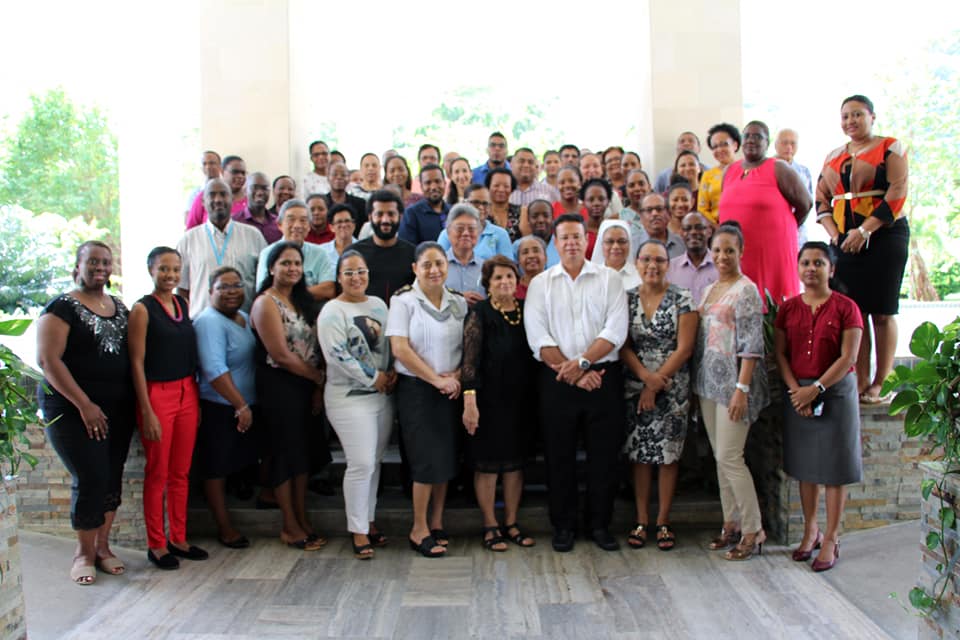
Seychelles, 6th August 2018 - Ministry of Health in collaboration with World Health Organisation (WHO) has ended a two days workshop to develop the Seychelles Nation Action Plan on Health Security (NAPHS). The workshop took place at the Savoy Hotel, Beau Vallon, Mahe on Wednesday 1st and Thursday 2nd August 2018. It was facilitated by two WHO staff, Dr Allan Mpairwea and Mr Antonio Oke and brought together multi stakeholders including various line Ministries and agencies, Laboratories, Educational institutions, Media houses, and Port and Airport authorities.
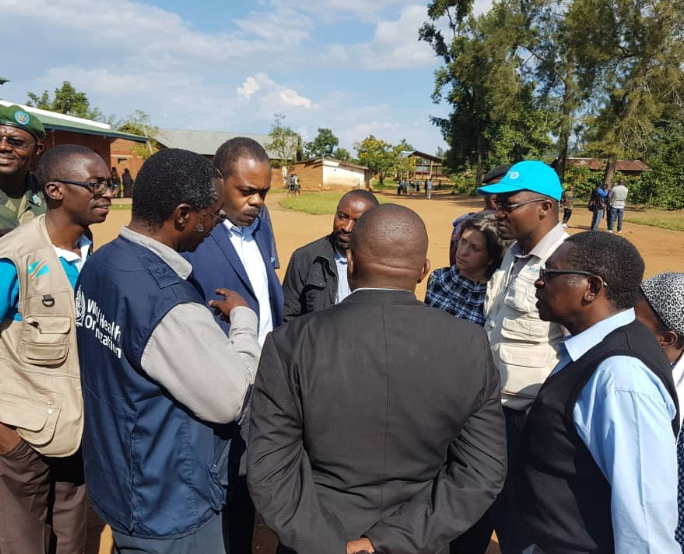
Ministry of Health, WHO and partners conduct first mission to evaluate Ebola outbreak in Mangina, in North Kivu.
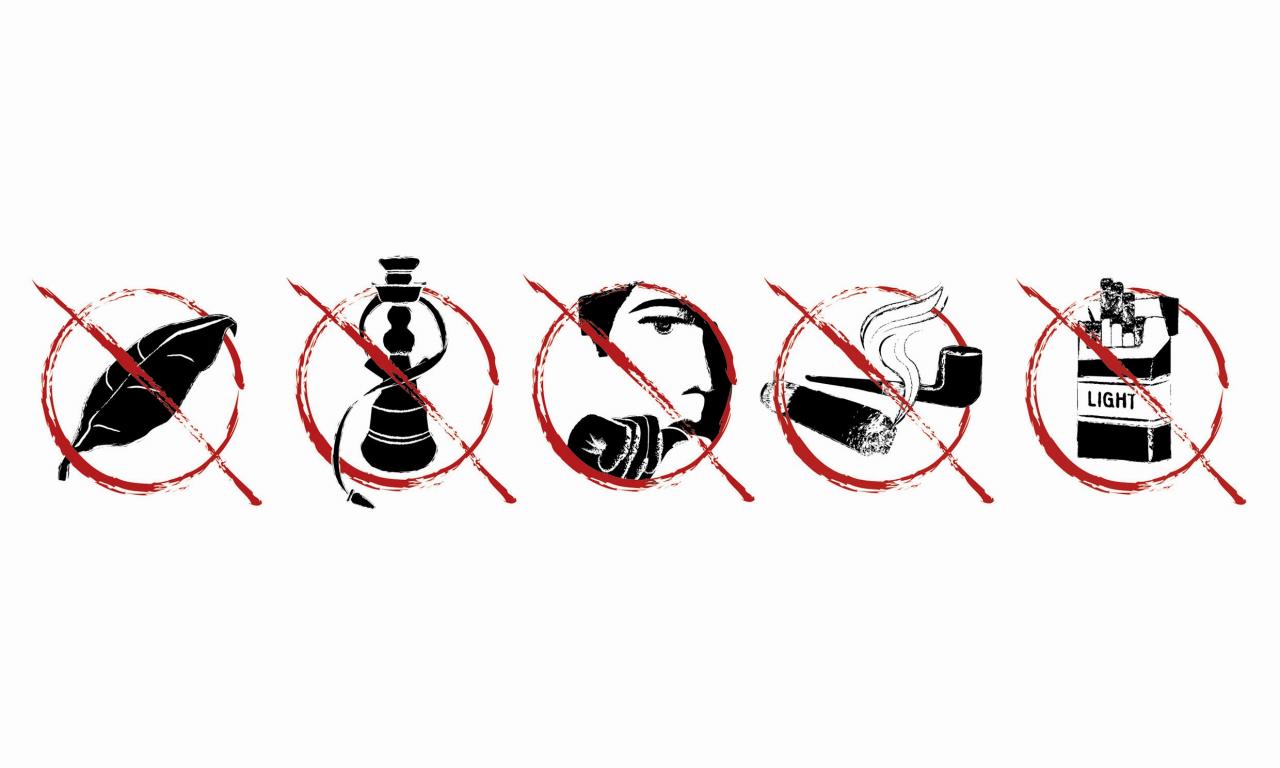
WHO supports South Africa’s draft bill to control Tobacco Products and Electronic Delivery Systems
Workshop to Strengthen Implementation of Sentinel Surveillance System for Influenza in Liberia
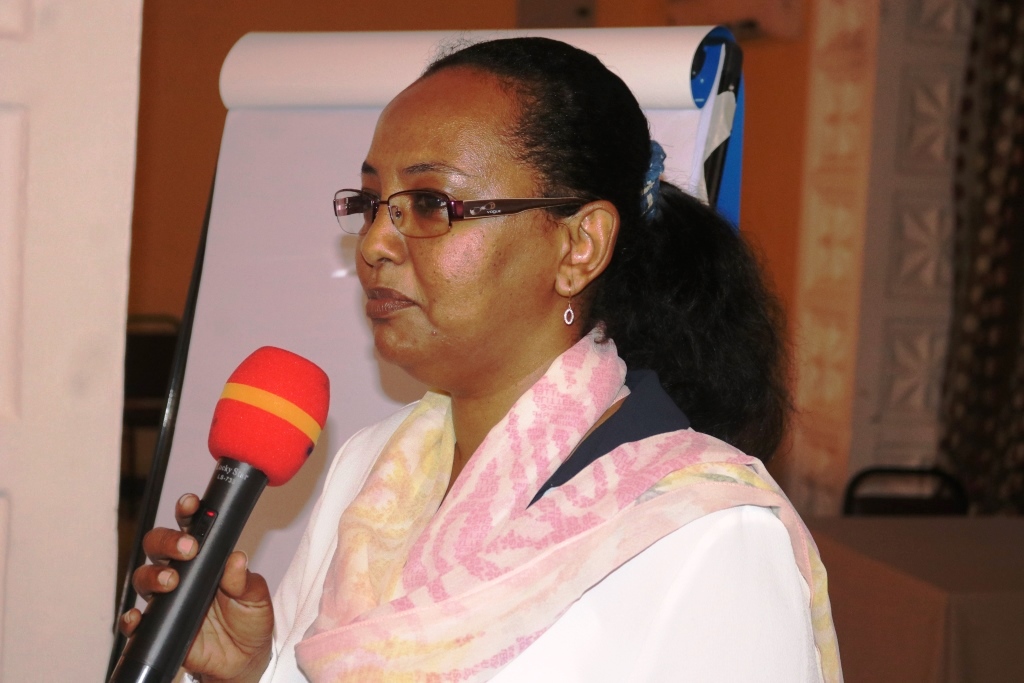
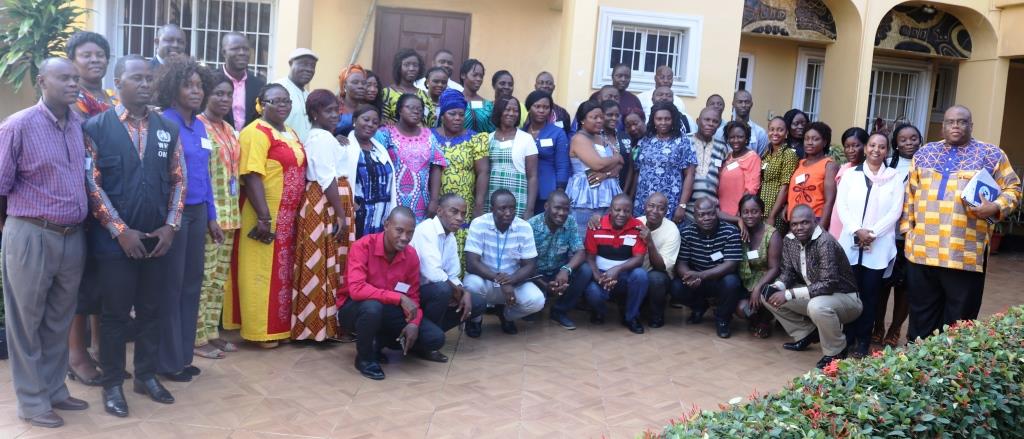 The World Health Organization (WHO) in collaboration with the Ministry of Health (MoH) and National Public Health Institute of Liberia (NPHIL) has ended a week-long training for the implementation of sentinel surveillance of influenza in Liberia.
Health Market Inquiry (HMI) Report Released
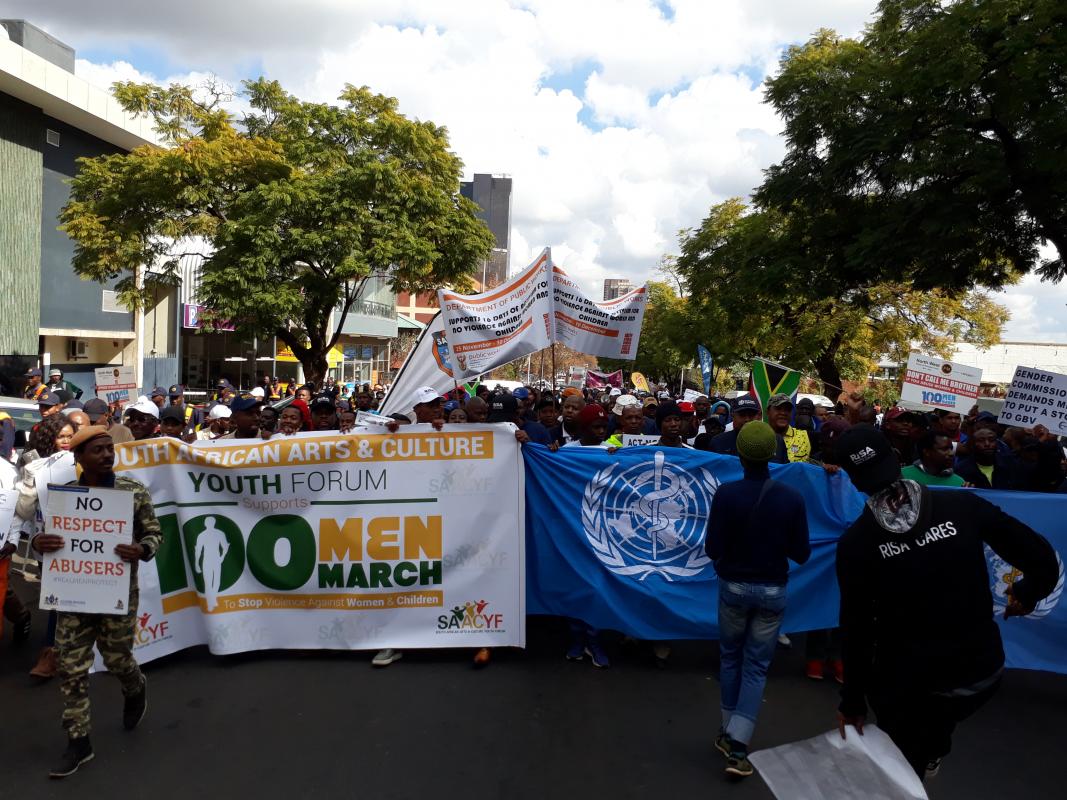
WHO participates in the 100 Men March against the scourge of violence against women and children
World Hepatitis Day- Ministry of Health Launches National Health Facility Directory for Viral Hepatitis
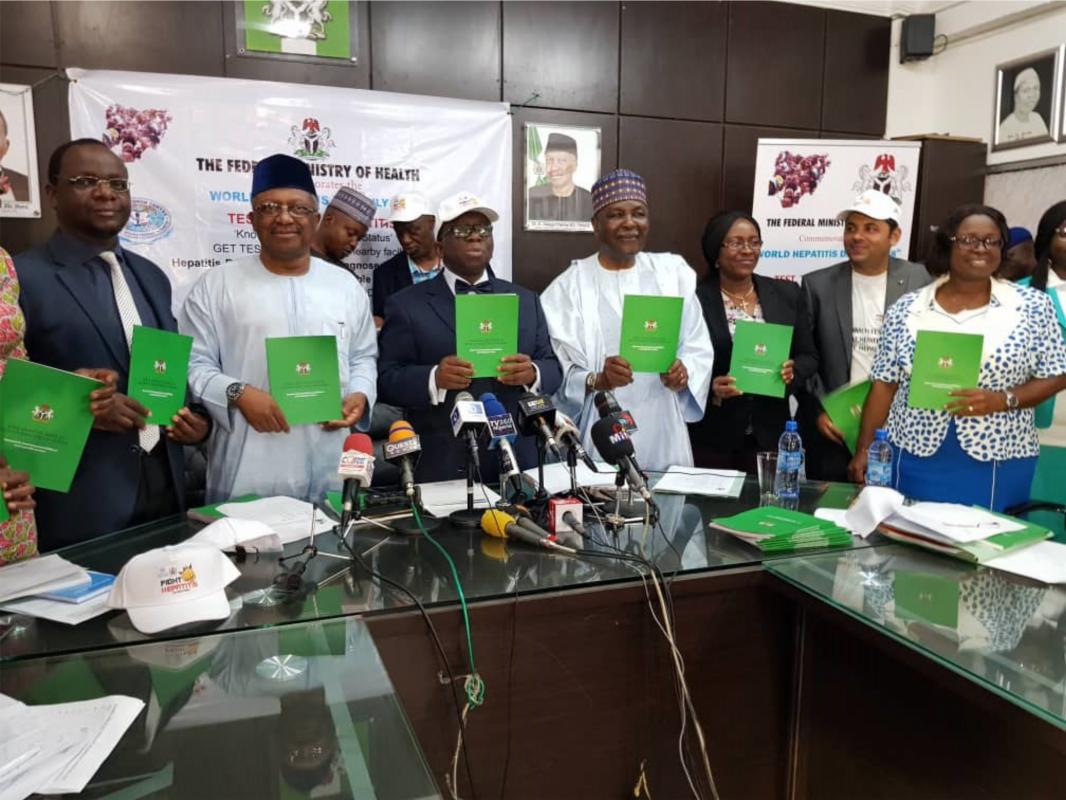
Abuja, August 1 2018 - To commemorate the 2018 World Hepatitis Day, the Honorable Minster of Health, Federal Ministry of Health launched the Nigerian Viral Hepatitis Health Facility Directory. The directory provides information on existing health facilities where Hepatitis Services are being provided.