WHO strengthened the National Public Health Laboratory to safely manage infectious specimens in South Sudan
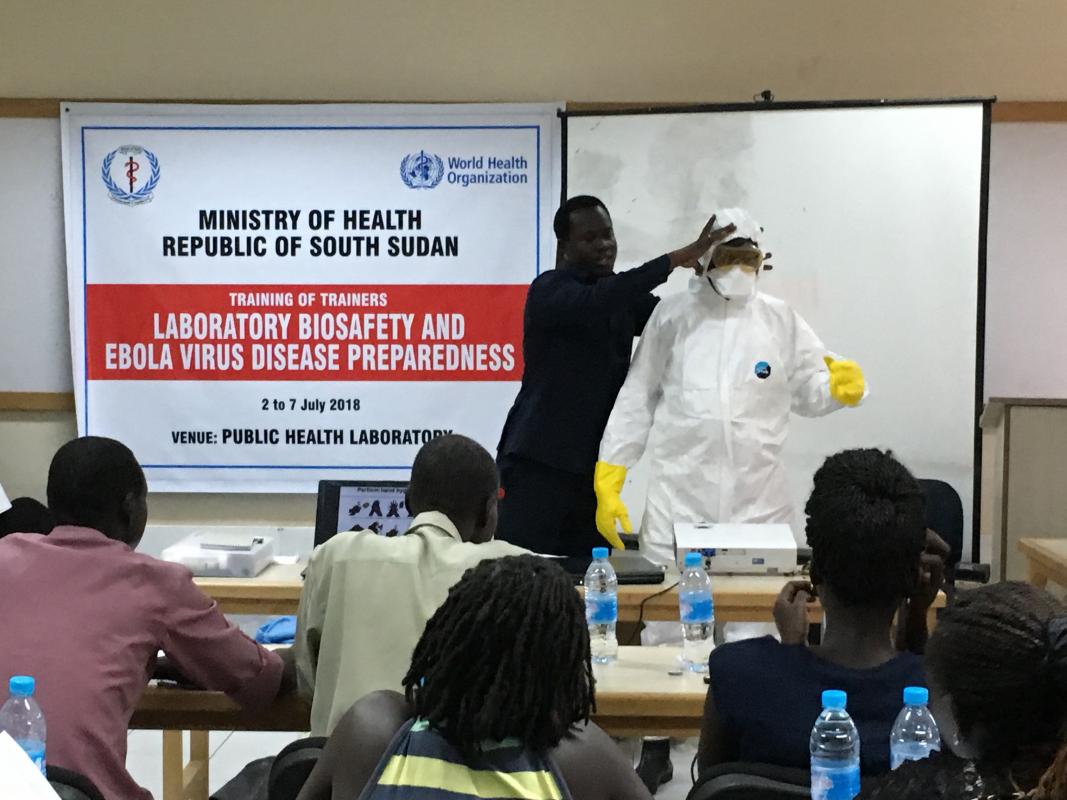
Juba 6 July, 2018 – South Sudan is prone to emerging and re-emerging disease outbreaks which necessitate prompt and safe management of laboratory specimens to ensure accurate and timely confirmation of the causative agent such as Ebola Virus to guide the response.
However, the Joint External Evaluation (JEE) of IHR (2005) core capacities for South Sudan conducted in 2017, revealed that capacity for biosafety and biosecurity needed strengthening and the gaps identified addressed.
National Programme Managers and Partners Meet to Take Stock of Progress in the African Region
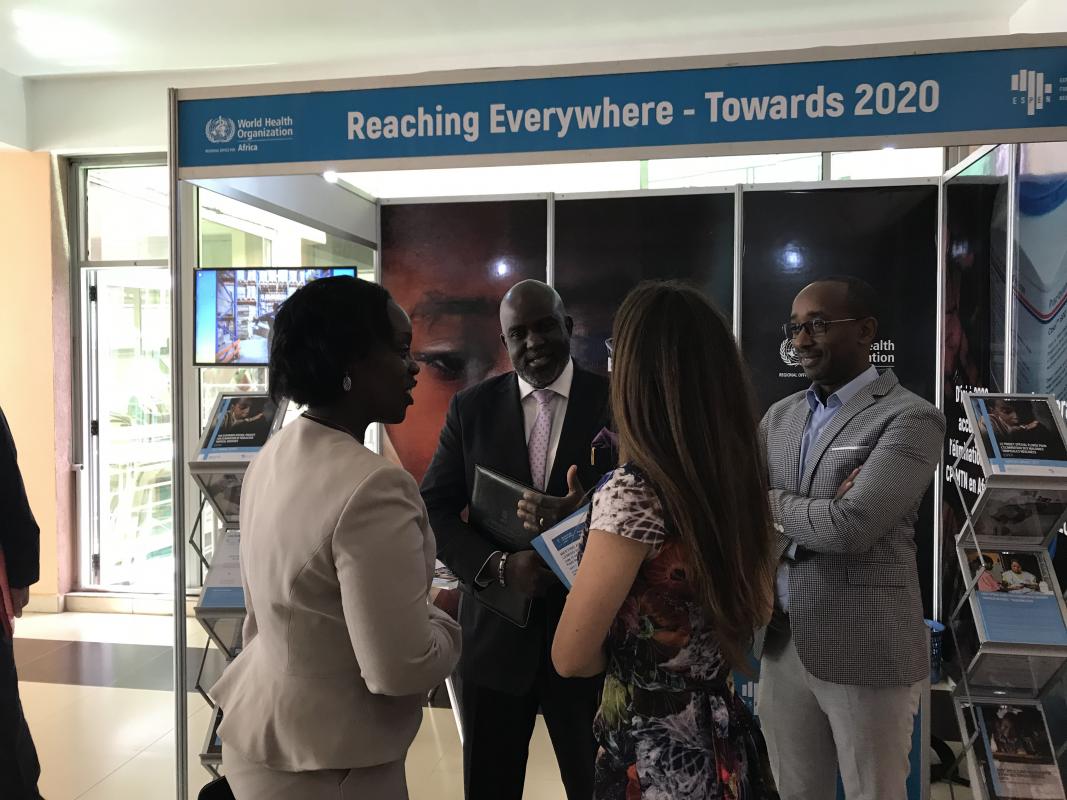
Eliminating Neglected Tropical Diseases in Africa
KIGALI, July 17, 2018 – The Expanded Special Project for Elimination of Neglected Tropical Diseases (ESPEN) will gather from 17-19 July 2018 in Kigali, national Neglected Tropical Diseases (NTD) Programme Managers and partners at its first annual meeting. The objective is to review the regional and national progress towards NTDs elimination in Africa.
WHO supports improved diagnostic capacity to fast-track Lassa fever control
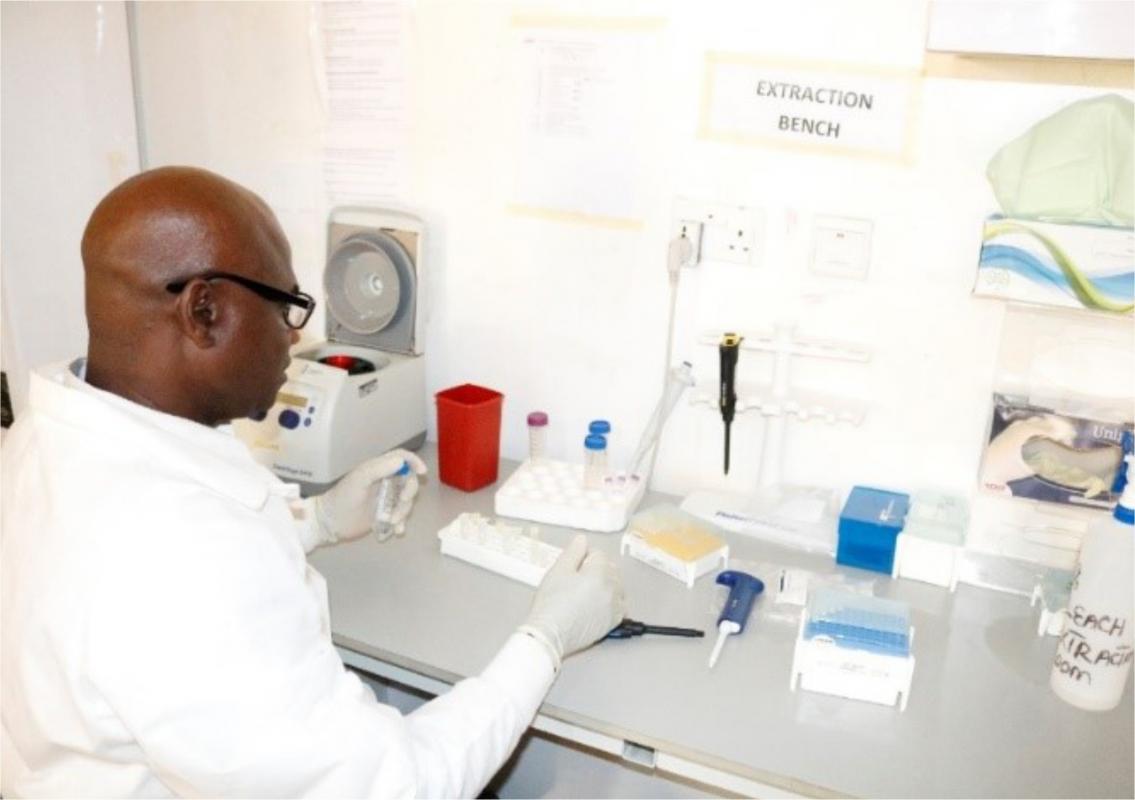
Abuja, 17 July, 2018 - The Nigeria Centre for Disease Control (NCDC) in collaboration with the World Health Organization (WHO) and other partners, have successfully contained the unprecedented Lassa fever outbreak that claimed the lives of 115 Nigerians (as at 07 July, 2018).
The feat is the result of combined interventions, especially the strengthening of specialised laboratories and isolation centres within health facilities. These efforts culminated into improved diagnostic capacities and patient outcomes, including better response to treatment.
WHO supports validation and costing of the National Action Plan for Health Security for Zanzibar
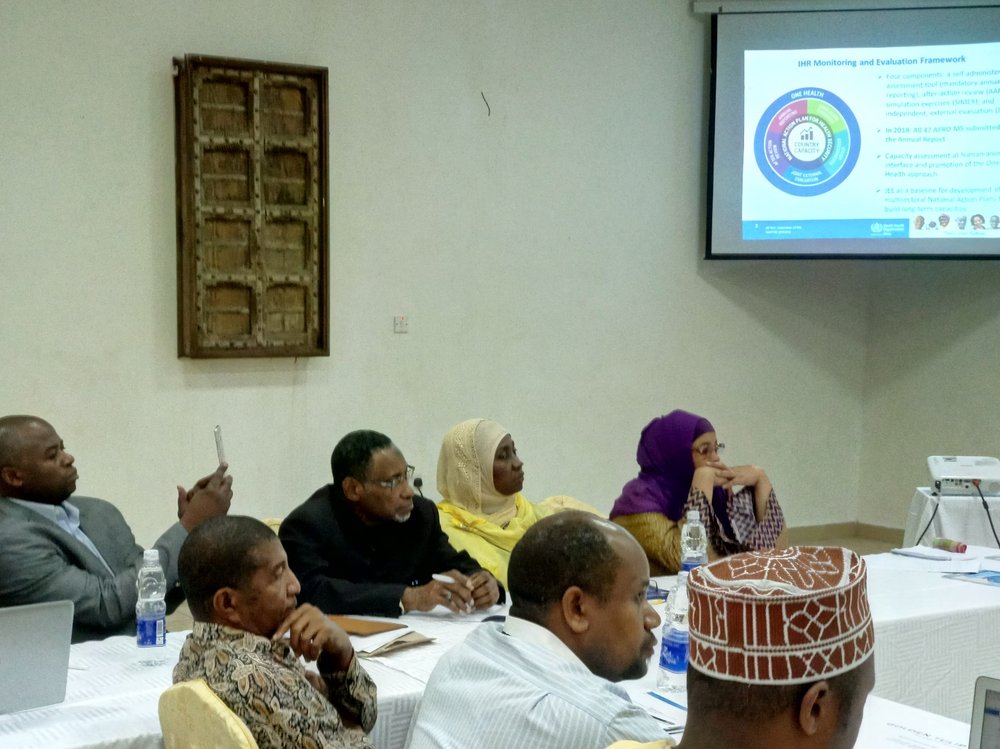
Zanzibar, 18-22 June 2018: Today, we are challenged by a variety of epidemics and health emergencies. A robust health system that is effective, inclusive and a well-coordinated multisectoral approach is essential to protect human and animal health; and ensure national development goals are not adversely affected by public health threats.
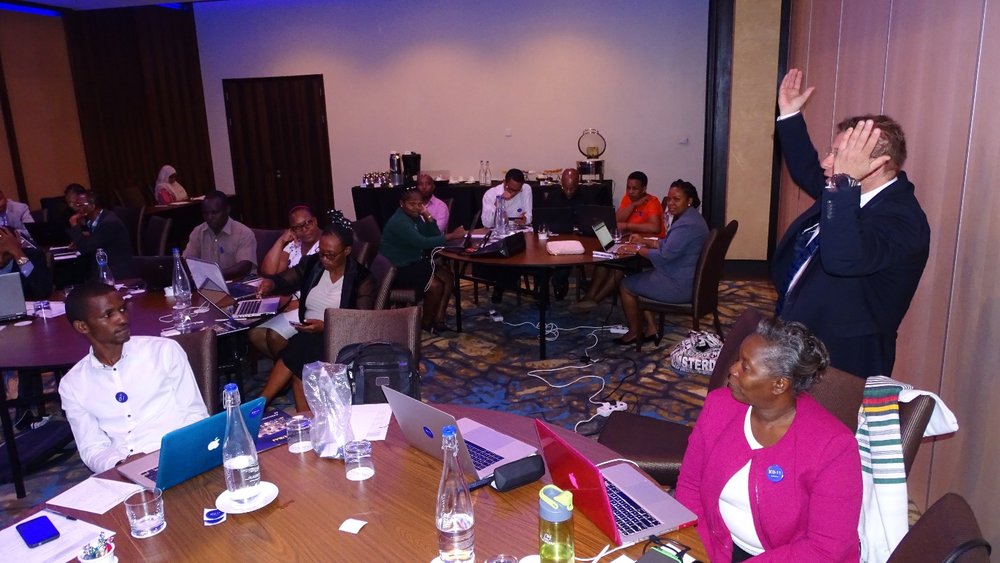
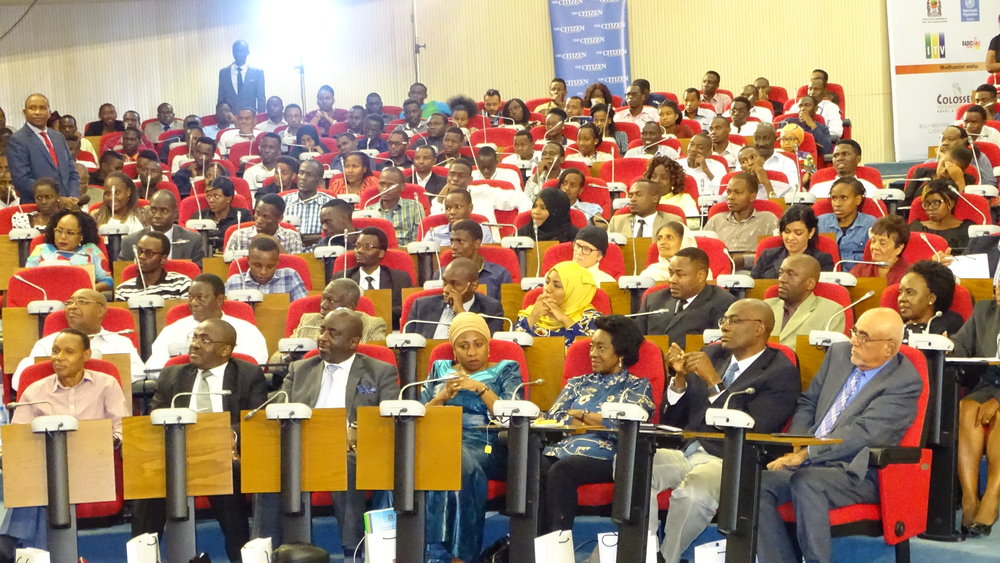
Be smart, Know about Sickle Cell Disease!
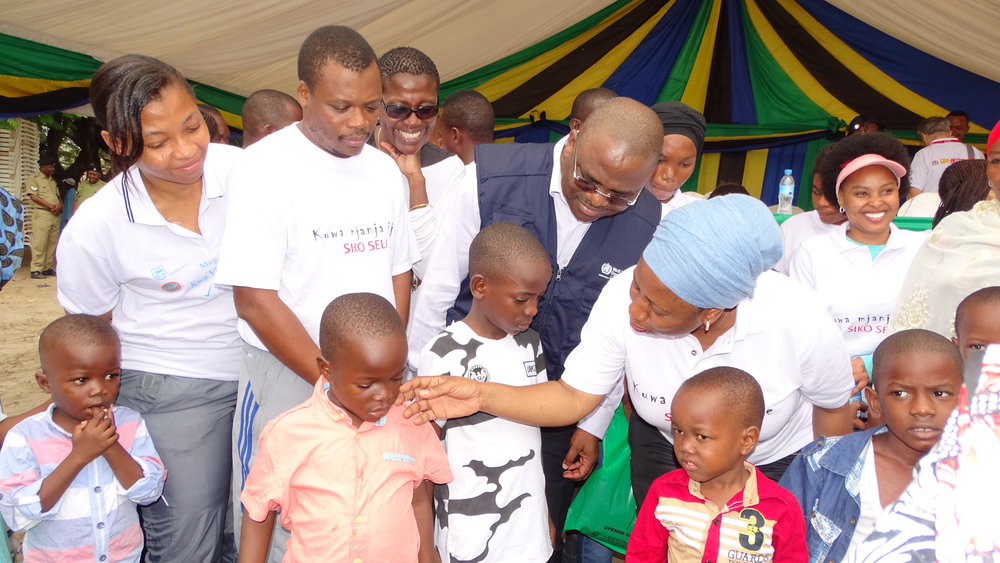
23 June 2018, Dar es Salaam: The Acting World Health Representative for Tanzania, Dr Adiele Onyeze joined the Minister for Health, Honourable Ummy Mwalimu, partners and the public to commemorate World Sickle Cell Day in Tanzania. The event was graced by a 3km charity walk in Mwenye Yanga Temeke Grounds under the theme “Kuwa Mjanja ijue Siko Seli” meaning “Be smart, Know Sickle Cell”.
WHO strengthens sentinel surveillance for vaccine preventable diseases
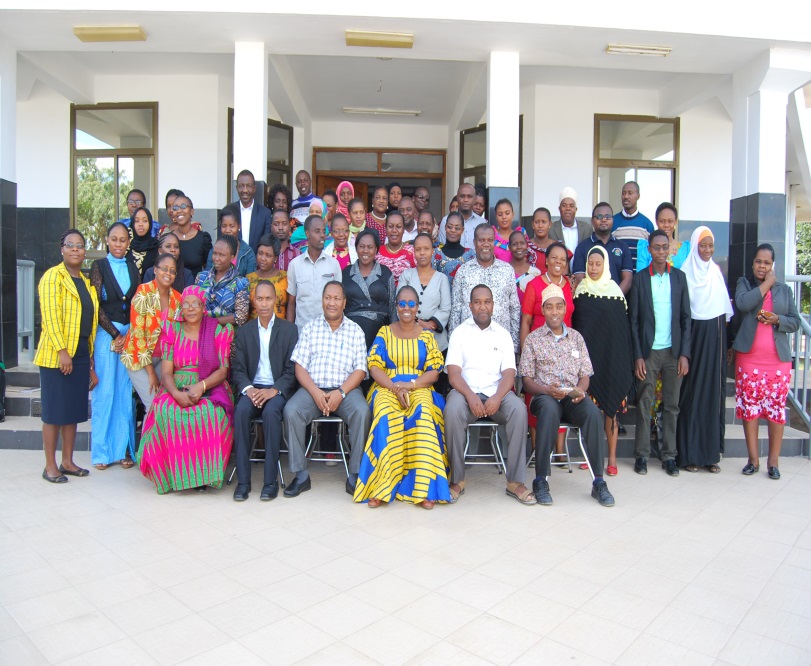
18-20 June 2018, Dodoma: A sentinel surveillance system is used when high-quality data are needed about a particular disease that cannot be obtained through a passive system.Data collected in a well-designed sentinel system can be used to signal trends, identify outbreaks and monitor the burden of disease in a community, providing a rapid, economical alternative to other surveillance methods.
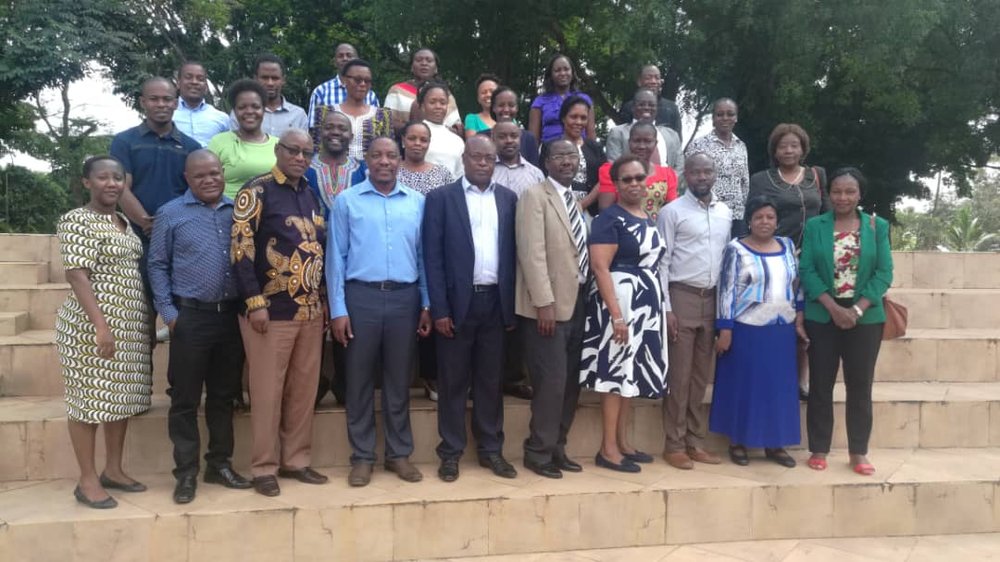
Training journalists on road safety reporting
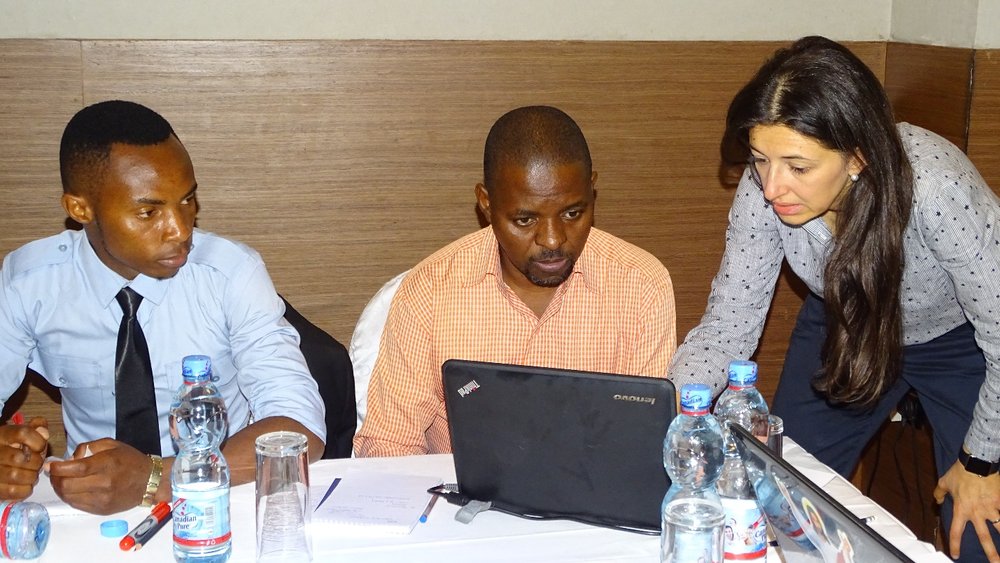
29 May 2018, Dar es Salaam: The 2015 World Health Organization’s Global Status Report on Road Safety reveals that around 1.2 million are killed and 50 million are injured in road crashes.Most deaths occur in LMICs (Low income and middle-income countries) like the Tanzania.