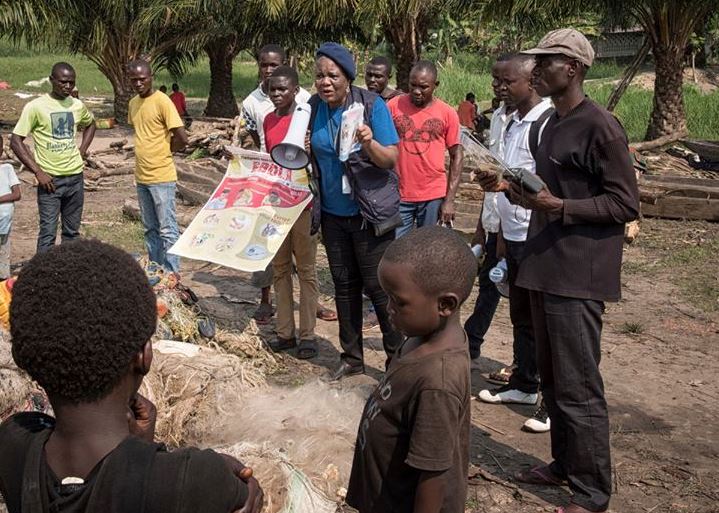
Ebola outbreak in DRC ends: WHO calls for international efforts to stop other deadly outbreaks in the country
First Water Safety Plan for Buchanan Validated by the National Public Health Institute of Liberia (NPHIL), Liberia Water and Sewer Corporation (LWSC) and Partners
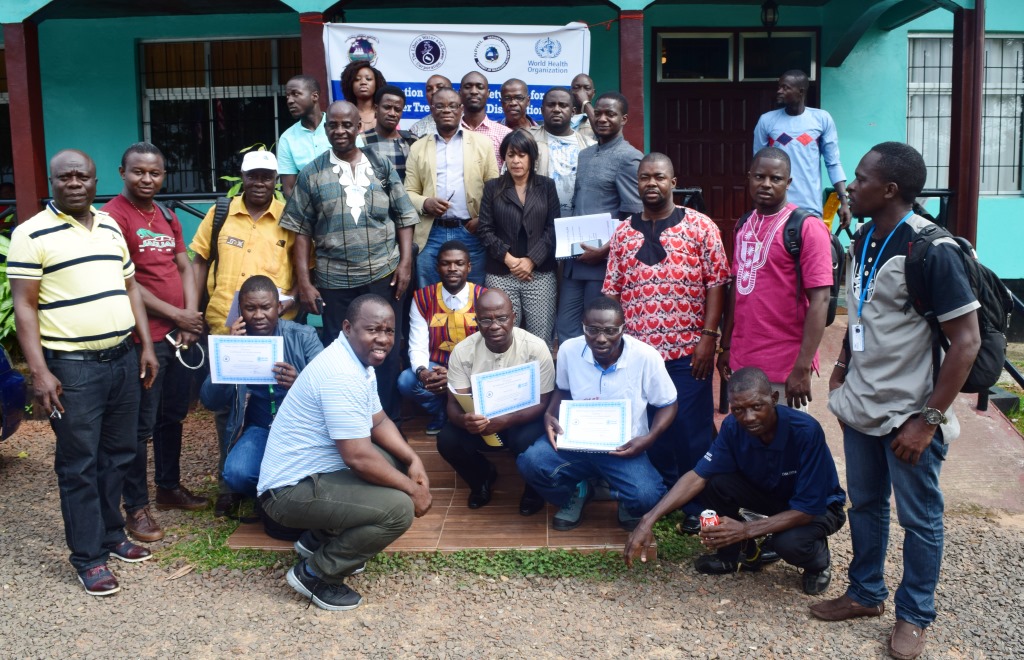
Buchanan, 20th July 2018: The first water safety plan for the Buchanan water treatment and supply system was validated at a one day workshop in Buchanan City, Grand Bassa County.
WHO secured over 562 000 doses of oral cholera vaccine for pre-emptive campaigns in South Sudan in 2018
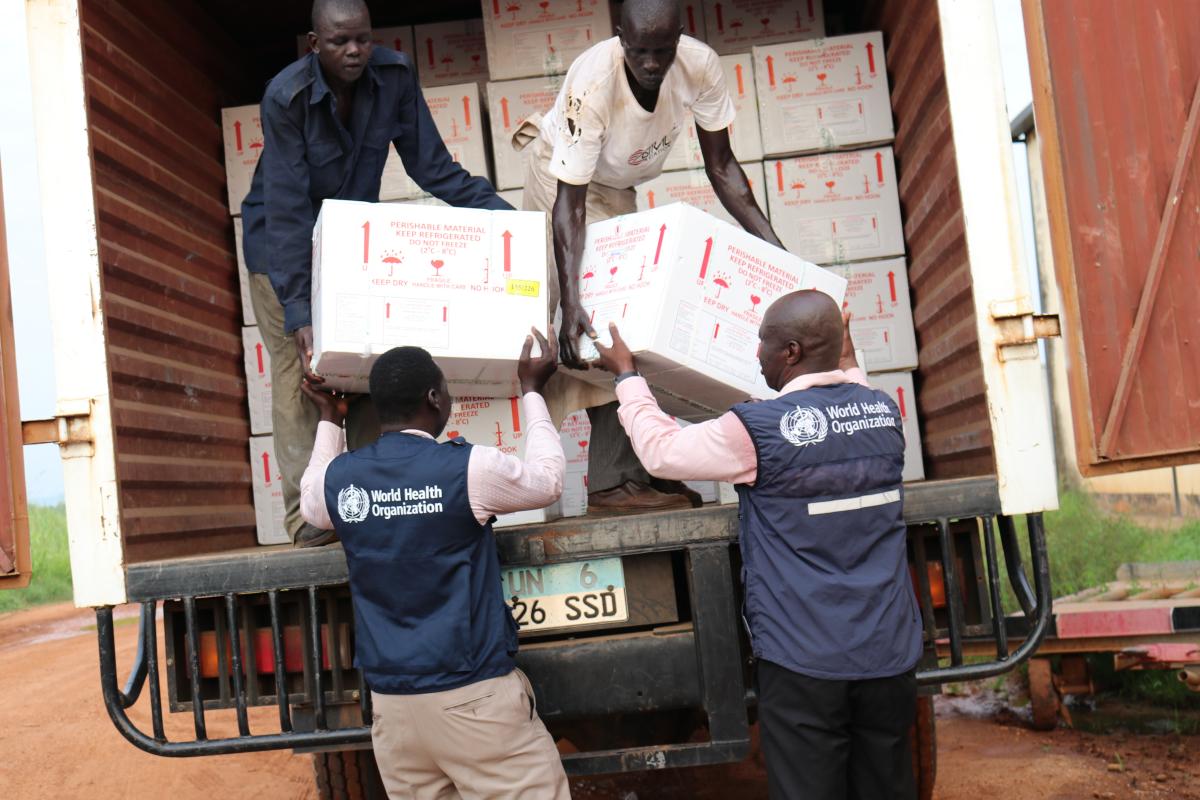
Juba, 19 July 2018 – To mitigate the risk of cholera outbreaks in cholera transmission hotspots in South Sudan, the World Health Organization (WHO) secured over 562 000 doses of oral cholera vaccine in 2018 to conduct pre-emptive campaigns.
The 466 460 doses of oral cholera vaccine (OCV) received from the Global Task Force on Cholera Control (GTFCC) in 2018 are for a 2-dose mass vaccination campaign in Torit, Yirol East, Yirol West and Panyijiar.
South Sudan convenes a high-level advocacy partner meeting to define strategic funding priorities for the health sector
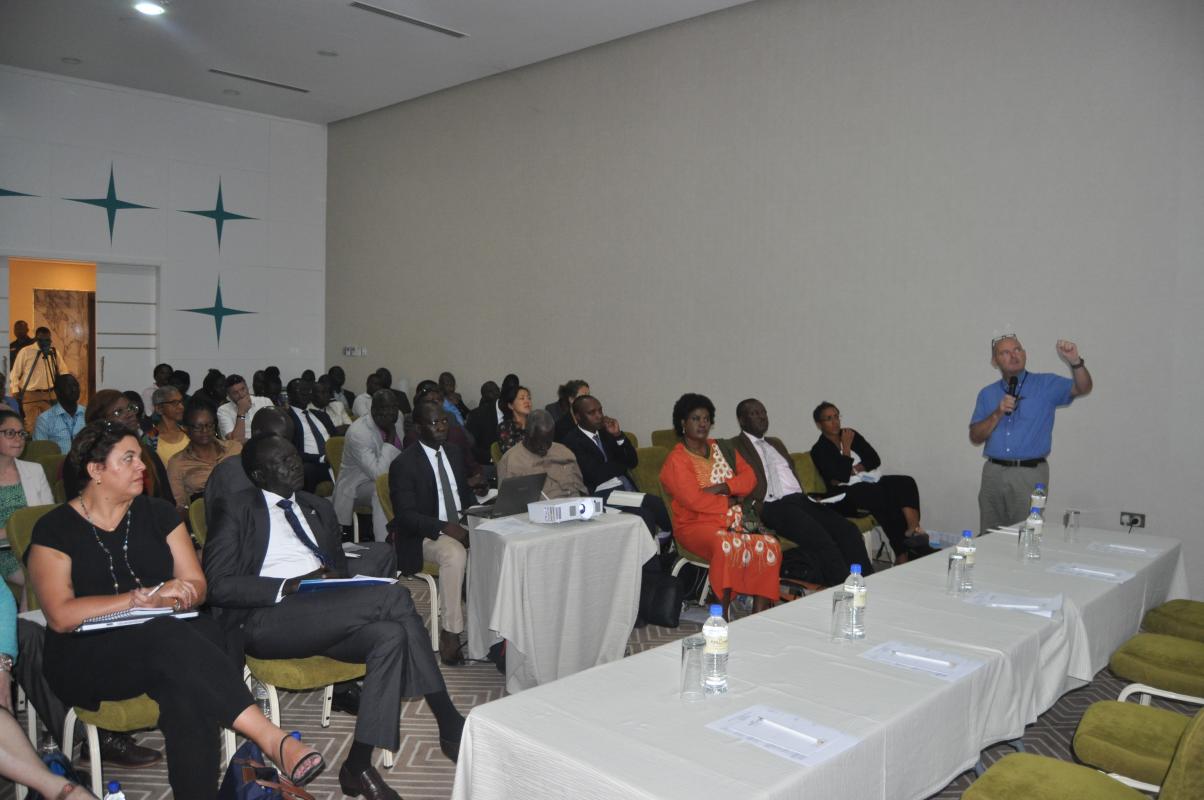
Juba 20 July, 2018 – With support from the World Health Organization (WHO), the Ministry of Health convened a one day high-level advocacy meeting to define strategic funding priorities for health sector.
During the meeting key donors and other international and national health partners including UN agencies discussed on key programmatic and funding priorities including aligning investments, coordinating operations, identifying synergies and capitalize on potential efficiencies from joint operations.
South Sudan held a high level Polio Transition Advocacy and Resource Mobilization meeting to prevent the collapse of key immunization health system functions
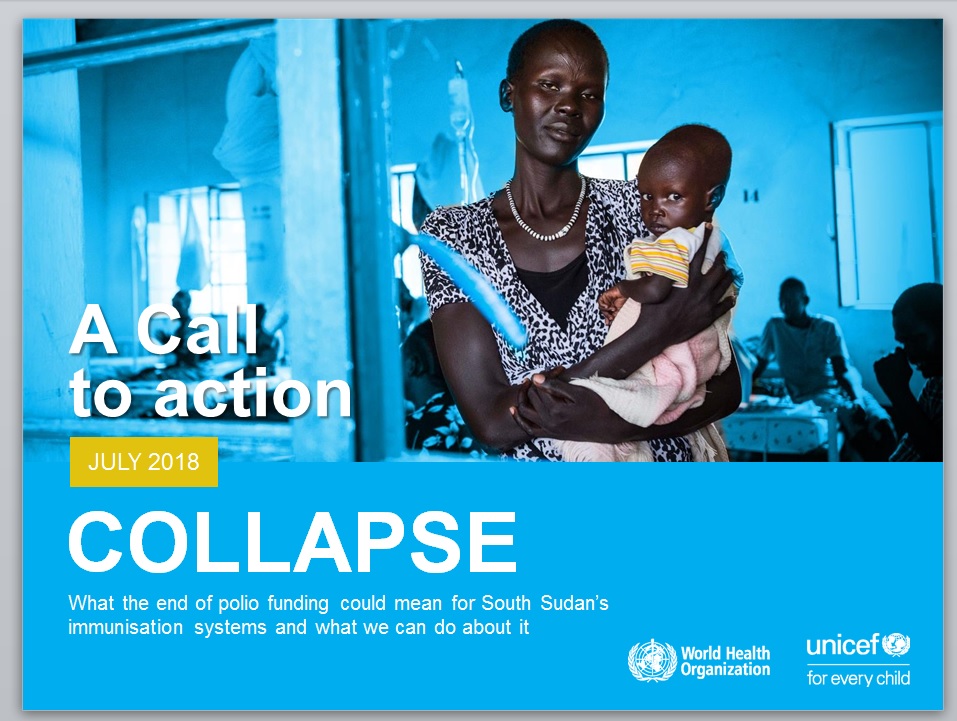
Juba, 17 July 2018 – To ensure maintenance critical immunization system functions and prevent the collapse following the ramp down of the Global Polio Eradication Initiative (GPEI) support, the Ministry of Health with support from WHO held a one-day meeting with key donors and other stakeholders including UNICEF.
Botswana Hosts a Meeting for Lower Leprosy Burden Countries – 27 to 29 June 2018
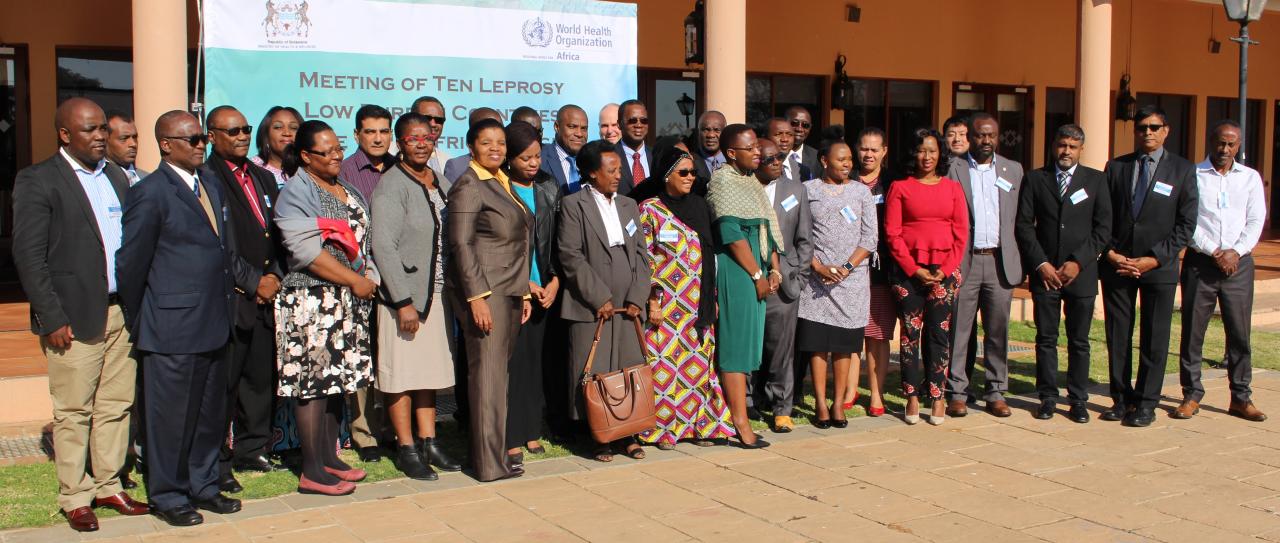
Gaborone, Botswana - 20 July 2018: Botswana government recently hosted a Regional expert consultative meeting in Phakalane Hotel, Gaborone. The overall objective of this meeting was to provide technical guidance and support meeting for 10 low Leprosy burden countries to design and implement a standardized and efficient approach for preventing and detecting leprosy in the low-burden context. The participating countries were Botswana, Eritrea, Lesotho, Mauritius, Namibia, Seychelles, South Africa, Swaziland and Zimbabwe and Gambia.
Baseline assessment of the national Viral Hepatitis response in Namibia
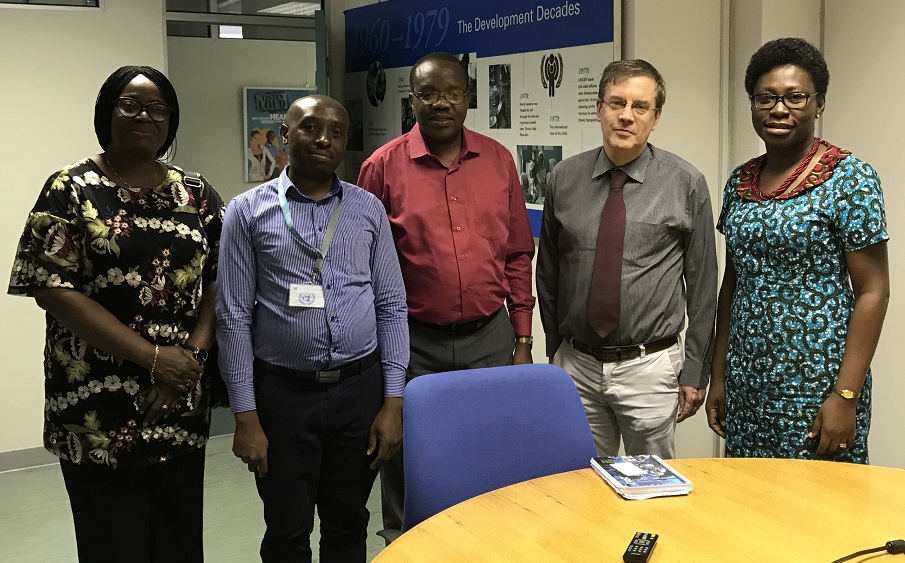
Staff members from WHO AFRO’s Communicable Disease Cluster (CDS) undertook a viral hepatitis baseline assessment mission in support of Namibia Ministry of health from 12th to 16th February 2018.
The objectives of the mission were to assess the currently existing policies and practices on hepatitis control in order to facilitate the initiation and scale-up the viral hepatitis response in Namibia.
WHO strengthened the National Public Health Laboratory to safely manage infectious specimens in South Sudan
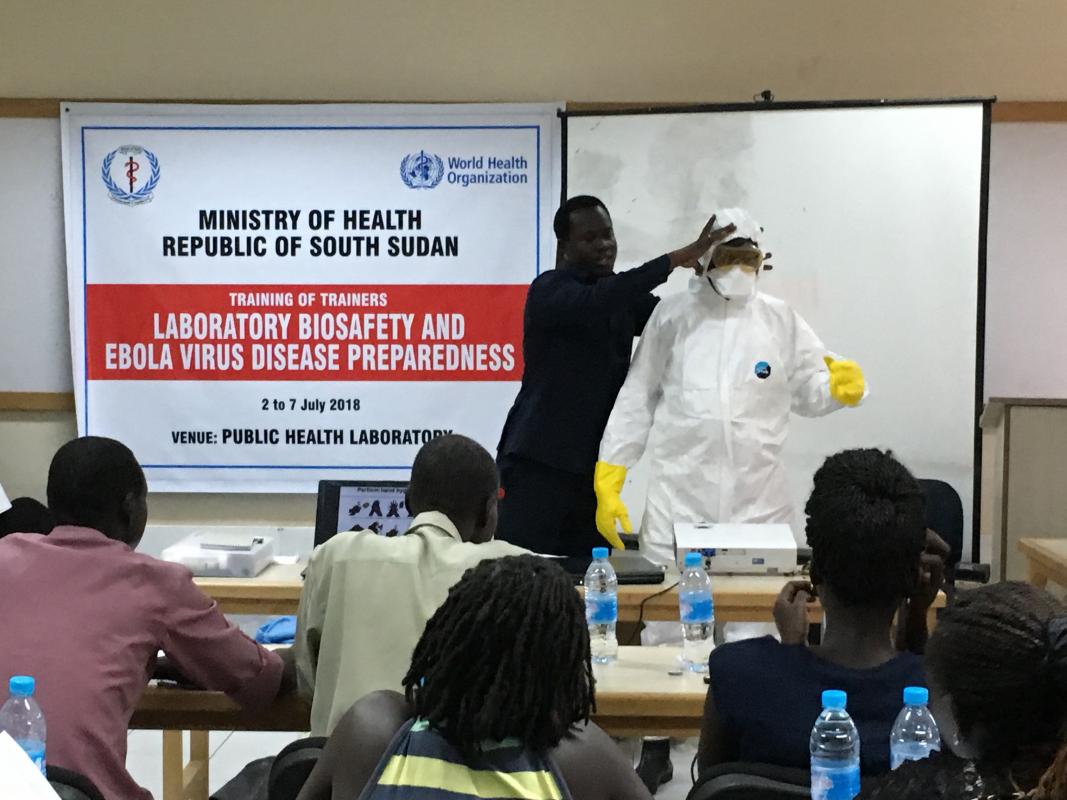
Juba 6 July, 2018 – South Sudan is prone to emerging and re-emerging disease outbreaks which necessitate prompt and safe management of laboratory specimens to ensure accurate and timely confirmation of the causative agent such as Ebola Virus to guide the response.
However, the Joint External Evaluation (JEE) of IHR (2005) core capacities for South Sudan conducted in 2017, revealed that capacity for biosafety and biosecurity needed strengthening and the gaps identified addressed.
National Programme Managers and Partners Meet to Take Stock of Progress in the African Region
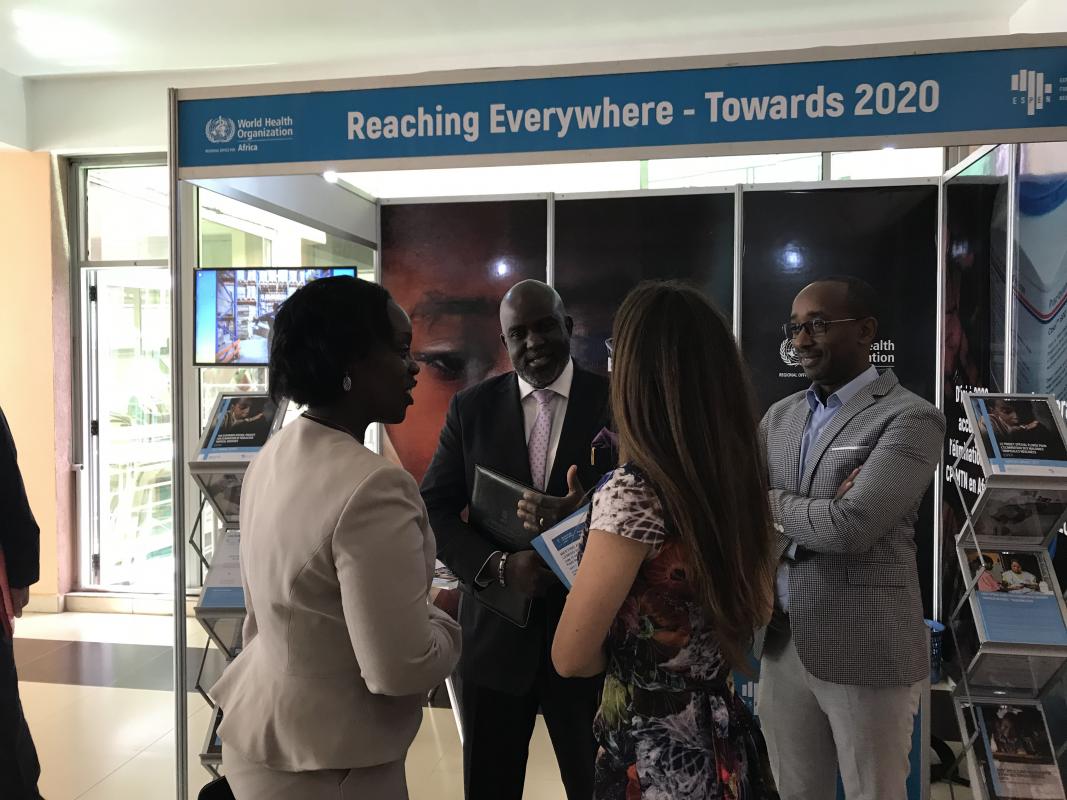
Eliminating Neglected Tropical Diseases in Africa
KIGALI, July 17, 2018 – The Expanded Special Project for Elimination of Neglected Tropical Diseases (ESPEN) will gather from 17-19 July 2018 in Kigali, national Neglected Tropical Diseases (NTD) Programme Managers and partners at its first annual meeting. The objective is to review the regional and national progress towards NTDs elimination in Africa.
Training journalists on road safety reporting
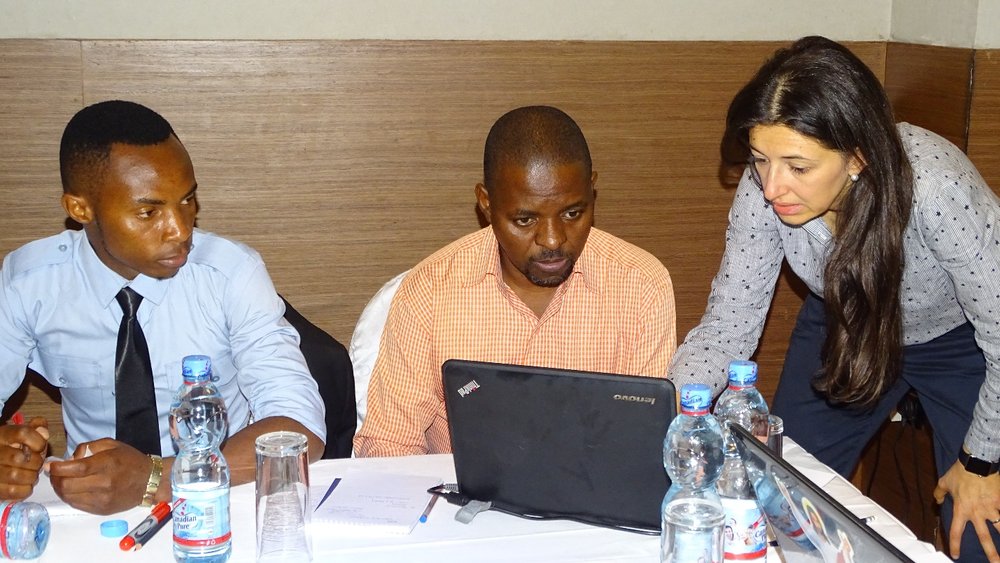
29 May 2018, Dar es Salaam: The 2015 World Health Organization’s Global Status Report on Road Safety reveals that around 1.2 million are killed and 50 million are injured in road crashes.Most deaths occur in LMICs (Low income and middle-income countries) like the Tanzania.