WHO scales up response as Borno declares another outbreak of cholera
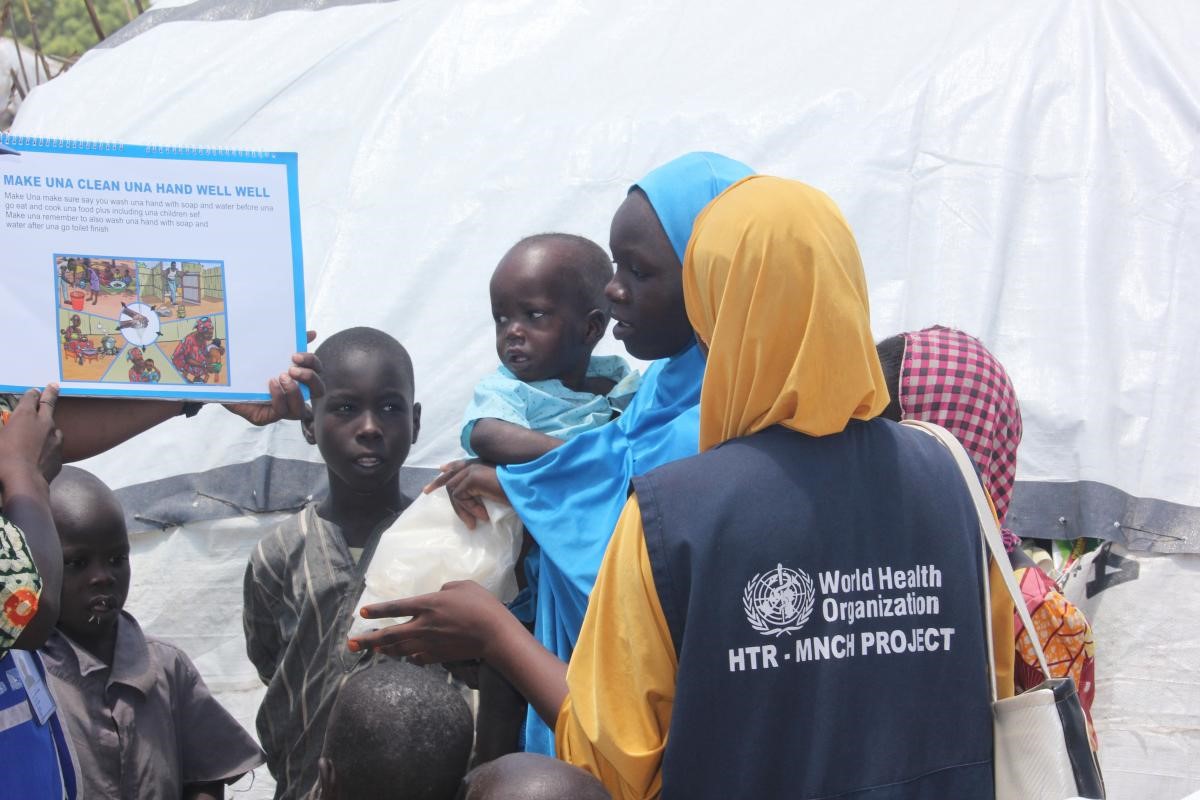
Maiduguri, 6 September 2018 - The World Health Organization (WHO) is deploying personnel, treatment kits, laboratory equipment as well as infection prevention and control supplies to prevent further fatalities due to another wave of cholera outbreak in Borno state. With the laboratory confirmation of samples of suspected cholera cases sent to the National Reference Laboratory Abuja, the Borno Ministry of Health on 06 September 2018 officially declared an outbreak of cholera in the state.
Uganda targets over 1,600,000 persons for Cholera vaccination campaign
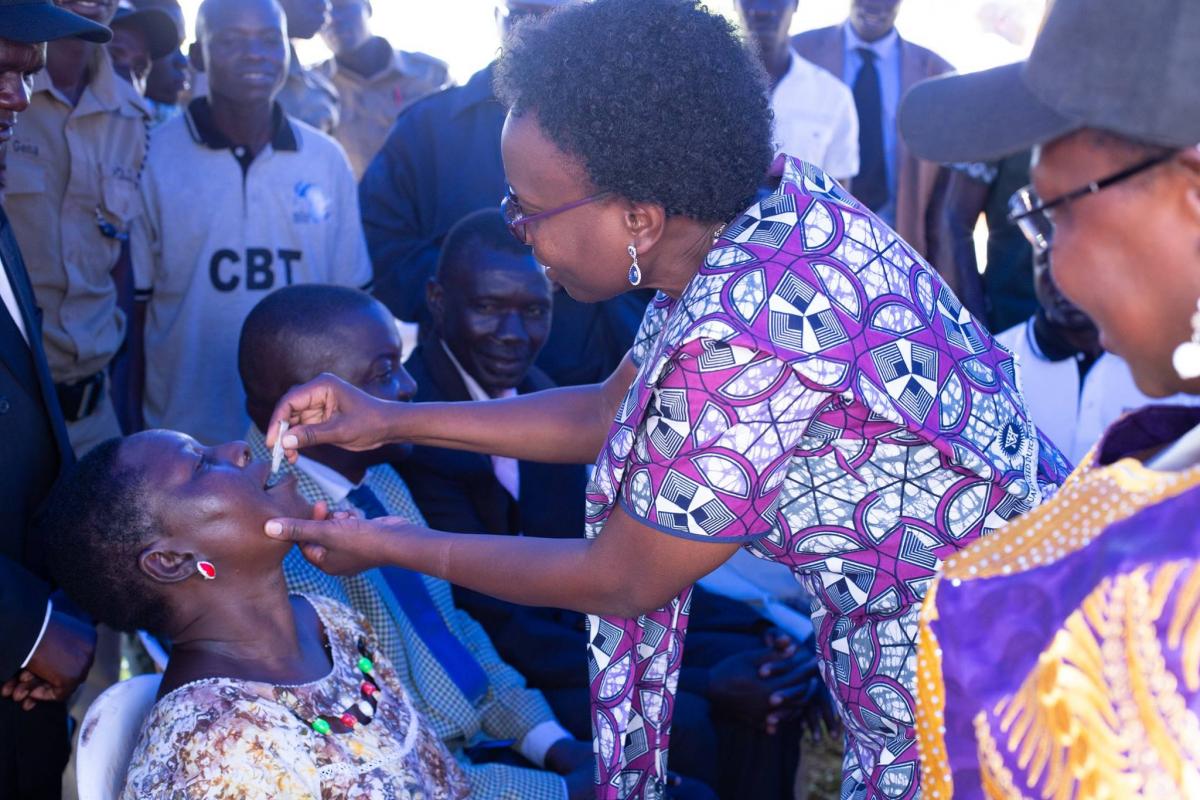
Nebbi, 5 September 2018:- The Government of Uganda launched the national Oral Cholera Vaccination (OCV) preventative campaign targeting over 1,600,000 persons aged above one year in the 11 cholera hot-spot districts.
The campaign is aimed at preventing and controlling Cholera in the hot-spot districts including Arua, Buliisa, Busia, Hoima, Kasese, Moyo, Namayingo, Nebbi, Ntoroko, Pakwach and Zombo. It will be conducted in a phased manner as part of the National Cholera Control Plan (2017-2022).
The invisible boys and girls: Understanding barriers to accessing healthcare among disadvantaged Nigerian youth
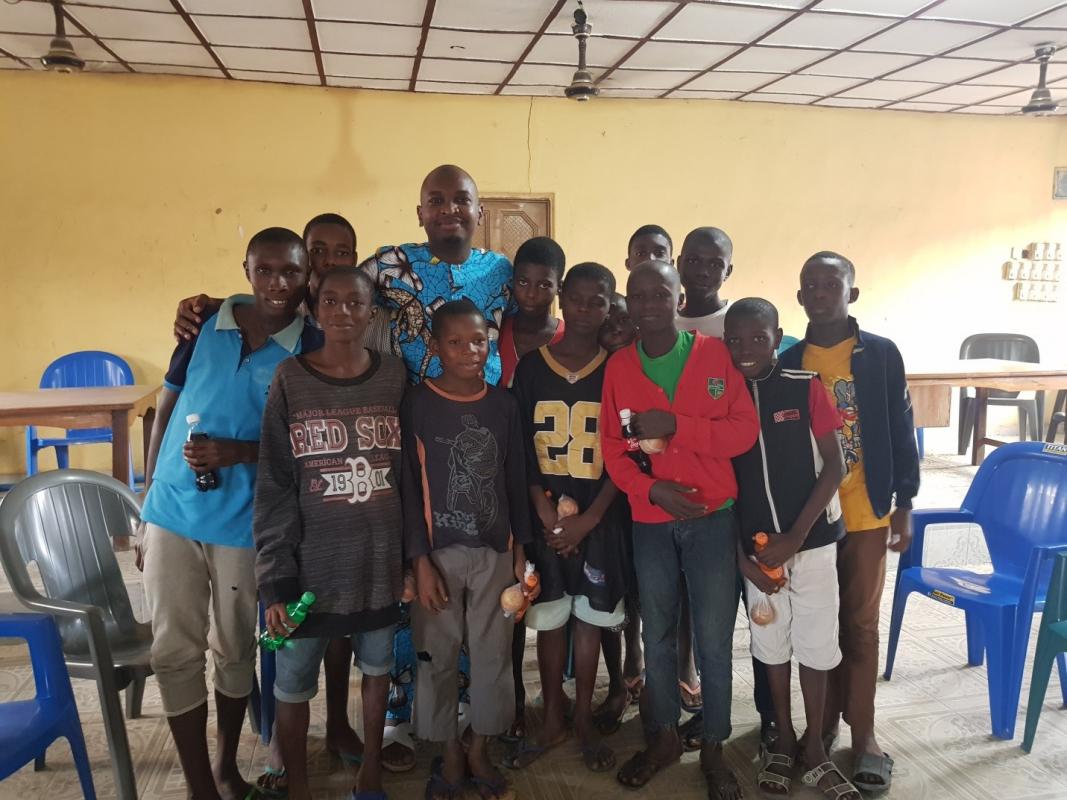
Abuja, 4 September, 2018 - Ground-breaking new research is assessing the factors that prevent young people from accessing health services in Nigeria. Funded by WHO through UK Aid from the UK Government, the research will aim to strengthen efforts to reach some of the most disadvantaged youth with healthcare, and inform an ambitious new Adolescent Health Policy and implementation plan in Nigeria.
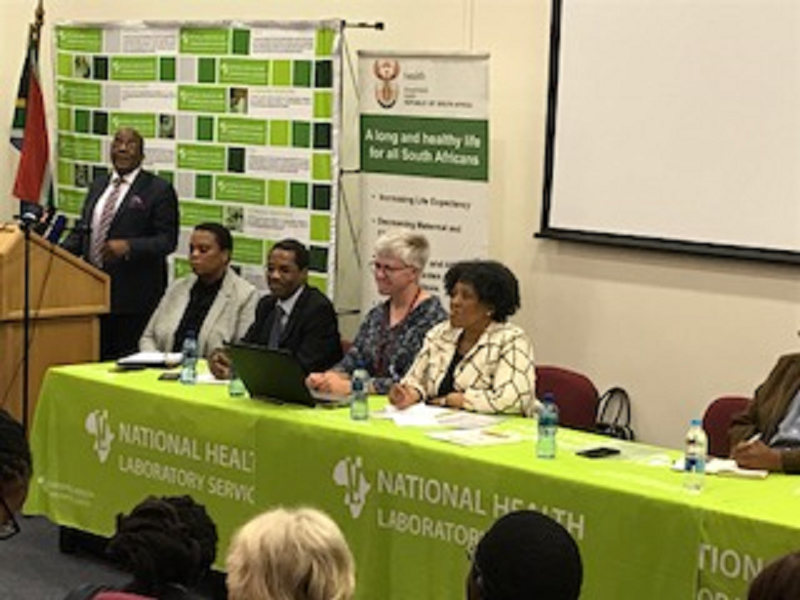
WHO congratulates South Africa on the end of the world’s largest listeriosis outbreak
Botswana takes bold steps towards achieving SDG targets and outcomes of the UN SG’s Global Strategy on Women’s, Children’s and Adolescents’ Health
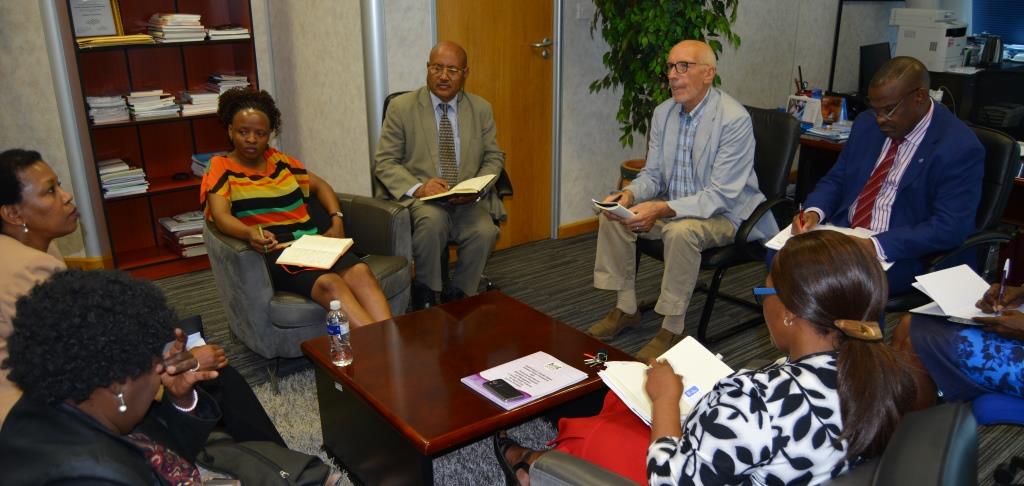
Gaborone, Botswana - 24 August 2018: Botswana conducted an integrated review of the Reproductive, Maternal, Neonatal, Child and Adolescent Health and Nutrition (RMNCAH-N) in 2015. The review was conducted when a number of policy and strategic plans documents for most the RMNCAH-N progress were coming to an end including that of adolescent health. The results of the review and other program specific evaluations revealed a number of gaps, for example, insufficient number of health workers competent on ASRH programs; limited operating hours with facilities closing
WHO congratulates South Africa on the end of the world’s largest listeriosis outbreak
UN and Seychelles signs Strategic Partnership Framework for better coordination in implementation of the Sustainable Development Goals
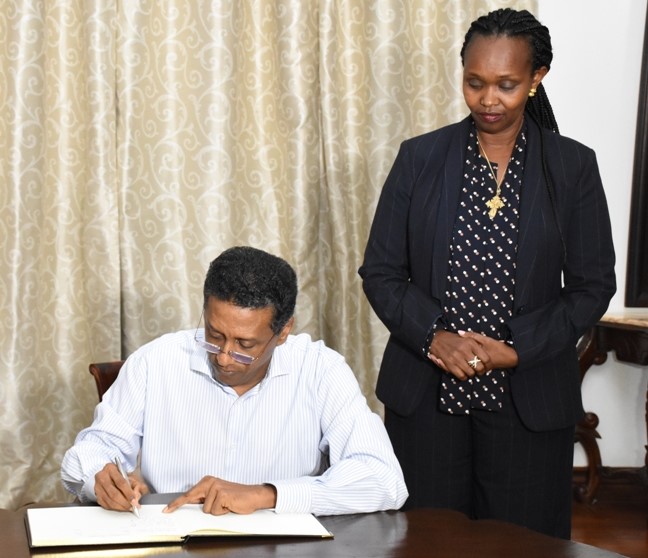
Victoria, Seychelles, 3 September 2018 - The United Nations and the Seychelles Government has signed a Strategic Partnership Framework (SPF) which consolidate their commitment to support the country’s effort to meet the Sustainable Development Goals (SDGs) by the year 2030. It was the visiting UN Resident Coordinator and UNDP resident representative for Mauritius and Seychelles Mrs.
Namibia addresses non-communicable diseases
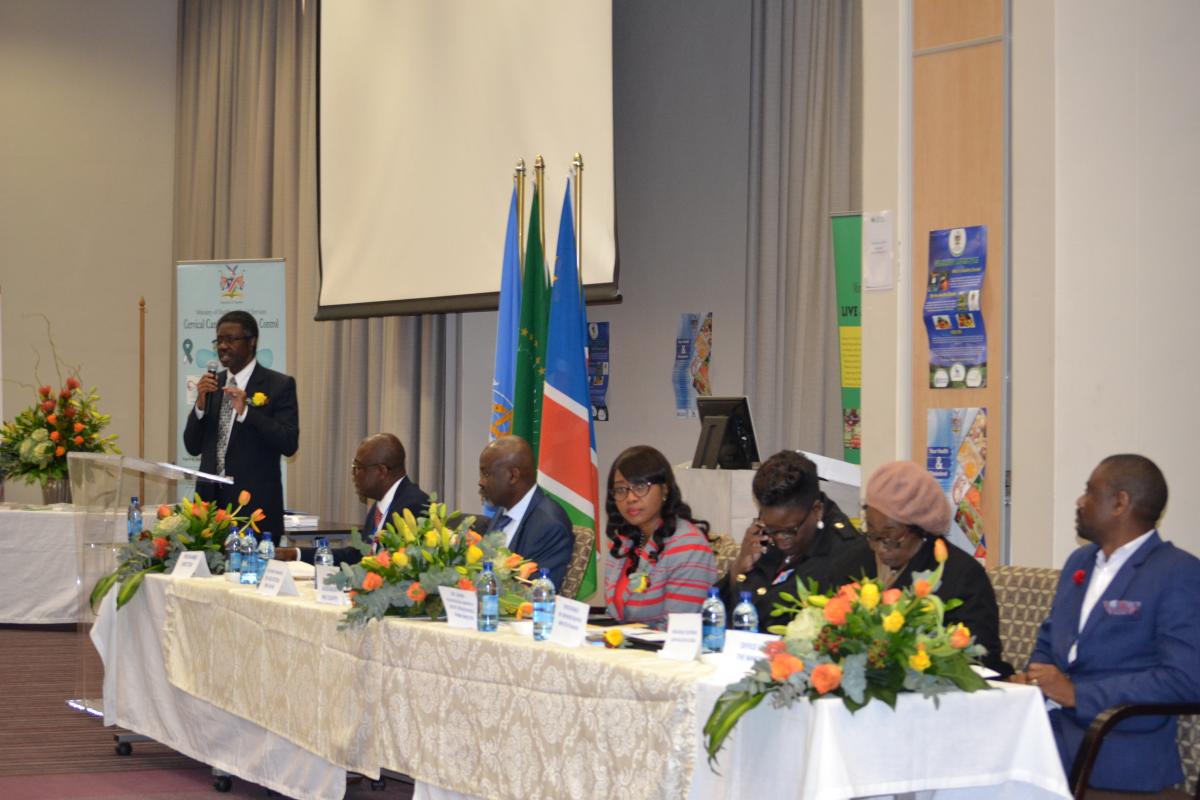
The Prime Minister of the Republic of Namibia, Dr Saara Kuungongelwa-Amadhila, launched the National Strategy on the prevention and control of non-communicable diseases recently in Windhoek. The Strategy aims to reduce the preventable and avoidable burden of morbidity, mortality and disability due to non-communicable diseases in the country.
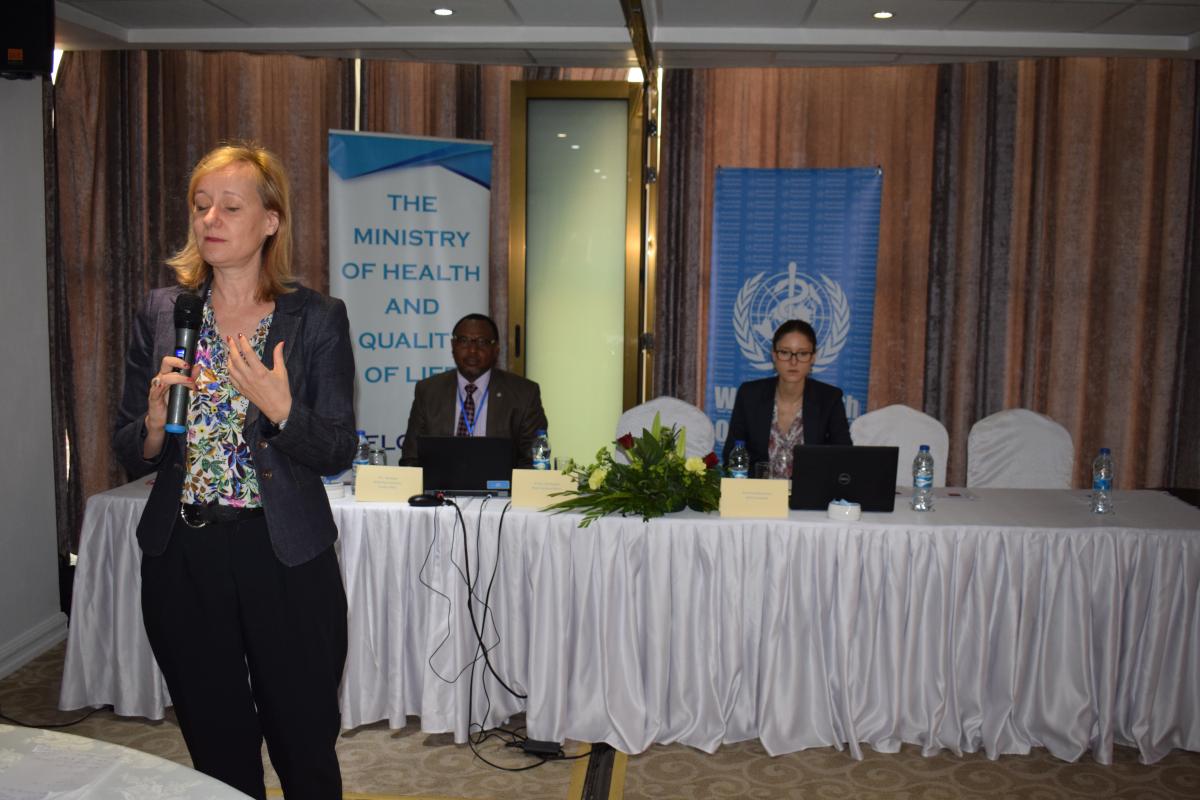
Strategizing Health Policy and Sector Strategy Plan Development in Mauritius through Participatory Approach
Minister of Health assures Traditional Medicine Practitioners of Intellectual Property Rights
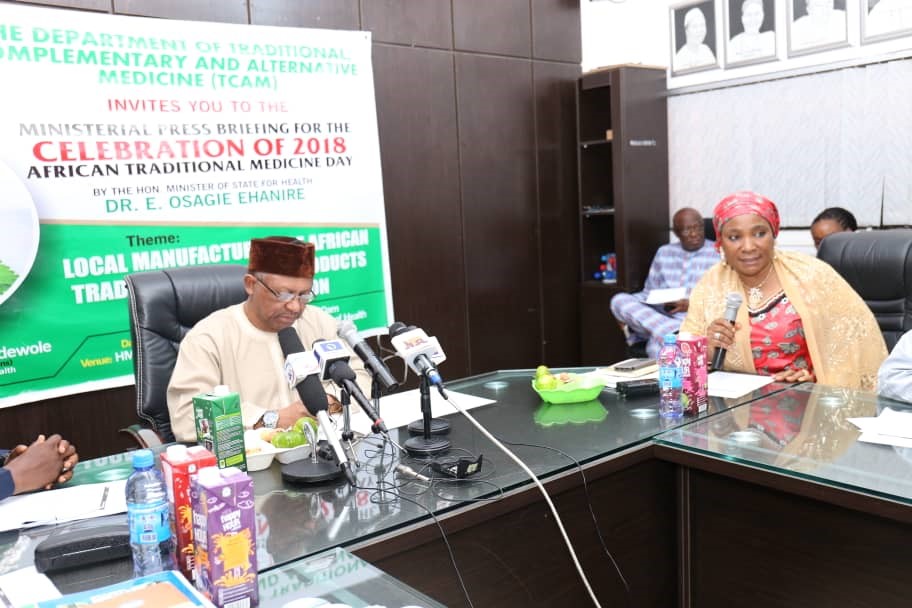
Abuja, 31 August, 2018 - Minister of State for Health, Dr Osagie Ehanire has assured traditional medicine practitioners in Nigeria of the protection of their intellectual property rights for products that support government effort towards universal health coverage.