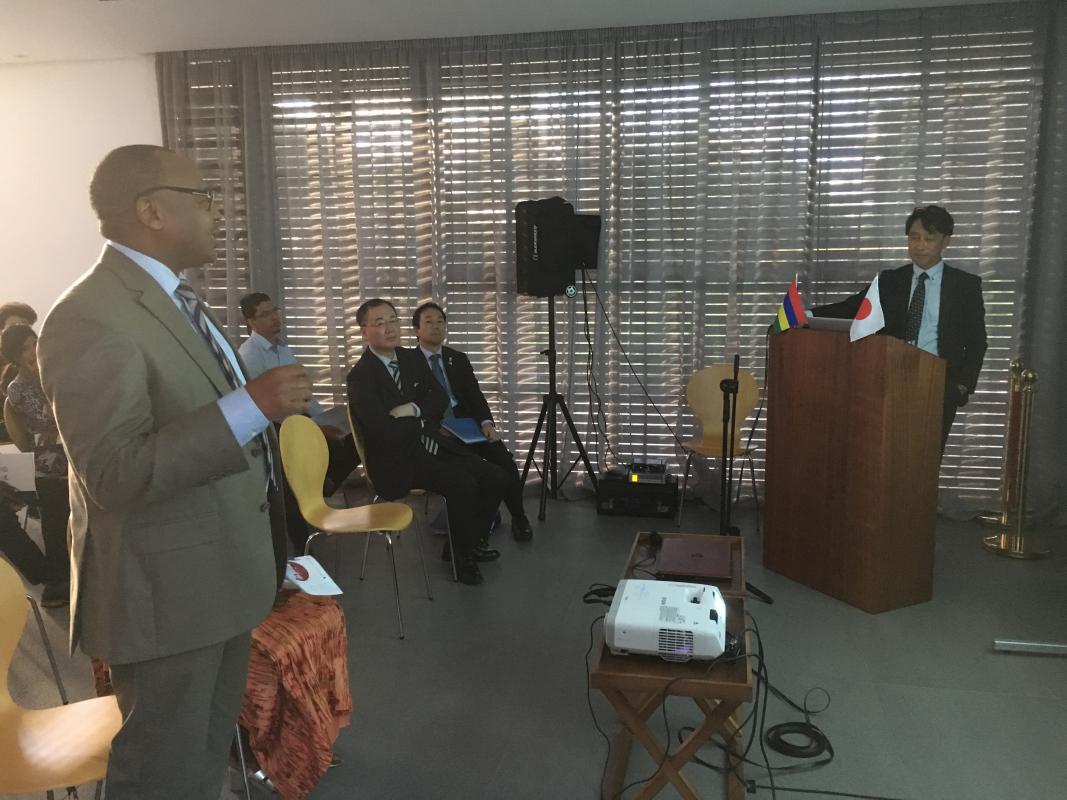
Tackling the issues of Ageing Population through Global Partnership
WHO and CDC support the Ministry of Health to strengthen capacity for detection, investigation and response to Ebola Virus Disease in districts bordering the Democratic Republic of Congo
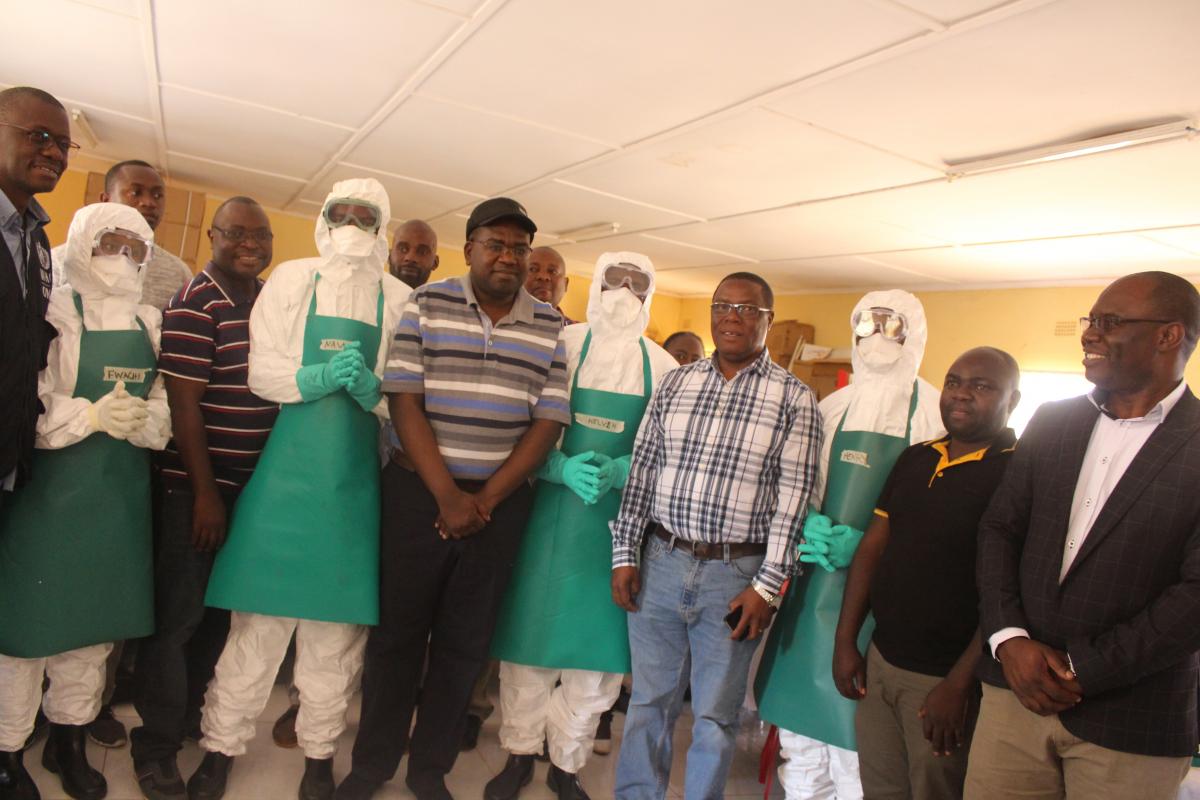
The outbreak of Ebola Virus Disease (EVD) in the Democratic Republic of Congo (DRC) in Beni, North Kivu province poses a risk of the disease spreading beyond the borders of the country to its neighboring countries including Zambia.
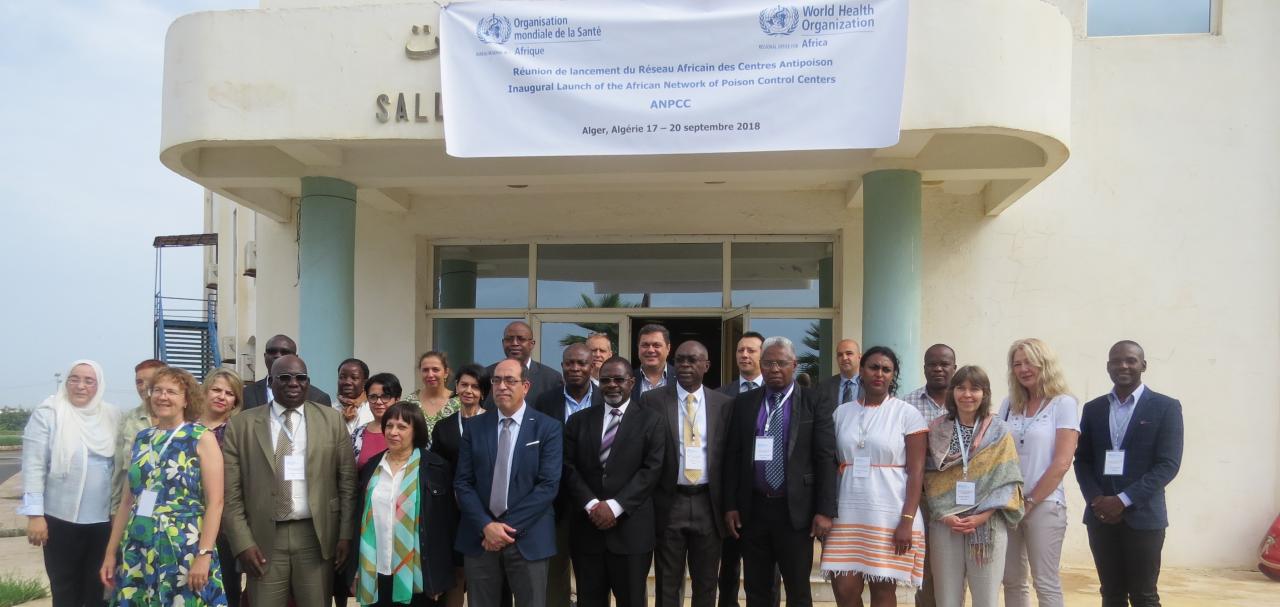
Launch of the African Network of Poison Control Centres in Algiers
Horn of Africa countries in a communique to speed up polio eradication
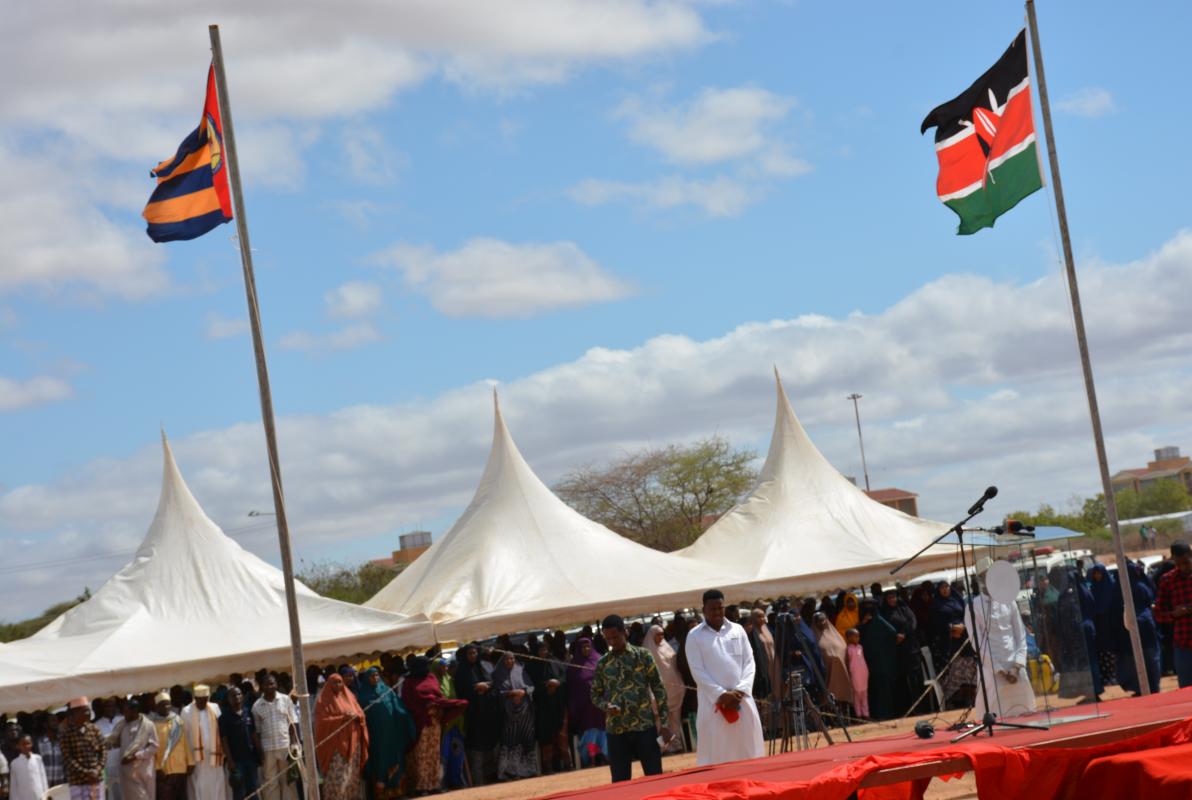
The global polio eradication initiative got new impetus recently as four countries from the Horn of Africa Inter-governmental Authority on Development (IGAD) met in Garissa, Kenya, in a show of unity to end the spread of polio in the region. The event took place on September 15, 2018.
Health ministers and representatives from Somalia, Ethiopia, Kenya, and South Sudan signed a communique under the auspices of Intergovernmental Authority on Development (IGAD), which further reinforced their support and future actions towards this goal.
With WHO’s support, South Sudan strengthens HIV treatment cascade to improve interventions and achieve the national 90-90-90 targets
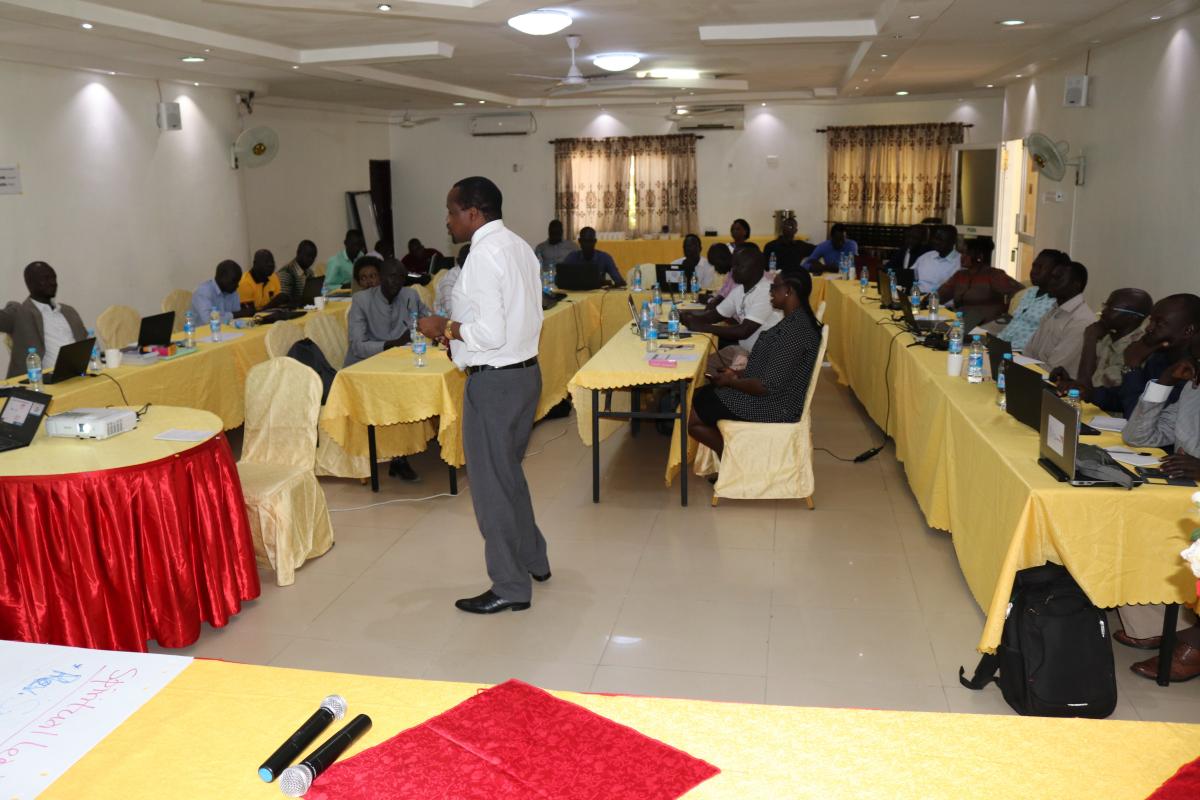
Juba 14 September 2018 – WHO in partnership with the Ministry of Health are strengthening capacity to improve HIV programme interventions to achieve the national 90-90-90 targets in South Sudan.
Over the last decades, South Sudan has continued to face humanitarian crises of varying nature and intensity weakening the health systems and thus hindering progressive coverage of health services including HIV.
Empowering clinical and non-clinical maternity hospital staff to promote early initiation and exclusive breastfeeding
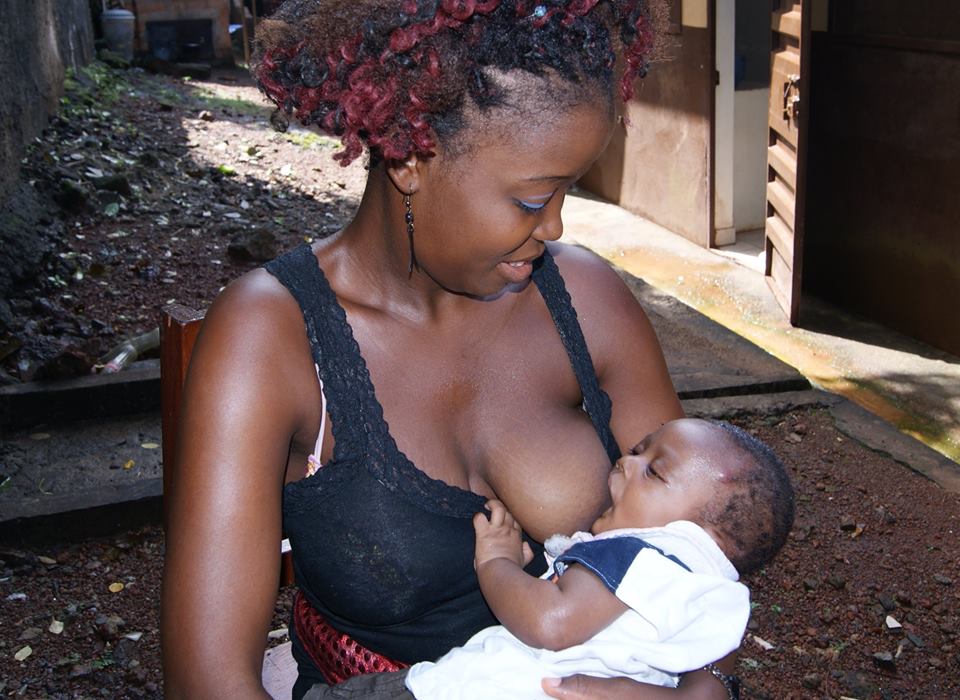
The Ministry of Health and Sanitation in collaboration with WHO and partners is rolling out Baby Friendly Hospital Initiative to promote breastfeeding by training both clinical and non-clinical hospital personnel in the three regional hospitals and the University Teaching hospital (PCMH/ODCH) in the country. These trainings aim at equipping the clinical and non-clinical hospital staff with the knowledge and skills necessary to transform their health facilities into baby-friendly institutions through implementation of the Ten Steps to Successful Breastfeeding, and to sustain and improv
New vaccine introduced to protect Seychellois children from Pneumonia and other Pneumococcal diseases
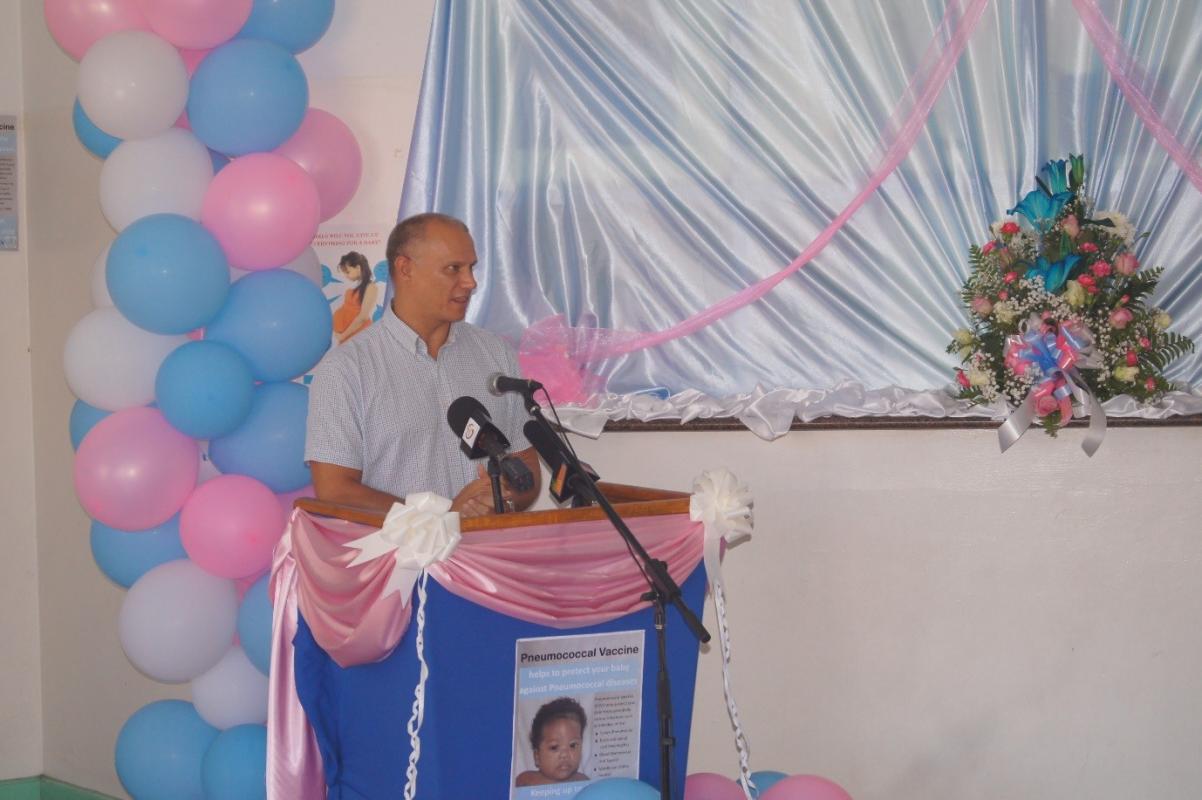
Seychelles 14th September 2018 – Seychellois children will now be better protected against diseases caused by Pneumococcal bacteria such as Pneumonia, Meningitis and infection of the blood and middle ear. This was announced by the Minister of Health Honorable Jean Paul Adam, following the official launching of the introduction of the Pneumococcal Conjugate Vaccine (PCV) into the country’s routine immunisation programme on Tuesday 11th September 2018.
WHO steps up efforts to accelerates the elimination of human African trypanosomiasis (HAT) in South Sudan
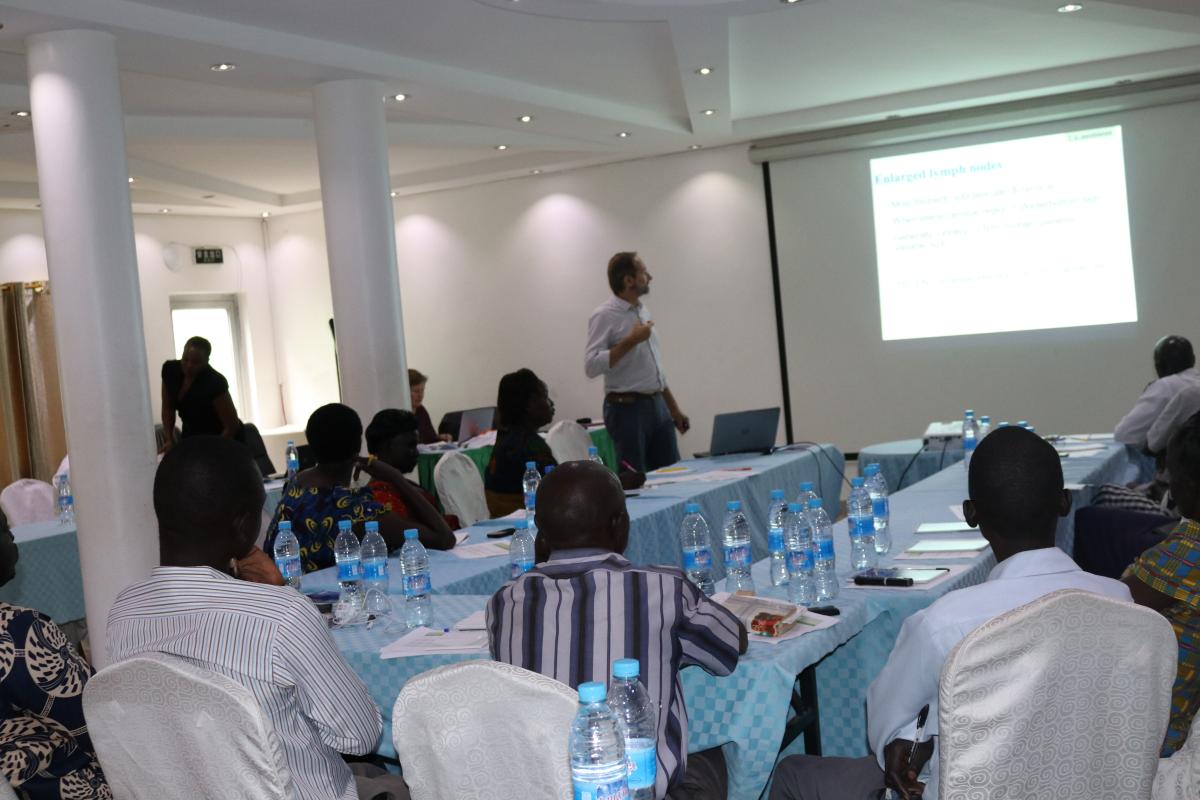
Human African trypanosomiasis, or sleeping sickness, threatens millions of people in many countries across sub-Saharan Africa.
South Sudan is one of the countries most affected by sleeping sickness. In 2018, a total of 5 469 people were screened (5 330 actively and 139 passively) for sleeping sickness of which 13 patients were treated.
In an effort towards the elimination of the human African trypanosomiasis (HAT), WHO trained health experts on the use of different diagnostic tools and case management.
Nigeria not lowering guards against Polio, two years after last detection of cases in the Northeast.
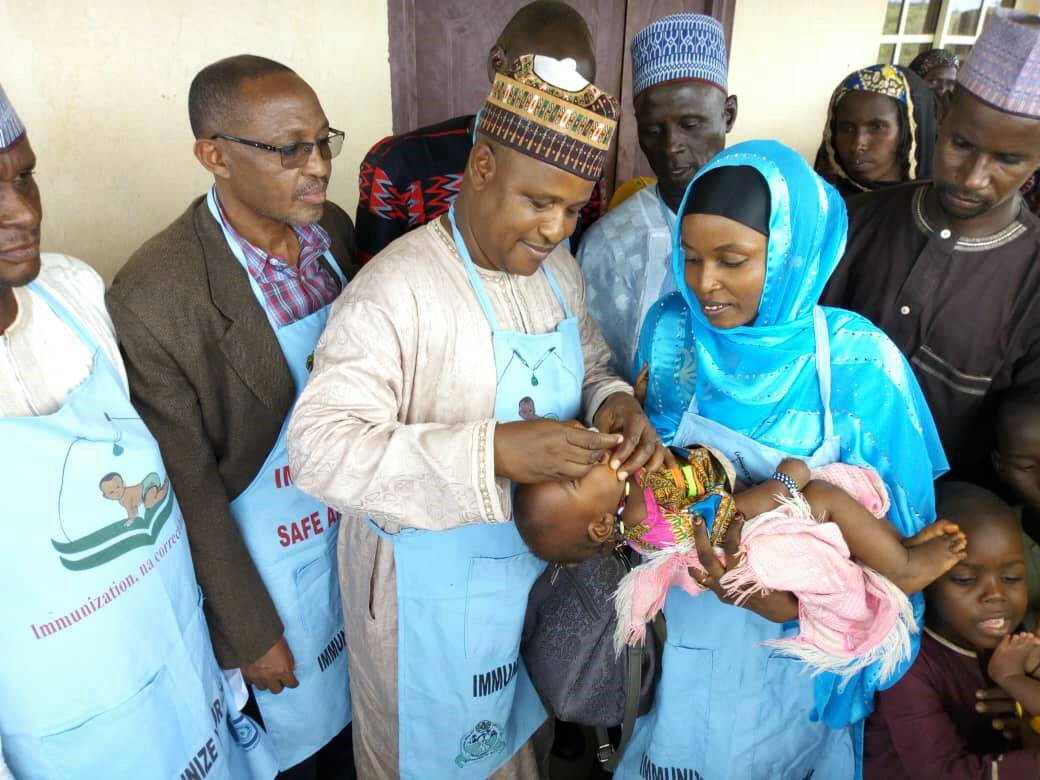
Abuja, 13 September, 2018 - After two years without the detection of wild poliovirus (WPV) in Nigeria, the Government, in collaboration with Global Polio Eradication Initiative (GPEI) partner remain resolute not to lower guards against the paralyzing disease.
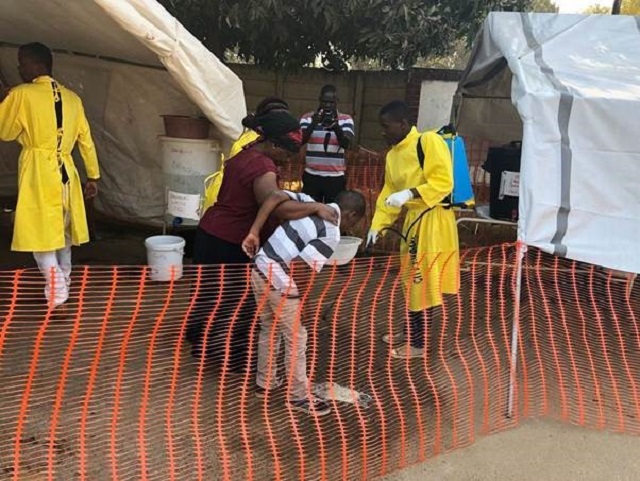
WHO is scaling up response to a fast-moving cholera outbreak in Zimbabwe’s capital