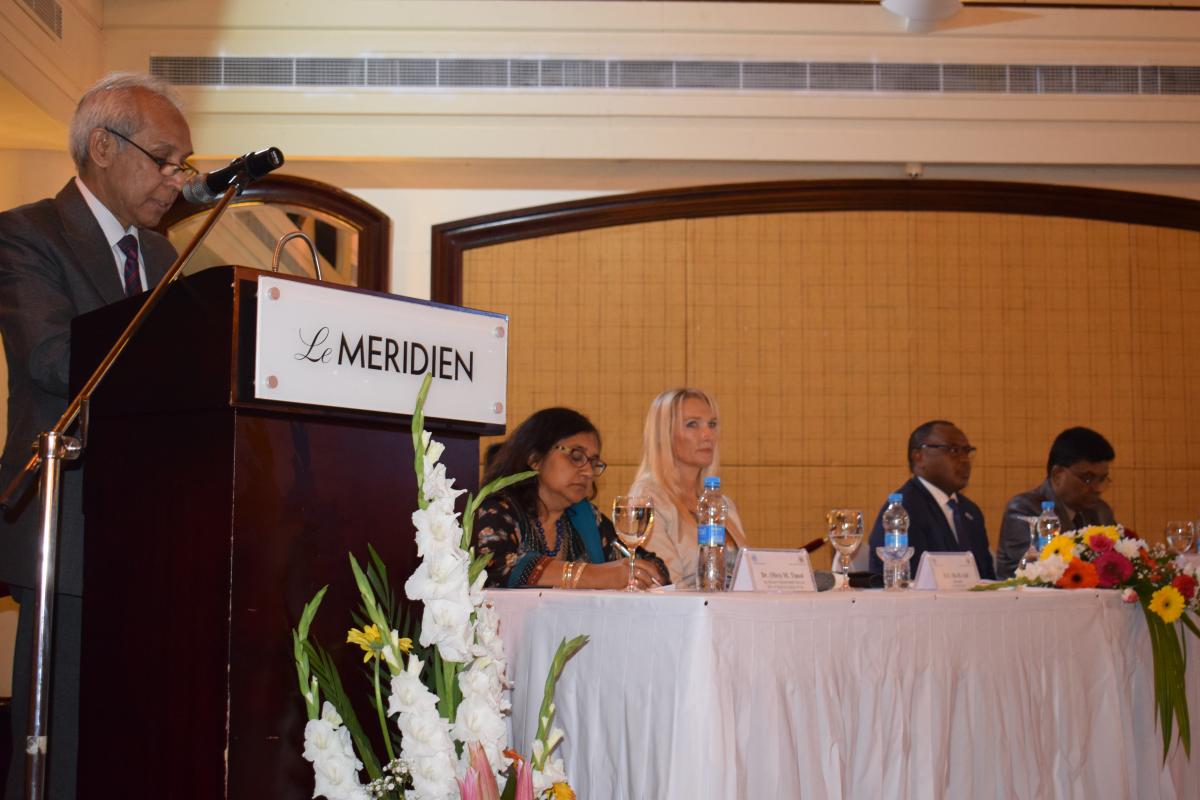
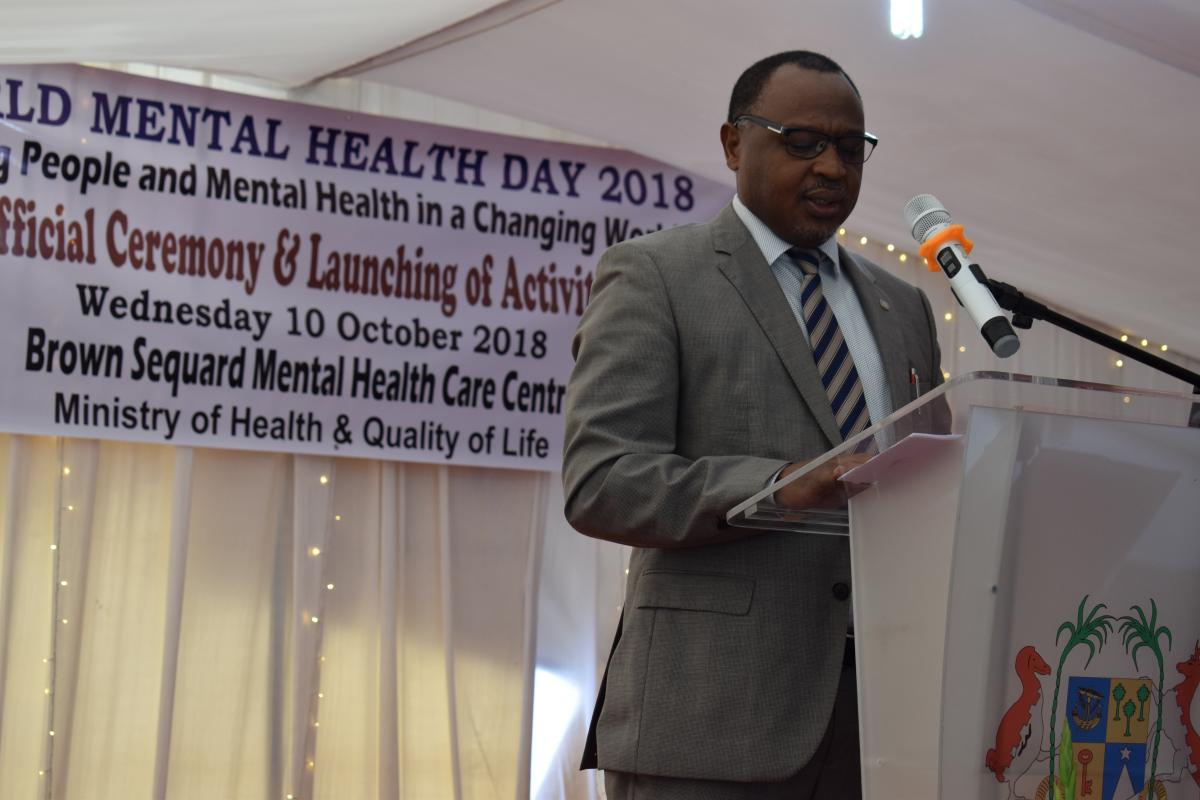
World Mental Health Day 2018: The adverse effect of technologies on Mental Health
Public Health Event Management in Air Transport Training of Trainers kicks off in Harare
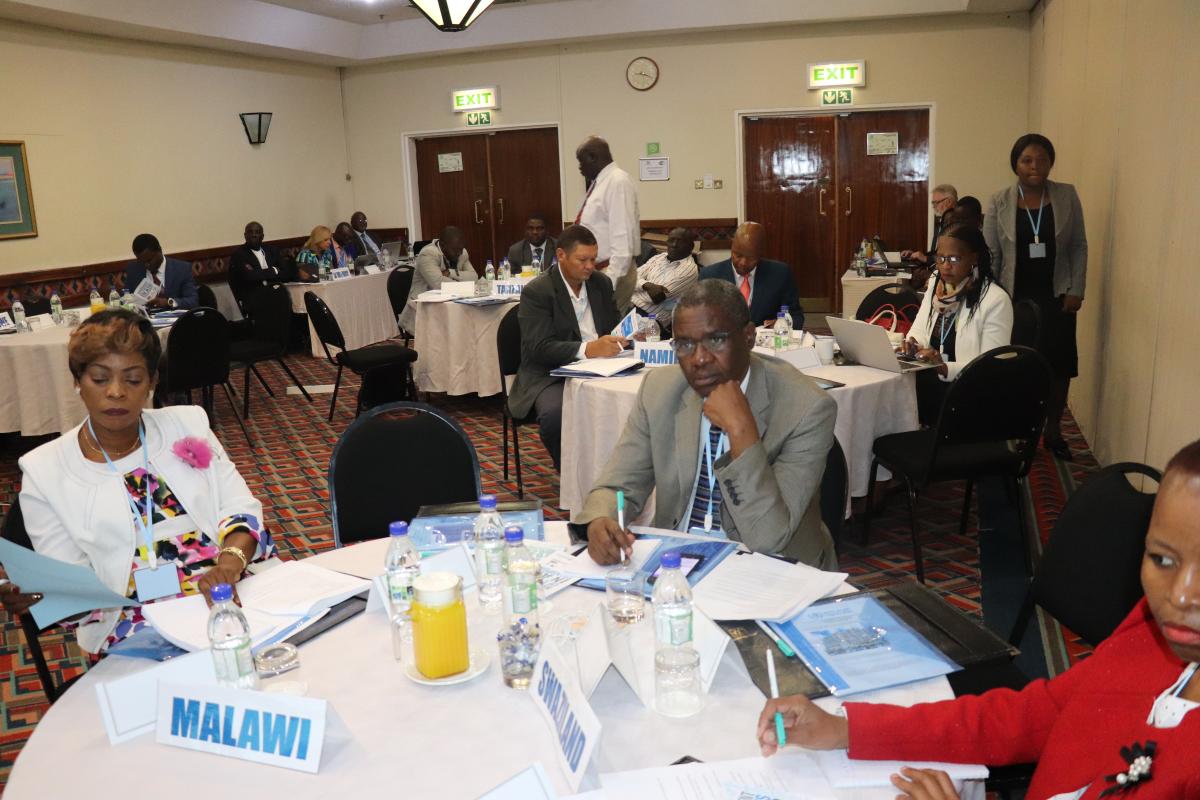
Harare 9 October 2018. A joint World Health Organization and International Civil Aviation Organization Training of Trainers for Public Health Event Management in Air Transport kicked off in Harare yesterday.
Government urged to prioritise investment in Mental Health
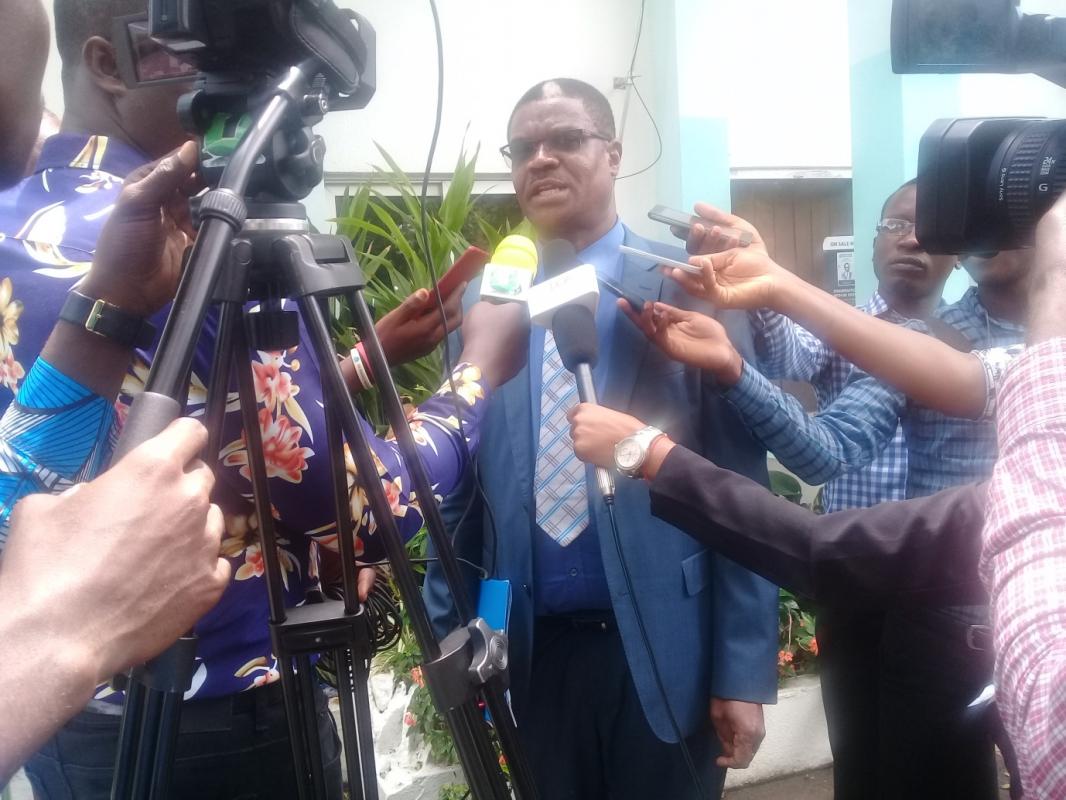
Dr Owen Laws Kaluwa, the World Health Organisation (WHO) Country Representative, has called on the Government to develop and strengthen evidence-based programmes to address the mental health needs of young people.
He urged the Government to put in place deliberate interventions, with the support of national policy-makers and programme managers, to prioritise and advocate for funding to finance the mental needs of the country, with special emphasis on adolescents and young people.
Dr Gasasira presents his credentials to the Ministry of Foreign Affairs and International Trade
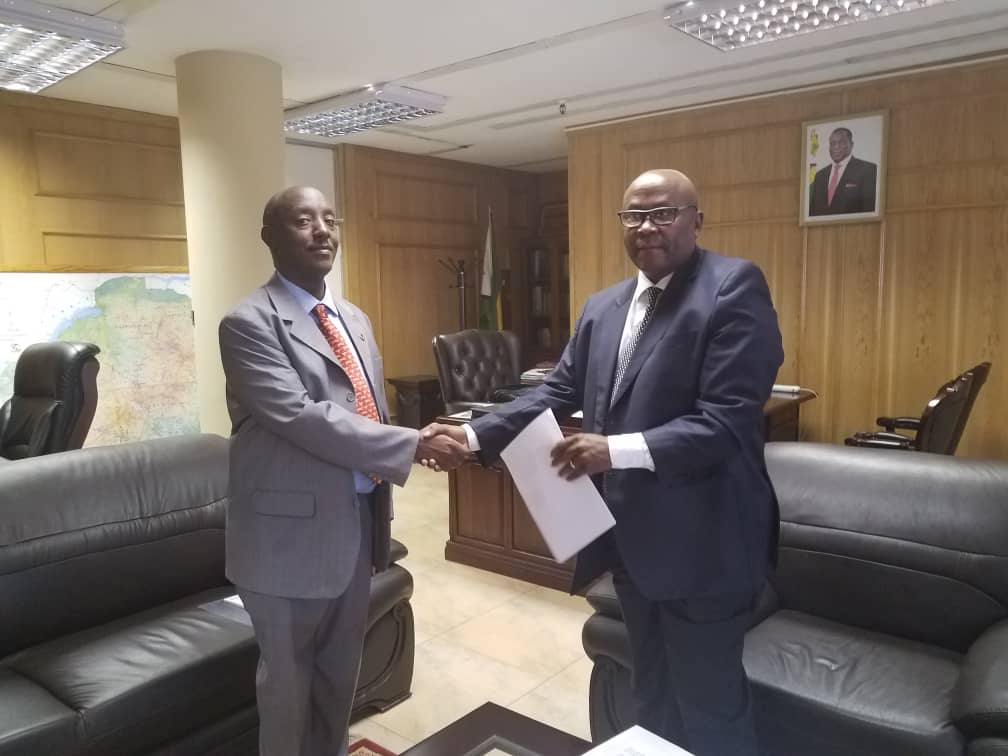
Harare, 9 Oct. 2018. On 3rd October, the new WHO Representative to Zimbabwe, Dr Alex Gasasira presented his credentials to the Government of Zimbabwe through the Minister of Home Affairs, Honourable Cain G. Mathema in his capacity as the Acting Minister of Foreign Affairs and International Trade.
Mental health slowly devouring the heart of society
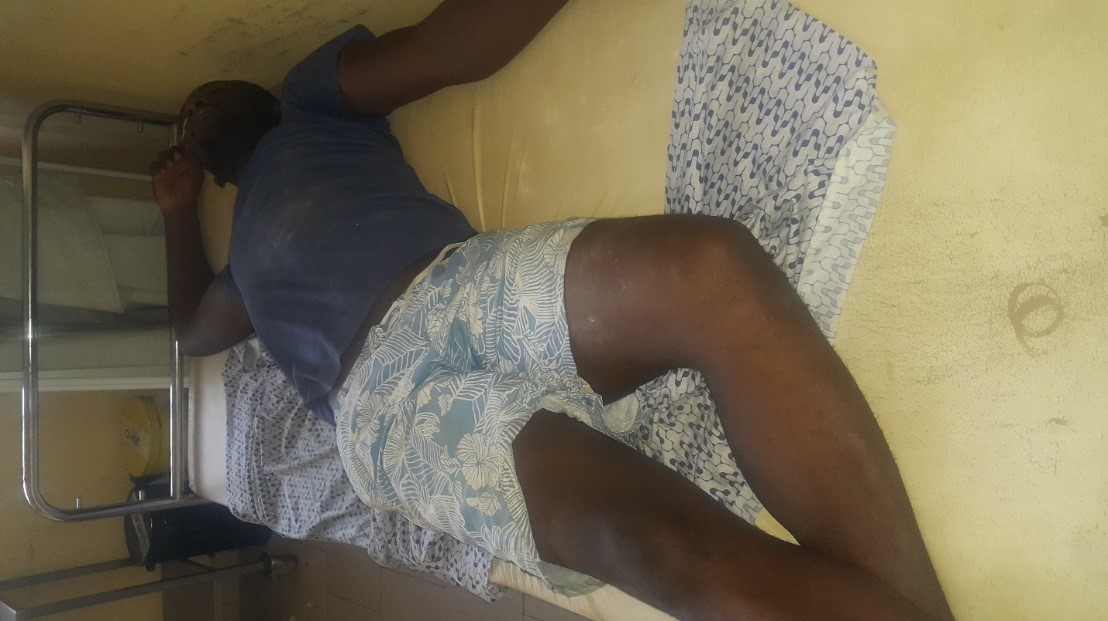
Abuja, 9 October, 2018 - “I sold everything I had in Nigeria in preparation from my green card. When I was denied it, I fell into a depression and decided to turn to alcohol and drugs to ease off my disappointment,” says Daniel Oyewale as Nigeria prepares to commemorate World Mental Health Day. This year, the theme is “Young people and mental health in a changing world”, to draw attention to the importance of mental health among the youth.
WHO Representative, Dr Olu, Olushayo Oluseun, presents his letter of credentials to the Hon Minister of Foreign Affairs and International Corporation, South Sudan
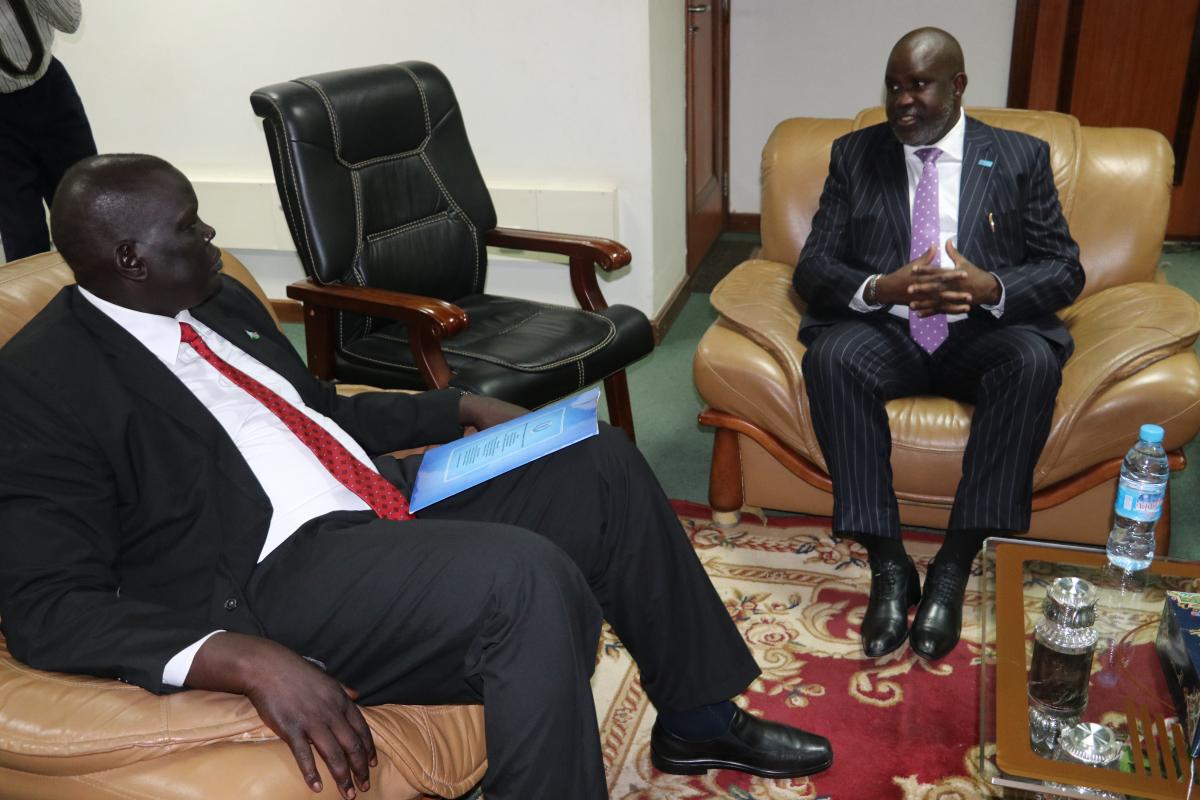
Juba, 5 October 2018 –Dr Olu, Olushayo Oluseun, the newly appointed World Health Organization (WHO) Representative for South Sudan who presented his letter of credentials yesterday, 4 October 2018 to the Ministry of Foreign Affairs and International Cooperation.
Presenting his credentials, Dr Olu says, “with Ebola virus disease on our doorstep, I would like to join the Minister of Health in leading a multisectoral approach to ensure that the country is well prepared”.
South Sudan establishes Rota sentinel surveillance to determine the extent of Rotavirus infection among children with acute diahorrea
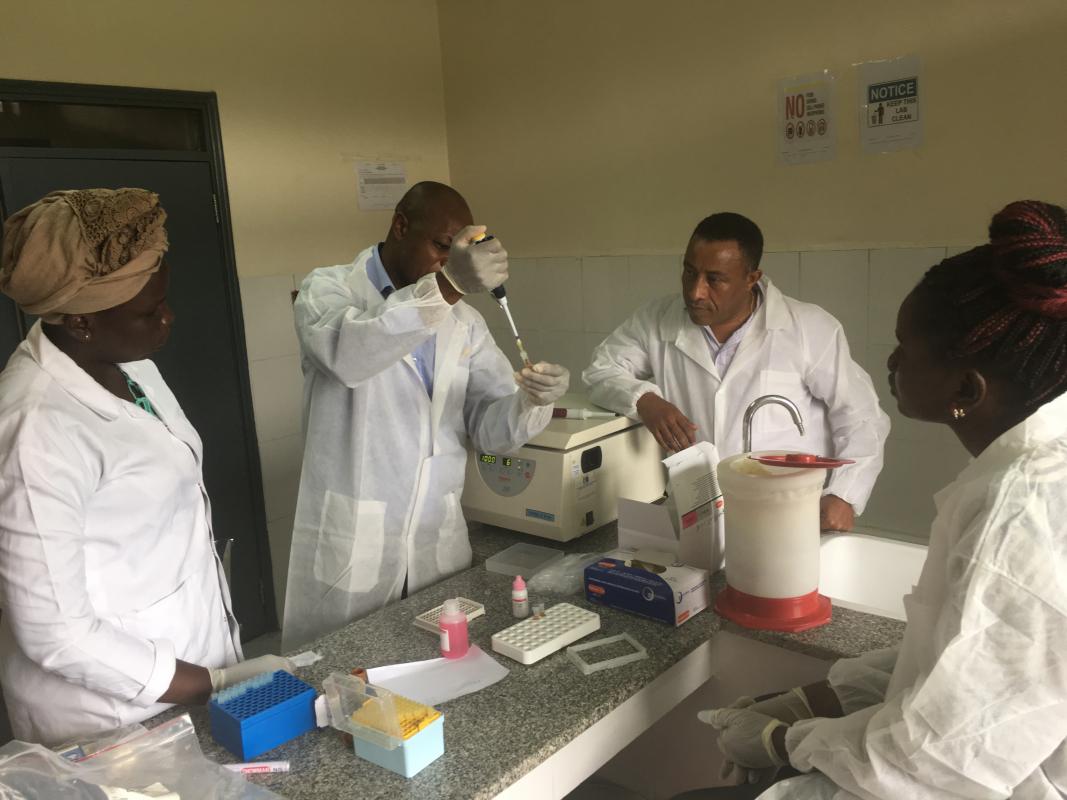
Juba, 2 October 2018 – To determine the extent of Rota virus infections among children and reduce child morbidity and mortality due to rotavirus infection, the Ministry of Health with support from the World Health Organization (WHO) is establishing sentinel surveillance for rotavirus infection in Juba.
WHO works with government agencies to respond to floods across Nigeria
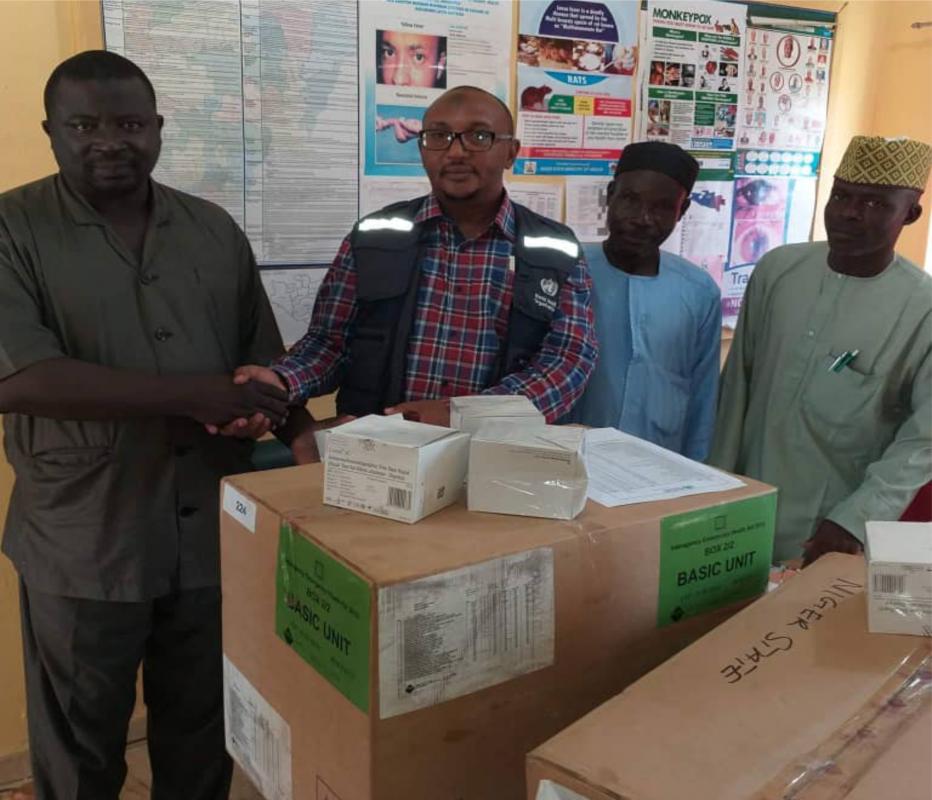
Abuja, 3 October 2018 - World Health Organization (WHO) is closely working with the Federal Ministry of Health, Nigeria Centre for Disease Control (NCDC) and the National Emergency Management Agency (NEMA) in States affected by floods to support the health response to the emergency. Based on its technical expertise and its field presence in all affected states, WHO is assisting Federal and state authorities with the assessment of the health situation and needs.
East African Countries intensify collaboration and Preparedness as Ebola Outbreak Continues in DRC
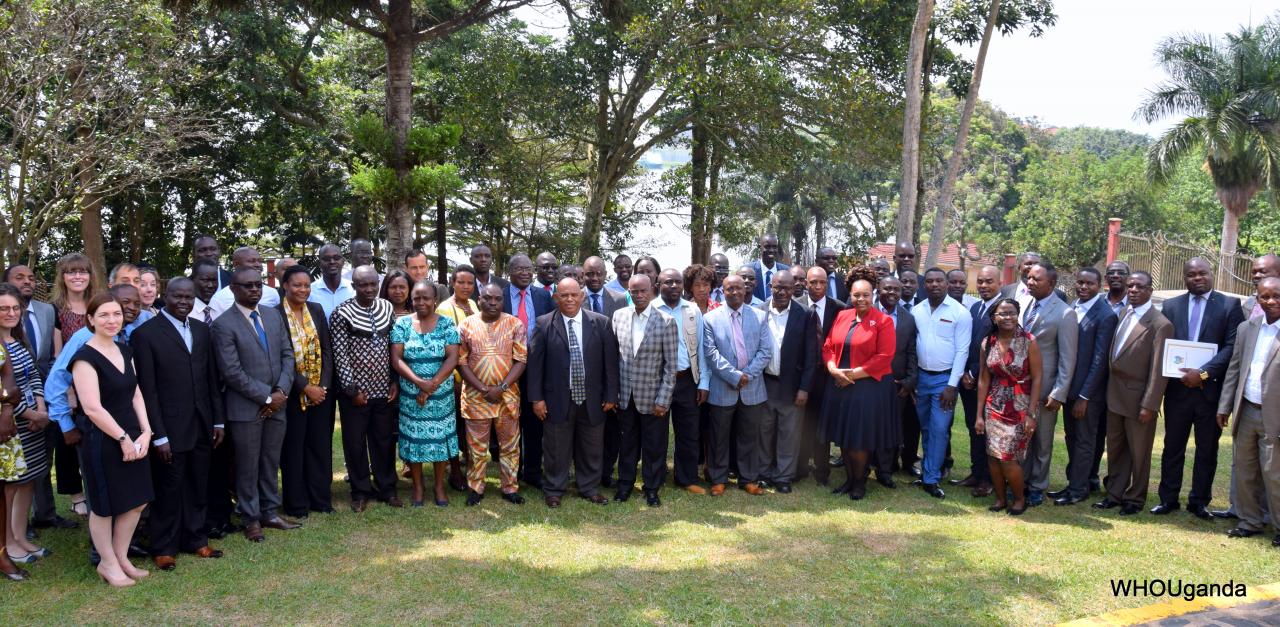
Entebbe, 3rd October 2018:- The on-going Ebola Virus Disease (EVD) outbreak in the Democratic Republic of Congo (DRC) has led to intensified cross-border collaboration among East African countries on disease surveillance and emergency preparedness.
Consequently, the East African Integrated Disease Surveillance Network (EAIDSNet) has convened a three-day cross-border meeting in Entebbe, Uganda, to enhance disease surveillance, emergency preparedness and response in East Africa including DRC.
Validation of the findings of the ‘National Assessment of the Health Systems for better Non-Communicable Disease outcomes’