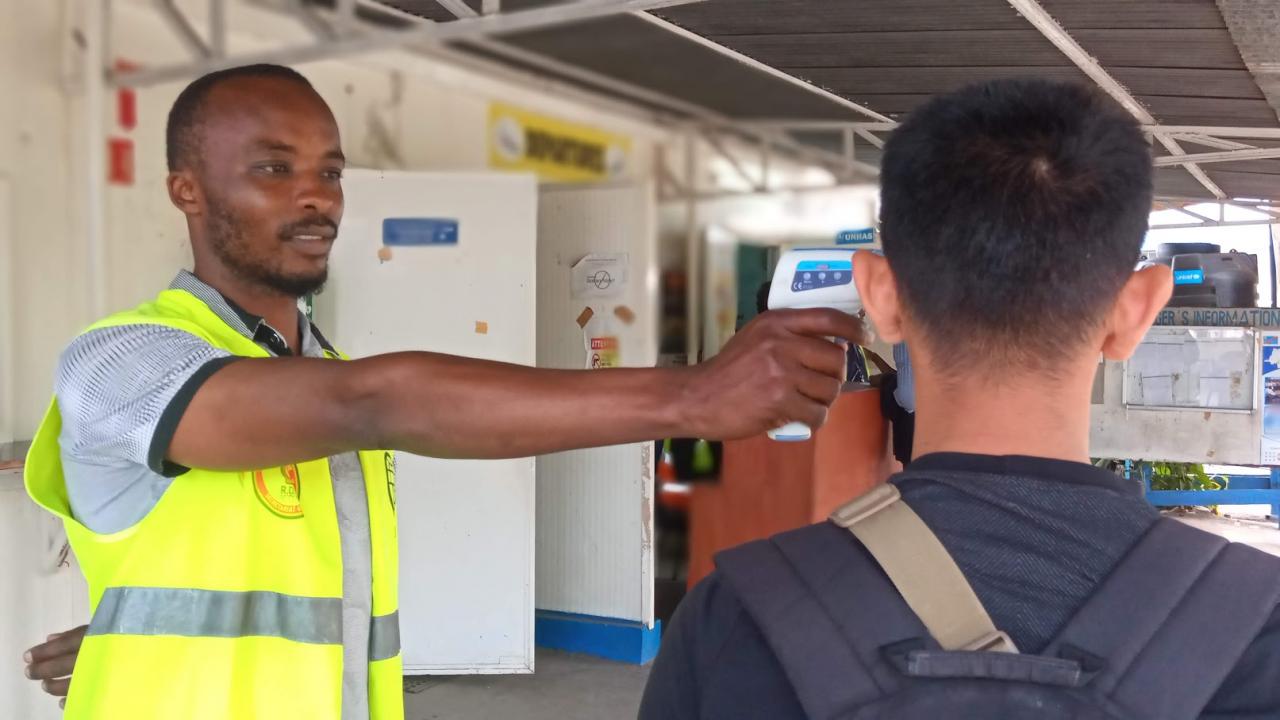
Ebola outbreak in the Democratic Republic of the Congo declared a Public Health Emergency of International Concern
A high-level delegation led by South Sudan’s Undersecretary of Health visited Yei River State to intensify Ebola preparedness in the country
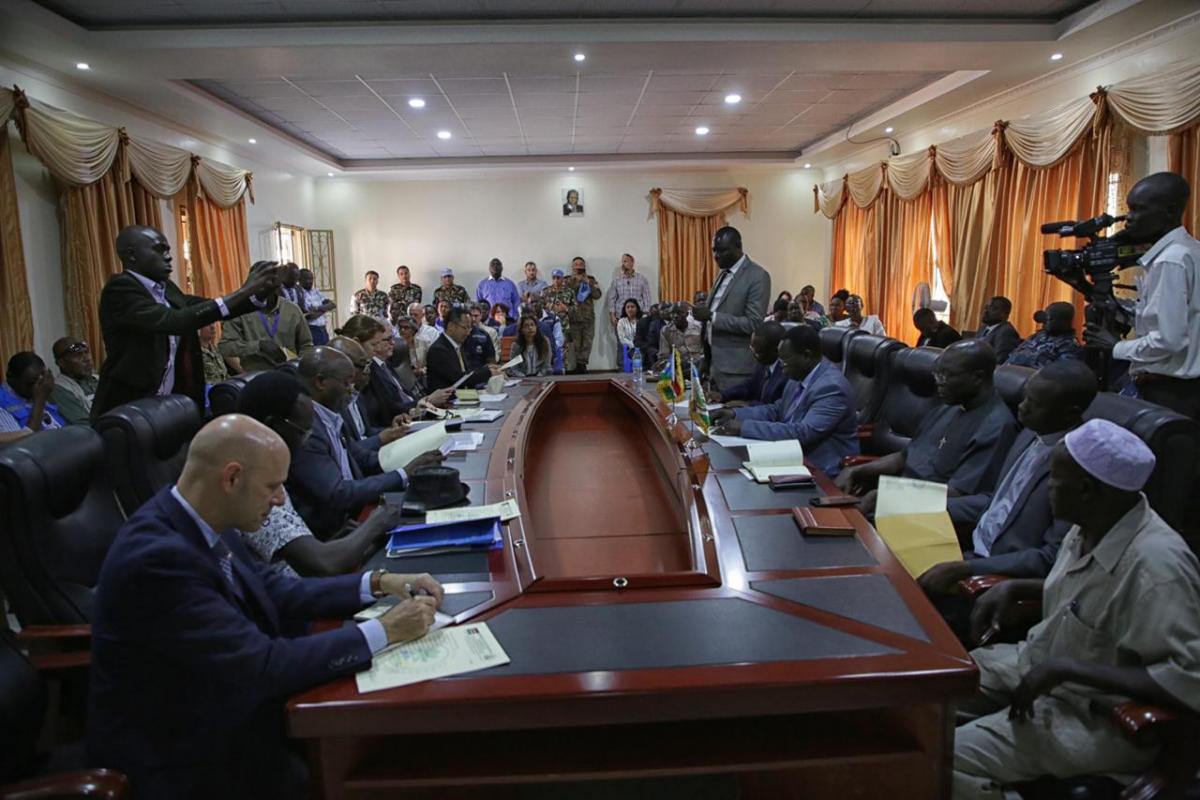
Juba, 16 July 2019 – On 15 July 2019, a high-level delegation led by Dr Makur Matur Kariom, Undersecretary, Ministry of Health and Mr Alain Noudehou, UN Resident/Humanitarian Coordinator and comprising Ambassadors of donor countries, heads of United Nations (UN) agencies, , and Representatives of international non-governmental organizations visited Yei town.
Ugandans urged to lead healthy lives to avert the growing burden of Non-Communicable Diseases
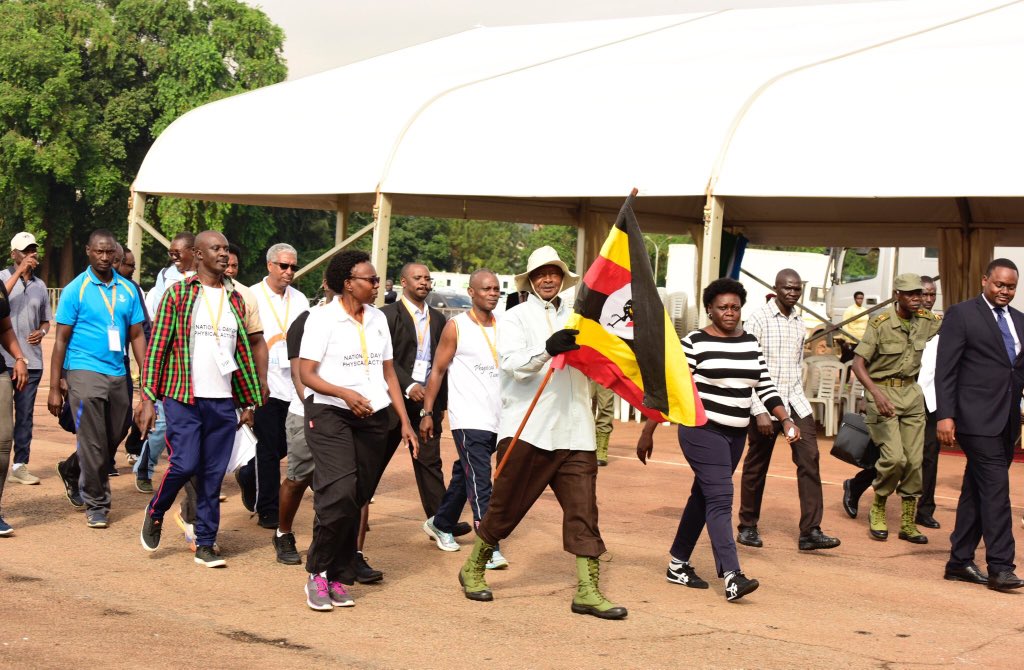
Kampala, 16 July 2019: - Uganda recently held the 2nd National Day of Physical Activity under the theme ‘My Health, My Responsibility’. The Guest of Honour, His Excellency President Yoweri Kaguta Museveni called on all Ugandans to take responsibility for their health by adopting healthy lifestyles.
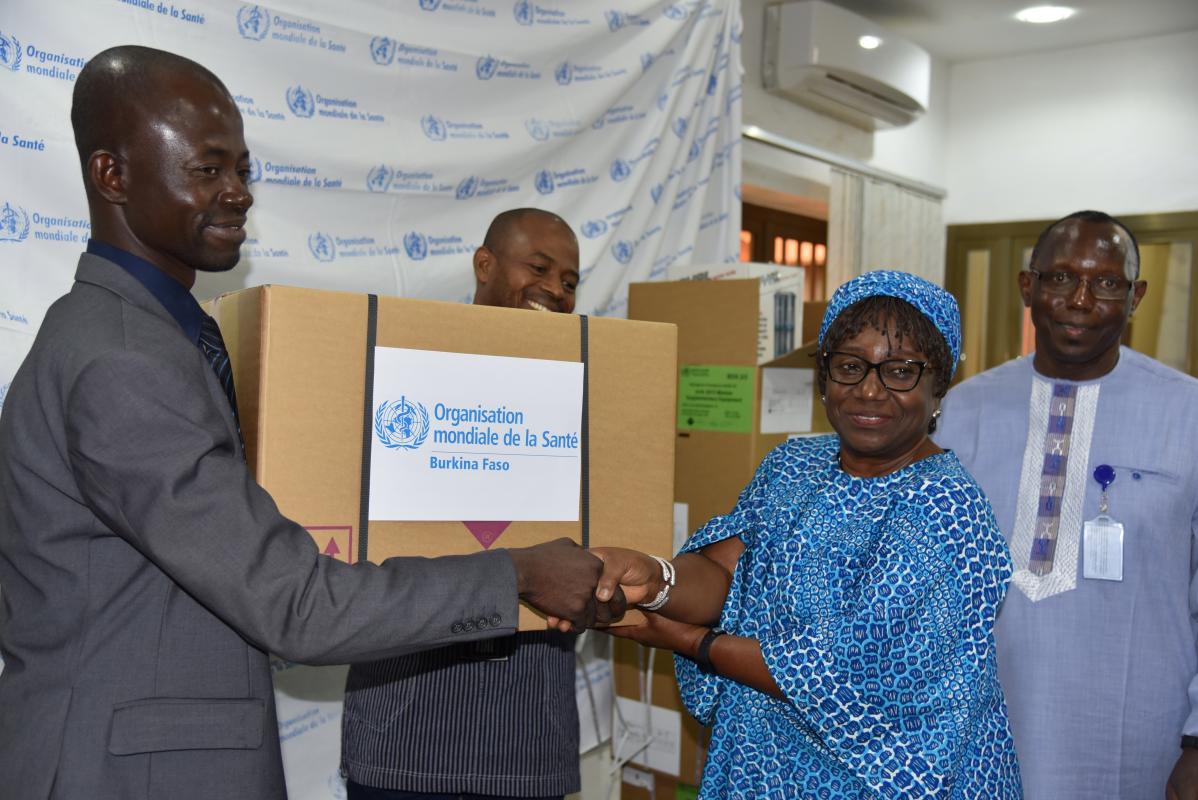
WHO scales up activities in Burkina Faso in response to worsening humanitarian situation
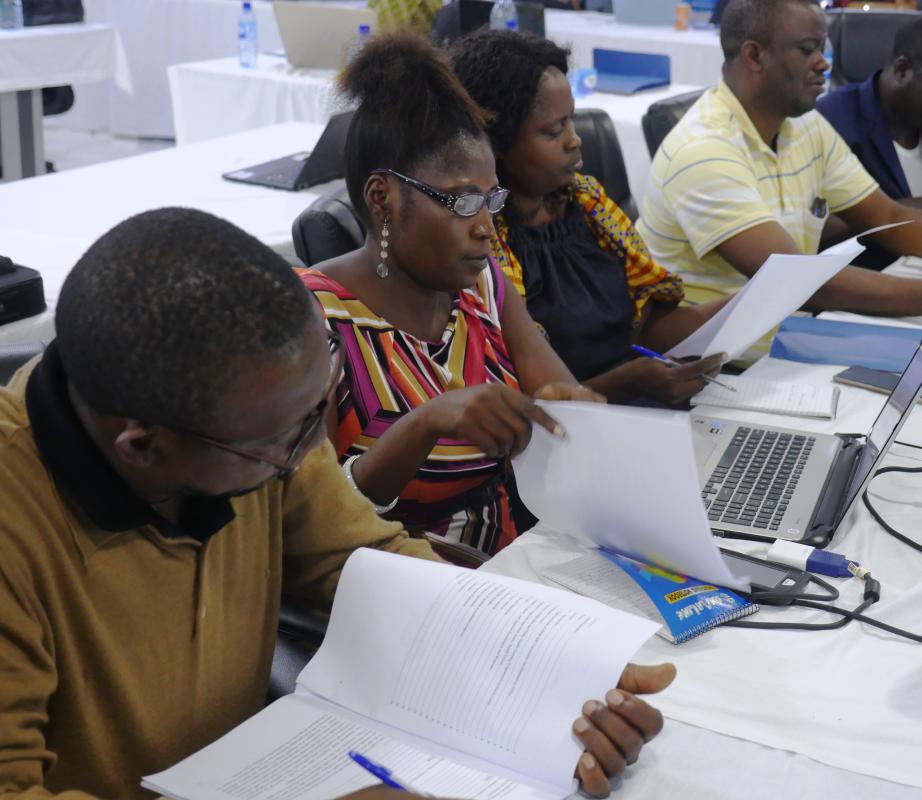
Sierra Leone prepares to pioneer pre-service and in-service courses in Disease Surveillance and the International Health Regulations in Africa
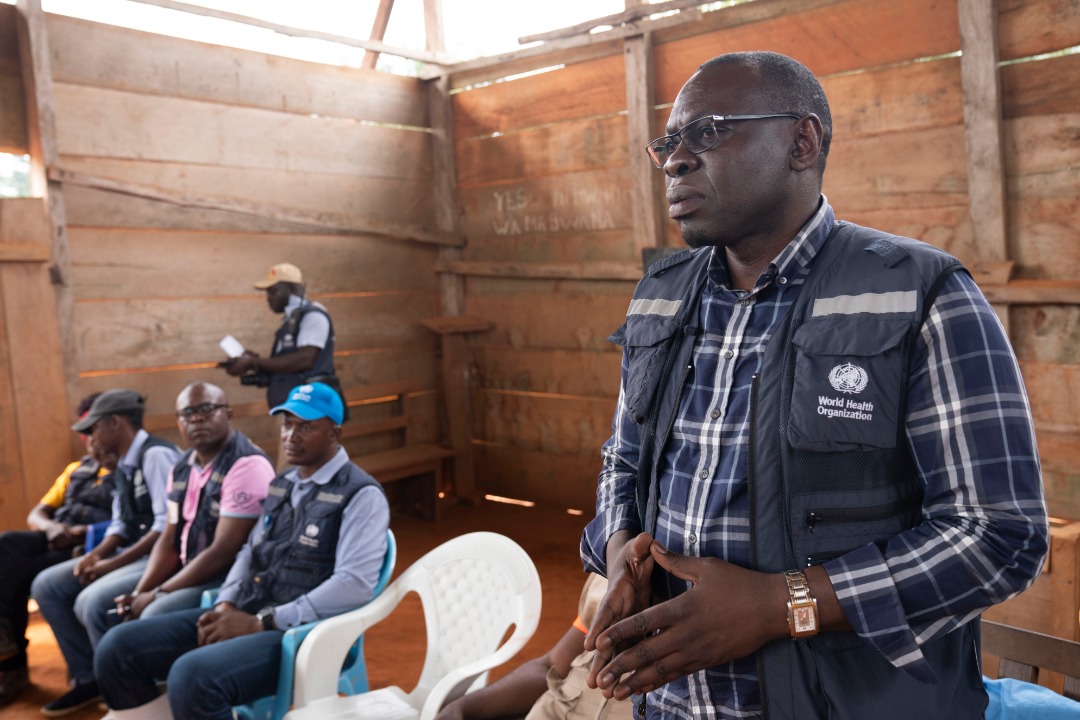
Marginalised and mistrustful: listening to people who have few reasons to trust outsiders
Uganda Village joins forces to Fight Ebola
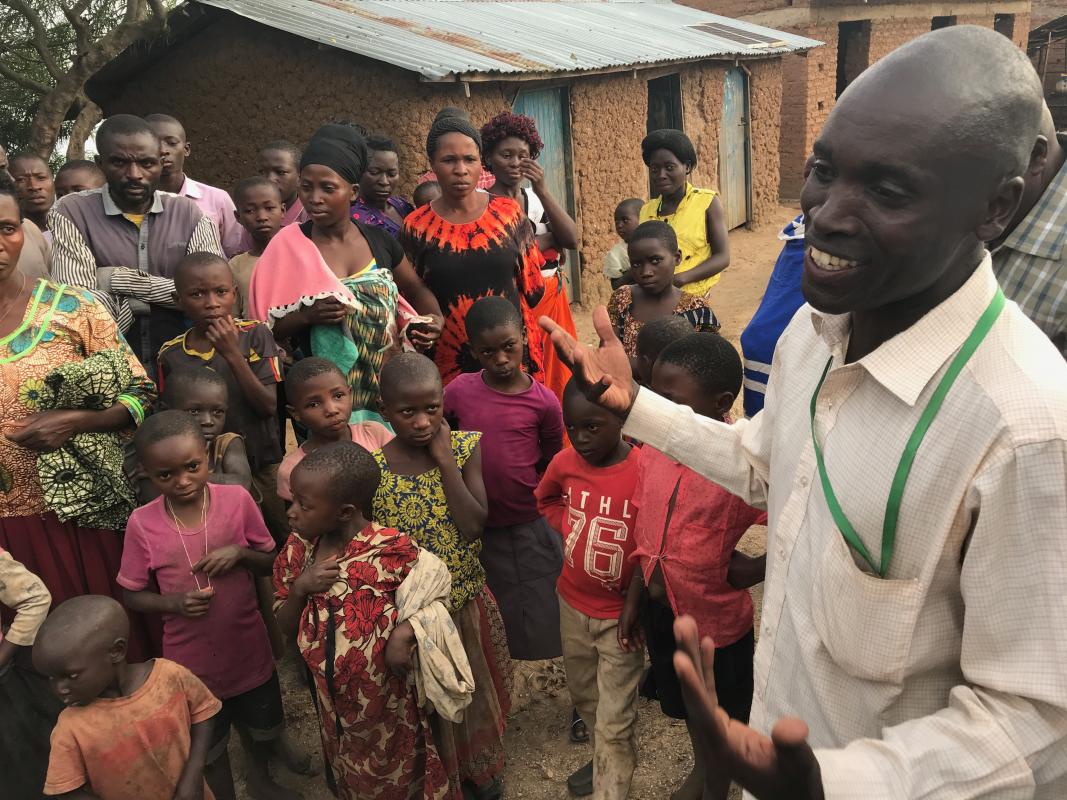
Uganda Village joins forces to Fight Ebola
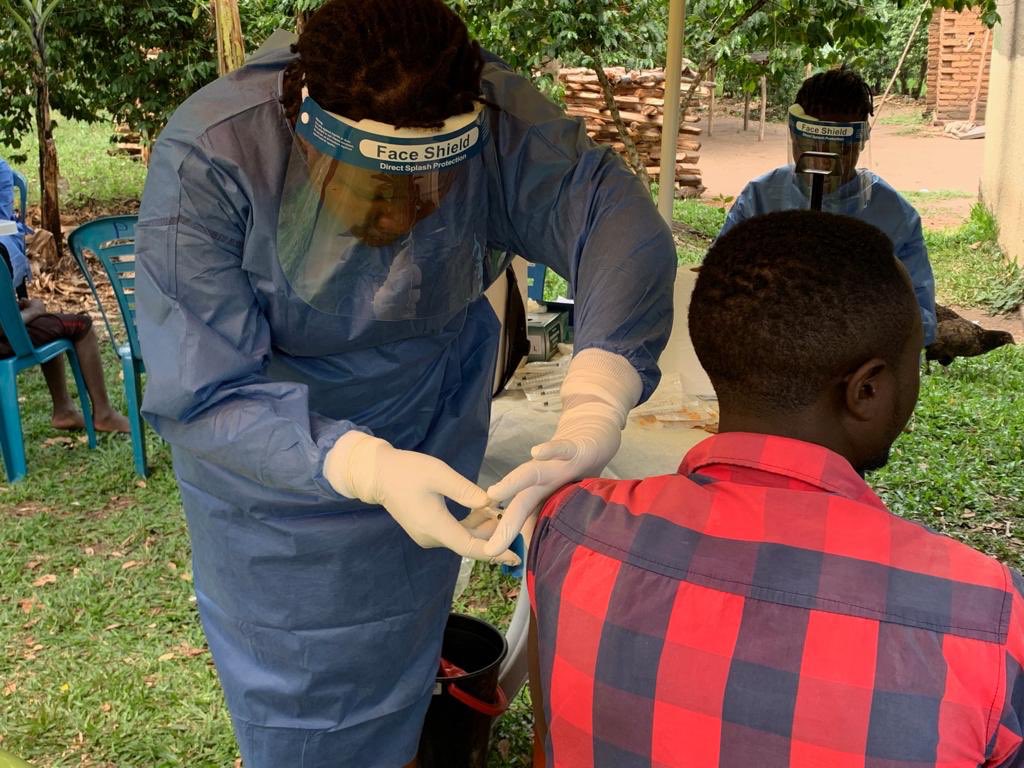
11 July 2019. Bwera, Uganda – When Godfrey and his wife Jennifer fell sick with vomiting and fever, their first thought was Ebola. Their neighbours in Muhindi, a small village in Kasese District of Uganda, had the same fear. But, thanks to their community surveillance training, all of them knew what to do.
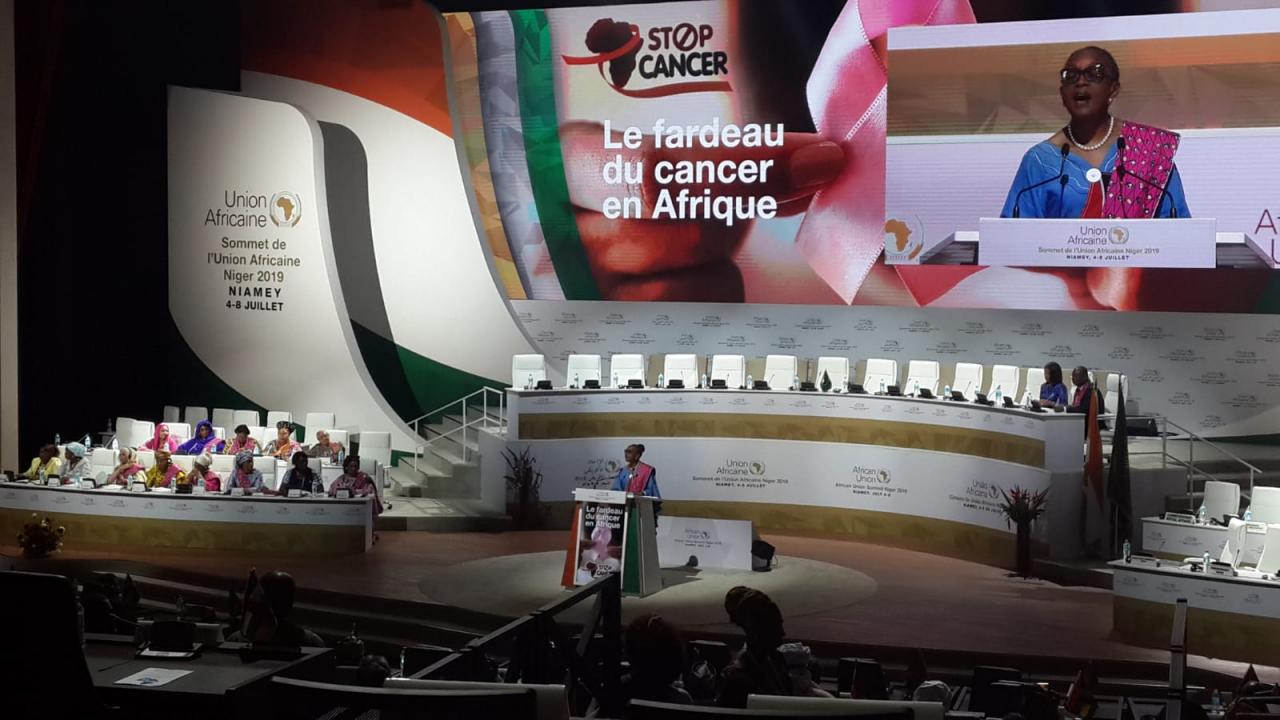
Greater public awareness, stronger collaboration, early detection and screening are critical to fight cancer in Africa
Nigeria intensifies cross border immunization, with special focus on nomadic populations
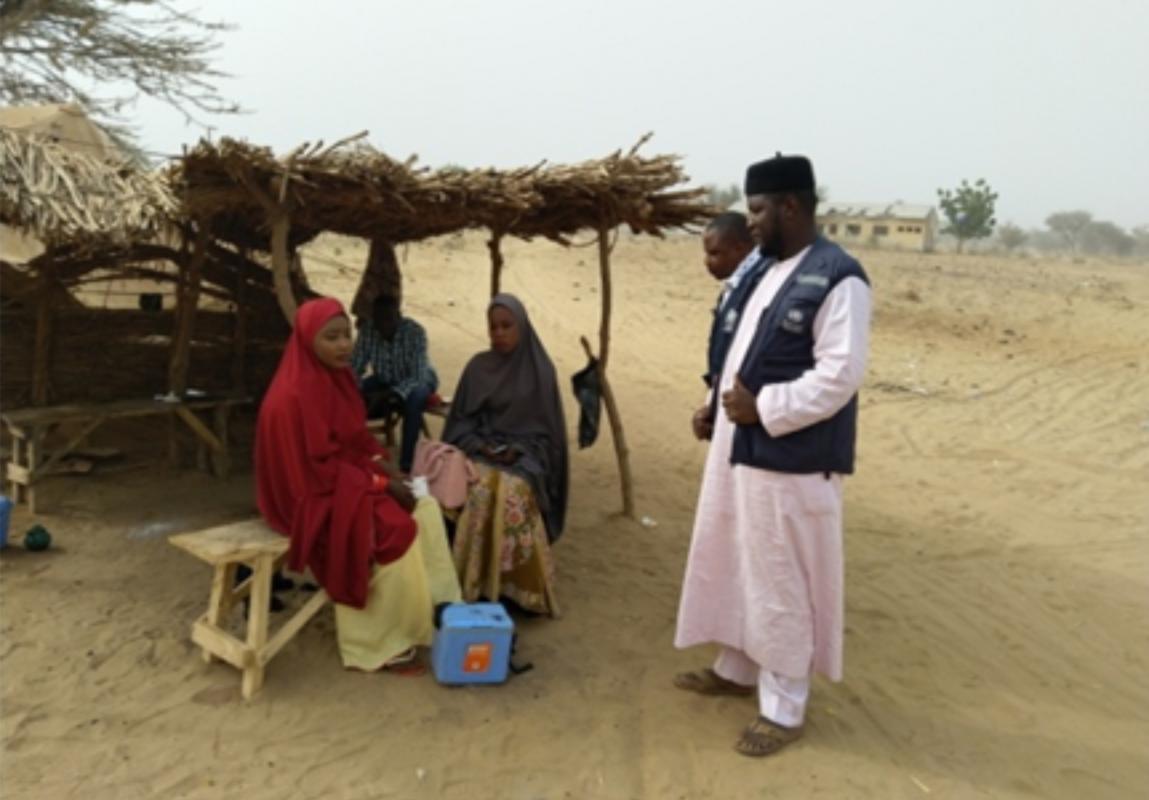
Kano, 8 July, 2019 - In renewed efforts to vaccinate children traversing in and out of Nigeria, the World Health Organization (WHO) is supporting the government in an initiative to improve supplemental and routine immunization activities in the North Western region, which has a significant nomadic population.
Nomadic pastoralists live beyond the reach of established health care programs that are designed to serve sedentary populations. As a result, these groups are often under-immunized and out of the reach of existing disease surveillance activities.