NCDC/WHO Map Resources for NAPHS in 36 States and FCT
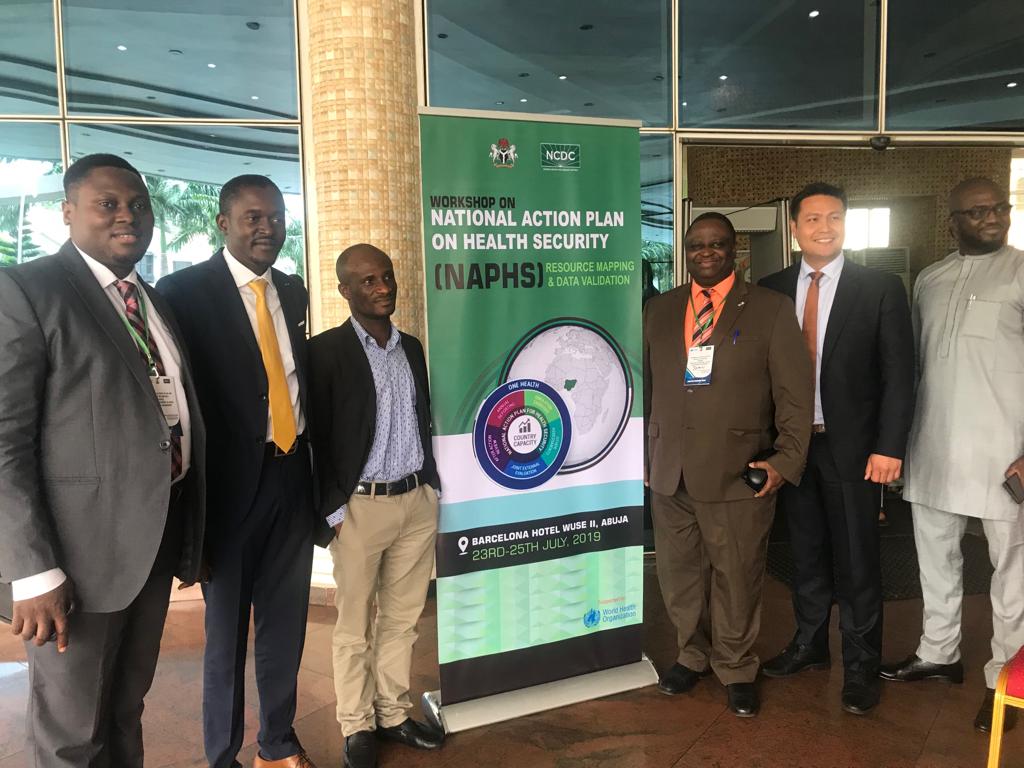
Abuja, 30 July, 2019 - The World Health Organization (WHO) has supported the Nigeria Centre for Disease Control (NCDC) to map resources for the National Action Plan for Health Security (NAPHS) in 36 states and the Federal Capital Territory (FCT) using the WHO Resource Mapping Tool (REMAP).
ERITREA – Consensus Building Workshop on Medical Devices Registration Guideline
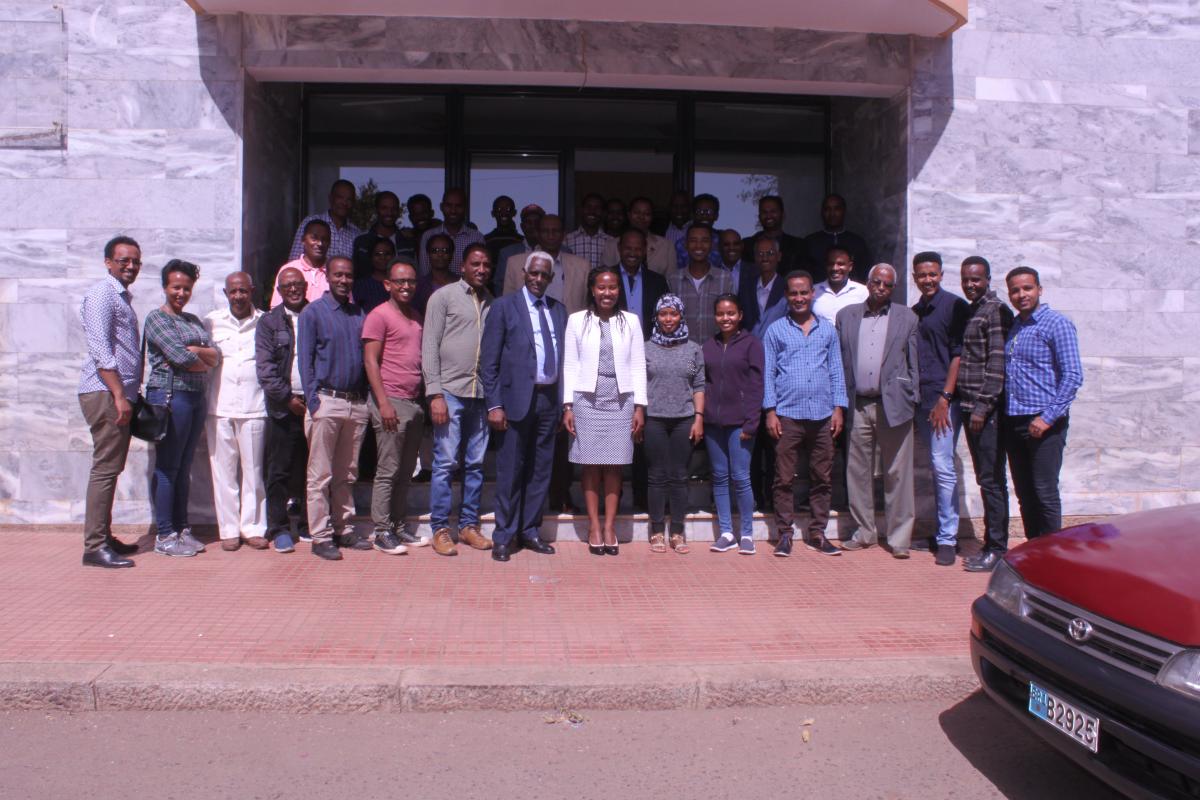
MOH and WHO conducted medical devices registration guideline consensus building workshop at National Confederation of Eritrean Workers’ Conference Hall in June 2019. Medical devices including In-Vitro Diagnostics (IVD) constitute a vital component of healthcare products and healthcare technologies that contribute to the attainment of the highest standards of health for all people living in Eritrea.
Consensus Building Workshop on National Infection Prevention Control Guidelines and training in Eritrea
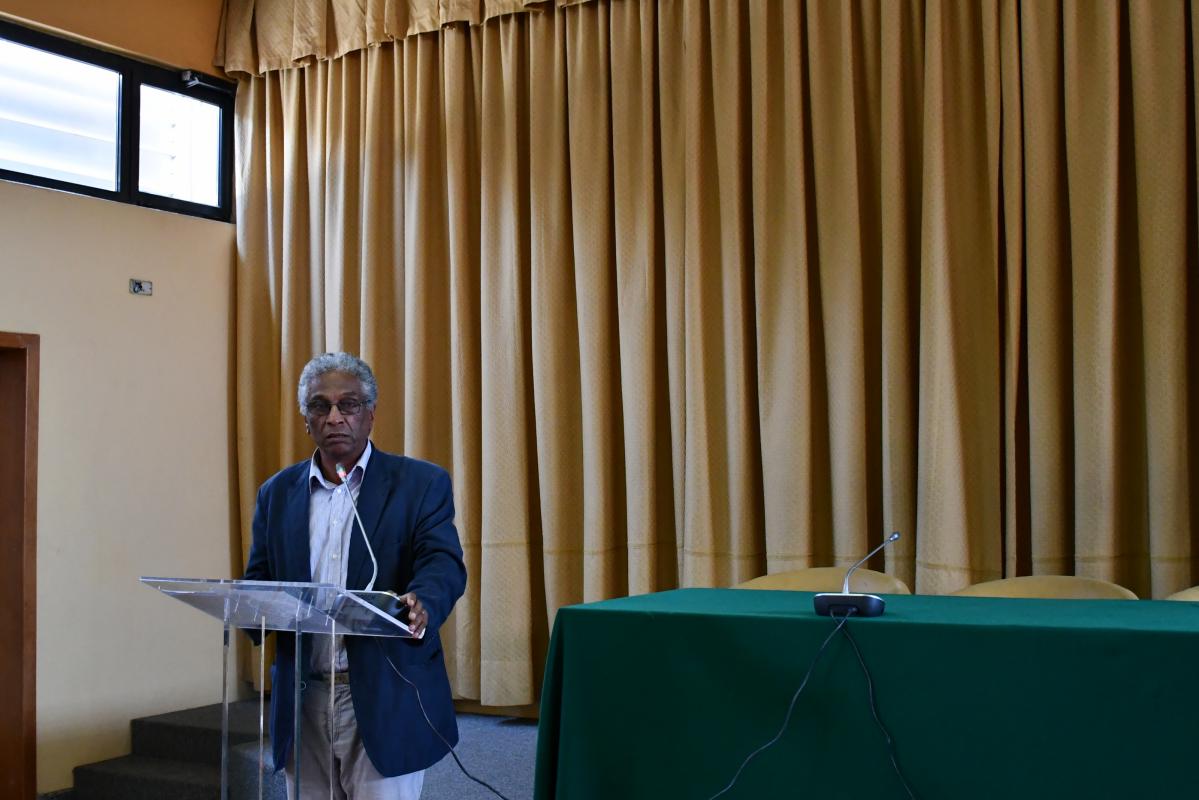
Infection prevention and control (IPC) is a scientific approach and practical solution designed to prevent harm caused by infection to patients and health workers. In line to the Universal health coverage (UHC) roadmap, the MOH in collaboration with WHO have conducted a workshop for finalization of the guideline on the 3rd July 2019. This was followed by training on IPC for focal persons in Orotta and Halibet hospitals, at the NCEW Hall from 17 to 21 June 2019.
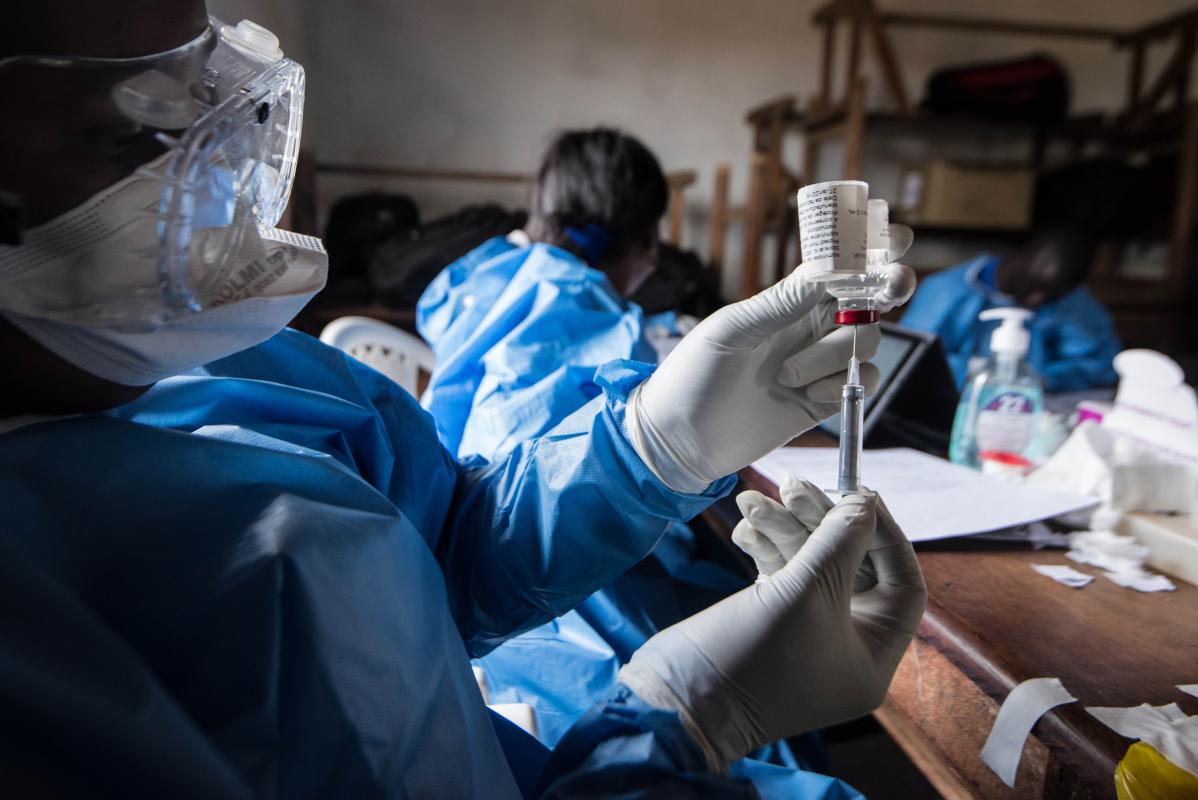
WHO marks one year since the beginning of the Ebola outbreak in the Democratic Republic of the Congo
Namibia continues to strengthen its emergency preparedness and response
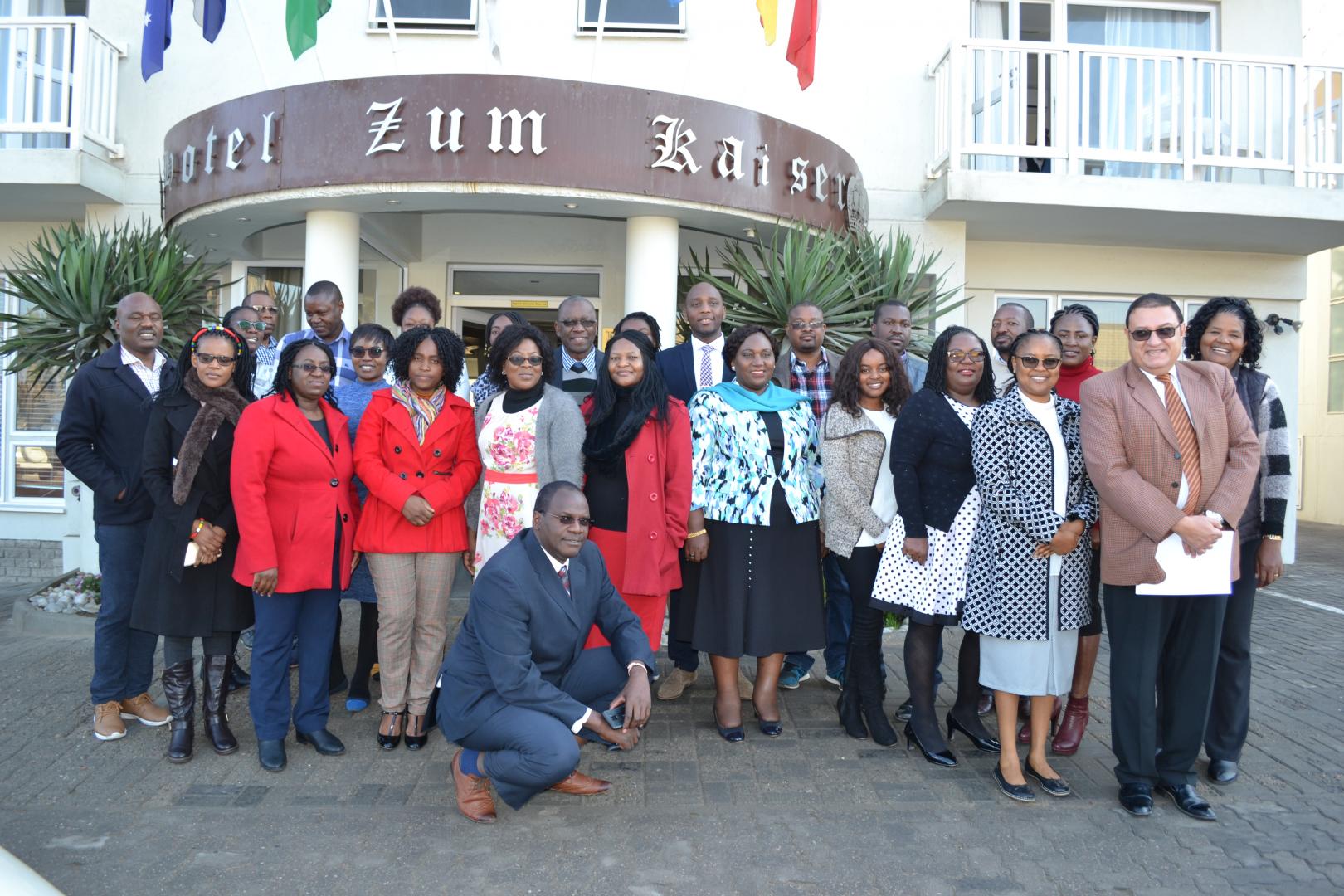
WHO is in the process of supporting the Namibian government strengthen its capacity for assessing and analyzing health risks and to integrate the results in its emergency preparedness and response plans. A workshop held in May 2019 to map the country’s vulnerability to all hazards and how these risks will be managed from a multi-sectoral perspective is part of a process which started in 2016 with a Joint External Evaluation (JEE) of the International Health regulations in response to an invitation by the Namibian government.
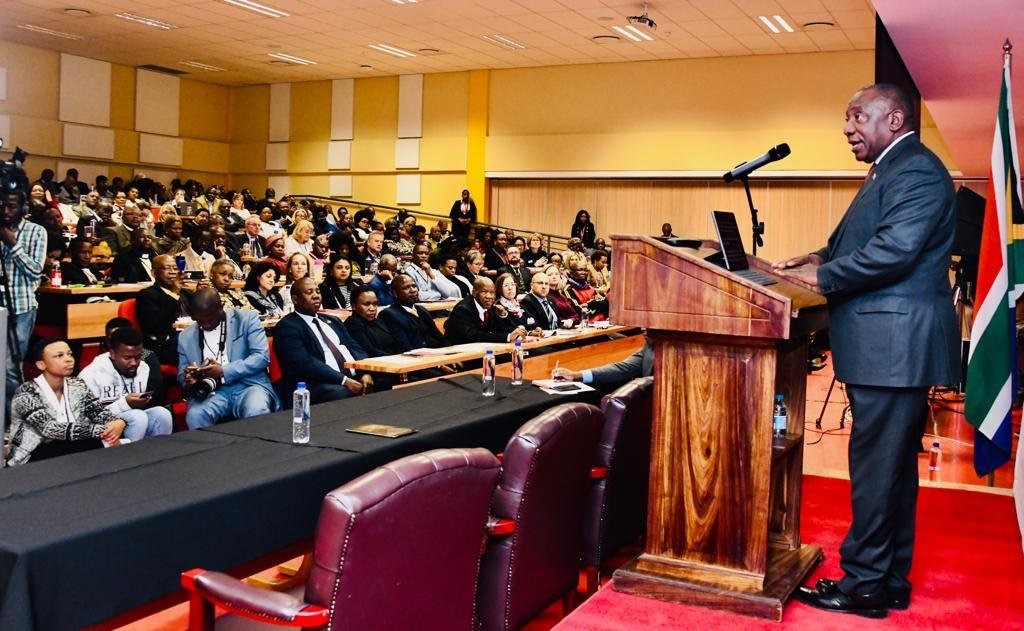
WHO supported "Presidential Health Compact" is launched
Eswatini closer to elimination of intestinal worms as public health problem
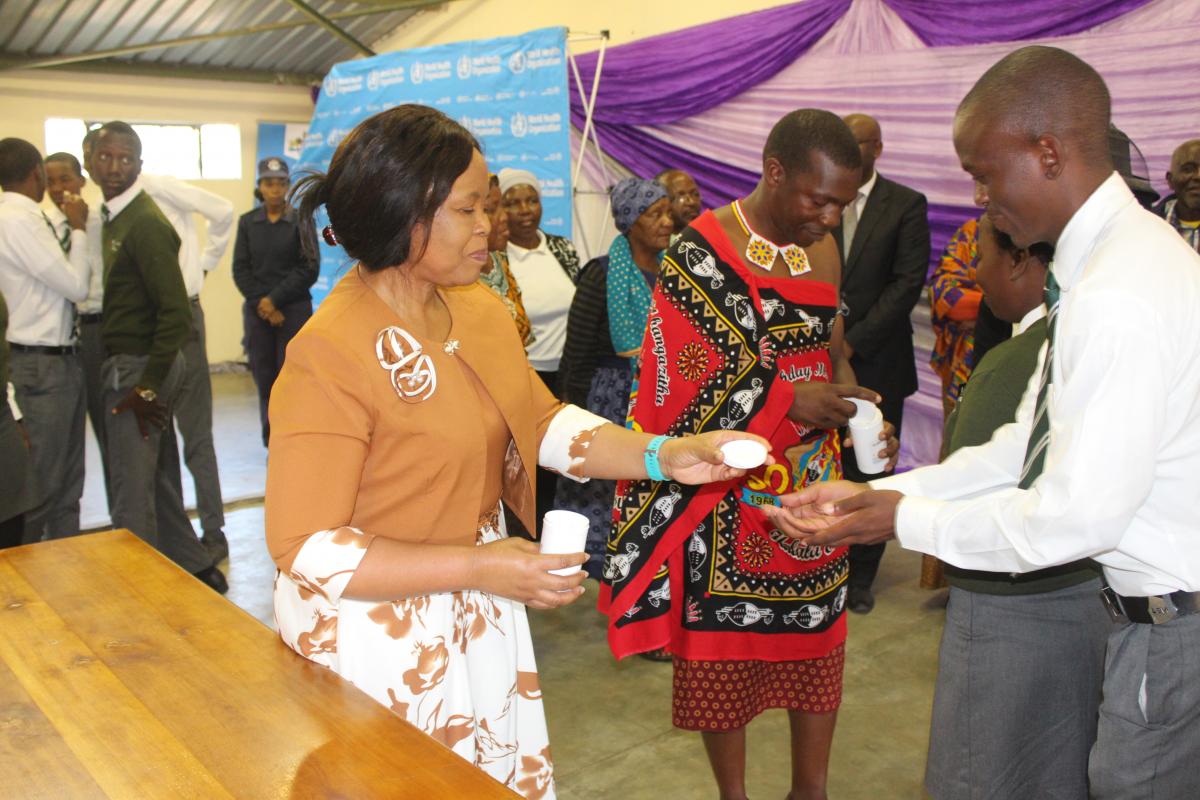
The Kingdom of Eswatini is getting closer to ending intestinal worms as a public health problem in line with the World Health Organization’s 2020 Roadmap on Neglected Tropical Diseases (NTDs). The country reached an impressive 98% of eligible school aged children with medicines for intestinal worms in the fourth round of Mass Medicine Administration (MMA) campaign conducted recently.
WHO takes health care closer to internally displaced and conflict-affected population in South Sudan’s Tambura State
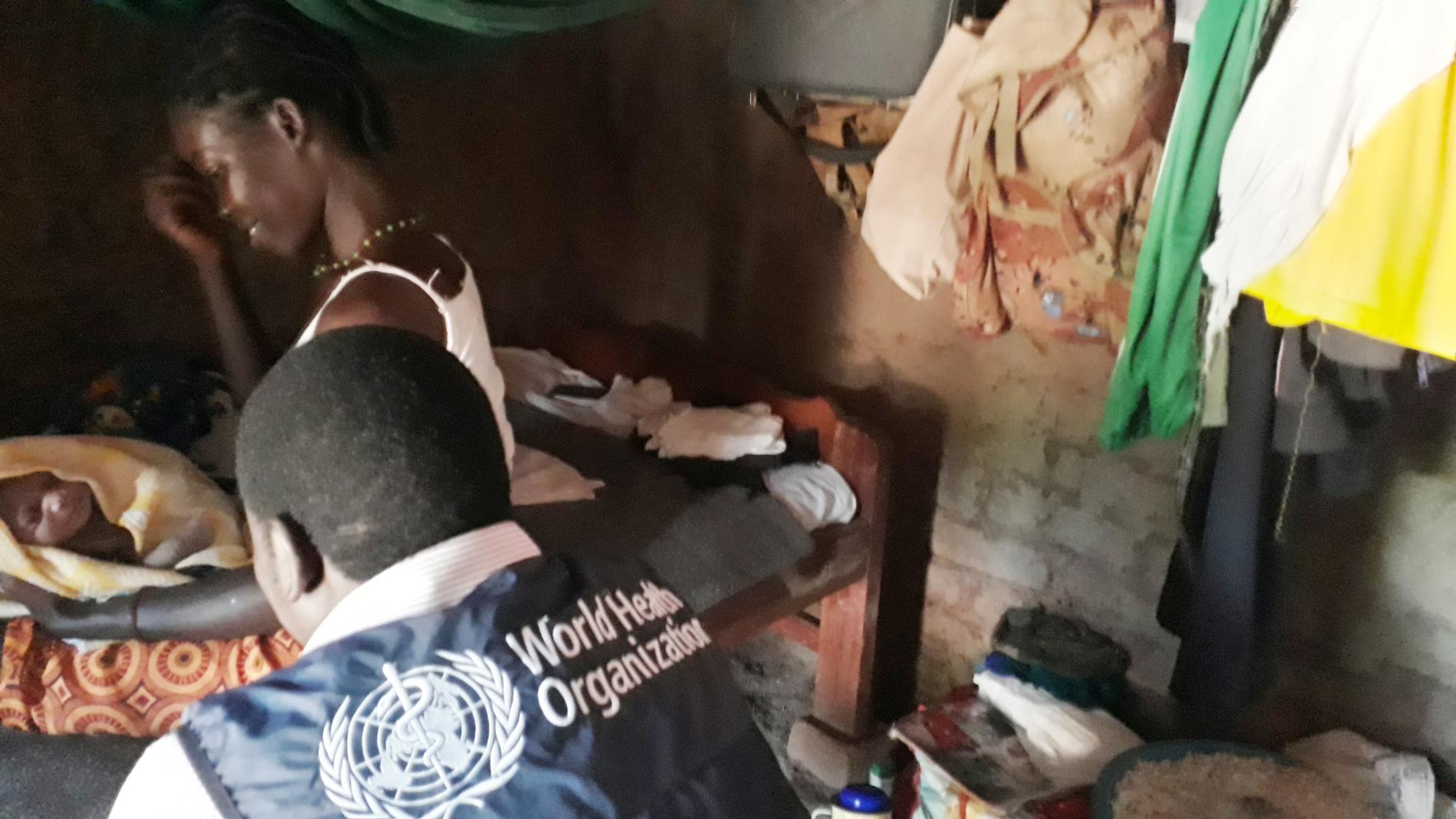
“I was called to help a pregnant woman in the IDP camp”, says Dr Tony Tombe, a doctor with the WHO mobile medical team. “When I reached the camp, a woman was heavily pregnant and visibly in pain and labour. There was no other skilled person around to attend to her delivery. I rushed her to the nearby Zamoi primary health care unit where we proceeded to safely deliver the baby girl.
Zamoi primary health care unit had been nonfunctional for a long time, upon our arrival with medicines we were able to re-open the facility where she received life-saving care.
Strategies to reverse tobacco usage in Africa in the spotlight
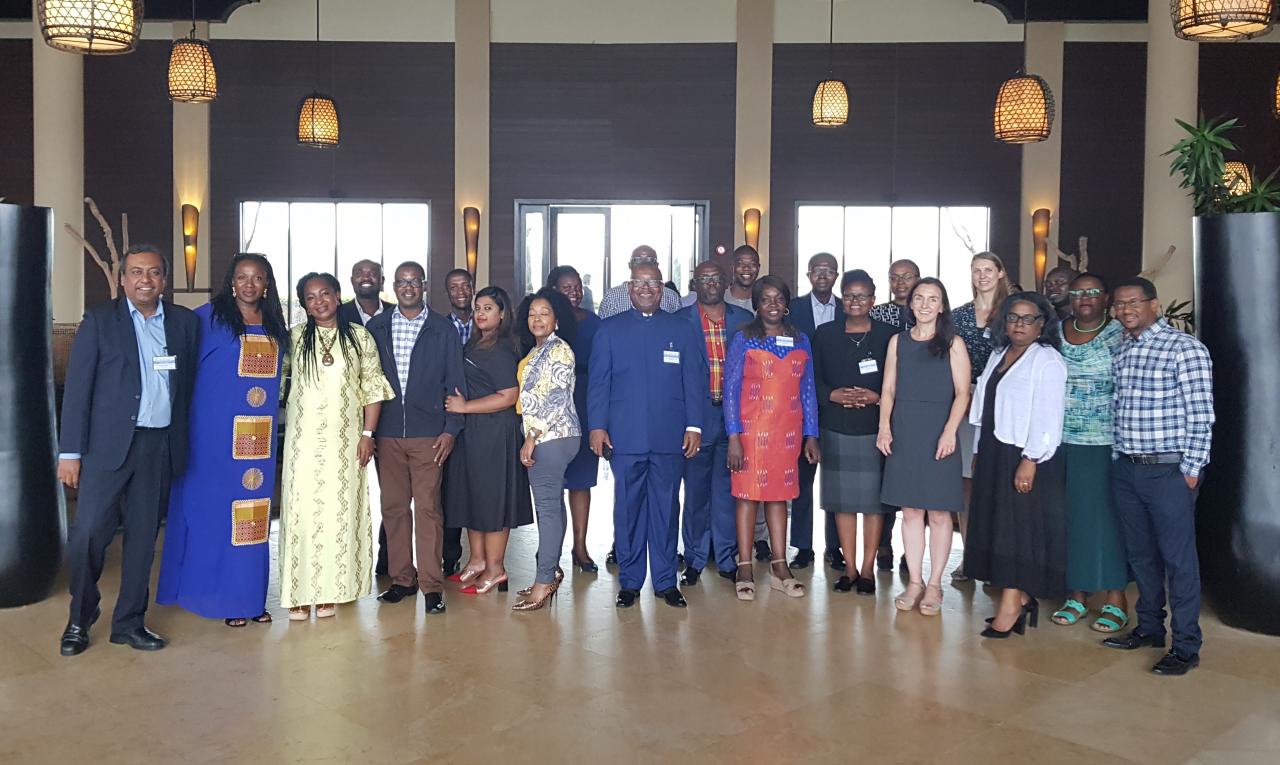
PEN-Plus Meeting in Kigali – The management and treatment of non-communicable diseases at primary levels strengthened
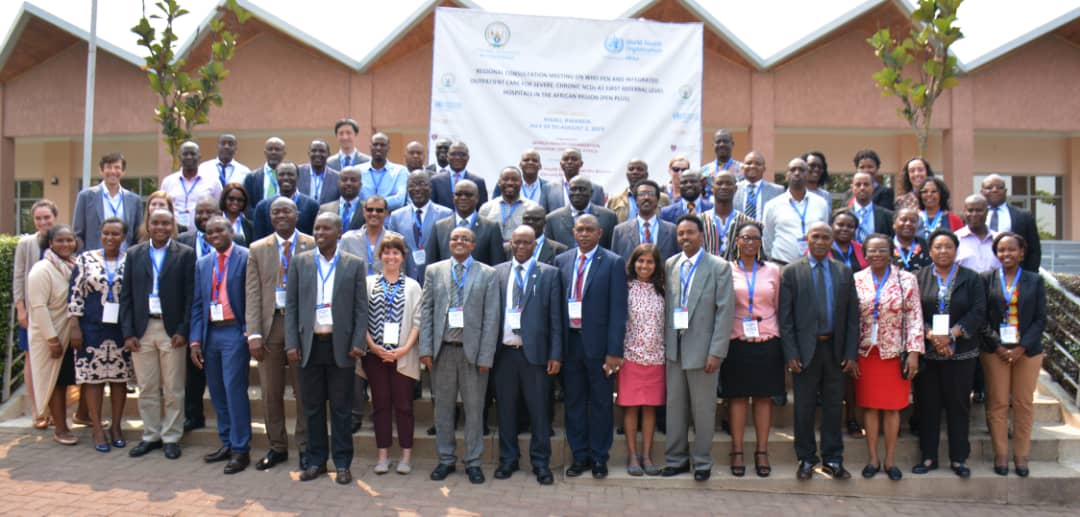
The management and treatment of non-communicable diseases at primary levels will be in the spotlight from 29 July 2019 to 1 August 2019 when the WHO Regional Office for Africa (WHO/AFRO) and the Ministry of Health Rwanda will be holding a Regional Consultation in Kigali.