Ethiopia commemorates World Neglected Tropical Diseases Day with the resonating call to accelerate action to end the needless suffering of the most vulnerable
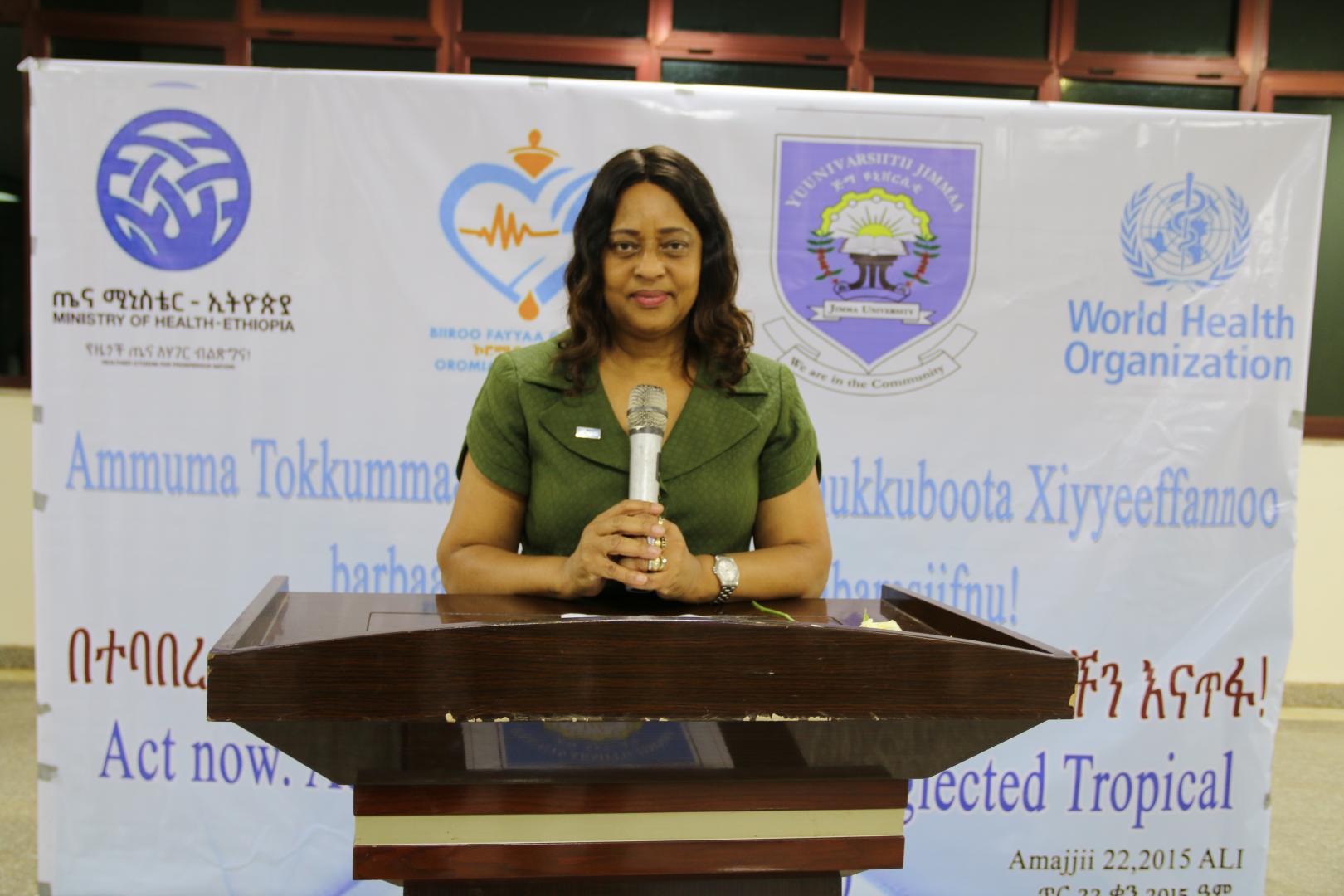
On 29 and 30 January 2023, government health officials and partners came together in Jimma Zone, Oromia Region, to commemorate World Neglected Tropical Diseases (NTD) Day in a two-day event that included an event opening ceremony, visit to NTD, molecular and drug laboratories of Jimma University, a field trip to two woredas of Jimma Zone to observe preventive activities and NTD case management, and a panel discussion.
Health experts from 17 African countries meet to take stock of health and well-being of children
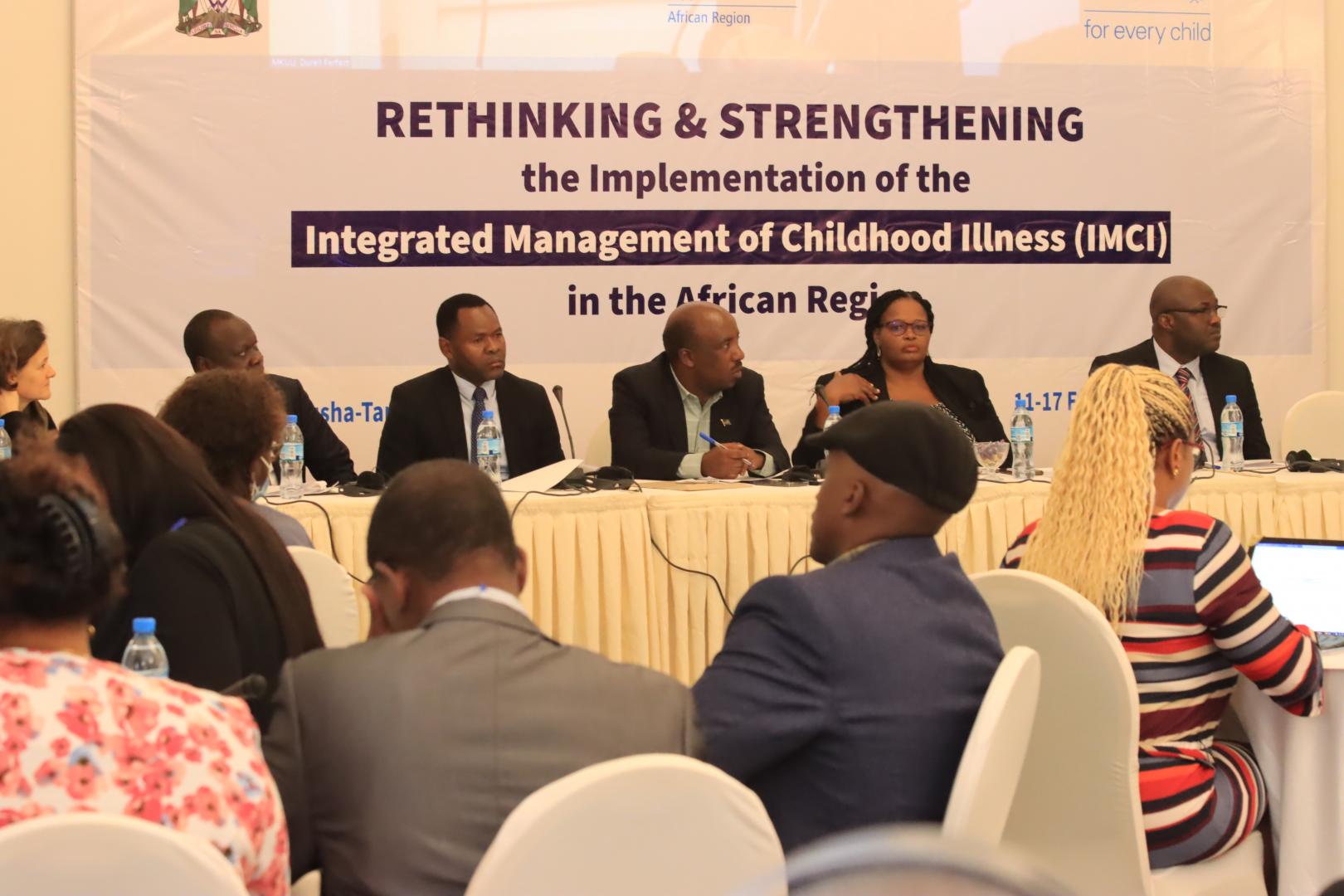
Arusha - Africa must rapidly accelerate efforts to improve access to, and the quality of health services for children to save more children’s lives and achieve sustainable development.
Prompted by the alarming limited progress, WHO with UNICEF and USAID brought together experts in child health in Arusha from 14-17 February to rethink and devise sustainable solutions to barriers that are holding back progress for the health and development of children.
In Nigeria, stakeholders are not lowering their guards against all forms of poliovirus
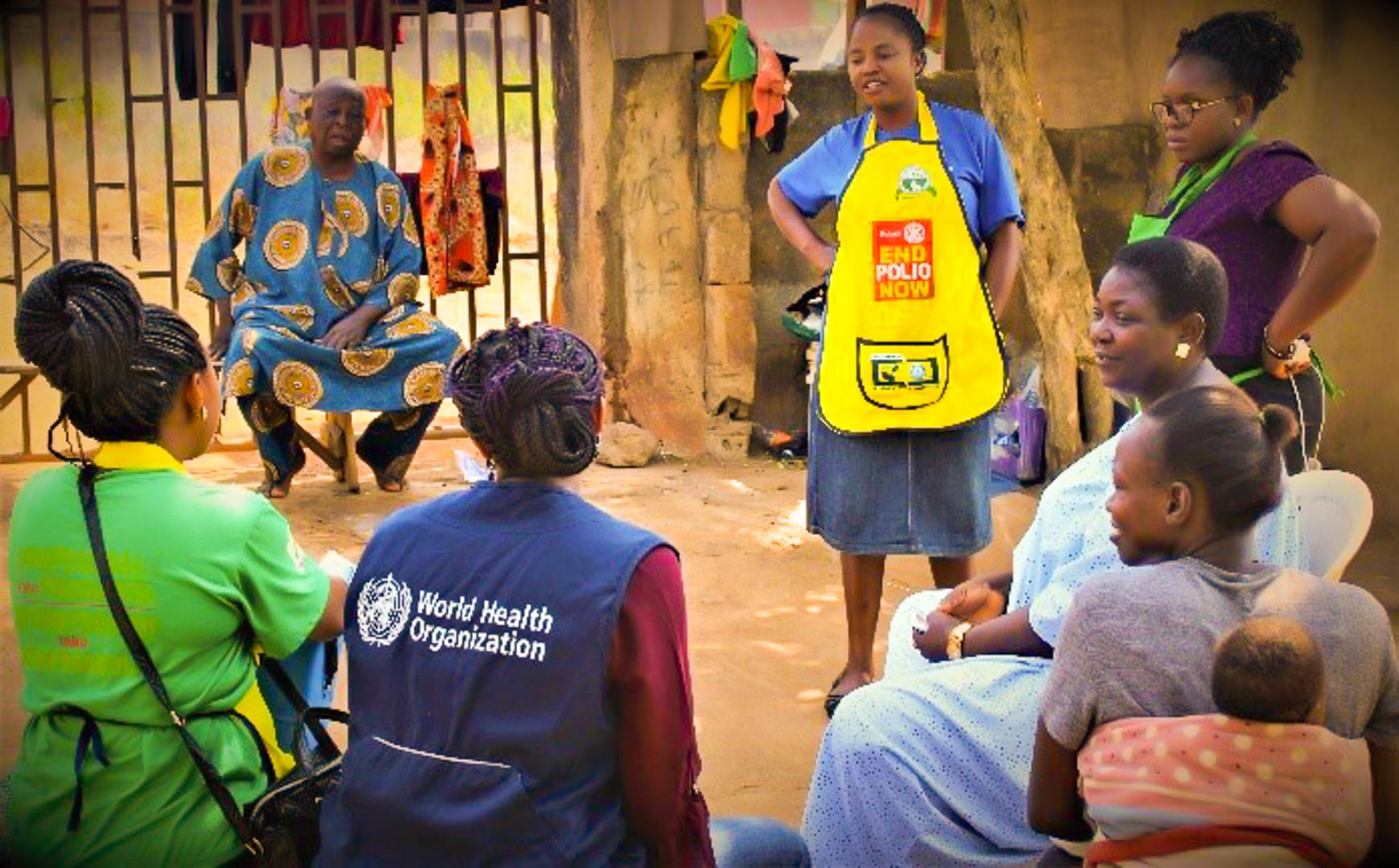
Lagos – 14 February 2023 - Alhaji Safejo Amogbon (fondly called Baba – Father in the Yoruba language) is an octogenarian (89 years). notwithstanding his age, he still mobilizes people in his community (Surulere-Safejo, Ado-Ekiti, Ekiti State) to present their children for vaccination.
He is one of the community’s pillars of support on health and education, and he leverages his years of experience to educate parents about the importance of vaccination, especially against poliovirus.
Prevention is better than cure – Bayelsa state vaccinates residents against Yellow fever
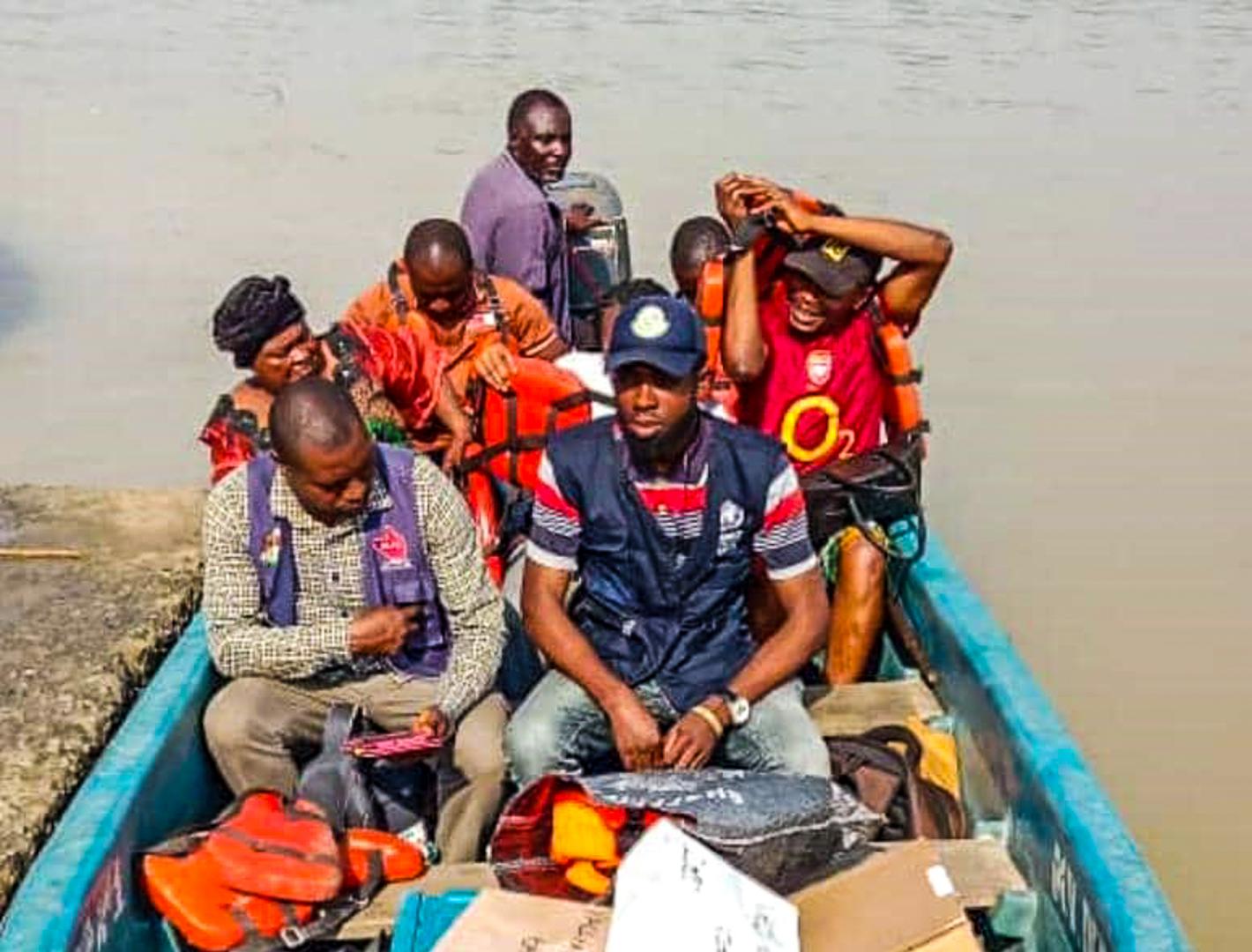
Yenagoa, 14 February, 2023 - It was between 11 am and noon on a recent Wednesday when health workers with their Geostyle boxes filled with the Yellow fever (YF) vaccines got to Kpansia area of Yenagoa Local Government Area (LGA), Bayelsa State.
Having lost a sibling to YF in 1996, Tarekebi Ebi-Jones, a 40-year-old single mother of two was waiting patiently for her turn to get her children vaccinated against the disease.
WHO delivers medical supplies to support drought and food insecurity interventions in Uganda
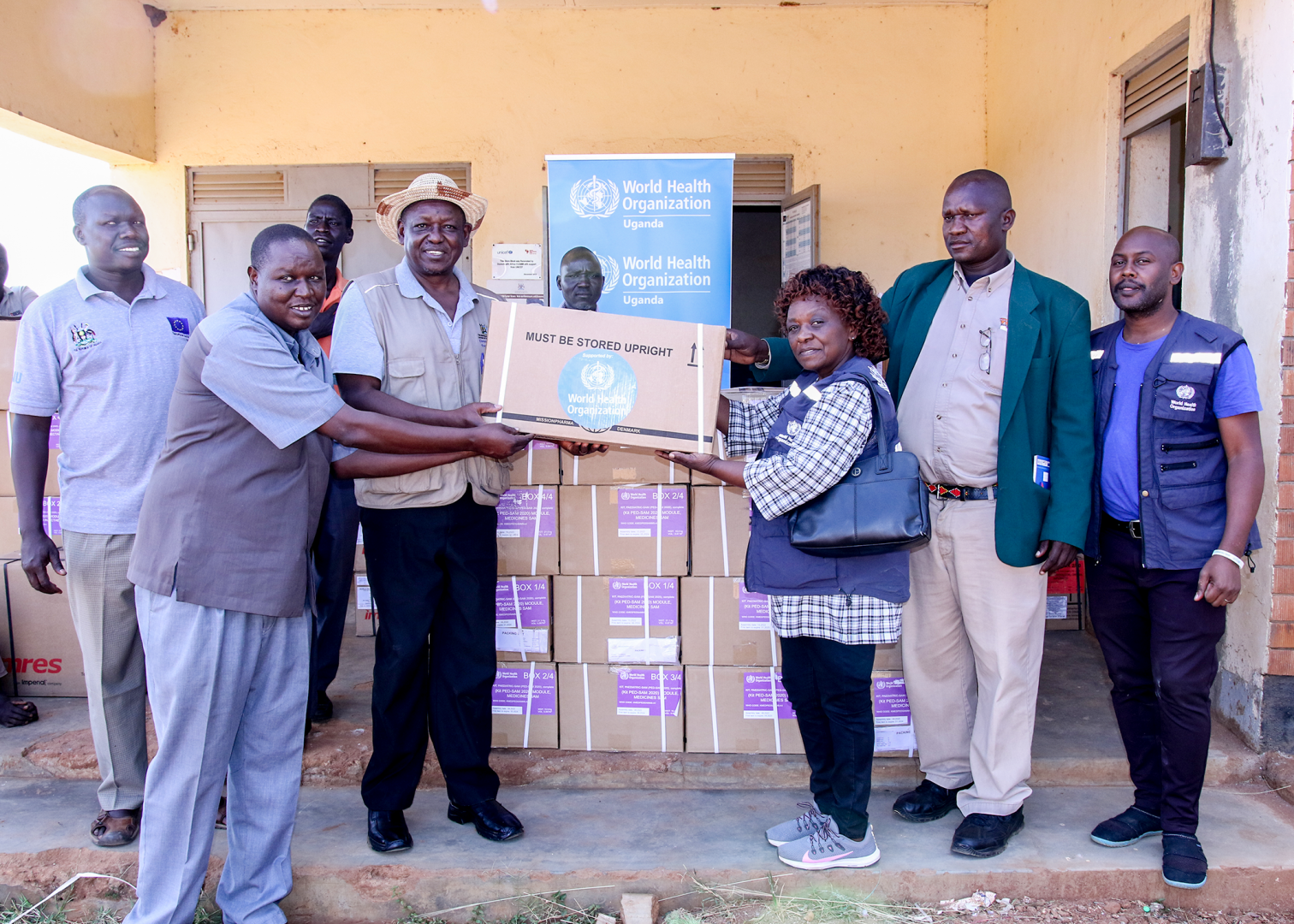
Karamoja – The World Health Organization (WHO) Uganda has started delivering medical supplies to more than 518,000 people in the Karamoja sub-region, north-eastern Uganda, facing adverse effects arising from prolonged drought in the region.
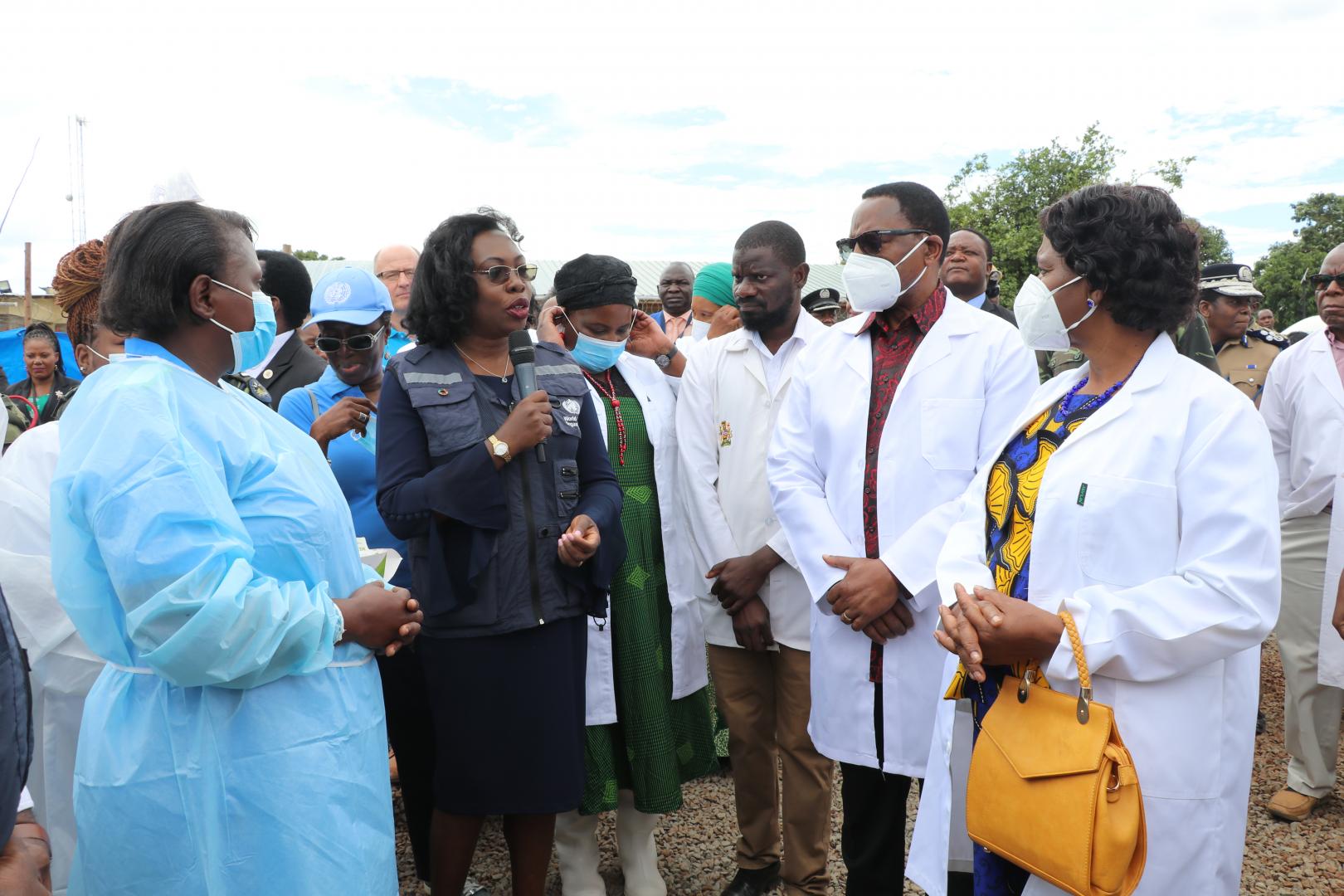
Malawi launches a national “End Cholera” campaign
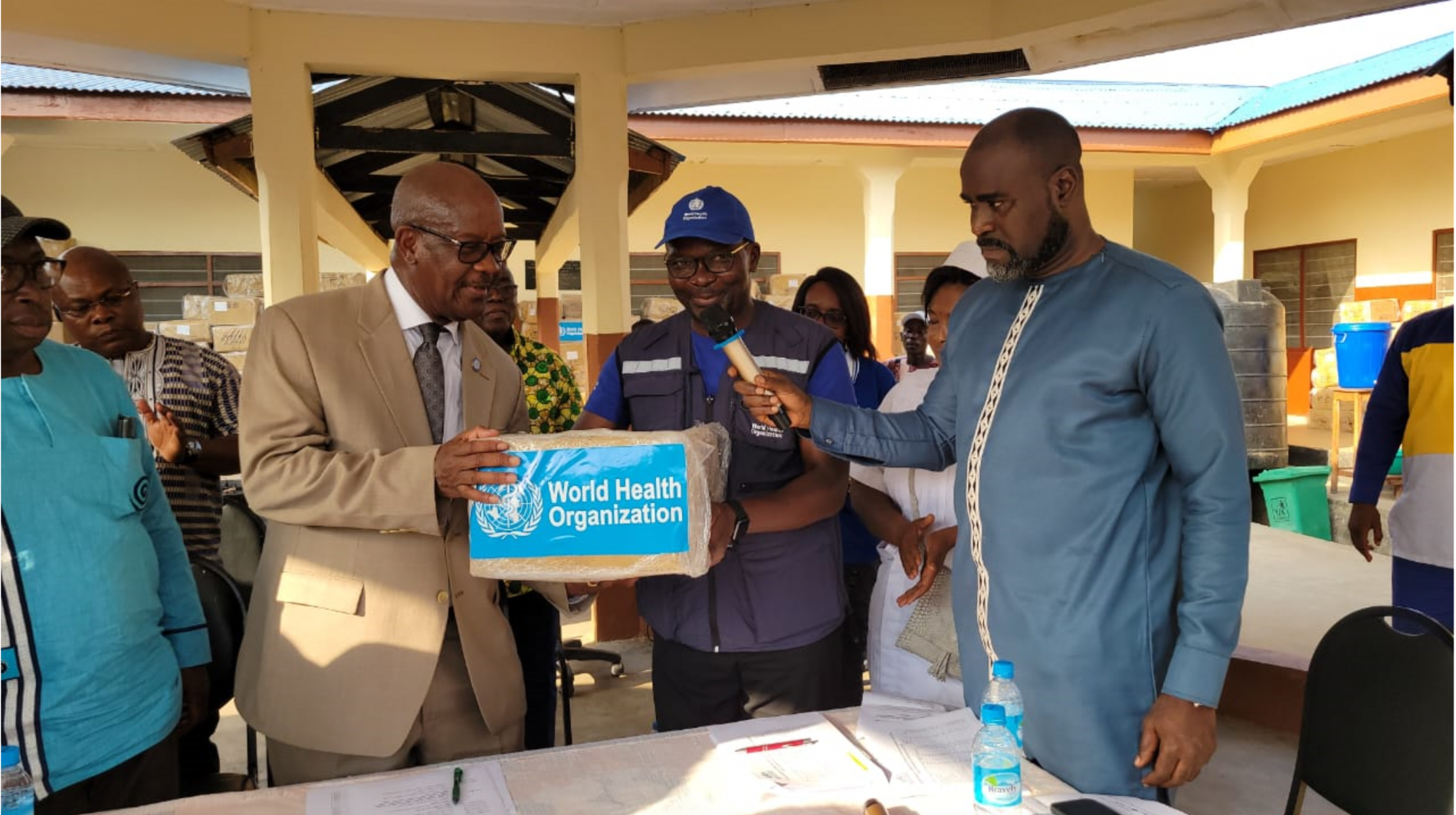
WHO Provides medical supplies to Bo Government Regional Hospital following mass casualty incident
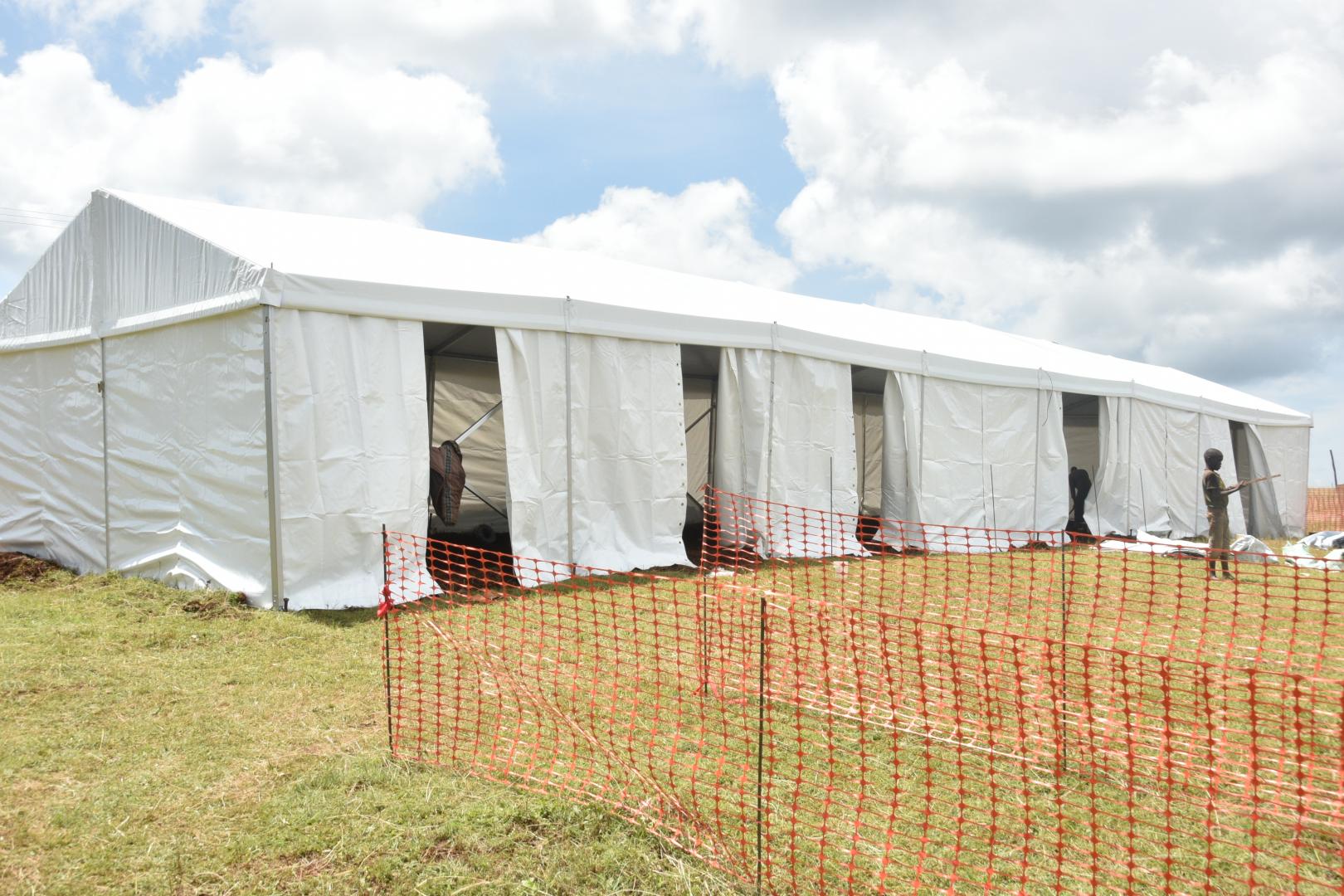
Equatorial Guinea confirms first-ever Marburg virus disease outbreak
WHO (SURGE) training for emergency responders kicks off in Tanzania
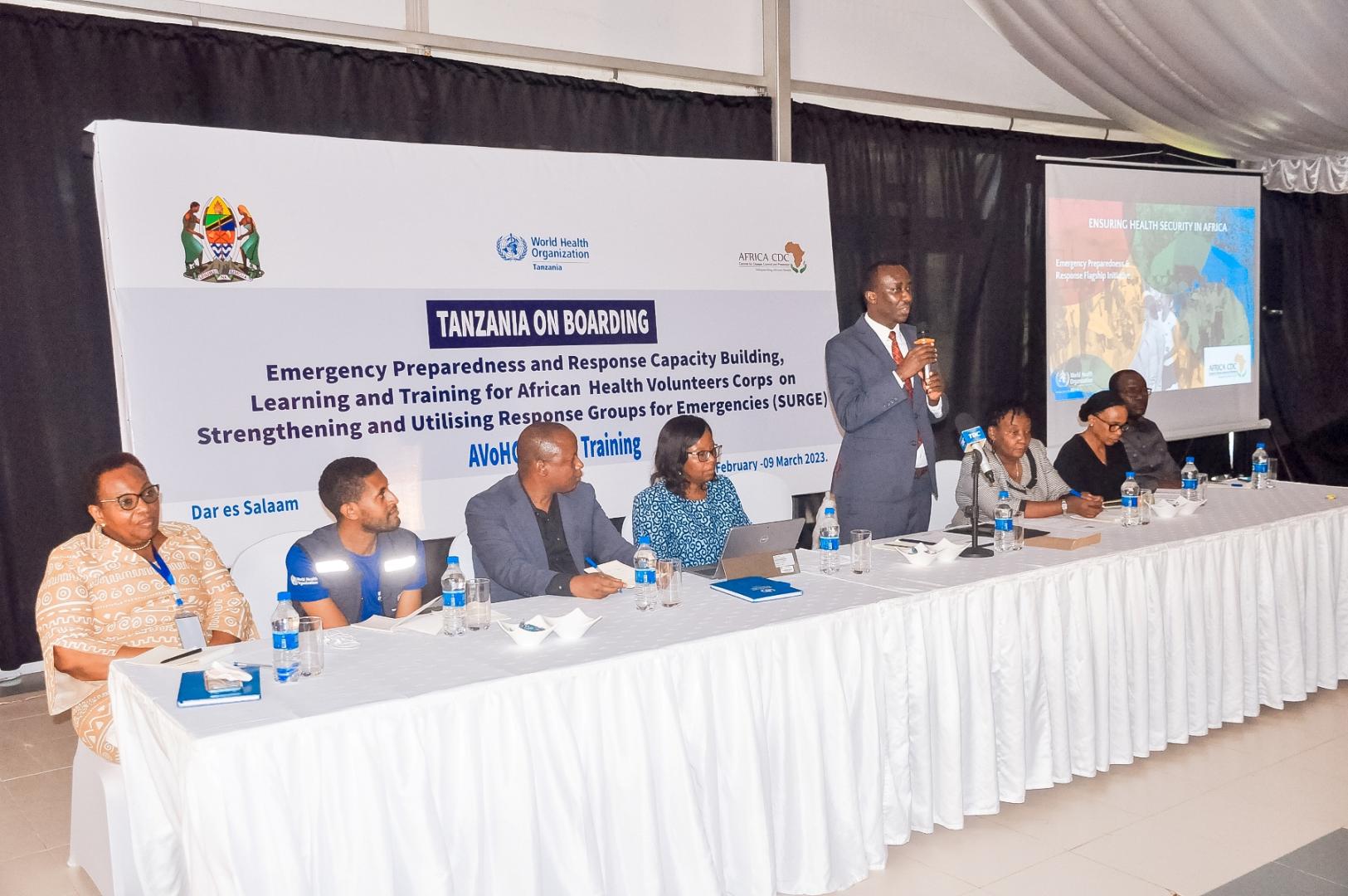
Dar es Salaam - In a bid to strengthen capacity for crisis preparedness and response in the African continent, the World Health Organization is collaborating with Member States to strengthen the response infrastructure.
New cholera cases in Africa surging fast, reach a third of 2022 total in a month