WHO and Ministry of Health conduct mass drug administration against river blindness in South Sudan
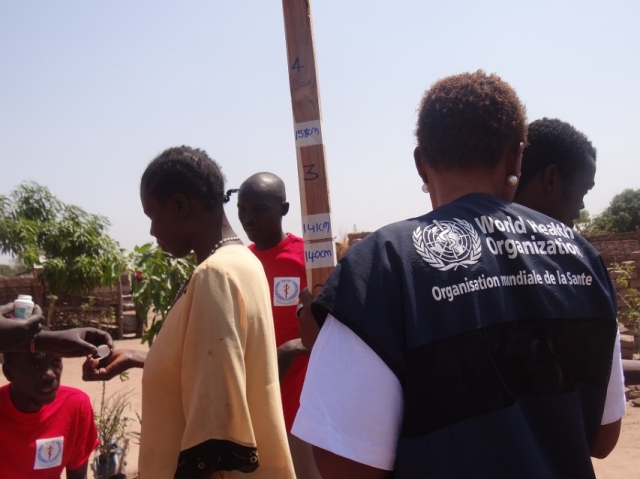
Juba, 10 February 2016 -- To accelerate the elimination of onchocerciasis (river blindness) in South Sudan, WHO and the Ministry of Health (MoH) are conducting community-based mass drug administration (MDA) with ivermectin, to targeted population in endemic counties of South Sudan.
River blindness is the world's second leading infectious cause of blindness. It is a parasitic disease caused by Onchocerciasis volvulus (OV) and transmitted by blackfly, an insect that breeds along fast flowing rivers.
WHO with funding from the Government of Canada to build maternity complexes in Torit, Kuajok and Awiel
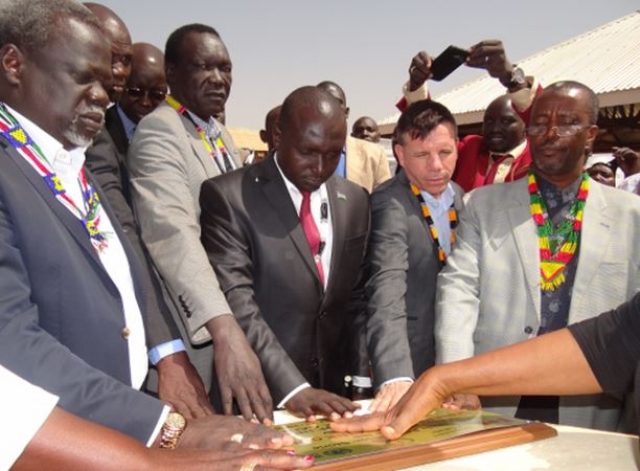
As part of the efforts to reduce maternal mortality in South Sudan, the WHO with support from the Government of Canada is to build maternity complexes in Torit, Kuajok and Awiel.. This is the second phase of the 19.4 million Canadian Dollars project that comprises of infrastructure, equipment’s and training of health personnel.
Disease early warning, alert and response in emergencies
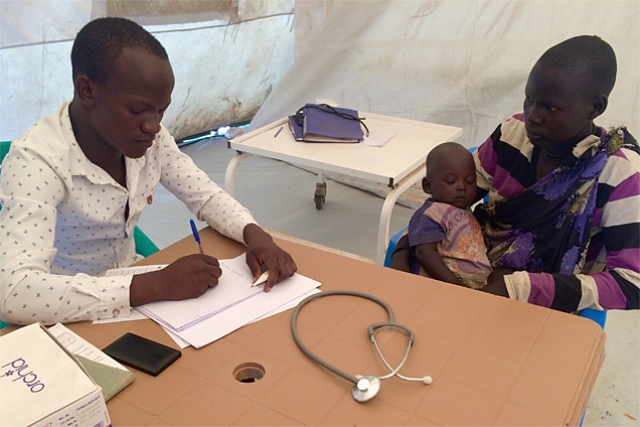
Humanitarian emergencies increase the risk of transmitting disease. Disease outbreaks, such as malaria, measles and cholera, are often a major cause of illnesses and death during crises.
The global Early Warning and Response System (EWARS) project is a WHO initiative to catch disease outbreaks early on to be able to contain them in emergencies. It supports Ministries of Health and health partners by providing technical support, training and field-based tools.
WHO launches new early warning system in a box to help 500 000 people for only $USD 15 000
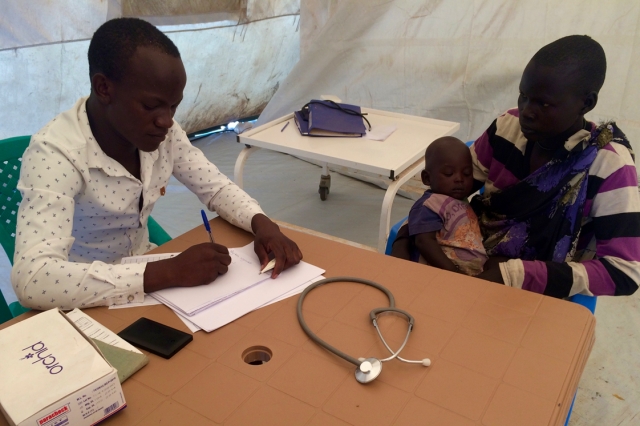
14 December 2015 - In South Sudan, the World Health Organization (WHO) is working alongside the Ministry of Health to implement a new disease early warning system capable of monitoring approximately 500 000 people in hard-to-reach settings for only three cents per person.
South Sudan Launches Master Plan for Neglected Tropical Diseases (NTDs)
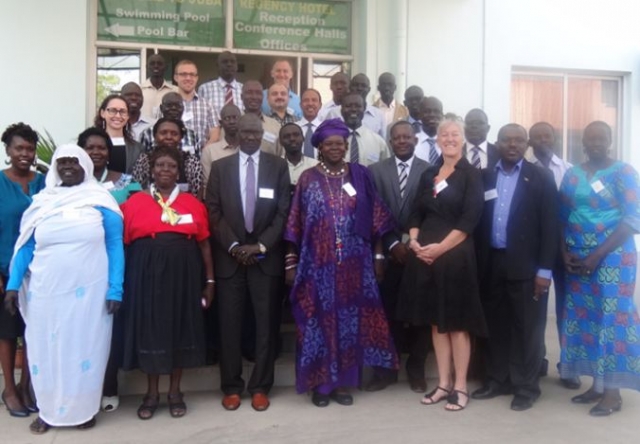
Juba, 8 December 2015 - South Sudan took an important step in the global fight against Neglected Tropical Diseases (NTD) with the launch of a new Five Year Implementation Plan (2016 – 2020) to control and eliminate all neglected tropical diseases endemic in the country.
Measles outbreak triggers immunization campaigns targeting over 12 000 children in Juba, South Sudan
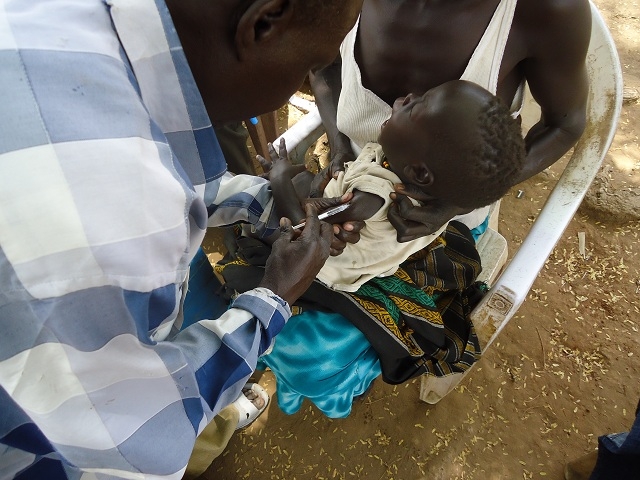
Juba, 13 November 2015 - The World Health Organization (WHO), Ministry of Health (MoH), and health partners are rapidly responding to a new measles outbreak and have vaccinated over 12 000 children at the protection-of-civilians (PoC) sites and surrounding host communities.
WHO Representative, Dr Abdulmumini Usman presents letter of credence to the Ministry of Foreign Affairs & International Corporation - South Sudan
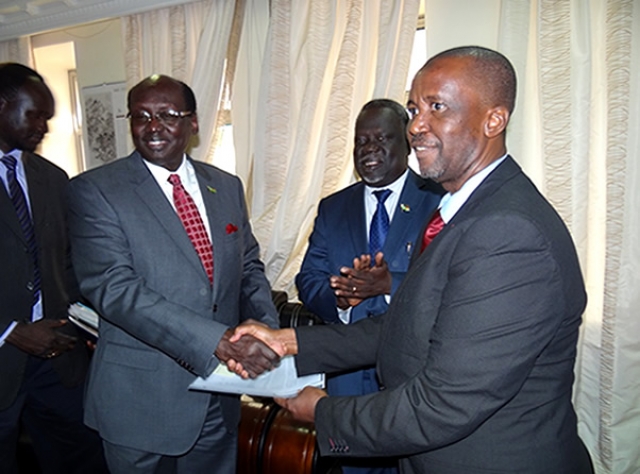
Pledges continued support to the Ministry of Health and the people of South of Sudan
Juba, 23 October 2015 - On 22nd October 2015, the newly appointed WHO Representative (WR) to South Sudan, Dr. Abdulmumini Usman presented letter of credence in the capacity as the World Health Organization Representative to South Sudan.
WHO providing emergency life-saving health services to internally displaced persons in South Sudan
Juba, 19 August 2015 – The World Health Organization (WHO) and partners are racing to cope with the health needs of thousands of internally displaced persons (IDPs) in northeastern South Sudan where fighting continues and the humanitarian situation remains dire.
Progress being made to protect children and at-risk populations against cholera in South Sudan
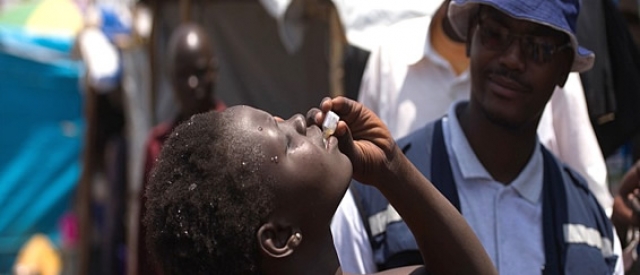
Juba, 11 August 2015 – The World Health Organization (WHO) and partners are battling South Sudan’s on-going cholera outbreak, providing thousands of people with life-saving treatment that is helping bring down the number of cases.
Cholera cases have been declining since 20 July 2015 but continue to be a great threat to young children and other vulnerable groups in South Sudan. As of 10 August 2015, a total of 1519 cholera cases have been reported since June with children under five and 5-9 years of age being most affected in Juba and Bor counties.
South Sudan: Family encourages early diagnosis and treatment of Hepatitis after successful recovery
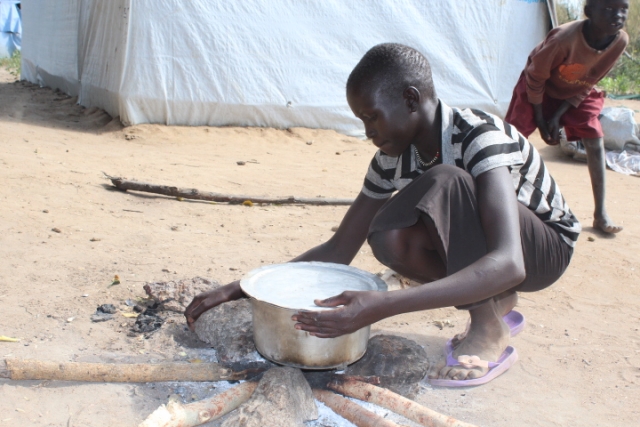
Aker Moyom Jok is all too familiar with death due to Hepatitis E Virus (HEV).
In 2014, the 29 year old mother of five lost her brother-in-law to the disease. So, when she noticed the signs and symptoms of HEV in her 13 year old daughter, Awel Wech Ayom, she immediately sought medical attention.
“I am grateful to health partners because this is a killer disease and some people have died, but my daughter is alive,” she says.