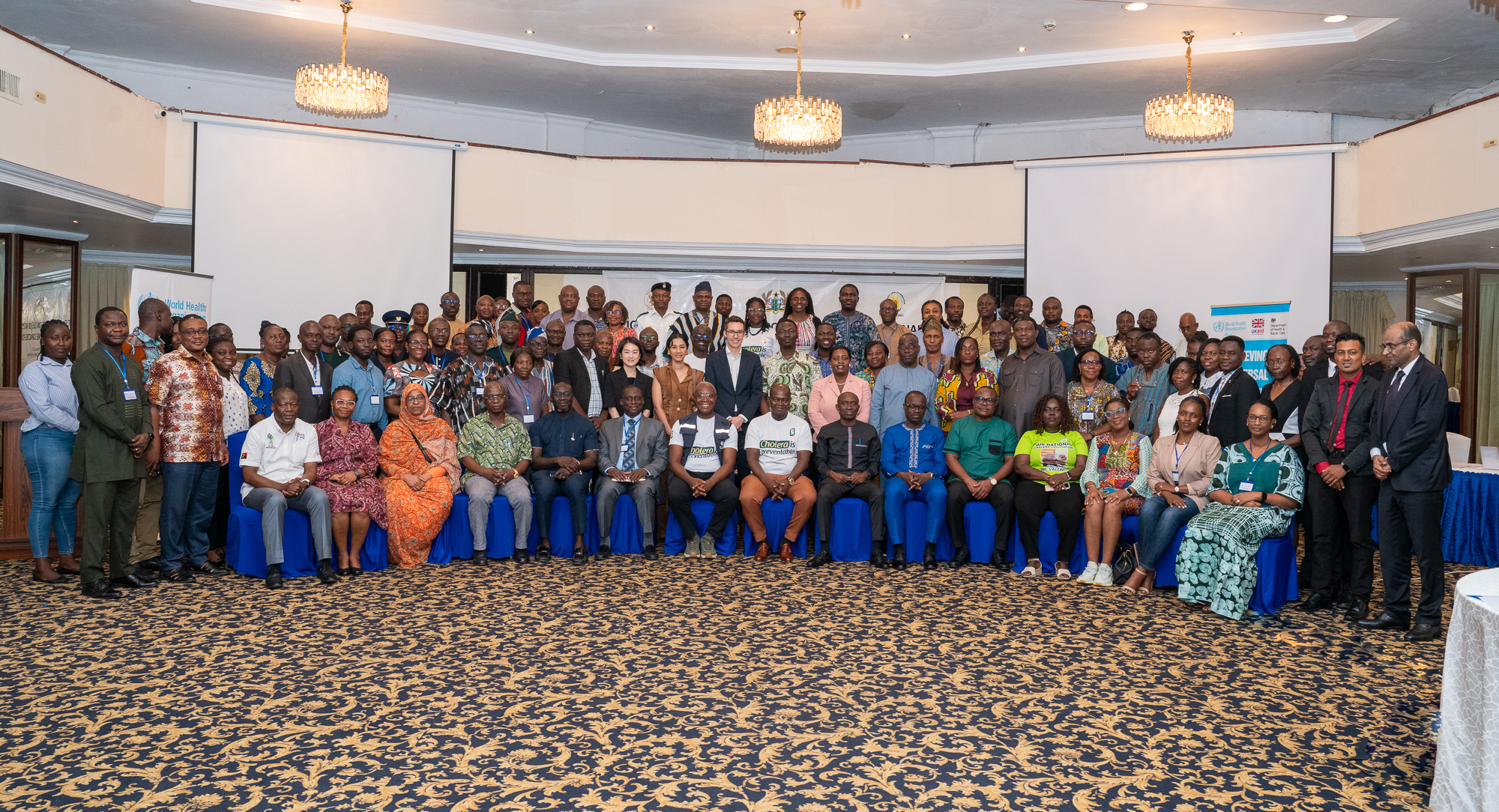
Ghana has successfully completed its second Joint External Evaluation (JEE) of core capacities under the International Health Regulations (IHR 2005), marking a significant milestone in the country’s efforts to enhance health security. This assessment, which took place from February 10 to 14, 2025, follows Ghana’s first JEE in 2017 and the subsequent implementation of the National Action Plan for Health Security (NAPHS) between 2019 and 2023. The evaluation was conducted with technical support from the World Health Organization (WHO) and funding from the United Kingdom Foreign Commonwealth and Development Office (UKFCDO) in Ghana.
Following the 2017 evaluation, Ghana developed the NAPHS in 2018 as a roadmap to improve health security capacities. The implementation of the plan coincided with the COVID-19 pandemic, which necessitated further investments in health security infrastructure and emergency response mechanisms. Since 2018, Ghana has also conducted simulation exercises, after-action reviews, and State Party Annual Self-Assessment Reporting (SPAR) to evaluate and strengthen its health security capacities under the IHR Monitoring and Evaluation Framework (IHR MEF).
Acknowledging the need for continuous improvement and given recent updates in the JEE tools, the Government of Ghana requested a second JEE to systematically assess the country’s health security progress. As part of preparations, an internal evaluation of IHR core capacities was conducted in December 2024, serving as a foundation for the external assessment.
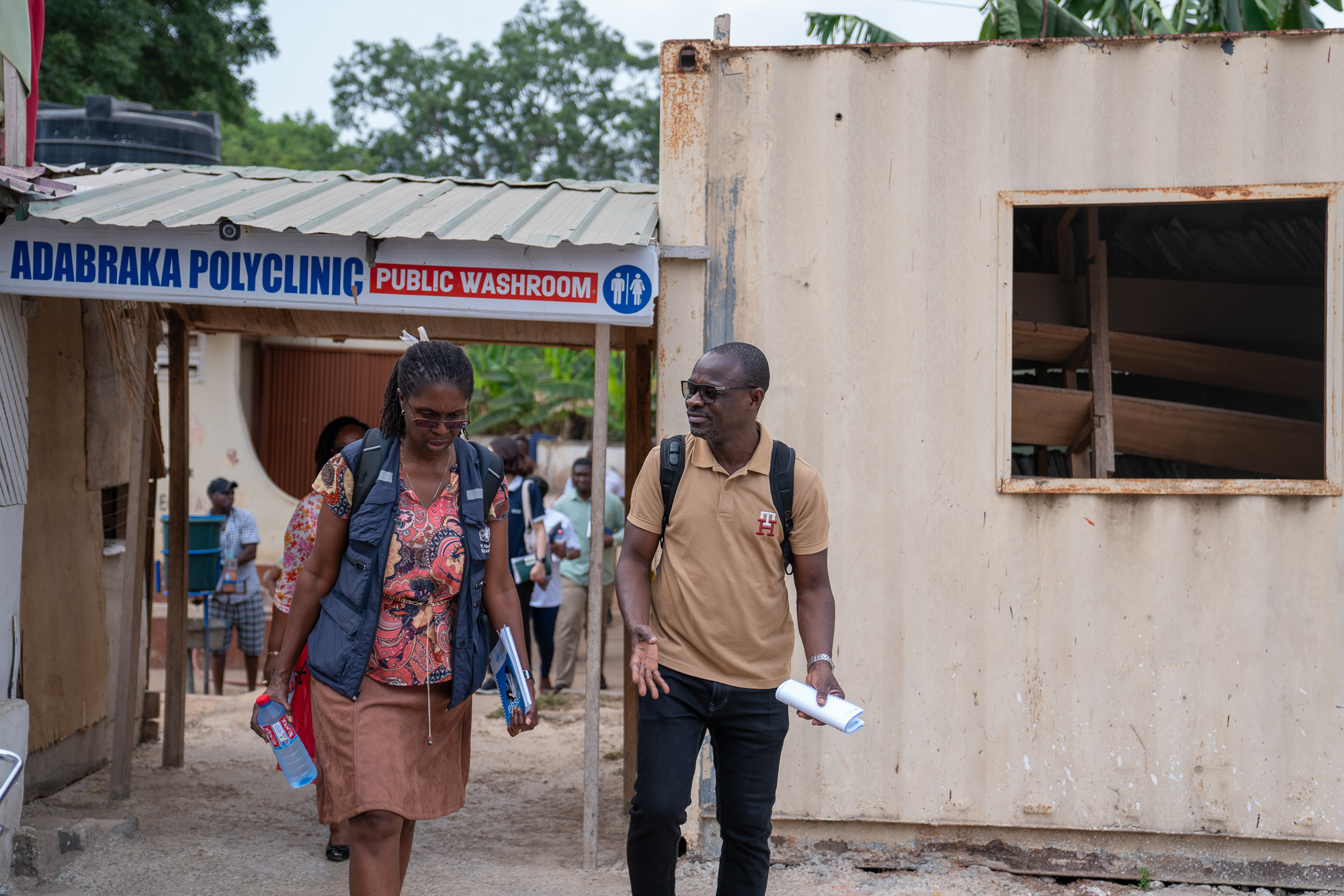

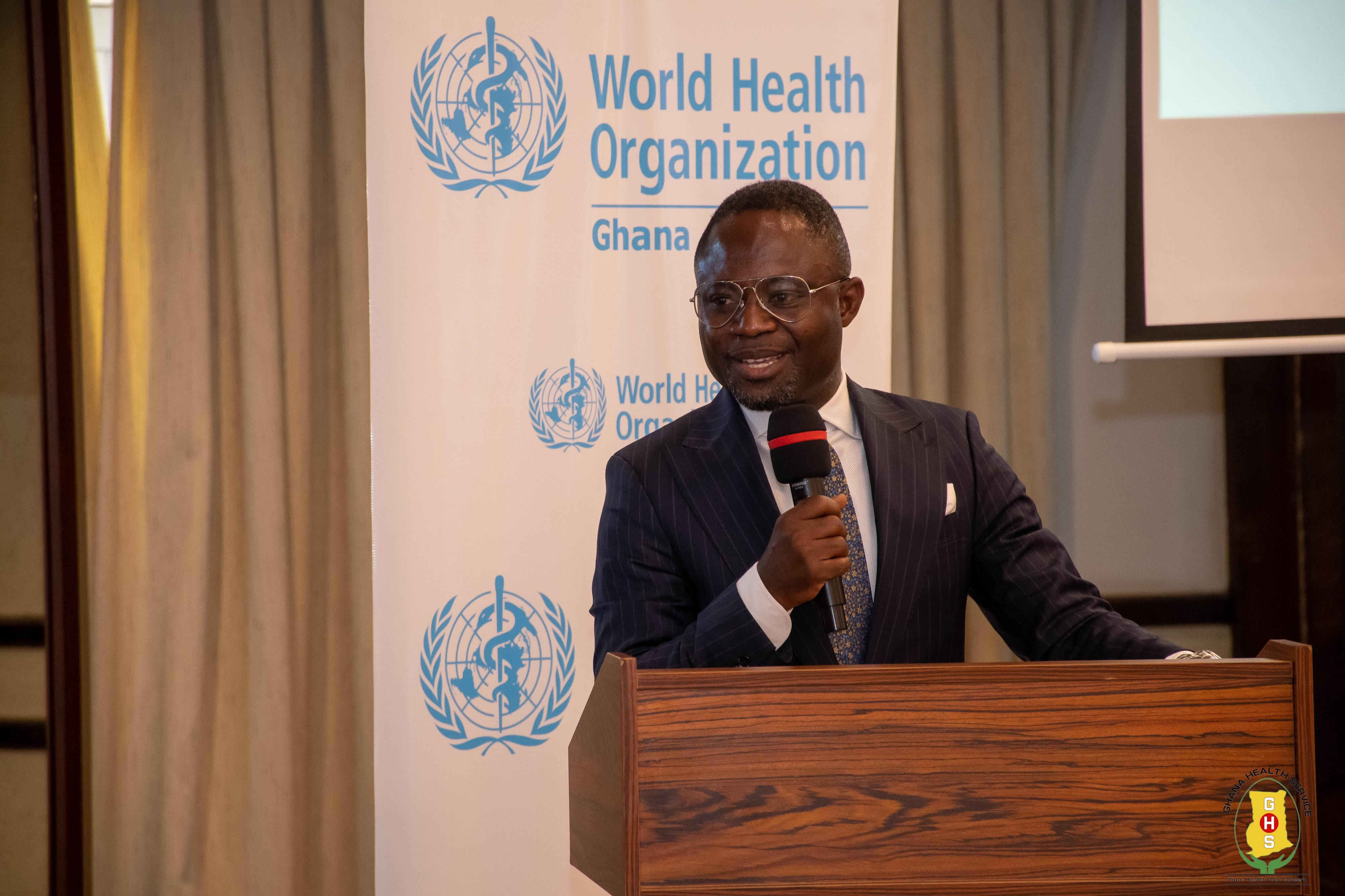
“This assessment is a critical step in ensuring that Ghana is prepared for current and future health threats. The insights gained from this evaluation will guide our efforts in strengthening health security systems and ensuring the safety of our citizens,” he said.
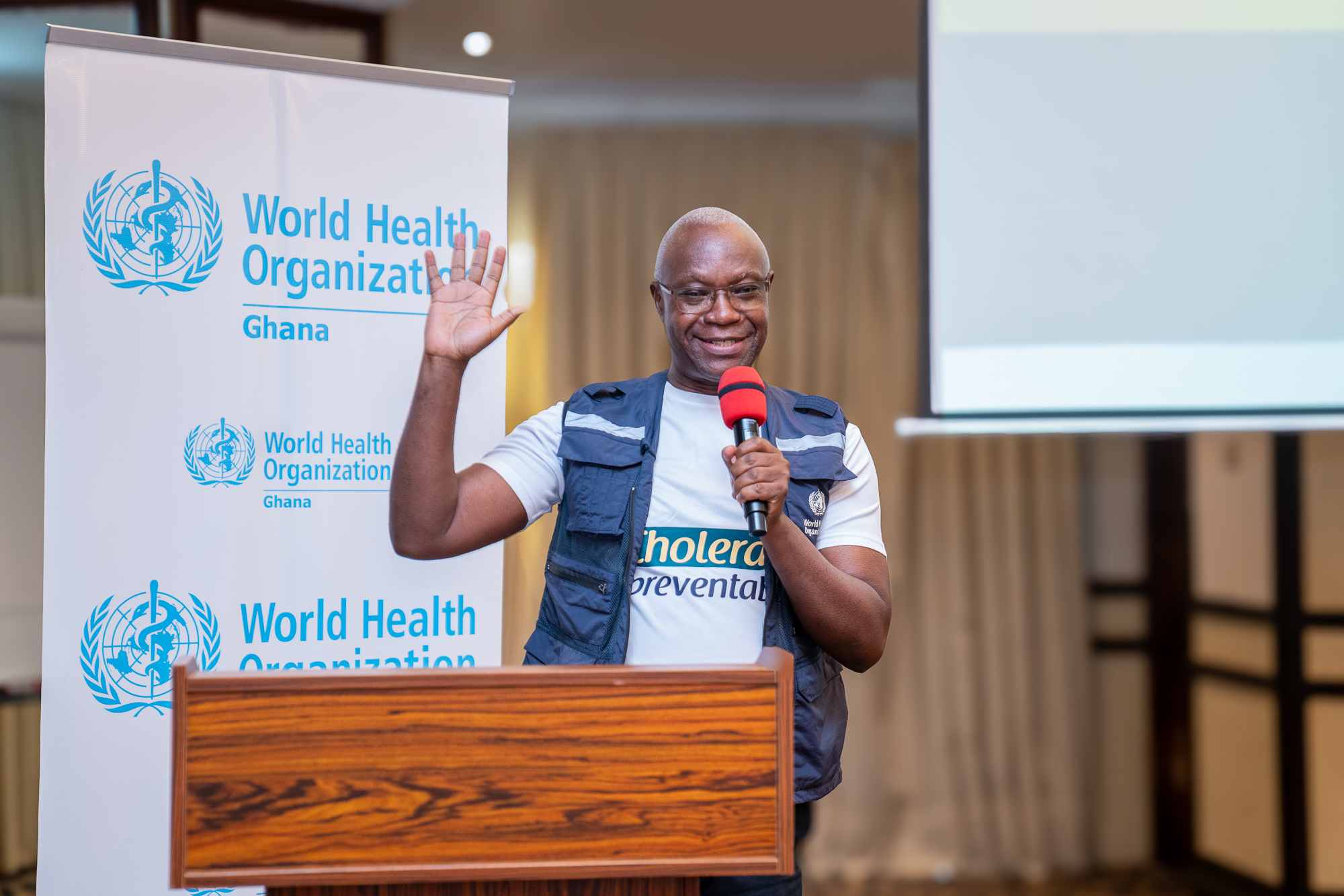
“I am particularly grateful to UKFCDO for their support in making the Joint External Evaluation (JEE) in Ghana possible. It’s clear that increased funding is crucial to strengthening capacity for health security,” he stated.
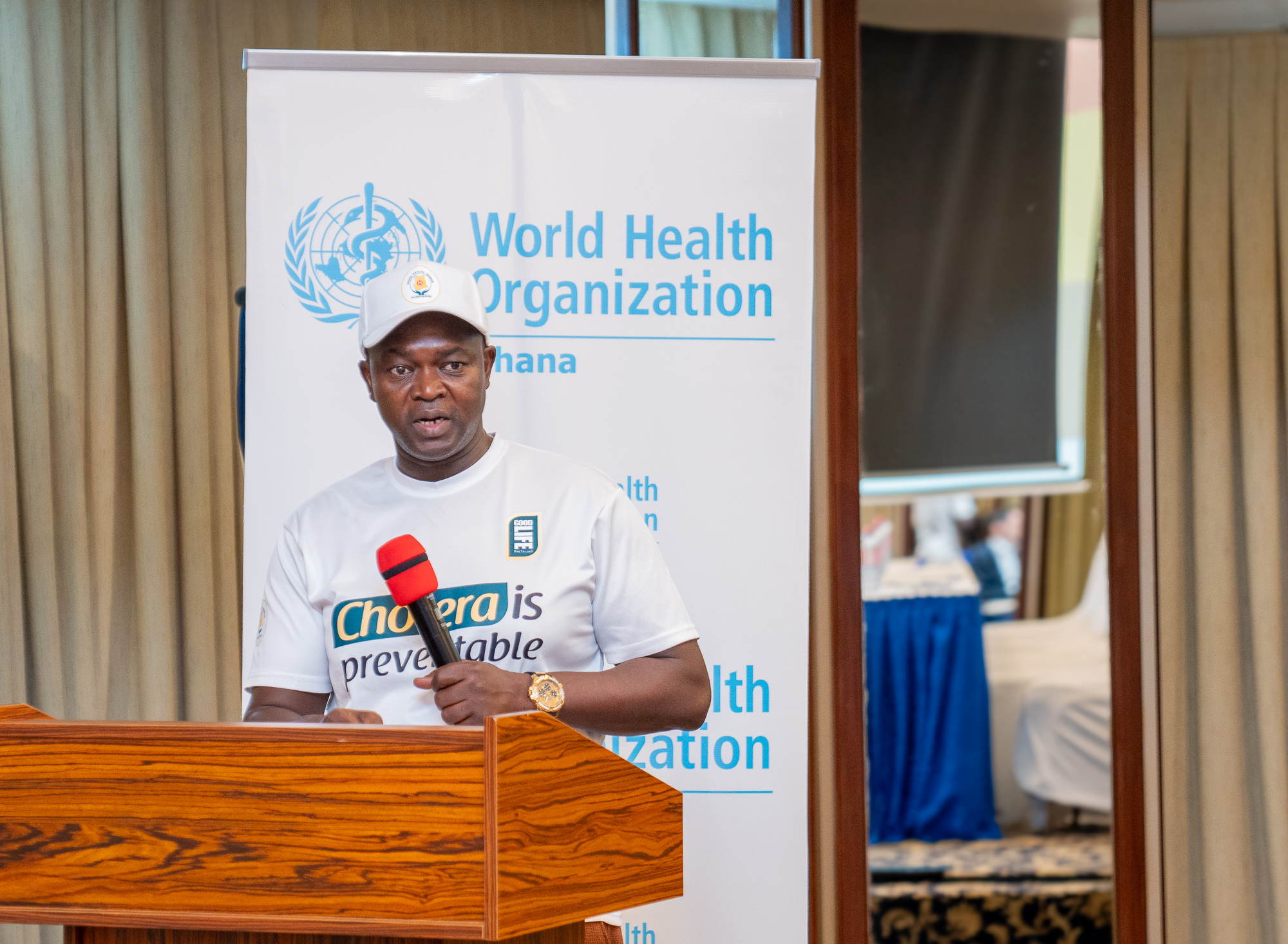
“Evaluations are good because they expose the truth in our health system and set us up for improvement. With this Joint External Evaluation done, we will do well to improve on our health security capacities,” he noted.
For Additional Information or to Request Interviews, Please contact:
Abdul-Lahie Abdul-Rahim Naa
Communications Officer
WHO Ghana Country Office
Email: abdullahiea@who.int
Tel: +233 20 196 2393