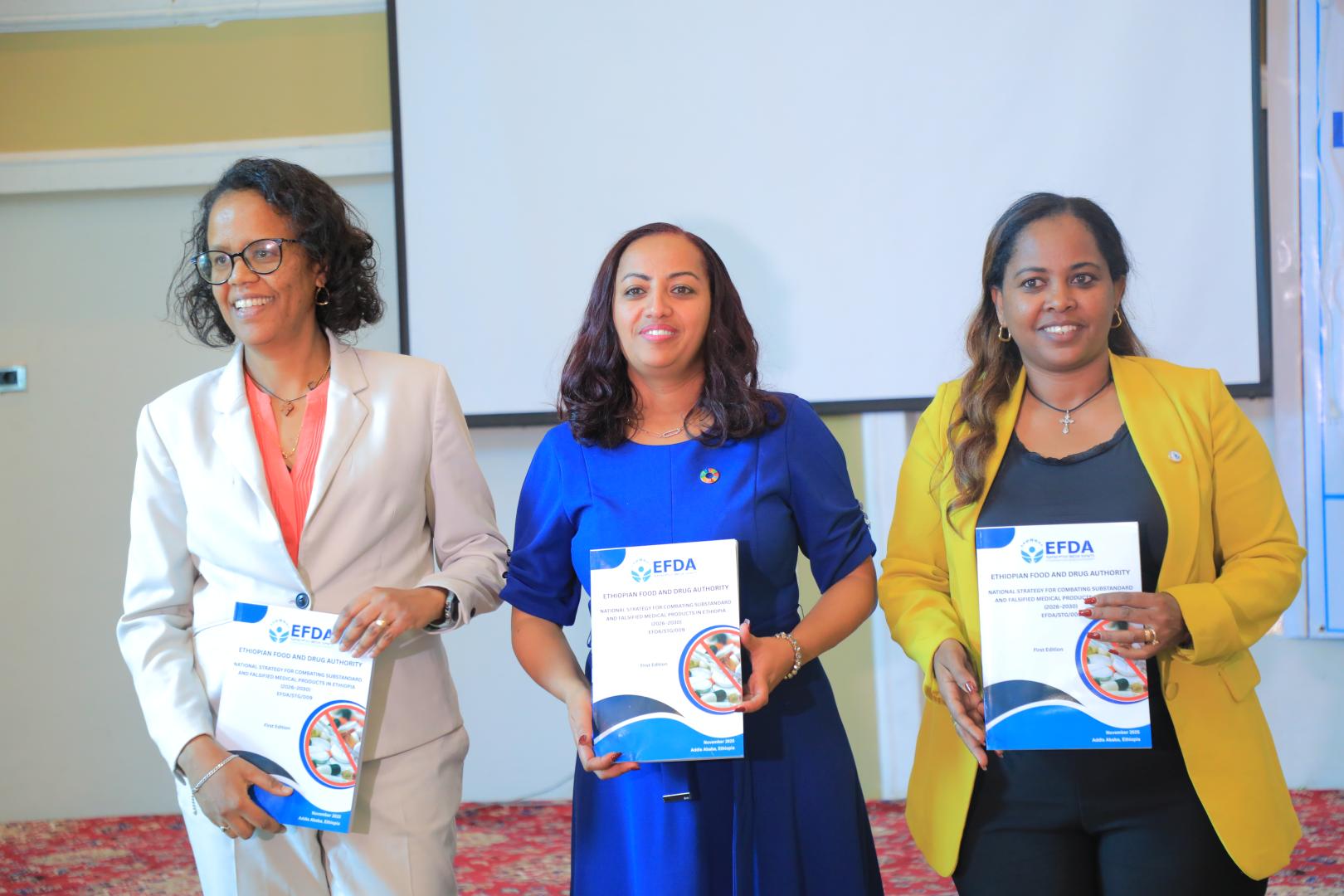
Ethiopia Launched National Strategy to Combat Substandard and Falsified Medical Products (2026–2030)
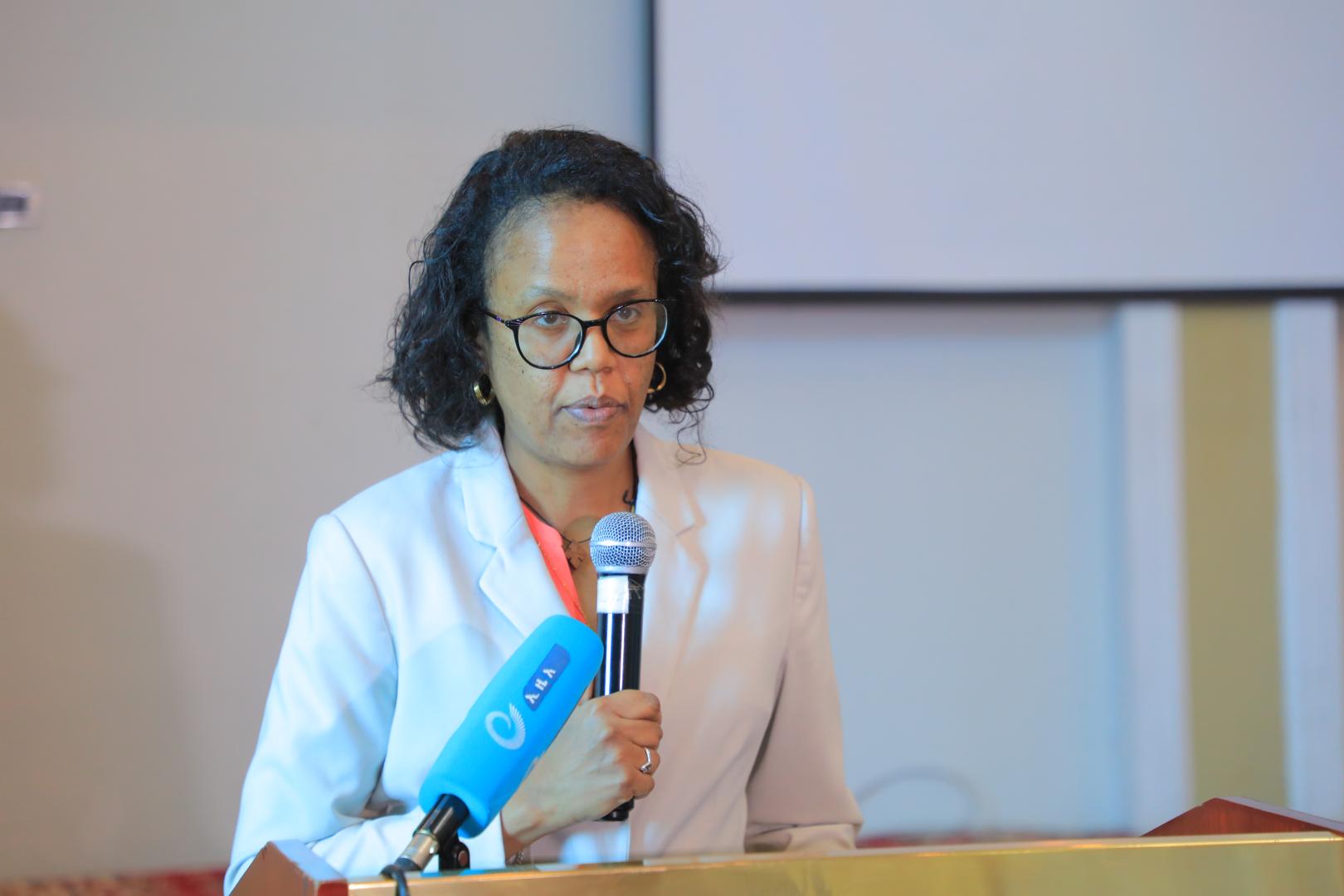
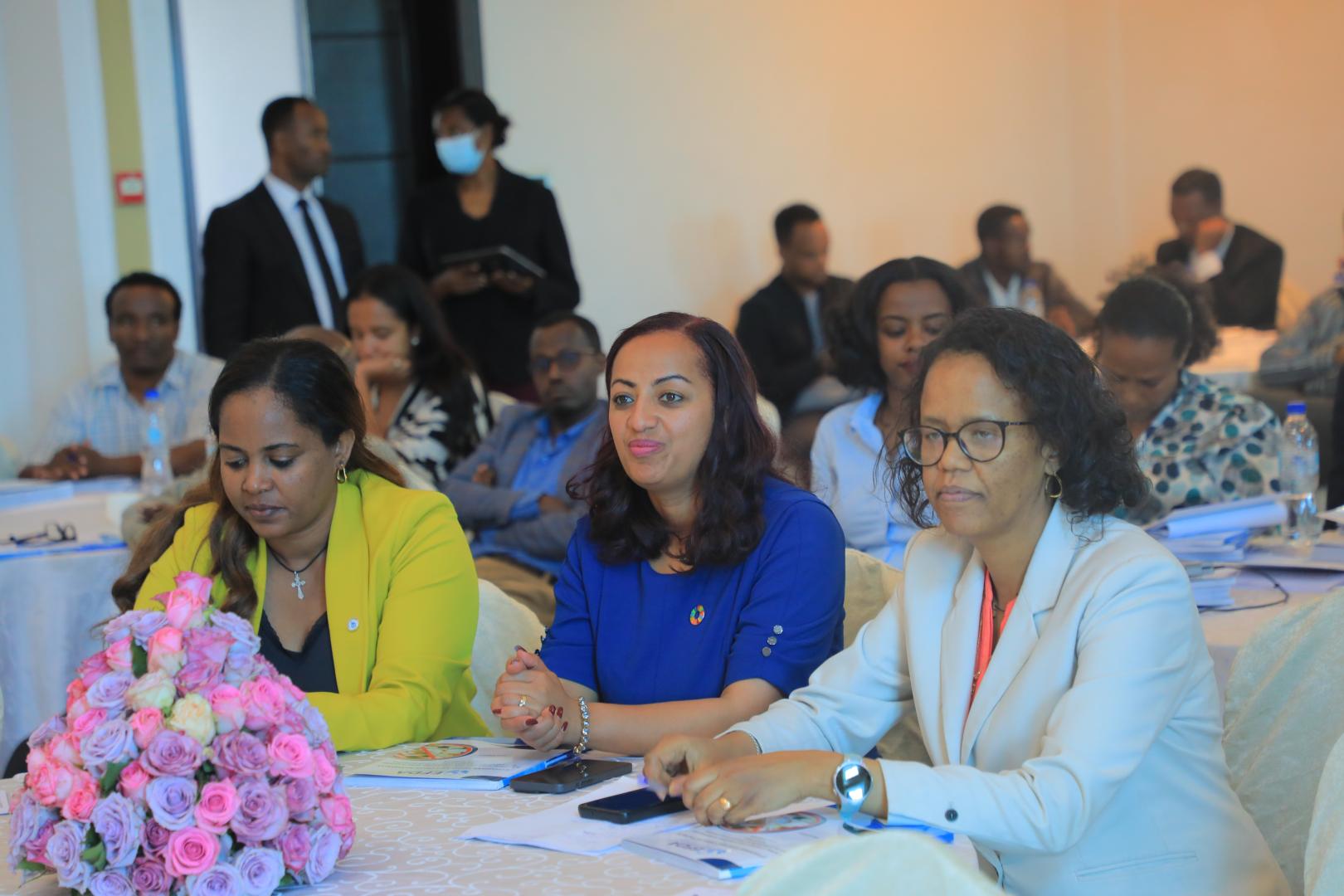
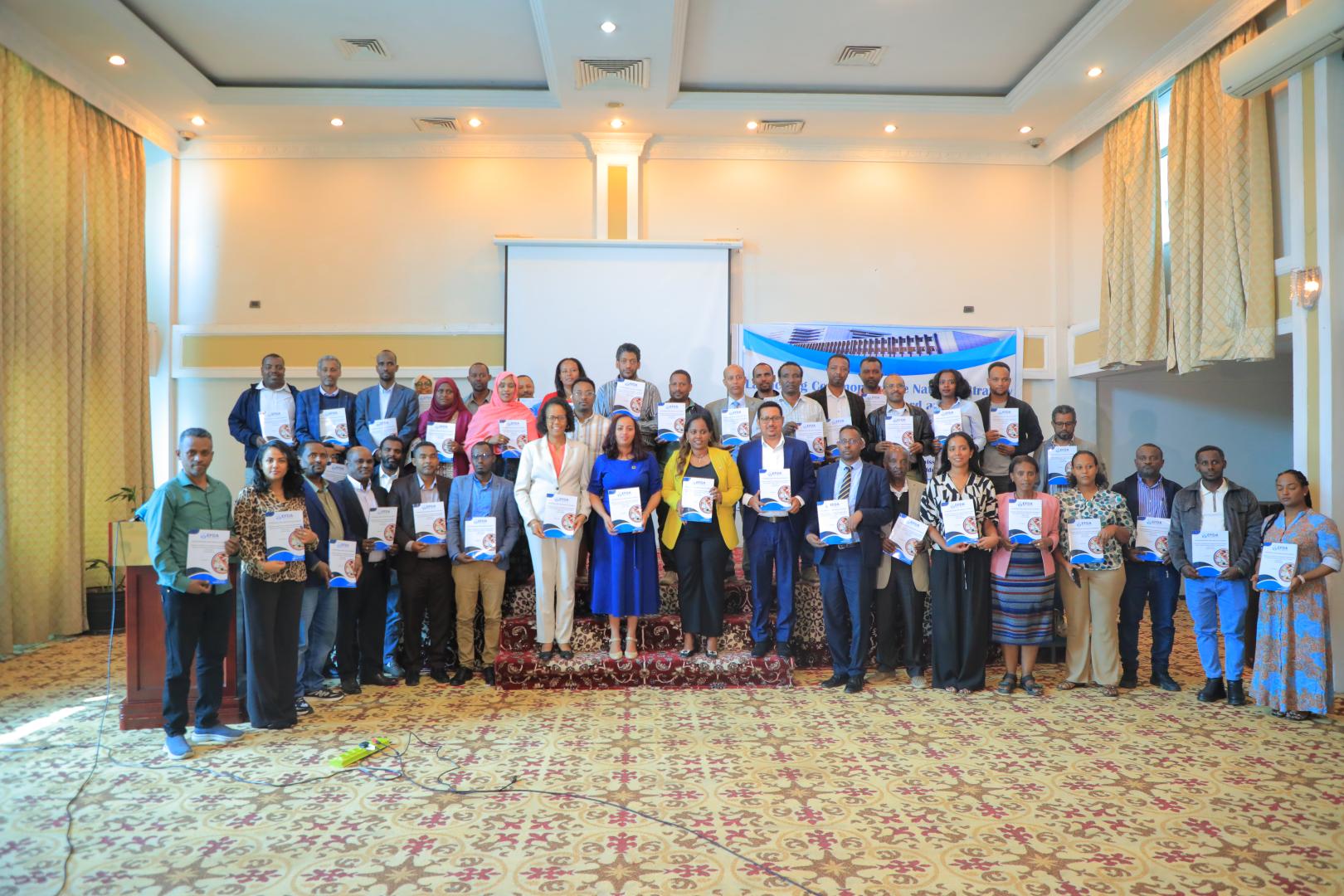
The Ethiopian Food and Drug Authority (EFDA) officially launched the National Strategy for Combating Substandard and Falsified (SF) Medical Products (2026–2030) at a high-level event attended by senior government officials and key stakeholders. H.E. Ms. Heran Gerba, EFDA Director General, delivered welcoming remarks, followed by an opening address from H.E. Dr. Mekdes Daba, Minister of Health. The event also featured H.E. Ms. Frehiwot Abebe, State Minister of Health, alongside representatives from the Ministry of Justice, the Ethiopian Customs Commission, regulatory bodies, and development partners.
In her address, Dr. Mekdes highlighted the global and national threat posed by substandard and falsified medical products, noting WHO data indicating that at least one in ten medicines in low- and middle-income countries is substandard or falsified. She stressed that such products undermine treatment effectiveness, increase morbidity and mortality, and contribute to antimicrobial resistance, posing a critical public health and development challenge for Ethiopia.
"In a country where over 63 million citizens are now beneficiaries of health insurance, ensuring the supply of quality proven, and effective medical products is a primary goal of our policy," Dr. Mekdes stated. She emphasized that Ethiopia’s regulatory response has been strengthened by the country’s recent attainment of WHO Global Benchmarking Tool (GBT) Maturity Level 3 (ML3) for medicines regulation.
H.E. Ms. Heran Gerba highlighted that Ethiopia’s ML3 status reflects a stable, well-functioning, and integrated regulatory system capable of reliably performing all core functions. This milestone confirms that the country can effectively prevent, detect, and respond to substandard and falsified medical products throughout their lifecycle. She noted that advancing to ML4 for medicines, and ML3 for vaccines and medical devices, and positioning EFDA as an African Centre of Excellence, will further enhance oversight, enabling faster threat detection, stricter quality control, and more coordinated interventions across the supply chain.
The National Strategy for Combating SF Medical Products (2026–2030) provides a comprehensive, multisectoral framework built on prevention, detection, and response. It focuses on strengthening regulatory and legal frameworks, enhancing prevention, detection and response mechanisms, strengthening surveillance & research, leveraging digital technologies & innovation, building institutional and workforce capacity, raising public awareness, and reinforcing national and international partnerships. Developed through extensive stakeholder consultation and supported by the Gates Foundation, the strategy aligns Ethiopia’s priorities with global and regional regulatory initiatives.
A panel discussion featuring EFDA, the Ethiopian Customs Commission, and the Ministry of Justice highlighted sector-specific mandates and shared responsibilities in the prevention, detection, and response to substandard and falsified medical products, emphasising the importance of coordinated border control, market surveillance, information sharing, and effective legal enforcement. The discussion highlighted that increasingly sophisticated criminal networks involved in falsifying medical products require an equally coordinated and intelligence-driven regulatory and enforcement response.
In closing, H.E. Heran reaffirmed EFDA’s commitment to leading the strategy’s implementation in collaboration with national and international stakeholders, emphasising sustained partnerships, institutional accountability, and continued investment in regulatory capacity to ensure public trust in the safety and quality of medical products.
The WHO reiterates its commitment to supporting Ethiopia in fully implementing the strategy, aligned with global and regional efforts to combat substandard and falsified medical products and strengthen regulatory systems for improved public health outcomes.
Communications Officer
WHO Ethiopia
Email: gebremichaela [at] who.int (gebremichaela[at]who[dot]int)