When the world faces a health crisis, it is often the nurse or the midwife who stands first at the patient’s bedside, who hears the community’s fears, and who takes the first brave step into the unknown. Nurses and midwives are not only the backbone of Ghana’s health system; they are the steady hands and compassionate hearts that keep it alive during the toughest times.
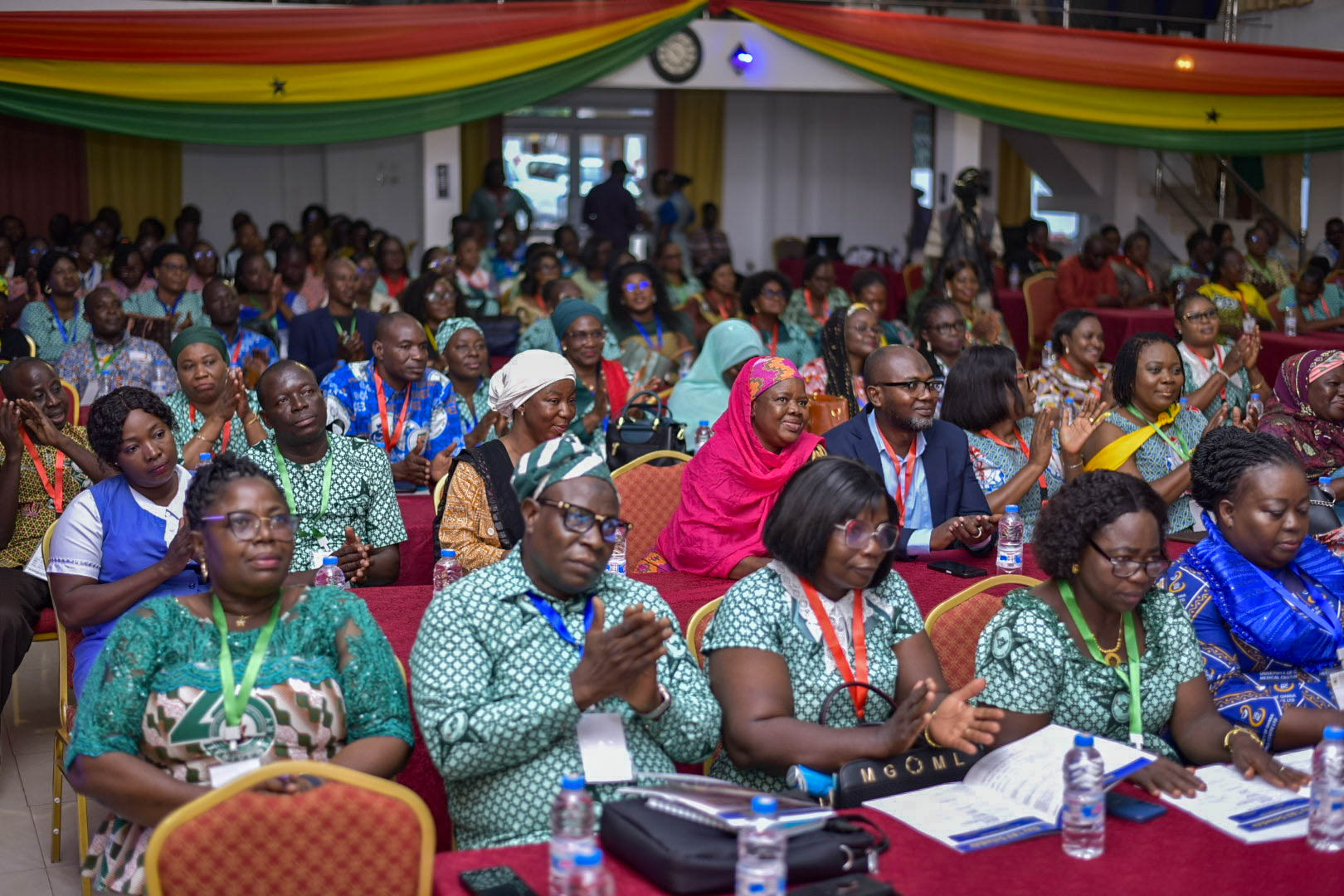
This message echoed strongly at the 6th Annual Nursing and Midwifery Leaders and Managers Conference, which brought together the Ministry of Health, Leadership of nurses and midwives from all regions, World Health Organization (WHO), professional associations, academia, and partners to reflect on the role of this workforce in advancing health security and Universal Health Coverage (UHC). The theme for the annual conference was “Addressing Public Health Emergency Outbreaks: The Role of Nursing and Midwifery Leaders and Managers”
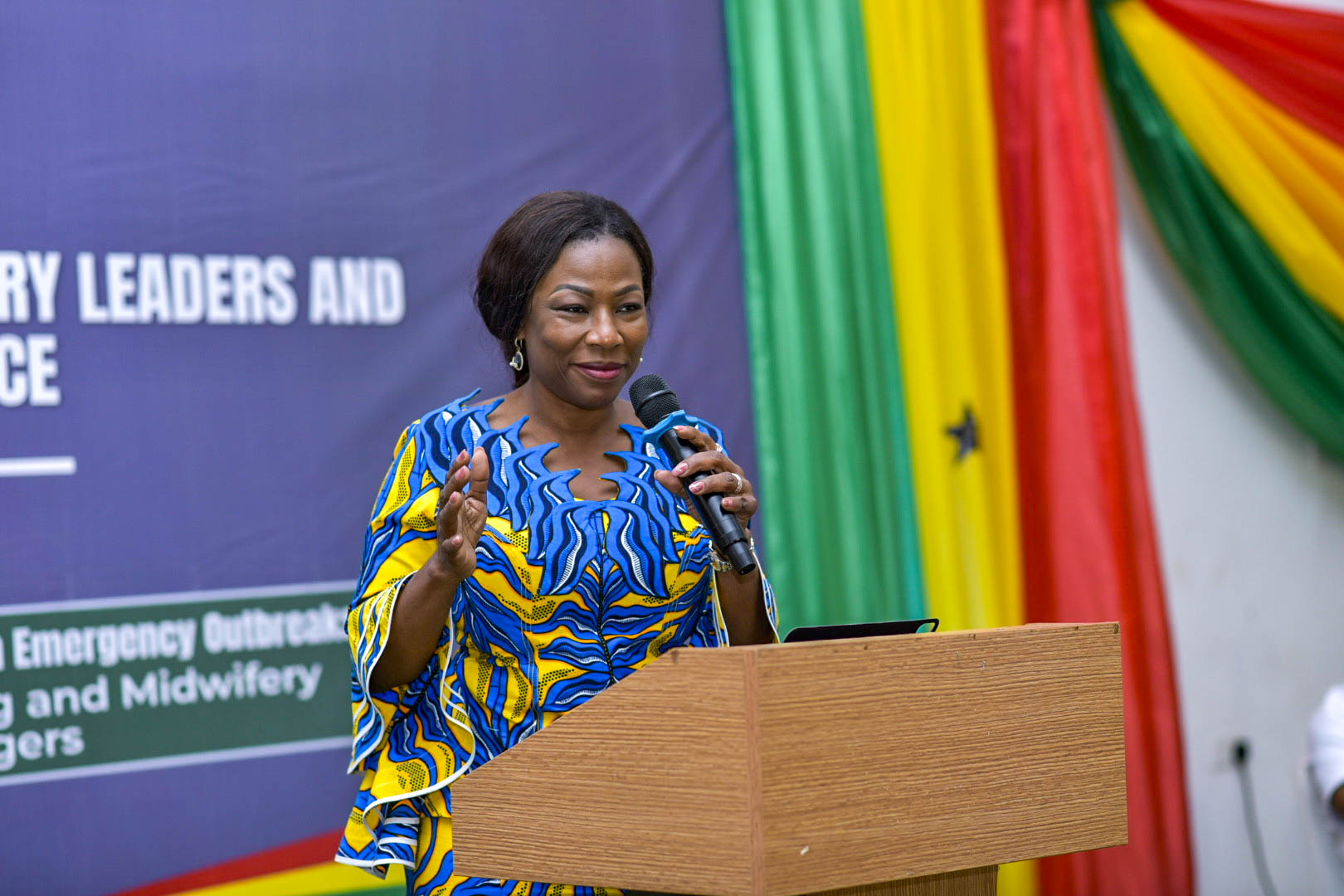
She also called on nurses and midwives to embrace innovation, continuous learning, and leadership at all levels, stressing that their role is indispensable in achieving UHC.
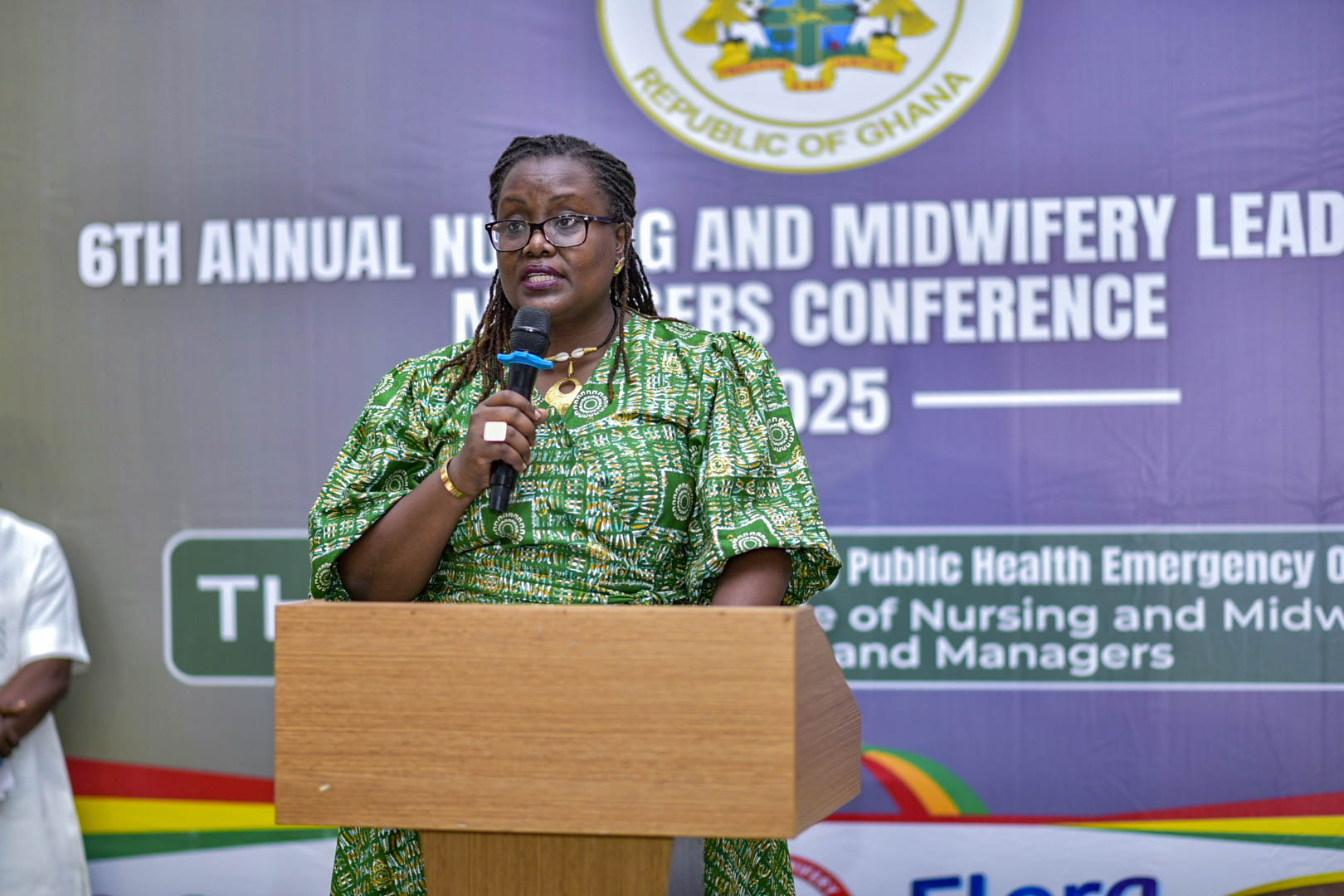
“Africa’s health systems are uniquely challenged. Due to conflicts and social unrest, rapid urbanization, weak health systems and governance, social vulnerabilities, and the accelerating impacts of climate change”, she said, adding that these realities make the continent particularly susceptible to epidemics.
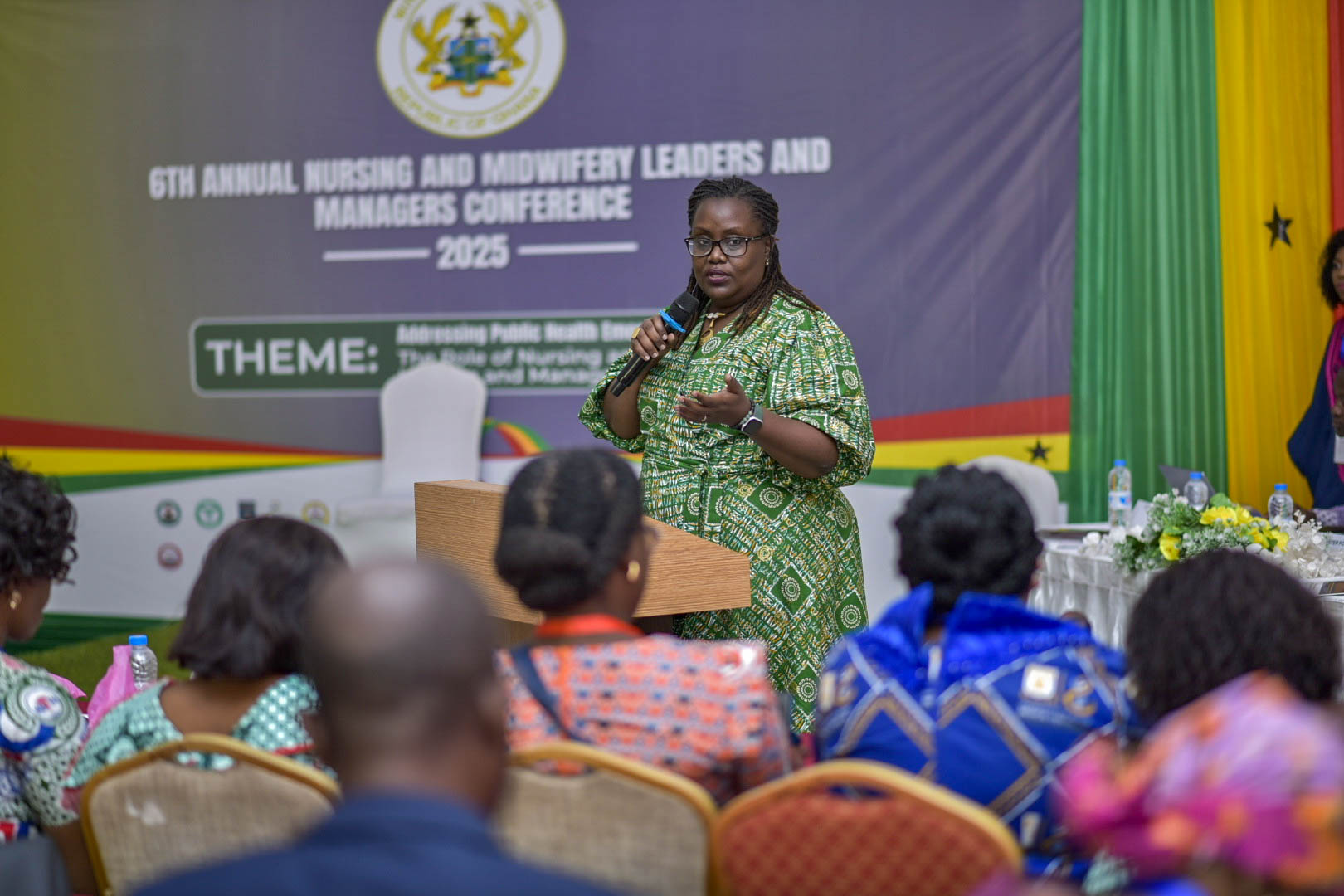
But at the heart of all these systems, she stressed, are nurses and midwives — the ones who translate global strategies into life-saving action on the ground. They lead and coordinate outbreak response efforts, deliver critical care, dispel myths, and build the trust needed for effective public health action.
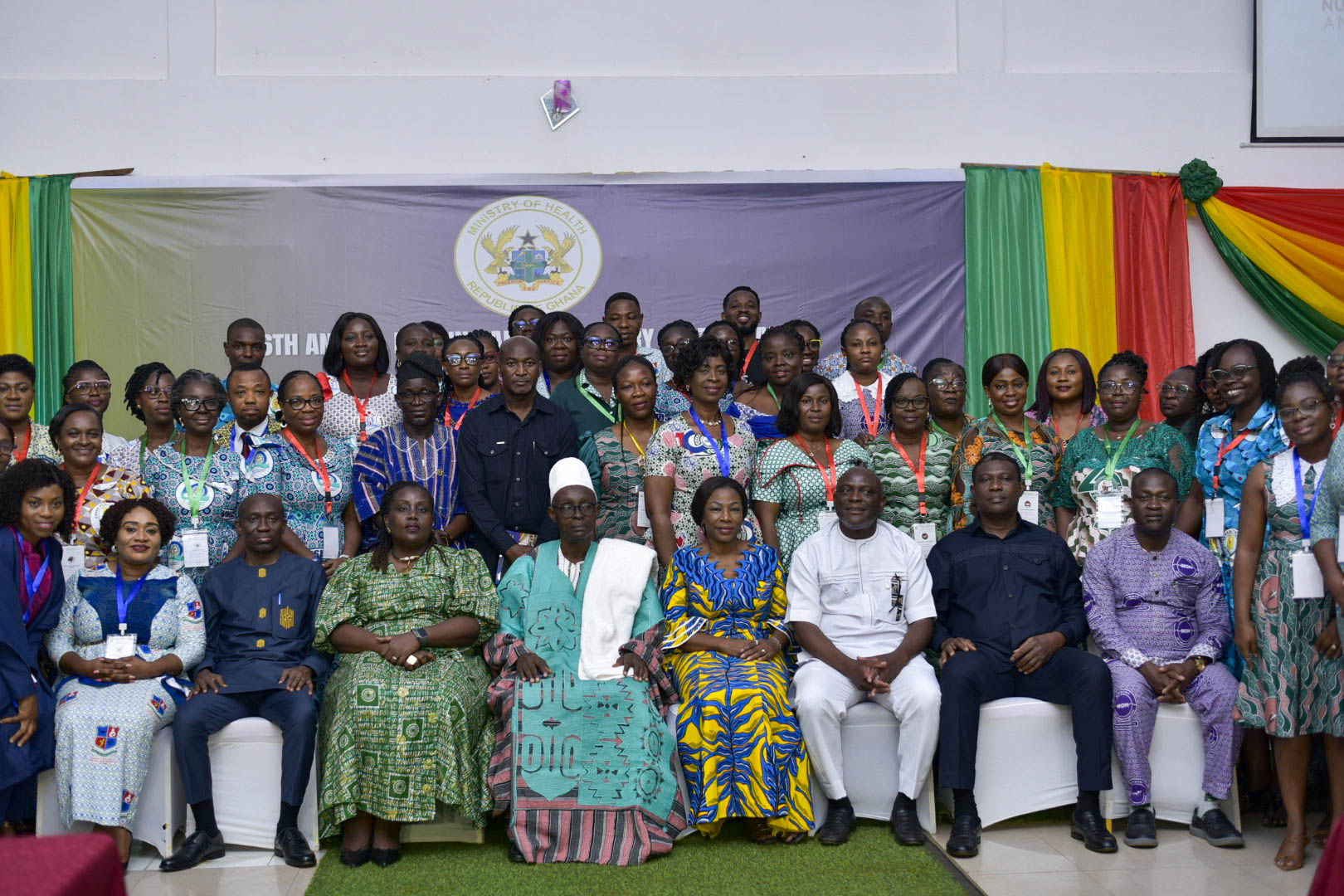
The story of health security is not only written in strategies, policies, or numbers. It is written in the everyday courage of nurses and midwives who embody the strength of Ghana’s health system. And with government and partners like WHO standing alongside them, the vision of a resilient, prepared, and healthier Ghana moves one step closer to reality.
For Additional Information or to Request Interviews, Please contact:
Abdul-Lahie Abdul-Rahim Naa
Communications Officer
WHO Ghana Country Office
Email: abdullahiea@who.int
Tel: +233 20 196 2393