Nairobi—Kenya is addressing critical gaps in access to sexual and reproductive health and rights services in six priority counties, including those with health clients that are hard to reach.
The Ministry of Health is implementing a two-year initiative, supported by World Health Organization (WHO) and partners, to improve quality of care, integrate sexual and reproductive health and rights services and put women at the centre. The broader objective is to reduce maternal and child mortality and improve health and well-being.
The initiative’s approach is based on findings from a 2024 Ministry of Health and WHO sexual and reproductive health and rights needs assessment. The assessment identified gaps in training of health workers, availability of essential medical supplies and equipment and engagement and demand creation among communities.
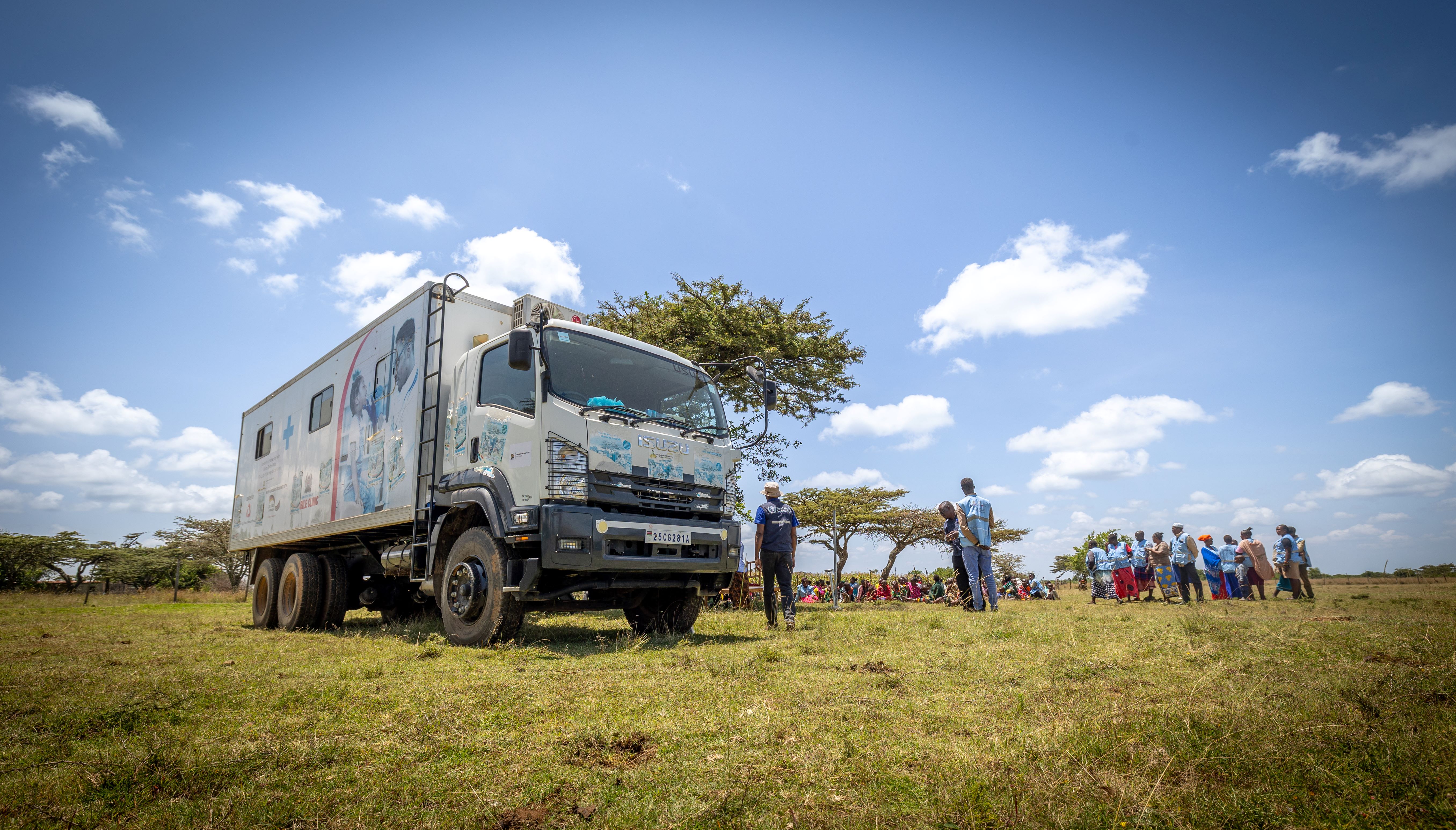
The county also hosts thousands of internally displaced persons due to natural disasters and conflict in neighbouring areas. These conditions make it difficult for its residents to access essential health services.
"Our health facilities are spread very far apart, sometimes more than 50 kilometres from each other,” says Samson Leerte, the county’s reproductive health coordinator for adolescents and young people. “This distance creates major barriers to health care access.”
The barriers significantly affect women’s sexual and reproductive health. Limited access to family planning services, adolescent pregnancy and poor child malnutrition are among the impacts.
“One way we can improve this is through multiple mobile outreaches, which are targeted and integrated,” says Leerte.
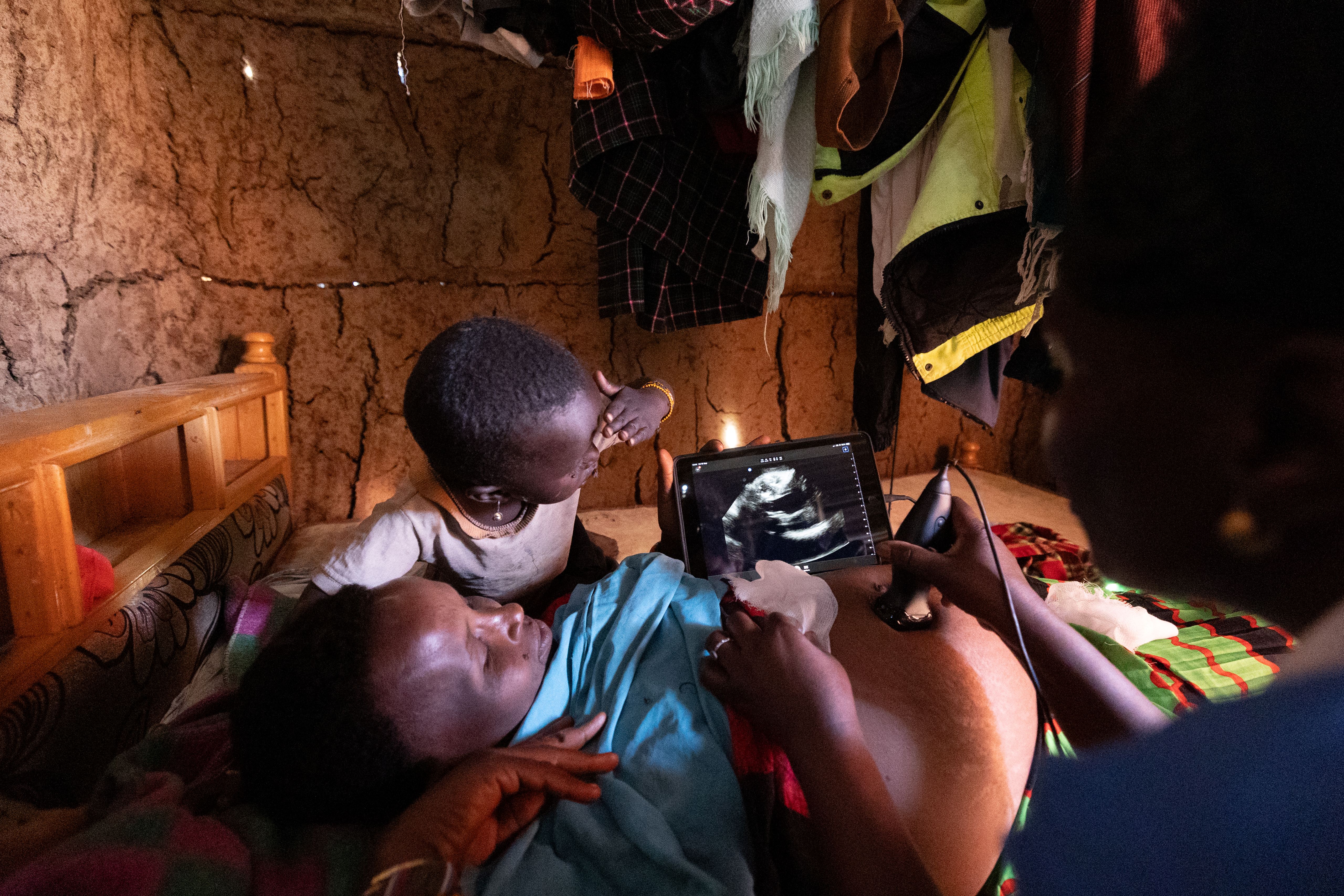
Mobile clinics provided family planning services, post-abortion care, antenatal and postnatal care, cervical and breast cancer screening, sexually transmitted infection screening and treatment, nutrition assessments, obstetric emergency support and gender-based violence survivor assistance.
“This outreach directly contributes to improving information on people’s health,” says John Selasi Lenorkulal, Samburu Central Sub-County's public health nurse. “The data we collect here help us assess what works and plan future interventions.”
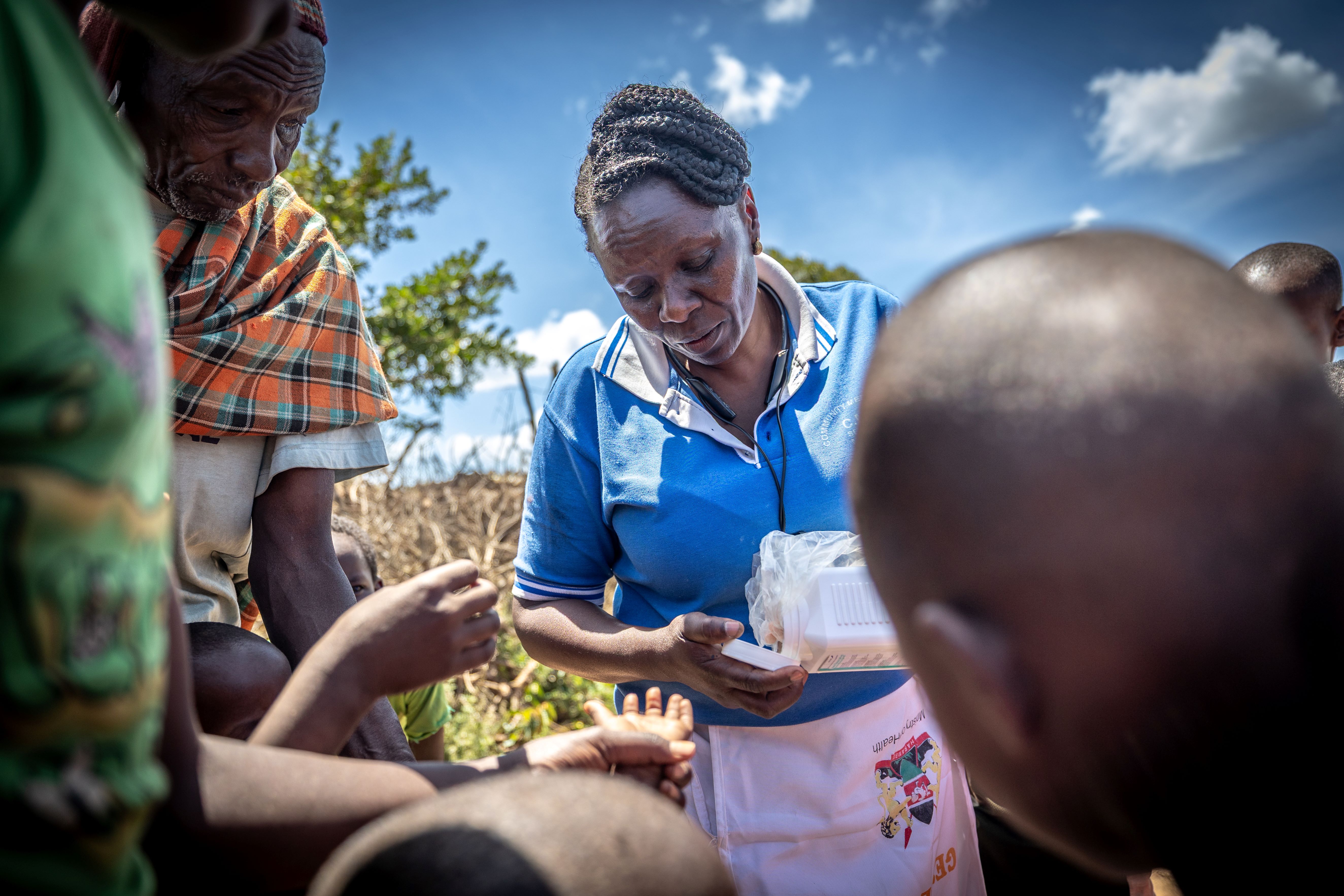
Many of the health professionals were among a cohort of 625 from seven counties mentored by Ministry of Health, with WHO support, on values clarification and attitude transformation (VCAT).
The primary goal of the mentorship is to address personal biases that act as barriers to sexual and reproductive health and rights services, particularly post-abortion care and family planning.
Adolescents and young people can face stigma and discrimination from health workers when seeking sexual and reproductive health services.
VCAT is a process that helps health workers understand their core values and how those influence their decisions and behaviours. This process can lead to personal growth, improved decision-making and positive change.
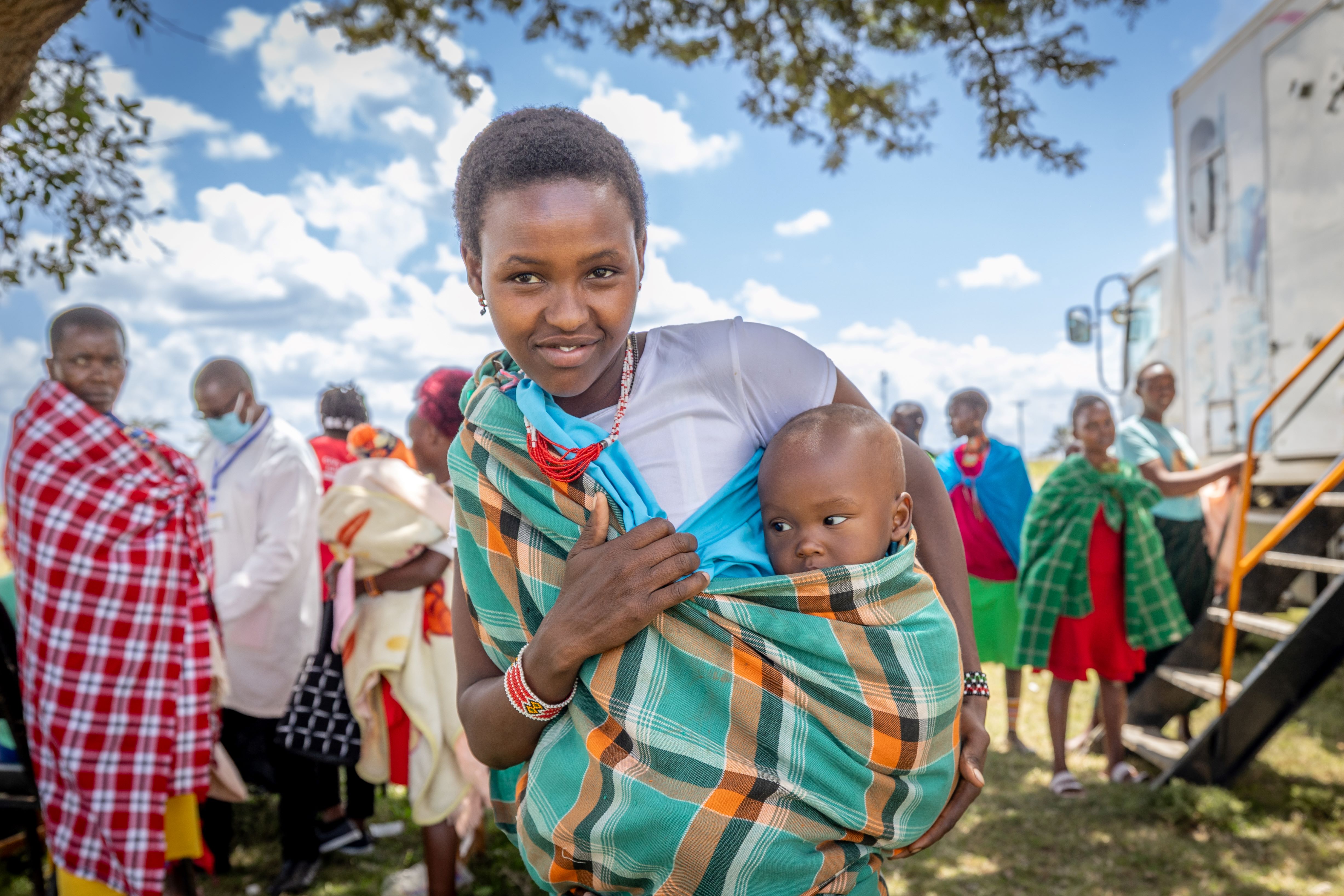
“What contributes to this is early marriage. You find girls below 18 years of age who are already married. But there are also many adolescent pregnancies not associated with early marriage,” says Leerte.
Research shows that adolescent pregnancy causes serious health, social and economic consequences. Adolsecent girls face a higher rate of pregnancy-related complications compared with women over the age of 20 years.
Newborns of adolescent mothers can have complications such as anaemia, preterm and low birth weight. Compounded with food insecurity and poor feeding practices, this impacts on growth in early childhood.
The survey also indicates that almost a third of children under 5 years suffer from stunting (chronic malnutrition), 15% experience wasting (acute malnutrition) and 30% are underweight. These figures rank among the highest nationally.
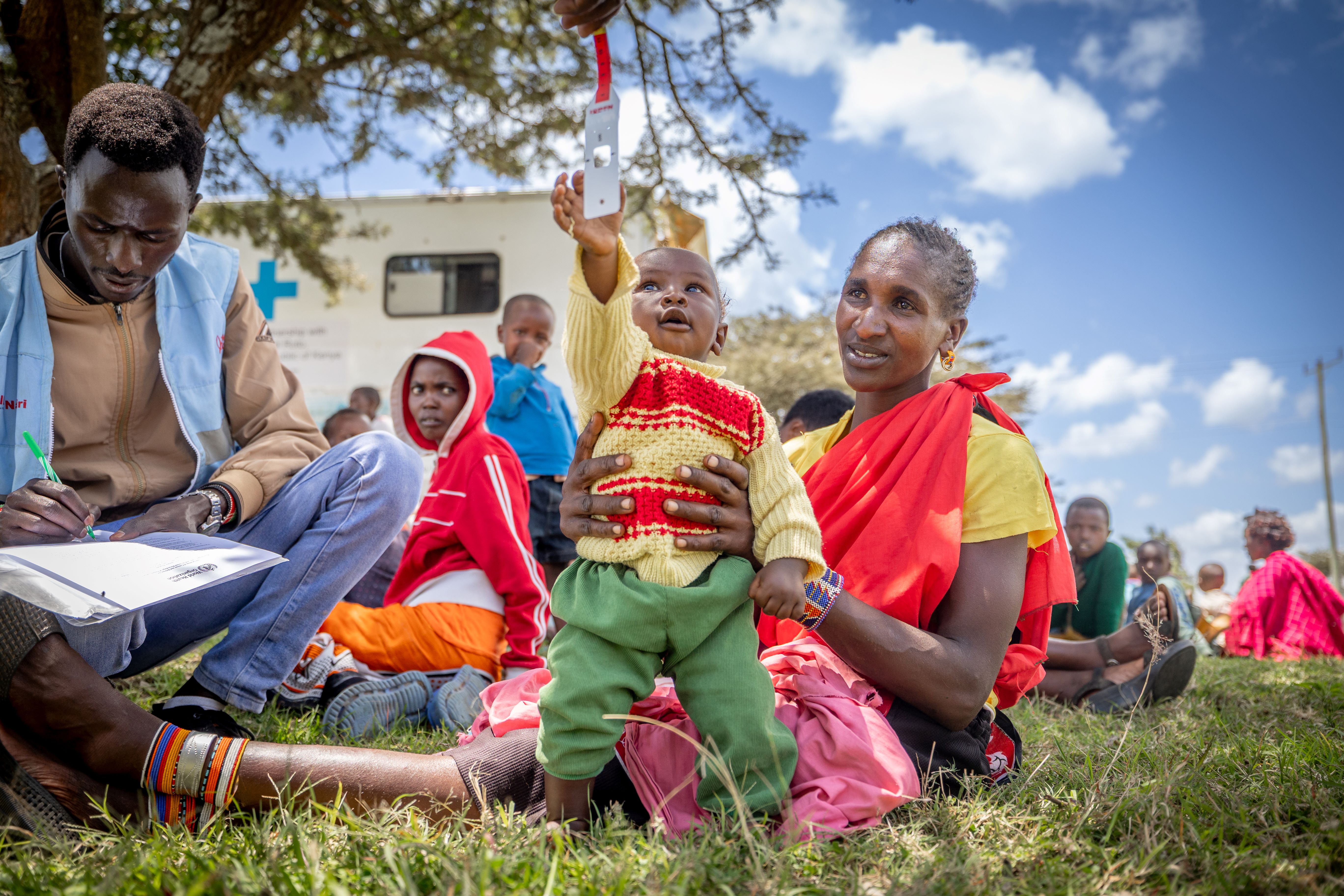
"I brought my daughter for a health check-up. She received nutritional supplements and therapeutic milk to support her growth,” says Namano Lekashira. “While I'm here, I'm also waiting for my own cervical and breast cancer screening. Being able to access care for both of us in one visit is very helpful.”
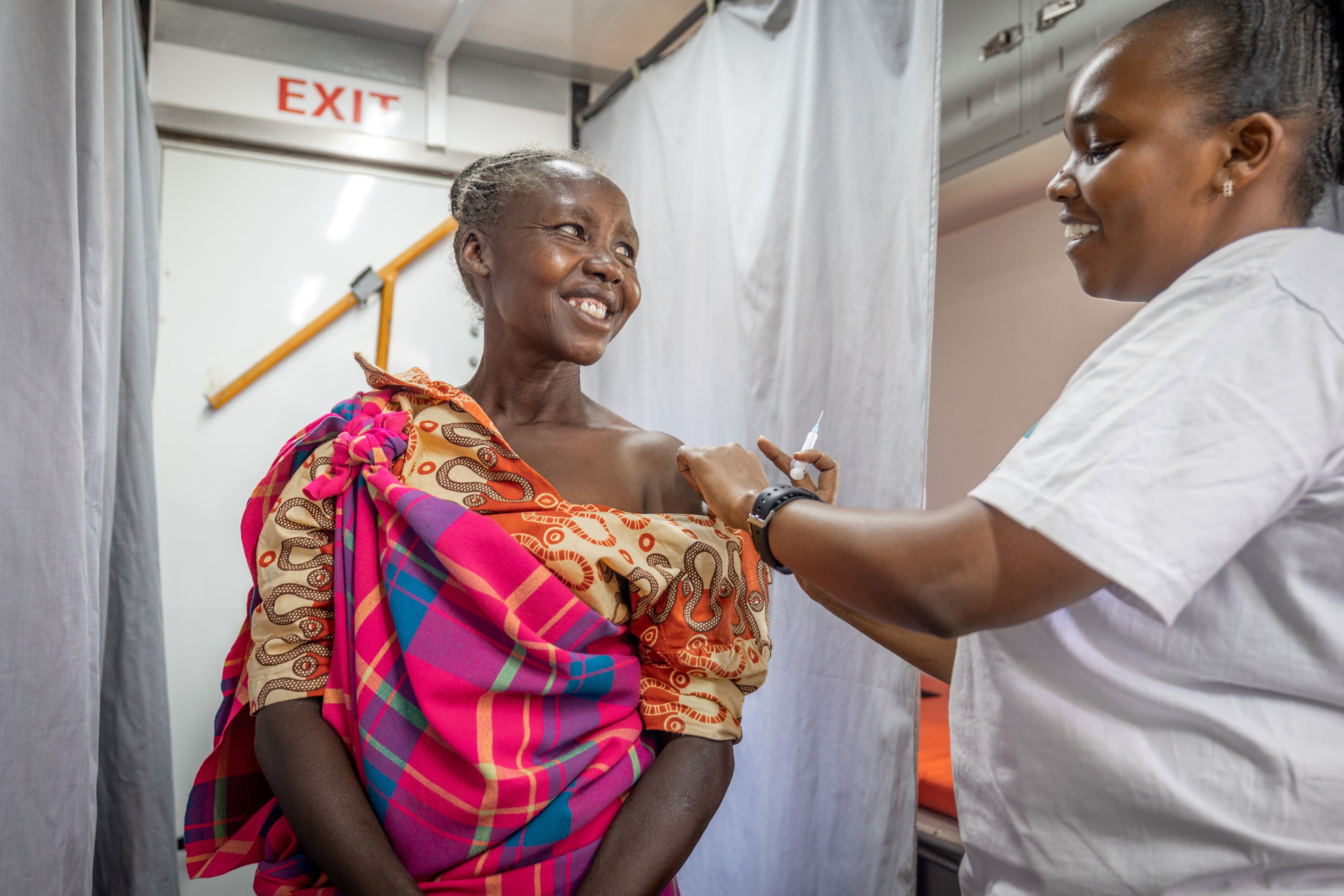
"Having family planning services brought to our community makes it easier for us to make decisions about our reproductive health,” says 51-year-old Rael Letiren from Longewan, Samburu, who visited the mobile outreach clinic for injectable contraceptive.
“With six children, I have decided this is the right size for my family,” she says.
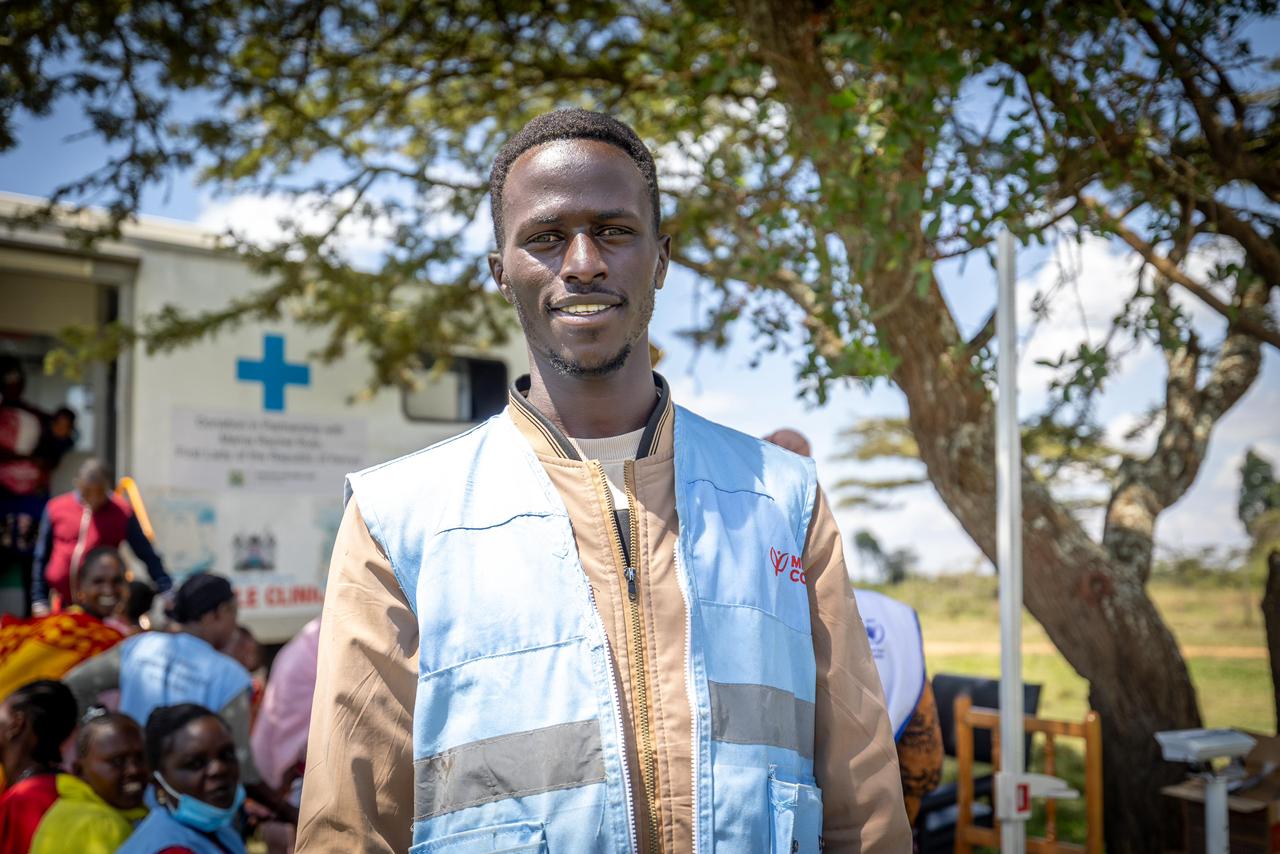
“One visit can make all the difference,” says Joseph Lebenenyo, a community health promoter. “If even one woman learns how to protect her health, or her baby’s, that’s already a success.”
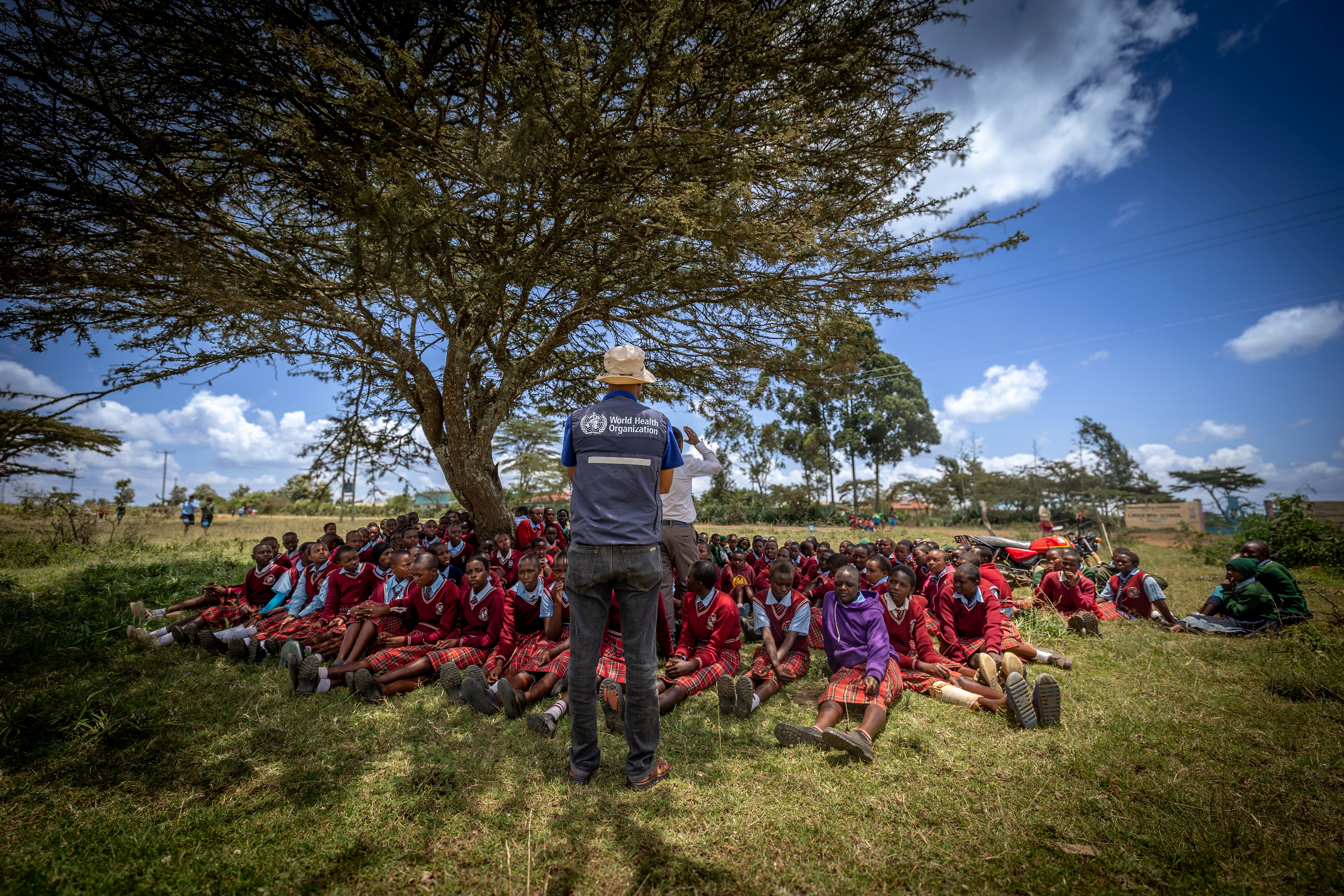
“This work succeeded because of partnership,” says Lucy Makena, a nurse at Samburu Referral Hospital. “WHO provided resources and technical support. The County Health Department provided trained staff and insight into the local context. Community health promoters gained community trust and mobilized people to come for services. Together, during this week, we reached populations the health system alone struggles to serve.”
Communication officer
WHO Kenya
Tel: +254 740 466 426
Email: printg [at] who.int (printg[at]who[dot]int)
Communications and marketing officer
Tel: + 242 06 520 65 65 (WhatsApp)
Email: boakyeagyemangc [at] who.int (boakyeagyemangc[at]who[dot]int)