In many parts of Ghana, especially in underserved regions, the decision to start a family—or delay one—still hinges more on access than on choice. While awareness of family planning has grown in recent years, the availability of skilled providers remains a pressing issue. According to the World Health Organization (WHO), nearly 218 million women in low- and middle-income countries want to avoid pregnancy but are not using a modern method of contraception. Bridging this gap requires skill, reach, and systems that work smarter.
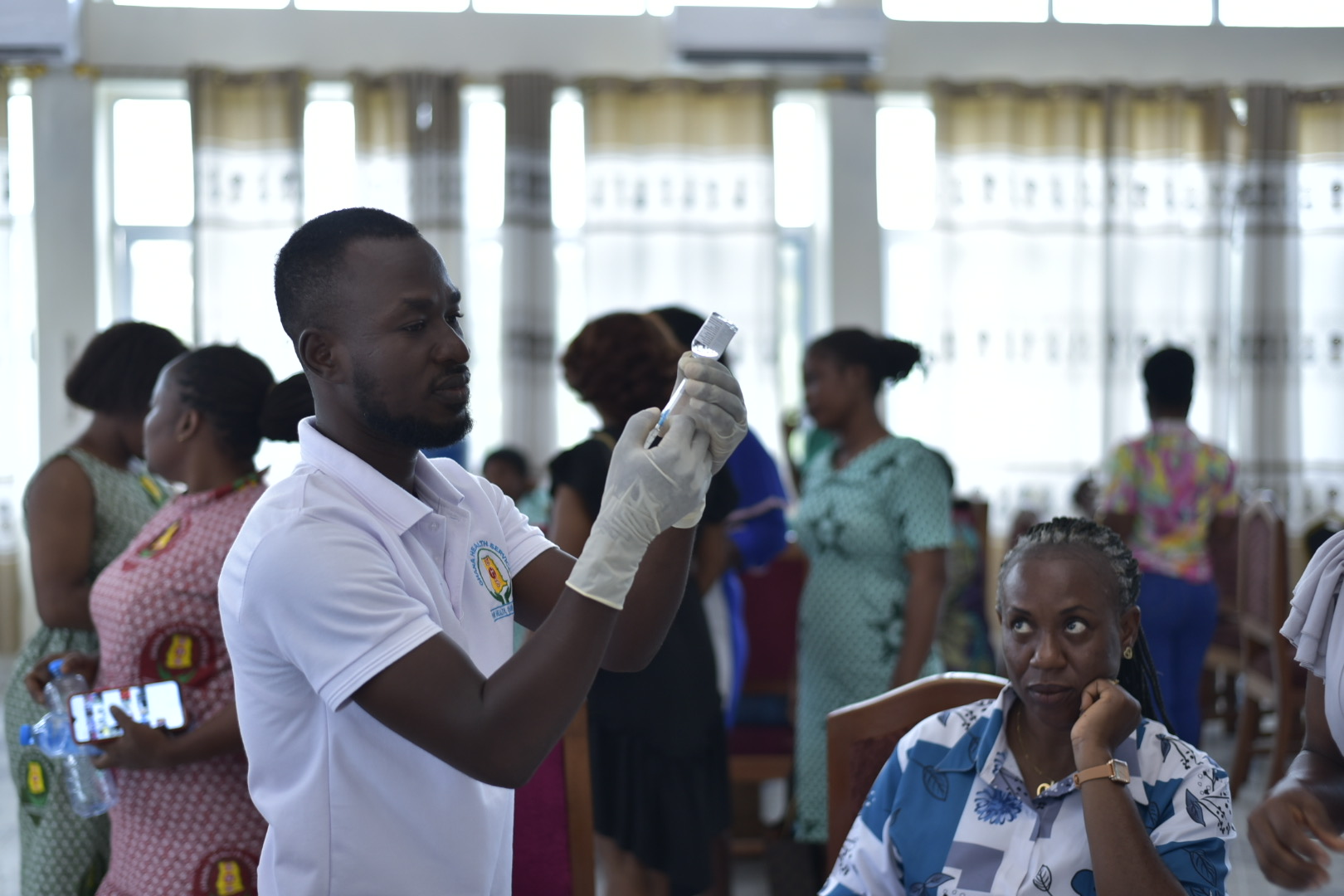
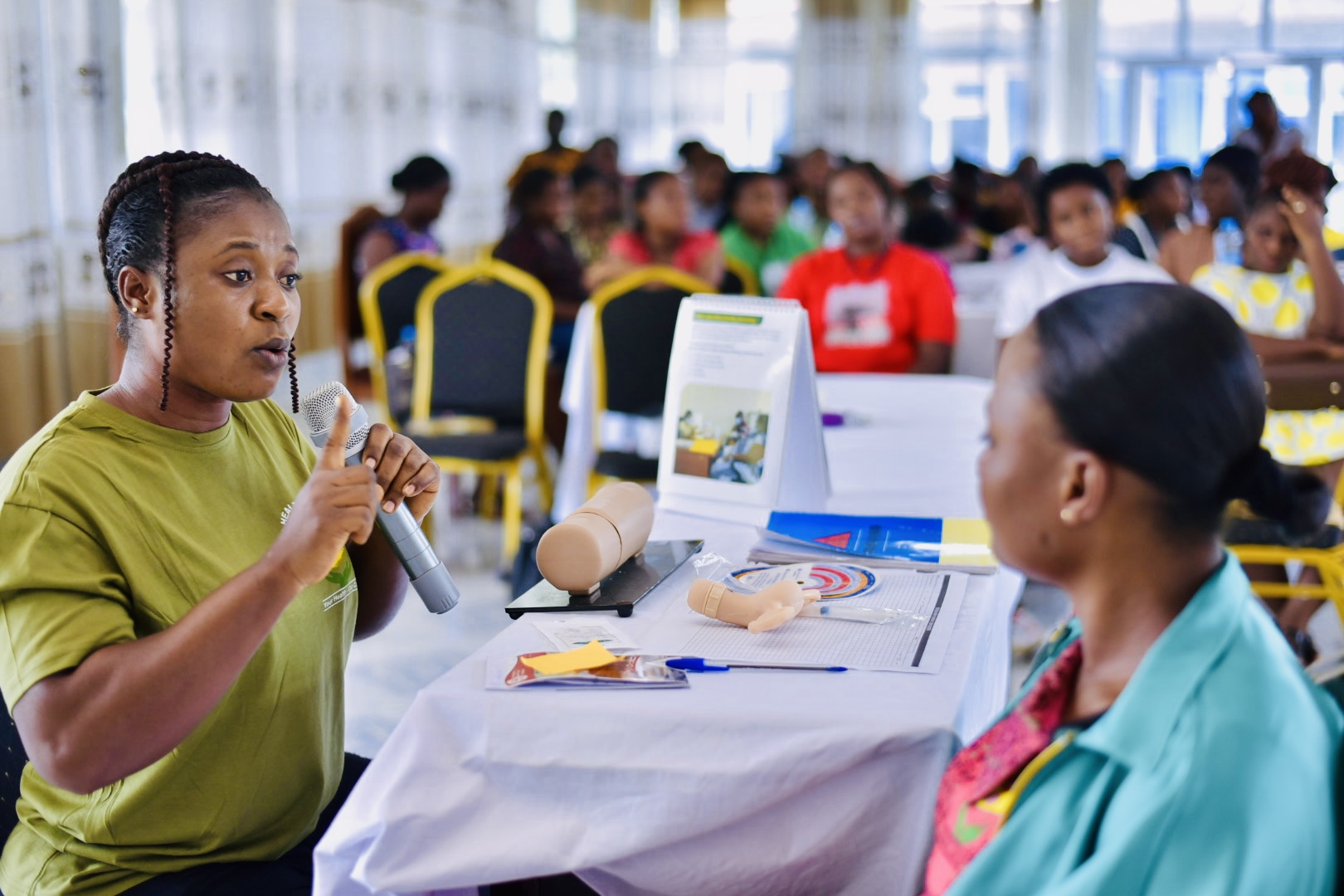
In response to this, the WHO Country Office in Ghana, with funding from the UK’s Foreign, Commonwealth and Development Office (UK-FCDO), has been implementing the Health Systems Strengthening for Universal Health Coverage (HSS4UHC) project. The project has been working hand in hand with the Ghana Health Service (GHS) to help deliver on Ghana’s FP2030 commitments—supporting social behavioural communication on FP, training health workers on processing claims for contraception on the National Health Insurance Scheme and notably by strengthening the skills of midwives and community health nurses in delivering Long-Acting Reversible Contraceptives (LARCs).
But this isn’t your average training programme.

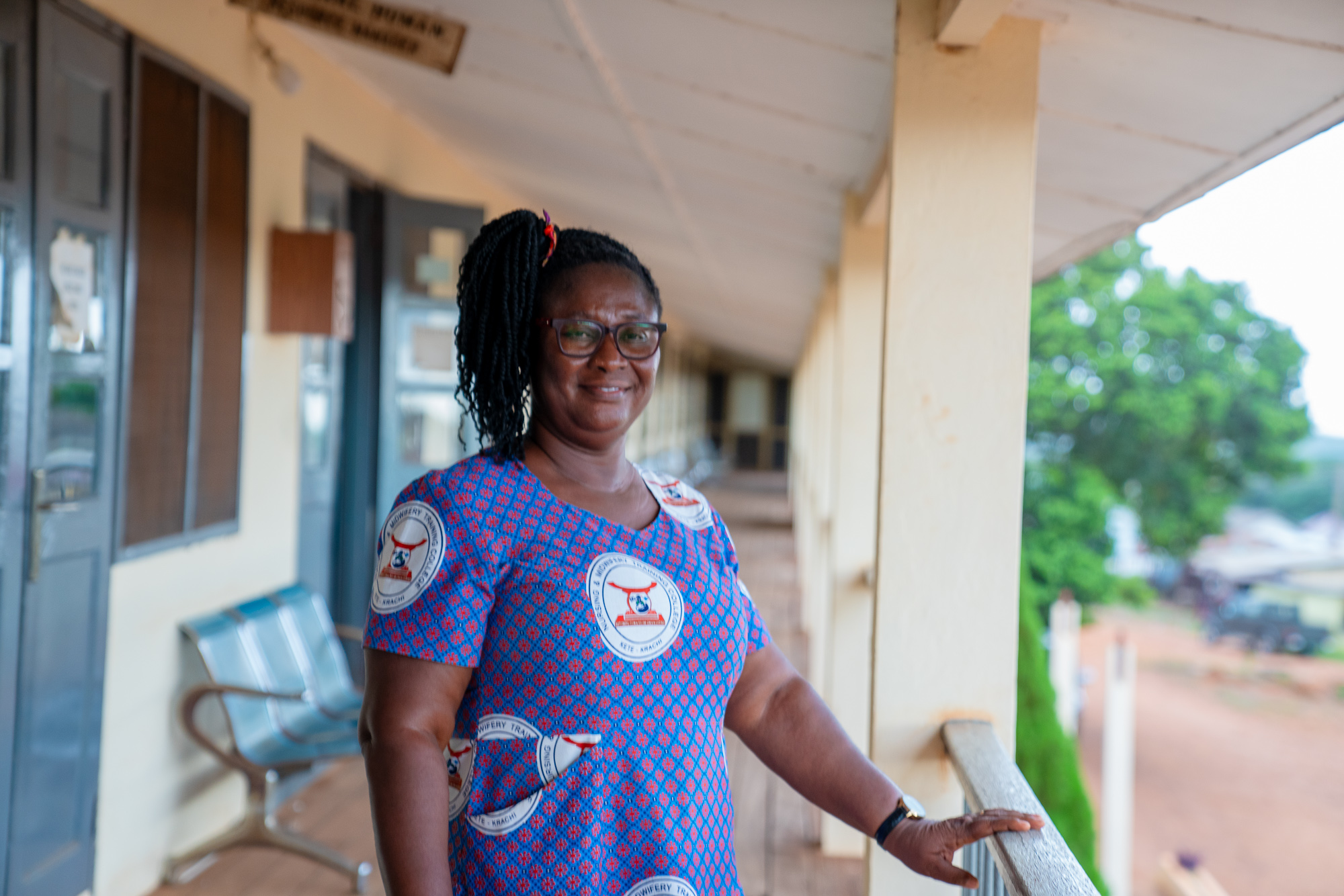
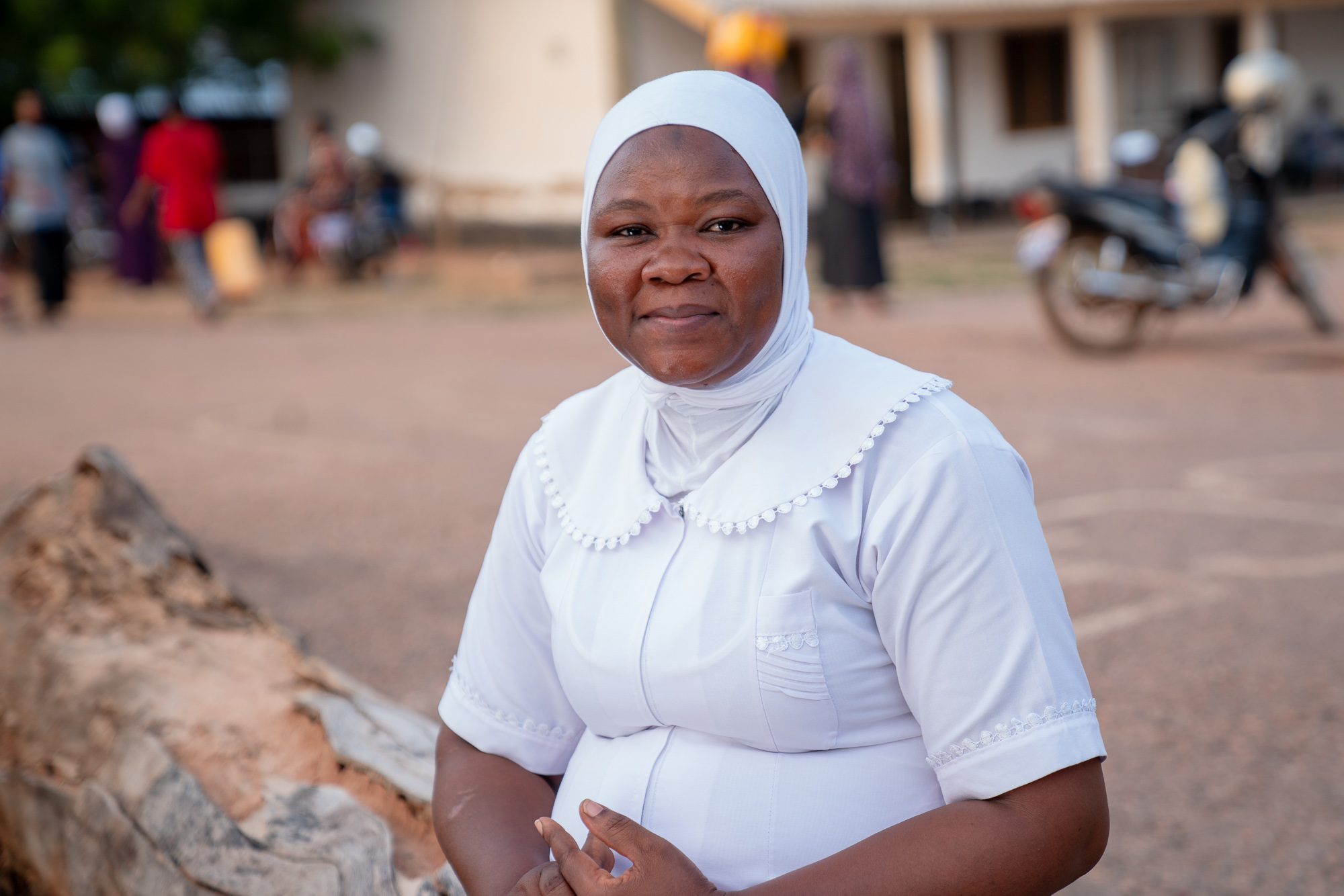
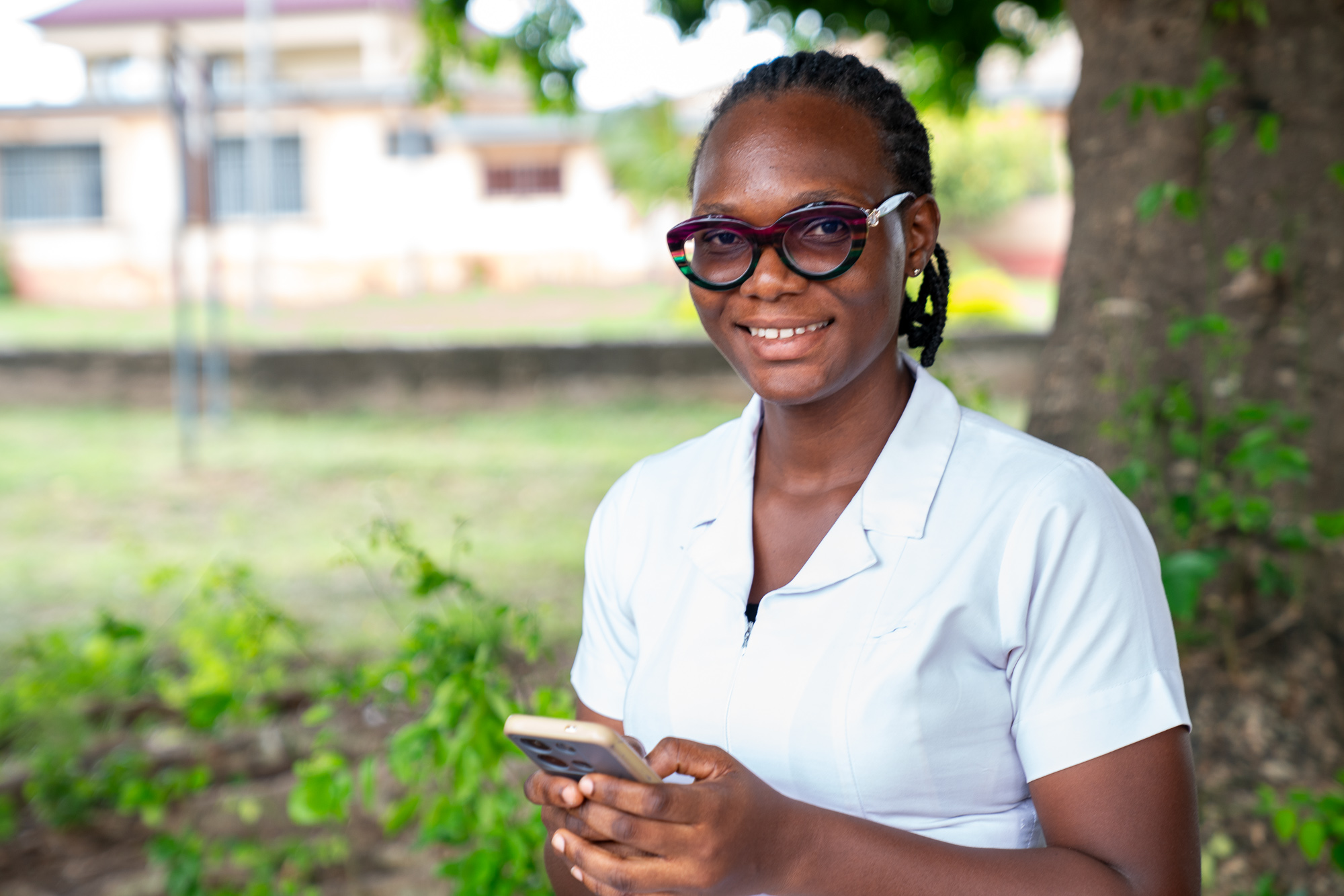
For Latifa, the impact goes beyond just personal development. “Now I can support my students and colleagues more effectively. And more importantly, the women in my community can access reliable family planning services without having to travel long distances”.
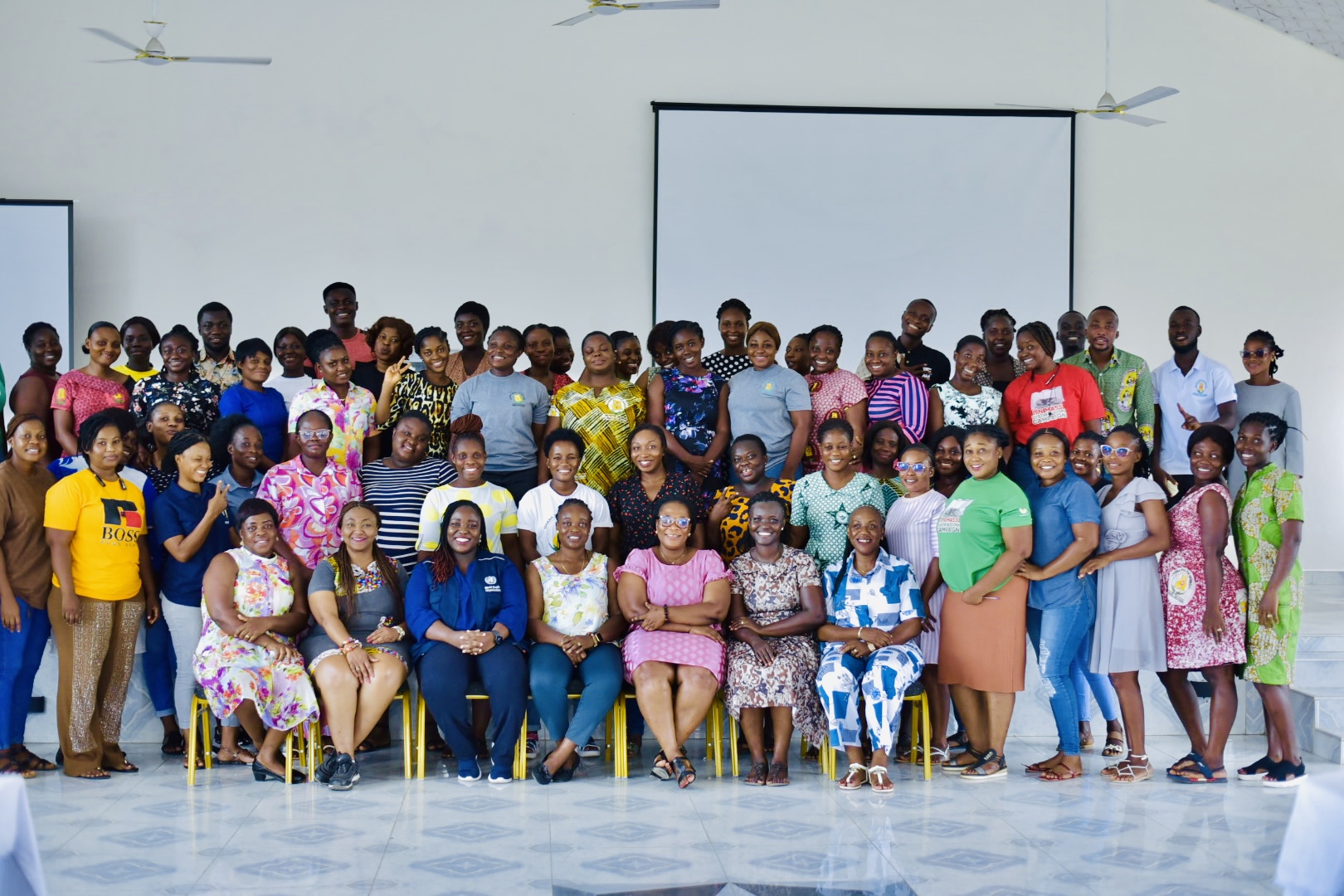
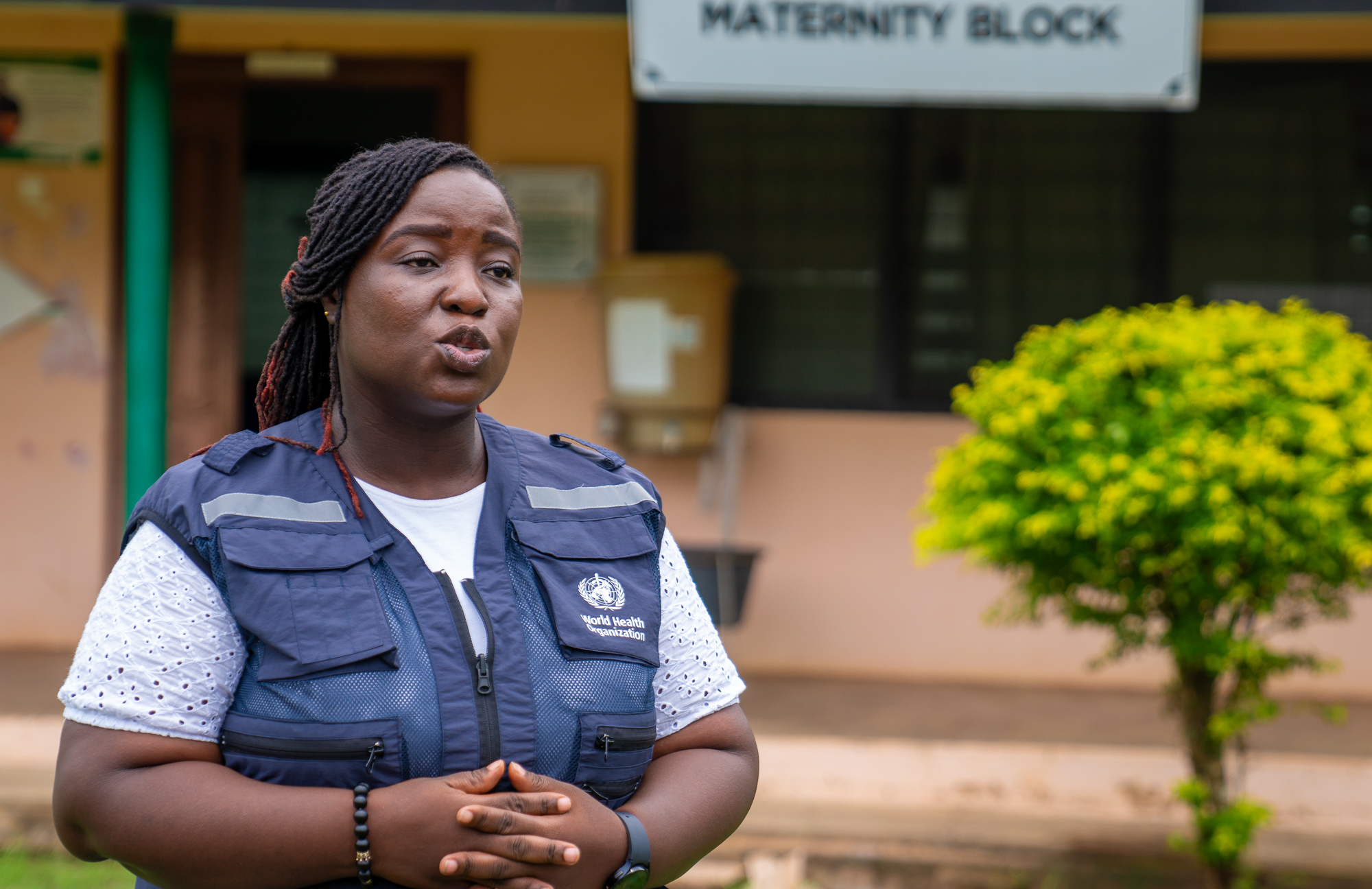
“We are not just training service providers —we are strengthening the health system’s ability to meet the sexual and reproductive health needs of women and girls wherever they are. When service providers are confident and competent, the entire community benefits. This hybrid training model apart from being innovative ensures improved accessibility, flexibility, and personalized learning experiences for the service providers”, she said.
For Additional Information or to Request Interviews, Please contact:
Abdul-Lahie Abdul-Rahim Naa
Communications Officer
WHO Ghana Country Office
Email: abdullahiea@who.int
Tel: +233 20 196 2393