Empowering Frontline Providers through Innovation: How Hybrid Training is Expanding Access to Family Planning in Ghana

In many parts of Ghana, especially in underserved regions, the decision to start a family—or delay one—still hinges more on access than on choice. While awareness of family planning has grown in recent years, the availability of skilled providers remains a pressing issue. According to the World Health Organization (WHO), nearly 218 million women in low- and middle-income countries want to avoid pregnancy but are not using a modern method of contraception. Bridging this gap requires skill, reach, and systems that work smarter.

In response to this, the WHO Country Office in Ghana, with funding from the UK’s Foreign, Commonwealth and Development Office (UK-FCDO), has been implementing the Health Systems Strengthening for Universal Health Coverage (HSS4UHC) project. The project has been working hand in hand with the Ghana Health Service (GHS) to help deliver on Ghana’s FP2030 commitments—supporting social behavioural communication on FP, training health workers on processing claims for contraception on the National Health Insurance Scheme and notably by strengthening the skills of midwives and community health nurses in delivering Long-Acting Reversible Contraceptives (LARCs).

But this isn’t your average training programme.
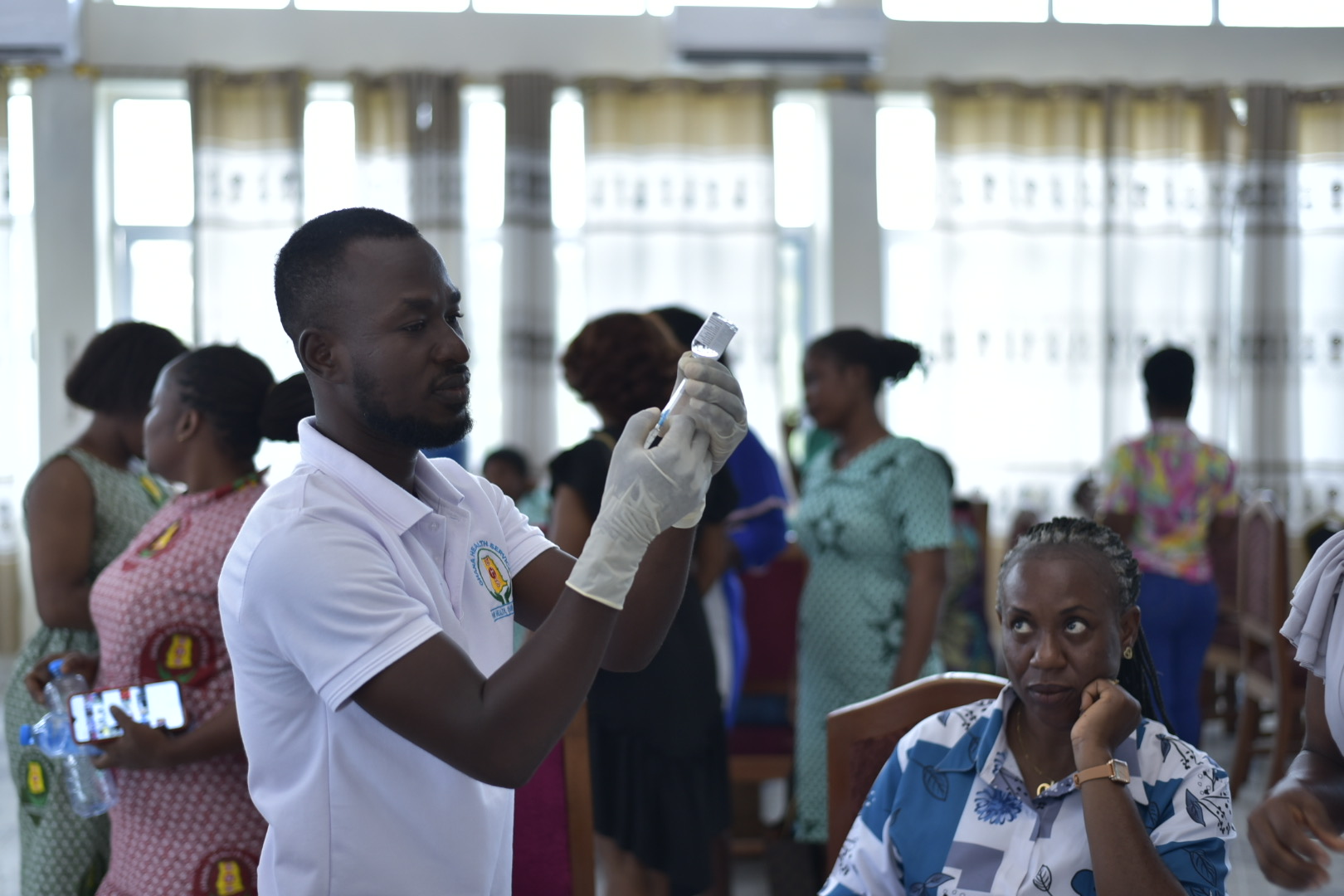
Photo @Abdul-Lahie Abdul-Rahim Naa/ WHOGhana
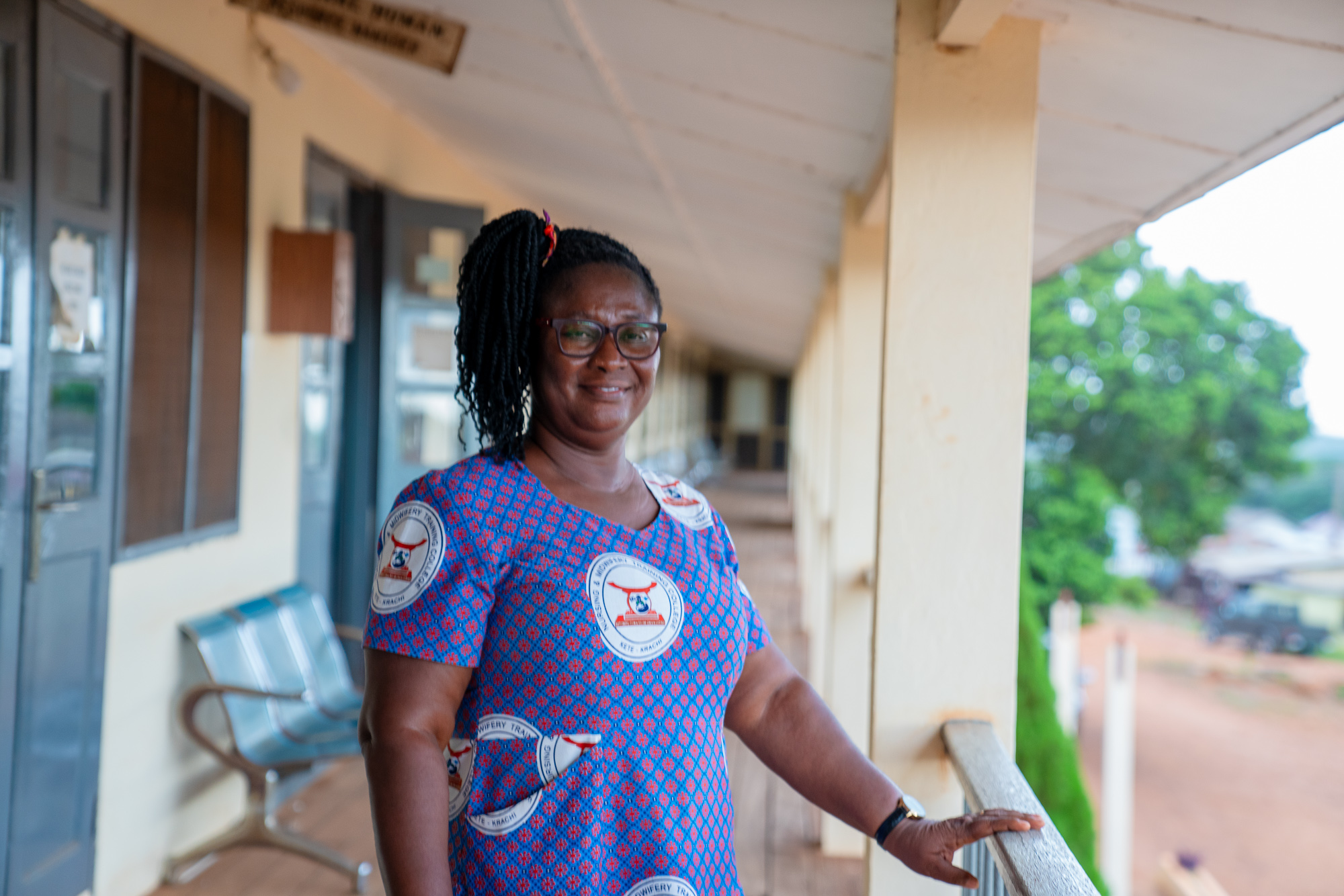
At the heart of this intervention lies an innovative hybrid training approach—a blend of online and in-person sessions designed not only for efficiency but to minimize disruption to frontline health workers’ duties and reduce logistical costs. Between June and August 2024, 1633 midwives and community health nurses logged onto the GHS e-learning platform from their respective clinics, CHPS compounds, and district hospitals across six regions: Ashanti, Savannah, Northern, Volta, Oti, and Central.
Photo @Abdul-Lahie Abdul-Rahim Naa/ WHOGhana
“The online platform was a game-changer. It allowed participants to learn essential skills without leaving their communities and this cut costs significantly. We’re training at scale while respecting our staff’s time and duties—that balance matters”, explained Dr. Hillarious P.A.K. Abiwu, Deputy Director for Public Health in the Northern Region.
Photo @Abdul-Lahie Abdul-Rahim Naa/ WHOGhana
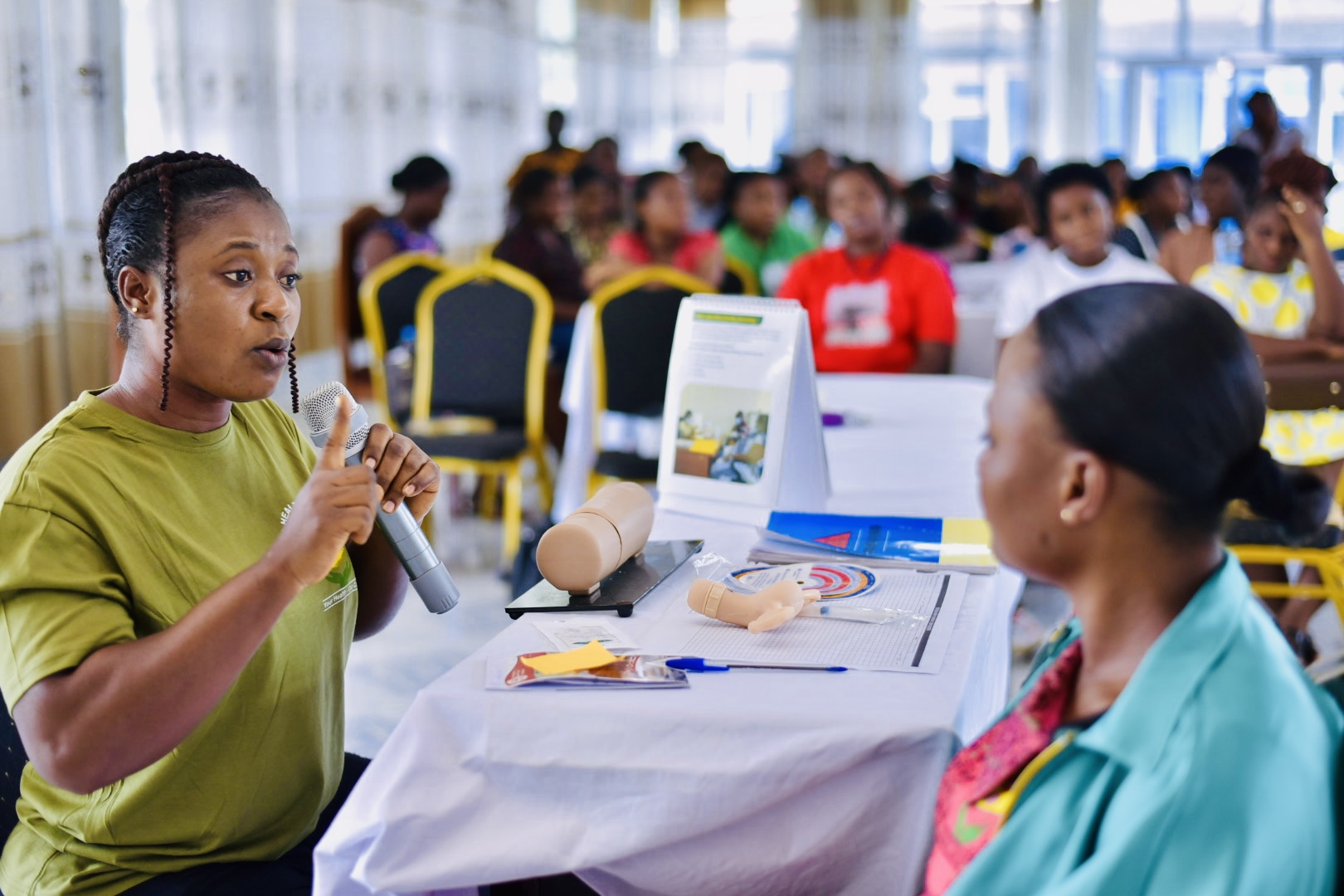
By the time the first in-person sessions began in September 2024, participants already had a solid grasp of the theory behind LARCs—how they work, their efficacy, contraindications, and counselling techniques. The face-to-face sessions, therefore, focused on practical application: infection prevention techniques, client-centered counselling, insertion and removal of contraceptive subdermal implants and intrauterine devices using anatomical models, as well as supervised clinical practice in real-life health settings.
“The blended model helped our nurses absorb and apply the content more effectively. They came in informed, confident, and ready for hands-on learning. For a system facing budget constraints and high demand, this is the kind of innovation we needed”, noted Florence Gyaase-Nketiah, Regional Public Health Nurse in the Volta Region.
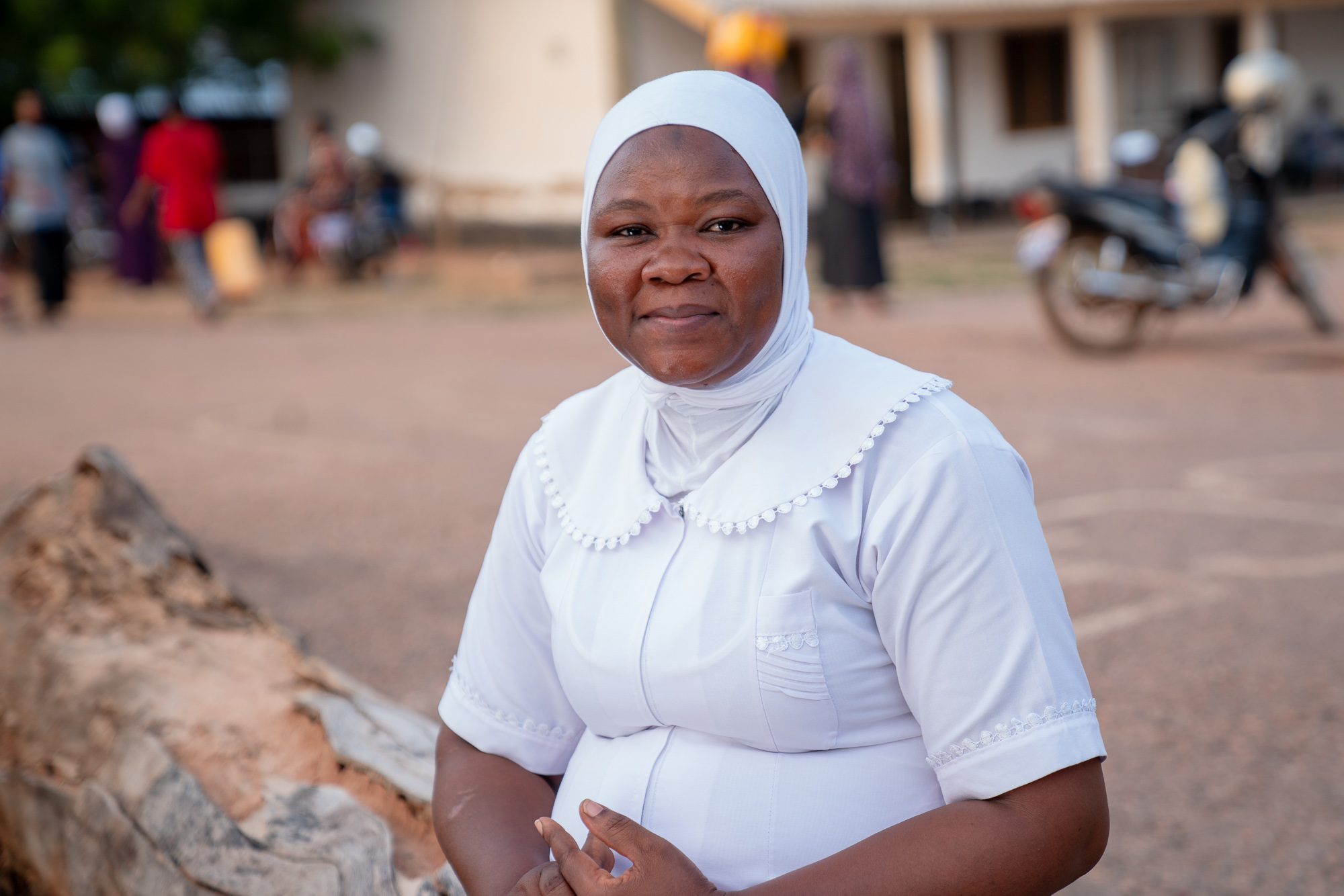
Latifa Abdulai, a Midwifery Officer and tutor at the Community Health Nursing Training College in Tamale, described the experience as transformative. “I was initially nervous about learning something so technical online, but the platform was very interactive. It gave me the flexibility to go back and revise areas I didn’t fully understand. By the time I got to the in-person training, I felt prepared and excited”.

For Latifa, the impact goes beyond just personal development. “Now I can support my students and colleagues more effectively. And more importantly, the women in my community can access reliable family planning services without having to travel long distances”.
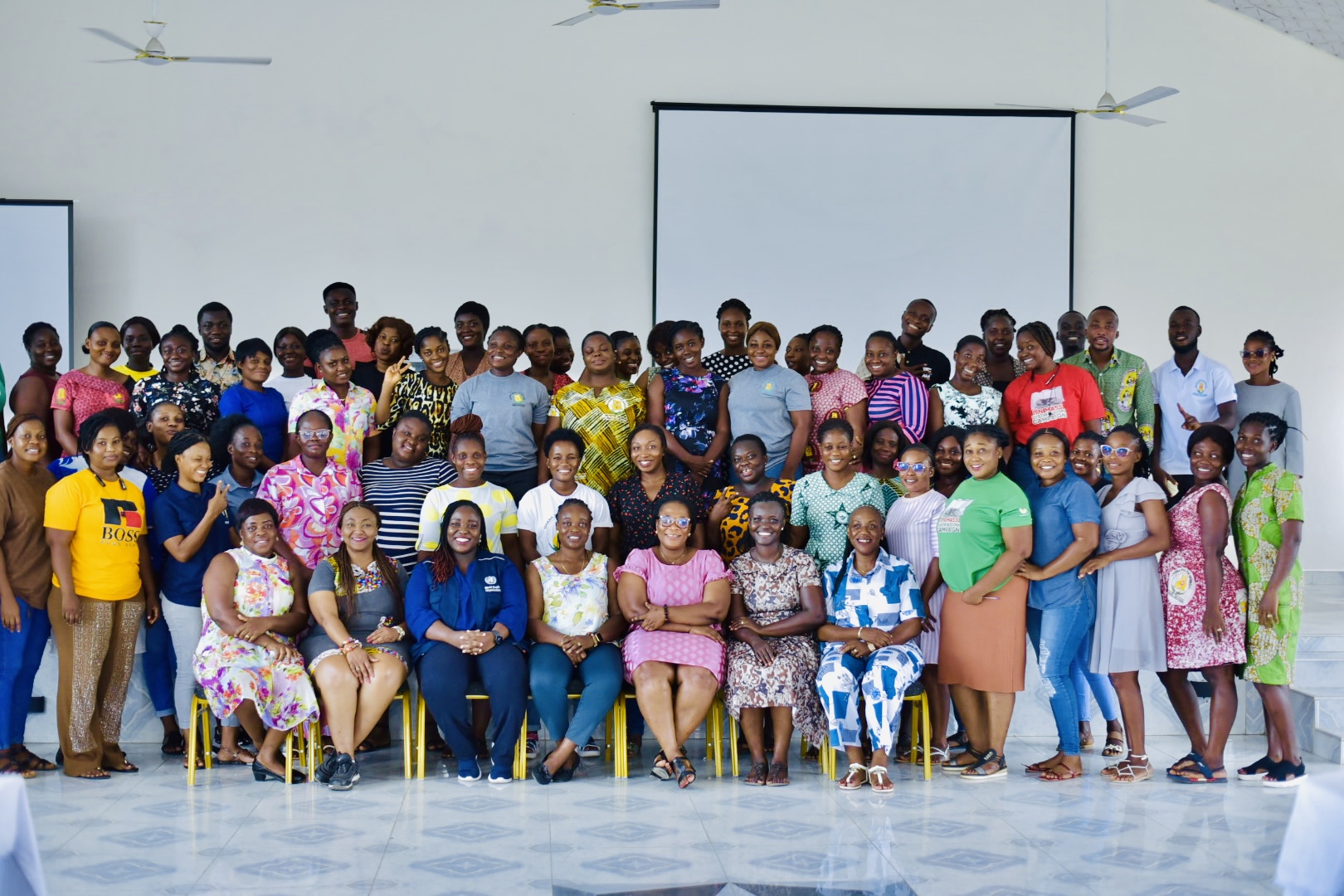
Photo @Abdul-Lahie Abdul-Rahim Naa/ WHOGhana
By March 2025, the project had trained 1510 frontline health workers, including 502 midwives and 1008 community health nurses. But the work doesn’t end at training. WHO and GHS teams embarked on post-training monitoring visits, providing supportive supervision to ensure that new skills are translating into improved service delivery.
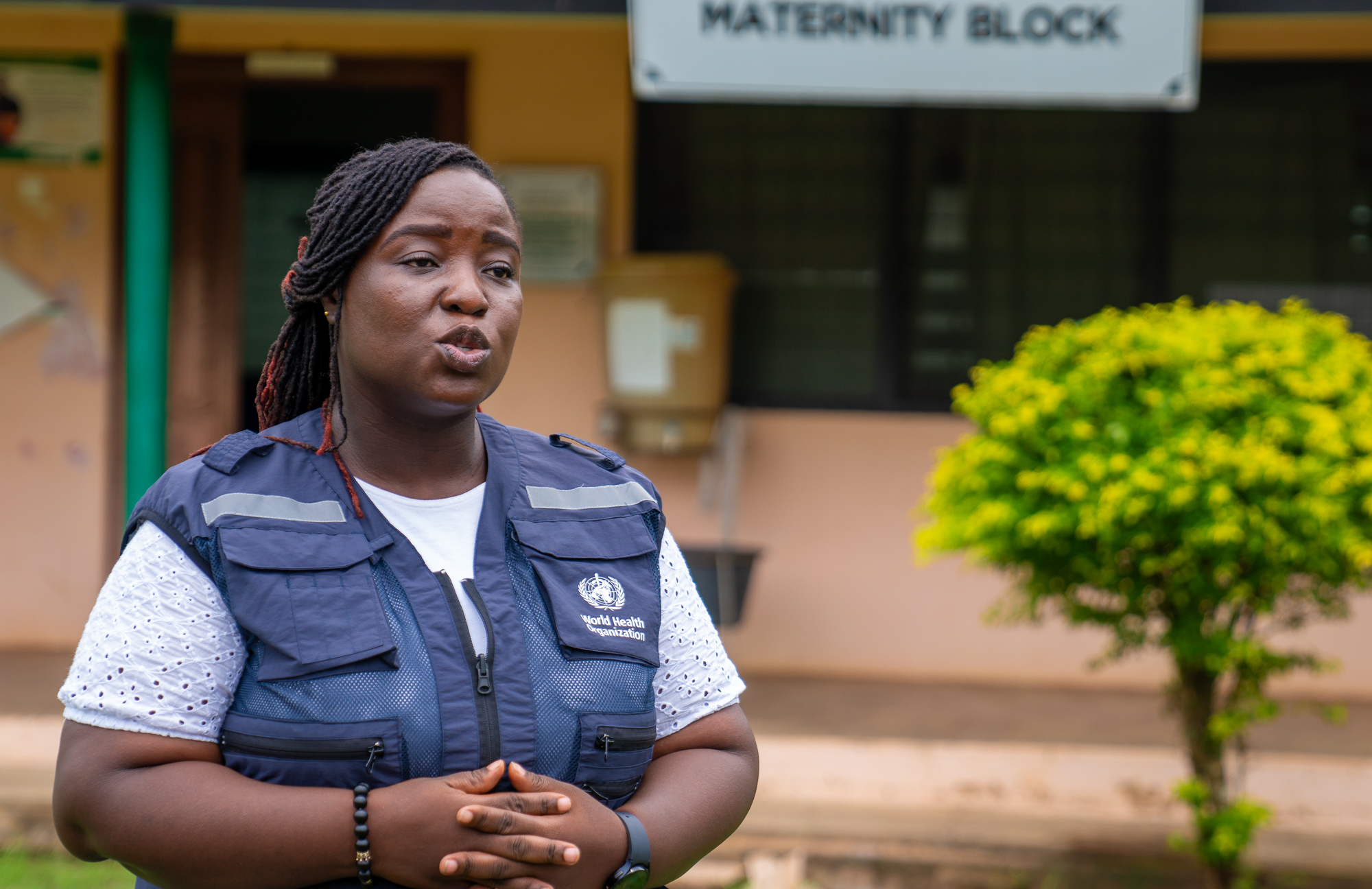
Dr. Katherine Attoh, Technical Officer for Reproductive, Maternal, Newborn, Child, and Adolescent Health (RMNCHA) at WHO Ghana, sees this approach as a cornerstone for sustainable health systems.

“We are not just training service providers —we are strengthening the health system’s ability to meet the sexual and reproductive health needs of women and girls wherever they are. When service providers are confident and competent, the entire community benefits. This hybrid training model apart from being innovative ensures improved accessibility, flexibility, and personalized learning experiences for the service providers”, she said.
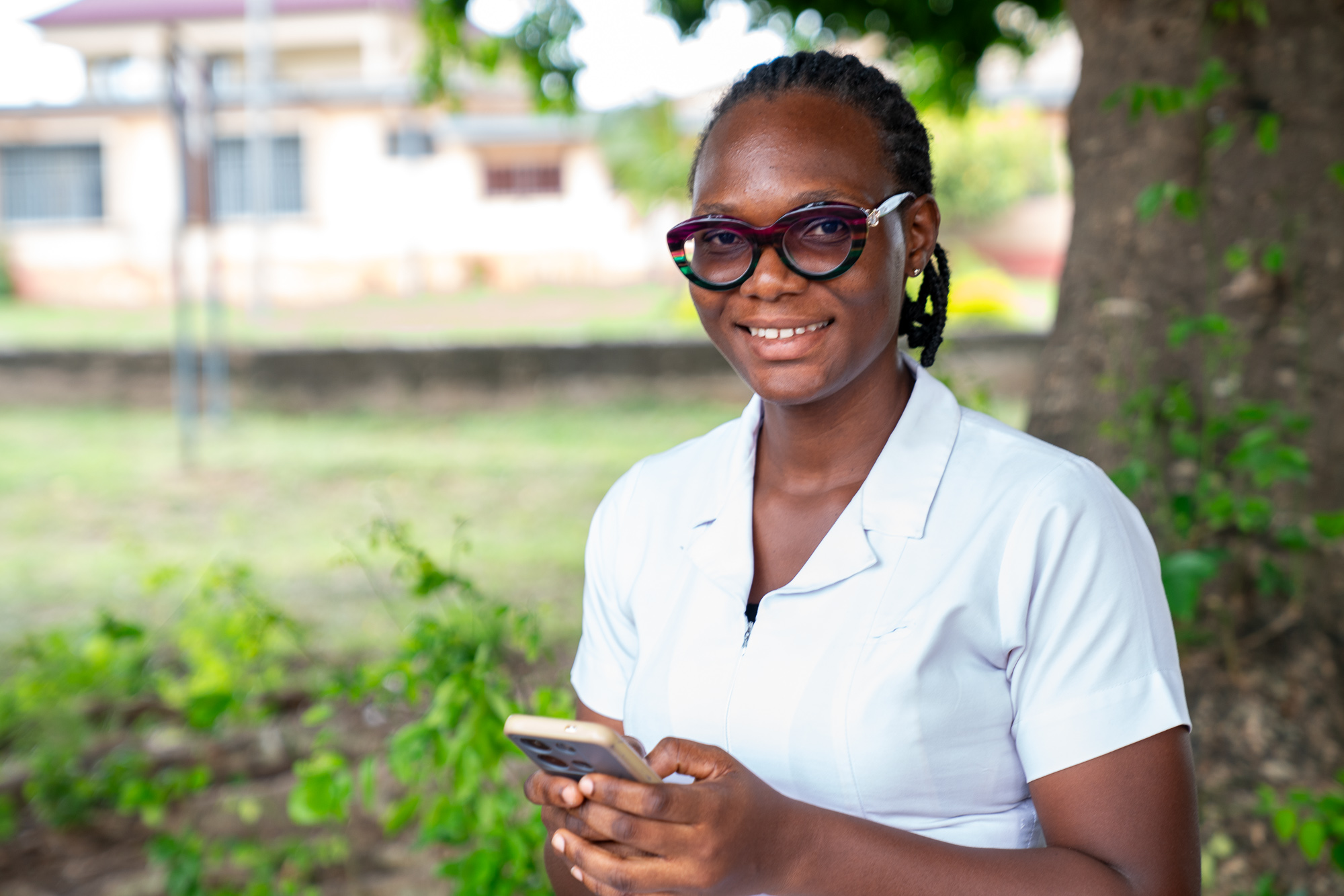
The ripple effect of this intervention is already being felt in health facilities where women are receiving implants and IUDs from newly trained service providers. Women and girls are being counselled with empathy, care, and accurate information. For many, this access marks a turning point—one where family planning becomes not just available, but truly accessible.

For Additional Information or to Request Interviews, Please contact:
Abdul-Lahie Abdul-Rahim Naa
Communications Officer
WHO Ghana Country Office
Email: abdullahiea@who.int
Tel: +233 20 196 2393